REVIEW · WALKING TOURS
Discover the Jewish Ghetto of Rome on a Small Group Walking Tour
Book on Viator →Operated by Roman Vacations · Bookable on Viator
Rome has layers.
This small-group Jewish Ghetto of Rome walking tour connects the ancient city to the stories, buildings, and scars of Jewish life in Rome. You start amid Roman power monuments, move past everyday Renaissance streets, and end where the river makes the old and new feel close. I like that the group stays small (max 15), so you can actually hear the guide without playing shadow-queue. I also like that you get an included stop for authentic kosher gelato or coffee, which breaks up the walking nicely.
You do cover a good chunk of ground in about 2 hours, so it’s not the kind of stroll where you drift and stop whenever you want. One consideration: you’re also in an outdoor route, and if weather turns (Rome can do that), you’ll move faster or shorten the pace rather than slow down to enjoy every photo.
In This Review
- Why This Walk Works So Well in a Small Group
- Key Stops and What They Teach You (For Real)
- Starting at Foro di Traiano: Getting Oriented Fast
- Teatro di Marcello: The “Little Colosseum” With a Different Story
- Fontana delle Tartarughe and the Kosher Gelato Break
- Tempio Maggiore di Roma: Oldest Ghetto Roots, and a Synagogue Still in Use
- Il Portico di Ottavia: Augustus Built It, the Ghetto’s Steps Followed
- Isola Tiberina and the Finish: River Views and Hospital History
- Value Check: Is It Worth $48.37 for Two Hours?
- Practical Tips Before You Go
- If You Care About the Human Story, This Is the Kind of Tour to Book
- Should You Book This Jewish Ghetto of Rome Tour?
- FAQ
- How long is the Jewish Ghetto of Rome walking tour?
- How much does the tour cost?
- What language is the tour offered in?
- How large is the group?
- Is there a mobile ticket?
- What food or drink is included?
- Do I need to pay for admission at the stops?
- Where does the tour start?
- Where does the tour end?
- Is free cancellation available?
Why This Walk Works So Well in a Small Group
Rome’s Jewish Ghetto is one of those places that can feel overwhelming if you visit on your own. This tour gives you a route and a guide who ties the streets together. You’re not just seeing sights. You’re learning why those sights exist in that exact spot, and how the ghetto sat inside a much bigger Rome.
The best part is the pacing. With a maximum group size of 15, questions don’t get lost. If you like history, you’ll get it. If you just want the human story and solid context, you’ll get that too. And because the tour includes a kosher gelato or coffee break, you’re not forced to choose between learning and eating.
Key Stops and What They Teach You (For Real)
- Trajan’s Column to Michelangelo’s Piazza del Campidoglio: Roman imperial setting, then a design masterpiece that shows how later Rome “remade” older power.
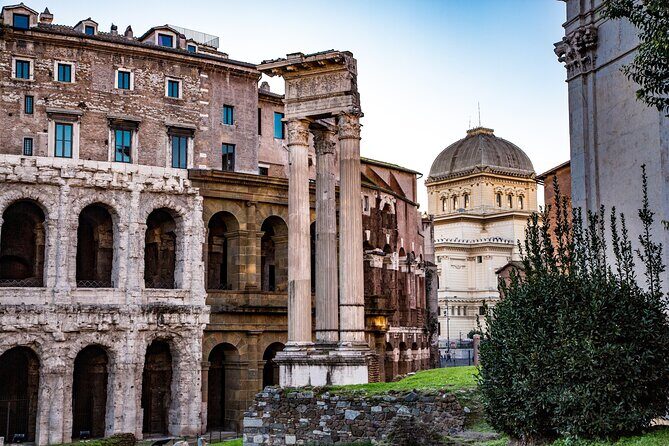
- Teatro di Marcello, the little Colosseum: A near-Colosseum vibe without the blood-sports story, plus the odd fact of homes built above it.
- Fontana delle Tartarughe plus kosher gelato: A quick palate reset right in the neighborhood streets.
- Tempio Maggiore di Roma: The oldest Jewish ghetto point (1555) and a living synagogue today.
- Porticus Octaviae, the fish-market era: Where commerce once sat, before the ghetto walls and restrictions.
- Isola Tiberina for the wrap-up: Ancient hospital history, great river views, and an easy jump to Trastevere.
You can also read our reviews of more walking tours in Rome


Starting at Foro di Traiano: Getting Oriented Fast
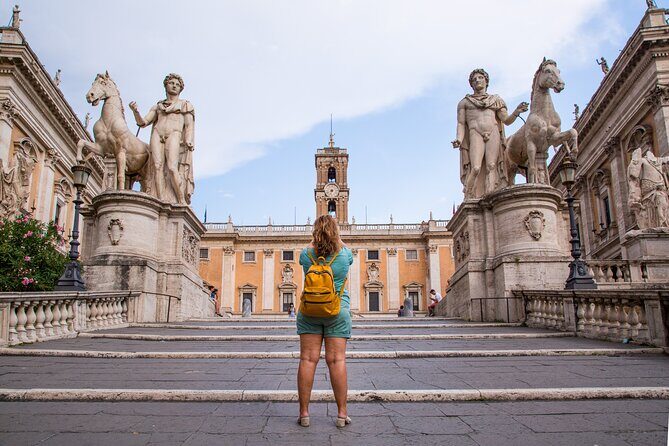
Your tour begins at Foro Traiano (84, 00187 Roma). This is a smart starting choice because it’s Roman “big statement” territory. You start near Trajan’s Column area and head through Piazza Venezia, then up a gentle slope toward Piazza del Campidoglio.
Even if you don’t know much about Rome yet, you can feel what’s going on here. This is where the city shows off control and order: lines, monuments, and a sense of permanence. And when you reach Piazza del Campidoglio, you’ll see the influence of Michelangelo’s design. This matters because the tour later contrasts that confidence with the restrictions placed on the Jewish community. Same city, totally different power dynamic.
Bonus: the walk between these stops is a good way to get your bearings on your first day. You’re using landmarks, not guessing directions.
Teatro di Marcello: The “Little Colosseum” With a Different Story

Next up is Teatro di Marcello, which locals and guides often nickname the little Colosseum. Architecturally, it echoes the Colosseum style, but its timeline is a bit older, dating to 12 BC.
Here’s the detail I think helps most: it did not house the blood sports associated with the big amphitheaters. That single clarification shifts how you read the ruins. You’re not seeing “everything Roman was brutal.” You’re seeing a specific kind of civic entertainment, and the building’s identity changes again later through reuse.
A very Rome touch: today, the theater structure sits with residents living in apartments above it. It’s one of those sights where the city feels like it never fully “stopped.” That theme comes back in the ghetto sections, where life continued even under pressure.
Fontana delle Tartarughe and the Kosher Gelato Break
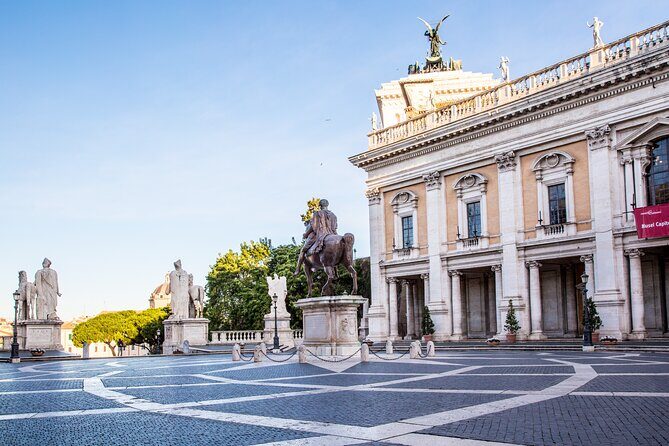
As you move through the neighborhood, you’ll pass restaurants and street life that make the area feel like a real living part of Rome, not a museum hall. Then you get a stop for traditional kosher gelato or coffee (included).
After the taste break, you reach Fontana delle Tartarughe (The Turtle Fountain). This fountain is famous for its late Italian Renaissance style. The cool part is the story behind it being constructed in just one day. Whether you’re a fountain person or not, you’ll notice how the fountain anchors the street. It’s the kind of spot people naturally gather around, which makes it easier for you to picture daily life.
Also, if you’re traveling with kids or you just want a breather, this stop is a good mental reset before the deeper chapters of the tour.
Tempio Maggiore di Roma: Oldest Ghetto Roots, and a Synagogue Still in Use
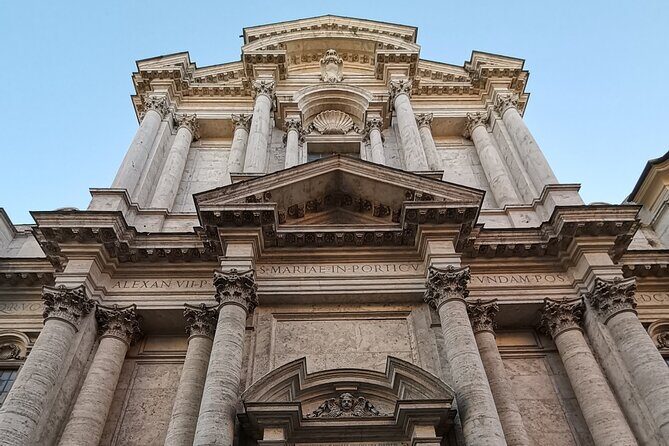
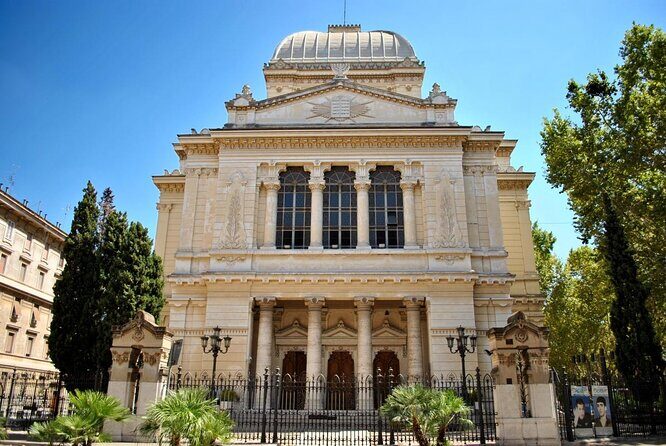
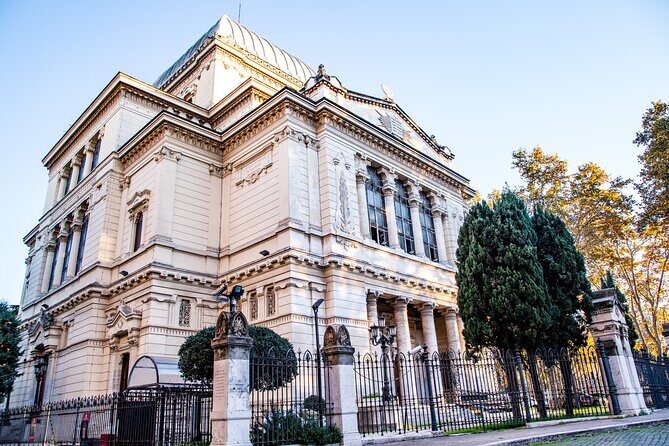
One of the most important stops is Tempio Maggiore di Roma. The synagogue complex relates to the ghetto era, and the area’s story is tied to a turning point in 1555, when Jewish residents were pushed into the ghetto under harsh conditions.
What you’ll hear here is the brutal contrast:
- The pope revoked rights granted to Roman Jews.
- Jewish residents were barred from types of trade and unable to own real estate.
And yet the story doesn’t end there. Even under those constraints, the community adapted and grew business life within the walls. You’ll also learn that there was a unique cultural ecosystem inside: community cuisine and even a dialect of Italian that developed within the population. This is the part that helps people move from sadness into understanding: restrictions shaped daily life, but life still happened.
The synagogue still functions today as a place of prayer and a cultural touchstone. It’s also described as the third largest synagogue in Europe and remains a visible symbol of continuity.
Practical note: admission is not included for the synagogue/Museum component, so you’ll want to decide if you want to pay extra to go inside.






Il Portico di Ottavia: Augustus Built It, the Ghetto’s Steps Followed
After Tempio Maggiore, you head to Il Portico Di Ottavia (also called the Porticus Octaviae). This is a short walk, but it’s a big historical hinge.
The portico was built by Emperor Augustus in honor of his sister Octavia. For centuries it also served as a commercial hub, and from the 15th century to the early 20th century it was home to Rome’s fish market.
That matters because it gives you a sense of what “commerce” looked like in the area before and alongside ghetto life. You can start to see how access to markets and the ability to participate in trade would be life-changing in either direction.
This is also where you enter the ghetto itself, moving from the larger Rome setting into the more enclosed identity of the Jewish quarter.
Isola Tiberina and the Finish: River Views and Hospital History
The tour ends at Isola Tiberina (Tiber Island). This finish is both scenic and useful. The island sits between the Jewish Ghetto area and Trastevere, so you’re not stuck at a dead end. It’s also well connected for getting back across the city.
Historically, the island is famous because ancient Romans used it as a hospital zone. The river acted like a natural barrier helping slow disease spread, and the story continues: there’s still an important hospital presence on the site today.
You also get a simple travel advantage. After the walk, you’re set up to eat. The tour wraps with tips for what to try, and Trastevere is close enough to make that plan easy.
Value Check: Is It Worth $48.37 for Two Hours?

For $48.37 per person, the value is mainly in three places.
First, you’re paying for a guide who can connect multiple time periods in one route: Roman monuments, Renaissance art and streets, and the ghetto story. That’s not just “see a few plaques.” It’s a guided chain.
Second, you get an included kosher gelato or coffee. If you’ve ever paid extra for food stops on tours, you’ll appreciate that this is part of the ticket price.
Third, the small group size (max 15) changes the experience. You can hear commentary clearly and ask questions. That’s the difference between a passive walk and something that feels interactive.
One thing to watch: the synagogue visit isn’t included. If you want to go in, your total day cost might rise slightly.
Practical Tips Before You Go
- Wear comfy shoes. This is city walking with steps and slopes.
- Plan for outdoor weather. If rain hits hard, you may need to keep moving or come back later to explore dry.
- Bring curiosity, not a checklist. The power of the tour is how it explains why these buildings matter where they stand.
- Save time after the tour. The ending at Isola Tiberina sets you up for lunch or dinner in either the ghetto area or Trastevere.
If You Care About the Human Story, This Is the Kind of Tour to Book
From the range of guide styles mentioned in guide feedback you’ll see online, one theme keeps showing up: guides tend to bring not just facts, but emotional clarity and context. People praise guides for being engaging and moving when they cover persecution and WWII-era realities tied to the ghetto.
At the same time, no tour is perfect for every learning style. Some people prefer more site-based storytelling and less straight lecturing. If you’re the type who likes lots of back-and-forth, you’ll likely do best when you ask questions and treat it like a conversation, not a classroom.
Should You Book This Jewish Ghetto of Rome Tour?
Yes, if you want a guided walk that connects Rome’s big monuments to the Jewish quarter without turning it into a rushed checklist. The small group size, the included kosher gelato or coffee, and the finishing point near Trastevere make it a strong first-day or second-day option.
I’d skip it only if you strongly prefer self-paced museum-style visits where you stop for long stretches inside buildings. Since the synagogue admission isn’t included and the route is mostly walking, you’ll get more out of this tour if you like moving through neighborhoods with a guide’s commentary.
FAQ
How long is the Jewish Ghetto of Rome walking tour?
The tour lasts about 2 hours.
How much does the tour cost?
The price is $48.37 per person.
What language is the tour offered in?
The tour is offered in English.
How large is the group?
The maximum group size is 15 travelers.
Is there a mobile ticket?
Yes, the tour includes a mobile ticket.
What food or drink is included?
You’ll get an authentic kosher gelato or a coffee during the experience.
Do I need to pay for admission at the stops?
Most stops are free. Admission for Tempio Maggiore di Roma is not included.
Where does the tour start?
It starts at Foro Traiano, 84, 00187 Roma.
Where does the tour end?
The tour ends at Tiber Island (Isola Tiberina), 00186 Rome.
Is free cancellation available?
Yes. You can cancel up to 24 hours in advance for a full refund.