REVIEW · COLOSSEUM
Rome: Colosseum, Palatine Hill & Roman Forum Guided Tour
Book on GetYourGuide →Operated by City Wonders Ltd. · Bookable on GetYourGuide
Gladiator echoes hit the ground fast. This guided tour strings together the Colosseum, Palatine Hill, and Roman Forum so you can connect the dots between politics, spectacle, and everyday Roman life. I love the expert guide-led storytelling, like when guides use tablets to show how parts may have looked long ago, and I also like the option to step onto the Arena Floor. The main drawback is practical: you’ll walk a lot on uneven stone, and you can’t bring backpacks or large bags into the area.
You’ll cover three huge sites in about 1.5 to 3 hours, with headset audio when it’s needed so you don’t miss the details. It’s also available as small group and semi-private options, which usually keeps the pace sane in a place where lines and crowds can get chaotic. On the day, the order of stops can shift to improve the experience, but the story arc stays the same.
In This Review
- Key Points to Know Before You Go
- Why This Colosseum-Forum Plan Fits Rome Time
- Picking Your Ticket Option: With or Without the Arena Floor
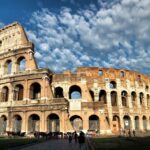
- Entering the Colosseum: More Than Rows of Stones
- Palatine Hill: Views, Origins, and the Big “Why”
- Roman Forum and the Via Sacra: Where Daily Power Played Out
- The Guide Makes the Difference (Yes, Really)
- Crowd Flow, Headsets, and What It Feels Like on the Ground
- Price and Value: What $53 Really Buys
- Practical Tips That Keep Your Day Smooth
- Who This Tour Suits Best
- Should You Book This Colosseum, Palatine Hill & Roman Forum Tour?
- FAQ
- How long does the Colosseum, Palatine Hill, and Roman Forum guided tour last?
- Is Arena Floor access included?
- What sites are included in the tour?
- Are headsets provided during the tour?
- What language is the tour guide?
- What items are not allowed?
- Is the tour wheelchair accessible?
Key Points to Know Before You Go
- Arena Floor upgrade (short but memorable): If you choose the Arena option, you get about 15 minutes on the floor where gladiators fought.
- Headsets help a lot: When it’s noisy or the group splits slightly, audio devices keep you connected to the guide’s explanation.
- One guide, three sites: You don’t just see ruins; you learn how the Colosseum, Palatine Hill, and Roman Forum relate.
- Guides bring the myths to life: I’d pick this tour for the narration style, whether it’s Barbara’s Italian-accent charm or Patrick’s interactive, shade-aware pacing.
- Strict entry rules mean tight preparation: You must book with participant names, carry matching ID, and keep bags to a minimum.
Why This Colosseum-Forum Plan Fits Rome Time
The Colosseum alone can eat up a day. The trick here is that this tour compresses the big “greatest hits” into a focused circuit: amphitheater, the hill where Rome’s elite claimed roots, then the Roman Forum along the Via Sacra.
The value isn’t just convenience. It’s the way the sites talk to each other. In the Colosseum, you’re thinking about public spectacle and power. On Palatine Hill, you shift to status, origins, and the way Rome’s wealthy shaped what the city became. Then the Forum puts you back on ground level—politics, commerce, and sacred routines—so the day feels complete instead of like three separate photo stops.
Also, the time window matters. At 1.5 to 3 hours total, it’s long enough to learn, but short enough that you won’t feel wrecked before dinner. It’s a smart match if you’ve got limited days in Rome or if you’re not trying to spend hours in a line just to get inside.
You can also read our reviews of more guided tours in Colosseum

Picking Your Ticket Option: With or Without the Arena Floor
The headline upgrade is Arena Floor access. It’s offered as a separate option, and when you pick it, the tour includes entry onto the floor for about 15 minutes under guided time.
Is 15 minutes worth upgrading? For most people: yes, because that’s the one place where the Colosseum stops being “cool from the outside” and becomes “whoa, this is where it happened.” You get a real sense of scale and of how the space would have felt during events.
But if you’re the type who prefers more time walking and looking at the Forum and hills, you might skip the upgrade. This tour is still strong even without it because you’re guided through all three areas. You’re learning the why, not just collecting angles.
Entering the Colosseum: More Than Rows of Stones
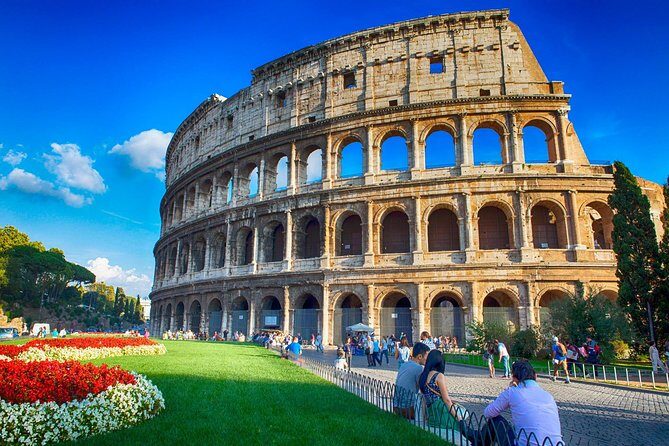
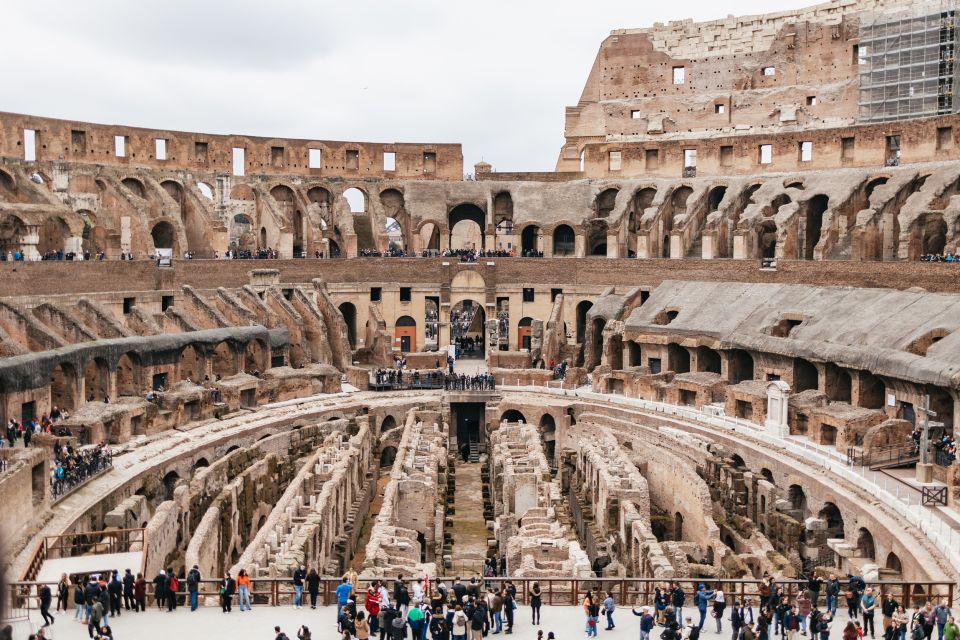
The Colosseum visit is guided for about 2 hours. That’s a great length for this specific site because it gives the guide enough time to explain the structure, the system of crowd movement, and the way gladiator events worked as public theater.
This is also where the best guides earn their pay. Some are archaeologists or deep specialists. Others use tools that make the ruins easier to picture. One common standout approach from the guides is using a tablet or visual aids to show what certain parts might have looked like when they were whole. That matters because a lot of the “wow” in the Colosseum comes from imagining what’s missing.
If you choose Arena Floor access, you’ll get a short guided window down on the sand-colored floor level. Expect it to feel very different from standing in the stands. Even with brief time, it tends to create the strongest emotional memory from the whole tour.
One practical note: the Colosseum includes stairs and uneven footpaths. You’ll want comfortable shoes, and you should plan for a brisk pace at times. There’s usually some adjustment for breaks, but this isn’t a stroll.
Palatine Hill: Views, Origins, and the Big “Why”
Palatine Hill is your Rome “backstory” stop. The guided visit runs about 30 minutes, and the focus is on the hill’s importance—often tied to the idea of Rome’s beginnings and the way early power took root in this area.
What makes this stop work is the combination of walking and viewpoint. From Palatine, you get perspective on how the city grew around key political and ceremonial spaces. Even if you already know the legend of Romulus and Remus, the guide’s explanation can help you separate story from the real physical footprint of ancient Rome.
There’s also a shift in tone. The Colosseum is loud in your mind: spectacle, crowd energy, life-and-death drama. Palatine is more reflective. You’re thinking about the city’s hierarchy and why certain families wanted to associate themselves with the earliest Rome.
If you’re sensitive to heat, you’ll appreciate a guide who tries to use shade when possible. In past tours, guides like Patrick have been thoughtful about staying comfortable without rushing the experience.
Roman Forum and the Via Sacra: Where Daily Power Played Out
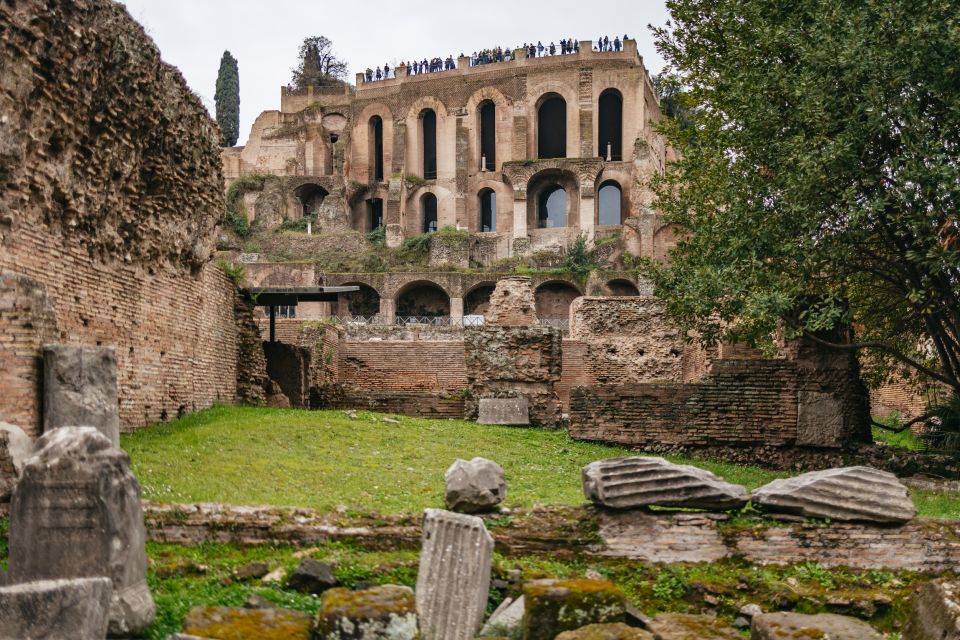
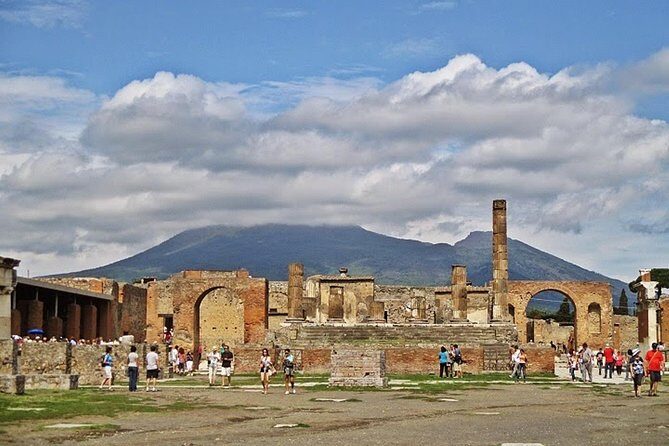
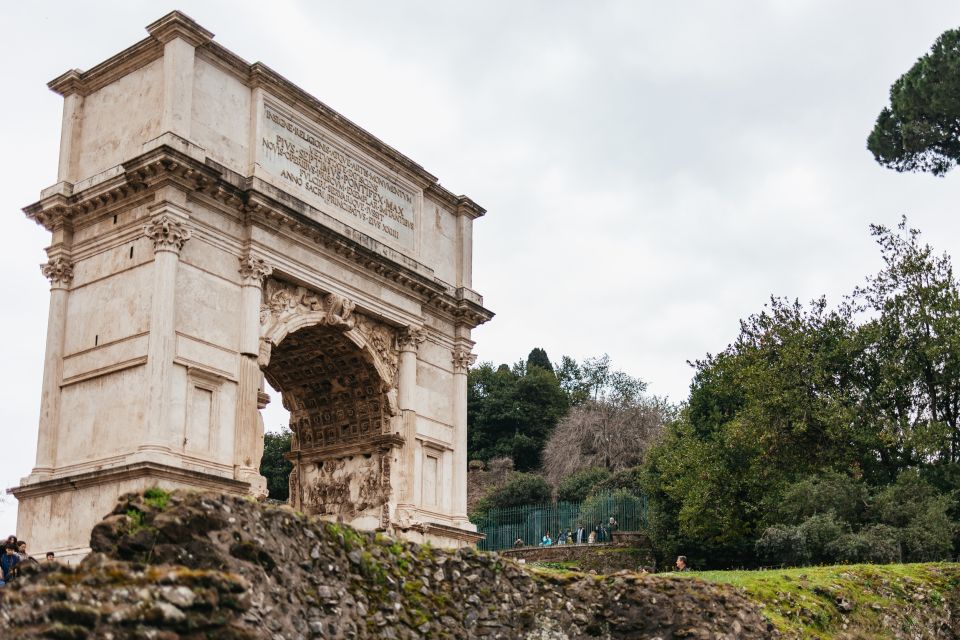
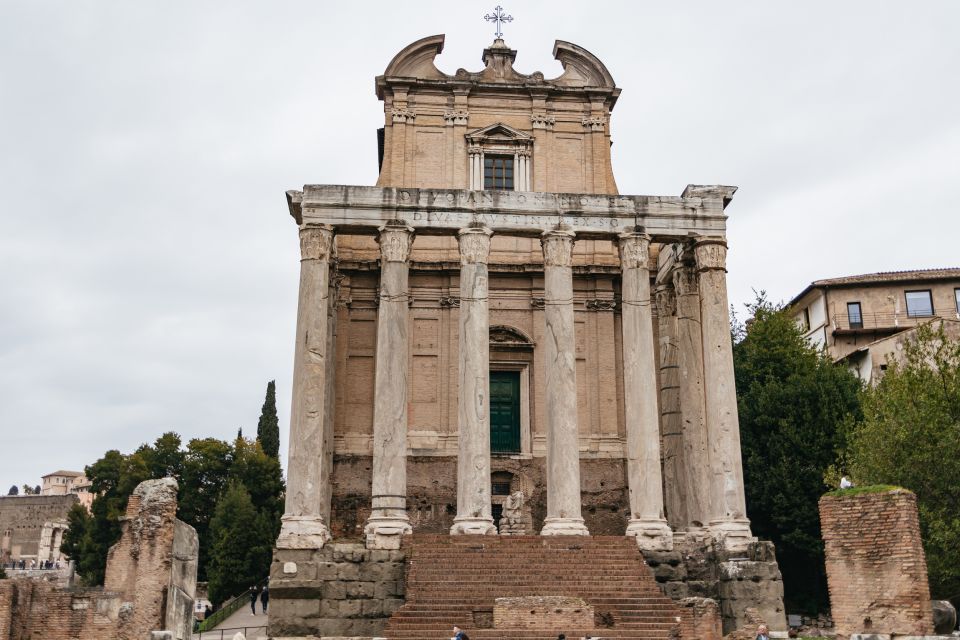
After Palatine, the tour lands at the Roman Forum for about 30 minutes, still guided and focused.
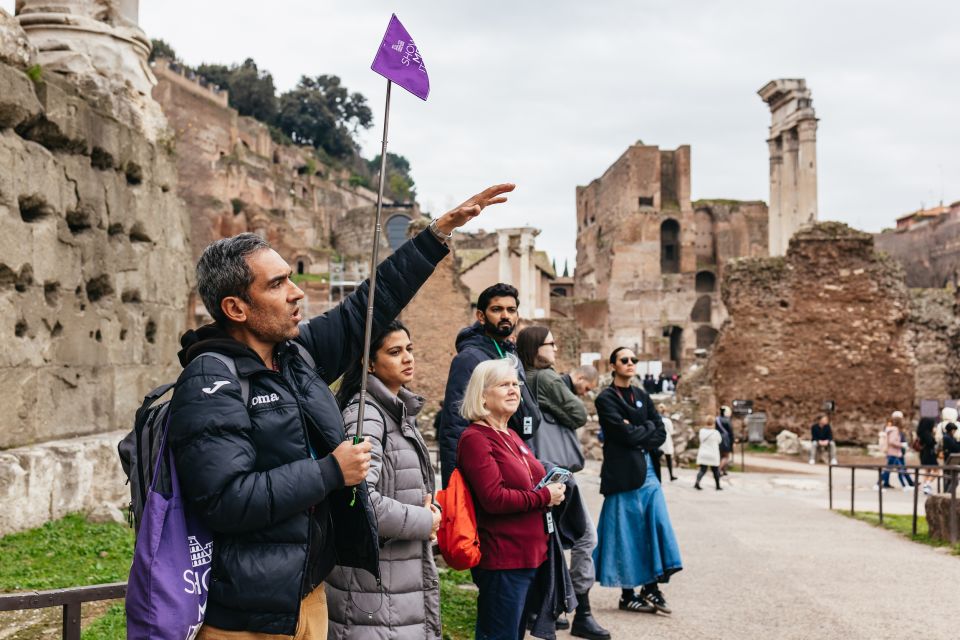
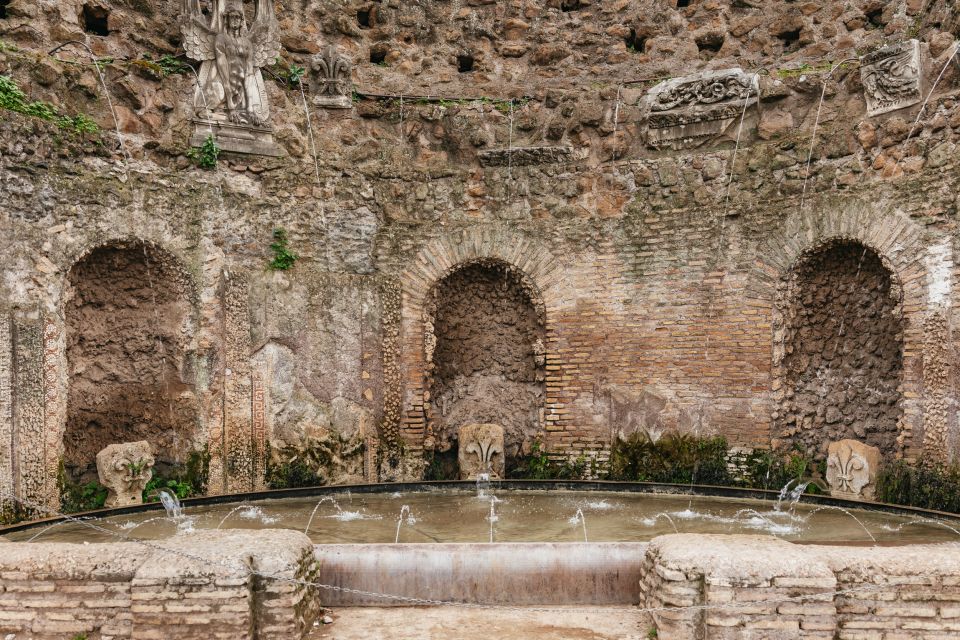
This is the part many people underestimate. Photos make the Forum look like a collection of columns and broken walls. With a solid guide, you start seeing it as a city engine—where commerce and politics tangled together, and where sacred moments unfolded alongside everyday routines.
The walk includes the area of the Via Sacra, the Sacred Way. That’s useful because it gives you a route with meaning. Instead of wandering, you’re moving through space with context—processions, public announcements, and the everyday rhythm of Roman civic life.
A good guide also helps you notice the differences between ruins that look similar at first glance. That’s where explanations can change the experience from sightseeing to actually understanding how the place functioned.
Crowds can be heavy here, and the Forum can feel busy even for short visits. That’s why a small group pace helps. You don’t want to be stuck behind someone stopping for every single photo—unless you’re that person.

The Guide Makes the Difference (Yes, Really)
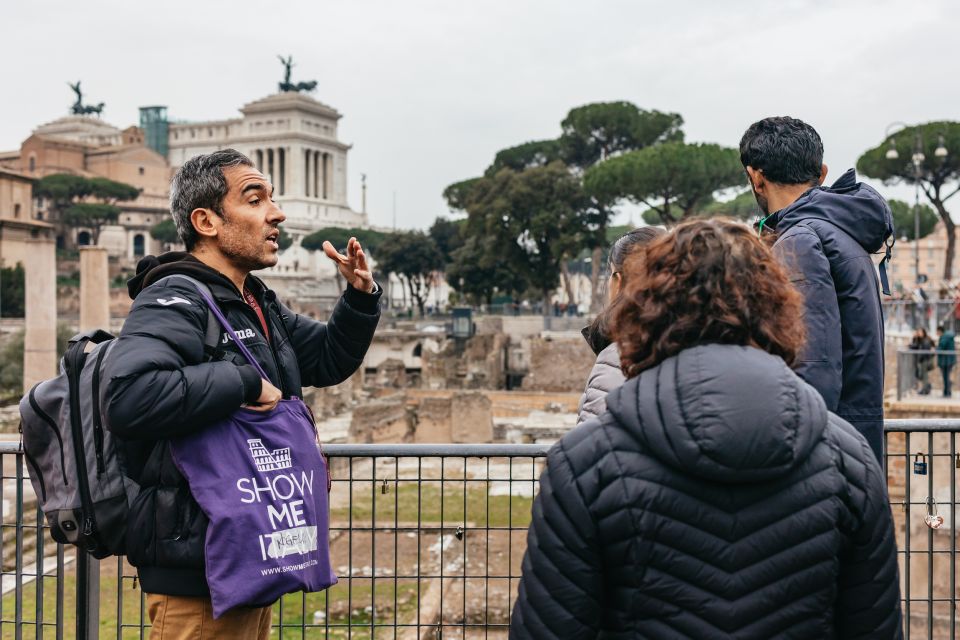
This tour lives or dies by the guide. And the evidence is in the way guides tailor the day.
I’d especially look for narration styles like these:
- Guides who explain with visuals, such as Denise’s comment about using a tablet to recreate what might have looked like in the past.
- Guides who keep it energetic but structured, like Emmanuel, described as funny and interactive.
- Guides who clearly know their material and translate it into something you can hold onto, like an archaeologist-level guide profile.
- Guides who make comfort part of the plan, like Patrick trying to keep the group in the shade on hot days.
- Guides who work well with headset audio so everyone hears the same message, plus good organization for a fast entry flow, as noted with Serena.
Names you may see: Barbara, Patrick, Leo, Serena, and Emmanuel. Not every tour has the same guide, of course, but the guiding approach described across tours is consistently the selling point.
If you want the Colosseum and Forum to feel like more than scenery, you’ll be happiest with a tour that treats the guide as part educator, part storyteller.
Crowd Flow, Headsets, and What It Feels Like on the Ground
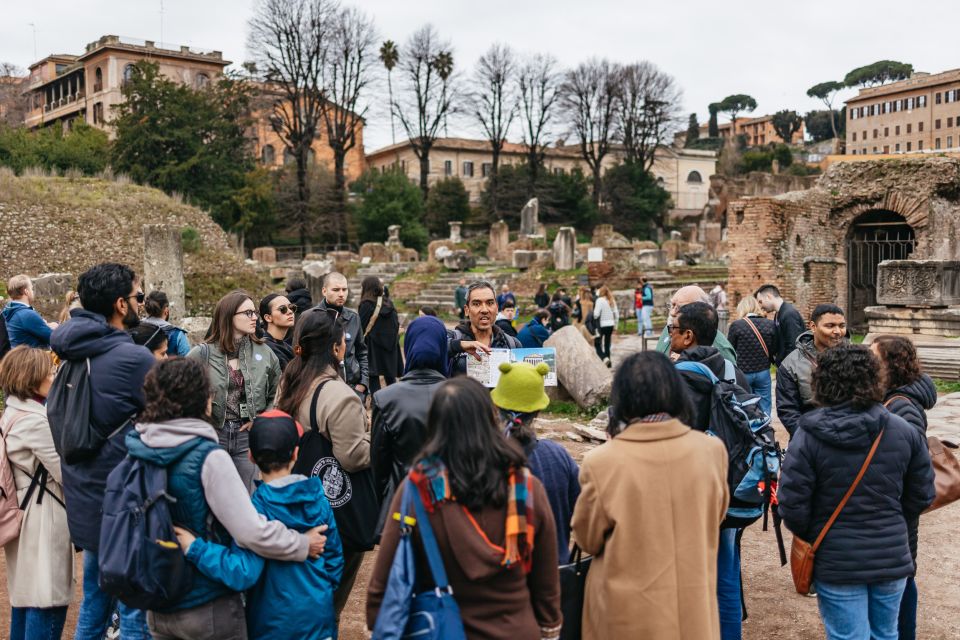
Let’s talk reality. You’re visiting three major sites in one day, so walking and crowd management are central.
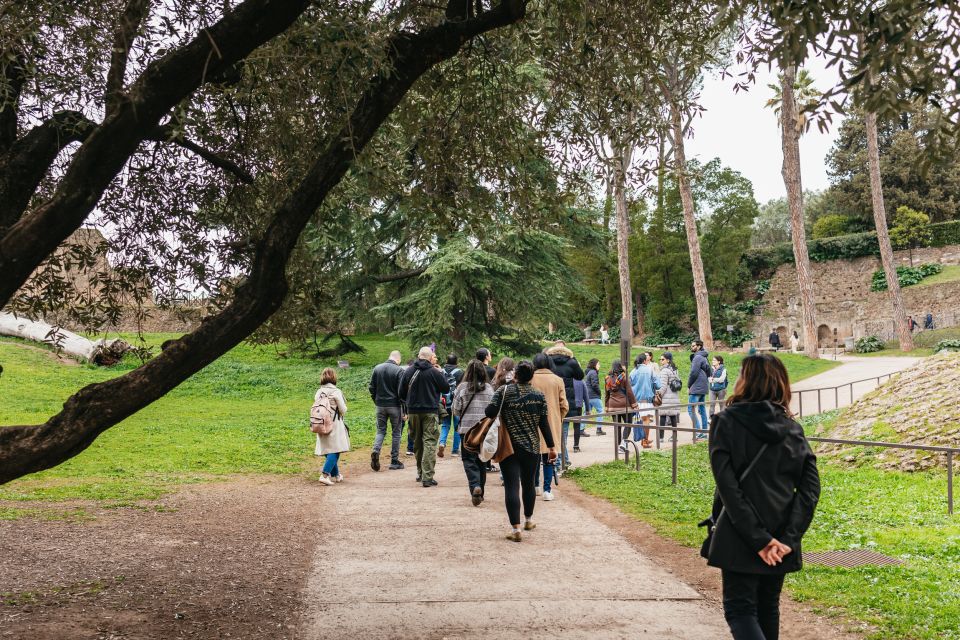
You’ll often be moving in a group line, with some brief stops for explanation. In places where echoes and noise swallow voices, the tour uses headsets when necessary. That’s not a luxury. It’s what keeps the tour coherent when you can’t see the guide’s mouth or when there are lots of people around.
Pacing also matters. Some tours run fast because the sites are big and the group time is limited. That doesn’t mean you can’t see everything—it just means you’ll spend more time learning than lingering. If you like to take your time in ruins, consider choosing the option with the Arena Floor upgrade only if you truly want that experience, and then be ready to keep moving.
Also remember the rules:
- No baby strollers
- No luggage or large bags
- No backpacks
- Comfortable shoes are a must
- There’s no cloakroom for storage
That last one is important. If you’re carrying a large day bag, you can get stuck with the problem of where to leave it before the tour even starts.
Price and Value: What $53 Really Buys
At about $53 per person, this tour is priced like a guided experience plus a timed ticket bundle. The tour includes a guide and the Colosseum + Roman Forum + Palatine Hill ticket, with ticket cost shown as €18 or €24 depending on the option you select.
That means your money isn’t just going toward entry. You’re paying for:
- Guided access across multiple sites
- Explanations that connect what you’re seeing
- Headsets (when needed)
- Arena Floor access if you choose the right option
If you tried to piece this together yourself, you’d likely pay for tickets anyway, and you’d still need to work out timing and route logic on the day. Here, the flow is built in. It’s a practical way to avoid the hit-or-miss problem of wandering a site without a plan.
For me, the best value scenario is: you want the big three sites, you don’t want to spend hours doing research on-site, and you’d benefit from a guide at the Colosseum.
Practical Tips That Keep Your Day Smooth
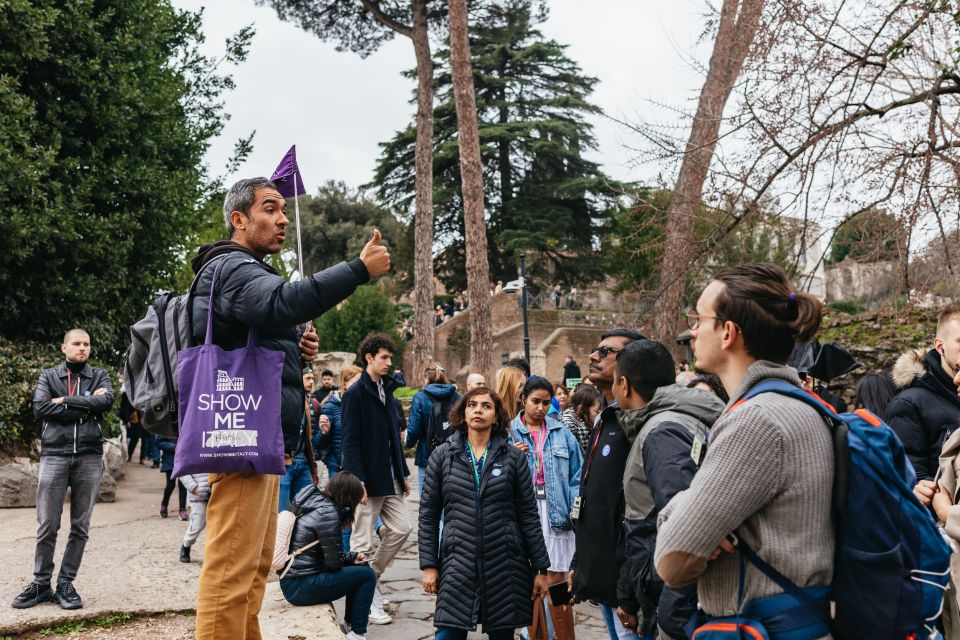
If you want this to feel easy, do three things before you show up.
First, pack light. No backpacks, no large bags. You may want to travel with a small crossbody bag only, so you’re not improvising when the rules hit.
Second, bring your ID. Participant names are required for entry, and the ID you carry needs to match the ticket. Name changes aren’t permitted once confirmed. Plan on double-checking the spelling when you book.
Third, arrive on time. The tour asks for you to be 15 minutes early at the meeting point, and late arrivals can lose eligibility for refund. In Rome, that’s a bigger deal than it sounds because getting from hotel to meeting spot can include unexpected delays.
And yes, wear shoes you trust. The sites include steps and uneven surfaces. One review also noted that there are elevators for handicap access inside the Colosseum, but the tour isn’t suitable for wheelchair users overall. If that matters for you, you’ll want an alternative plan that matches your needs.
Who This Tour Suits Best
This is a strong fit if you:
- Want one organized plan for the Colosseum, Forum, and Palatine Hill
- Enjoy learning through storytelling, including myths, politics, and how gladiator events fit Roman life
- Like guided explanations more than just wandering ruins
- Prefer a small group atmosphere for easier movement
It’s less ideal if you:
- Need lots of slow, independent time at each site
- Get stressed by stairs and crowds
- Are carrying bags that you can’t bring into the area
Should You Book This Colosseum, Palatine Hill & Roman Forum Tour?
I’d book it if you want your Colosseum day to feel like a clear story instead of a scattered checklist. The guided format is the point, and the option for Arena Floor access is the main upgrade worth considering if you want the most emotional payoff.
Before you click confirm, check two things: that you can travel light enough for the bag rules, and that you’re comfortable with walking and steps. If those fit your style, this is a smart, efficient way to see Rome’s most famous ancient core with a guide who knows how to make it make sense.
FAQ
How long does the Colosseum, Palatine Hill, and Roman Forum guided tour last?
The tour lasts about 1.5 to 3 hours, depending on the specific starting time and the option you book (including whether you add Arena Floor access).
Is Arena Floor access included?
Arena Floor access is included only if you select one of the Arena Floor options. When included, it’s guided for about 15 minutes.
What sites are included in the tour?
The tour covers the Colosseum (guided), Palatine Hill (guided), and the Roman Forum (guided), plus Arena Floor access if you choose that option.
Are headsets provided during the tour?
Yes. Headsets are provided to help you hear your guide when necessary.
What language is the tour guide?
The live tour guide is available in English.
What items are not allowed?
Baby strollers are not allowed. Luggage, large bags, and backpacks are not allowed, and there is no cloakroom for storage.
Is the tour wheelchair accessible?
No. The tour is not suitable for wheelchair users.