REVIEW · COOKING CLASSES
Cooking Class in Rome: Make Fettucine & Tiramisù with Chef Paolo
Book on Viator →Operated by cheforaday · Bookable on Viator
Fresh pasta starts with your hands.
This Rome cooking class with Chef Paolo is a practical, step-by-step night focused on making real fettuccine from egg and flour, then finishing with classic tiramisu. You’ll also get the story behind these Italian staples and the different ways they show up on menus—so it’s not just chopping and hoping. I like that you leave with skills you can repeat at home, and I like that you get to eat what you make, paired with wine and a limoncello finish.
One thing to keep in mind: the format is group-centered. Tiramisu is made together, and the pasta cooking is done together as well (split by your sauce choice), so it may feel less like a private, long sauce-mastering workshop than you imagined.
In This Review
- Quick hits for your fettuccine and tiramisù night
- Finding the right kitchen energy near central Rome (V. della Croce)
- Your pasta lesson: turning egg and flour into fettuccine
- What to expect during the pasta portion
- Choosing your sauce: amatriciana, cacio e pepe, or tomato basil
- Tiramisu night: made together, then eaten with confidence
- Limoncello and the coffee/espresso finish
- Wine with your meal: simple pairing, good pacing
- How the meal is served (and why it matters)
- Who this class is best for
- Families and kids
- Solo travelers
- Real talk: what could annoy you
- Value check: is $116.14 a good deal?
- The small details that make the night smoother
- Should you book this Rome cooking class?
- FAQ
- How long is the cooking class?
- Where does the class meet in Rome?
- What’s the price per person?
- Is the class offered in English?
- What is included in the class meal?
- What drinks are included?
- Can kids join?
- Is there a cancellation refund policy?
Quick hits for your fettuccine and tiramisù night
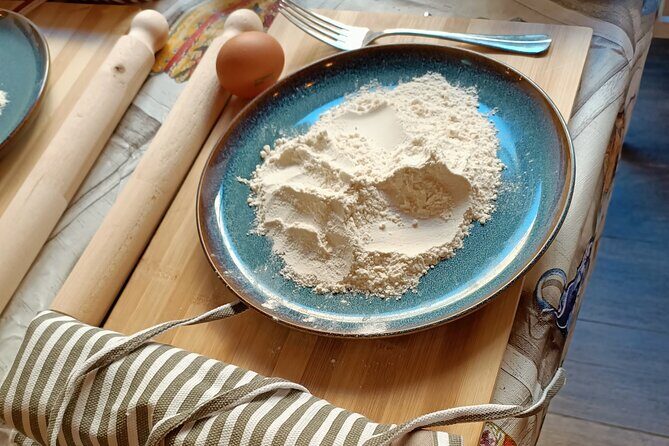
- Handmade pasta dough, using only your hands (egg and flour basics, then shaping)
- Choose your pasta sauce option: amatriciana, cacio e pepe, or tomato with basil
- Group-style tiramisù that still teaches the key moves
- Wine with your meal plus a limoncello finish
- Small class feel with a maximum of 20 people and step-by-step English support
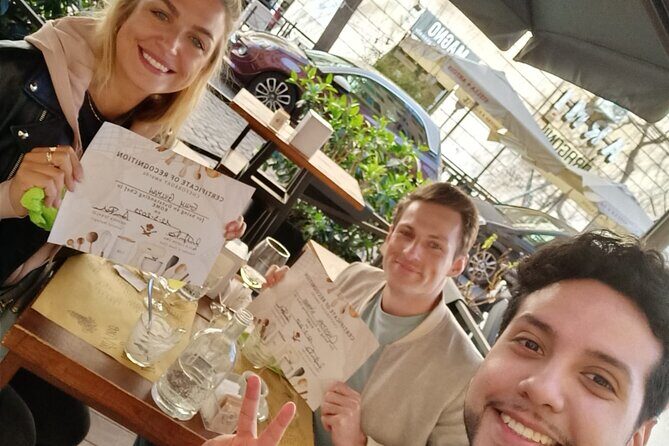
- An award certificate to bring home (because why not)
Finding the right kitchen energy near central Rome (V. della Croce)
This experience starts and ends at V. della Croce, 34, in Rome (00187). It’s set in the heart of the center of Rome, inside a restaurant. That location is a plus: you can pair it with your evening plans without hauling across town.
The practical side: the meeting place can be tricky to spot from the street because it’s a restaurant setting, not a big cooking school storefront. I’d treat this like a “give yourself extra time” activity. Show up a few minutes early, confirm the exact address in your map app, and plan a calm walk in rather than rushing at the last second.
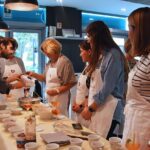
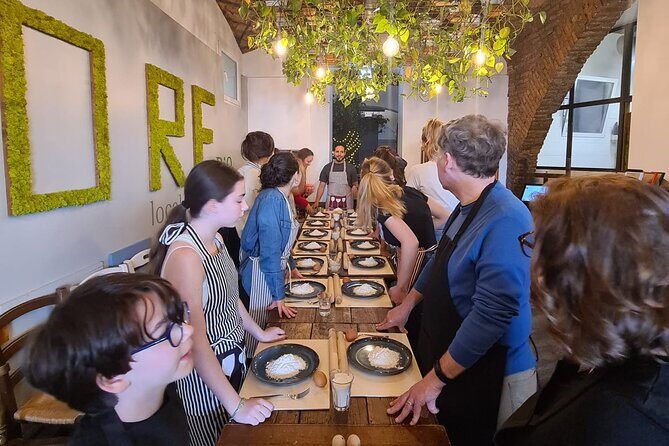
Class length is about 2 hours, and the tour is offered in English. The group size is capped at 20, which matters. In a bigger room, you’d wait. Here, you actually get coaching as you mix dough, shape pasta, and assemble tiramisù.
You can also read our reviews of more cooking classes in Rome
Your pasta lesson: turning egg and flour into fettuccine
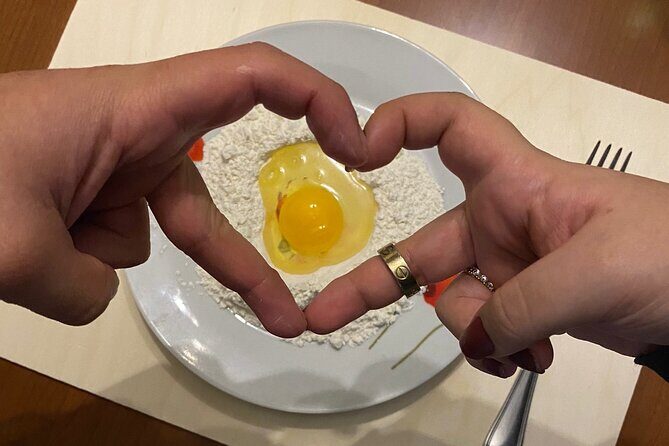
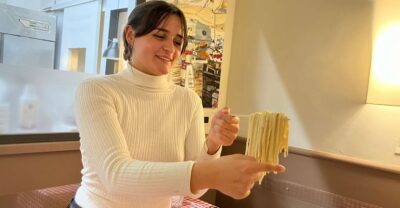
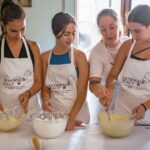
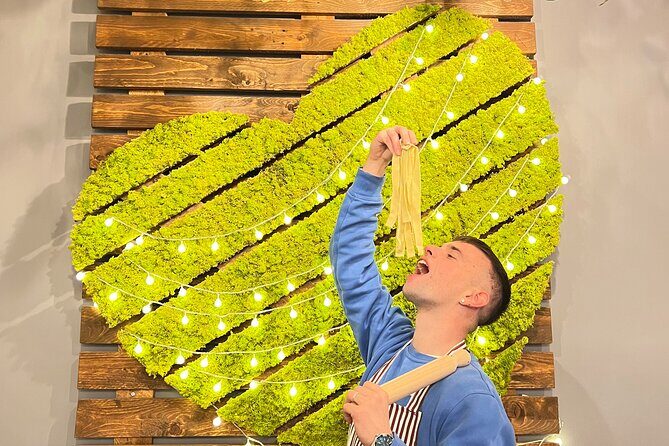
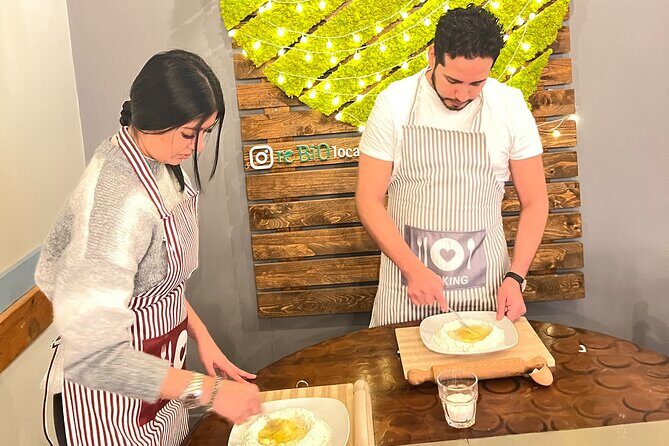
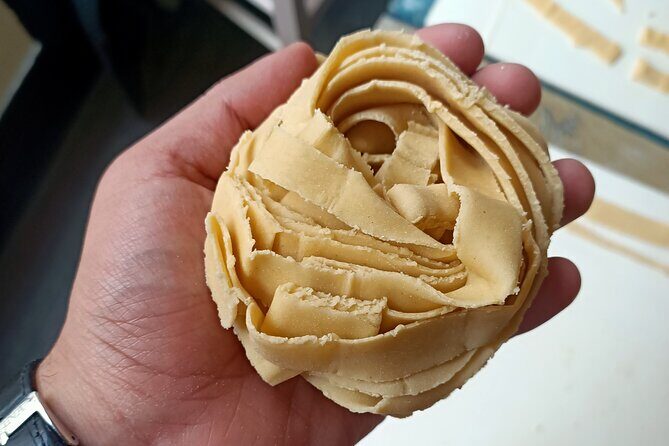
The core of the class is how to turn a simple mix—egg and flour—into dough you can work. You’ll learn the simplest, oldest technique in this tradition: build the dough, handle it correctly, and shape it into fettuccine.
Here’s why this part is so valuable: store-bought pasta is easy, but fresh pasta has a different personality. Fresh dough cooks faster and tastes like something is happening, not just eating. When you understand how the dough should feel, you stop treating pasta-making like a mysterious art.
You’ll also learn the dish and history context—so you’re not just repeating motions. The class talks about the most famous Italian dish of Italian cuisine and the forms it can take. That matters because it helps you connect what you’re doing to what you’ll see later in Rome: different pasta shapes, different sauces, and why certain combinations are “classic” rather than random.
What to expect during the pasta portion
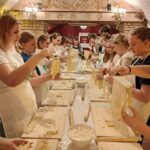
The pasta cooking is done together, and it’s divided by sauce option. Translation for you: you’ll spend time making and shaping, but you’re not in a long individual cooking line. You’ll likely work with your group, then eat your portion with your selected sauce after the cooking stage.
Some people go in expecting to fully make the sauce from scratch at the same skill level as the pasta. The safer expectation is: you’ll choose a sauce path, but the experience may focus more on pasta technique than on learning a deep sauce-cooking curriculum. If you’re hoping for a hands-on sauce workshop, read closely and come ready to treat sauce as part of the menu—rather than the main lesson.
Choosing your sauce: amatriciana, cacio e pepe, or tomato basil
You get a sauce choice for your pasta. The options are:
- amatriciana
- cacio e pepe
- tomato with basil
From a value perspective, this is a smart setup. It means you still get variety without stretching the class into three separate cooking tracks that would blow up the schedule.
Also, sauce shapes the outcome. If you’re learning fresh pasta for the first time, this gives you a real comparison: how a dough tastes under a pepper-and-cheese profile versus a tomato-based sauce versus a more savory, cured-meat style.
One caution: the class info also notes that sauces are not included, which can feel confusing alongside the sauce-choice detail. Here’s the practical way to handle it: assume the standard class includes the sauce service associated with your chosen option, and if there are extra add-ons you want, double-check what’s included vs. what costs extra at the restaurant.
Tiramisu night: made together, then eaten with confidence
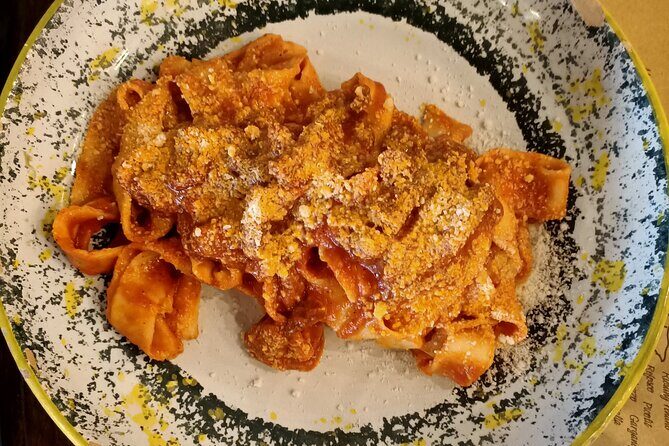
After pasta, you shift to dessert: tiramisu. A key detail is that tiramisù gets cooked all together. That means you’re doing the steps as a group, not assembling every layer individually from start to finish at your own pace.
Why that’s still worth it: tiramisu has a lot of small “don’t mess this up” moments—mixing, layering, and timing the softness. Learning the method in a guided group setting reduces the chance you go home with a dessert that looks right but tastes flat.
If you want an easy win for your next dinner at home, this is it. Once you understand the logic—how the cream should set, how the layers should hold—you can repeat it without turning it into a complicated science project.
You can also read our reviews of more tours and experiences in Rome
Limoncello and the coffee/espresso finish
At the end of the meal, you’ll have limoncello. Depending on what you prefer, the class also offers coffee and/or tea, plus either a shot of limoncello or an espresso to wrap things up. This is a nice rhythm: pasta first, then dessert, then a classic lemony Roman-style finish.
And yes, that lemon note helps cleanse the palate after sweet cream and coffee flavors.
Wine with your meal: simple pairing, good pacing
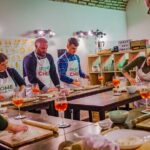
Your included meal comes with 1 glass of wine of your choice—white or red—or alternatively a soft drink. You’ll also have bottled water and soda/pop options.
This is a practical inclusion. When you’re learning new food skills, you don’t want to spend mental energy coordinating beverages on top of dough handling. The pacing matters in a 2-hour class: too much waiting makes pasta turn into a sad memory. Wine here is part of the meal flow, not an afterthought.
How the meal is served (and why it matters)
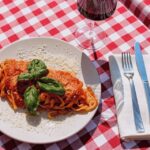
The class ends with you sitting down to eat what you made: pasta with your chosen sauce and tiramisu.
Some experiences are “cook, snack, and run.” This one is built to end as a meal. That matters because making pasta and tiramisu takes effort—you want payoff you can taste while everything is still at its best.
Also, because pasta cooking is done together and then divided, you’re not standing around waiting in one long individual timeline. The group experience keeps things moving, and it helps you relax into the rhythm.
Who this class is best for
This is a good fit if:
- you want a Rome activity that isn’t museums
- you like hands-on learning more than watching
- you want recipes and confidence you can repeat at home
- you’re traveling with friends or family and want a shared story
Families and kids
There’s a minimum age rule: kids who don’t have the minimum age of 7 must follow the class with one of the parents. That suggests the workshop is set up to be family-manageable, and several families mention the chef working with kids on mixing tasks.
If you’re bringing kids, expect some extra “hands-on” moments like whisking and mixing, not just watching adult technique.
Solo travelers
Solo can work well in a small class, especially because you’ll be working at a shared table. That said, the restaurant meeting point can be hard to spot if you arrive late or get turned around. If you’re solo, give yourself more time than you think you need and confirm your walking route in advance.
Real talk: what could annoy you
Let’s be honest about the one thing that can make or break the experience: the classroom tone. Cooking classes are emotional because dough needs patience. In this kind of setup, you may occasionally get a sharper teaching style—especially when people hesitate or struggle with hand motions.
Also, if you’re expecting to learn every part of the sauce deeply, you might feel the class is more focused on pasta and guided tiramisù than on full sauce-making technique. It’s still worthwhile, but adjust your expectations so you feel satisfied, not shorted.
Finally, the restaurant location is not always obvious. The fix is simple: arrive early and don’t treat the address like a vague suggestion.
Value check: is $116.14 a good deal?
At $116.14 per person for about 2 hours, this is not a bargain class. But it’s not overpriced either when you break down what’s included.
You’re paying for:
- a professional chef-led class
- equipment for the course
- your pasta and tiramisu (you eat it)
- a sauce choice
- wine (or a soft drink alternative)
- limoncello at the end
- coffee/tea and/or espresso options
- bottled water and soda/pop
- an award certificate
In practical Rome terms, that’s a full evening plan with food and drink built in. If you were to piece it together yourself—buy ingredients, book time, hire instruction, and then pay for a proper meal—you’d quickly spend more than the class price.
Where value can drop for you: if you want a long, private instruction style or heavy sauce-crafting depth, you might end up wishing for a different kind of workshop. If you’re happy learning pasta basics and then getting a great meal, the value reads strong.
The small details that make the night smoother
A few things to do so your class feels easy:
- Bring a calm mindset. Pasta dough doesn’t rush.
- Wear something you can lightly get messy in (flour is flour).
- Take your time with mixing and shaping. Fresh pasta isn’t about speed.
- If you’re sensitive to a more intense teaching style, let that guide how you engage. Ask questions if you need them.
- Plan a simple route back after. The class ends where you start, and you’ll likely be ready for a low-key night.
Also, the class offers a certificate. It’s a small thing, but it makes the experience feel real—like you finished something, not just bought an evening activity.
Should you book this Rome cooking class?
Book it if you want a hands-on Rome food experience with Chef Paolo-style coaching, fresh fettuccine technique, and tiramisu you can repeat later. The meal payoff is a big part of why this works: you’re not leaving hungry or just taking photos.
Maybe skip it (or choose another option) if you mainly care about sauce-making mastery, or if you strongly prefer a very gentle, low-pressure classroom vibe. Also, if you’re easy to throw off by hard-to-find meeting spots, plan extra time to locate V. della Croce, 34.
If you match the class format—learn pasta dough, assemble tiramisu, then eat your work—you’ll likely walk away feeling like you collected a real Rome skill, not just a ticket.
FAQ
How long is the cooking class?
It’s listed at about 2 hours.
Where does the class meet in Rome?
The meeting point is V. della Croce, 34, 00187 Roma RM, Italy, and the activity ends back at the meeting point.
What’s the price per person?
The price is $116.14 per person.
Is the class offered in English?
Yes, it’s offered in English.
What is included in the class meal?
You’ll cook and eat the meal: pasta with a sauce of your choice and tiramisù, plus bottled water. The class also includes coffee and/or tea at the end, along with options related to limoncello or espresso.
What drinks are included?
You get 1 glass of wine of your choice (white or red) or a soft drink alternative. Limoncello is included at the end, and there are options for a shot of limoncello or an espresso.
Can kids join?
The class notes that kids who don’t have the minimum age of 7 must follow the class together with one parent.
Is there a cancellation refund policy?
Yes. There’s free cancellation, with a full refund if you cancel at least 24 hours before the experience’s start time.