REVIEW · PASTA
Cesarine: Small group Pasta & Tiramisu class in Rome
Book on Viator →Operated by Cesarine: Cooking Class · Bookable on Viator
Cooking in someone’s home changes everything. This small-group pasta & tiramisu class in Rome puts you in a local kitchen to make fresh pasta, filled pasta, and the classic dessert—then you eat what you cook. The group stays intimate (max 12), so you’re not stuck watching from the sidelines.
I especially like that you get practical guidance in English, and you’re not just learning recipes—you’re learning technique you can actually repeat at home. One possible drawback: since this takes place inside a residential home, you’ll want to come ready to get hands-on (and accept that it’s less of a sightseeing stop and more of a food-first experience).
In This Review
- Key Highlights I’d Prioritize
- Cesarine in Rome: What Makes This Class Feel Different
- Inside the Host’s Home: How the Setting Shapes Your Learning
- Health and safety notes you’ll see during the class
- Fresh Pasta Hands-On: Your Shape Choice (Fettuccine, Rigatoni, Bucatini, or Gnocchi)
- A practical tip for you
- Filled Pasta in a Roman Style Kitchen (Including Ravioli Chances)
- Tiramisu Workshop: The Dessert You’ll Be Proud of
- What you’ll likely remember afterward
- Drinks and Meal Timing: Lunch or Dinner, With Water, Wine, Coffee, and Bubbles
- Price and Time: Is $105.28 Worth It?
- Logistics That Matter: English, Mobile Ticket, and Getting There
- Group size details you should care about
- Who This Class Is Best For (And Who Might Skip It)
- Should You Book This Pasta & Tiramisu Class?
- FAQ
- How long is the Cesarine pasta and tiramisu class?
- Is the class offered in English?
- How many people are in the group?
- What will I cook during the class?
- Does the experience include lunch or dinner?
- What drinks are included with the meal?
- Where does the class take place?
- Is there a cancellation option if plans change?
Key Highlights I’d Prioritize
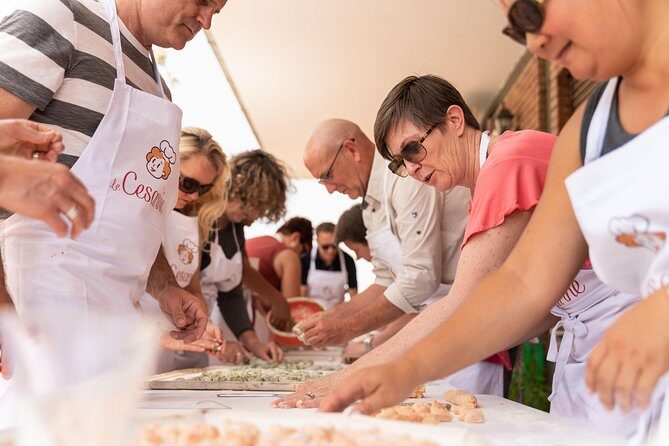
A max-12 group in a real home means more attention and less waiting around
You cook three dishes: fresh pasta, filled pasta, and tiramisu
Choice of lunch or dinner helps you fit it around your day
Drinks are part of the meal: water, wines, coffee, and bubbles
Roberta is a great example of the host experience—gracious, organized, and focused on good results
Cesarine in Rome: What Makes This Class Feel Different
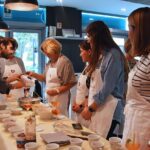
This isn’t a big cooking demo with a crowd and a single chef. You’re joining a local Italian host in their home, in Rome, and working at the same pace as everyone else. The setting matters: a home kitchen tends to feel more lived-in and less formal, which makes it easier to ask questions and learn by doing.
The other big factor is group size. The class is capped at 12 people, so it stays conversational. You’ll have time to understand the “why” behind steps like shaping pasta or assembling a filling, instead of rushing through. And because it’s offered in English, you can focus on learning rather than decoding instructions.
If you like food that’s not staged—bread-and-butter basics, Italian comfort, and desserts you actually want to eat—this is a strong fit. Just remember: you’re spending about 3 hours cooking and dining. Plan it like a main event, not a quick add-on.
You can also read our reviews of more tours and experiences in Rome

Inside the Host’s Home: How the Setting Shapes Your Learning
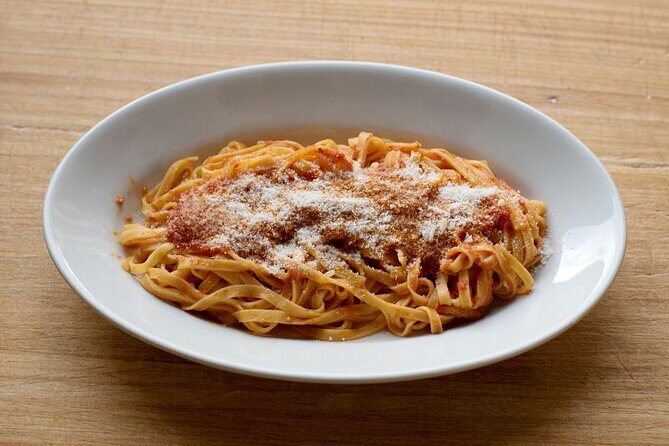
You’ll start and end back at the meeting point, and the activity runs as a small-group experience hosted in a carefully chosen local home. That has two practical effects.
First, you get a more “Roman” way of doing things. Pasta isn’t treated like a museum piece; it’s treated like dinner. Second, you can ask real questions. When you’re standing next to the person teaching you, you’ll likely pick up details you’d miss in a larger setting—like consistency cues (how dough should feel) and timing cues (when something is ready).
Health and safety notes you’ll see during the class
This experience includes clear sanitary guidance. Hosts provide essential supplies (like paper towels and hand sanitizing gel). The instruction you’re given is to maintain 1 meter distance, and if that’s not possible, you’ll be asked to wear masks and gloves. It’s the kind of practical reality that keeps the experience comfortable.
Also, it’s near public transportation. That matters because Rome can be a maze, and last-minute logistics can steal the fun from a good meal.
Fresh Pasta Hands-On: Your Shape Choice (Fettuccine, Rigatoni, Bucatini, or Gnocchi)
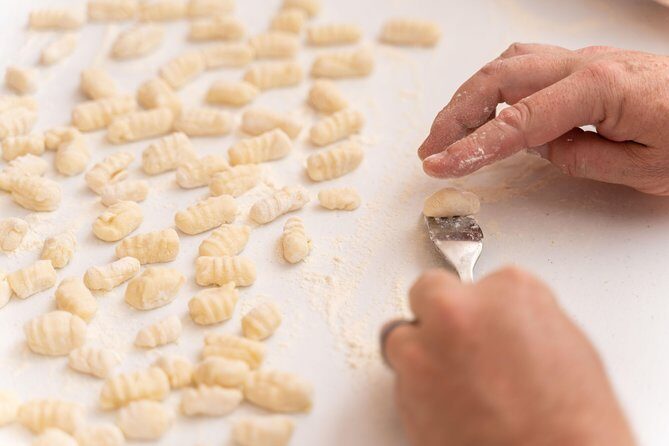
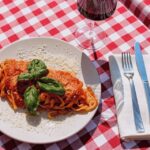
The class starts with fresh pasta. You’ll learn to make it from scratch, and you’ll work toward a Roman-style result. The menu offers choices in the pasta shape—fettuccine, rigatoni, bucatini, or gnocchi.
Why that matters: pasta shapes aren’t just decoration. Each one changes how the sauce clings and how the bite feels. You’re not learning one generic dough lesson—you’re building toward a finished plate that matches what you’ll actually eat.
Here’s what you can expect your brain to do during this part:
- You’ll focus on texture: how dough comes together and how it rolls or forms.
- You’ll pay attention to thickness and handling, because those small details affect everything later.
- You’ll get used to the rhythm of the kitchen, not the rhythm of a classroom.
If you’ve never made fresh pasta, this section is where the class earns its value. You’re not just tasting a dish—you’re understanding the steps in a way that sticks.
A practical tip for you
Go in with a small mindset shift: you’re learning, not competing. You’ll move faster when you stop aiming for perfection and start aiming for repeatable technique.






Filled Pasta in a Roman Style Kitchen (Including Ravioli Chances)
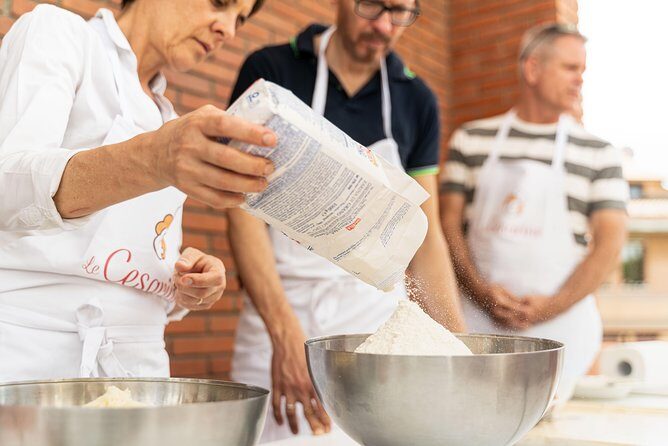
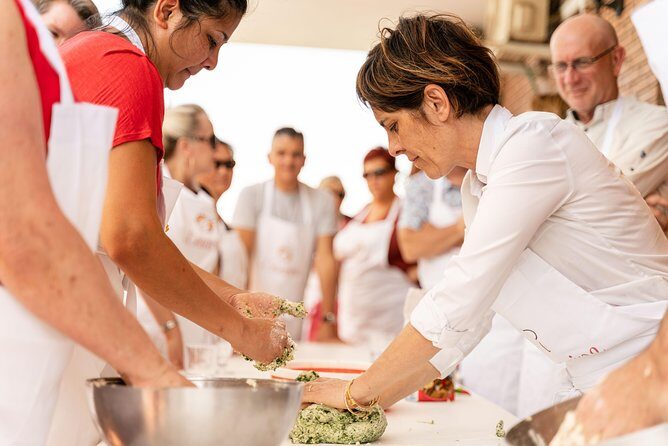
After fresh pasta, you’ll move into filled pasta. The overview calls it “filled pasta,” and one host example from a past class includes making ravioli, which is a helpful clue that you may end up with a dumpling-style filling wrapped in fresh dough.
This portion is the real confidence-builder. Filling pasta has layers—dough, shaping, portioning, sealing—so it forces you to slow down and do each step correctly. That’s also why it tastes so satisfying when it works. Filled pasta rewards your attention.
What to look for as you cook:
- You’re aiming for consistent portions so everything cooks evenly.
- Sealing matters; it’s the difference between a neat bite and a messy surprise.
- Working in a small group means you can get quick feedback while you’re still at the stage where corrections are easy.
If you like cooking but get bored by recipes that only teach mixing and heating, this is the part that turns you into the person who can confidently say: I made this.
Tiramisu Workshop: The Dessert You’ll Be Proud of
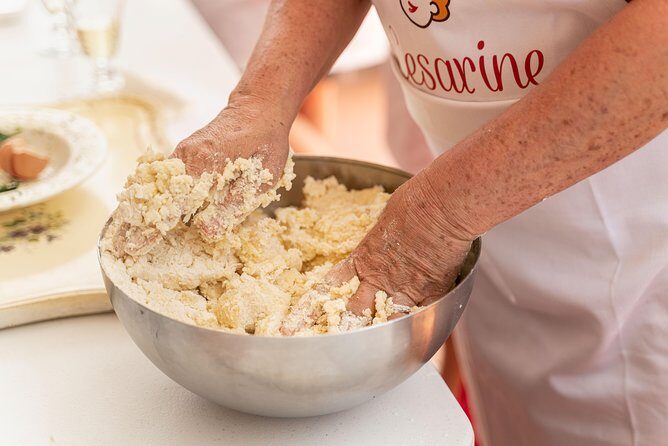
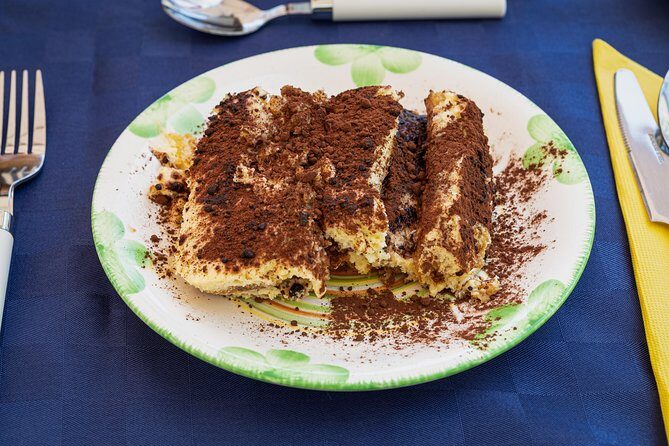
Then comes the dessert: tiramisu. It’s the iconic Italian choice here, and it fits the class perfectly. Dessert is also where the home-kitchen vibe really helps. You learn how the layers come together, and you get to taste what you made—not just once, but as part of the meal.
Tiramisu is one of those dishes where small handling details matter. The class format gives you the chance to see how it should look and how it should feel as you build it. And since you’re doing it after pasta, it also feels like the reward phase—the point where you stop “learning” and start enjoying.
What you’ll likely remember afterward
The best part isn’t just that you ate tiramisu. It’s that you learned the workflow: prepare, assemble, and finish with the kind of care that makes the final slice clean and satisfying.
Drinks and Meal Timing: Lunch or Dinner, With Water, Wine, Coffee, and Bubbles
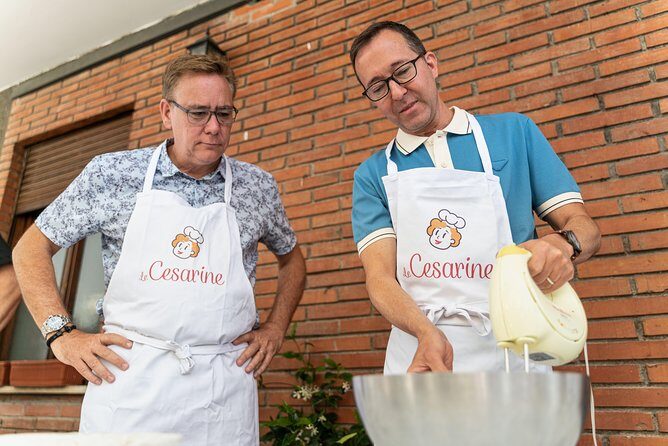
You don’t just cook and leave. You wash it down. The class includes water, wines, coffee, and bubbles with your meal.
That’s a big part of the value math. For many cooking classes, you pay for instruction and then eat later elsewhere. Here, the meal is part of the experience itself. You’re getting a full “from-dough-to-dessert” outcome, and the included drinks help you settle into the table moment without having to plan extra stops.
You also have a choice of lunch or dinner options. That’s more useful than it sounds. If you want a relaxed start, you can choose lunch. If your day is already packed, dinner can become the anchor event that keeps the rest of your schedule simpler.
Price and Time: Is $105.28 Worth It?
At $105.28 per person for about 3 hours, you’re paying for more than ingredients. You’re paying for:
- A small-group teaching setup (max 12)
- Hands-on coaching in a home kitchen
- Three key dishes (fresh pasta, filled pasta, and tiramisu)
- A full meal experience, plus water, wines, coffee, and bubbles
The value is strongest if you’ll actually enjoy cooking and you want to take something home beyond photos. If you’re hoping for a pure tasting tour where you watch and nibble, this may feel more work than you expected. But if you want skills, this price lands in the “fair for what you do” zone.
Also, the mobile ticket and English instruction reduce friction. Less hassle means more time staying present with the food.
Logistics That Matter: English, Mobile Ticket, and Getting There
A few practical notes help you plan smoothly:
- Offered in English
- Uses a mobile ticket
- Near public transportation
- Starts and ends back at the meeting point
With Rome, location and timing matter because streets don’t line up like a grid. Having a class that ends where it begins keeps you from scrambling for a last ride or trying to navigate late in the day.
Group size details you should care about
There’s a cap of 20 travelers for the overall activity, but the cooking group itself is maximum 12. In plain terms: you’re still likely to feel like you’re in the “real class” group, not a huge group shuffle.
Who This Class Is Best For (And Who Might Skip It)
This works especially well for you if:
- You want a more personal Rome experience than museums and monuments
- You enjoy hands-on cooking and want technique you can reuse
- You like eating what you made (and eating it soon)
- You want a small group, not a crowded room
It might be a mismatch if:
- You’re in Rome for quick photo stops and don’t want to spend your time cooking
- You prefer only passive experiences (watching) over active participation
If you’re celebrating something or just want a memorable meal with real structure, this class also hits nicely.
Should You Book This Pasta & Tiramisu Class?
Yes—if you want a skill-building food experience in Rome and you like the idea of cooking in a local home rather than a commercial kitchen. The combination of fresh pasta, filled pasta, and tiramisu in a small group is exactly the kind of “do it yourself” value that pays off.
Book it if you can treat the 3 hours as your main event, choose lunch or dinner based on your day plan, and show up ready to roll up your sleeves. If you’re craving a real Roman meal plus a dessert you’ll feel confident repeating, this is a very solid choice.
FAQ
How long is the Cesarine pasta and tiramisu class?
It lasts about 3 hours.
Is the class offered in English?
Yes, the experience is offered in English.
How many people are in the group?
The class is for a maximum of 12 people, and the overall activity has a maximum of 20 travelers.
What will I cook during the class?
You’ll prepare fresh pasta, filled pasta, and tiramisu.
Does the experience include lunch or dinner?
Yes. There’s a choice of lunch or dinner options.
What drinks are included with the meal?
You’ll have water, wines, coffee, and bubbles.
Where does the class take place?
It happens in a local home in Rome, hosted by a local Italian host.
Is there a cancellation option if plans change?
Yes. It’s free cancellation if you cancel up to 24 hours in advance for a full refund. The experience also has a minimum number of travelers, and if it doesn’t meet that minimum, you’ll be offered a different date/experience or a full refund.