REVIEW · VATICAN MUSEUMS
Rome: Vatican Museum and Sistine Chapel Group Tour in German
Book on GetYourGuide →Operated by Römerin · Bookable on GetYourGuide
The Vatican feels huge at first glance.
This group tour keeps you moving with a German-speaking guide who points out what matters in the Vatican Museums and then steers you toward the Sistine Chapel highlights. I especially like that you get skip-the-ticket-line convenience, and that the focus includes big-name art plus a guided route through the Gallery of Maps and other signature rooms. The main catch: this tour runs in German only, so plan accordingly.
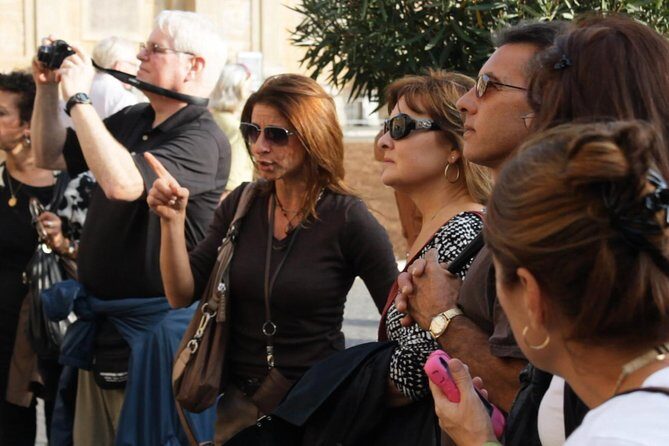
You meet at Caffe Vaticano, just across from the Vatican Museums entrance, and your guide holds a sign reading Deutsche Römerin. In at least one reported case, the guide is Mira, and the praise is very specific: sharp expertise and smooth moderation that makes three hours feel fast and varied rather than rushed or chaotic. Because this is a group visit through a lot of indoor spaces, it’s also not the best match if you have limited mobility.
In This Review
- Key highlights to look for
- Vatican Museums and Sistine Chapel in 3 Hours: What You Actually Get
- Meeting at Caffe Vaticano and Finding Your German Guide
- Skip-the-Line Tickets: How the 3-Hour Pace Works
- Raphael, Michelangelo, and Bernini: The Art Stops That Matter
- Gallery of Maps: A Clever Detour Through Power and Science
- Sistine Chapel Frescoes: Why the Largest Fresco Feels Different
- What to Wear and Bring So You’re Not Turned Away
- Price and Value: Is $134.81 Worth It?
- Who Should Book This Tour, and Who Should Probably Skip It
- Should You Book the German Vatican Museums and Sistine Chapel Tour?
- FAQ
- How long is the Vatican Museums and Sistine Chapel tour?
- Is the tour in German only?
- Where do I meet for the tour?
- Are tickets included?
- Do I skip the ticket line?
- What should I bring?
- What is not allowed during the tour?
- Can I get a refund if my plans change?
Key highlights to look for
- Skip-the-ticket-line entry so you can start seeing sooner
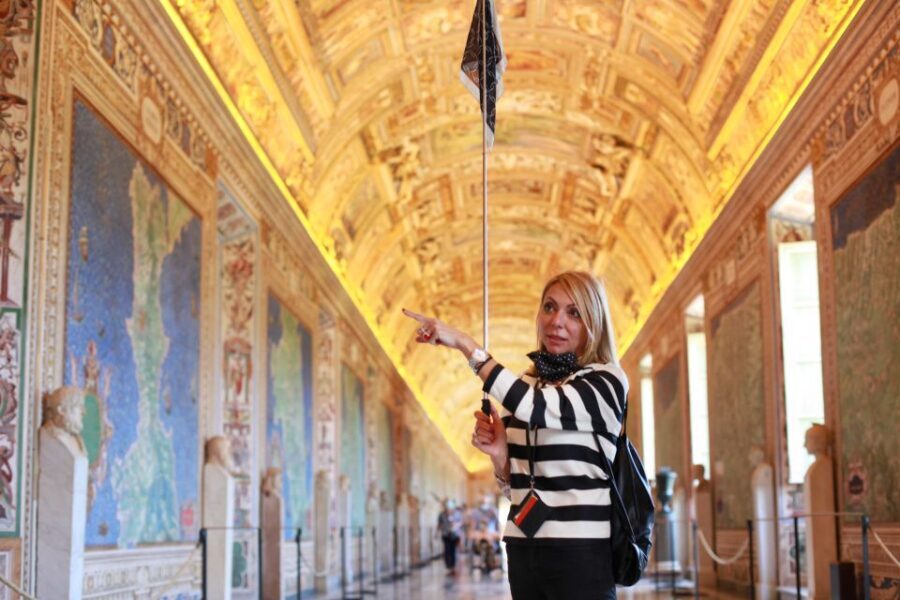
- Gallery of Maps with a guide who explains what you’re actually looking at
- Raphaelian Rooms, plus major works linked to Raphael, Michelangelo, and Bernini
- Michelangelo frescoes culminating in the Sistine Chapel moments most people come for
- A route built around architecture and Vatican politics, not just art facts
Vatican Museums and Sistine Chapel in 3 Hours: What You Actually Get
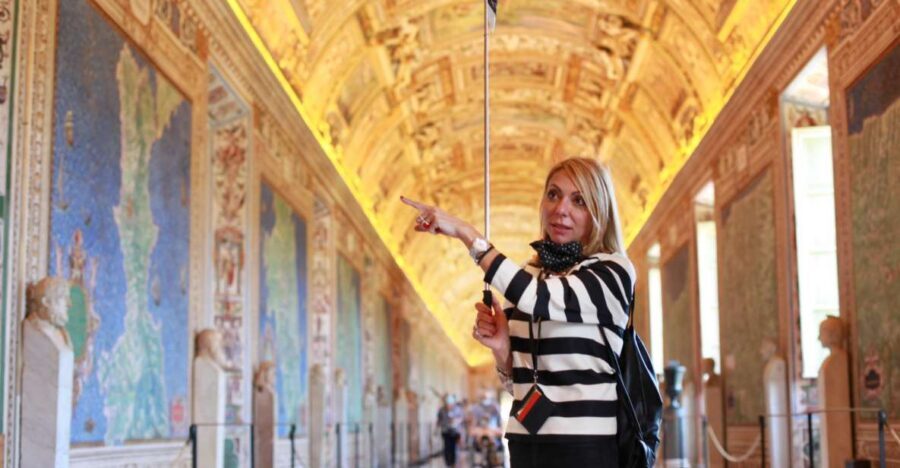
A three-hour Vatican tour sounds short because the Vatican Museums alone can feel like a maze with museum labels. The trick here is that you’re not trying to “see everything.” You’re seeing the right things in the right order, with a guide who helps you interpret what you’re looking at, so the highlights land with impact instead of blur into one more room.
You’ll spend your time in the Vatican Museums and then shift focus to the Sistine Chapel. The tour is built around the places that anchor the story of Renaissance art and Catholic power—plus a couple of rooms that are less famous to casual visitors but still make the building feel like a machine for influence.
I like that the guide-led format targets connections: art, culture, and history are braided together as you move. You don’t just get names. You get context. And in a place like the Vatican, context is what turns crowds and marble into something you can actually remember.
One practical note: the tour is rain or shine, and it stays indoors for the big attractions. You’re still walking to the meeting point and between areas, so comfortable shoes help, even if you’re mostly indoors.
You can also read our reviews of more museum experiences in Vatican Museums


Meeting at Caffe Vaticano and Finding Your German Guide
Logistics matter at the Vatican. The meeting point is Caffe Vaticano, across the street from the entrance of the Vatican Museums, near the stairs. Your guide will be holding a sign that says Deutsche Römerin, which is helpful because the area around museum entrances can get visually noisy fast.
The good news: the tour ends back at the meeting point. That means you’re not stuck figuring out what transit stop to aim for right after you’re done. It’s a simple loop—go in, see the highlights, come back out.
Because this is German only, make your life easier by planning to understand the basics even if your German is rusty. You don’t need perfect language to enjoy the art, but you’ll get more out of the stories and explanations if you’re comfortable following German at a conversational pace.
Skip-the-Line Tickets: How the 3-Hour Pace Works
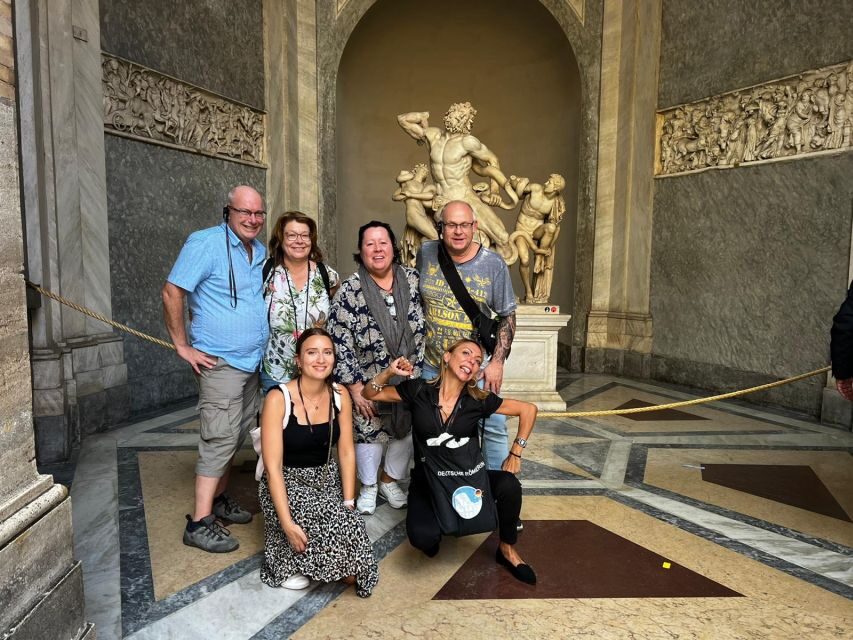
This is a group tour with a set duration of about three hours. That time box changes how the experience feels. A long self-guided museum day can turn into “look, read, move on” pressure. Here, your guide handles the flow—what to prioritize, what to skip, and where to stop long enough for you to actually take in the details.
The skip the ticket line part is more than convenience. It reduces stress. When you’re not stuck waiting, you arrive with more mental energy for the big rooms. And in the Vatican, mental energy matters. The building is dense, and your brain can only absorb so much before fatigue kicks in.
The tour also includes tickets, so you don’t have to hunt down timed-entry rules or juggle paperwork right before you go. That’s real value for a place where timing can make or break the day.
If you’re the type who hates feeling hurried, I’d still say go. The pacing here is built for a short, efficient route, and the guide’s job is to keep the experience varied instead of turning it into a rapid-fire checklist.
Raphael, Michelangelo, and Bernini: The Art Stops That Matter
The Vatican Museums are famous for a reason, but a lot of visitors get stuck reacting instead of understanding. A guide-led route helps you see beyond the obvious name-drop.
Here’s what you can expect to encounter as part of the highlight mix:
You’ll see major works and rooms associated with Raphael and Michelangelo, plus famous art linked to Bernini. Even when you don’t know the background yet, your guide’s explanations help you place what you’re seeing within the Vatican’s broader image of authority: art as theology, politics as performance.
You’ll also be taken through key thematic areas, including the Raphaelian Rooms. These are important because they connect painting, ideology, and the Vatican’s self-image. The guide’s stories about architecture and Vatican politics are exactly the type of framing that makes those rooms feel like more than pretty walls.
Then there’s the Gallery of Tapestries. Tapestries can be an unexpected highlight because they’re more than decoration: they reflect patronage, craftsmanship, and how stories were displayed before modern screens and print. If you like art forms beyond painting, this is often the kind of stop that feels different from the rest of the museum route.
As you move, the tour keeps the emphasis on understanding what’s in front of you, not just collecting photos. That’s what helps in a short time window.
Gallery of Maps: A Clever Detour Through Power and Science
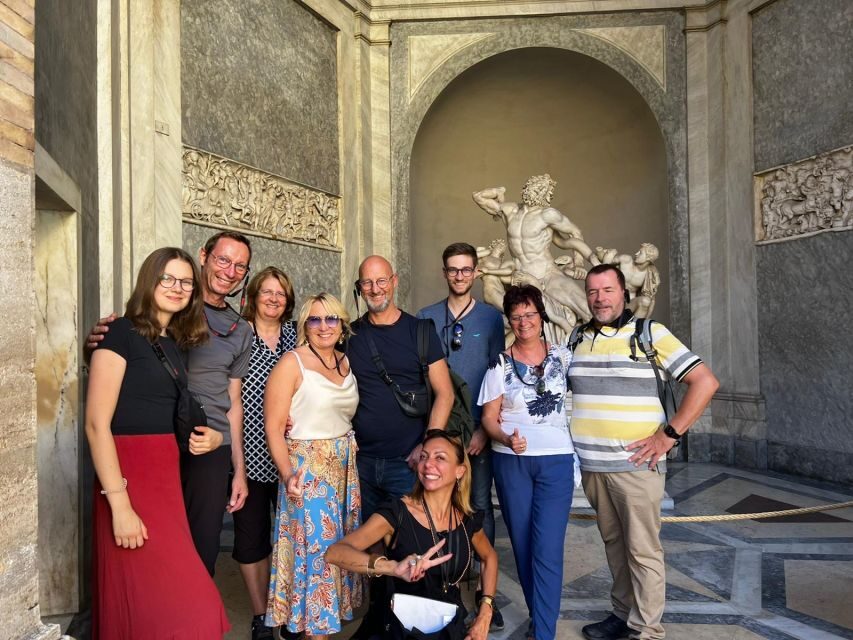
One stop I’d call out is the Gallery of Maps. It’s not just a pretty hall of geographic images. With a guide, you start to see it as a statement.
Maps in the Vatican setting can feel odd at first—why would a church empire care so much about cartography? That question is exactly where the tour earns its keep. Your guide shares stories that connect the visuals to the Vatican’s world: influence, knowledge, and control. Even if you’re not a geography person, you’ll likely find it fascinating because the guide is explicitly tying what you’re looking at to the politics and culture of the time.
This also helps your day feel varied. After big museum rooms and the emotional weight of the Sistine Chapel, the Maps Gallery gives you a different kind of intellectual payoff. It’s art used as information.
If you like guided explanations that help you decode symbolism and meaning, this is one of the best reasons to pick a tour format instead of going alone.

Sistine Chapel Frescoes: Why the Largest Fresco Feels Different
The Sistine Chapel is the moment most people remember, and this tour is designed to deliver that moment with context. You’ll get to the chapel through guided navigation, and the guide will connect the famous frescoes to the broader story of art and the Vatican.
The highlight is the largest fresco in world history—the kind of description that sounds like a trivia fact until you’re actually inside and the scale starts doing its emotional work. Standing there, you don’t just see figures. You feel the composition. You notice how scenes connect and how the space itself shapes perception.
You’ll also hear about Michelangelo’s frescoes, which are the core visual experience for most visitors. The advantage of having a guide here is timing and interpretation. In a self-guided visit, it’s easy to look and then miss what makes the ceiling so carefully constructed—how the scenes communicate and how the artwork reflects the values and power structures of its era.
And yes, it’s still a crowded place for obvious reasons. But a guided group route helps you spend your limited time more intentionally. You’re not just chasing the biggest sight. You’re learning how to look at it.
What to Wear and Bring So You’re Not Turned Away
This is one of the biggest “do it once, do it right” areas for the Vatican. The requirements are straightforward, but they can catch people off guard.
Bring:
- Passport or ID card
- A long-sleeved shirt
- If you’re eligible for reduced pricing, bring your student card
Not allowed:
- Shorts
- Sleeveless shirts
- Weapons or sharp objects
- Alcohol and drugs
This dress-and-entry rule matters because it protects the experience for everyone. It also means you should plan your outfit before you leave the hotel. If you’re visiting in warm weather, a light long-sleeve shirt can be the compromise that keeps you comfortable and compliant.
Also, this tour is conducted in German only, so if you need translation, arrange it before you go. The tour does not provide other language options based on the information given.
Price and Value: Is $134.81 Worth It?
At $134.81 per person, this isn’t a bargain. But it’s also not a “pay for nothing” type of tour. Here’s what you’re getting that supports the price:
- Tickets included: you’re not separately purchasing entry and dealing with extra steps
- Skip the ticket line: time saved is real value in the Vatican
- A live German guide: the experience is built around stories, not self-guided wandering
- A focused route in about three hours: you’re buying structure and prioritization
For many people, the Vatican is a “once in a lifetime, don’t mess it up” day. In that context, paying for a timed, guided route can be cheaper than it sounds—because it prevents wasted hours and helps you enjoy the art instead of fighting the logistics.
If you’re comfortable with German and want the Museum + Sistine Chapel highlights without turning your trip into an all-day endurance test, this price starts to make sense. If you need English-only interpretation, you’ll likely feel the cost more sharply, because you might not access the full explanations.
Who Should Book This Tour, and Who Should Probably Skip It
This tour is best for you if:
- You want a guided highlight route rather than trying to plan the Vatican solo
- You like understanding the “why” behind art and architecture
- You’re comfortable with German
- You want a tight, well-managed three-hour experience
It’s not a great fit if:
- You have limited mobility, since the tour is not recommended for people with mobility impairments
- You need a language other than German
- You’re hoping for maximum flexibility to linger everywhere at your own speed
If you’re visiting Rome with limited time, a focused tour like this can be a smart anchor. It gives you the Vatican’s most famous moments, plus a couple of stops that feel more thought-through than the typical “see the ceiling, take photos, leave” approach.
Should You Book the German Vatican Museums and Sistine Chapel Tour?
Book it if you want a guided route that hits the main highlights and gives you context fast. The combination of skip-the-ticket-line, tickets included, and a German guide making sense of major rooms (including the Gallery of Maps, Raphaelian Rooms, and the Sistine Chapel frescoes) is exactly the kind of value that works well in a short time frame.
Skip it if German isn’t workable for you, or if mobility limits make a large indoor museum route difficult. In those cases, you’d likely spend too much effort managing the visit instead of absorbing what you came for.
If your goal is to leave with more than photos—if you want the art and the space to make sense—this tour is an efficient, high-impact choice.
FAQ
How long is the Vatican Museums and Sistine Chapel tour?
The tour lasts about 3 hours.
Is the tour in German only?
Yes, the live tour guide provides the tour in German only.
Where do I meet for the tour?
Meet at Caffe Vaticano, across the street from the entrance of the Vatican Museum, near the stairs. Your guide will have a sign that says Deutsche Römerin.
Are tickets included?
Yes, tickets are included in the tour.
Do I skip the ticket line?
Yes, this tour includes skip-the-ticket-line entry.
What should I bring?
Bring your passport or ID card. A long-sleeved shirt is also required. If you are a student, bring your student card.
What is not allowed during the tour?
Shorts and sleeveless shirts are not allowed. Weapons or sharp objects, and alcohol and drugs are also not allowed.
Can I get a refund if my plans change?
Yes. Free cancellation is available up to 24 hours in advance for a full refund.