REVIEW · WALKING TOURS
Capuchin Crypt Visit & Rome Dark Past Walking Tour
Book on GetYourGuide →Operated by Estaalia · Bookable on GetYourGuide
This tour is for people who want Rome’s darker side. You’ll start underground at the Capuchin Crypt, then move through top sights like Trevi Fountain, the Pantheon, and Piazza Navona with a guide who connects the dots into one story. It’s the kind of route that saves you time and makes famous places feel personal.
Two things I especially like: the guide’s focus on small details and legends, plus the added comfort of a headset so you don’t miss anything while walking. The main drawback to think about is simple: this includes a crypt visit, so it’s not a good match for claustrophobia or limited mobility.
In This Review
- Key highlights at a glance
- Capuchin Crypt: the starting point that changes how you see Rome
- Trevi Fountain with the wish tradition in your ear
- Pantheon: how a single stop can feel like time travel
- Piazza Navona: baroque beauty with an unsettling edge
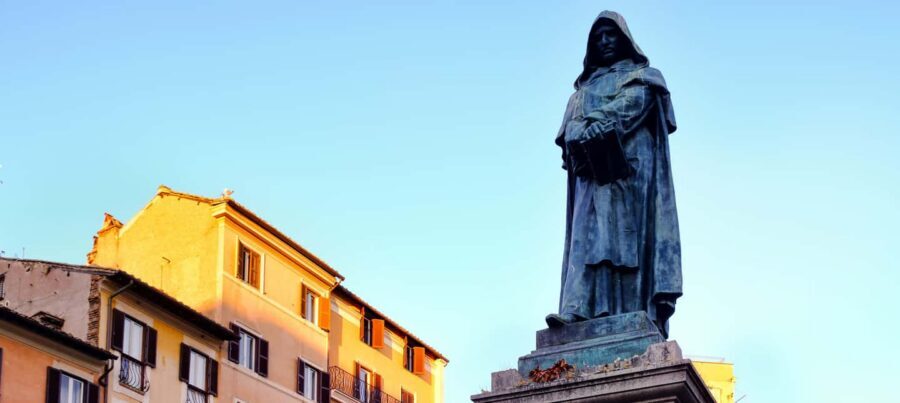
- Campo de’ Fiori and Giordano Bruno’s tragic story
- Chiesa Santa Maria dell’Orazione e della Morte: a quiet ending with mystery
- Guides who actually matter: what you can expect from the storytelling
- Price and value: what $65 buys you in real time
- What to bring (and what to wear) so you’re not stuck mid-tour
- Who this tour is best for
- Should you book the Capuchin Crypt and Rome Dark Past tour?
- FAQ
- How long is the tour?
- How much does it cost?
- What’s included in the ticket price?
- Do I need to buy a crypt ticket separately?
- Where does the tour start and end?
- What stops are covered during the walk?
- Are photos allowed inside the crypt?
- What should I bring?
- What’s the dress code?
- Who should not take this tour?
Key highlights at a glance

- Capuchin Crypt entrance ticket + live guidance so you’re not just looking at bones in silence
- Headsets that help you hear the guide clearly as you move between sites
- Trevi, Pantheon, and Piazza Navona all covered in one tight 2–2.5-hour loop
- Spooky stories with a real place behind them, not just Halloween vibes
- Campo de’ Fiori and Giordano Bruno’s sad history explained on foot
- Small and intimate group for questions and a slower pace than big-bus crowds
Capuchin Crypt: the starting point that changes how you see Rome
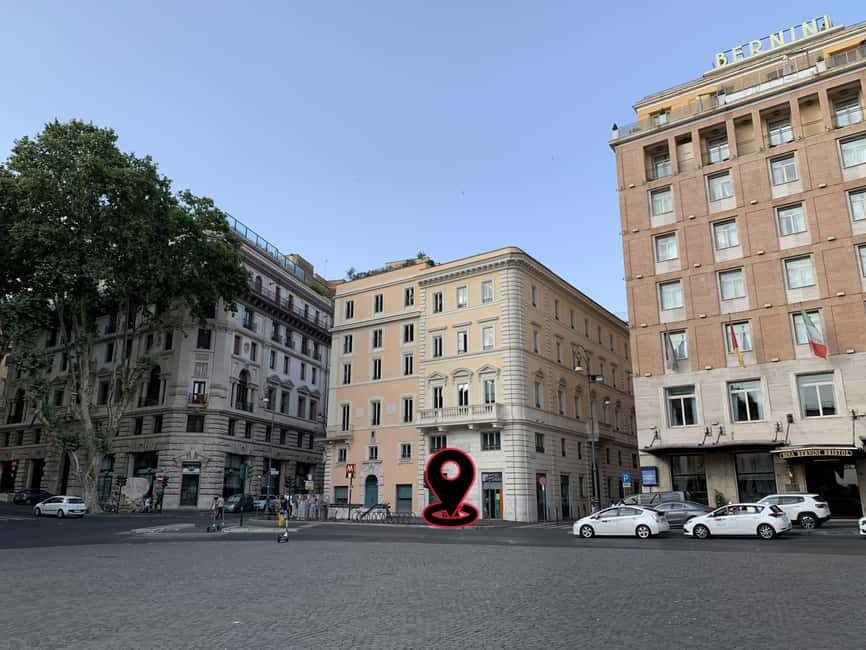
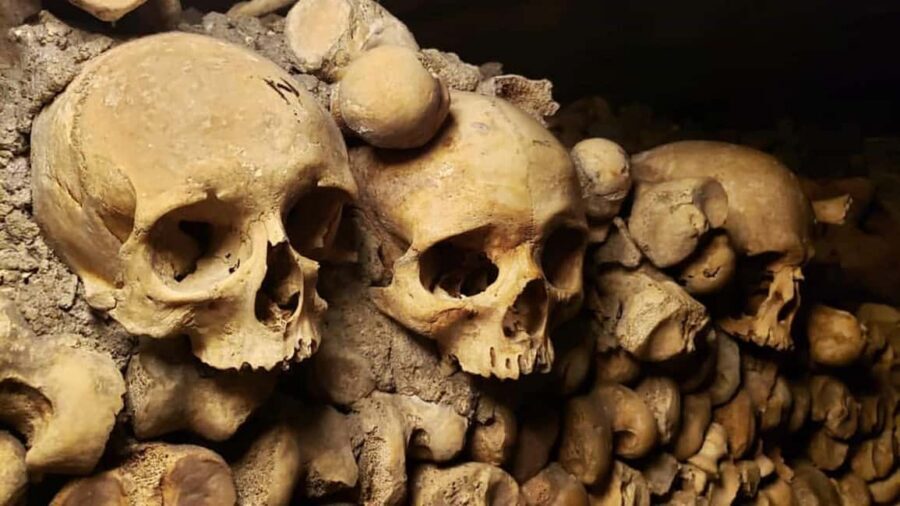
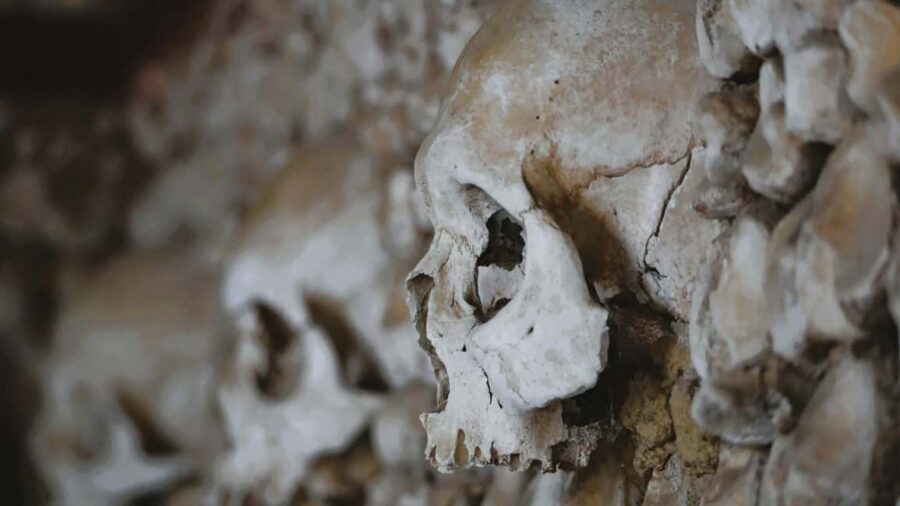
The Capuchin Crypt is where the tour truly earns its name. You begin underground, and instead of a quick photo stop, you get a guided experience that explains what you’re looking at and why the Capuchins did what they did. The crypt is decorated with the skeletal remains of past inhabitants, so yes, it feels eerie fast. And yes, it’s also guided with care.
What makes this start work well for you is timing and framing. Going first means you haven’t spent the day already swiping past Rome’s monuments with your brain in sightseeing mode. The crypt sets a tone: this city has layers, and not every layer is bright. It also helps that the tour includes the crypt entrance ticket and you skip the ticket line, so you’re not standing around waiting while your group grows impatient.
One practical note: the rules are firm. No photos or videos are allowed inside the crypt. Plan to experience it with your eyes and your head, not your camera.
If you’re thinking about doing it, consider one more point: you’ll need to follow the dressing rules (no shorts, short skirts, or sleeveless shirts). And because it’s underground and close quarters are part of the experience, the tour is simply not suitable for people with claustrophobia. That’s not a small warning label—it’s the key decision point.
You can also read our reviews of more walking tours in Rome


Trevi Fountain with the wish tradition in your ear
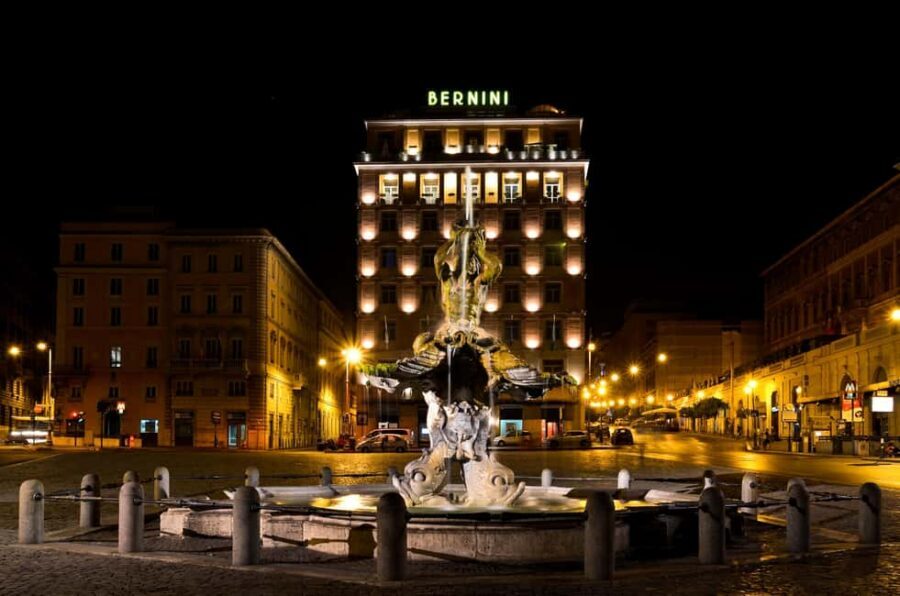
Once you surface, you’ll hit Trevi Fountain and feel the contrast immediately: bright marble, busy streets, and the feeling that everyone has their own quick ritual. The difference here is that your guide puts the ritual into context while you stand there. You’ll learn the meaning behind the wish tradition—then you can toss a coin as you’re supposed to, as a symbolic nod to returning.
This stop is a win for value because Trevi is one of those places where a short self-guided stop can turn into a blur. With a guide, you slow down just enough to understand what you’re looking at. You also get help with the flow of the crowd, which matters when you’re trying to hear your guide over street noise.
A smart tip for you: wear comfortable shoes and expect a bit of time standing. The tour moves at an energetic city-walk pace, and Trevi is where people tend to forget that they need their legs later for Pantheon and the baroque squares.
Pantheon: how a single stop can feel like time travel
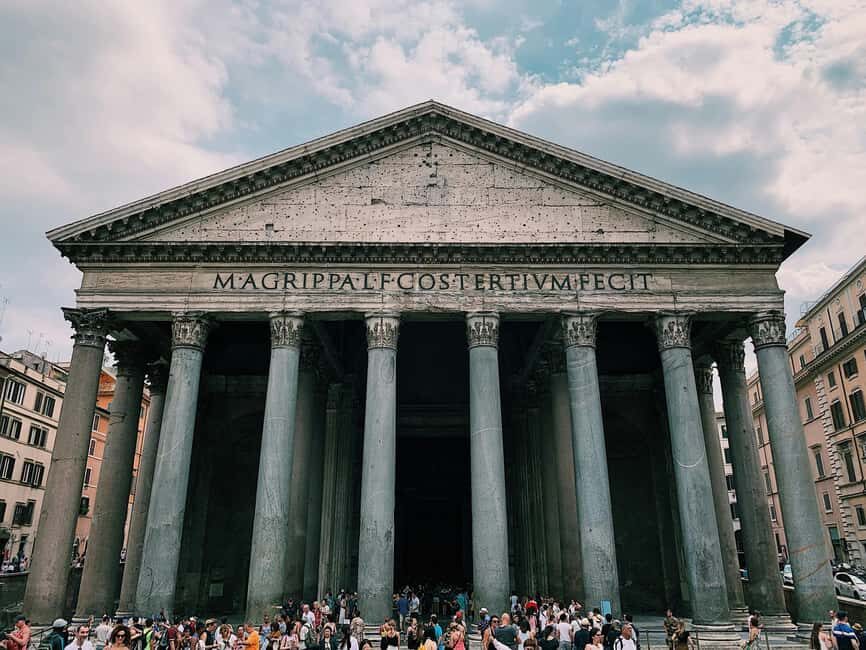
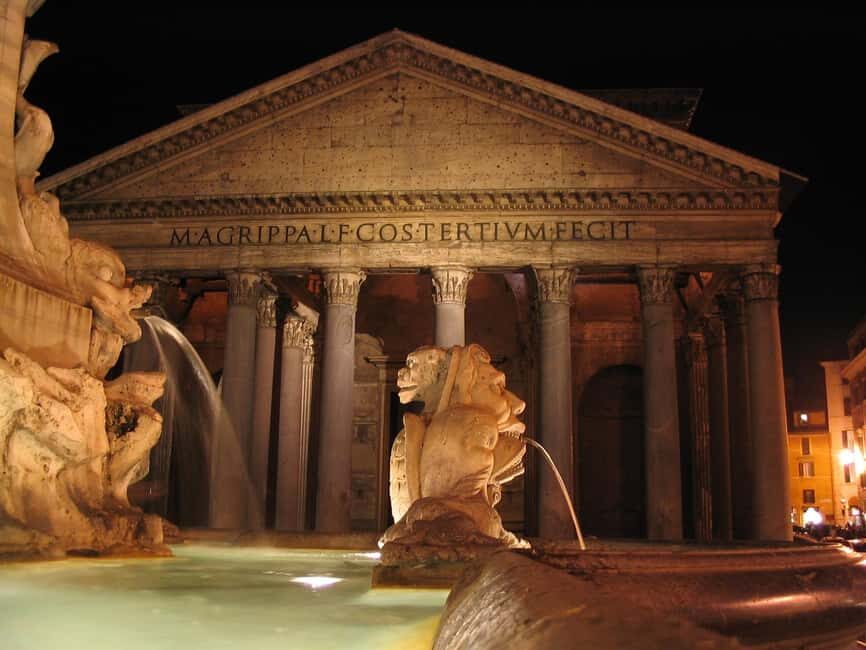
Next comes the Pantheon, and this is where the tour’s “dark past” theme meets Roman engineering and ancient storytelling. You’ll stand before one of the city’s most famous buildings, but instead of treating it like a stamp in your itinerary, your guide connects it to the myths and realities that people associated with it.
Even if you don’t consider yourself a history person, you’ll likely appreciate how this stop is handled. The Pantheon is too big and too iconic to do justice with only a couple of photos. With the guide, you get a framework for seeing it: what makes it significant, why it has that calm-but-powerful feel, and how legends get attached to physical spaces in Rome.
The practical benefit is that you’ll be walking between sites with a plan. The tour’s total duration is 2 to 2.5 hours, so every stop needs to earn its place—and Pantheon does. It gives you a strong “Roman core” moment, so the crypt doesn’t feel like a one-off spooky detour.
Piazza Navona: baroque beauty with an unsettling edge
Piazza Navona is one of those squares that feels like a movie set—street-life energy, dramatic architecture, and the kind of geometry that makes photos look good even when you’re standing in real crowds. Here’s where your guide adds the tour’s darker layer: you’ll hear legends and curiosities that give the palaces around the square a spectral angle.
This works because your guide isn’t just saying something spooky and moving on. You’ll get explanations tied to what’s around you, which makes the stories feel less like random campfire talk and more like how people historically made sense of places.
You’ll also appreciate the walking rhythm. The group keeps moving, but not so fast that you can’t absorb what you’re seeing. And because the tour includes headsets, you’re better able to keep track of the story even when traffic and chatter rise.
One consideration: you’ll do some standing and walking on cobblestones. If you have knee issues or other mobility limits, this can get tiring. The tour isn’t recommended for wheelchair users or limited mobility, and that’s for good reason.
Campo de’ Fiori and Giordano Bruno’s tragic story
At Campo de’ Fiori, your guide shifts the mood again, this time to a history lesson with emotional weight. You’ll learn the “impressive but sad” history of Giordano Bruno, using the setting as part of the explanation rather than treating it as a background postcard.
This stop is valuable because it gives you a specific story you can remember, not just general atmosphere. Bruno’s name tends to show up in discussions of thought, punishment, and the way authorities dealt with ideas they didn’t like. Here, you hear it connected to the place and the broader feel of Rome’s darker past.
If you like tours that feel like a guided conversation, this is also a good moment for questions. The tour format stays small, and the guide’s role is to respond, clarify, and keep the stories understandable.






Chiesa Santa Maria dell’Orazione e della Morte: a quiet ending with mystery
The tour finishes at Chiesa Santa Maria dell’Orazione e della Morte, a church with its own reputation for mystery. This is where you’ll leave with the sense that Rome’s darkness isn’t only underground bones or dramatic squares—it’s also in the way sacred spaces and public life overlap.
Your guide unravels the tales surrounding the church, then you’re left to reflect on what you’ve been hearing. It’s a fitting ending because the tour started with physical remains and ends with a spiritual, story-driven place.
Expect a closing that doesn’t feel abrupt. Since the total tour length is capped at about 2 to 2.5 hours, you won’t feel like you’ve been rushed out. You’ll simply reach the last stop and then take in the atmosphere on your own for a moment.
Guides who actually matter: what you can expect from the storytelling
A big part of why this tour gets strong ratings is the human side—guides who take the spooky theme seriously without turning it into a joke.
When I look at the examples from recent guides, a pattern comes through. Anastasia (for the crypt) is described as showing love and respect for the Capuchin monks, which changes how you experience the remains. Another guide, Stefania, is praised for sharing lots of little stories along the way and for making small extra choices during the route when they fit naturally. Gabriela is noted for being attentive and for telling the history clearly, while Stefanía stands out for being precise with information and always ready to answer questions.
So what does that mean for you? You’re not just getting a script. You’re getting someone who can explain the “why” behind the eerie stuff, and who can answer the questions that come up when you’re standing in real places, not watching a video.
That’s also where the small group size helps. You’re more likely to hear, ask, and stay engaged.
Price and value: what $65 buys you in real time
At $65 per person, you’re paying for more than a walking route. This isn’t just “tour guide service.” You get:
- an expert guide
- the Capuchin Crypt entrance ticket
- headsets to hear the guide clearly
That combination matters. In Rome, monument entry tickets and guided time both add up fast, especially when you’re trying to fit multiple famous stops into one compact outing. Here, the crypt ticket is included, and you avoid the “stand in line” time that can derail a short visit.
The other value piece is the route design. You’re hitting multiple high-demand sights—Trevi Fountain, Pantheon, Piazza Navona—in one go, then tying them together with a theme. If your goal is to make the most of a limited Rome day (or to see key sights without feeling like you’re running from one headline to the next), this format is efficient.
Would it be cheaper if you did everything on your own? Probably. But you’d lose the guided explanations that make the places click. For many first-timers, this is exactly what they’re buying: a clear path through Rome that also adds meaning.
What to bring (and what to wear) so you’re not stuck mid-tour
You’ll be walking and doing some standing, so plan like a real city day.
Bring:
- comfortable shoes
- water
- umbrella (Rome weather can change fast)
- passport or ID card (a copy is accepted)
Wear:
- something that follows the rule set: no shorts, no short skirts, no sleeveless shirts
- skip luggage or large bags, because those aren’t allowed
Also, keep your phone use in check. The big rule is no photos or videos inside the crypt. Outside, you can take pictures, but you may want to listen first and shoot second—this tour is more fun when you don’t treat it like a photo scavenger hunt.
One more heads-up: if you arrive late, you will not be allowed to join. So if you’re coordinating with other plans, give yourself buffer time.
Who this tour is best for
This is a strong match if you:
- want a small-group guided walk rather than a big crowd experience
- like legends and local stories with a sense of place
- want to see major sights in a short window without losing context
- are okay with spooky themes and “some spooky stories” as part of the deal
It’s not the right fit if you:
- have claustrophobia
- use a wheelchair or have limited mobility
- are traveling with kids under 12
- prefer quiet, low-stimulation experiences
If you’re a first-time visitor to Rome who also enjoys darker historical themes, this tour gives you both: famous landmarks and the darker thread that connects them.
Should you book the Capuchin Crypt and Rome Dark Past tour?
I’d book it if you want a compact Rome outing that combines top sights with a guided theme you can actually remember. The crypt start sets the mood, and the route through Trevi, Pantheon, Piazza Navona, and Campo de’ Fiori gives you a strong mix of Roman icons plus specific storytelling like Giordano Bruno. With headsets and an included crypt ticket, the value is easier to justify than many “walk and watch” experiences.
Skip it if underground spaces make you uneasy, if you can’t handle standing and uneven surfaces, or if you hate strict rules like no photos inside the crypt and no entry if you arrive late.
If you’re in the sweet spot—curious, comfortable walking, and up for the darker side of Rome—this is a smart use of a couple of hours.
FAQ
How long is the tour?
It runs about 2 to 2.5 hours, depending on the scheduled start time.
How much does it cost?
The price is $65 per person.
What’s included in the ticket price?
You get an expert guide, the Capuchin Crypt entrance ticket, and headsets.
Do I need to buy a crypt ticket separately?
No. The crypt entrance ticket is included, and you also skip the ticket line.
Where does the tour start and end?
The tour begins at the Capuchin Crypt and ends at Chiesa Santa Maria dell’Orazione e della Morte.
What stops are covered during the walk?
You’ll visit sights including Trevi Fountain, the Pantheon, Piazza Navona, and Campo dei Fiori.
Are photos allowed inside the crypt?
No. No pictures or videos are allowed inside the Crypt of the Capuchins.
What should I bring?
Bring comfortable shoes, water, an umbrella, and passport or ID (a copy is accepted).
What’s the dress code?
Avoid shorts, short skirts, and sleeveless shirts.
Who should not take this tour?
It’s not recommended for people with limited mobility, wheelchair users, or those with claustrophobia, and it’s not suitable for children under 12.