Fresh pasta lessons, Roman style. This small-group class starts in a lively corner of central Rome at Piazza Navona, then moves into a working kitchen environment with a professional Italian chef. You’ll learn hands-on techniques for Roman staples like fettuccine, ravioli, gnocchi, plus a few starters, and you’ll also hear the stories behind why these dishes became part of everyday Italian life.
What I like most is the hands-on approach: you work with flour and eggs and actually shape and cook, not just watch. Second, I really like that you don’t stand at a counter forever—you sit down for the full meal with appetizer, dessert, and wine, and you get a chance to talk with other people in a tight group.
One thing to consider: the class may happen in a restaurant kitchen or the chef’s house, and because it’s tied to a real food operation, the pace can feel a bit constrained on busy nights.
In This Review
- Key Points Before You Go
- Roman Pasta By Hand: What This Evening Class Really Feels Like
- Where You Start: Piazza Navona 14 and Getting Into the Right Spot
- Restaurant Kitchen vs Chef’s House: How the Venue Changes Your Learning
- What You’ll Cook: Ravioli, Gnocchi, Fettuccine, and Tiramisu
- The pasta-making focus
- Starters and the storytelling element
- Dessert: tiramisu with your meal
- Vegetarian and dietary needs
- The Dinner Part: What You Eat, What You Actually Learn
- Skills You Can Take Home: Recipes and Repeatable Results
- Interpreters and Chef Communication: English Support Without the Fake Script
- Price and Value Check: Is $107.23 Worth Your Evening?
- Who This Cooking Class Suits Best
- Should You Book This Roman Chef for a Day?
- FAQ
- How long is the cooking class?
- Where does the tour meet?
- Is the class taught in English?
- What dishes will I learn to make?
- Is wine included?
- Is there a vegetarian option?
- Do I get recipes to take home?
Key Points Before You Go
- Piazza Navona meeting point at 14: You’ll meet at Piazza Navona 14 with a Savor Italy Tours sign, a short walk from the Pantheon.
- You make pasta by hand: Expect to work on fettuccine, ravioli, and/or gnocchi, not just assembly.
- The menu can shift by season: What you cook may change depending on the freshest ingredients that day.
- Full sit-down meal is part of the deal: Starters, dessert, and wine are included so you eat what you make.
- English support via a translator: The tour is offered in English, and you may have an interpreter when the chef speaks Italian.
- Recipes are promised to take home: Plan to keep the recipes so you can recreate the dishes later.
Roman Pasta By Hand: What This Evening Class Really Feels Like
Rome has cooking classes in every price range. This one is interesting because it’s timed like a proper evening plan: you start around 4:30 pm, learn for a while, and finish by eating what you cooked with wine. It’s not a full-day food tour. It’s the sweet spot for people who want real skills without turning Rome into a homework assignment.
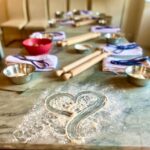
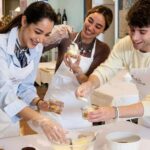
The vibe is also more intimate than the big group cooking shows. The maximum is 15 travelers, and many nights feel even smaller once everyone arrives and the class settles. That matters because pasta-making is physical and fiddly. When you’re in the mix, you can ask questions, redo a fold, and get better fast.
And yes, you’ll hear stories and legends about the dishes as you go. You should expect it to be conversational rather than museum-style. This is about giving you a reason to care about the technique, like why certain sauces pair with certain pasta shapes.
You can also read our reviews of more cooking classes in Rome
Where You Start: Piazza Navona 14 and Getting Into the Right Spot
Your evening begins at Piazza Navona, near the Pantheon area. The key detail here is the meeting point is Piazza Navona 14, and the coordinator waits there holding a Savor Italy Tours sign. When you arrive, look for the three fountains and the church in front of the main fountain (the one in the middle). If you’re facing the church, check the left side first.
Plan to be there a few minutes early. One reason: this tour starts at 4:30 pm, and you want to avoid a stressful sprint across a packed square. Also, if you’re meeting friends or coordinating transit, you’ll be glad you’re not doing it last-minute.
From the meeting point, you’ll head to where the class is held—either a restaurant kitchen or the chef’s house. That difference can change the feel of the experience, which brings me to the next point.
Restaurant Kitchen vs Chef’s House: How the Venue Changes Your Learning
The tour info is clear that the class happens at either a restaurant or the chef’s house. In practice, that can affect how “hands-on” the experience feels.
- Restaurant kitchen nights can be great for energy and real workflow. You’ll likely see the tools and rhythm of an active operation.
- The downside is that a busy kitchen can make the class feel a touch rushed. In some situations, you may notice less time for every step than you expected, especially for components beyond the core pasta and sauce you’re making.
If you’re the type who dreams about slow, detailed technique—like really mastering each stage—go in with flexibility. Even in a restaurant setting, you should still be able to learn the core pasta-making moves, because the class is built around doing, not watching.
What You’ll Cook: Ravioli, Gnocchi, Fettuccine, and Tiramisu
This is the heart of the value. The class focuses on authentic Roman and Italian comfort food, and it includes both pasta and dessert.
The pasta-making focus
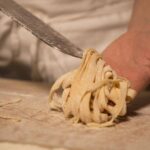
You’ll work with flour, eggs, and other ingredients to create pasta like:
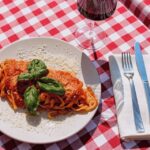
- Fettuccine (often with a ragu Bolognese or a carbonara-style sauce, depending on the menu day)
- Ravioli di ricotta e spinaci or gnocchi al pesto (potato dumplings with pesto)
- Plus you may also see variations depending on what’s fresh
A key note: you may not cook every single dish listed on the menu. The menu can change by season and availability. So treat the list as a strong expectation of the styles you’ll learn, not a guarantee that every single item is always cooked from scratch in one session.
You can also read our reviews of more tours and experiences in Rome

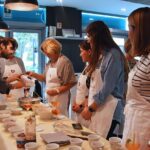
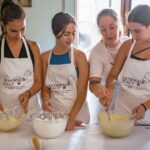
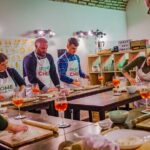
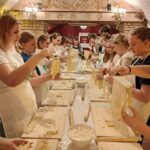
Starters and the storytelling element
You’ll also prepare some starter(s), such as:
- Bruschetta al pomodoro
While you’re working, you’ll hear stories and legends about how dishes came to be and why they became popular. This is genuinely useful because it helps you remember technique cues. For example, it’s easier to recall what makes a sauce pair well when you understand what Italians traditionally served and why.
Dessert: tiramisu with your meal
Dessert is part of the sit-down dinner. Tiramisu is included, and it’s served as the closing sweet note to your pasta work. I like that this keeps the class from feeling like a cooking workshop that forgets the point of cooking: feeding people.
Vegetarian and dietary needs
Vegetarian options are available if you request them at booking. Also advise any dietary requirements at the time of booking, since the menu can change based on seasonal ingredients.
The Dinner Part: What You Eat, What You Actually Learn
One reason this class works well is that it doesn’t stop at cooking. You make food, then you eat it. That’s where you learn the most: taste closes the loop on technique.
Your dinner includes:
- starters
- dessert
- wine
The wine is included with the meal, and the minimum drinking age is 18. If you’re traveling with mixed ages, this is worth planning around.
Also, the sit-down meal is where the small-group dynamic shows up. In many groups, you’ll end up talking with your tablemates, comparing how they shaped their ravioli or how their gnocchi turned out. Pasta is one of those topics where everyone feels like an amateur until the first bite proves you’re doing something right.
Skills You Can Take Home: Recipes and Repeatable Results
The tour description says you’ll get to keep the recipes to recreate the dishes back home. That’s a big deal for value. A cooking class is only worth so much if it becomes a one-night memory.
In real life, the recipe sharing can be handled by email after the class. If you want this benefit to actually land, pay attention to the method you’re promised at booking and make sure your email inbox is ready. If you don’t see anything soon after, contact the provider rather than waiting forever.
Even without recipes in hand, you’ll leave with technique confidence. You’ll know how the dough should feel, how ravioli should be sealed, and how gnocchi should hold together. Those are the skills you can rebuild using pantry staples.
Interpreters and Chef Communication: English Support Without the Fake Script
This tour is offered in English, but chefs in Rome often work primarily in Italian. That’s why an interpreter can matter. Some classes have featured interpreters such as Richie and Holly, and the chef names you may encounter include Loretta and Laura.
What you should expect is a practical translation setup: the chef teaches, the interpreter relays instructions clearly, and you follow along hands-on. When it works well, it feels like cooking with a local pro, not like copying a worksheet.
If you care about direct communication, this is the best version of that problem: you’re not stuck reading along. You can ask, you can clarify, and you can keep cooking.
Price and Value Check: Is $107.23 Worth Your Evening?
At $107.23 per person, this isn’t a budget activity, but it also isn’t a full-day luxury. For the price, you’re getting:
- a small-group cooking class
- a hands-on pasta experience
- a sit-down meal (starters, dessert)
- wine
- taxes and fees included
What makes it good value is that it’s not just tasting. You’re actively learning techniques you can reuse. And because it’s only about 2.5 to 3.5 hours, it fits neatly into a Rome itinerary without crowding out other key sights.
The main value risk is mismatch between expectations and what you actually cook from scratch, especially on nights when the venue is busy. If the class is shorter than advertised or if some elements are already prepared, the experience can feel less like a true chef-for-a-day and more like a restaurant meal with some pasta-making.
So here’s my practical advice: go in expecting a strong core pasta and sauce experience plus dinner. If your dream is to make every component from scratch with lots of extra time, you may want to look for a class that explicitly guarantees more hands-on steps and longer instruction time.
Who This Cooking Class Suits Best
This class is a great fit if you:
- want an authentic pasta experience without committing to a long day
- enjoy practical cooking over food history lecture
- like meeting people in a small group
- want a dinner outcome at the end of the lesson
You might want a different option if:
- you get stressed when kitchens are busy and time feels tight
- you’re very recipe-focused and expect immediate, trouble-free recipe delivery every time
- you need a super-structured teaching pace for every step, with no shortcuts
Should You Book This Roman Chef for a Day?
I’d book it if you want a real taste of Roman food culture and you’re happy to learn through doing. The combo of fresh pasta skills, a sit-down meal, and the central meeting point makes this an efficient, satisfying evening.
Book it with eyes open about pacing. Kitchens can run. Some nights feel relaxed and hands-on; others can feel a little more like fitting education into a working restaurant schedule. If you show up ready to cook, ask questions, and accept that the exact dishes and timing can flex with the day, this is likely to be one of your most memorable Rome meals.
If you want, tell me your dates and whether you’re vegetarian or have any dietary needs. I can help you plan what to wear, what to eat beforehand, and how to build the rest of your evening around the 4:30 pm start.
FAQ
How long is the cooking class?
It runs for about 2 hours 30 minutes to 3 hours 30 minutes.
Where does the tour meet?
You meet at Piazza Navona 14, near the Pantheon area. The coordinator is waiting with a Savor Italy Tours sign.
Is the class taught in English?
The experience is offered in English. If the chef primarily speaks Italian, an interpreter is used to support you.
What dishes will I learn to make?
You’ll learn authentic Italian pasta methods such as fettuccine, ravioli, and/or gnocchi, plus some starters. Dessert is tiramisu. The exact menu can change based on seasonal ingredients.
Is wine included?
Yes. You’ll enjoy your creations with wine, and the minimum drinking age is 18.
Is there a vegetarian option?
Yes. A vegetarian option is available if you advise at booking.
Do I get recipes to take home?
The class description says you’ll get the recipes so you can recreate the dishes later.