REVIEW · COOKING CLASSES
Authentic Pasta and Tiramisu Cooking Course in Spanish Steps
Book on Viator →Operated by cheforaday · Bookable on Viator
Fresh pasta in Rome feels serious.
This pasta and tiramisu cooking course turns a famous Italian meal into something you can actually reproduce at home. You start with dough and learn the steps that lead to fettucine, then you finish with tiramisu using a personal recipe. It is a hands-on class where you work along as your instructor guides you step by step, not just watch.
I especially liked two things: first, the focus on making pasta yourself from a handful of flour, which is practical and memorable. Second, the payoff at the end with tiramisu you prepared, not a random dessert you just eat. One thing to keep in mind is that sauces are not cooked during the class, so plan on the pasta and dessert being the main focus rather than a full meal with multiple cooked components.
In This Review
- Key Things to Know Before You Go
- A Hands-On Rome Lesson in Fresh Pasta and Tiramisu
- Meeting Point and What Timing Feels Like
- Pasta Making: Fettucine From Flour to Finished Dough
- Step-by-Step Guidance You Can Actually Follow
- Tiramisu: Turning Classic Ingredients Into Your Own Dessert
- The End Meal Setup: What You May Get (and One Possible Letdown)
- Price and Value: Is $110.84 Fair for Rome?
- Who This Course Suits Best
- Practical Tips to Get More Out of the Class
- Should You Book This Pasta and Tiramisu Course?
- FAQ
- Is the class offered in English?
- Where does the cooking class start?
- How long is the course?
- What will I make during the course?
- Are sauces cooked during the class?
- What is the group size limit?
- Do kids attend the class?
- Is a mobile ticket provided?
- Is service available for service animals?
- What is the cancellation window?
Key Things to Know Before You Go

- Step-by-step pasta making with hands-on guidance, not a demo only format.
- Tiramisu uses your own preparation, finished with the instructor’s personal approach.
- Sauces are not cooked during the class, so don’t expect sauce-making or full sauce instruction.
- Small group size (up to 20), which usually makes it easier to get help.
- English instruction and a convenient Rome meeting point reachable by public transport.
A Hands-On Rome Lesson in Fresh Pasta and Tiramisu
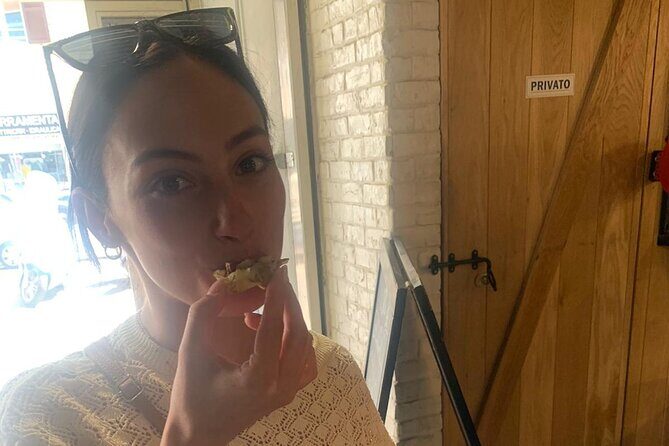
Rome can be great for food inspiration, but this class is better than inspiration. It is skill-building. You are learning techniques behind two Italian classics that people talk about constantly, yet they are usually hard to translate into real home cooking.
The class runs about 2 hours 15 minutes and is structured like a smooth cooking session, where you do the work. The instructor guides you from early pasta preparation all the way to the tiramisu. That structure matters because it keeps you from getting lost in the middle. Pasta can be fussy if you rush. Here, you get a sequence that makes sense.
One more detail I like: you are not stuck with a complicated menu. The menu is simple on purpose: fettucine and tiramisu. That is a good sign if you want real technique, because you spend your time practicing the key moves instead of spreading attention across five dishes.
You can also read our reviews of more cooking classes in Rome

Meeting Point and What Timing Feels Like
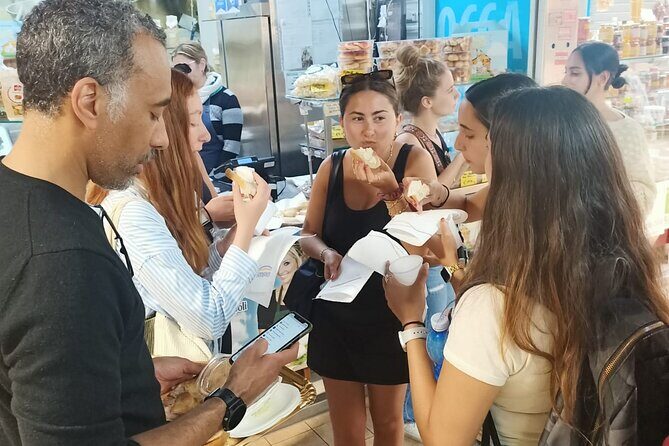
You meet at V. della Croce, 34, 00187 Roma RM, Italy, and the activity ends back at the same meeting point. That round-trip setup is useful in Rome, where getting lost can turn a short plan into a long day.
The timing also helps. Around a bit over two hours means you can slot this between other Rome experiences without needing a whole day devoted to cooking. It is also helpful if you want to learn something without waiting around for hours.
From the class logistics side, this is offered in English and runs for groups that have a minimum of 2 people and a maximum of 20. In practical terms, that means you are likely to have a real interactive vibe, not just a crowded show.
Pasta Making: Fettucine From Flour to Finished Dough
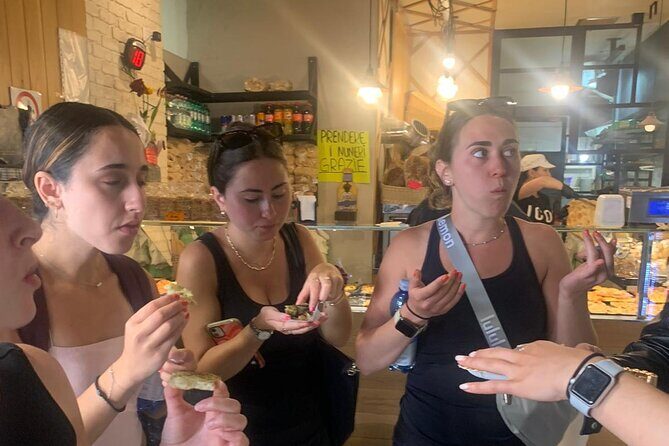
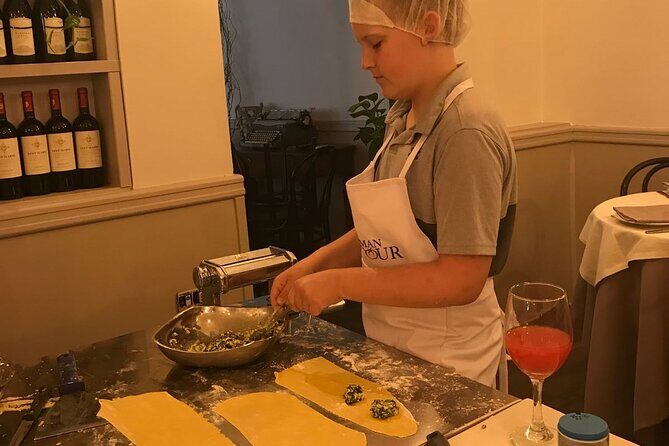
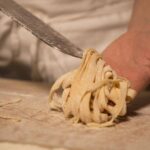
The core of the experience is pasta. You learn how to prepare the dough and shape it into fettucine, using simple, traditional ingredients. The whole point is that you are not paying to watch a pro do everything. You are paying to do it yourself.
The instructor emphasizes that it can start with something as plain as flour. That is the beauty of the lesson. Pasta is not about expensive ingredients. It is about technique and feel. When you work the dough and see how it changes with handling, you start to understand the logic behind Italian cooking.
One thing to note, based on the class structure: sauces are not cooked during the class. So your pasta lesson is focused on the pasta itself. You may still have discussion around what traditionally goes with pasta, but you are not going to spend your time learning to cook sauces here.
That focus is a trade-off. If your dream class includes learning a full sauce from scratch, this may feel narrower. But if you want the most valuable part of pasta making, the dough work is where this course concentrates.
Step-by-Step Guidance You Can Actually Follow
A cooking class is only as good as its teaching pace. This one is built around doing the steps with the guide in real time. The format is simple: you follow along as the instructor demonstrates and then you repeat the process.
In one of the highlights from the experience, the chef named Ricardo stood out for being both capable and fun. That matters because pasta has little “micro-moments” where you need quick correction. When the instructor keeps things friendly and hands-on, those moments turn from stress into learning.
You also get a certificate at the end. That sounds like a small thing until you remember you are doing something skill-based. A certificate is a reminder you actually practiced, not just sat through a meal.
If you learn best by watching then doing, you will probably like this format. If you prefer very long explanations or a classroom-style theory session, you might find the pace more practical than academic. The goal here is output: you make pasta and you finish tiramisu.
Tiramisu: Turning Classic Ingredients Into Your Own Dessert
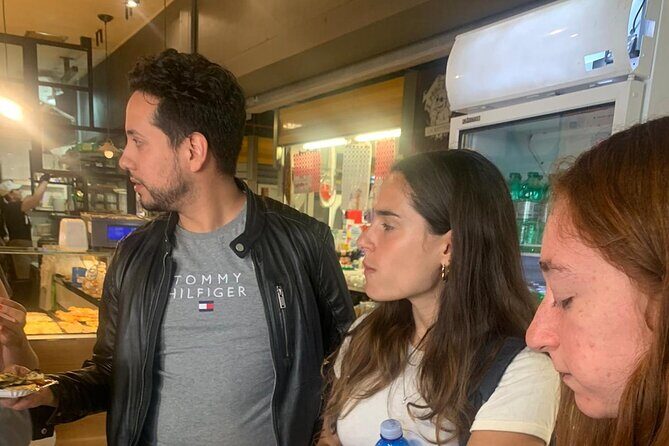
After the pasta work, the class shifts to dessert. You prepare tiramisu using the instructor’s personal recipe. That makes the end feel more meaningful. It is not just a generic dessert taught from a cookbook. It is the instructor’s version, and you do the steps.
Tiramisu is one of those desserts that can feel mysterious if you only ever buy it. The class format helps you break it down into something manageable: layers, timing, and assembling techniques. You get to see how the dessert comes together rather than guessing what order matters most.
Because you are in a hands-on course, you finish with the satisfaction of having made your own dessert. And for many people, that is what separates a cooking class from a restaurant meal. You leave with the feeling that you could try this again.






The End Meal Setup: What You May Get (and One Possible Letdown)
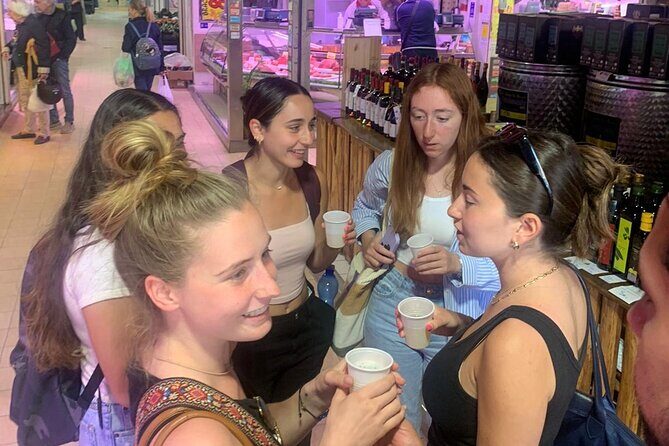
This is where you should read carefully and set expectations. The experience includes eating at the end, and you do get tiramisu prepared during the class.
However, one specific concern came up about the final setup. In at least one session, people sat down without an appetizer or extra bread. Instead, they were served pasta that was mixed together with others from the class, and the portions were relatively small relative to the price.
Wine also came up in the same type of feedback: one glass of wine was mentioned for the overall meal experience, with a sense that the drink portion felt limited for the cost.
Here is the practical takeaway for you: treat this as a cooking class first, meal second. Yes, you eat what you made. But don’t plan on a big, restaurant-style spread with lots of extras. If you want a full dining experience, you might plan a proper dinner after the class.
Also, pasta being served mixed among the class is not the same thing as a private plate of your personal batch. It can still taste good, but if you want a very individualized meal, you should be mentally prepared.
Price and Value: Is $110.84 Fair for Rome?
At $110.84 per person for about 2 hours 15 minutes, you are paying for instruction and hands-on cooking time, not just food. That pricing makes more sense when you look at what you get: you practice pasta making and you prepare tiramisu, plus you leave with a certificate.
You are also paying for the constraints that keep classes intimate: a maximum of 20 participants, and instruction in English. In many food experiences, the value is only clear when you see that you are actively doing work the entire time.
The main value risk is not the cooking instruction. It is the “extras” around the meal. If you expect appetizers, multiple courses, or a more generous drink plan, you may feel the cost more strongly. If you go in expecting hands-on cooking and a dessert you made, the price can feel more fair.
In plain terms: this is a great buy if your goal is skills and experience. If your goal is a full meal with lots of extras, you might feel slightly underfed.
Who This Course Suits Best
This course is ideal if you:
- Want a hands-on way to learn classic Italian cooking while you’re in Rome.
- Enjoy practical lessons where you leave with something you can try at home.
- Prefer a short commitment of about two hours, not a half-day tour.
- Like small group experiences where you can actually get help.
It may be less ideal if:
- You expect sauces to be cooked during the class.
- You want an elaborate restaurant-style dinner with appetizers, bread, and multiple drinks.
- You want a fully individualized plate for every component, not shared class food.
It is also noted that kids under 6 attend with one of the parents, which can make it workable for families who want a shared activity. Service animals are allowed, and the meeting point is near public transportation, both useful if you are planning the day carefully.
Practical Tips to Get More Out of the Class
You will get the most out of the time if you:
- Come hungry enough to enjoy the class meal, but not expecting a multi-course feast.
- Pay attention to the instructor’s technique cues during dough work and assembly steps. Pasta success is mostly about small adjustments.
- Plan your day so you have time to eat afterward and digest what you made. The experience is active, not a sit-and-watch show.
If you are the kind of traveler who likes to collect practical memories, this is a strong format. A cooking skill is something you can repeat, and it sticks longer than photos do.
Should You Book This Pasta and Tiramisu Course?
I think you should book it if you want a focused, skill-first food experience in Rome. The pasta you make and the tiramisu you prepare are the center of the show, and with an experienced chef like Ricardo leading the class, the learning part has a lot going for it. The certificate is also a nice touch for a hands-on activity.
I would hesitate if you mainly want a high-volume meal experience, or if sauces and lots of extras are part of your must-have list. Based on real feedback tied to the end meal setup, you should expect the cooking to be the value, not a long dinner with lots of add-ons.
If your priority is taking home a classic Italian technique you can use later, this course is a good fit. If your priority is dining, you may prefer pairing it with a real Roman meal afterward.
FAQ
Is the class offered in English?
Yes. The experience is offered in English.
Where does the cooking class start?
The start location is V. della Croce, 34, 00187 Roma RM, Italy.
How long is the course?
It runs for about 2 hours 15 minutes.
What will I make during the course?
You will prepare fettucine and tiramisu.
Are sauces cooked during the class?
No. Sauces are not cooked during the class.
What is the group size limit?
The class has a maximum of 20 travelers and a minimum of 2 people.
Do kids attend the class?
Yes. Kids under 6 attend with one of the parents.
Is a mobile ticket provided?
Yes. The tour includes a mobile ticket.
Is service available for service animals?
Service animals are allowed.
What is the cancellation window?
You can cancel for a full refund up to 24 hours in advance. If you cancel less than 24 hours before the start time, the amount paid is not refunded.