REVIEW · ORVIETO
Wine Tasting and Winery tour
Book on Viator →Operated by Madonna del Latte · Bookable on Viator
Orvieto wine, up close and personal. What makes this visit fun is the vineyard walk that sets the stage for everything else, then the tour drops you into an Etruscan tuff-stone barrel cellar. I really like that it’s run like a real family operation, with clear explanations tied to what you’re seeing in the vines and cellars. One possible downside: this is a tight, 2-hour format, so if you’re craving a long, heavy drinking session, you may find the tasting a bit short.
A big plus for planning: it stays small (up to 25 people), it’s offered in English, and you get a guided cellar tour plus a structured tasting of the winery’s house wines. The host and winemaker—Leon—often gets name-checked in great detail, and the experience feels more like learning a craft than checking off a stop.
In This Review
- Key highlights to look forward to
- Getting to Madonna del Latte: a short trip outside Orvieto
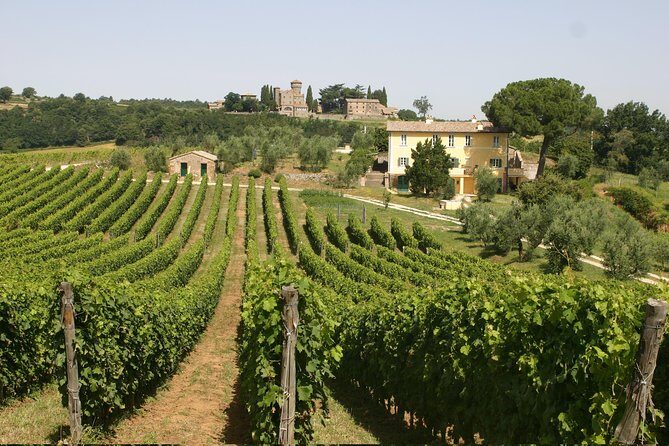
- Vineyard Walk: the vine work you can actually picture
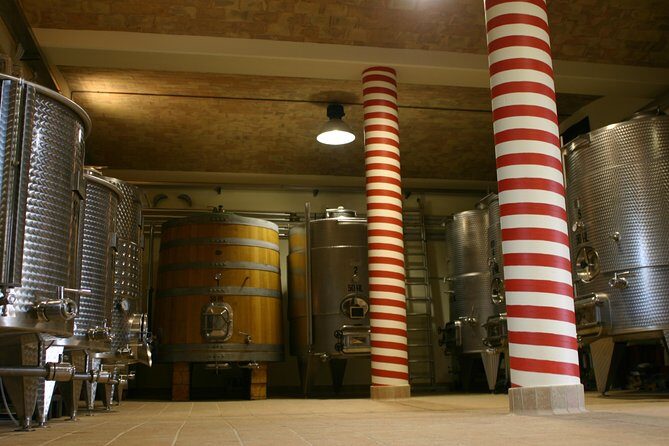
- Inside the cellars: from grapes to wine without the boring parts
- The Etruscan tuff-stone barrel cellar: where the building tells the story
- What you’ll taste: whites, reds, and the house style
- A note on olive oil
- Your best approach if you’re not a wine person
- Meet Leon and the family: why a small estate feels different
- Price and value: is $42.05 worth it?
- Timing, group size, and language: how to plan your afternoon
- Tips for a smooth visit (so you enjoy it more)
- Should you book this Madonna del Latte wine tasting tour?
- FAQ
- How long is the wine tasting and winery tour?
- How many wines will I taste?
- Where does the tour start?
- What language is the tour offered in?
- Is there a group size limit?
- Do I need a printed ticket?
- Is it okay if I’m not an expert in wine?
- Can I bring a service animal?
Key highlights to look forward to
- Vineyard-to-cellar route that explains how vine work turns into wine in the glass
- Tuff-stone barrel cellar carved during ancient Etruscan times
- A guided tasting focused on house-made wines, typically including whites and reds
- Family-run hospitality with Leon and the family involved in the visit
- A small-group feel with a maximum of 25 travelers
- Easy planning thanks to the set meeting point near Madonna del Latte
Getting to Madonna del Latte: a short trip outside Orvieto
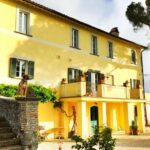
This tour starts at Madonna del Latte, Località Sugano, 11, 05018 Orvieto TR, Italy. It’s one of those winery visits that feels comfortably close to Orvieto but still far enough to trade city noise for the quiet working-garden vibe you want in Umbria.
From the practical side, think of it as a “plan your ride” stop. One common note in the way people talk about this experience: it’s around 20 minutes outside Orvieto, and taxi access is the easiest way to arrive without stress. If you’re going from Orvieto by yourself, I’d strongly consider arranging your taxi ahead of time so you’re not stuck negotiating at the last minute.
You’ll finish back at the meeting point, so you’re not juggling another transfer. That matters on a day where you might also want to see Orvieto’s streets, views, and the fun of just wandering.
You can also read our reviews of more food & drink experiences in Orvieto
Vineyard Walk: the vine work you can actually picture
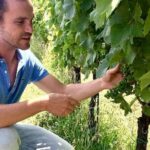
The visit begins outdoors, walking through the vineyard. This first segment is more than scenic strolling. The guide talks through how the winery works with the vines—what they pay attention to, and how those choices show up later when the grapes become wine.
I like this approach because it gives you a reference point before you taste anything. When you later learn about fermentation and aging, you’ll already understand that the story didn’t start in the cellar. It started out here, with decisions in the vineyard.
Also, this outdoor start tends to set the tone. You’re with a small group, so questions don’t feel awkward. Many people highlight how helpful the guide is at answering follow-ups—everything from how the family manages the vines to how the estate’s geography affects planting decisions.
Comfort-wise: wear shoes you trust on winery paths and keep water handy. It’s a walking tour, and even if it’s not long, it’s still on grounds that weren’t built for sightseeing crowds.
Inside the cellars: from grapes to wine without the boring parts
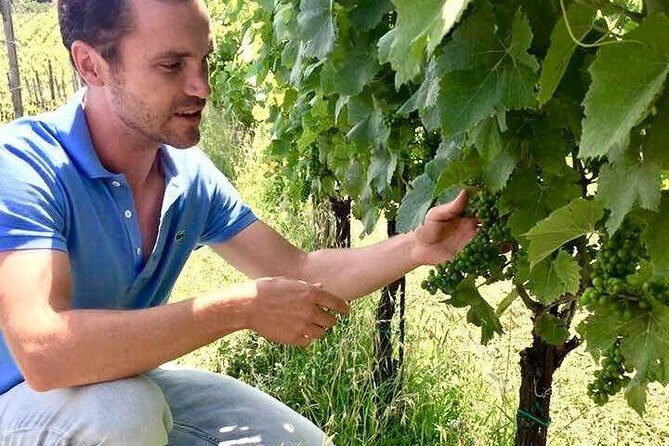
After the vineyard walk, you go into the cellar area. Here the guide explains how grapes get transformed into wine—how the process works from harvest onward and what the winery is aiming for in the final style.
This part matters if you’re not a wine expert. The explanations are practical, and the emphasis stays on cause-and-effect: what happens next in the cellar, and why it connects to what you tasted before. It’s the difference between hearing random wine facts and understanding a workflow.
A memorable detail is how the tour keeps tying back to the family approach. Several accounts mention that Leon and family involvement makes the explanations feel personal, not scripted. You’re not just touring a building—you’re hearing how the people behind the wines think and work.
The Etruscan tuff-stone barrel cellar: where the building tells the story
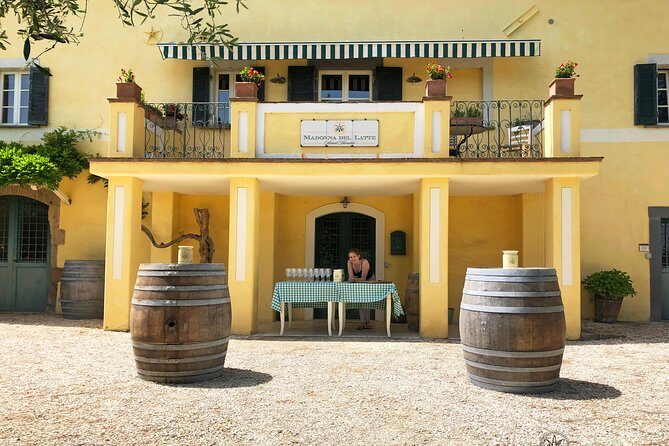
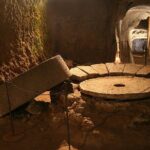
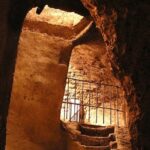
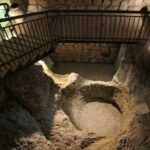
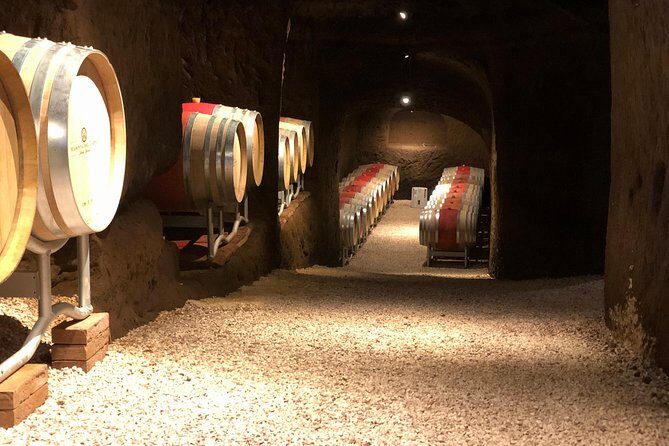
Then comes one of the most distinctive stops: the barrel cellar carved into tuff-stone during ancient Etruscan times. That’s not just an old building trivia fact. The setting gives you a clear sense of why wineries in this part of Italy often feel different—stone, age, and craft all in the same place.
I like that this tour doesn’t treat the cellar like a generic museum room. You’re shown the barrel cellar and the atmosphere does some of the teaching for you. Even if you don’t care about archaeology, you’ll likely appreciate the “why” behind it: these estates were built for real production needs long before modern climate control.
One practical note: cellars are often cooler than the outside air. Even if it’s warm in Orvieto, you may want a light layer so you’re comfortable during the time in the stone rooms.
What you’ll taste: whites, reds, and the house style
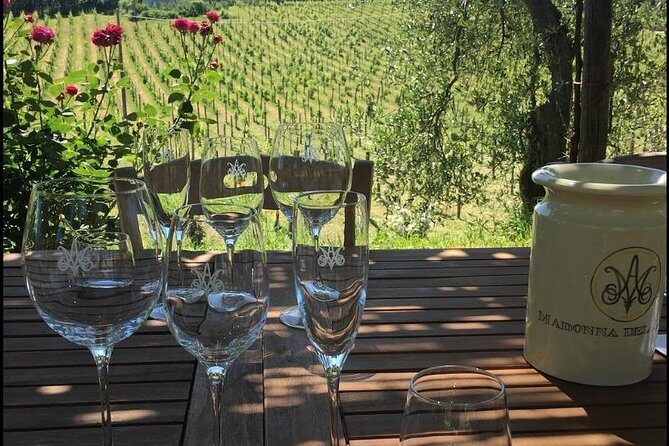
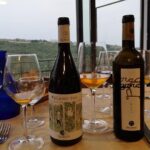
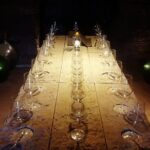
The tasting is the main payoff, and it’s structured. The standard tasting described for this tour is four wines: 2 whites and 2 reds. The highlights also point to the winery sampling their catalog—described as five house-made wines—so it’s reasonable to expect that you’ll taste a fuller snapshot of what they make beyond just one or two bottles.
Across multiple descriptions, people highlight the quality and the generosity of the pours. It’s not a tiny “sip and move on” setup. You also get descriptions while you taste, which helps you connect flavors to the vineyard and cellar work you saw earlier.
You can also read our reviews of more wine tours in Orvieto
A note on olive oil
One extra detail that pops up in accounts of the visit: olive oil production comes up during the visit, and at least some tours mention olive oil being included alongside the wine tasting. If olive oil matters to you, bring it up when you arrive or ask the guide what’s included on your date.
Your best approach if you’re not a wine person
Here’s the strategy I’d use: pick one white and one red you like most, then ask how the guide would explain their differences. Since the tour already walked you through the vineyard and the barrel cellar, those answers will land fast. You’ll leave with “I understand why this tastes this way,” not just “I liked this one.”
Meet Leon and the family: why a small estate feels different
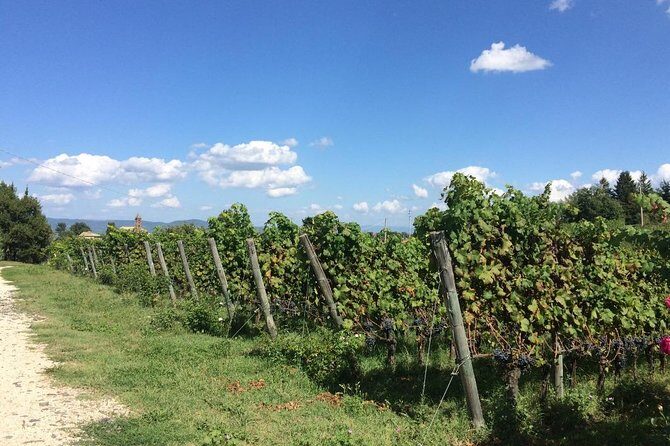
What keeps getting mentioned in the way people talk about this winery is the human part. Leon, the owner/winemaker, is described as welcoming—sometimes even meeting visitors right at the car—and checking in during the visit.
There’s also a strong “family winery” vibe. People mention Leon and family involvement that makes the tour feel more like a conversation about craft. You’re not just following a script. The guide explains the family story, how they got the property, and how Leon’s planting decisions connect to the local growing conditions.
If you care about authenticity—and not just wine—this is the section that does it. It helps that the guide is described as energetic and able to handle lots of questions without turning things stiff.
It’s also where you’ll hear details that don’t fit in a brochure. For example: people mention being shown cellar spaces and hearing history tied to the estate itself, plus learning what guides the family’s choices in the vineyard.
Price and value: is $42.05 worth it?

At $42.05 per person, this isn’t a bargain “just get a glass” experience. But it also isn’t overpriced for what you’re getting.
Here’s why the value works:
- You’re paying for a guided winery walk plus cellar tour (not just a tasting room pour)
- The tasting includes multiple wines in a structured whites-and-reds lineup
- The setting is production-focused, including the Etruscan tuff-stone barrel cellar
- The group limit (max 25) helps keep the experience personal enough to ask questions
In other words, you’re buying time with people who make the wine and an explanation that links the whole process together. That connection is what makes the tasting more satisfying than a simple flight in a loud bar.
If you plan to buy bottles, you can also think of the tasting as a “filter.” You try the house style first, then buy what you truly want rather than what sounds good in a shop.
One practical heads-up from real-world comments: shipping wine home can involve extra costs, so if you’re planning to bring bottles back, price shipping vs. carrying them in your luggage before you commit.
Timing, group size, and language: how to plan your afternoon
The tour runs about 2 hours. That’s a sweet spot—long enough to see the vineyard, understand the cellar process, and taste properly, but short enough to still enjoy the rest of your Orvieto day.
It’s offered in English, and you’ll receive confirmation at booking. You also use a mobile ticket, which keeps things simple: bring your phone and be ready to show it at the start point.
With a maximum of 25 people, it should feel manageable. You’ll likely have time to ask questions during the tour flow rather than only at the very end.
As for the day plan: I’d schedule this earlier rather than last thing. Wine tours + walking around Orvieto can make the rest of the afternoon feel less energetic. If you’re doing Orvieto’s sights, consider whether you want your sightseeing to be before or after the tasting.
Tips for a smooth visit (so you enjoy it more)
- Arrive prepared for a walking start. Even if the pace is friendly, it’s still a vineyard walk.
- Plan your ride. If you’re coming from Orvieto, consider lining up taxi service ahead of time.
- Wear a light layer for the cellar. Stone spaces can feel cooler than outdoors.
- Ask about the wine you like. The guide can tie flavor to vine work and aging choices.
- Consider shipping only after you know what you’ll buy. People mention shipping options, but costs can add up.
- Bring a notebook or use your phone notes. When the wines are described, it’s easy to forget which detail matched which bottle later.
Should you book this Madonna del Latte wine tasting tour?
If you want a wine experience that feels personal—vineyard first, cellar next, and a standout Etruscan tuff-stone barrel room thrown into the mix—this is an easy yes. The structure also works well if you’re not a wine nerd, because the explanations connect what you see to what you taste.
I’d think twice if your main goal is a long, party-style tasting or if you dislike guided walking tours. This is more about learning and enjoying a focused tasting than stretching it into a half-day binge.
If you’re visiting Orvieto and want one memorable “production-side” stop outside the city, this is a strong choice. Book it, arrive ready to walk, and let Leon and the team show you how their family work turns into the wines you’ll drink.
FAQ
How long is the wine tasting and winery tour?
It’s about 2 hours.
How many wines will I taste?
The tasting includes 4 wines: 2 whites and 2 reds. The winery also highlights sampling its house-made catalog (described as five house-made wines).
Where does the tour start?
The meeting point is Madonna del Latte, Località Sugano, 11, 05018 Orvieto TR, Italy.
What language is the tour offered in?
The tour is offered in English.
Is there a group size limit?
Yes. The experience has a maximum of 25 travelers.
Do I need a printed ticket?
No. It uses a mobile ticket.
Is it okay if I’m not an expert in wine?
Most travelers can participate, and the tour is designed to explain the process from vineyard work through the cellar to the tasting.
Can I bring a service animal?
Yes, service animals are allowed.