REVIEW · ORVIETO
Orvieto: Pozzo della Cava Entry Ticket
Book on GetYourGuide →Operated by Pozzo della Cava · Bookable on GetYourGuide
Orvieto hides a whole history underground. The Pozzo della Cava lets you walk through an archaeological complex built around the area’s first spring water well, showing how the same water source shaped life from Etruscan times to the Renaissance. I love that you’re mostly on your own, moving at your pace through nine caverns, with clear multi-language explanations that don’t require an app or a guide. I also like that it’s a bargain—$5 per person for a cool, meaningful stop that still feels worth your time. One drawback: it’s short and self-paced, so if you want a long guided deep dive, this may feel like too small of a detour.
In This Review
- What makes it special in Orvieto
- Best for heat breaks and history-with-your-feet
- Key highlights you’ll actually care about
- Pozzo della Cava in one breath: an Etruscan well turned underground museum
- Why Orvieto’s water system ended up under the Cava streets
- The nine caverns: what you’ll see from oldest cistern to Renaissance excavations
- Start point: the oldest cistern and early Etruscan traces
- The medieval section: Urbs Vetus and multi-level household space
- Later evolution: Renaissance developments in the excavated parts
- Self-guided doesn’t mean hands-off: how the signage experience works
- Time it right: how long to plan and when to go
- Price and value: what $5 buys you in real time
- What I’d pair it with in Orvieto (and what to avoid)
- Practical tips for a smoother cave visit
- Who should book Pozzo della Cava?
- Should you book it or pass?
- FAQ
- How much does the Orvieto Pozzo della Cava ticket cost?
- How long does the underground visit take?
- Is this visit guided?
- What languages are available for the explanations?
- What does the ticket include?
- What’s not included?
- What will I see inside the complex?
- Can I cancel after booking?
What makes it special in Orvieto
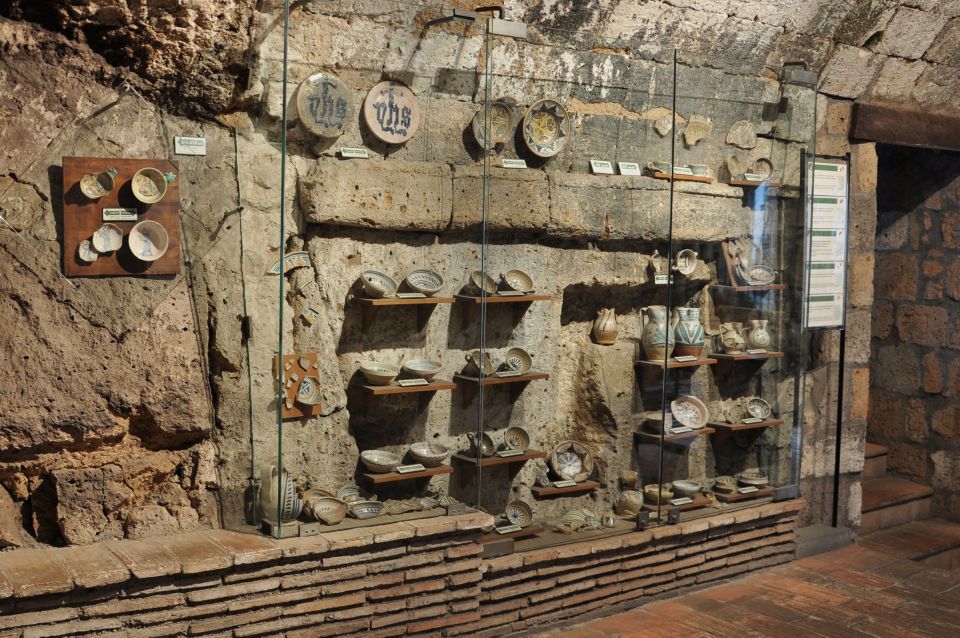
This isn’t just a tunnel to pass through. The complex starts with the oldest cistern, lined with cocciopesto plaster, and then you descend into a maze tied to Urbs Vetus, Orvieto’s medieval name. You’ll see how people adapted over the centuries, including evidence linked to houses’ three-story basements and later Renaissance excavations. My second big like is the condition of the displays: the underground space helps preserve artifacts across eras. The one thing to keep in mind is that it’s on the farther side of Orvieto, so you’ll want to plan it as a focused stop, not something you stumble into mid-sprint.
Best for heat breaks and history-with-your-feet
You’ll feel the temperature change quickly once you’re underground, and that alone makes it a smart move on warm days. The route is designed to be child-friendly, with a special itinerary for younger visitors, plus explanations in Italian, English, and French. If you’re traveling with kids, or you just want a calm, sign-based walk without coordinating a group, this works nicely. Just don’t expect a single “wow view” moment—your reward comes from reading, noticing, and walking slowly.
You can also read our reviews of more tours and experiences in Orvieto.

Key highlights you’ll actually care about
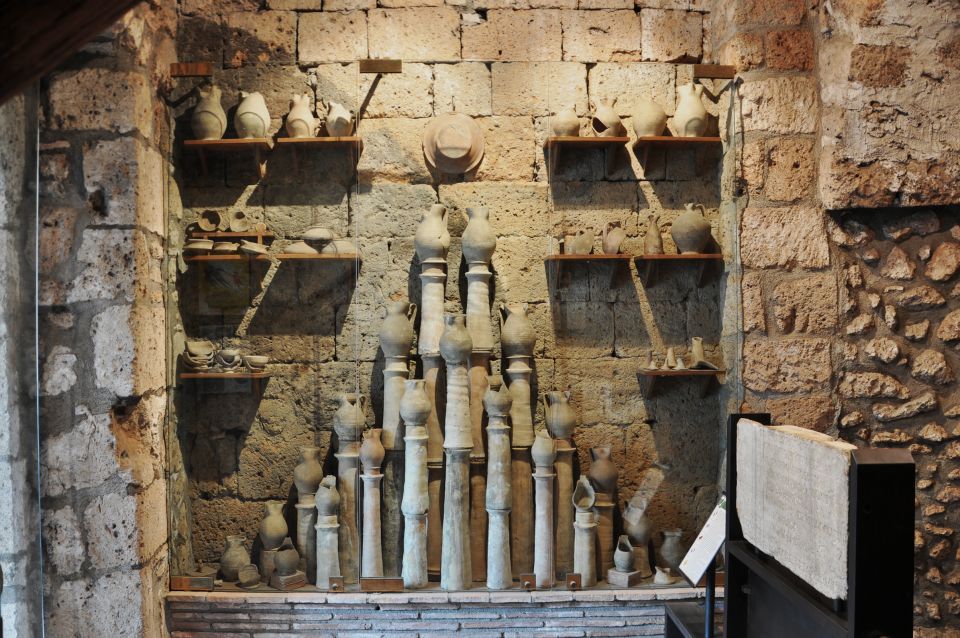
- Nine caverns to explore, with the oldest parts first and later periods added over time
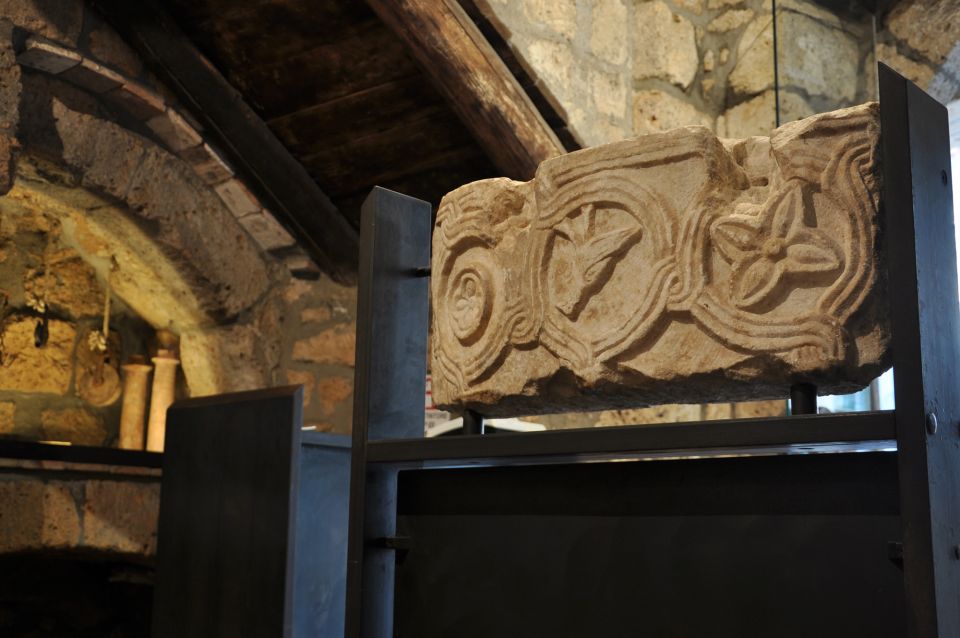
- A cistern lined with cocciopesto plaster, plus artifacts from Etruscan through Renaissance life
- The medieval chapter tied to Urbs Vetus (Orvieto’s medieval name) and how the site was used by households
- Interpretive panels in Italian, English, and French, designed for self-guided reading
- A cool underground escape from Orvieto’s heat that doesn’t take all day
- A special itinerary for children, so the stop works for families without feeling like a chore
Pozzo della Cava in one breath: an Etruscan well turned underground museum
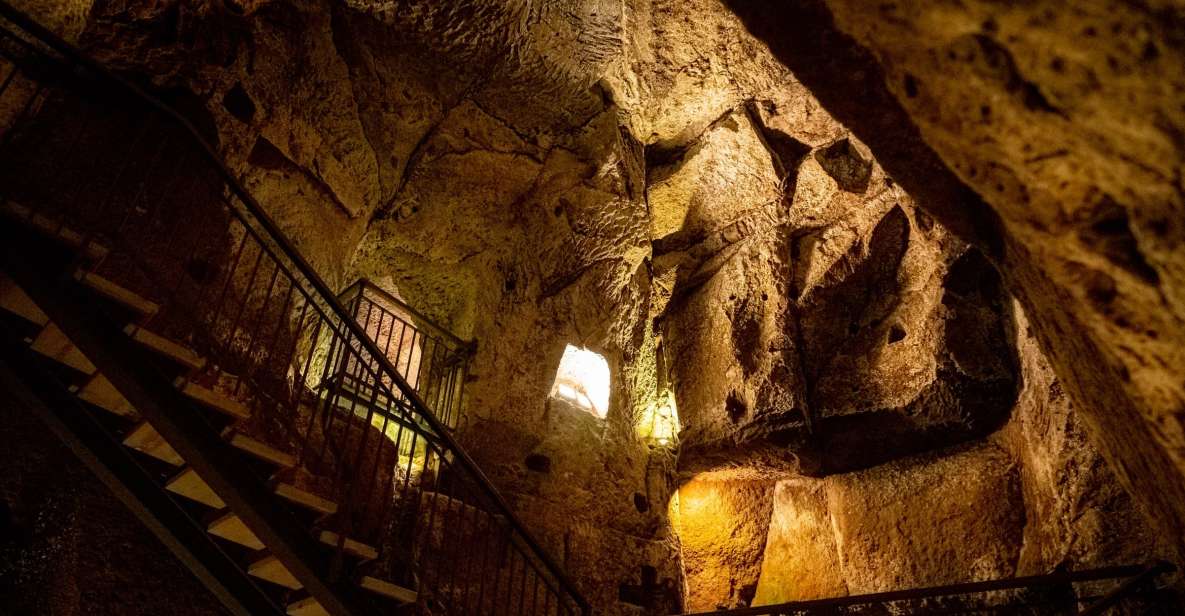
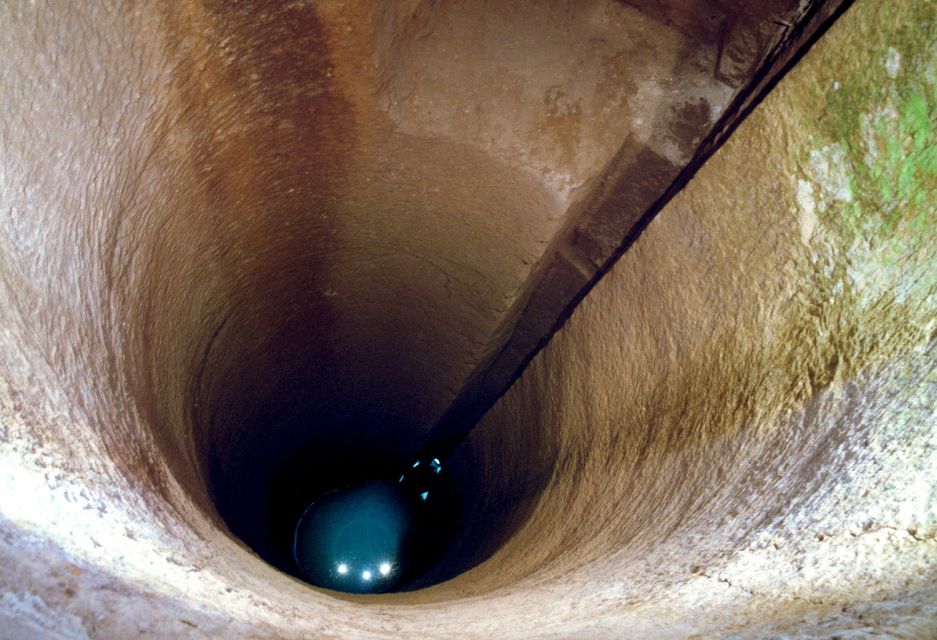
Pozzo della Cava sits at the heart of Orvieto’s medieval Cava district, and it’s exactly the kind of place I like: practical, real, and built around a basic need—water. Long before the grand look of central Orvieto, people depended on spring water. They also depended on staying alive during dry stretches, so they engineered access to water deep below the streets.
What makes this experience different from a standard “underground attraction” is that it’s tied to a living neighborhood. You’re not only looking at a well; you’re walking through a complex that shows how later generations kept using, expanding, and reshaping what was already there.
At $5 per person, the value is unusually strong. This isn’t a mega-site that needs a full day, and that’s part of the appeal. You get a meaningful slice of history with minimal hassle, and you can still enjoy the rest of Orvieto afterward.
Why Orvieto’s water system ended up under the Cava streets
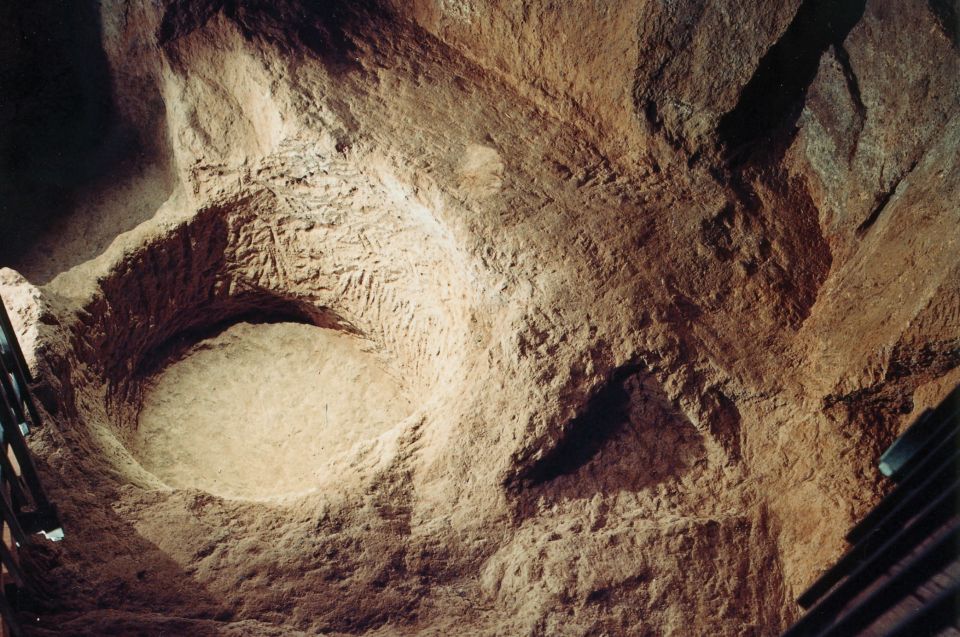
The Pozzo della Cava route traces how one infrastructure project kept evolving. The oldest section reflects the early well’s construction approach. The cistern is lined with cocciopesto plaster—a plaster technique used to help seal and protect structures exposed to water. It’s a small detail, but it’s the kind of engineering choice that explains why this well lasted so long.
Then the story widens. Over centuries, the underground space became more than a water source. It connected to everyday life under the medieval streets, including areas associated with Urbs Vetus. You’ll see how households used the space, including three-story basements that formed part of the built environment around the well.
This is where the experience becomes more than “cool caves.” You start thinking like a resident: the well isn’t isolated. It’s a piece of your neighborhood’s survival system, and it shapes building patterns above it.
The nine caverns: what you’ll see from oldest cistern to Renaissance excavations
The underground complex is organized into nine caverns, and the route is designed so you move through time. You start at the oldest area, then follow the changes that occurred as new layers of Orvieto life accumulated beneath the streets.






Start point: the oldest cistern and early Etruscan traces
You’ll begin with the earliest part of the complex, where the cistern is lined with cocciopesto plaster. This sets the tone. Right away you’re reminded this wasn’t built for tourists—it was built for function. From here, the displays include Etruscan burial remains, which is one of the strongest ways the site connects daily infrastructure to longer-term life and death in ancient Orvieto.
The medieval section: Urbs Vetus and multi-level household space
Next comes the maze-like section associated with Urbs Vetus, Orvieto’s medieval name. This is where you’ll understand why the complex feels like a hidden neighborhood. The route guides you through areas linked to house basements, including the idea of three-story basements.
If you like architectural history, you’ll enjoy the way the underground spaces explain daily routines. It’s easier to picture people living with limited light, using lower levels for storage or practical space, and keeping the well close.
Later evolution: Renaissance developments in the excavated parts
The final portion brings you forward into later centuries. The most recent parts of the Pozzo della Cava were excavated from the Renaissance period, and the complex preserves traces of change across twenty-eight centuries.
The last cave is described as especially impressive in terms of the preserved transformations. Even if you’re not reading every panel word-for-word, the overall effect is clear: the well complex didn’t freeze in time. It kept getting used, modified, and built upon.
Self-guided doesn’t mean hands-off: how the signage experience works
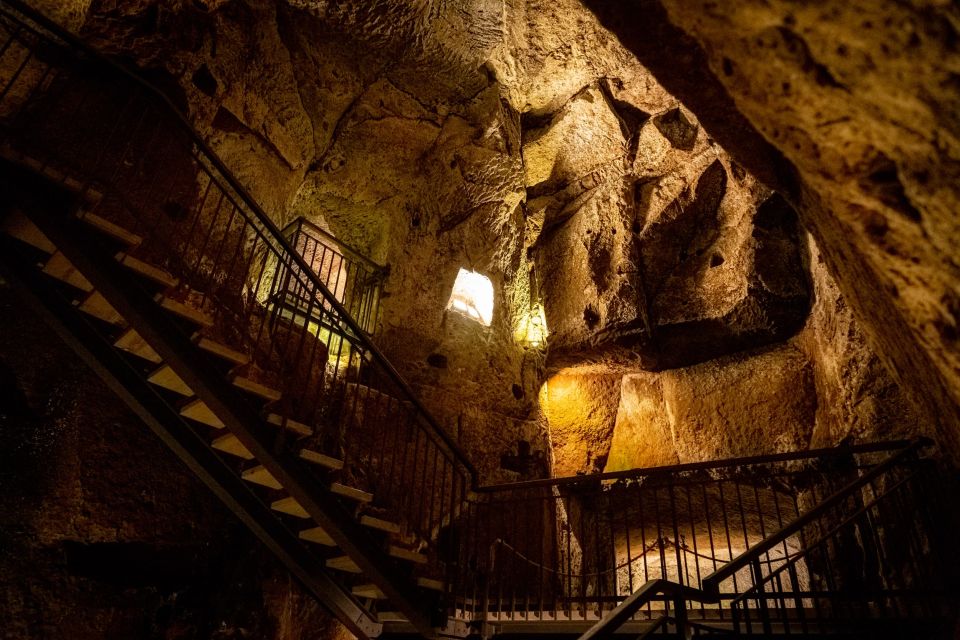
This ticket includes multi-lingual explanations in Italian, English, and French, plus a child-friendly itinerary. There’s no guided tour included, and that actually can be a plus.
On sites like this, a guide can be great—but it also forces you into a pace you didn’t choose. Here, the experience is built around interpretive panels, so you can pause where you want. One of the most repeated strengths in the experience is that the information on the signs is well presented, so you’re not left guessing.
I think this matters because underground spaces reward attention. You’ll want to look closely at artifacts, notice how spaces connect, and try to mentally place what you’re seeing into a timeline.
If you want a simple plan: give yourself time to read the panels in the first and last areas. The middle sections tend to make more sense after you grasp how the oldest cistern worked and how the later excavations changed what was visible.
Time it right: how long to plan and when to go
This is a 1-day ticket, but it’s not a full-day commitment underground. The walkthrough is typically around 30 minutes, though you can stretch longer if you read carefully or stop for reflection.
A smart strategy is to combine this with your Orvieto sightseeing in a way that makes sense for energy. If you’re touring in heat, the cool underground stop becomes a natural reset. If you’re touring early, you’ll often benefit from lighter crowds and easier pacing.
One practical note: you may need to walk a bit to reach this side of town. It’s still close enough to do on foot in a typical Orvieto morning or afternoon, but it’s not right next to the central big sights. Plan it as a deliberate stop.
Price and value: what $5 buys you in real time
At $5 per person, this feels like good sense. You get entry to the full underground complex, explanations in three languages, and special programming for children. You’re not paying for a bus ride or a long guided program—you’re paying for access to something truly specific: an archaeological structure preserved under medieval streets.
The value is also in the format. A self-guided walk means you don’t have to time your schedule to a group. In practical travel terms, that matters. It’s easy to add this to a day without turning it into a logistical puzzle.
That said, consider your expectations. If you’re hoping for a long, narrated tour with much more interaction, you might find this small. If you’re happy with interpretive signs and a walk-through structure, it’s an easy yes.
What I’d pair it with in Orvieto (and what to avoid)
Pozzo della Cava works best when you treat it as one focused “chapter” in your Orvieto day.
Pair it with:
- A morning or afternoon plan where the Duomo-area crowds won’t control your timing.
- Another viewpoint or museum stop, so your day has both “underground Orvieto” and the classic above-ground scenes.
Avoid pairing it with:
- A tight schedule that forces you to rush. The experience benefits from slowing down, especially where the panels explain how the site worked in different eras.
- Only choosing underground experiences back-to-back. You’ll enjoy the contrast more if you give your eyes a break and return to daylight for a bit.
Also, watch out for confusion with Orvieto’s other underground options. The start point for different underground tours isn’t always where you’d guess, so double-check your heading before you arrive. It only takes one wrong turn to waste energy.
Practical tips for a smoother cave visit
A few small things make the difference between a “quick look” and a satisfying visit.
- Wear comfortable shoes. You’re walking through an underground complex, and you’ll want stable footing.
- Bring your “reading eyes.” This experience is built around explanations on the walls.
- Plan for photos, but don’t let it eat your time. The artifacts and construction details matter more than pictures.
- If you’re with kids, follow the special itinerary for children so the visit stays age-appropriate.
- Go early in the day if you can. It tends to make the experience calmer and faster to enjoy at your pace.
Who should book Pozzo della Cava?
Book it if you want:
- A short, high-value underground stop with strong information
- A cool break during warm months
- A place that works for families, thanks to child-friendly explanations and an itinerary for younger visitors
- A self-guided experience where you can pause and read
Skip or reconsider if you want:
- A full guided experience with a lot of narration
- Something that takes most of the day
- A location right next to the main central landmarks
Should you book it or pass?
I’d book Pozzo della Cava if your Orvieto day needs a practical, low-cost experience with real archaeological content and a comfortable, self-paced format. At $5, it’s hard to argue against—especially if you like architecture, ancient daily life, and learning through what you can see and read as you walk.
I’d pass only if you’re chasing a long guided tour, or you’re the type who hates any stop that requires attention to labels and panels. If that’s you, you’ll get more joy elsewhere in Orvieto.
FAQ
How much does the Orvieto Pozzo della Cava ticket cost?
The ticket costs $5 per person.
How long does the underground visit take?
You should plan for about 30 minutes, though you can spend a bit longer if you stop to read and reflect.
Is this visit guided?
No. This is self-guided. You’ll explore the complex using the included explanations and signage.
What languages are available for the explanations?
The explanations are available in Italian, English, and French.
What does the ticket include?
It includes entry to the underground complex, multi-lingual explanations, and a special itinerary for children.
What’s not included?
A guided tour is not included with the ticket.
What will I see inside the complex?
You’ll explore an archaeological underground structure with nine caverns, starting from the oldest cistern lined with cocciopesto plaster, and you’ll see artifacts from Etruscan, medieval, and Renaissance developments.
Can I cancel after booking?
Yes. You can cancel up to 24 hours in advance for a full refund.