REVIEW · ORVIETO
Orvieto and Civita di Bagnoregio including Underground Tour and Lunch
Book on Viator →Operated by Umbria con Me · Bookable on Viator
Orvieto and Civita di Bagnoregio is the kind of day that moves like a story. You start with fortress views and cathedral art in Orvieto, then go underground to see how people in past centuries secured water. After lunch, you ride out through the rolling hills of Umbria for a walking look at Civita’s famous hilltop scene.
I especially like the mix of guided moments: the relaxed pace walk through Orvieto, the clear, step-by-step access to the Duomo and the Pozzo underground, and then the post-lunch transfer that saves you from tricky planning. Another big win is the included lunch in Orvieto—you get fed without having to hunt for a plan between attractions. One thing to consider: it’s still a full day with walking in old stone towns, so you’ll want to be comfortable moving for several hours even at a relaxed pace.
In This Review
- Key highlights that make this day work
- Orvieto + Civita in one day: the smart shape of the route
- Starting in Orvieto: funicular views and fortress walls
- Duomo di Orvieto: more than a pretty cathedral
- Pozzo di San Patrizio and Pozzo della Cava: going underground to understand survival
- Lunch in Orvieto: a pause that keeps the day enjoyable
- The drive to Civita di Bagnoregio: why the ride is part of the show
- Walking in Civita: the fairy-tale vibe, explained by a guide
- Guides and the value of a good storyteller
- Price and value: what you’re actually paying for
- When this Orvieto + Civita tour fits you best
- Should you book this Orvieto and Civita experience?
- FAQ
- What’s the duration of the Orvieto and Civita di Bagnoregio tour?
- What time does the tour start?
- Where do we meet for the tour?
- What’s included in the tour price?
- Is lunch included? Are drinks included?
- Is the tour offered in English?
- How physically demanding is the tour?
- What’s the cancellation policy?
Key highlights that make this day work
- Duomo di Orvieto included (ticket handled): a 14th-century Roman Catholic cathedral dedicated to the Assumption of the Virgin Mary
- Pozzo della Cava Underground area: hand-made tunnels and a 36-meter-deep Etruscan well
- St. Patrick’s Well context: learn why the well was dug in the 1500s to protect year-round water supply during sieges
- Courtyard-to-cathedral walking in Orvieto: fortress walls, Piazza della Repubblica, and the old church of St. Andrea
- After-lunch transfer to Civita di Bagnoregio: a private car ride with a driver, so you can focus on the day
- Two guided parts of the day, not three headaches: you get a guided Orvieto walk, guided Civita walking, and admissions already included
Orvieto + Civita in one day: the smart shape of the route
This is a classic Umbria combo because it does two things most solo plans struggle with. First, Orvieto is compact but not simple—steep streets, big viewpoints, and major sites that reward a guide who can point out what to look for. Second, Civita di Bagnoregio can be a logistics headache if you’re trying to do it alone. Here, the day has a built-in rhythm: Orvieto in the morning, lunch in the middle, then Civita on the other side.
The tour is built around walking at a relaxed pace plus short transports, so it feels like sightseeing instead of nonstop sprinting. You also get an organized flow between sites, which matters in old towns where timing and crowd flow can get messy. The day runs about 7 hours, starting at 10:45am and ending back at the meeting point.
You’ll be with a professional guide, and English is available. If you’re the type who enjoys history when it’s explained in plain language, this format fits you well. And if you prefer your day to have a structure (so you’re not constantly asking what’s next), this tour’s schedule does that job.
You can also read our reviews of more tours and experiences in Orvieto

Starting in Orvieto: funicular views and fortress walls
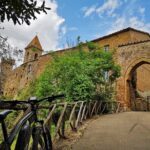
Your day begins at Piazza Cahen (05018 Orvieto TR, Italy). The tour starts near the upper end of Orvieto’s funicular, which is a practical choice. Orvieto’s “up-top” area gives you the kind of views that make the rest of the day click, because you can see how the town sits in its setting before you move through it.
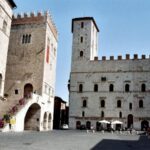
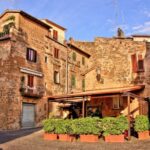
From there, the walk is designed to get your bearings fast. You’ll admire views from the walls of the fortress, then head down via Corso Cavour toward Piazza della Repubblica. Along the route, you’ll also stop at the old church of St. Andrea. Even if you only care about the big attractions, I like this warm-up walk because it sets up the story of the town: walls and routes, then the spiritual center.
This is also where the guided approach pays off. Orvieto’s streets can feel like they all look similar if you’re just wandering. With a guide, each turn has a reason.
One practical note: even when a tour is called relaxed, old-city walking means uneven ground and short climbs. If you’re comfortable with that, you’ll be fine.
Duomo di Orvieto: more than a pretty cathedral
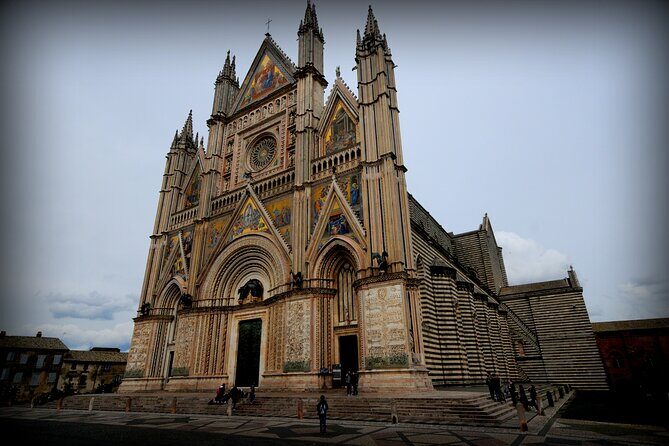
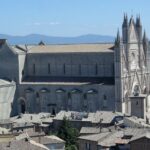
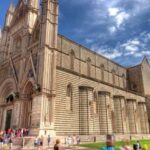
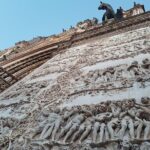
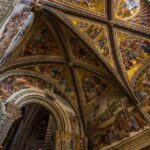
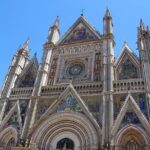
The Duomo di Orvieto is the first major ticketed stop. This is a large 14th-century Roman Catholic cathedral dedicated to the Assumption of the Virgin Mary. It’s the kind of place where the guide helps you notice details you’d miss on your own.
Here’s why it’s worth giving time: Orvieto Cathedral isn’t only about size or age. It’s about craftsmanship, design choices, and how the town’s identity shows up in stone. When you’ve been walking through medieval streets and seeing fortifications and small churches, the Duomo feels like the town’s “center of gravity.” The guide’s job here is to connect what you’re seeing to why it matters historically and artistically.
You’ll have about 1 hour, and admission is included. For me, that hourly window hits the sweet spot: long enough to actually look, not so long that you get cathedral fatigue.
Potential drawback: if you’ve already spent time in a major cathedral that day, you might feel like you’re repeating the same vibe. But this one’s in Orvieto for a reason, and the guide makes the differences legible.
Pozzo di San Patrizio and Pozzo della Cava: going underground to understand survival
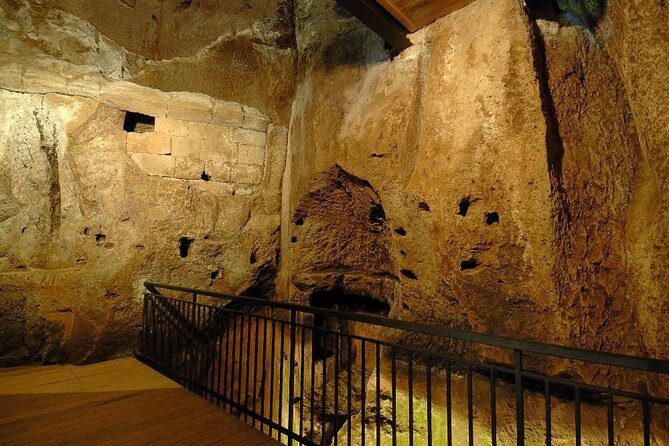
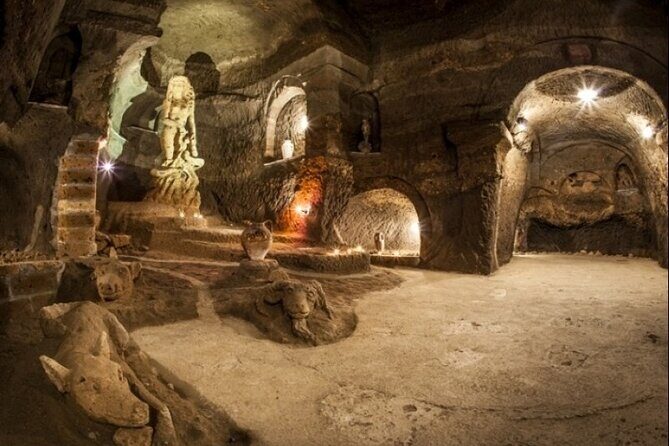
Next comes one of Orvieto’s most memorable sights: the Pozzo area. The tour includes entry to Pozzo della Cava – Complesso Archeologico, an underground experience built around impressive tunnels and a dramatic well.
This is St. Patrick’s Well, known as Pozzo di San Patrizio, and it’s often considered Orvieto’s second most important attraction after the Duomo. It sits near gardens that include Etruscan remains, which is a neat reminder that this area layers centuries on top of each other.
The well was dug in the 16th century to guarantee a supply of water all year round, especially during calamity or prolonged sieges. That detail changes how you experience the tunnels. You’re not just looking at an engineering curiosity. You’re seeing a practical plan for survival—built into the ground.
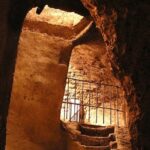
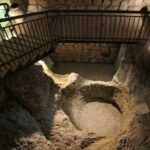
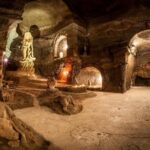
Inside the complex, you’ll see handmade tunnels leading down to a 36-meter-deep Etruscan well. That mix of “Etruscan depth” and “later construction for city needs” is the kind of timeline detail that a good guide makes easy to follow.
Expect about 1 hour for this stop. Underground spaces can feel cooler and darker than outside, so bring a layer if you run warm or if you’re visiting in shoulder seasons. Also, because you’re walking through an underground environment, pay attention to your footing.
Why I think this stop is a top pick: it’s one of the few attractions in Italy where you feel the logic of a past society in your body—scale and descent included.
Lunch in Orvieto: a pause that keeps the day enjoyable
After the morning’s walking and underground touring, you get lunch in Orvieto. Meals are included, but drinks are excluded.
I like that this lunch is positioned right before the switch to Civita. It means you won’t be rushing out hungry, and it helps you avoid that tired, cranky feeling that can hit during long sightseeing blocks. Also, because the lunch is in Orvieto, you stay in the comfortable rhythm of the day rather than trying to eat while relocating.
If you’re picky about dietary needs, you should plan to communicate those when booking or on the day. The data here doesn’t specify dietary accommodations, so it’s smart to confirm in advance if that matters to you.


The drive to Civita di Bagnoregio: why the ride is part of the show

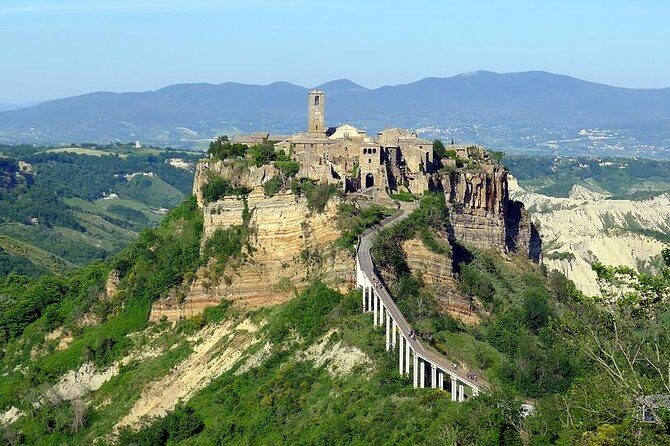
After lunch, a private car with driver takes you to Civita di Bagnoregio. The drive is about 30 minutes, and you’ll have time to look out at the rolling hills, vineyards, and countryside of central Italy.
This is one of those details that seems minor until you compare it to DIY travel. Having someone else handle navigation reduces stress, and the short ride gives you a chance to reset your brain before you start walking on the Civita viewpoint paths.
Even if the scenery is familiar from other parts of Umbria, Civita’s setting tends to make it feel more dramatic. You’ll get there ready to enjoy the hilltop town instead of just trying to get there.
Walking in Civita: the fairy-tale vibe, explained by a guide
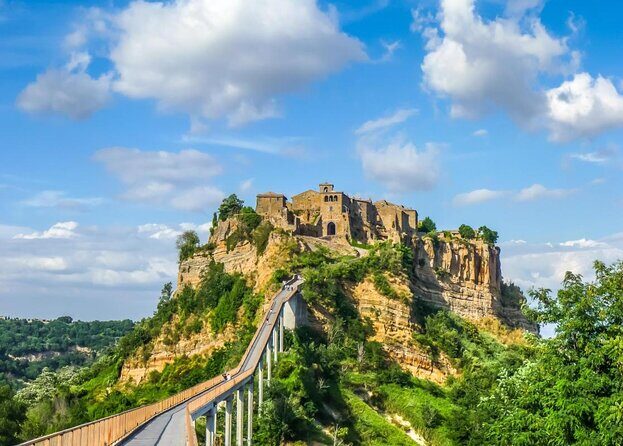
Civita di Bagnoregio is a world-famous hilltop town, and your visit is about 2 hours with a walking tour. You’re in the town itself on foot, which is where Civita really works: the approach, the tight streets, and the way the town visually “sits” in its environment.
I like that this portion is guided rather than just a drop-off. Hilltop towns can be easy to “miss” if you only take photos. With a guide, you get help understanding what you’re seeing and why Civita became so famous in the first place.
The tour structure also helps: you’re not expected to cram every minute. Two hours gives you time to stroll, look around, and still keep the day pleasant.
Practical consideration: Civita’s walk can mean uneven surfaces and stairs, depending on where the route goes. If you have moderate mobility, bring comfortable shoes and don’t plan to wear anything slick.
Guides and the value of a good storyteller
The day’s results hinge on the guide. In the feedback around this experience, names like Alberino, Massimiliano (Max), and Emanuella come up for a reason: they turn history into something you can picture.
And you’ll feel that most in the transitions:
- going from Orvieto’s fortress walls into the Duomo,
- then from architecture into survival engineering at the Pozzo,
- and finally into the Civita story after lunch.
If you care about learning without lectures, this guide-led pacing is a big part of why the tour works.
Price and value: what you’re actually paying for
At $512.31 per person, the price is not low. But it’s also not just “show up and walk.” You’re paying for:
- a professional guide,
- guided walking in Orvieto and Civita di Bagnoregio,
- admission to the Orvieto Cathedral,
- entry to the Pozzo della Cava underground area,
- lunch in Orvieto (with drinks excluded),
- and a private round-trip transfer between Orvieto and Civita with a driver.
When you add up admissions plus guide time plus a dedicated car ride for the Civita portion, the price starts to make more sense. The best value usually shows up when you’d otherwise pay for taxis/transfers and skip a guide (or when you’d end up spending time figuring out timing and tickets on your own).
The tour also lists group discounts, which can help if you’re booking with others. And even though it’s private in the sense of only your group participating, the key idea is that you’re buying a planned, guided day where the hard parts are already handled.
My take: this is a good value if you want fewer decision points and more “go there, see that, understand it” time.
When this Orvieto + Civita tour fits you best
This tour is a strong match if:
- you like guided explanations that connect places to history,
- you want Orvieto’s highlights without piecing together multiple tickets,
- Civita is on your list but you prefer a driver instead of DIY transit,
- you want a full day that still feels paced and organized.
It’s also a good fit for a range of travelers who can handle moderate walking. The tour notes moderate physical fitness and a relaxed pace, so it’s not presented as a hiking challenge. Still, old towns are old towns—wear shoes you trust.
Should you book this Orvieto and Civita experience?
If you want a smooth, well-timed day that includes the Duomo, the underground Pozzo experience, lunch, and a guided Civita walk, I think this one is worth booking. The standout value is the way it protects your time: guide + admissions + lunch + private transfer, all wrapped into one day with a clear start at 10:45am.
I’d pass or reconsider if you hate walking on uneven surfaces, already feel cathedral-saturated, or if the price feels too steep for your trip budget. Otherwise, it’s the kind of day that gives you both the “wow, underground engineering” moment and the “hilltop town” moment—without you having to manage it.
FAQ
What’s the duration of the Orvieto and Civita di Bagnoregio tour?
It runs for about 7 hours.
What time does the tour start?
The start time is 10:45am.
Where do we meet for the tour?
Meet at Piazza Cahen, 05018 Orvieto TR, Italy.
What’s included in the tour price?
It includes a professional tour guide, walking tours of Orvieto and Civita di Bagnoregio, admission to Pozzo della Cava underground area, lunch in Orvieto (drinks excluded), private transfer to Civita and return, and admission to Orvieto cathedral.
Is lunch included? Are drinks included?
Lunch in Orvieto is included, but drinks are excluded.
Is the tour offered in English?
Yes, it’s offered in English.
How physically demanding is the tour?
It’s rated for moderate physical fitness level, with a relaxed pace, but you should be comfortable walking in historic areas.
What’s the cancellation policy?
You can cancel for a full refund if you cancel at least 24 hours before the experience’s start time. Cancellation is free up to that point.