REVIEW · ORVIETO
Pozzo della Cava Admission Ticket
Book on Viator →Operated by Pozzo della Cava · Bookable on Viator
Orvieto goes underground in 20 minutes. Pozzo della Cava is a huge tuff well turned into a visitable archaeological complex, with nine cave rooms showing finds from Etruscans through the Renaissance. You walk a one-way path at your own pace, reading what the spaces used to be for, and why this underground world mattered to the city above.
I love the value here: the ticket is just $6.05 and gets you into a site that covers multiple time periods in one go. I also like the way it’s self-guided, so you can slow down for pottery, ceramic tools, and the quieter corners that most people rush past.
One drawback to think about: it’s underground. If you’re claustrophobic, this is not the calm open-air walk you might want.
In This Review
- Key things to know before you go
- Pozzo della Cava: Orvieto’s underground well, built in layers
- What you’ll see in the nine cave rooms (and why each one matters)
- The medieval pottery workshop and majolica finds
- Medieval pits and refuse areas
- The Etruscan cistern
- A medieval wine cellar
- Etruscan burial tomb remains
- The Renaissance-era additions (including a key furnace room)
- The route feels easy, but your body still notices it
- Duration: how long you’ll spend in Pozzo della Cava
- Timing and opening hours: when the ticket fits your day
- Price and value: why $6.05 makes sense here
- Self-guided in English (and several other languages)
- What about buying pottery at the end?
- Practical tips for your first visit
- UNESCO water museum connection
- Who should book (and who might skip it)
- Should you book Pozzo della Cava?
- FAQ
- How long does the Pozzo della Cava visit take?
- Is Pozzo della Cava a guided tour?
- What’s included with the ticket price?
- What languages are available for information?
- When is Pozzo della Cava open?
- How much does it cost?
- What is the cancellation policy?
Key things to know before you go
- Pre-booking helps you skip entrance lines
- Nine cave rooms around the well cover Etruscan, medieval, and Renaissance phases
- Self-guided visit means you control pacing and photo stops
- Expect a cooler underground temperature on warm days
- Plan for a walk from Orvieto’s main square area (it’s doable, just not right next door)
Pozzo della Cava: Orvieto’s underground well, built in layers
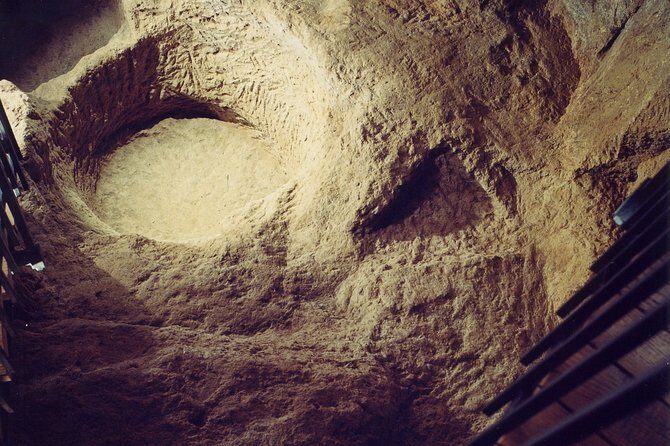
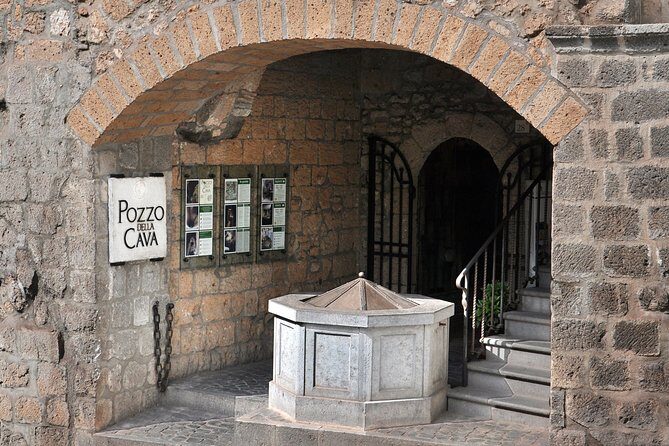
Pozzo della Cava is one of those places that makes you rethink what a town like Orvieto is really made of. Above ground, you get medieval streets and stone facades. Under ground, you get a giant well cut into tuff rock and then expanded and repurposed over centuries.
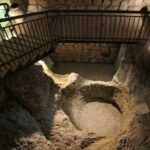
The name comes from the well itself. This enormous hole in the rock ties together the site’s long timeline: an Etruscan well that later got enlarged during the papacy. In this case, Pope Clement VII ordered work between 1527 and 1530, expanding the earlier Etruscan well into something the people of Orvieto could use and return to again.
Over time the site stopped being accessible, then faded from everyday life. It was closed to the public in 1646, and it later resurfaced after a long period of neglect. Today, that whole story—Etruscan roots, medieval daily life, and Renaissance-era changes—gets shown in the connected cave rooms around the well.
This is also a practical win. You’re not buying a long, structured tour with a fixed narrative. You’re paying for access to a compact, well-paced underground experience where you can read, look closely, and move on when you feel done.
You can also read our reviews of more tours and experiences in Orvieto
What you’ll see in the nine cave rooms (and why each one matters)
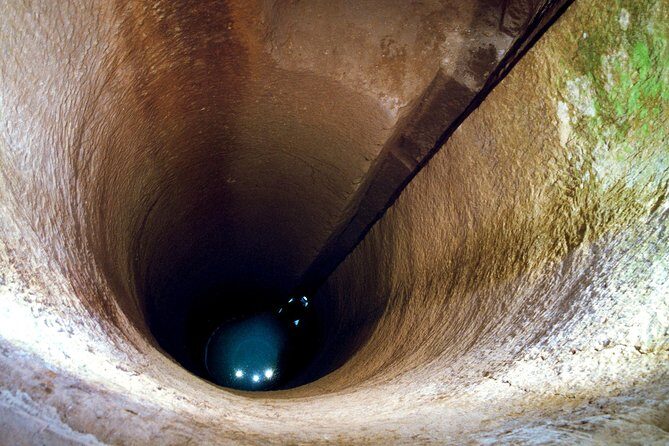
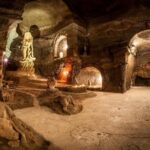
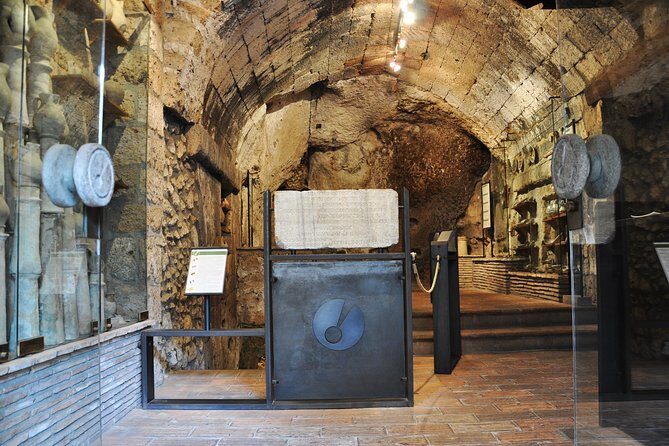
The visit centers on one main loop: the well, with nine caves branching around it. Even if you’re not a museum superfan, you’ll feel how each room answers a simple question: what did people here do, and how did the site change?
The medieval pottery workshop and majolica finds
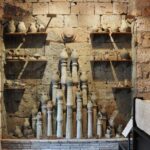
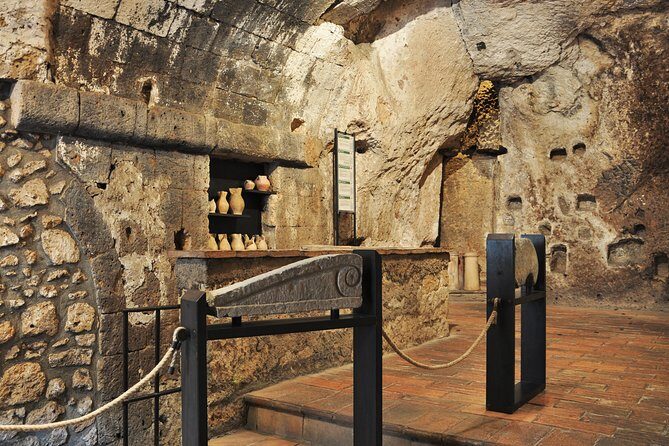
One of the rooms focuses on a medieval pottery workshop. You can see ceramicists’ tools and lots of pottery pieces, including majolica. This is the part that turns the site from archaeology into everyday craft life—people making and firing objects that would have been used, sold, and traded.
Tip: if you love ceramics, slow down here. The displays are visual, and the tools and work-space references help you picture how a workshop functions even when you’re underground.
Medieval pits and refuse areas
Another room shows small medieval pits used to dispose of rubbish. It’s not glamorous, but it’s also where the site gets real. It helps explain how the area around the well wasn’t only for water—it also became part of daily routines.
The Etruscan cistern
You’ll also see an Etruscan cistern, which underlines how early this area was useful. This is one of the key reasons Pozzo della Cava feels “bigger” than a single-era attraction. You’re not just looking at medieval reuse; you’re seeing continuity and adaptation.






A medieval wine cellar
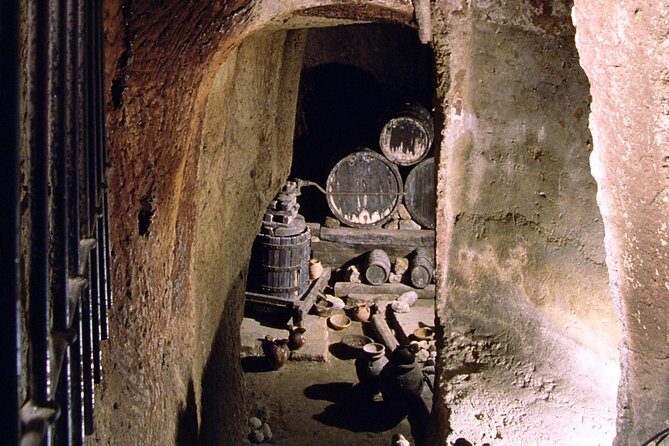
Another room is tied to wine storage, with a medieval wine cellar setup. For me, this is a “hold your interest” moment because it changes the vibe from pottery and waste to storage and supply. It’s the kind of detail that makes a city’s economy feel tangible.
Etruscan burial tomb remains
Then there are remains of ancient Etruscan burial tombs. This shifts the story again, reminding you that the ground beneath Orvieto held more than workplaces and containers. It held people, ritual, and memory.
The Renaissance-era additions (including a key furnace room)
Pozzo della Cava also includes a Renaissance element that some visitors notice early in the route. One room includes a furnace/work area people often single out. If you go in expecting every feature to be extremely ancient, you might be surprised: a major feature you’ll see is medieval in age, and other pieces reflect their own specific time periods.
If you feel like you’re repeating yourself in the early rooms, that’s not a sign you chose the wrong ticket. It’s a sign the site is structured around time layers. Give it the full loop so the “different periods” show up clearly, not just the first highlights you pass.
The route feels easy, but your body still notices it
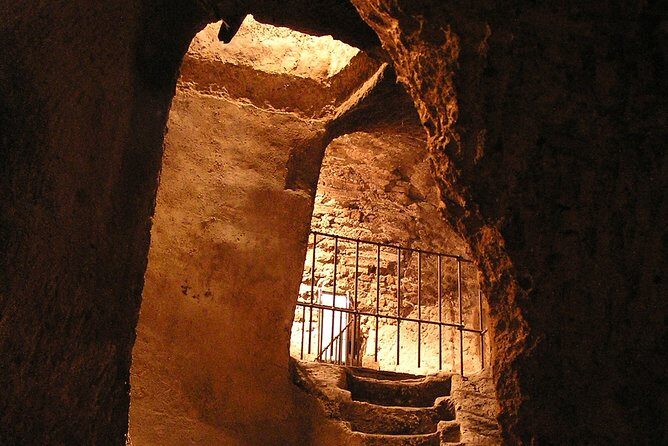
This is an underground experience, and your comfort level matters. The route is designed for walking and connection with outside areas, but it’s still caves and rock passages. One important caution from the experience: if you’re claustrophobic, don’t treat this like a casual stroll.
On the practical side, you’ll probably appreciate that it’s one-way and not chaotic. You’re not trying to navigate an active construction site; you’re following a visitor path built to make the layout readable. Still, plan for uneven rock surfaces, stairs, and a place that stays cool.
And yes—many people like it specifically because it’s cool. On a hot summer day, being underground is a real relief, especially compared with Orvieto’s brighter streets above.
Duration: how long you’ll spend in Pozzo della Cava
Your time window can vary a lot, and that’s part of the point. The visit is roughly 20 minutes to about 1.5 hours.
I’d plan it like this:
- If you mostly scan, take a few photos, and hit the major rooms: closer to 20–35 minutes.
- If you actually read the descriptions and linger over pottery/workshop details: more like 45–75 minutes.
- If you move slowly, stop often, and spend time on craft-related displays: it can stretch toward the longer end.
Because it’s self-guided, your pace matters more than the clock. If you want a “quick hit” between sights, it works. If you want a calmer museum-like experience, it also works.
Timing and opening hours: when the ticket fits your day
The listed operating window runs from 01/08/2026 to 01/07/2027, with Monday through Sunday from 10:00 AM to 8:00 PM.
That schedule makes it easy to place in your day:
- It’s a good middle-of-the-day option when the sun gets harsh.
- It’s also fine later in the day because the underground temperature helps you keep moving without overheating.
Because hours span most of the day, you don’t need a tight reservation strategy to make it work—just pick a time when you’re not rushing the rest of your itinerary.
Price and value: why $6.05 makes sense here
At $6.05 per person, this ticket is priced like a practical add-on—and that’s exactly how it can function. You’re not paying premium money for a long scripted show. You’re paying for access to a focused, ticketed archaeological complex with multiple rooms and multiple eras.
What you’re getting for that price:
- Admission included (no extra entrance fee once you’re there)
- A visitor circuit that can last from 20 minutes to 1.5 hours
- Multiple time layers shown in a way you can follow without a guide’s constant talking
Even if you only spend about 30 minutes, you still get a clear sense of Orvieto’s underground use—from water systems to workshops and storage, plus burial remains. That “many themes in one small space” effect is where the value really shows.
Self-guided in English (and several other languages)
The ticket information is available in English, plus Italian, German, French, Spanish, Dutch, Russian, and Japanese. That matters because the site is visual—but explanations help you connect the objects to what the spaces were used for.
You don’t need a live guide to get value, but language support makes the self-guided format feel less like guessing. If you’re choosing between Orvieto sights, this one works well if you like to read at your own pace instead of following a group.
What about buying pottery at the end?
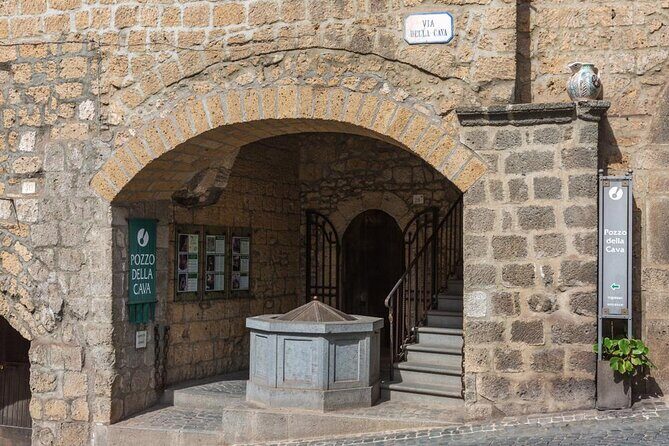
One of the nicer practical details from people who complete the whole route: there’s a pottery seller at the end who offers locally made pieces. The idea isn’t complicated. You see the craft in the underground workshop rooms, then you can take home something created in a similar spirit.
If you’re buying a small souvenir anyway, you’ll likely appreciate that the purchase fits the site’s theme instead of feeling random.
Practical tips for your first visit
Here are the things that make your visit smoother—especially if you want good photos and an experience that feels coherent:
- Pre-book your admission ticket so you can skip entrance lines when you arrive.
- Wear shoes with grip. You’re on stone and rock surfaces, not a polished walkway.
- Plan time for the full loop. Some of the “this place is repetitive” feeling happens when people stop early and only catch the first standout room.
- If you’re sensitive to tight spaces, decide before you go. This is an underground site, not an airy chapel.
- Bring a little patience with reading. The site rewards you for spending a few extra minutes in key rooms like the workshop and storage areas.
UNESCO water museum connection
Pozzo della Cava isn’t just an archaeological oddity. It has been recognized as part of the UNESCO World Network of Water Museums. That adds context to why a “well complex” deserves a ticket and why the interpretation focuses on water systems and how people engineered underground life.
You don’t need to study that ahead of time. But knowing it’s connected to a broader water-museum theme helps you notice how the cistern, well systems, and storage spaces all connect.
Who should book (and who might skip it)
This ticket is a strong match if you:
- Want a low-cost activity in Orvieto with real variety across eras
- Like self-paced visits where you can read and look closely
- Prefer cool indoor-type sights on hot days
- Have interest in Etruscan, medieval, and Renaissance material culture
It might not be the best fit if you:
- Are very uncomfortable with underground spaces. Claustrophobia is the main caution.
- Want a big open-air viewpoint. This is caves and rock, not scenery.
If you’re a first-timer in Orvieto and you only have time for one smaller-ticket site, this can be a smart choice because it packs a lot into a tight footprint.
Should you book Pozzo della Cava?
Yes, if you want a practical, affordable ticket that turns Orvieto into a place you can experience on two levels—street above, engineered underground below. At $6.05, it’s hard to argue with the value, especially since pre-booking keeps your arrival smooth and the self-guided route lets you set your pace.
If you’re claustrophobic, don’t gamble. But if you’re comfortable underground, Pozzo della Cava is the kind of place where a short visit can still leave you thinking about how people lived, made things, stored supplies, and managed water long before you arrived.
FAQ
How long does the Pozzo della Cava visit take?
The experience typically lasts about 20 minutes to 1 hour 30 minutes.
Is Pozzo della Cava a guided tour?
It’s self-guided. You use your ticket to explore the archaeological complex at your own pace.
What’s included with the ticket price?
Your purchase includes the admission ticket to the Pozzo della Cava archaeological complex.
What languages are available for information?
Information is available in Italian, English, German, French, Spanish, Dutch, Russian, and Japanese.
When is Pozzo della Cava open?
For the listed season (01/08/2026 to 01/07/2027), it’s open Monday through Sunday from 10:00 AM to 8:00 PM.
How much does it cost?
The ticket price is $6.05 per person.
What is the cancellation policy?
You can cancel for a full refund if you cancel at least 24 hours in advance. Cancellation within 24 hours of the start time isn’t refunded.