REVIEW · FOOD
Taste of Rome: Food Tour with Local Guide
Book on Viator →Operated by Food Tours Of Rome · Bookable on Viator
Rome is better with a snack in hand.
This 3-hour Taste of Rome walking food tour is built for the way Rome actually feels after work: people eating, chatting, and drifting between markets, squares, and ancient streets. I like that you get multiple food stops packed into a small route, and that the guide ties each bite to Roman culture and history (you may hear it from guides like Maria, Fabrizia, Greta, Marco, or Mattia). One thing to plan for: it’s not a long sit-down meal, so if you want a heavy, formal dinner experience, this route may feel more like a tasty walk than a full restaurant tour.
My favorite part is the mix of classic Roman flavors and the small moments of learning—how the market works, what locals order, and why certain dishes are tied to the city’s identity. You’ll also be handed wine or soft drinks along the way, which makes the whole thing feel relaxed and social. The main drawback is food-fit: the tour can’t do vegan, gluten-free, or dairy-free diets, and it’s not suitable for severe nut and dry-fruit allergies—so it’s smart to check your needs early.
If you’re arriving in Rome and want a fast way to understand where the city eats, this tour does that job well. It starts at Piazza Farnese and finishes at Largo di Torre Argentina, so you end in a central area that’s great for continuing your night on foot.
In This Review
- Key things I’d circle before you book
- Campo de’ Fiori: the market heart of Rome
- What you actually eat: pasta, salumi, cheese, and gelato
- Piazza Navona: where the architecture becomes a food story
- Area Sacra di Largo Argentina: the central stop that finishes sweet
- Pacing, comfort, and group size (it’s not a sprint)
- Value check: $83 for Rome flavor and context
- Dietary limits and what to do if you have restrictions
- Who should book this walking food tour?
- Should you book Taste of Rome: Food Tour with Local Guide?
- FAQ
- How long is the Taste of Rome food tour?
- Where does the tour start and end?
- What’s included in the price?
- Is the tour vegetarian friendly?
- Are there group size limits?
- Is this tour in English?
Key things I’d circle before you book
- Small group size (max 15) keeps it friendly and easier to ask questions.
- Taste-first pacing: you stop often, so you eat enough without losing your whole evening to the table.
- Campo de’ Fiori focus gives you both market energy (morning slot) and pasta-and-wine vibes (evening slot).
- Piazza Navona snack + story combo connects big landmarks with real daily food culture.
- Ends at Largo Argentina with gelato—a satisfying finish that avoids the awkward sugar crash too early.
- Diet realities: vegetarians can usually be accommodated if you ask in advance; vegan/gluten/dairy-free aren’t supported.
Campo de’ Fiori: the market heart of Rome
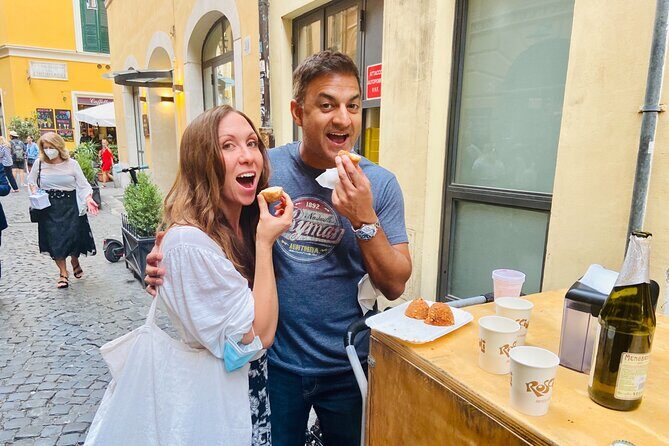
You start near Piazza Farnese and head toward the Campo de’ Fiori area, which locals treat like the city’s original foodie hub. This matters because you’re not tasting Rome in a vacuum. You’re tasting it where Romans shop and snack—among stalls, smells, and the kind of street energy that makes food feel practical, not staged.
At Campo de’ Fiori, the tour is designed to hit with texture and variety early. You’ll try things like Roman pasta, street snacks, and gelato, and the setting is part of the appeal: ancient-feeling surroundings that still operate like a living neighborhood.
Morning vs evening makes a real difference. If you book the morning slot, you’ll swing through a local market and meet vendors who’ve been working there for generations. If you take the evening slot, the emphasis shifts toward pasta that feels closer to what locals do after work—less browsing, more eating. Either way, it’s a smart first stop because you get oriented fast: where to find staples, what to look for, and what you should actually order later.
One subtle win: guides tend to give context that helps you read Rome as you walk. You’re not just passing landmarks; you’re learning how this neighborhood feeds the city.
You can also read our reviews of more food & drink experiences in Rome


What you actually eat: pasta, salumi, cheese, and gelato
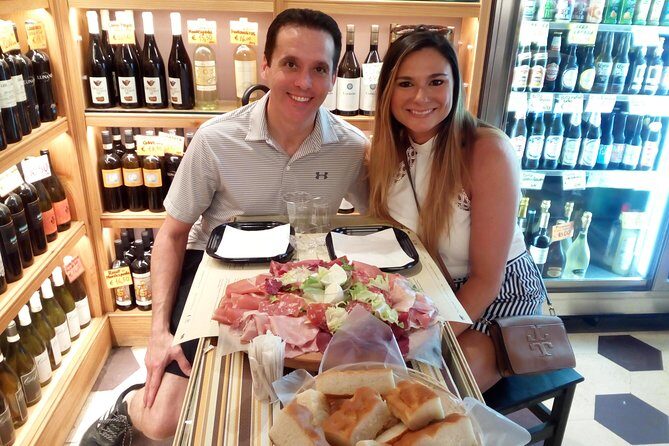
This tour is built on a simple promise: you leave full, not just pleased you ate something. The included tastings typically include Italian cheeses, prosciutti and salami paired with wine, and two of Rome’s most famous pasta dishes. Gelato comes at the end of the Campo de’ Fiori portion, often from a local family-run spot with a long run of service.
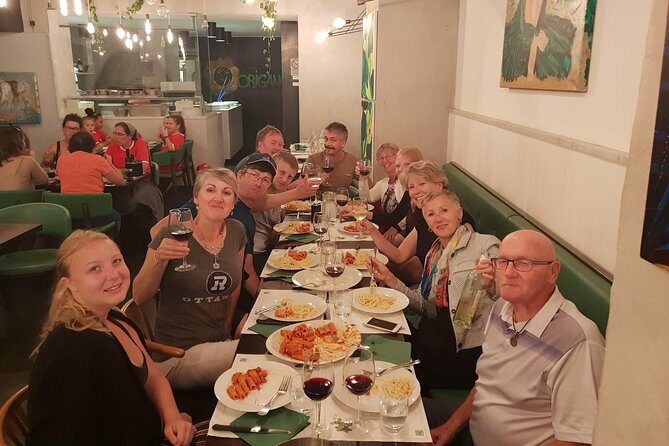
A lot of food tours give you tiny bites. This one aims for “enough to count.” Some guides also lead you through pasta tastings that go beyond the usual single-course sample—one guest experience noted four pasta dishes paired with wine in an old cellar. Even if your exact lineup differs, the idea stays the same: you’re not just sampling for taste; you’re tasting for a sense of Roman comfort food.
Then there’s dessert, and it’s not treated like an afterthought. Gelato is specifically called out as a highlight, and you finish the whole tour with artisanal gelato at the end near Largo Argentina. This is a great design choice: if gelato shows up too early, you can end up too sweet and too full to enjoy the rest. Here, it’s staged like a proper conclusion.
Wine is part of the format. You’ll get wine or soft drinks, and alcoholic beverages are included. The value in that isn’t just the alcohol—it’s that it helps keep the pace relaxed and the group conversation flowing. If you’d rather go lighter, you can choose soft drinks, but don’t count on the tour being a strict tea-and-water event.
If you’re a true food person, the best advice is to start hungry. Multiple guides mentioned guests showing up ready, and the tour being better when you let it feed you.
Piazza Navona: where the architecture becomes a food story
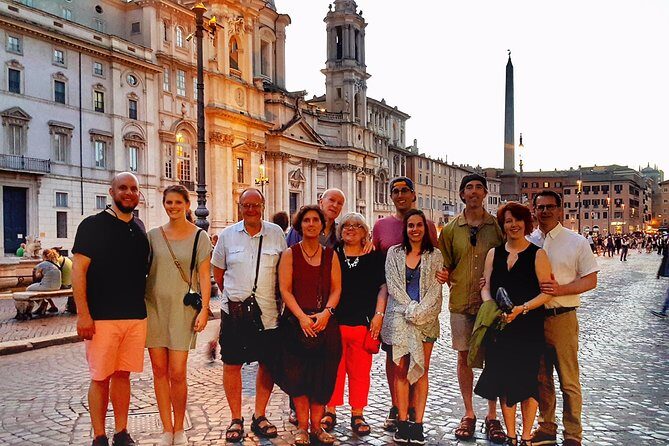
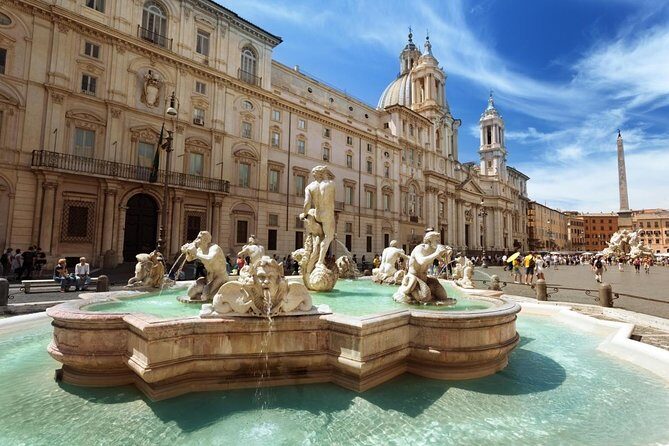
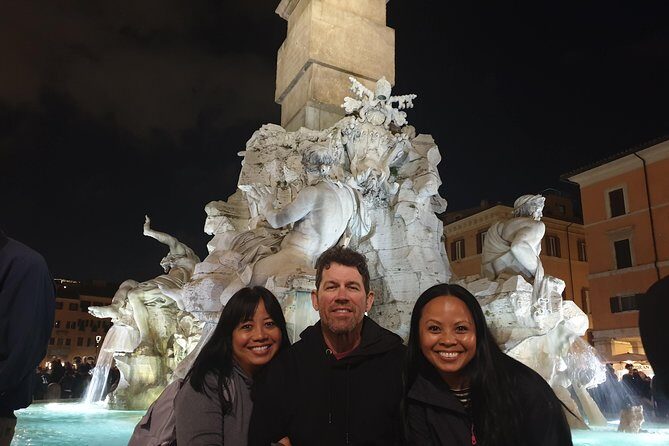
After Campo de’ Fiori, you head toward Piazza Navona, a place where Rome looks like it’s layered on purpose. You’ll get time to admire and understand that mix: the ruins tied to the Empire’s grand temple roots, then the Baroque masterpieces, and finally the Renaissance fountains.
Here’s what makes this stop more useful than a quick sightseeing pause: you’ll be eating while you look. The tour uses the square as a bridge between Rome’s big visual history and the way people actually snack through the day. You’ll sample classic Italian dishes and typical Roman snacks while the guide connects what you see to stories about culture and how the city changed over time.
Two practical notes for your enjoyment:
- The square is a major attraction, so expect crowds around the edges. The tour’s timing and snack rhythm help you still get a moment to look without feeling like you’re stuck in the slowest line.
- Since you’re tasting while walking, you’ll want to keep your pace steady. You don’t need to rush, but you should be ready to move when the group moves.
This stop is also where many guides shine at turning trivia into context. Guests mentioned that guides like Greta and Marco made the history stick by linking it to the food and habits of the neighborhood. Even when you don’t know anything about Rome before you arrive, the guide’s stories can help you spot what you’re seeing.
Area Sacra di Largo Argentina: the central stop that finishes sweet
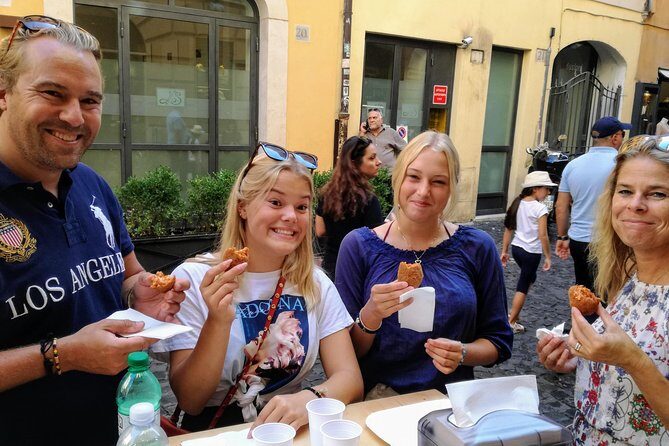
The last major anchor on the route is Area Sacra di Largo Argentina, one of the best places in central Rome to get a quick “big picture” feel. This is where you get a first overview of the city center—what’s nearby, where people tend to eat, and how the ancient and modern layers share space.
The tour frames this stop as a practical ending: you’re not only learning, you’re collecting mental bookmarks for your remaining days in Rome. You’ll end the experience with delicious artisanal gelato, which is a nice payoff after the walking and the savory bites.
One detail that can add extra interest: some guide narratives include stories connected to the Jewish quarter and the surrounding historic context. That’s valuable because it adds human texture. Rome isn’t just monuments; it’s communities, changing streets, and everyday life shaped by centuries of movement.
When you’re finishing at Largo di Torre Argentina, you’ve also placed yourself well for continuing your night. This is central enough that you can pivot easily—either toward another meal or toward a stroll to see Rome’s evening vibe.
Pacing, comfort, and group size (it’s not a sprint)
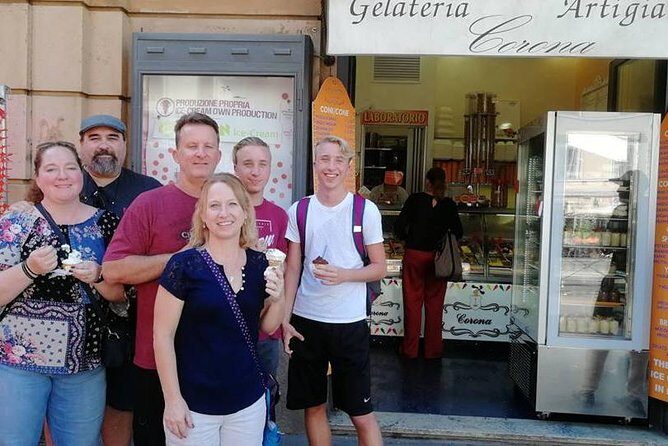
This is a walking food tour with a 3-hour duration and a maximum of 15 travelers, so you should expect a steady rhythm: walk a bit, eat, walk again, eat more, and enjoy a few breaks where you can look around without feeling rushed.
It’s also built for moderate physical fitness. That means you’re not expected to hike up and down steep hills for hours, but you will be on your feet. If you’re planning to do this after another day of sightseeing, keep your schedule realistic—book it when you can enjoy the food without counting every minute.
Dress code is smart casual. I’d also bring what I call street-sense: comfy shoes and a small water buffer even though bottled water is included. Rome’s temperature can swing, and you don’t want to feel drained when the tastings are the main event.
Group size helps here. With fewer people, your guide can explain more, and questions don’t get swallowed. You’ll see this vibe in the way guides like Fabrizia and Matteo were described as fun and energetic—because a small group makes it easier to keep that energy without losing control.
And since you’ll get wine or soft drinks, do yourself a favor: don’t plan a “major decision” day after this. It’s a good idea to keep your next steps simple.
You can also read our reviews of more tours and experiences in Rome


Value check: $83 for Rome flavor and context
At about $83.48 per person for roughly three hours, this tour sits in the “worth it if you’ll eat and drink on purpose” category.
Here’s why it can feel like good value:
- You’re getting several different tastings, not one or two samples.
- Wine or soft drinks and bottled water are included, along with alcoholic beverages.
- You’re paying for a local expert guide, plus time at major central areas where the “how to look” matters.
- The tour also keeps you out of guesswork. Instead of searching for the right place to try pasta, salumi, and gelato, you get a curated route through neighborhoods locals recognize as daily-life spots.
The big value question is this: do you want both food and city storytelling in one evening? This tour is clearly built for that mix. A lot of the best feedback described it as a walking history lesson around turns—meaning the guide doesn’t treat the stops as isolated snacks. They connect what you eat to what you see.
The rating is strong: 4.7 out of 5 with 202 reviews, and about 93% of people recommend it. That doesn’t guarantee your exact food lineup will match someone else’s night, but it does suggest the format works for many kinds of eaters.
And about that one common reservation: some people want food that feels more varied than pasta-and-snack focused. If you’re expecting a full-on culinary tasting menu, this may not satisfy your standards. But if you’re excited by Roman staples—bread, meats, cheeses, pasta shapes, and gelato—it’s a solid way to start your Rome trip.
Dietary limits and what to do if you have restrictions
This part is important because the tour has clear boundaries.
- Vegetarians can be accommodated if you advise in advance.
- The tour cannot accommodate vegan, gluten-free, or dairy-free diets.
- It’s not suitable for people with severe allergies to nuts and dry fruits.
So if you have any serious allergy, don’t assume you’ll be able to improvise. Reach out at booking and mention your situation in the special requirements field where it’s requested. If you can’t do dairy or gluten, this tour likely won’t fit, even if you love Italian food.
The good news: if you’re vegetarian and communicate early, you have a realistic shot at getting something satisfying that still matches the tour’s style.
Who should book this walking food tour?
Book this if you:
- Want a first trip Rome “taste plan” that covers more than one neighborhood.
- Like food tours that include stories tied to what you’re eating.
- Enjoy social pacing and don’t mind walking between stops.
- Want a good balance of landmarks and eating, without planning a complicated restaurant itinerary.
Consider skipping or switching if you:
- Need strict vegan, gluten-free, or dairy-free options.
- Have severe nut or dry-fruit allergies.
- Prefer a sit-down meal with fewer stops and longer courses.
One more “fit” tip: bring your curiosity. Even if you’re not a history buff, the guide’s approach seems designed to make details feel useful. Multiple guides (including Maria, Greta, Marco, and Fabrizia) were praised for making the information lively and practical.
Should you book Taste of Rome: Food Tour with Local Guide?
Yes—if you’re ready for a tasty, guided walk that feeds you and explains Rome along the way. This is a strong choice for your first days in the city, because you’ll learn where to eat, what Roman classics feel like, and how to spot good food without overthinking it.
If you’re a strict-diet eater, or you have a serious allergy risk, don’t gamble—this isn’t built for those constraints. And if you’re expecting a long, multi-course culinary experience, adjust your expectations: it’s a snack-and-pasta route with wine, not a formal tasting menu.
FAQ
How long is the Taste of Rome food tour?
It runs for about 3 hours.
Where does the tour start and end?
It starts at Piazza Farnese, 00186 Roma RM, Italy and ends at Largo di Torre Argentina, 00186 Roma RM, Italy.
What’s included in the price?
The tour includes several different food tastings, wine or soft drinks, a walking tour, a local expert guide, bottled water, and alcoholic beverages.
Is the tour vegetarian friendly?
Vegetarians can be accommodated if you advise in advance when booking. Vegan, gluten-free, and dairy-free diets are not supported.
Are there group size limits?
Yes. The tour has a maximum of 15 travelers.
Is this tour in English?
Yes, it’s offered in English.