REVIEW · MUSEUMS
Skip the line Vatican Museum Sistine & St.Peter Private Tour
Book on GetYourGuide →Operated by Enjoy Rome · Bookable on GetYourGuide
The Vatican can feel like a sprint. This private, skip-the-line tour turns it into a focused art lesson with a licensed guide. I love the tight 3-hour route that still covers the big legends like Raphael and Michelangelo, and I love that you get headsets so the story stays clear. The tradeoff is simple: it’s expensive, and you won’t get time for optional extras like the St. Peter’s Dome ticket (not included).
You’ll move through the highlights at a human pace, with stops that make famous rooms actually make sense, from the “Laocoon” at the Pio-Clementine Museum to the Raphael-filled spaces and the Sistine Chapel finale. One big practical point: you must follow the Vatican dress code (covered shoulders and knees), or entry can be refused.
In This Review
- Key takeaways before you book
- Skip-the-line at the Vatican: why this tour is worth considering
- The meeting point and the 3-hour game plan
- Vatican Museums: the rooms that make the art click
- Pinacoteca, tapestries, and a long timeline
- The Pio-Clementine Museum and the “Laocoon”
- “Julius II” rooms: politics in paint
- Raphael and his pupils: the visual language
- Carriage Museum: the Pope’s transportation museum
- Borgia apartments and modern religious art: beyond the usual highlights
- Sistine Chapel: hearing the story before you look up
- St. Peter’s Basilica: what you get, and what you don’t
- Price and value: where the money goes
- Dress code and on-the-ground rules you must plan for
- Accessibility notes: double-check before you assume
- Guides that make the difference (and how to choose)
- Who this tour is best for
- Should you book this private Vatican tour?
- FAQ
- How long is the Vatican Museum, Sistine Chapel, and St. Peter’s Basilica private tour?
- Is the St. Peter’s Dome included in the tour?
- What’s included besides the tour guide?
- What languages are the live tour guides offered in?
- Is St. Peter’s Basilica open every day during the year?
- What dress code do I need for the Vatican?
Key takeaways before you book
- Skip-the-line access to the Vatican Museums and Sistine Chapel saves serious time.
- A private licensed guide helps you connect artworks to history without losing hours to wandering.
- Headsets included so you can hear commentary even when crowds surge.
- Renaissance highlights get real context, from Raphael rooms to the “Julius II” areas.
- You finish at St. Peter’s Basilica, with Michelangelo’s Pietà highlighted, but the dome visit is separate.
Skip-the-line at the Vatican: why this tour is worth considering
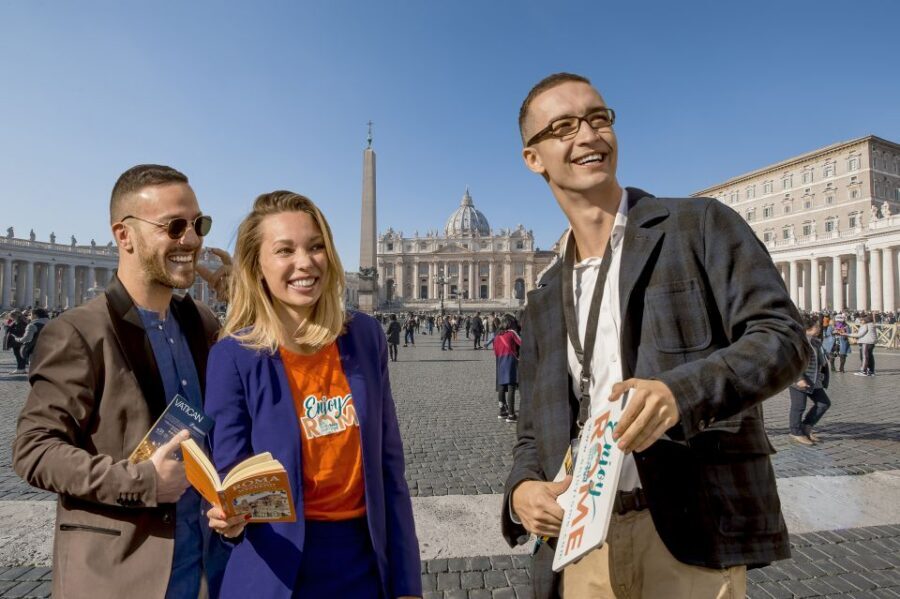
Let’s be honest: the Vatican is one of those places where “just show up” can turn into a long line day. This experience is built around skip-the-line access to the Vatican Museums and the Sistine Chapel, which is the difference between feeling rushed and feeling informed. You’re not saving time only for convenience. You’re saving time so the art can land properly.
A private format also changes how the visit feels. Instead of stitching together information from signs, you’ll get a licensed guide who can shape the route around what matters most to you and your group size. The tour includes headsets, which sounds small, but it matters here because noise and crowding can swallow details fast.
The other value is that it’s short on paper—about 3 hours—but structured enough that you still hit major stops. This is not a “wander and hope” plan.
You can also read our reviews of more private tours in Rome


The meeting point and the 3-hour game plan
You meet your guide at Tours About. The practical part: you take the metro to Ottaviano and stop on Line A, then meet at the designated spot. Plan to arrive early, too. The requirement is to be at the meeting point 25 minutes before the scheduled departure time.
From there, the flow is straightforward:
- You enter the Vatican Museums with entrance fees included and bypass the ticket line.
- You work your way through a curated selection of rooms and collections.
- You reach the Sistine Chapel as a final major museum stop.
- You then transition to St. Peter’s Basilica as the last highlight.
The time window is helpful if you have a packed Rome schedule and want the Vatican core without sacrificing your whole day. It’s also a reality check: the Vatican is enormous. A 3-hour private tour means you’ll experience the “best-of” rather than every corridor and chapel.
Vatican Museums: the rooms that make the art click
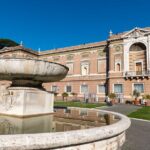
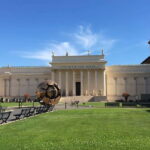
The Vatican Museums can overwhelm you fast. This tour helps you focus by moving through specific galleries and museum sectors that connect big names, major artistic styles, and the political story of the Church.
Pinacoteca, tapestries, and a long timeline
One of the early strengths is the stop at the Pinacoteca area, where you can see paintings and tapestries dating from the 11th to the 19th century. That long span is a good mental anchor. Even if you’re not a trained art person, you start noticing how religious art evolved over centuries—style changes, priorities shift, and patronage matters.
The Pio-Clementine Museum and the “Laocoon”
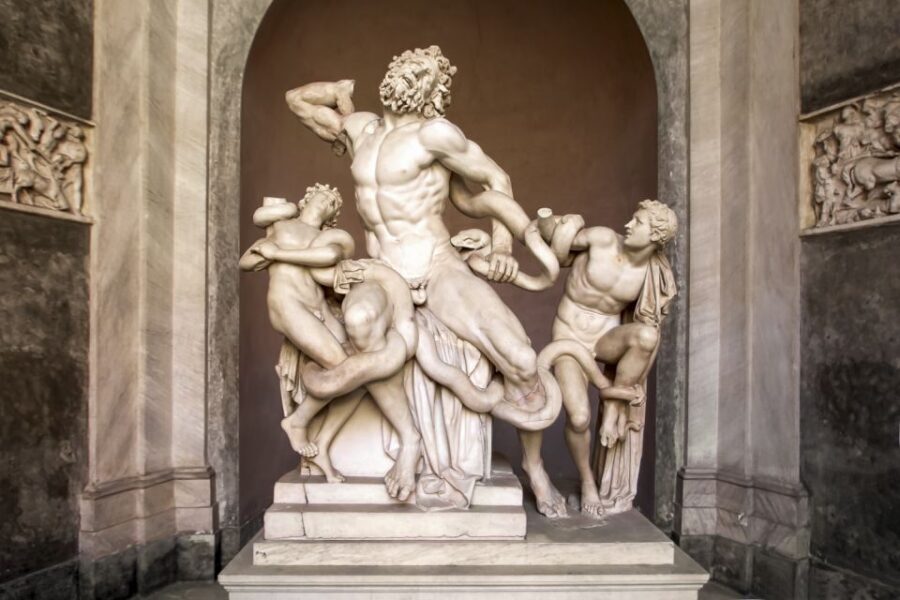
You’ll also see ancient statues, including the colossal “Laocoon” in the Pio-Clementine Museum. This kind of moment is more than a photo stop. It shows how Renaissance artists and later patrons looked back at antiquity to refine ideas about form, drama, and realism.
You can also read our reviews of more museum experiences in Rome



“Julius II” rooms: politics in paint
A standout section for many people is the “Julius II” rooms, where important political decisions were made. You’re not just looking at decoration. You’re seeing Church power expressed through art and architecture choices.
If you enjoy history that explains why things were commissioned, this is the part that often feels most satisfying. Art here isn’t floating above the world. It’s tied to decisions that changed Rome.
Raphael and his pupils: the visual language
The tour route also includes frescoes by Raphael and his pupils. When a guide points out recurring themes—expression, composition, how figures interact—you start understanding why people called this Renaissance “renewal” in the first place. You’ll see the craft, but you’ll also see the logic.
Carriage Museum: the Pope’s transportation museum
This is not the museum stop most people expect on a Vatican tour, and that’s why it’s fun. The Carriage Museum includes items like the pope’s saddles, carriages, automobiles, and sedan chairs. It’s a reminder that the papacy was always a visible institution with practical systems, not just a chapel-and-choir fantasy.
Even if you move quickly, this stop adds personality to the day. It turns the Vatican from a “museum of saints” into a real historical machine.
Borgia apartments and modern religious art: beyond the usual highlights
A good private guide doesn’t only chase the world-famous images. This tour also works in the Borgia’s apartments, decorated by Bernardo di Betto, known as “il Pinturicchio,” and his assistants.
Those rooms matter because they show you a side of the Vatican that feels less polished and more human—stylistically rich, full of ambition, and tied to the networks of influence around the papal court. You get to see how storytelling in frescoes can be theatrical, even political.
Then the tour includes part of the Vatican Museums’ modern religious art collection, inaugurated by Paul VI in 1973. That’s a smart inclusion if you think Vatican art is only medieval and Renaissance. It isn’t. The Vatican has kept collecting and interpreting religious art across eras, and this stop helps you notice the continuity of purpose even when the styles change.
Sistine Chapel: hearing the story before you look up
The Sistine Chapel is the obvious headline, but what makes this experience work is what comes right before and how you’re guided through it.
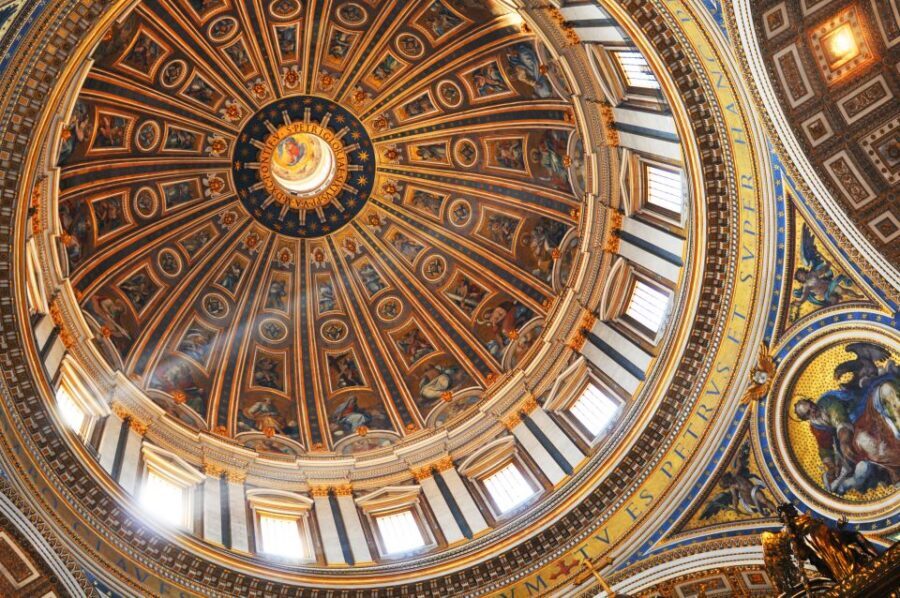
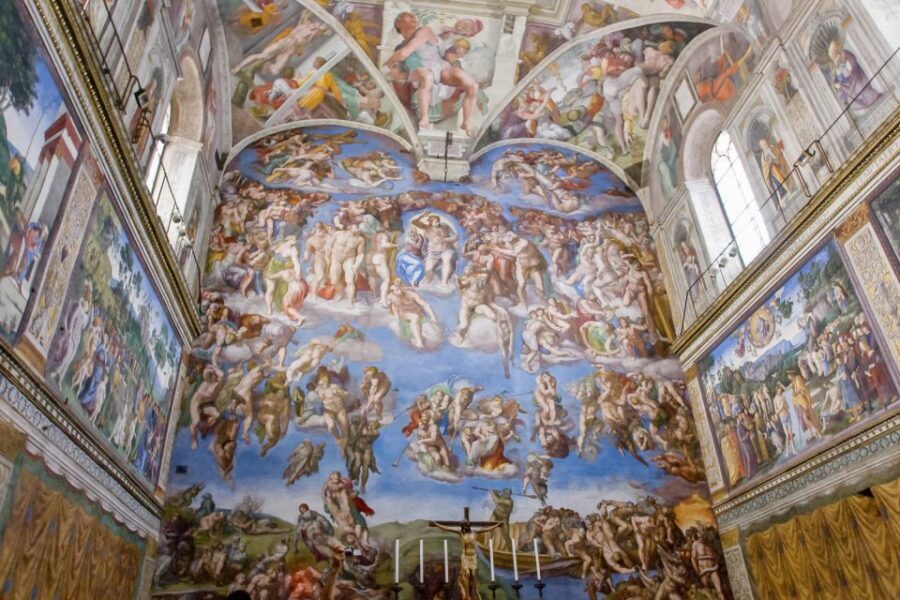
You reach the Sistine Chapel with skip-the-line access, and with headsets you can follow the explanation without craning your neck for every sentence. You’ll marvel at the chapel’s frescoes by Michelangelo, with the guide helping you understand what you’re seeing instead of just admiring it silently.
Michelangelo’s work is famous, but it still needs a quick framework. A guide gives you the “why” behind the images—the sense of narrative and structure—so your eyes know where to land first. That’s the difference between a quick stare and a meaningful experience.
St. Peter’s Basilica: what you get, and what you don’t
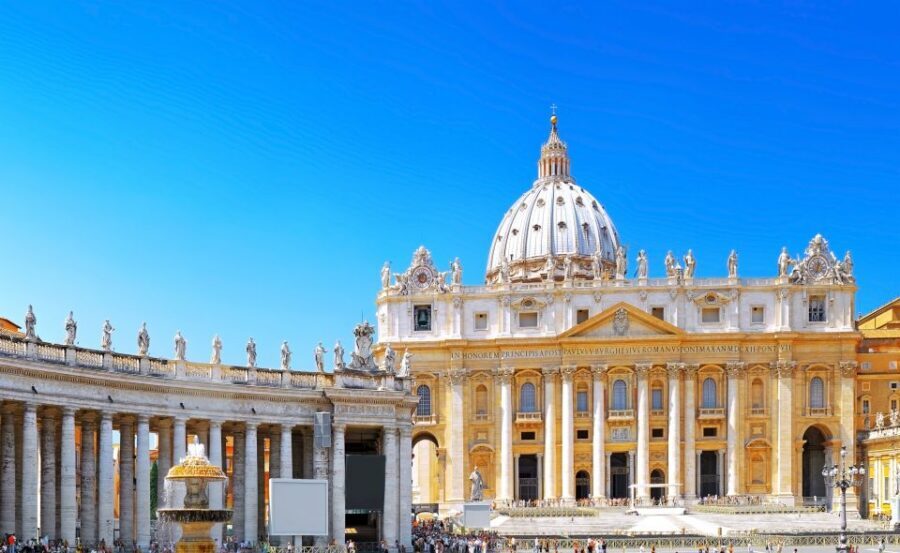
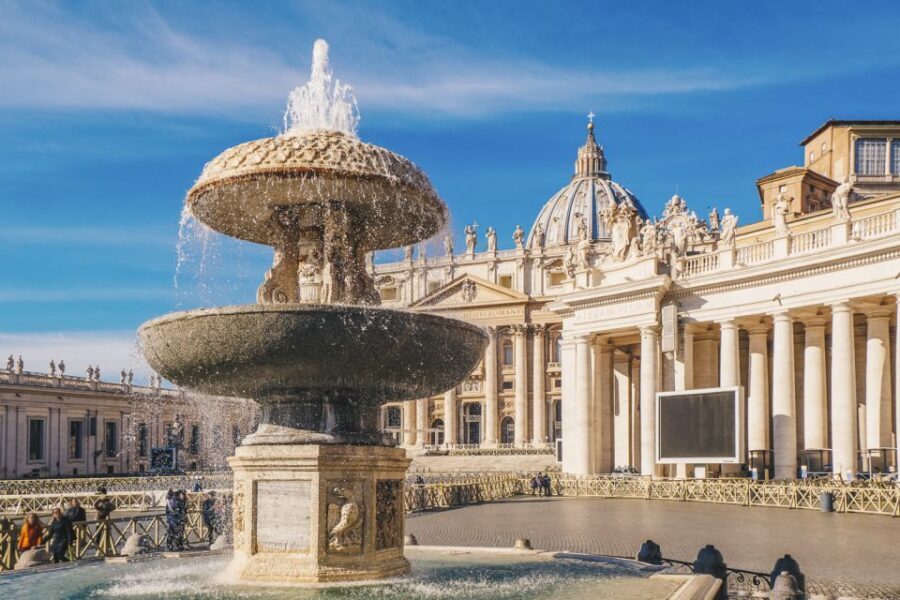
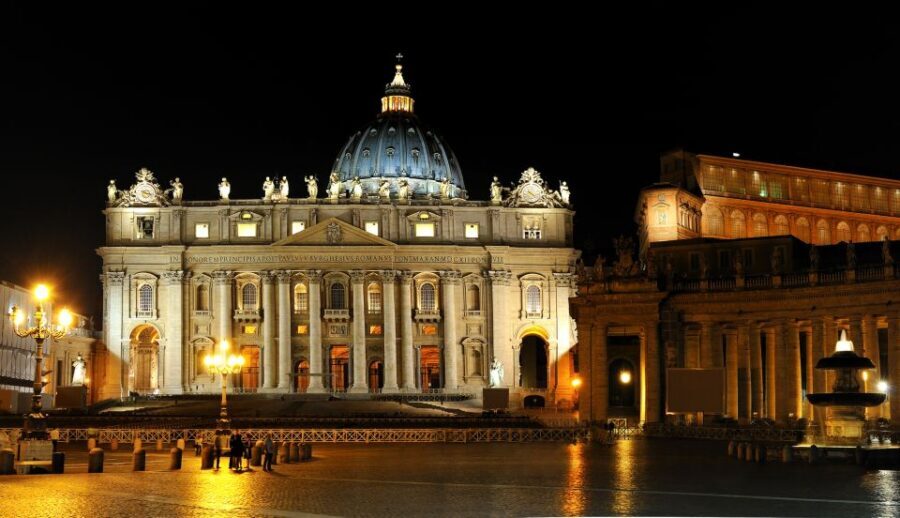
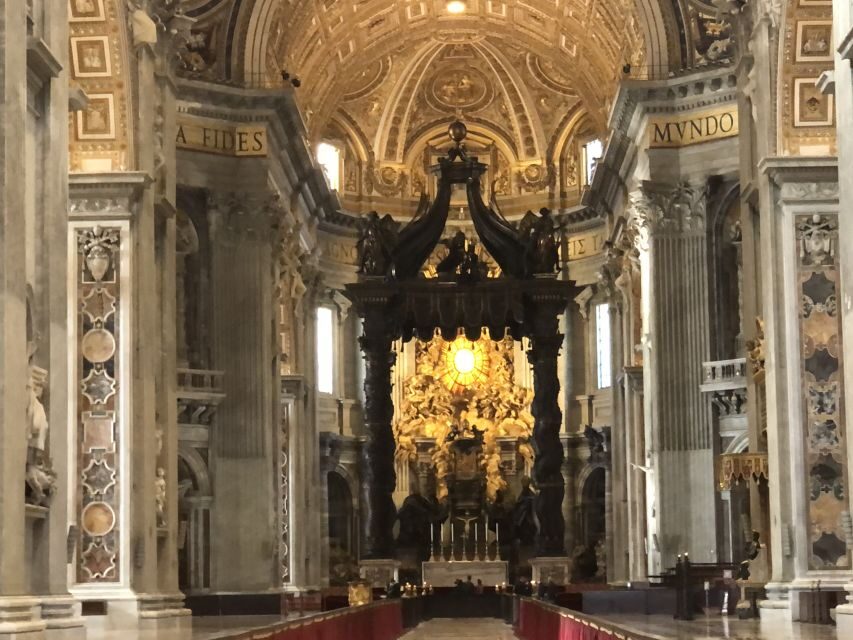
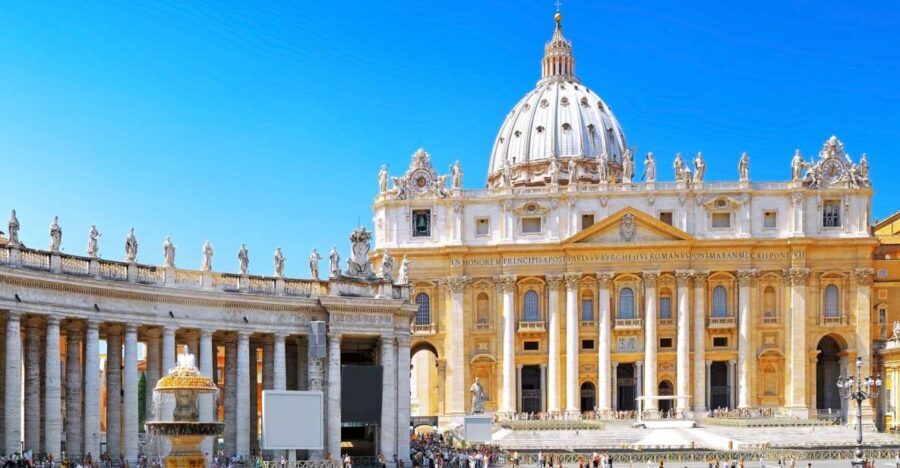
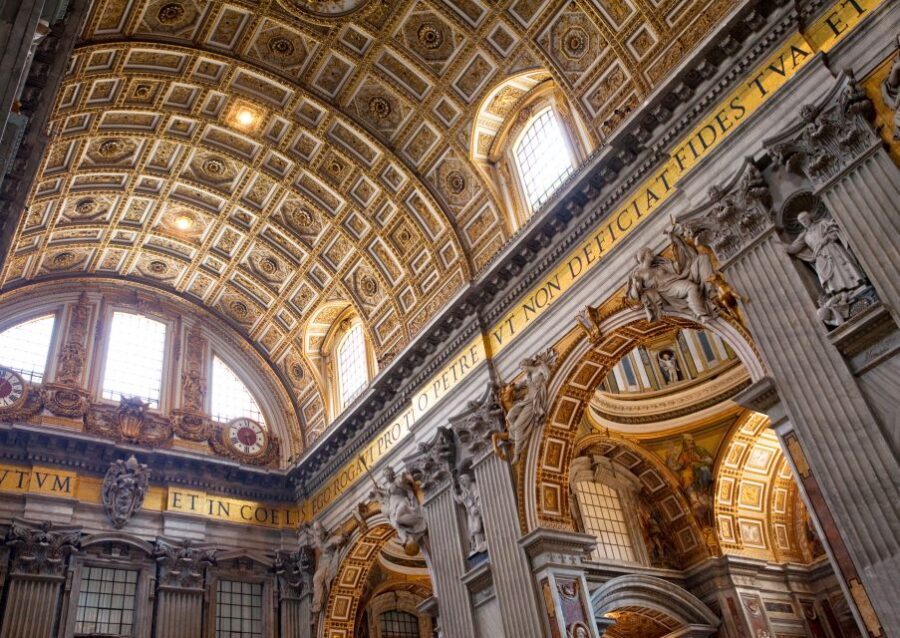
The final stop is St. Peter’s Basilica. Access is included, and the tour specifically highlights Michelangelo’s Pietà, created when he was 25. That detail alone helps the sculpture feel less like a museum object and more like an astonishing early achievement.
Important limitation: the tour includes access to the basilica, but tickets to the St. Peter’s Dome are not included, and a dome visit isn’t part of the plan. So if you want city views from above, you’ll need a separate ticket and time slot.
Also keep timing in mind. St. Peter’s Basilica has its own rules and schedule. The operator notes that St. Peter’s is closed on December 24th and 31st. On those dates, the tour visits other parts of the museums instead. And on rare occasions, the basilica can close without notice. If that happens, the tour replaces the basilica visit with a 3-hour Vatican Museums and Sistine Chapel route, and the operator states they won’t offer refunds.
Price and value: where the money goes
$1,693.85 per person is not a casual “maybe” price. So the only fair way to judge value is to ask: what are you buying besides entry?
Here’s what you’re paying for:
- Private, licensed guiding through the Vatican’s hardest-to-navigate areas.
- Skip-the-line access to the Vatican Museums and the Sistine Chapel, plus entrance fees included.
- Headsets so the guide’s explanation stays audible.
- Basilica access included, even though dome tickets are not.
- Small but real comfort items at the meeting point, like bathroom access and a recharging station, plus free Wi‑Fi.
If you’re the type who hates waiting, this tour can feel like a cost-saving choice in the most practical sense: you protect your time and your energy. It also works well if your group wants more than a “good enough” visit. Art history can be repetitive if you’re reading signs all day. A skilled guide can make the stops feel connected, not disconnected.
The drawback is that the price doesn’t buy you everything. You’re not getting dome time, and you’re also not getting an all-day Vatican marathon.
So think of it like this: if you want the Vatican’s greatest hits with a guide and minimal time lost, the value equation can make sense. If you want to roam freely at your own pace and chase side chapels, you might prefer a longer, less structured day.
Dress code and on-the-ground rules you must plan for
This part matters. The Vatican strictly enforces a dress code: covered shoulders and knees. You may be refused entry if you don’t comply.
The tour’s not-allowed list includes:
- Shorts
- Short skirts
- Sleeveless shirts
I’d treat this as a hard packing checklist, not a suggestion. Even in warm weather, bring something light you can put on for entry. If you’re traveling with kids or a friend who tends to dress casually, remind them early. Nothing kills momentum like a last-minute clothing scramble outside a major attraction.
There’s also a pet restriction: pets aren’t allowed.
Accessibility notes: double-check before you assume
This is where the details get confusing. The activity lists wheelchair accessible, but the important information also says it is regrettably not wheelchair-accessible and not suitable for wheelchair users or people with mobility impairments.
Because those statements conflict, you should not assume. Contact the provider directly and ask what “access” means for your specific needs, especially since the Vatican’s interior routes can have steps and tight passages.
Guides that make the difference (and how to choose)
The biggest variable in a private tour is the person holding the story together. Several standout guides are associated with this experience—Davide, Veronica, and Pasquale show up as favorites, known for lively, clear storytelling and strong knowledge, plus good follow-through with questions.
You can use that as a practical strategy: if you see those guide names available for your date and language, it’s a smart idea to choose them. In a short 3-hour visit, a guide who can explain well and keep you moving effectively makes a visible difference.
Who this tour is best for
This is a good fit if:
- You want the “big Vatican” highlights without wasting hours in lines.
- You’re traveling with a group that values guidance over wandering.
- You like context: why Raphael or Michelangelo matters, not just that they’re famous.
- You’re short on time in Rome but still want St. Peter’s Basilica included.
It’s less ideal if:
- You plan to spend lots of time exploring the dome area or nearby side spaces.
- Your priority is a slow, independent Vatican day.
- Your group needs accessible routing but the provider’s access details are unclear.
Should you book this private Vatican tour?
If you’re deciding between doing the Vatican on your own or paying for structure, this tour is at its best when you want speed plus meaning. The skip-the-line element, the included entrance fees, and the headset-equipped guide story make it feel like more than just a ticket package.
Book it if your goal is a well-guided “greatest hits” Vatican in about 3 hours, capped with St. Peter’s Basilica. Don’t book it if you want the dome included, or if you’re counting on wheelchair access without confirming the exact route for your situation.
FAQ
How long is the Vatican Museum, Sistine Chapel, and St. Peter’s Basilica private tour?
The duration is about 3 hours. Starting times depend on availability.
Is the St. Peter’s Dome included in the tour?
No. You get access to St. Peter’s Basilica, but tickets to the Dome are not included, and the dome visit is not part of the experience.
What’s included besides the tour guide?
The tour includes headsets, entrance fees, skip-the-line access to the Vatican Museums and Sistine Chapel, and access to St. Peter’s Basilica. It also includes free Wi‑Fi at the meeting point, bathroom access, and a recharging station.
What languages are the live tour guides offered in?
The live guide is available in German, Italian, Spanish, French, and English.
Is St. Peter’s Basilica open every day during the year?
No. St. Peter’s Basilica is closed on December 24th and 31st. On those dates, the tour visits other parts of the museums instead.
What dress code do I need for the Vatican?
You must follow the Vatican dress code: covered shoulders and knees. Shorts, short skirts, and sleeveless shirts are not allowed, and you may be refused entry if you do not comply.