REVIEW · POMPEII
Skip-the-line Exclusive Private Full-Day Complete Ancient Pompeii Guided Tour
Book on Viator →Operated by Private Tours of Pompeii · Bookable on Viator
Pompeii is a lot to take in. This private skip-the-line tour helps you see the big pieces without wasting time in queues, and you can shape the plan to your interests. Two things I really like: you get admission tickets included for every stop, and the guide support goes beyond facts to help you understand what you’re looking at. One caution: while it’s marketed as a full-day-style experience, the time on site is closer to about 4 hours, and timing can be affected if entry logistics take longer than expected.
What makes this work well is the guide quality and pacing. Guides like Italo and Clelia are described as clear, energetic, and focused on helping you navigate the site while skipping the worst crowd pressure when possible. That means you’re not just walking from sign to sign—you’re getting how to read Pompeii in a short window.
The other practical reality: there’s no hotel pickup and no lunch, and you meet at Piazza Esedra in Pompei. With moderate walking over uneven ruins, it’s best for people who can comfortably keep a steady pace for a few hours.
In This Review
- Key highlights at a glance
- Pompeii in 4 hours: what you’ll actually see
- Skip-the-line access and the private guide advantage
- Start at Anfiteatro Romano: where entertainment was built for crowds
- Pompeii Archaeological Park: getting your bearings before you hit the houses
- Foro de Pompeya: the main market stop that’s short but meaningful
- Casa del Menandro: frescoes, a private garden, and a calidarium
- Casa di Ottavio Quartione: a big domus on via dell’Abbondanza
- Stabian Baths (Terme Stabiane): where people refreshed body and mind
- Price and logistics: does $347.21 per person pencil out?
- Timing gotchas: arriving early and protecting your route
- Who should book this private Pompeii tour?
- Should you book this skip-the-line private Pompeii tour?
- FAQ
- How long is the Pompeii private guided tour?
- Is this tour private or shared?
- What language is the tour offered in?
- Are admission tickets included?
- Is lunch included?
- Where do we meet for the tour?
- Can I cancel for a full refund?
Key highlights at a glance
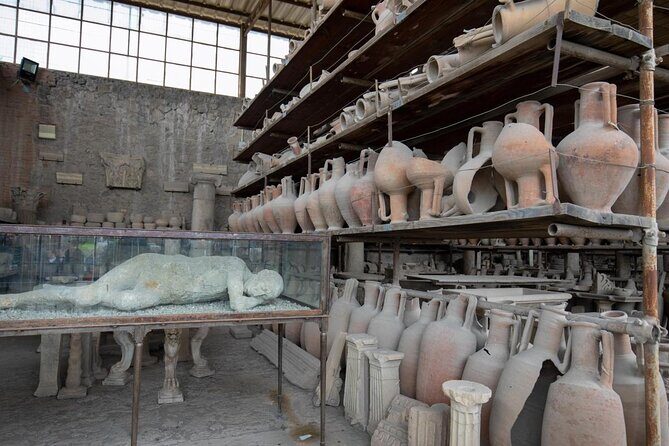
- Skip-the-line entry that saves your time for ruins, not queues
- Private, only your group experience with itinerary customization
- Admission tickets included across amphitheater, park areas, houses, forum, and baths
- Art-history style guidance that helps you understand frescoes, rooms, and daily life
- A focused 4-hour route through Pompeii’s most memorable zones
Pompeii in 4 hours: what you’ll actually see
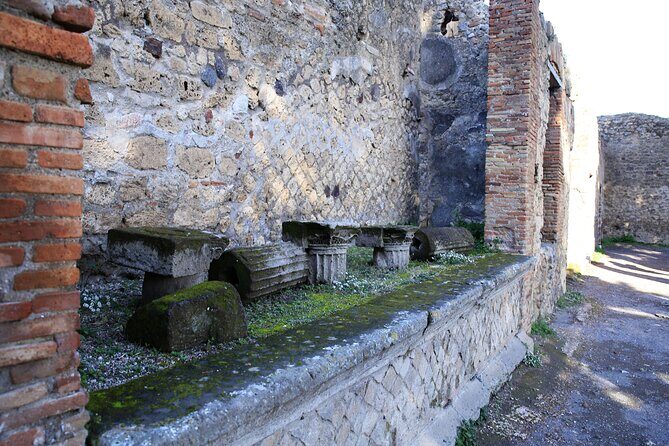
This tour is designed around momentum. You’re not meant to wander for hours on end at your own pace. Instead, you get a guided route that hits several of Pompeii’s most recognizable types of spaces: a public entertainment site, the archaeological park area, the main marketplace, and two standout domus (homes) plus the Stabian Baths.
The timing is tight by design, so your guide’s job becomes more than explaining. They help you decide what to look at first, how to connect the buildings to how people lived, and how to move efficiently so you don’t feel steamrolled by the size of the site. In a place where the walking alone can drain you, that structure is a real value.
If you’re the type who wants to spend a lot of time lingering in one house, you may feel a little rushed. If you want a strong overview with enough detail to make the ruins meaningful, this length often hits the sweet spot.
You can also read our reviews of more guided tours in Pompeii


Skip-the-line access and the private guide advantage

The headline feature is skip-the-line access. In practice, that usually matters most for Pompeii’s entry bottlenecks and busy moments, where waiting can shrink your usable sightseeing time. Since admission tickets are included for each stop, you’re also not juggling ticket counters while trying to stay on schedule.
The private format is where the experience gets personal. You’re not stuck behind a big group while the guide tries to manage everyone’s pace. With only your group, guides can adjust the route to your attention span, interests, and photo stops—plus they can steer you away from the most crowded pockets when they have flexibility.
From the feedback on the guides, the best version of this tour feels like a smart conversation with a subject expert. Guides such as Italo and Clelia are highlighted for being clear and for making the ruins easier to understand. That’s a big deal because Pompeii is visual, but not always intuitive at first glance.
One more useful detail: you’ll have a mobile ticket included. That helps reduce friction on the ground.
Start at Anfiteatro Romano: where entertainment was built for crowds
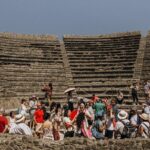
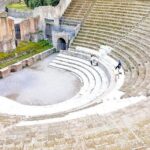
You kick off at the Anfiteatro Romano (Roman Amphitheater). This is Pompeii’s public-facing stage, and it sets the tone. You’re looking at a space meant for mass gatherings, and that changes how you interpret the surrounding city layout. It’s not just buildings; it’s a place designed for spectacle.
The stop is allocated about one hour, and that time matters because the amphitheater is readable when you know what to look for—entrances, circulation, and how a venue like this shaped everyday life. Even if you don’t consider yourself a theater person, this stop usually clicks once the guide explains how the crowd experience worked.
Potential drawback to consider: if your day starts later than planned, amphitheater time can get compressed quickly. If you care deeply about architecture details, plan to arrive early to the meeting point so the tour can start on time.
Pompeii Archaeological Park: getting your bearings before you hit the houses
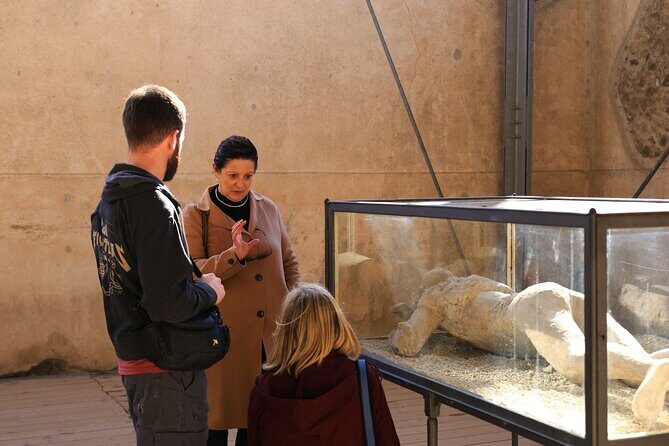
Next comes the Pompeii Archaeological Park, also about one hour. This is the segment that often makes the rest of your tour smoother. Pompeii can feel like a maze, especially if you’re trying to visually connect streets, buildings, and the scale of the settlement.
A good guide uses this time to set up context: where you are in the larger site, what you should interpret first, and how different building types relate to daily routines. With the route you’re doing, that orientation pays off when you get to the forum and the domus, because suddenly the ruins stop looking like separate attractions and start looking like a functioning city.
This is also where a guide’s ability to keep the pace friendly becomes important. The goal isn’t to rush you through. It’s to help you move efficiently while still feeling like you understand what you’re seeing.
Foro de Pompeya: the main market stop that’s short but meaningful
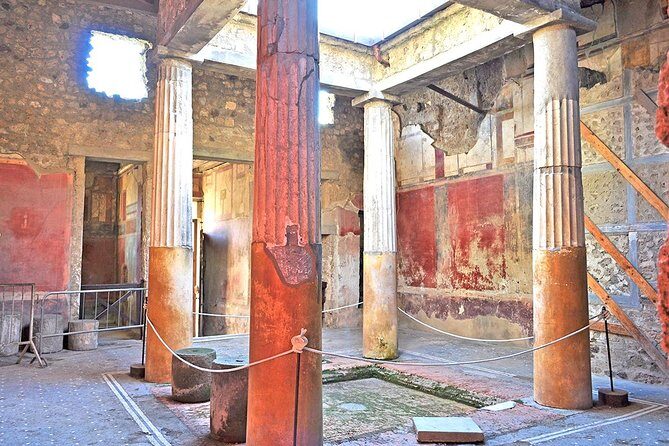
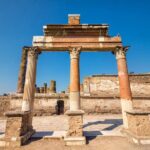
The Foro de Pompeya is the heart of civic and commercial life, and it gets about 15 minutes here. That’s brief—so don’t expect a long stop—but it’s also exactly why it works on a tight itinerary. The forum segment gives you the city’s public pulse before you jump into private domestic life.
In those 15 minutes, the guide can focus on the key ideas: what a forum represented, why it mattered, and how people would have moved through it as part of everyday life. If you want maximum value, this is the moment to ask questions about what you’re seeing, because later stops will rely on the context you’re building right now.
Tip for you: take a moment at the start of this stop to note street lines and sightlines. Forum architecture is easier to understand when you connect it to the idea of a city center rather than a collection of stone walls.
You can also read our reviews of more private tours in Pompeii




Casa del Menandro: frescoes, a private garden, and a calidarium

Then you step into Casa del Menandro, one of the most beautiful domus in Pompeii, with about 20 minutes allotted. This is where the tour leans into art and domestic space. The basics you’re looking for are already built into the description: frescoes, a private garden, rooms, and a calidarium (a heated room).
This is also where a guided explanation makes a huge difference. Pompeii homes can look like ruins first and stories second. But when the guide points out how the rooms connect, and what features like heated spaces meant for daily comfort, you start imagining the rhythms of the household rather than only the walls.
Frescoes are especially important. Even if the paint isn’t as vibrant as modern murals, the composition and placement usually reveal how residents wanted to project taste, status, and tastefulness inside their own space. With only 20 minutes, your guide’s selection of what to highlight becomes crucial.
Small caution: if your priority is a slow, detailed look at painted surfaces, you may wish you had more time. For most people, though, this stop is enough to spark deeper curiosity for later self-guided exploration.
Casa di Ottavio Quartione: a big domus on via dell’Abbondanza
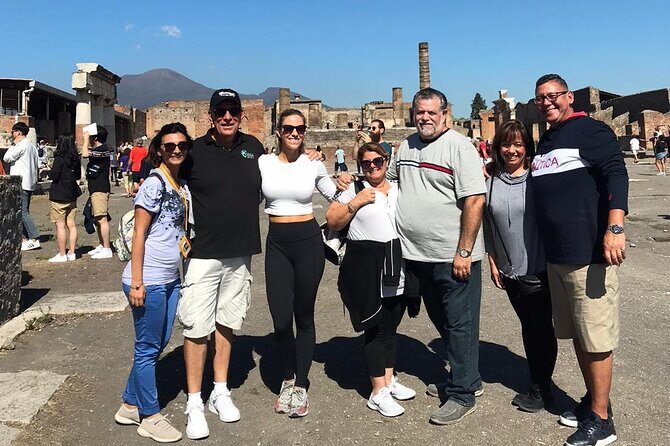
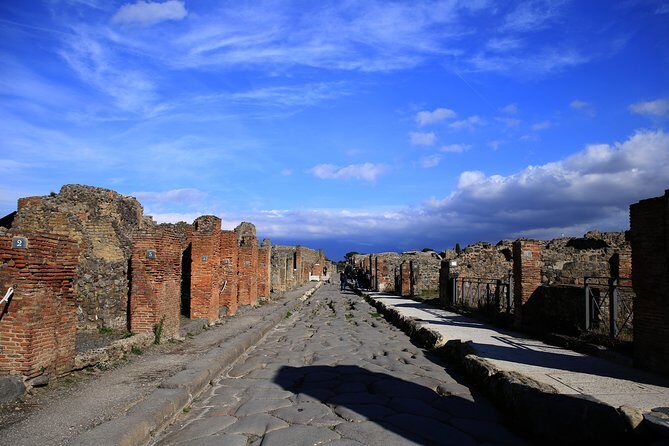
Your next home is Casa di Ottavio Quartione, about 15 minutes and described as a large domus on via dell’Abbondanza, Pompeii’s main road. This position matters. A house on a major street often reflects how the neighborhood and the homeowner’s social positioning worked.
With a shorter time window, think of this stop as a high-impact comparison. Casa del Menandro gave you a standout, beauty-forward household experience. Casa di Ottavio Quartione adds scale and street-facing context—how domus lived beside major movement in the city.
This is another place where a skilled guide can make the time feel fuller than the clock suggests. You’ll likely get pointed interpretation on layout and what the location implied, rather than a long “walk room by room” tour.
Stabian Baths (Terme Stabiane): where people refreshed body and mind
Finally, you reach the Stabian Baths (Terme Stabiane). The tour allocates about 15 minutes. Baths in Pompeii weren’t just about hygiene. They were social and restorative spaces, and the stop description captures that idea directly: body and mind refreshment.
Even though the time is short, this is a valuable capstone because it completes the daily-life cycle. Public entertainment, civic space, private household interiors, and then communal bathing and social interaction. When those pieces line up, Pompeii starts to feel like a lived city rather than a historical site.
If you tend to remember places by how they felt, baths are often the memorable ending. It’s harder to see yourself in an amphitheater once you’ve been there. But baths tend to connect with something human and immediate—comfort, routine, and gathering.
Price and logistics: does $347.21 per person pencil out?
At $347.21 per person for a private tour, this isn’t a budget option. The real question is whether the structure saves you enough time and effort to justify the cost.
Here’s what you’re paying for, based on what’s included:
- A private guide for just your group
- Professional art historian guide support
- Guaranteed skip-the-line access
- Admission tickets included for each listed stop
- English language guidance
- Mobile ticket included
That means you’re buying organization, interpretation, and fewer wasted hours. Pompeii rewards preparation, and on a crowded day, waiting can quietly erase value.
Where the price can feel sharp: if the experience runs shorter than expected or starts late, you lose some of the benefits you paid for—especially if the tour doesn’t reach every intended area. One practical way to protect yourself is to confirm, before you go, what the guide will prioritize if time gets tight. Ask what gets cut first, and what’s non-negotiable for your route.
Also remember what you’re not paying for:
- No hotel pickup or drop-off
- No lunch
So, factor in your transport to Piazza Esedra and your own meal plan. A “private” tour can still be easy, but only if your logistics are ready.
Timing gotchas: arriving early and protecting your route
Pompeii is famous, and so is how busy it gets. Even with skip-the-line perks, timing can be sensitive. A guide still may need to handle entry details, and if the starting point is delayed, every subsequent stop can feel compressed.
Here’s how you keep control:
- Arrive early at Piazza Esedra so you’re not burning your own time waiting.
- Bring water and plan for sun exposure; the tour includes multiple uncovered areas.
- Think about your priorities before you meet. If you care most about domus interiors or frescoes, tell the guide at the start.
- Ask about closing time strategy. If you’re visiting during late hours, make sure you understand what can realistically be covered in the allocated time.
The people who rave about this tour tend to mention two things: guides who stay focused and guides who manage crowds well. That’s what you want to look for on the day—direction, not wandering.
Who should book this private Pompeii tour?
This tour is a strong fit if:
- You want a private, English-speaking guide instead of a large group
- You like learning with an art-historian lens, especially for frescoes and domus interiors
- You’d rather see a curated set of highlights than spend the day guessing what’s important
- You want help navigating the site efficiently
It may be less ideal if:
- You expect a long, slow, all-day walk. This is more of a focused route (about 4 hours)
- You’re hoping for lots of downtime between stops
- You’re traveling with very little flexibility for time-sensitive entry
For families: children must be accompanied by an adult, and service animals are allowed. If your group includes younger kids or anyone who needs frequent pauses, you’ll want to set expectations early so the guide can adjust pace.
Should you book this skip-the-line private Pompeii tour?
I’d book it if you want Pompeii to feel understandable fast, with admissions handled and a guide who knows how to connect buildings to how people lived. The best-case experience—clear explanations, smart routing to avoid the worst crowds, and a pace that doesn’t fry your feet—is exactly the kind of value private guiding is meant to deliver.
I’d pause and ask a few questions first if you’re traveling during tight hours or you’re strict about seeing every planned area. Confirm the expected on-site duration for your specific day and ask how the guide handles timing if entry or crowds run behind.
If you’re ready for a well-structured highlights route through amphitheater, forum, domus, and baths, this tour is a solid choice.
FAQ
How long is the Pompeii private guided tour?
The tour duration is listed as about 4 hours.
Is this tour private or shared?
This is a private tour. Only your group participates.
What language is the tour offered in?
The tour is offered in English.
Are admission tickets included?
Yes. Admission tickets are included for the listed stops.
Is lunch included?
No. Lunch is not included.
Where do we meet for the tour?
The start meeting point is Piazza Esedra, 80045 Pompei NA, Italy. The tour ends back at the meeting point.
Can I cancel for a full refund?
Yes. You can cancel up to 24 hours in advance for a full refund.