REVIEW · MUSEUMS
Sistine Chapel and Vatican Museums Skip-the-line Ticket
Book on GetYourGuide →Operated by CityRomeTours · Bookable on GetYourGuide
Art in Rome, minus the hours-long line.
This ticket is interesting because it focuses on what really slows people down: getting through the front door fast and then giving you time to see the Vatican Museums highlights and the Sistine Chapel ceiling. I love that you’re buying fast-track admission (not just hoping the crowd moves). And I also love that the route naturally sets you up for big-name art like the Map Gallery and the courtyards you’ll hear about even if you’re not an art nerd. One consideration: this isn’t a full guided tour of the entire Vatican, and the experience can feel a little confusing at first when you’re trying to find the exchange point and the right entrance.
In practice, you’ll trade long lines for short, efficient steps: security check, ticket exchange, then walking in on your own through centuries of galleries. You’ll see Botticelli, Rosselli, Perugino, and Michelangelo in the Sistine Chapel, plus stops like the Belvedere and Pinecone Courtyards and the famous topographical charts of Italy by Egnazio Danti (1583) in the Map Gallery area.
Here’s the upside: if you plan your time well, you can get the Vatican Museums experience without spending half your day standing still. Here’s the catch: you won’t get St. Peter’s Basilica with this ticket, and you should expect that inside will still be busy.
In This Review
- Key things that make this ticket worth your time
- Entering Vatican Museums Faster: What Skip-the-Line Really Means
- Before You Go: Security, No-Stroller Rules, and Finding the Exchange Point
- The First Stretch Inside: How the Vatican Museums Route Usually Unfolds
- Courtyards You’ll Remember: Belvedere and Pinecone
- Gallery of Maps and Danti’s Charts: One Room That’s Surprisingly Fun
- Pio Clementino Highlights: Greek Cross Hall, Statues, and the Hall of the Muses
- Carriage Pavilion: A Nice Change of Pace From Sacred Art
- Raphael Rooms and High Renaissance Painting: Where the Vatican Gets Dramatic
- Sistine Chapel Ceiling Time: What to Focus On
- Time Management: Getting Real Value From a 2 to 2.5 Hour Visit
- Price and Value: Is $62.63 a Good Deal?
- Who This Skip-the-Line Ticket Suits Best (and Who Should Rethink)
- Should You Book This Vatican Museums + Sistine Chapel Ticket?
- FAQ
- How long does the Vatican Museums and Sistine Chapel skip-the-line ticket last?
- Does the ticket include St. Peter’s Basilica?
- Is there a tour guide included?
- What’s included in the ticket price?
- What should I expect before entering?
- Are strollers or large bags allowed?
- Is this experience suitable for wheelchair users?
- Is the experience refundable?
Key things that make this ticket worth your time
- Fast-track admission to the Vatican Museums and Sistine Chapel entrance (you’re not waiting to buy tickets).
- 2 to 2.5 hours that work best if you pick a route instead of trying to see everything.
- Belvedere and Pinecone Courtyards plus the Map Gallery with Danti’s 1583 charts of Italy.
- Pio Clementino Museum highlights, including Greek Cross Hall, Gallery of the Statues, and Hall of the Muses.
- Carriage Pavilion with ceremonial carriages, a quick change of pace from paintings and statues.
- Raphael Rooms and High Renaissance art before you get to the most famous room of all.
Entering Vatican Museums Faster: What Skip-the-Line Really Means
Skip-the-line tickets sound like magic. In reality, at the Vatican it usually means you skip the long waiting people face when they don’t have time slots sorted out.
With this option, you get fast-track admission and entrance to both the Vatican Museums and the Sistine Chapel. That’s the big promise. You’re still doing the airport-style security process, because that part is the same for everyone. But instead of losing your morning to ticket chaos, you’re nudged toward the correct entry flow.
One important expectation-setting point: the ticket includes a host or greeter (English) and small group availability, but it isn’t presented as a full guided walkthrough. Some people expect a deeper commentary tour and then realize they mostly get helped into the right line and proceed on their own. If you’re the kind of person who likes to move at your own pace and use an audio guide when needed, this can feel perfect.
If you want a detailed, room-by-room explanation, you may find yourself wishing for a true docent experience. The good news is that you can still slow down once you’re inside and focus on what matters most to you.
You can also read our reviews of more tours and experiences in Rome
Before You Go: Security, No-Stroller Rules, and Finding the Exchange Point
The Vatican Museums are one of those places where planning beats improvising. The first “stop” isn’t art—it’s security.
All visitors must pass through airport-style security. That means you should dress in a way that makes screening easy and plan for delays even at the best time slots. If you’re traveling with kids or need a stroller, note that baby strollers are not allowed, and luggage or large bags are not allowed.
Also, this activity isn’t suitable for wheelchair users. If accessibility is part of your planning, check alternatives before you buy anything.
Meeting points can vary depending on the option booked, so don’t assume you’ll show up at one universal spot. People sometimes find the exchange process a bit confusing at first because there are multiple queues and nearby offices. My practical advice: arrive early enough to be calm. Once your ticket is exchanged and you’re pointed to the right entrance lane, things typically move quickly.
The First Stretch Inside: How the Vatican Museums Route Usually Unfolds
After entry, you’re on your own through the Vatican Museums’ major zones. That’s not a bad thing. The museums are too big to “finish” anyway in 2 to 2.5 hours. So your job is to choose.
A helpful way to think about the route is in layers:
- Start with courtyard and map-level highlights (great orientation)
- Hit big museum halls (statues and thematic rooms)
- Add variety with the Carriage Pavilion
- Finish with the Raphael Rooms area and then the Sistine Chapel
You can access areas on foot from key points, including the large gallery of woven wall hangings that connects from the Round Room area. Whether you stop there or not is up to you, but it’s an easy add if you’re moving efficiently and staying focused.
The Vatican does a clever thing: it places some of the most “spotlight” spaces early in the visitor flow, so you don’t feel like you’re just queuing until the good part starts. With fast-track entry, you’ll likely spend more time actually looking, which is the point.
Courtyards You’ll Remember: Belvedere and Pinecone
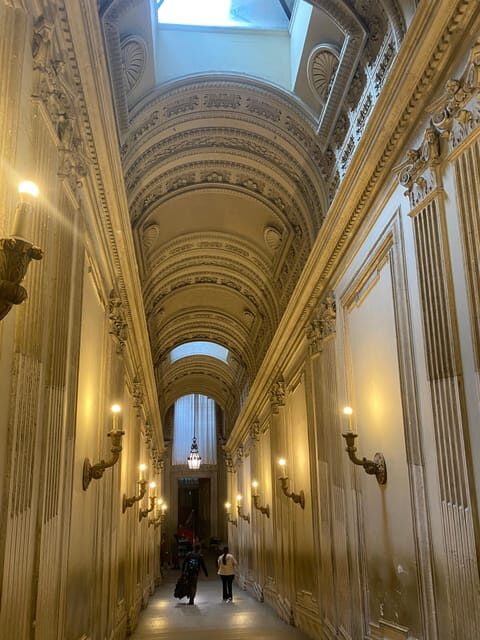
If you only have a short window, courtyards are a smart use of time. They give you open-air perspective, big visual landmarks, and a break from indoor crowds.
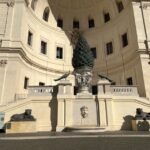
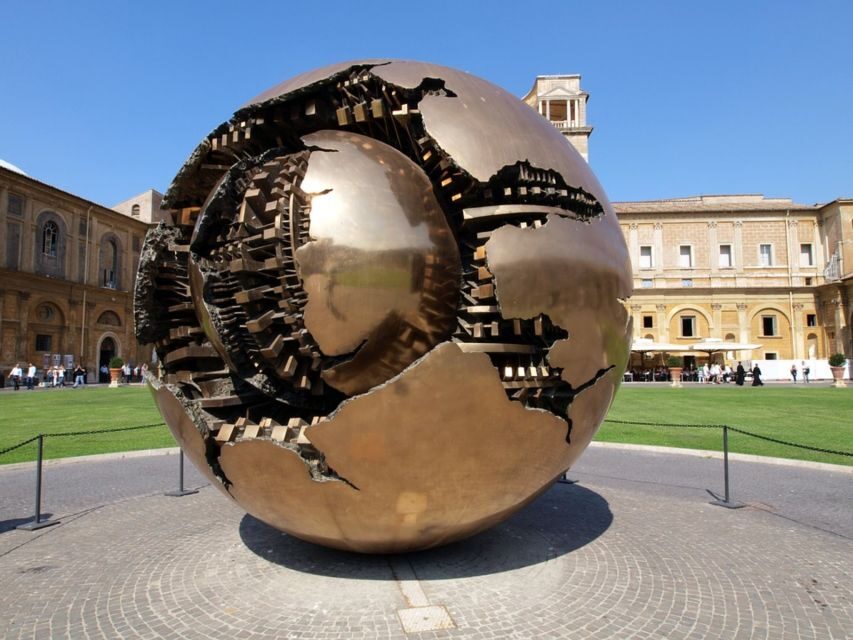
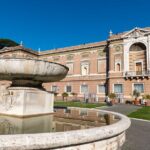
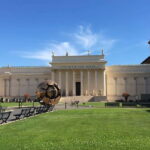
The ticket description includes time to enjoy the Belvedere Courtyard and the Pinecone Courtyard. Even if you’re not sure what you’re seeing at first glance, these spaces help orient you. You start recognizing the Vatican Museums layout: you’ll feel where you are in the complex, and that makes the rest of the route less stressful.
Courtyards also tend to be easier to experience. You can look at architecture and sculpture from angles you can’t get inside galleries packed with people. And since you’re moving on foot, these courtyards work like quick “checkpoints” so you don’t lose your place.
If you’re the type who gets overwhelmed, courtyards are a good way to settle in and decide what to prioritize next.
Gallery of Maps and Danti’s Charts: One Room That’s Surprisingly Fun
The Gallery of Maps is one of the most practical “art breaks” in the Vatican Museums. It’s not just pretty. It’s visual data—topographical charts of Italy from 1583 by Egnazio Danti.
You’re not just looking at paint or sculpture here. You’re looking at how people in the late Renaissance understood geography and territory. For anyone traveling through Italy later, it also adds context. You’ll start mentally connecting the shape of the peninsula to the places you’re heading next.
Danti’s charts are spread throughout the room area, so it’s easy to take your time without needing a guide to decode the value. If you like details, you can move slowly and scan. If you’re short on time, you can still get the main idea in minutes.
This is also a room where having a self-guided plan helps. You can either focus on the whole display and skim, or zoom in on specific regions and landmarks (at your own pace). That flexibility is exactly what makes a ticket like this practical.
You can also read our reviews of more museum experiences in Rome



Pio Clementino Highlights: Greek Cross Hall, Statues, and the Hall of the Muses
Next comes the kind of museum rooms that make the Vatican feel like a time machine. The description points to key stops in the Pio Clementino Museum area, including:
- the Greek Cross Hall
- the Gallery of the Statues
- the Hall of the Muses
These rooms matter because they show the Vatican’s collecting power—classical sculpture, thematic display, and grand hall design that turns looking into a full-body experience.
A tip for short time slots: don’t try to admire every statue like it’s a museum you can finish. Pick a few and make them your anchors. Then glance at the rest to keep your momentum. In 2 to 2.5 hours, the goal is to leave with clear images in your head, not a vague sense of everything.
If you’re comparing your priorities, statues and hall architecture are the easiest things to rush accidentally. A good self-guided approach is to pause for 30–60 seconds in each of these rooms. That’s usually enough to feel you really saw them, even when the crowd is pressing in.
Carriage Pavilion: A Nice Change of Pace From Sacred Art
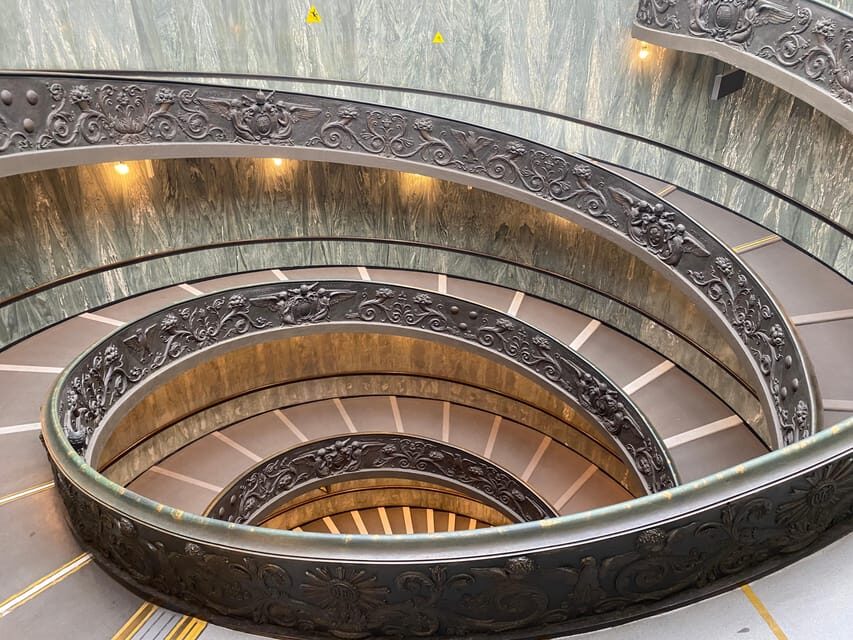
Not everything in the Vatican Museums is devotional or monumental painting. The ticket highlights the Carriage Pavilion, with a collection of ceremonial carriages.
This is a valuable stop because it shifts the vibe. Instead of more religious scenes or mythological sculpture, you get a glimpse of pageantry—how power was displayed, how ceremony moved through public life.
In a short visit, variety is what keeps you engaged. If you’re starting to feel museum fatigue, the Carriage Pavilion gives your brain something different to process. Even if you only spend a few minutes, it can prevent that feeling of mechanical wandering.
Raphael Rooms and High Renaissance Painting: Where the Vatican Gets Dramatic
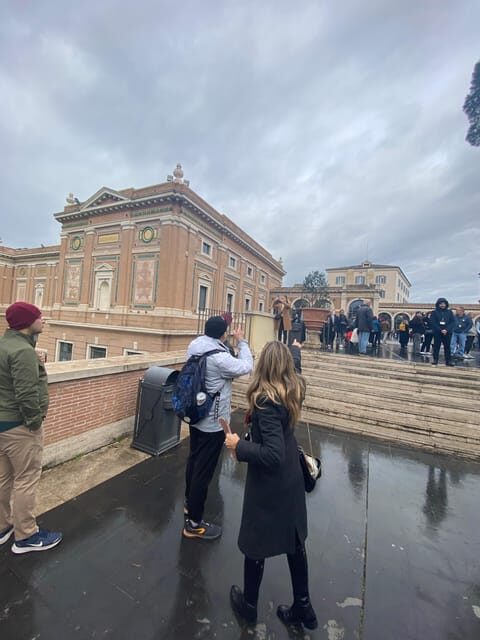
After you’ve worked through courtyards and museum halls, the route leads toward the Raphael Rooms, where you can take in the Vatican’s treasures and High Renaissance paintings.
This part of the experience is often what pushes the Vatican Museums from interesting to unforgettable. Raphael’s rooms are famous for a reason: the scale, the composition, and the way the art is designed to be viewed as part of a system—not just as isolated masterpieces.
In short time slots, decide how you want to experience this section. If you love painting and composition, slow down here. If you’re primarily there for the Sistine Chapel ceiling, you might want to treat the Raphael Rooms as a strong warm-up rather than a deep dive. Either approach works because you’re finishing in the Sistine Chapel either way.
Sistine Chapel Ceiling Time: What to Focus On
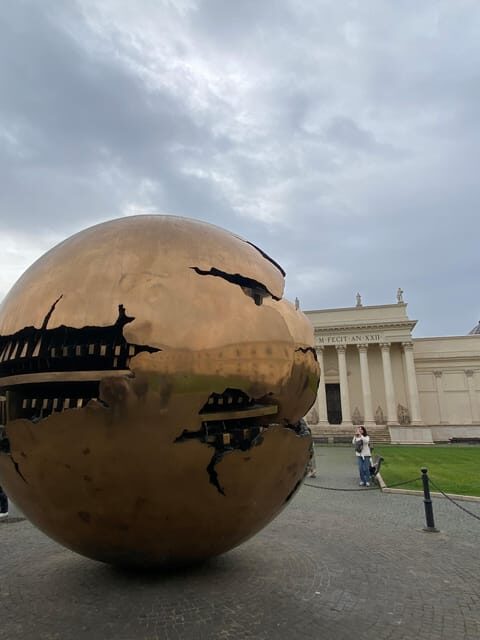
The Sistine Chapel is the headline. You get to observe the most well-known structure in the world, and the focus is the fresco cycle—especially the ceiling by Michelangelo.
The information also points to other major artists whose frescoes you’ll encounter, including Botticelli, Rosselli, and Perugino. The overall effect is a layered visual story across artists and styles.
In practice, the ceiling experience is about discipline. The crowd and the time pressure can make you want to look quickly. Resist that. Even a short pause where you concentrate on one section of the ceiling can make the images feel real instead of just impressive.
If you’re unsure what to look for, here’s a simple strategy: choose one or two areas of the ceiling to focus on deeply, then do a quick scan of the rest. That way you get both a strong memory and the full context.
This is also where the “skip-the-line” value pays off most. If you arrive late or tired, the Sistine Chapel can feel rushed. Fast-track entry is what helps you walk in with your attention still intact.
Time Management: Getting Real Value From a 2 to 2.5 Hour Visit
A 2 to 2.5 hour visit at the Vatican Museums is not a marathon—it’s a sprint with art stops. The good part is that the ticket includes a focused set of goals: Vatican Museums + Sistine Chapel entrance.
But you still need a plan. Here’s how I’d prioritize if you want the best payoff:
1) Courtyards for orientation
2) Map Gallery for a memorable, structured stop
3) One Pio Clementino hall cluster (Greek Cross Hall + one or two adjacent rooms)
4) Optional Carriage Pavilion if you want variety
5) Raphael Rooms just enough to feel the style shift
6) Sistine Chapel ceiling as your finish line
Don’t let the sheer size of the complex tempt you into wandering aimlessly. You’ll lose time, and you’ll end up skipping the exact rooms you bought the ticket to see.
Also, remember that the skip-the-line benefit is mainly about entry. Inside can still be busy, especially around the Sistine Chapel areas. Move steadily, pause with intention, and don’t stop to read every sign like you’re writing a term paper.
Price and Value: Is $62.63 a Good Deal?
At $62.63 per person, this is priced around convenience. The ticket includes:
- fast-track admission
- entrance to the Vatican Museums
- entrance to the Sistine Chapel
- taxes, fees, and handling charges
What’s not included is also part of the value math. A tour guide isn’t included, and access to St. Peter’s Basilica isn’t included. Food and drinks aren’t included either.
So the question becomes: are you buying time and smoother entry, or are you buying expert guidance? If you want a detailed guide leading you step-by-step, this may feel overpriced. If you’d rather walk and use your own context (audio guide inside the museum is commonly used, and some people purchase one once inside), then the price can feel fair.
I think it’s best for three types of people:
- You want the Sistine Chapel and major museum highlights but don’t need a guided lecture.
- You’re traveling with limited time and hate wasting mornings in lines.
- You can handle your own navigation inside the museums without getting flustered.
It’s less ideal if you want St. Peter’s Basilica included, or if you need a lot of accessibility support, since it isn’t suitable for wheelchair users.
Who This Skip-the-Line Ticket Suits Best (and Who Should Rethink)
This works well for first-time Vatican visitors who want the big hits with efficient entry. It also suits people who enjoy using their own pace and maybe adding an audio guide during the galleries.
It may not suit you if:
- you expect a fully guided tour with deep commentary
- you need St. Peter’s Basilica access as part of the same plan
- you have constraints with no-stroller, no-large-luggage rules
- you need wheelchair accessibility (the ticket is not suitable)
If you’re traveling as a small group, the small group availability can help you avoid that feeling of being lost in a sea of strangers from the start.
Should You Book This Vatican Museums + Sistine Chapel Ticket?
Book it if your top goals are Vatican Museums highlights and the Sistine Chapel ceiling, and you care about reducing entry-time stress. In a short visit, that fast-track component is what turns a frustrating half-day into a memorable one.
Pass or look for another option if you want St. Peter’s Basilica included, if you’re counting on a true guided tour with commentary, or if you know you’ll struggle with navigation after a security checkpoint.
Bottom line: this is a smart choice when you want to trade waiting time for looking time. If that’s your travel style, you’ll likely feel like the ticket did its job.
FAQ
How long does the Vatican Museums and Sistine Chapel skip-the-line ticket last?
The time slot for this experience is listed as 2 to 2.5 hours, and you’ll need to check availability for the starting times.
Does the ticket include St. Peter’s Basilica?
No. Access to St. Peter’s Basilica is not included with this ticket.
Is there a tour guide included?
A tour guide is not included. The activity includes a host or greeter (English) and small group availability, with help getting you into the right area.
What’s included in the ticket price?
It includes fast-track admission, entrance to the Vatican Museums, entrance to the Sistine Chapel, and all taxes, fees, and handling charges.
What should I expect before entering?
All visitors must pass through airport-style security.
Are strollers or large bags allowed?
No. Baby strollers are not allowed, and luggage or large bags are not allowed.
Is this experience suitable for wheelchair users?
No. It’s listed as not suitable for wheelchair users.
Is the experience refundable?
Cancellation is non-refundable.