REVIEW · EVENING EXPERIENCES
THINK BIG, GO MINI! Rome Day&Night in Mini Cooper Classic Cabrio
Book on Viator →Operated by MINI TOUR ROMA · Bookable on Viator
Rome moves differently when you drive it.
This Mini Cooper Classic Cabrio tour is built for maximum sights in about 3 hours, with a vintage ride that makes every stop feel less like a checklist and more like a personal drive-through of the city. I especially love the photo-friendly pacing—quick enough to cover a lot, but with moments to get out, look around, and take pictures.
Two things I like a lot: the small-group, private setup (so you’re not swallowed by a bus crowd), and the fact you’re not just sightseeing—you’re also getting an aperitif moment with food and drinks. One practical thing to consider: with so many landmarks packed in, you’ll be doing mostly short stops (think 5–10 minutes), so if you want long, in-depth museum time, you’ll need to plan a separate visit.
Key highlights at a glance (what makes it worth your time):
- Classic MINI Cabrio ride: Vintage car energy with a very Roman vibe.
- Aperitif and local food: You’re eating in the middle of the experience, not after.
- Big landmarks, quick stops: Piazza Navona, Trevi, Pantheon, and more in one run.
- Viewpoints included: Aventine Hill and the Gianicolo area for city panoramas.
- Ancient Rome + night orientation: Forum-area stops plus a look at Trastevere after dark.
- Guide-led, not rushed: A friendly guide style helps you move at a human pace.
In This Review
- A Classic MINI Cabrio That Lets Rome Hit Fast
- How the Small-Group, Private Format Changes Everything
- Piazza Navona, Bernini’s Fountains, and Borromini’s Corner of Rome
- Trevi Fountain and the Spanish Steps: Rome’s Most Recognizable Stops
- The Pantheon and St. Peter’s Basilica: One Stop, Big Impact
- Castel Sant’Angelo and the Gianicolo Hill Views
- Fontana dell’Acqua Paola and the Trastevere Night Orientation
- Largo Argentina, the Forum Area, and Palatine Hill Quick Context
- Aventine Hill, the Orange Park View, and the Secret Keyhole
- The Gaius Cestius Pyramid and More Ancient-Rome Ruins
- Price and Value: Why $209.70 Can Make Sense for 3 Hours
- What You’ll Notice on the Ground (Not Just From the Stops)
- Who This Tour Fits Best
- Should You Book This Rome MINI Cooper Day-and-Night Tour?
- FAQ
- How long is the Rome Day&Night in Mini Cooper Classic Cabrio tour?
- What’s included in the price?
- Is pickup available?
- Is the tour private?
- Do I need paid admission tickets for the stops?
- What language is the tour offered in?
- How many stops are on the route?
- Are children allowed?
- When does the tour run?
A Classic MINI Cabrio That Lets Rome Hit Fast
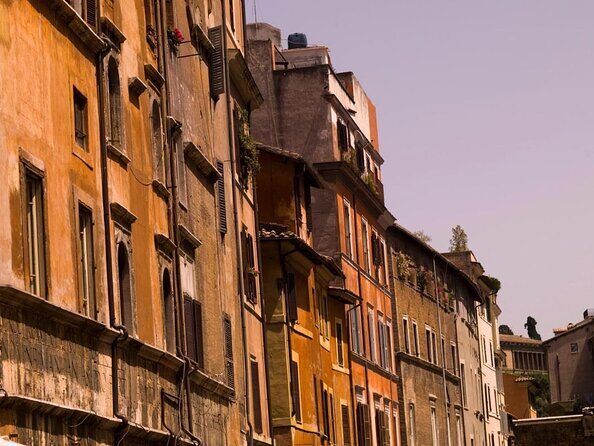
If you’re the type who wants to feel a city, not just tick it off, this tour makes a strong first impression. Rome is huge on foot, and traffic can be a headache. Here, you get a classic Mini Cabrio ride that solves both problems: you cover ground quickly, and the car itself turns the drive into part of the story.
You’ll spend about 3 hours bouncing between major landmarks and classic neighborhoods, with the day-night blend working especially well if you’re short on time. Depending on the departure window, you may catch some sights in daylight and others as the light softens. Either way, your camera gets plenty of chances, especially around Rome’s look-out points.
How the Small-Group, Private Format Changes Everything
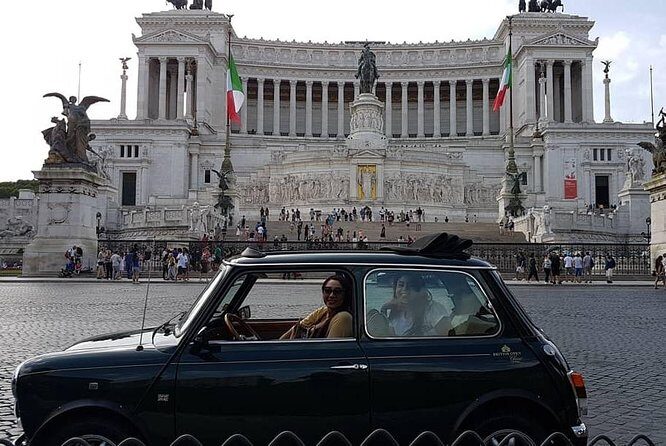
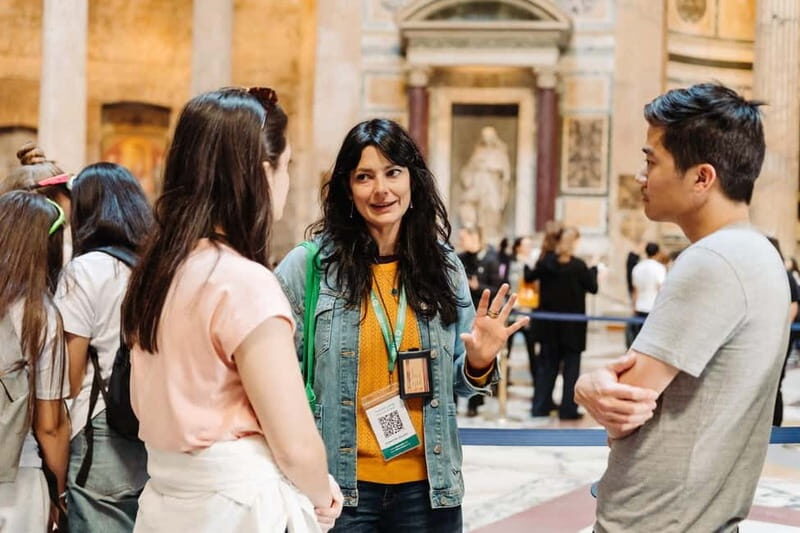
This is set up for your group only, not a free-for-all. That matters more than you might think. When your group isn’t competing with dozens of strangers, it’s easier to ask questions, move at a comfortable rhythm, and actually enjoy the stops instead of timing yourself like a relay race.
Also, the tour’s timing supports an easy flow. Many of the stops are short—around 5 to 10 minutes—so you’re not stuck waiting in long lines for extended periods. Instead, you get a good orientation: you see the place, you learn the quick context, you take photos, and then you move on. If you only have a single afternoon or evening in Rome, this approach helps you get your bearings fast.
You can also read our reviews of more evening experiences in Rome

Piazza Navona, Bernini’s Fountains, and Borromini’s Corner of Rome
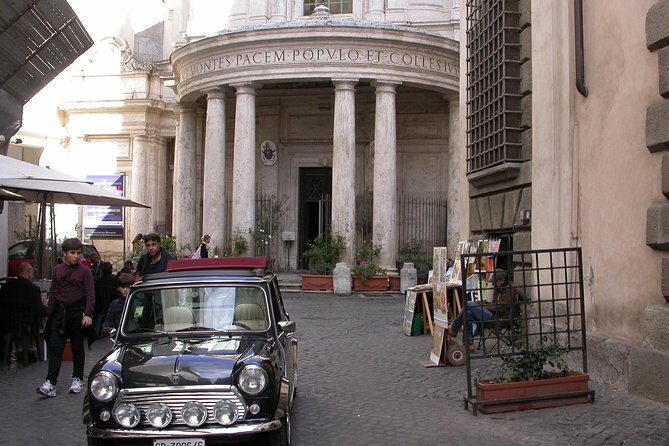
You start in the baroque whirlwind of Piazza Navona, one of Rome’s most photogenic squares. Even if you’ve seen pictures, seeing the space in person changes the scale. You’ll get a brief look at the Fontane del Bernini and chiesa del Borromini (spotting Borromini’s influence is part of why the stop is memorable).
The value here is orientation. Navona teaches you how Rome loves drama: fountains, churches, and street life all stacked together. The tradeoff is time. With a short stop, you’ll focus on the most iconic angles and likely skip deeper wandering.
Tip for you: if you’re aiming for photos without crowds, plan your camera fast—because this square is popular and the light changes quickly.
Trevi Fountain and the Spanish Steps: Rome’s Most Recognizable Stops
From Piazza Navona you roll right into Trevi Fountain, built between 1732 and 1762. It’s one of those places where the first thing you notice is how busy it feels—even from a distance. The second thing you notice is how designed it is, like a stage.
Then comes Piazza di Spagna and the Fontana della Barcaccia, another baroque highlight you can frame from multiple angles. If you like classic postcard Rome, this section is built for you. If you’re the type who prefers quiet corners, treat these stops as “get the landmark and move on.”
A practical note: both Trevi and the Spanish Steps are famous for a reason, so expect crowds. The tour’s strength is that you don’t lose half your time circling for the best view—you’re guided to the spots that work.
The Pantheon and St. Peter’s Basilica: One Stop, Big Impact
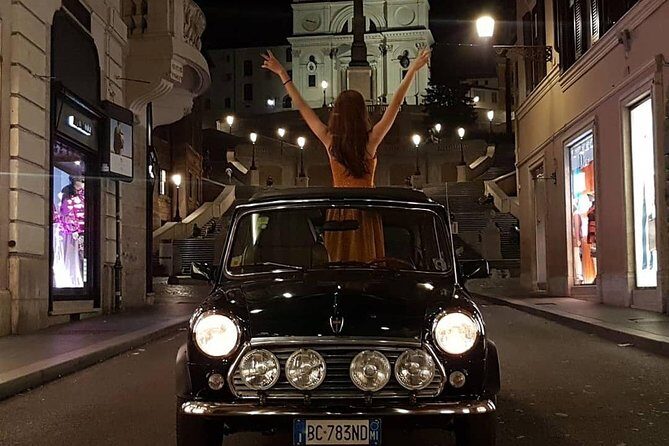
Next up is the Pantheon, a truly iconic Roman structure often understood as a masterpiece of engineering as much as architecture. With limited time, you’re not doing a long deep-dive inside, but you’re still getting that essential “wow, that’s enormous” effect.
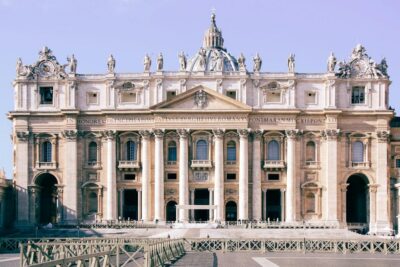
After that, you move toward St. Peter’s Basilica. Even a short stop helps you understand why people build their Rome plans around Vatican-area landmarks. This part of the tour works best if you want recognition and context—then later you can return for a longer visit if you want.
Consideration: if you have strong preferences for interiors (long stays, detailed art reading, chapel hopping), you may feel you’re glancing rather than fully exploring. The payoff is that you don’t waste your limited time.
Castel Sant’Angelo and the Gianicolo Hill Views
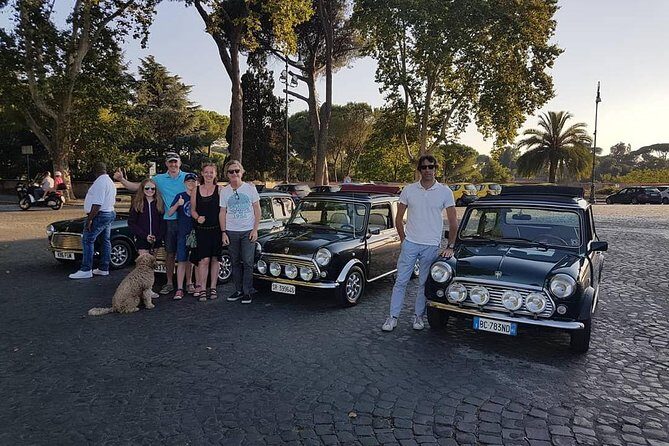
Rome rewards patience, but it also rewards viewpoints. You’ll get a stop at Castel Sant’Angelo, known for its role tied to ancient emperors and later history. The key here is not just the building—it’s the way it sets up your mental map. Rome’s skyline is a major part of its charm.
Then you head to Colle del Gianicolo, where you get a beautiful view of the city. This is where Rome stops feeling like a museum and starts feeling like a living place. Seeing the layout from above helps you connect the landmarks you’ve just visited to their neighborhoods.
Tip for you: wear shoes that can handle uneven pavement. Viewpoint stops are short, but you’ll still be moving around for photos.






Fontana dell’Acqua Paola and the Trastevere Night Orientation
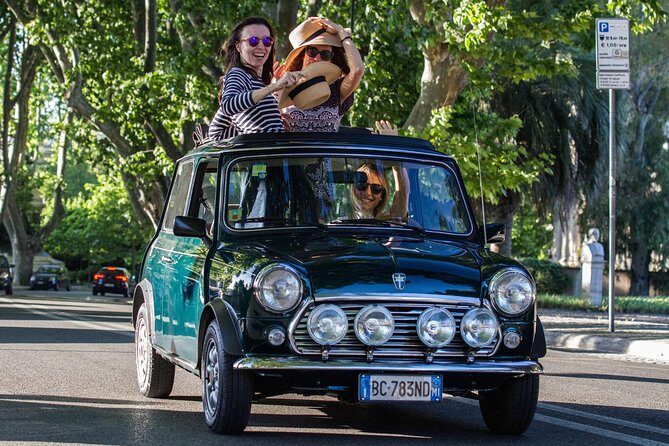
Your route also includes Fontana dell’Acqua Paola, another classic viewpoint moment. Like the Gianicolo, it’s about getting perspective. Rome isn’t just monuments—it’s hills, curves, and layers of streets you can only appreciate when you see them from the right angle.
Then comes Trastevere, Rome’s late-night favorite. It’s described as the best and biggest area for nightlife, and it’s also tied to an area that’s about 1000 years old. Even if you’re not planning a full night out right away, this stop helps you understand why people return here again and again.
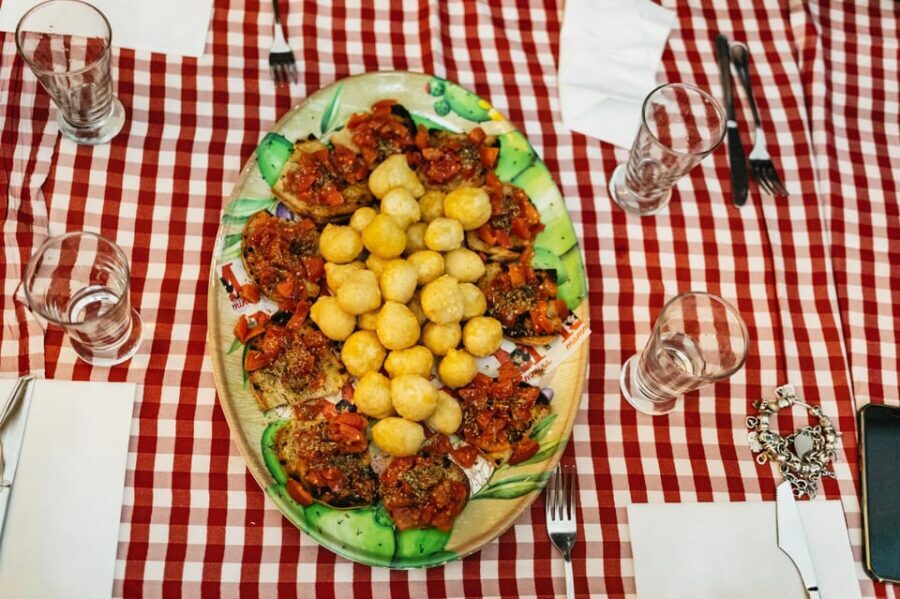
What makes it work on this tour is the timing and the mood. You’re not stuck only looking at stone. You’re getting a human-feeling neighborhood moment, and the tour includes an aperitif and food at a local spot, plus alcoholic beverages and bottled water. It’s the kind of break that makes the driving and walking feel lighter.
Largo Argentina, the Forum Area, and Palatine Hill Quick Context
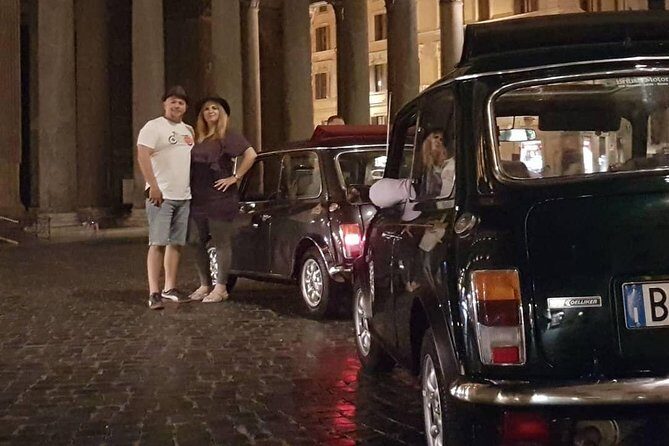
Rome’s ancient core can be overwhelming if you don’t have a guide framing it. This is where the tour’s value shows up. You stop at Area Sacra di Largo Argentina, the exact place where Julius Caesar was killed in the historic center. It’s heavy subject matter, but in a short time window it becomes a real-life point of reference.
After that you’ll pass through Foro Romano, described as the cultural and political center of old Rome. You’ll also visit Palatine Hill, one of the seven hills of Rome. These stops are brief, but the way they’re connected helps you understand Rome’s layers instead of seeing ruins as scattered rocks.
Consideration: if you crave long stays in archaeological areas, you might feel rushed. But for first-timers, quick guided context often makes your later self-guided exploration much better.
Aventine Hill, the Orange Park View, and the Secret Keyhole
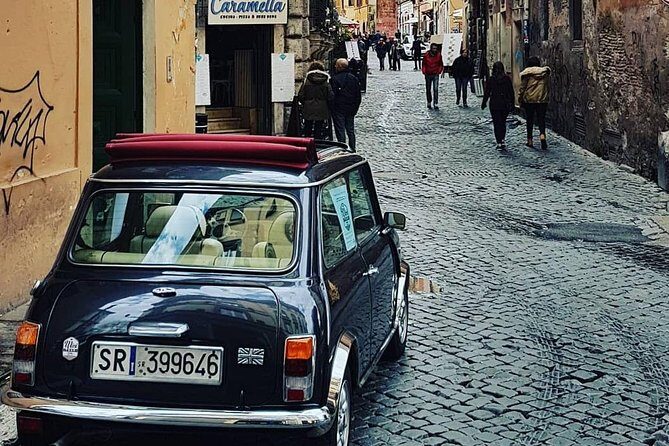
A highlight you’ll be happy you saved for later in the tour is Aventine Hill (often written as Turo Aventi/Aventino in descriptions). You get city views from the Orange Park, plus the famous secret key hole area tied to Sant’Anselmo Church.
This stop is popular because it’s playful and specific. You’re not just looking at Rome—you’re looking for a viewpoint built into a wall. It’s the kind of moment that feels small, but it sticks.
Practical tip: keep your timing flexible for this part. The keyhole/angle moment depends on where you stand and when you line up. If you’re traveling with someone who likes photos, this is the section to give a little extra attention.
The Gaius Cestius Pyramid and More Ancient-Rome Ruins
The later part of the route includes Piramide Tomba di Caio Caestio (dated 12 a.c. in the tour notes). This is another “you’ve seen it in pictures, but now you’re seeing the scale” moment.
You’ll also be taken through areas described as Antica Arena, Antiche terme Romane, and Old Market. Some details here may feel more like guided passing-and-spotting than a museum-style stop. That’s not a flaw—it’s how you fit so much into a 3-hour experience.
If you’re the type who wants to read every stone inscription and walk every under-arcade passage, you’ll still want to return on foot later. But as an overview and orientation tool, this section helps you connect the ancient map to the modern streets.
Price and Value: Why $209.70 Can Make Sense for 3 Hours
At $209.70 per person for about 3 hours, you’re paying for three things at once: guided navigation, a classic Mini Cooper Cabrio ride, and included extras like snacks, bottled water, and alcoholic beverages, plus aperitif and local food.
Here’s how I’d think about the value: if you’re already planning to pay for a guided experience, then add transport costs (taxis/rideshares) and a couple of meal breaks, the price starts to look less “tour tax” and more “time saver with benefits.”
Also, this one scores 5 out of 5 with 38 reviews and is marked as recommended by 100%. While you shouldn’t treat that as a guarantee, it does suggest people consistently like the format: fun car, strong guide energy, and the ability to see a lot without feeling bulldozed.
What You’ll Notice on the Ground (Not Just From the Stops)
The biggest benefit of this tour isn’t any single landmark. It’s the rhythm. Rome is too big to understand from random wandering. This gives you a guided line through the city’s most recognizable moments, then sprinkles in viewpoint stops that make the whole route make sense.
The guide experience can also make or break a tour. Names that come up with real enthusiasm include Luca and Fabio, and the common thread is a warm, professional style that makes you feel comfortable stepping out for photos and taking your time at key points. I like that because Rome punish you for rushing. When you’re calm, you see more.
Who This Tour Fits Best
I’d point this tour at you if:
- you have one afternoon or evening in Rome and want major landmarks plus viewpoints
- you love photo opportunities but don’t want to manage logistics alone
- you want a guided overview that sets you up for later independent exploring
- you’re traveling in a group that values comfort and conversation (private group format helps)
If you’re the kind of traveler who wants hours inside one site (slow art reading, long church stays, guided archaeology lectures), then you’ll likely feel the stop times are short. In that case, mix this with one or two longer ticketed experiences later.
Should You Book This Rome MINI Cooper Day-and-Night Tour?
Book it if you want a fun, efficient way to connect Rome’s top sights, viewpoints, and ancient sites in a single route—while enjoying an aperitif break and traveling by classic MINI Cabrio instead of shoe-leather transfers.
Don’t book it if you’re looking for deep, long-form site visits. This tour is made for smart coverage and first-time orientation, not extended museum-style immersion.
If your goal is to leave Rome feeling like you understand the city’s layout—then yes, this is a strong pick.
FAQ
How long is the Rome Day&Night in Mini Cooper Classic Cabrio tour?
It’s listed as approximately 3 hours.
What’s included in the price?
The tour includes snacks, bottled water, and alcoholic beverages (and items listed as accommodation as per itinerary).
Is pickup available?
Yes. Pickup offered is listed.
Is the tour private?
Yes. It’s listed as a private tour/activity, with only your group participating.
Do I need paid admission tickets for the stops?
Admission is listed as free at each stop shown.
What language is the tour offered in?
It’s offered in English.
How many stops are on the route?
The route includes many stops, covering major landmarks and viewpoints such as Piazza Navona, Trevi Fountain, Piazza di Spagna, the Pantheon, St. Peter’s Basilica, Castel Sant’Angelo, Trastevere, Largo Argentina, the Forum/P halatine Hill area, and Aventine Hill, plus other ancient sites.
Are children allowed?
Children are allowed but must be accompanied by an adult.
When does the tour run?
Operating hours are listed for Monday–Friday with time windows of 9:30 AM–12:30 PM and 3:00 PM–6:00 PM during 01/02/2025–01/01/2026 and again during 01/02/2026–01/01/2027.