Rome has a basement story.
This tour ties the big postcard stops to the stuff most people miss: the Vicus Caprarius underground excavations and the 3D ceiling frescos at the Church of Saint Ignazio. I like how it moves you through classic sights like Piazza Navona, the Trevi Fountain, and the Pantheon, but never treats them like checkboxes. I also like the practical setup: you’ll use provided headsets so you can actually follow the German guide as you walk.
One thing to consider: it runs rain or shine, so plan for a 3-hour stroll on uneven, city-center streets in whatever weather shows up. Also, the tour is in German, and the dress rules are real (no short skirts, no sleeveless shirts).
In This Review
- Key Highlights You’ll Feel Immediately
- Starting Smart: Piazza Navona and a German-Language Game Plan
- Piazza Navona, Trevi, and the Pantheon: The “Top Sights” Part Actually Feels Guided
- Stadium of Domitian: Seeing Roman Entertainment at Street Level
- Saint Ignazio’s 3D Frescos: The Only Rome Trick You’ll Care About
- Trevi Fountain Walk: Baroque Drama, Managed Pace
- Vicus Caprarius Underground Museum: The Aqueduct Story Below Your Feet
- Finishing at La Rinascente: Easy Next Step for Your Afternoon
- What to Wear, Bring, and Expect (So You Don’t Waste Time)
- Guides You Might Hear: Humor, Heart, and Real City Insight
- Is This Tour Good Value for Your Time?
- Should You Book This German Rome City-Center Walking Tour?
- FAQ
- How long is the Rome city-center hidden highlights tour?
- Where do I meet the guide?
- Is the tour in German?
- Does the tour run in bad weather?
- Are headsets included?
- Is there a skip-the-line feature?
- What should I bring?
- What is the dress code?
- Is free cancellation available?
Key Highlights You’ll Feel Immediately
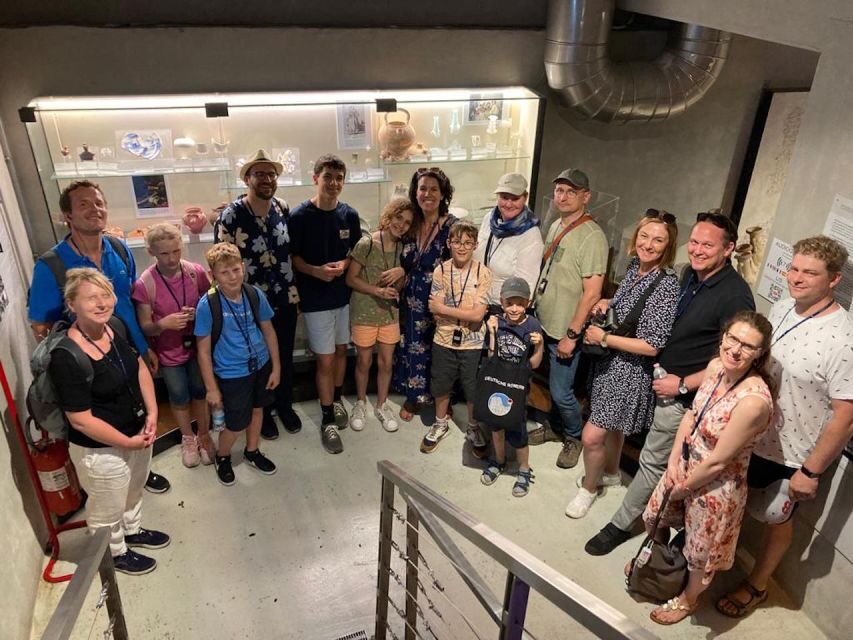
- Meet at Bernini’s fountain in Piazza Navona and start with a guide-led orientation from the Deutsche Römerin sign.
- Domitian Stadium in real scale: an ancient athletic venue that seated 15,000–20,000 people.
- Pantheon context that clicks: a Roman temple later converted to a Catholic church.
- Saint Ignazio’s 3D ceiling: the Baroque illusion is the main event, viewed up close.
- Underground aqueduct remains at Vicus Caprarius: the water systems story of old Rome, below street level.
- Finish at La Rinascente, so you can keep your day going right away.
Starting Smart: Piazza Navona and a German-Language Game Plan
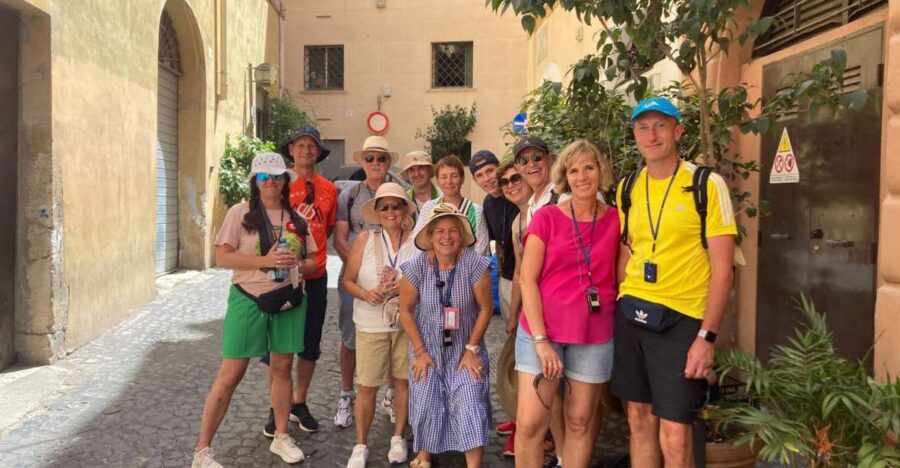
Most Rome walking tours start with landmarks. This one starts with orientation, which matters. You’ll meet at the fountain of Bernini in Piazza Navona, looking for the Deutsche Römerin sign. If you’re using a map, the coordinates are 41.89900588989258, 12.473088264465332—handy when crowds make landmarks feel identical.
Then your guide takes over quickly, with an introduction and pointers for what to watch for in Piazza Navona itself. The best part is the audio. You’ll hear clearly through provided headsets, so you’re not forced to crane your neck and guess what the guide is saying while you dodge pedestrians.
Because the tour is German, you’ll want to be comfortable listening in that language. The upside is that the narration is coherent from the start, so you’re not bouncing between translations or relying on guesswork.
You can also read our reviews of more walking tours in Rome


Piazza Navona, Trevi, and the Pantheon: The “Top Sights” Part Actually Feels Guided
You’ll walk through the historic center with the guide connecting the dots between the major icons. Piazza Navona is your launchpad—expect commentary that frames it, not just a photo stop. That’s useful because the square can look like one big “wow” moment. With a guide, it becomes a place with layers: how people moved, gathered, and built their city around power and ritual.
Next comes the Pantheon, one of those sights that can feel busy no matter when you go. Here, the big payoff is the explanation: it was a Roman temple first, then converted into a Catholic church. That shift isn’t just trivia—it helps you read the building’s purpose and why it still feels so central to Rome today.
You’ll also be working at walking speed most of the time, not park-and-stare speed. That can be a good thing. In 3 hours, this tour keeps momentum, so you don’t waste your limited time trying to figure out the best route between major stops.
One practical note: the tour includes skip-the-ticket-line. The listing doesn’t spell out which exact entrances this applies to, but in general it means you spend less time stuck waiting at points where crowds form. With a short, 3-hour window, that kind of time saved is worth something.
Stadium of Domitian: Seeing Roman Entertainment at Street Level
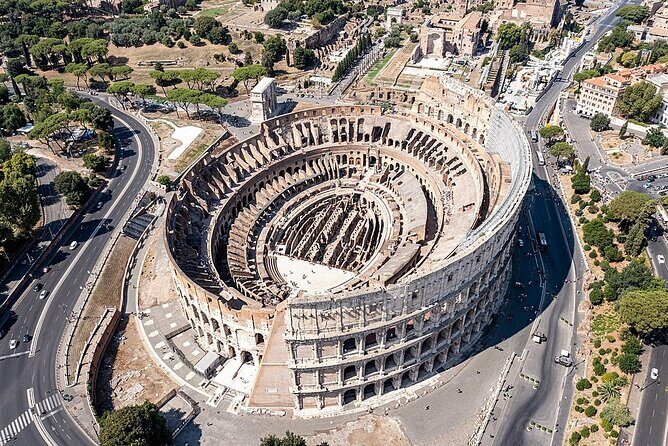
Then the tour shifts into Roman everyday power—the kind you don’t always notice from the outside. You’ll head to the Stadium of Domitian, an ancient athletic venue that housed 15,000–20,000 spectators. That number helps your brain. It’s not a small arena you can compare to a neighborhood gym. It was built for serious crowds.
What I like about this stop is the angle. You’re not just seeing ruins. You’re getting a sense of scale and how Romans spent time—watching, cheering, and gathering. That’s exactly the kind of context that makes big landmarks less generic and makes the route feel earned.
You’ll also get a guided stroll through this section instead of a rushed “look here” moment. Even if the venue isn’t as instantly photogenic as Trevi, the explanations help you notice the features that matter for understanding how it worked.
Saint Ignazio’s 3D Frescos: The Only Rome Trick You’ll Care About
After the stadium, you’ll make your way to the Church of Saint Ignazio for its famous 3D ceiling frescos. This is the stop where the tour energy changes from history-lecture to visual focus. The guide’s job here is less about facts and more about teaching you how to look, because the effect depends on your viewpoint.
Plan to spend a little time just orienting yourself. The frescos are designed to trick your eye, so don’t treat it like a single glance and move on. You’ll get a slow stroll through the illusion—enough time to notice how the artwork plays with depth.
In the feedback from German-speaking guests, the experience at Saint Ignazio and the tour’s way of guiding you through these moments is often praised. One review specifically called out the guide’s knowledge, while another highlighted the tour’s “hidden highlights” feel—this church is the kind of stop that earns that label fast.
Trevi Fountain Walk: Baroque Drama, Managed Pace
From Saint Ignazio, you’ll stroll to the Trevi Fountain. Trevi is famous enough that it can feel overwhelming on your own—too many people, too many cameras, too little context.
Here, the tour uses Trevi as a guided payoff, not just a chaotic scene. You’re walking in rhythm with the group, with headsets so the guide’s narration keeps you oriented even when the plaza gets loud. And because Trevi sits inside a larger route—Pantheon, Domitian, Saint Ignazio—it feels like part of a story instead of a single photo moment.
This is also a good place to remember the tour’s rhythm: it’s not designed to let you linger forever. If you want a long, quiet Trevi pause, plan to add extra time after the tour. During the 3-hour experience, your best move is to enjoy it with the guide’s framing and then decide if you want a return trip later.
You can also read our reviews of more guided tours in Rome




Vicus Caprarius Underground Museum: The Aqueduct Story Below Your Feet
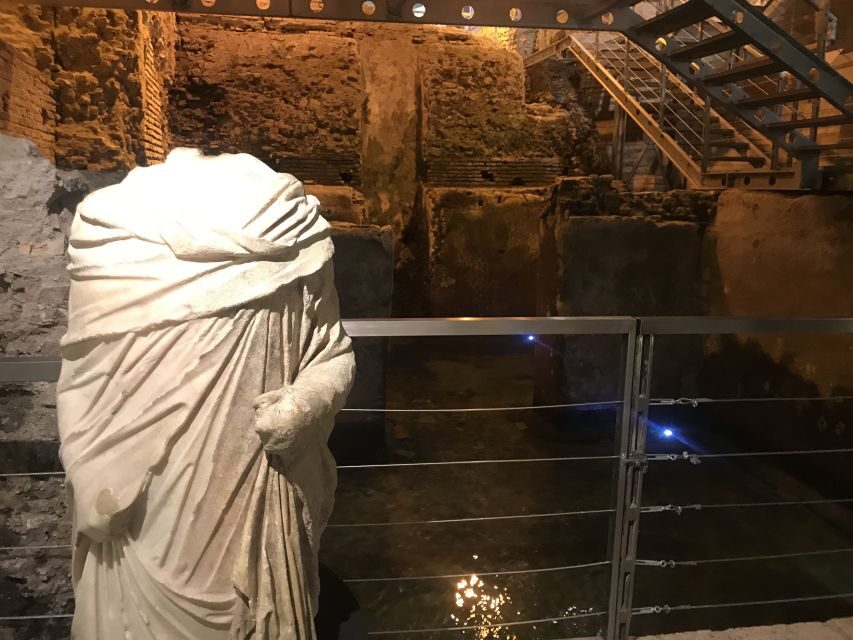
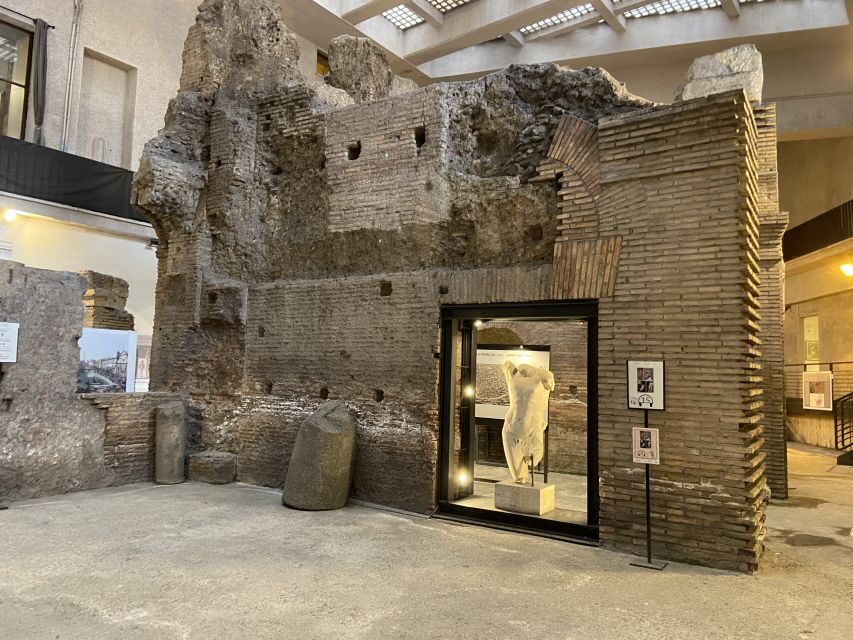
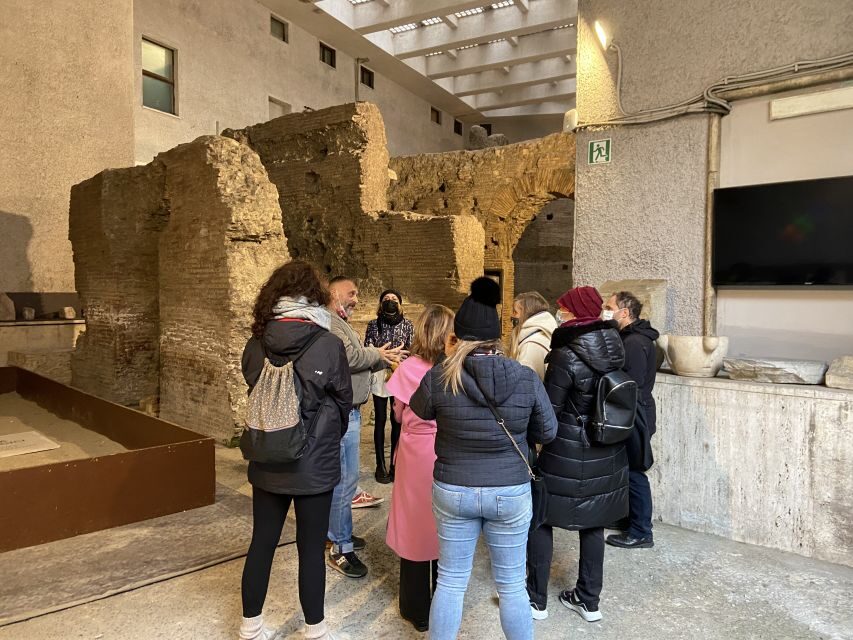
Now you get the part that makes this tour feel different from the usual “center of Rome highlights” walk: the Vicus Caprarius museum and its underground excavations.
You’ll see the remains of an underground aqueduct—basically, the infrastructure that helped feed, manage, and distribute water. That’s a big deal in Rome, because water shaped daily life, sanitation, and public spectacle. The tour frames this as part of how Rome functioned as a water city, not as a romantic myth.
I love this stop because it changes the scale. Above ground, Rome can feel like monuments and monuments. Underground, it becomes systems and survival. You get to think like the Romans: where the water comes from, where it goes, and why engineering mattered as much as statues.
And because it’s an underground museum setting, it can be one of the most comfortable parts of the tour during bad weather. The tour runs rain or shine, but spending time indoors can take the sting out of a cold drizzle.
Finishing at La Rinascente: Easy Next Step for Your Afternoon
You’ll end the tour at La Rinascente. That’s a practical finish point. It’s central, it’s easy to reach other sights from, and it gives you a clear place to regroup if you’re continuing your day independently.
If you’re hungry, you can set a plan fast: snack, rest, and decide whether you want to revisit Trevi or go for your next priority. The tour’s structure is tight enough that ending somewhere convenient prevents the end-of-tour scramble.
What to Wear, Bring, and Expect (So You Don’t Waste Time)
This tour is simple on paper, but Rome can punish sloppy planning. Here’s what matters:
- Dress code: no short skirts and no sleeveless shirts.
- Bring cash: the activity notes specify cash, so don’t assume everything is card-only.
- Headsets are provided: you can keep walking and still hear the guide clearly.
- Rain or shine: you’ll go out in weather, so pack accordingly.
Also, the meeting point is at Bernini’s fountain in Piazza Navona, which is a busy area. A quick strategy: open your map, walk with purpose to the Deutsche Römerin sign, and don’t rely only on memory.
Guides You Might Hear: Humor, Heart, and Real City Insight
One reason a guided walk feels worth it is the voice behind it. In the feedback for this experience, guides like Gianluca get praise for being humorous and entertaining, while Janina is mentioned for delivering city insights and making the idea of hidden highlights feel real—not forced, not random.
That lines up with what makes the tour work: you’re not just visiting places. You’re being taught how to connect them—postcard Rome plus the stuff under the surface.
The guide also uses the headsets to keep the narration clear. That’s a small detail, but it’s what turns a walk from frustrating to smooth.
Is This Tour Good Value for Your Time?
This tour doesn’t try to do everything in Rome. It focuses on central, high-impact stops within 3 hours: Piazza Navona, the Pantheon, the Trevi Fountain area, the Stadium of Domitian, Saint Ignazio, and the Vicus Caprarius underground excavations.
The value is in the mix:
- You get major icons (Pantheon, Trevi, Piazza Navona).
- You get two “Rome under the skin” experiences (Domitian Stadium context and the aqueduct remains underground).
- You get a hands-on visual moment (Saint Ignazio’s 3D ceiling).
- You get practical support (headsets, and skip-the-ticket-line help).
If you’re the kind of traveler who likes Rome that makes sense—how places relate, why things were built, and what changed over time—this route is likely a strong match.
Should You Book This German Rome City-Center Walking Tour?
Book it if you:
- Want a 3-hour plan that hits the big names and still adds real depth.
- Care about more than photos—especially the underground side of Rome.
- Speak or understand German well enough to follow a live guide.
- Don’t mind a walking tour that runs rain or shine.
- Want both architecture/history and a “wow” visual stop at Saint Ignazio.
Skip it (or think twice) if you:
- Need a language other than German.
- Dislike walking on uneven streets for three hours.
- Want long, unstructured time at each site instead of a guided pace.
If you want Rome that feels connected—ancient crowds in Domitian’s Stadium, a temple turned church at the Pantheon, baroque illusion overhead at Saint Ignazio, and Roman water infrastructure below ground at Vicus Caprarius—this is a smart, efficient way to get it.
FAQ
How long is the Rome city-center hidden highlights tour?
It lasts 3 hours.
Where do I meet the guide?
Meet at the fountain of Bernini in Piazza Navona. Look for the Deutsche Römerin sign.
Is the tour in German?
Yes, the live tour guide speaks German.
Does the tour run in bad weather?
Yes. It takes place rain or shine.
Are headsets included?
Yes. You’ll hear your guide clearly with provided headsets.
Is there a skip-the-line feature?
Yes, the tour includes skip the ticket line.
What should I bring?
Bring cash.
What is the dress code?
Short skirts and sleeveless shirts are not allowed.
Is free cancellation available?
Yes. You can cancel up to 24 hours in advance for a full refund.