REVIEW · ROME
Rome: Video Tour Guides in ENG at your own pace
Book on GetYourGuide →Operated by Roman Vibes · Bookable on GetYourGuide
Rome fits in your pocket.
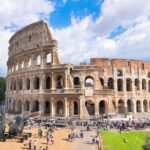
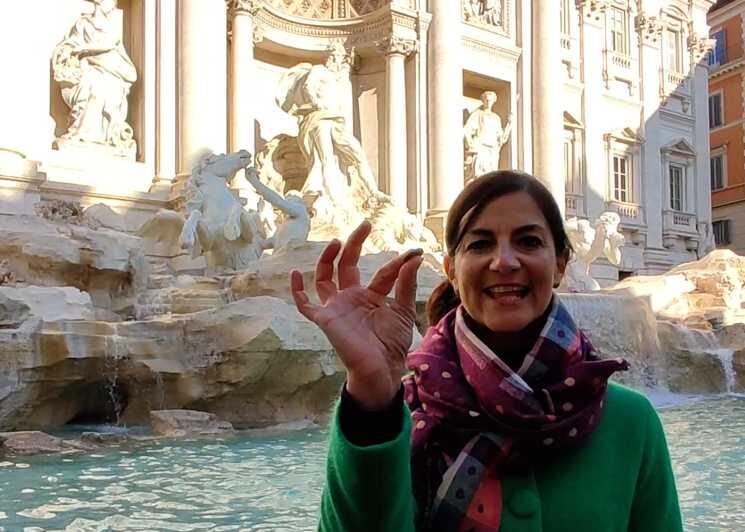
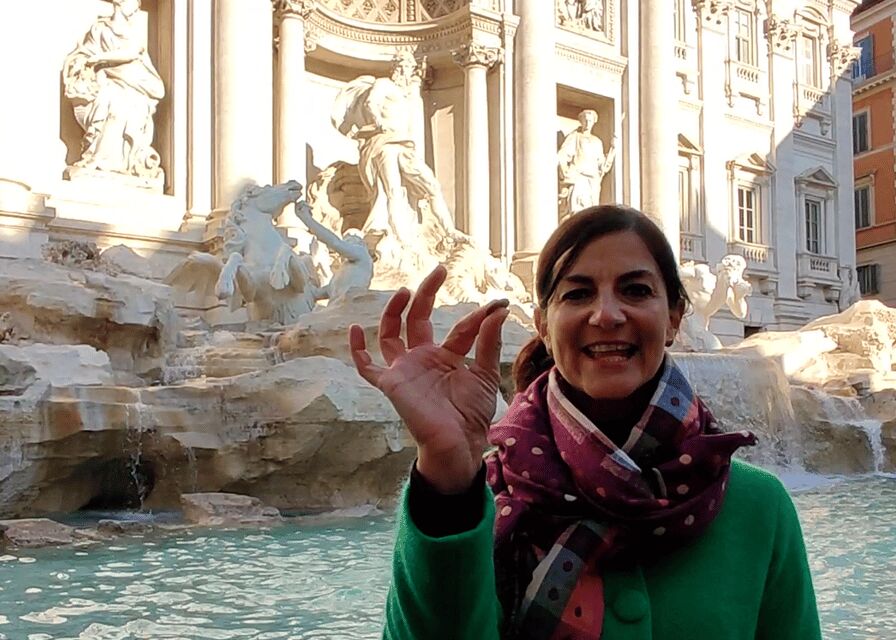
This experience turns Rome into 50+ English video guides you can watch 3 to 12 minutes at a time. Silvia is the expert tour guide behind the routes, with videos organized so you can hop straight to what you care about: archaeology, churches, squares, districts, parks, and more.
I love how practical the setup feels: you get clear categories, and you can use the map to find the nearest point of interest while you’re walking. I also like that the guide isn’t only monuments; it includes food and drink tips tied to the area you’re exploring, plus Roman culture and Italian language nuggets.
One thing to think about: this is a virtual video guide, so you’ll need internet access, and entrance tickets for big sites are not included. Still, for the price, it’s an efficient way to learn Rome without trying to follow a strict tour schedule.
In This Review
- Key points at a glance
- How the Rome video guide works at your own pace
- 50+ video guides by category, from churches to Vatican highlights
- Getting bearings in Rome using the map and hand-drawn guide
- Food and drink tips that match where you are
- Vatican Museums made easier: short previews before you go
- Price and value: why $11 for up to 4 can make sense
- Where you pick up the hand-drawn map near Circus Maximus
- Practical timing: how to use the 3–12 minute videos without slowing down
- Who this Rome video guide is best for
- Should you book this Rome video guide?
- FAQ
- FAQ
- Is the Rome video guide available in English?
- How long do the videos last?
- How long do I have access to the guide?
- Are entrance tickets included?
- What do I need to use the guide?
- Where do I pick up the hand-drawn map?
Key points at a glance
- 50+ video guides covering archaeology, museums, churches, Vatican spots, neighborhoods, and parks
- Short watch times (3 to 12 minutes) that fit real walking breaks
- Map support with the nearest point of interest and a hand-drawn map you can pick up
- Food and drink guidance for where you are, plus typical recipes and Italian expressions
- Vatican-focused previews including dedicated content for the Sistine Chapel and Rooms of Raphael
- Access valid for 365 days, so you can plan now or use it on repeat trips
How the Rome video guide works at your own pace
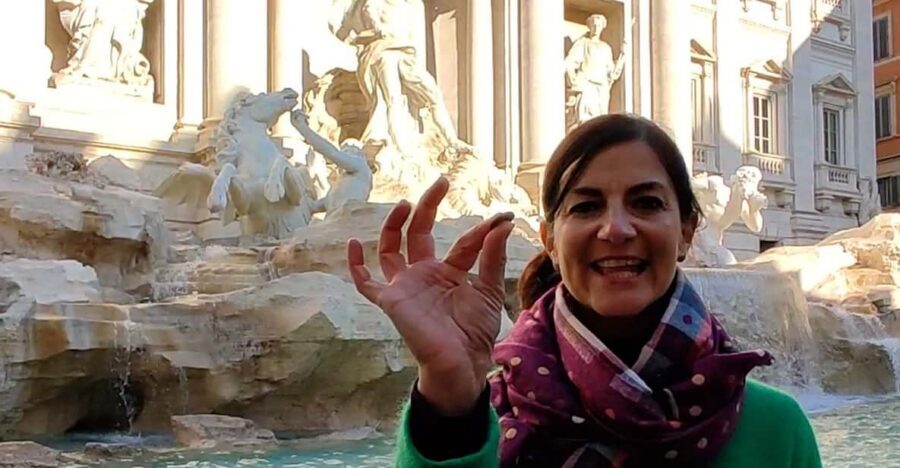
This isn’t a bus, a headset group, or a rigid “start at 10:00 sharp” plan. It’s a video guide library designed for you to move at your pace and match what you’re seeing in the street.
Once you unlock it, you can treat it like a flexible companion. You can pick a category first (like Churches or Open-Air Landmarks), then choose a specific video. Or you can work the other way: look at where you are, use the map to see the nearest point of interest, then hit the video that matches it.
The videos are built for quick learning. Each one runs between 3 and 12 minutes, which matters in Rome, where you’re constantly moving between shaded streets, steep steps, and long museum lines. Instead of watching something that lasts an entire afternoon, you can learn the key ideas while your feet still feel decent.
Access lasts a long time too. It’s valid for 365 days from first activation, which is great if you’re planning ahead. You can use it before your trip to build a simple game plan, then reuse it in Rome for spot-by-spot context.
You can also read our reviews of more tours and experiences in Rome.



50+ video guides by category, from churches to Vatican highlights
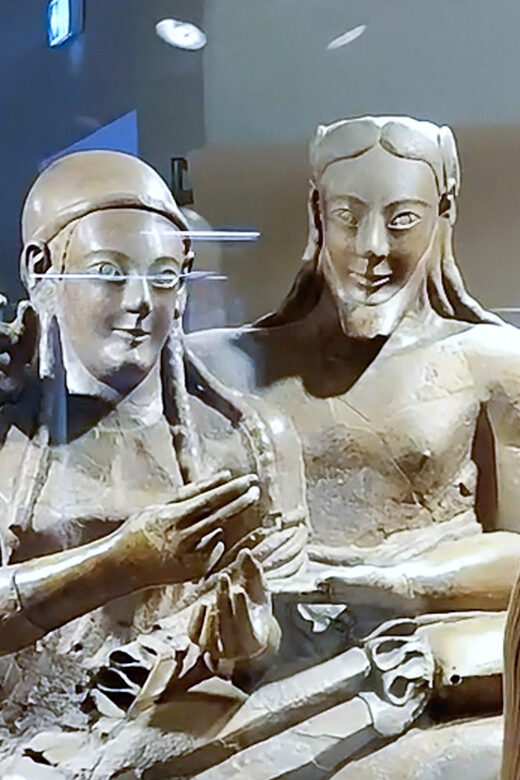
Rome is too big for one walking route, so the category system is the whole point. You can choose among areas that match the way you actually like to travel.
Here are the main categories you can select from:
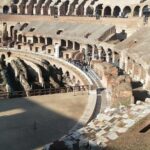
- Archeological Sites (for the big outdoor ruins and history-heavy stops)
- Museums (for the moments where context makes the art land better)
- Churches (because Rome’s religious art needs a little guide-time)
- Popular Masterpieces (good for first-timers who want the famous works with meaning)
- Squares and Fountains (short video breaks for the places you’ll actually pause at)
- Open-Air Landmarks
- Vatican Museums
- St. Peter’s Basilica
- Parks
- Districts
- Extra sections like Anecdotes, Typical Recipes, and Italian Expressions
What I find smart here is how the content isn’t only “what you’re looking at.” It also aims to explain what you’re seeing and why it matters, so you don’t end up staring at stone and hoping it turns into understanding by sheer willpower.
The Vatican content is a good example of how the guides can reduce overwhelm. If you’re planning Vatican Museums, you’re not forced into a single all-or-nothing approach. There are general Vatican Museum videos plus focused videos for the Sistine Chapel and the Rooms of Raphael. That structure helps because those are the places where people often feel rushed or under-informed.
You’re also covered beyond museums. The Church category, plus “Popular Masterpieces,” is a way to connect the religious art you’ll see in daily life—often for free, often just a few steps from where you’re already walking—with a bit of interpretation.
Getting bearings in Rome using the map and hand-drawn guide
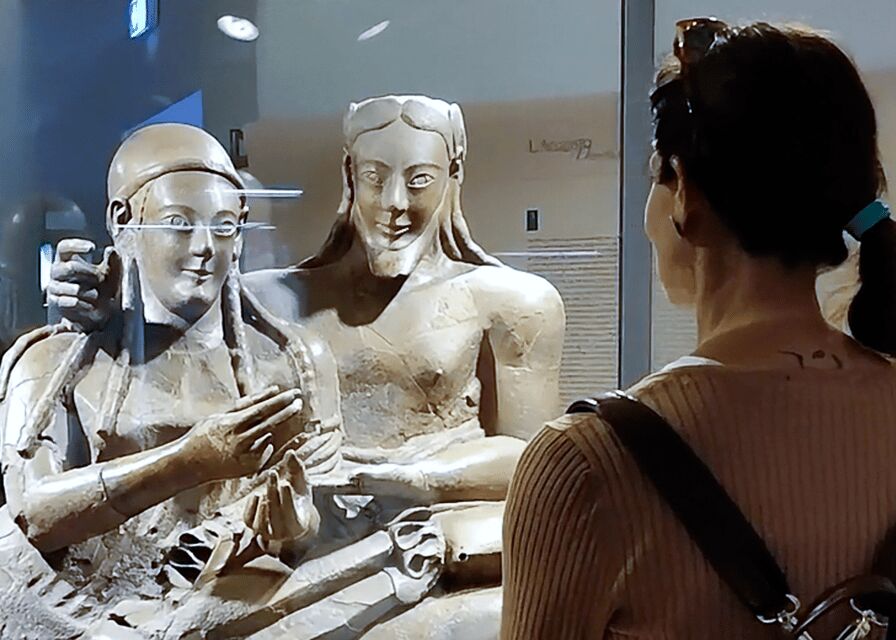
One of the best parts of this setup is that it’s not purely theoretical. You’re not expected to wander blindly and hope you stumble into the matching video.
The experience includes a map view where you can see the nearest point of interest to you. That feature is practical on day one, when Rome can feel like a maze of streets and your brain is still syncing to the city.
It also includes a hand-drawn map you can pick up. That’s a small detail, but it can be useful. In Rome, a simple paper map helps you understand distance and direction without constantly staring at a phone. It also gives you something you can glance at while you’re deciding where to walk next.
In real terms, here’s how I’d use it:
- Start with one category you care about most for that day.
- Walk until you hit a stop that looks important.
- Use the map’s nearest point of interest feature to select the corresponding short video.
- Watch, take notes in your head, then keep moving.
That rhythm keeps the day from becoming either a frantic monument checklist or a long museum binge. You get context when you need it, then you get back to enjoying the street life.
Food and drink tips that match where you are
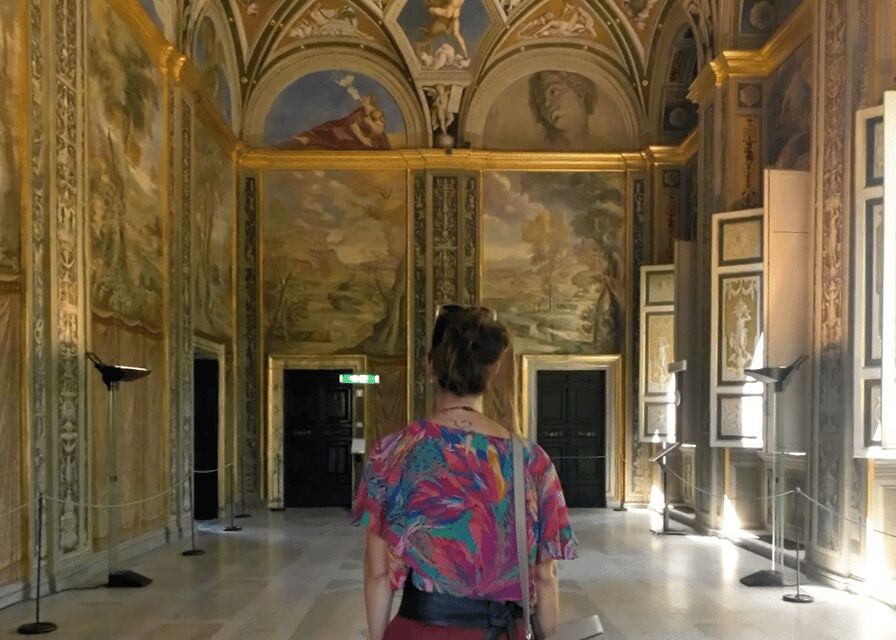
If you’re the type who wants to eat well without turning every meal into a planning project, you’ll like how the guide handles food.
Food and drink tips are included for the selected area. The experience also points you toward typical recipes and Italian expressions, which is handy if you want to understand what’s on the menu and not just order by guesswork.
Why this matters: Rome food isn’t one-size-fits-all. The city has pockets of tradition, tourist-heavy zones, and neighborhoods where the best choices are less about trendy spots and more about routines—what people order often, what’s seasonal, and what a place does well.
So instead of getting generic advice, you can pair your sightseeing moment with a realistic food plan. You can use a video stop as a cue: after you learn about a neighborhood or square, you already have a starting point for what to look for nearby.
It’s also a good way to avoid the common trap of spending your energy on monuments but still eating like it’s day two of a road trip. With this, learning and eating move together.
Vatican Museums made easier: short previews before you go
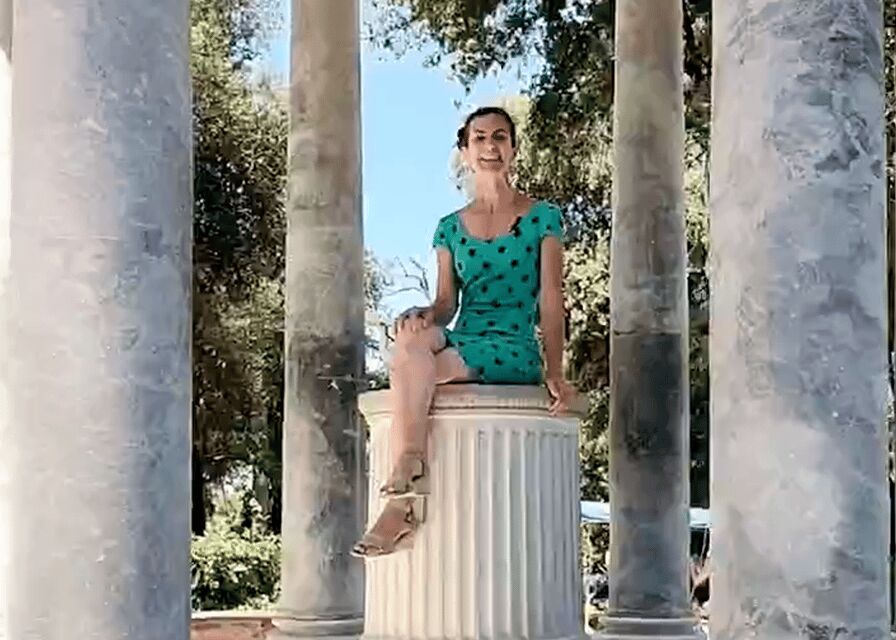
The Vatican can feel like a wall of art. Even if you’re excited, you can also end up feeling lost, like you’re spending hours chasing names you didn’t know ten minutes ago.
The guide’s structure helps because it supports previewing. You can watch videos tied to Vatican Museums content and then decide how much time to give each area. And because there are specific videos for the Sistine Chapel and the Rooms of Raphael, you can focus on the parts that matter most to you.
A smart approach is to treat these videos like a fast orientation:
- Watch the relevant Vatican video before you enter.
- Identify a couple of goals you want to notice.
- When you’re inside, you’ll recognize themes and artistic ideas instead of only seeing crowds.
That alone can save you time and frustration. You’ll also be able to make better choices if you decide you want to spend longer somewhere, or if your energy level drops sooner than expected.






Price and value: why $11 for up to 4 can make sense
At around $11 per group up to 4, this is priced like a single coffee date, not a full guided tour. The value comes from the sheer number of learning options: you get more than 50 video guides plus food and drink suggestions, cultural notes, and language snippets, all included under one unlock.
Here’s how to think about value in a practical way:
- If you’re visiting Rome for only a few days, a traditional guided tour might cost a lot more for a single fixed route.
- With this format, you can stretch the value across your trip by using the videos in small chunks throughout multiple neighborhoods.
- If you’re with up to three friends or family members, the group price makes even more sense.
Now, it’s also important to be honest about what’s not included. Entrance tickets are never included, so you still need to pay for museum entry if you want to go inside. This guide works best as your learning tool, not as a ticket substitute.
There’s also the “internet reality” factor. If your connection is weak, you might spend more time troubleshooting than watching. If you’ve got reliable access on your phone, this price is a steal.
Where you pick up the hand-drawn map near Circus Maximus
You don’t have to meet a guide inside a landmark. You get a map in person.
The meeting point for the hand-drawn map is at a fruit stand near the entrance of The Circus Maximus Experience. Use the directions in Google Maps so you can locate it quickly.
This matters because it gives you something tangible at the start. You can grab the map, then immediately start matching the neighborhood you’re walking through with the right category and video.
If you’re the type who likes starting your first day with momentum, this is a good early stop. It also keeps you from arriving in Rome with only a phone plan and no quick visual reference.
Practical timing: how to use the 3–12 minute videos without slowing down

Short videos are only useful if they fit your walking rhythm. Here’s how to do that.
When you arrive at a stop:
- Take one minute to look around.
- Start the video and let it frame what you’re about to notice.
- Watch fully if you’re curious, or stop after the key points if you want to keep moving.
Because the videos are designed to be 3 to 12 minutes, you can keep your pace. That’s especially helpful for busy areas like squares and major churches where you might not want to sit down for long.
On a hot day, this is also a win. You can find shade, watch one video, then head out again. On a rainy day, you can plan indoors by picking a category like Museums or Vatican Museums and work through clips until the weather clears.
Who this Rome video guide is best for
This fits best if you:
- Want a strong overview without being forced into a daily schedule
- Like flexible sightseeing, where you can choose what to watch next
- Prefer short learning bursts instead of long guided lectures
- Plan to visit both outdoor highlights and indoor sites like churches and Vatican areas
- Enjoy food planning tied to place, not just generic restaurant lists
- Want a practical gift for someone planning Rome (the digital format makes gifting easy)
It’s less ideal if you:
- Don’t like using your phone for navigation and video playback
- Expect a live guide to answer questions in real time
- Want tickets included in the price
For many first-timers, it hits a nice middle ground: you get the learning support that makes monuments meaningful, without the pressure of following a fixed group plan.
Should you book this Rome video guide?
I’d book it if you want an easy, low-cost way to add understanding to your Rome days. The combination of 50+ English videos, the short 3–12 minute format, and the practical map support is exactly what you need when Rome feels overwhelming. The Vatican structure, including specific content for the Sistine Chapel and the Rooms of Raphael, is a real bonus if you’re planning those stops.
I’d hesitate only if you’re worried about internet access, or if you expect entrance tickets to be part of the package. If you’ve got data and you’re good paying for museum entry separately, this is one of the smarter ways to turn sightseeing time into actual comprehension.
FAQ
FAQ
Is the Rome video guide available in English?
Yes. The videos are in English.
How long do the videos last?
Each video lasts between 3 and 12 minutes.
How long do I have access to the guide?
Access is valid for 365 days from the first activation.
Are entrance tickets included?
No. Entrance tickets are never included.
What do I need to use the guide?
You need internet access.
Where do I pick up the hand-drawn map?
You can get the hand-drawn map at the fruit stand near the entrance of The Circus Maximus Experience, following Google Maps directions.