REVIEW · ROME
Explore Christian Rome and the Underground of San Clemente
Book on GetYourGuide →Operated by Welcome Italy by Spare Tour S.r.l. · Bookable on GetYourGuide
Christian Rome has a way of turning your feet into a time machine. This small-group walk strings together a set of churches that share one big trick: you’re not just looking at Christian art on walls, you’re tracing it through rooms, levels, and even hidden layers beneath the streets. You’ll start in the Lateran area and work your way through the story of early Christianity, with stops that connect to Constantine and the world of martyrs and relics.
Two things I really like about this tour. First, the focus on the underground of San Clemente makes it feel fresh, not like another church-and-photo loop. Second, you spend real time at the landmarks that people actually travel to Rome for, including Michelangelo’s Moses in San Pietro in Vincoli and the Holy Stairs area near St. John in Lateran. One heads-up: the walking plus strict church dress rules can be annoying if you’re not prepared, and this tour isn’t suited to wheelchair users or mobility limits.
In This Review
- Key highlights worth your attention
- Christian Rome’s underground layers at San Clemente
- Getting started in the Lateran area: St. John Lateran and the Scala Santa
- St. Clement’s Basilica on three levels: what to look for below street level
- Constantine’s story at Santi Quattro Coronati and the fresco discovery
- Michelangelo’s Moses in San Pietro in Vincoli: the sculpture you came for
- How the 3-hour pacing actually works for you
- Group-tour value: why the guide matters here
- What to wear and bring (so you don’t waste time)
- Who should book this Christian Rome walk
- Should you book it
- FAQ
- FAQ
- What is the duration of the tour?
- Where do I meet the guide?
- What are the main stops on the route?
- Does the tour include the Holy Stairs?
- Is the tour indoors and underground?
- Do I need special clothing to enter the basilicas?
- What should I bring?
- Is the tour offered in multiple languages?
- Is this tour wheelchair accessible?
Key highlights worth your attention
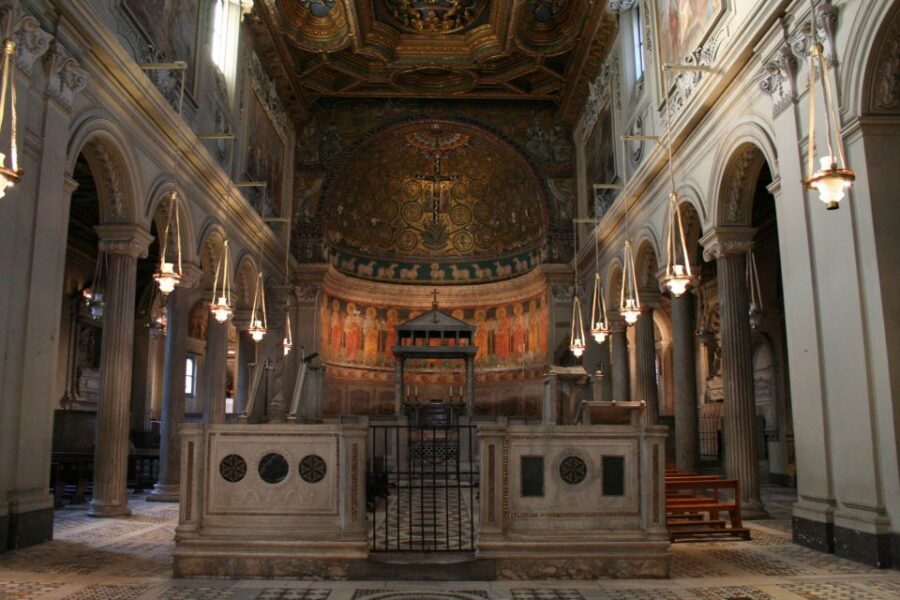
- San Clemente’s three levels: Christianity layered over earlier Roman world finds, including the Mithras altar
- Scala Santa area near St. John Lateran: the Holy Stairs story tied to the papal heart of Rome
- Constantine’s thread at Santi Quattro Coronati: connect names, legends, and the early Christian shift
- Santo Stefano-like fresco discoveries: Zodiac, Four Seasons, Liberal Arts, and King Solomon imagery surfaced in 2002
- Michelangelo’s Moses in San Pietro in Vincoli: why this sculpture still gets studied and debated
Christian Rome’s underground layers at San Clemente
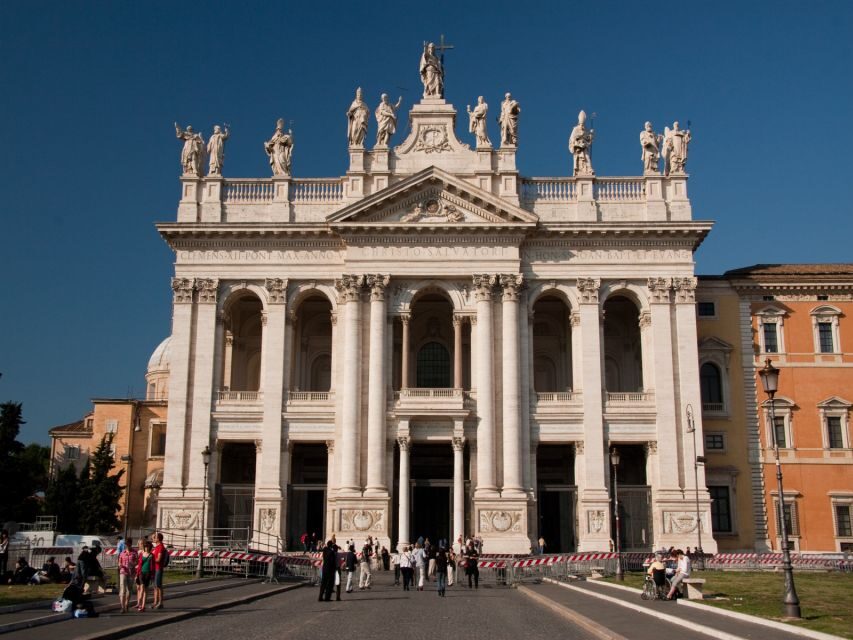
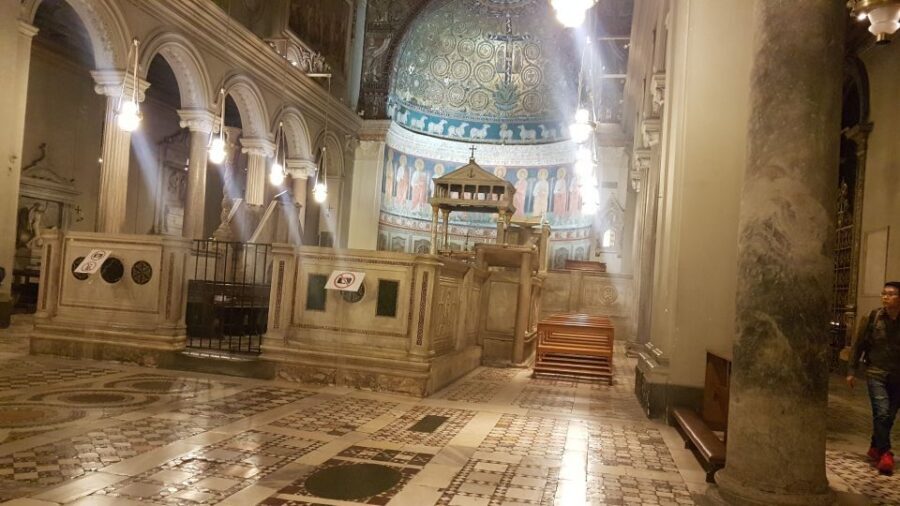
The best moment on this whole experience is the time you spend at San Clemente, because it changes how you think about Rome. The basilica is built on three different levels, from the first centuries through the Middle Ages. That means you’re not only seeing Christian worship spaces—you’re moving through the physical record of how the city changed, rebuilt, and re-used older structures.
The underground portion is the big payoff. You’ll explore rooms below the main church level, and you’ll hear what those layers were used for as Rome’s religious and political world shifted. One standout detail is the presence of an altar connected to Mithras from the first century. It’s a reminder that early Christianity didn’t appear out of nowhere; it took shape in a city already thick with other beliefs and rituals.
Practical note: underground areas can feel cooler and darker than street level, so it’s smart to wear something comfortable and camera-ready. Also, because you’ll be walking and standing a lot, this is a “good shoes” tour in the real sense, not a marketing slogan.
You can also read our reviews of more tours and experiences in Rome.



Getting started in the Lateran area: St. John Lateran and the Scala Santa
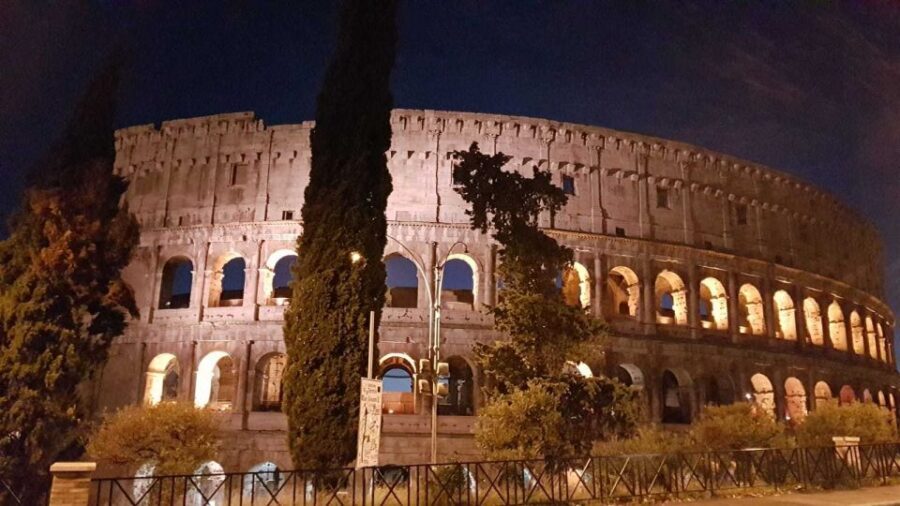
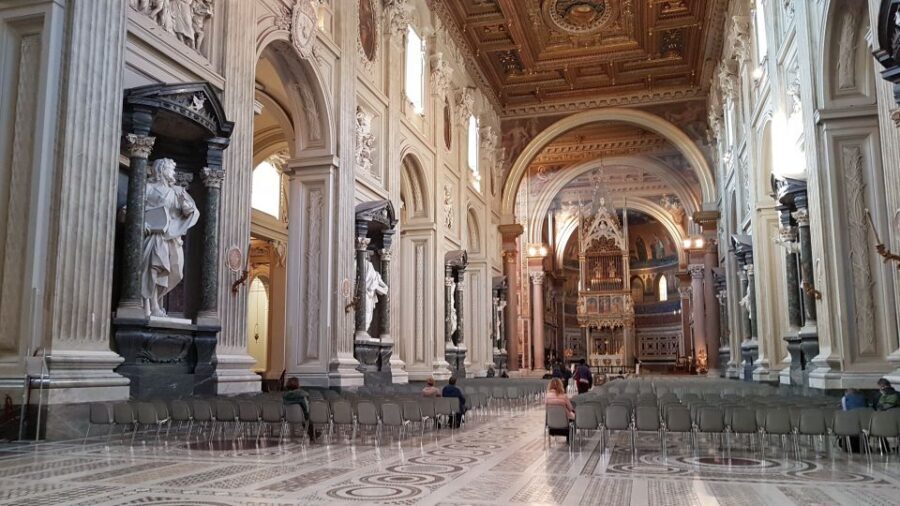
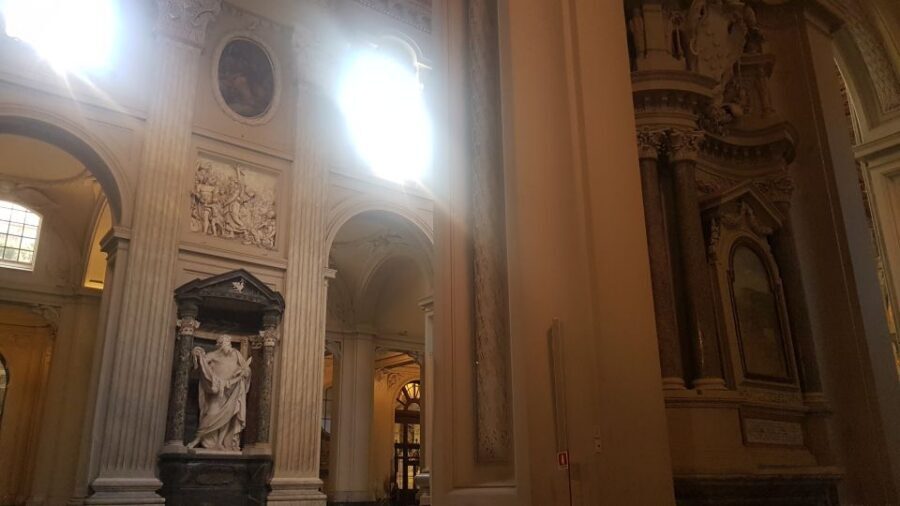
You meet at Laterano Caffè, then the tour heads into the Lateran zone, the papal neighborhood that historically mattered even before the Vatican became the main stage. St. John Lateran Basilica is a key stop because it’s often described as the main church of Rome—the kind of place that anchors the city’s religious identity.
Expect a guided visit and a bit of walking (about 30 minutes here, depending on timing). You’ll get the basics you actually need to understand what you’re seeing: why the Lateran matters, how the papal seat fits into the story, and how the basilica functions as a hub rather than just a pretty monument.
Nearby is the area of the Scala Santa, also known as the Holy Stairs. The tour includes time to experience the story tied to them, and this is where legends and devotion intersect with architecture. Even if you already know the famous name, you’ll likely come away with better context for what people believed the stairs represented and why the site remained meaningful.
If you’re sensitive to crowds, this is one of those moments where having a guide helps you move with purpose instead of drifting.
St. Clement’s Basilica on three levels: what to look for below street level
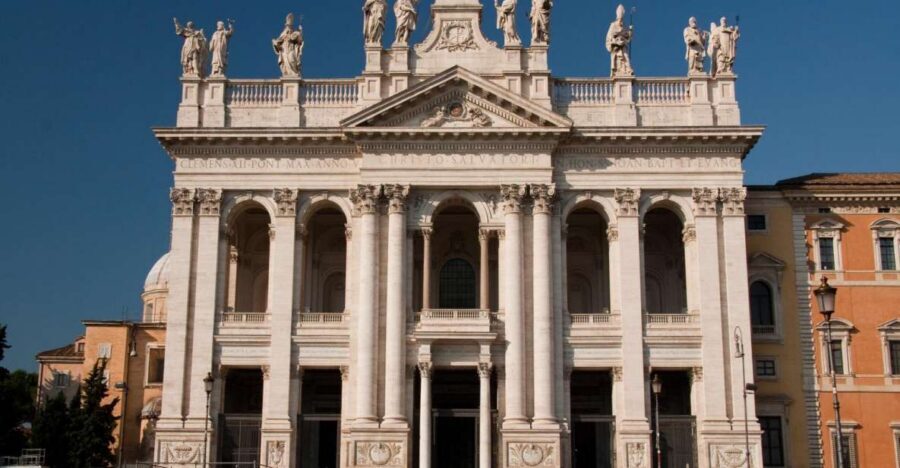
San Clemente is the stop that makes this tour different from a standard church checklist. The main church is impressive, but the real value is the underground exploration that follows.
In the underground floors, you’ll see how space and meaning changed over centuries. The guide’s job here is crucial: without the explanation, it can be easy to think you’re just touring a basement. With the narrative, it becomes a timeline you can walk through. The experience also connects Christian themes to earlier Roman contexts, especially with the Mithras-related altar detail.
The tour gives you about 1.5 hours at San Clemente, which is long enough to actually notice things. You’re not rushed through; you’re shown where to focus, and you have time to look up, look around, and soak in the strange feeling of standing in a place where multiple time periods overlap.
The main drawback? It’s still a basilica visit with rules. You’ll need to dress correctly to enter. Shorts, miniskirts, and uncovered shoulders aren’t allowed. If you’re coming from a hot day, plan for a lightweight layer that covers your shoulders and knees. Think “church-ready” rather than “street-fashion.”
Constantine’s story at Santi Quattro Coronati and the fresco discovery
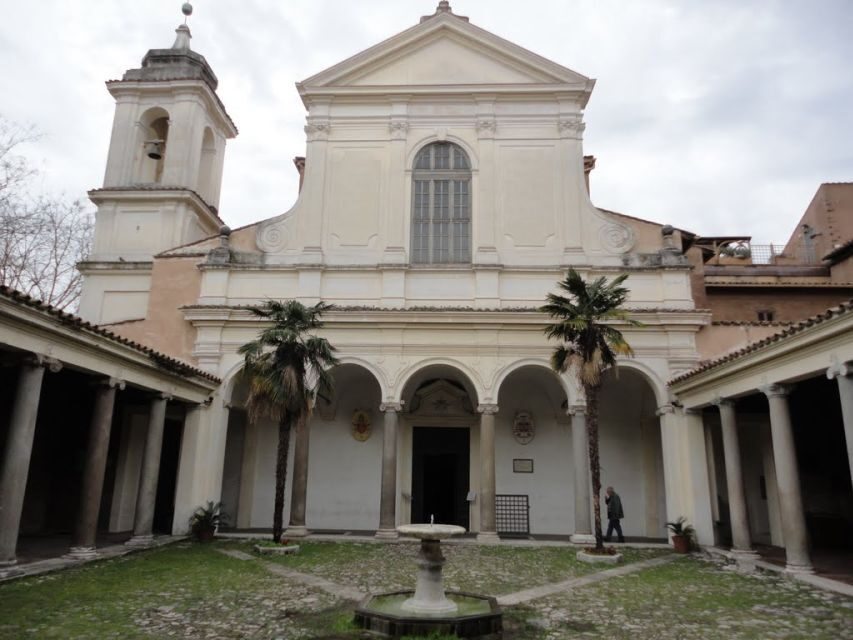
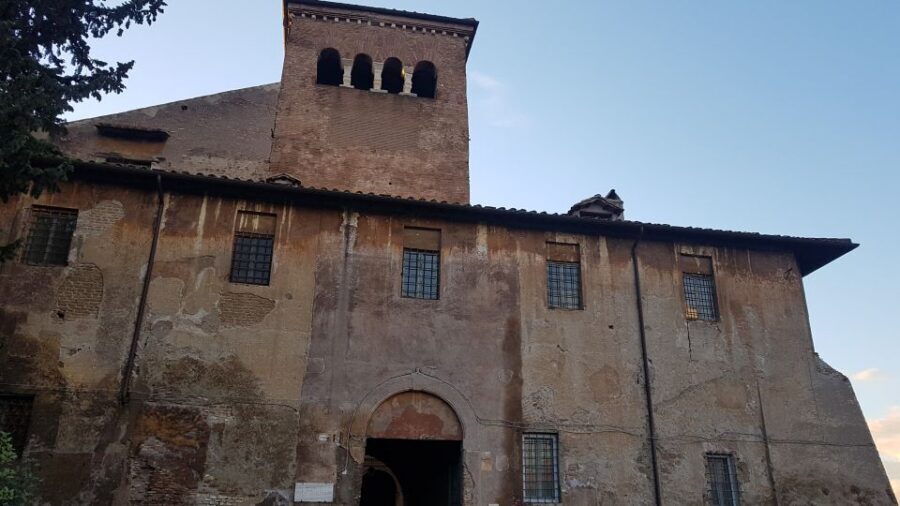
After San Clemente, you’ll move to Santi Quattro Coronati, a short stop that works like a bridge. The point here is story. The guide follows the thread of Emperor Constantine and ties it to the setting, so you’re not just collecting church names—you’re building a mental map of how authority, faith, and martyr traditions got woven into Rome’s identity.
The visit is brief (around 15 minutes), so this isn’t the place to expect long explanations of every artifact. Instead, it’s a targeted pause—time to anchor the next stop, and time to connect clues the tour has been building.
One of the most interesting pieces of information connected to this church is the discovery of an extraordinary fresco set in 2002. The scenes include the Zodiac, Four Seasons, Liberal Arts, and imagery tied to King Solomon. The fact that these fresco scenes were uncovered rather than obvious from day one is part of the thrill of underground-and-hidden Rome: you’re reminded that even in a city as famous as this, surprises still surface.
If you love art history, you’ll want to pay attention to what the guide says about symbolism. If you just want the big picture, you’ll still leave knowing why the church’s art matters.
Michelangelo’s Moses in San Pietro in Vincoli: the sculpture you came for
The final church stop is San Pietro in Vincoli, famous for one reason that’s easy to remember: Michelangelo’s Moses. This sculpture is connected to the tomb of Pope Julius II, and it’s the kind of artwork that makes people stop talking and just look—especially if you’re standing where the full scale becomes clear.
Your visit here is short (about 15 minutes), but it’s structured so you can get the key idea: why Michelangelo’s Moses mattered, why it’s treated as an important work, and why the church is worth squeezing into a tight schedule.
There’s also a practical tradition connected to the basilica’s name: the chains said to be brought to Rome by Helene, Constantine’s mother. That story adds meaning to the space, even if your main goal is Michelangelo.
This is also a moment where clothing rules still apply. If you’re already dressed correctly for the earlier basilicas, you’ll be fine. If not, you’ll feel the scramble.



How the 3-hour pacing actually works for you
Let’s be honest: 3 hours in Rome can either feel too short or exactly right. This tour lands in the exact-right category if you want Christian Rome without turning your day into a full marathon.
You’re doing a steady walking rhythm:
- St. John Lateran as the opener (about 30 minutes)
- San Clemente as the heavy hitter (about 1.5 hours, including underground)
- Santi Quattro Coronati for the story-bridge (about 15 minutes)
- San Pietro in Vincoli to finish on Moses (about 15 minutes)
That structure matters. It keeps the experience from turning into a blur. It also means you’re spending the most time where the experience is most distinctive: San Clemente’s multiple layers.
Two other practical notes that help you enjoy the tour.
First, it runs rain or shine, so you’ll want a packable jacket or poncho. Second, entrance rules mean you should plan what you wear in advance. Rome basilicas are strict about coverage, and it’s not the moment to improvise with a scarf you don’t have.
You’ll also want to keep your bag situation simple. Large bags and luggage aren’t allowed, so travel light if you can.
Group-tour value: why the guide matters here
The best tours aren’t just a list of stops. They’re a guided way to turn confusing places into understandable stories.
The guide experience on this tour is a major part of the value. One guide style that stands out from the ones associated with the tour is a more academic, storytelling approach. For example, some guides bring an archaeologist’s perspective, which makes the San Clemente underground feel more like evidence than atmosphere. Another strong point is a straightforward teaching style—sharing information without turning it into performance.
And because you’re covering sacred sites tied to emperors, relic traditions, and discovered art, you need an interpreter to connect the dots. The guide helps you understand not only what you’re seeing but why each place got tied to the next chapter of the Christian story.
There’s also a logistics win: skip the ticket line is included for San Clemente entry. In a city where queues can swallow time, that alone helps you actually enjoy the schedule.
What to wear and bring (so you don’t waste time)
This is where you can make or break the experience.
Wear:
- Comfortable shoes with real grip
- A top that covers shoulders
- Bottoms that aren’t shorts or miniskirts
If you’re visiting in warm weather, choose light fabric that still covers. A thin layer over your shoulders can be a lifesaver.
Bring:
- A camera (or phone with enough storage)
- Sunglasses for the street segments
- Anything you need to stay comfortable while standing and walking
Don’t bring:
- Luggage or large bags
Also, this tour is not suitable for people with mobility impairments or wheelchair users. If that’s you, it’s worth looking for an alternative format that matches your pace.
Who should book this Christian Rome walk
You’ll love this tour if you:
- Want Christian Rome that feels different from the usual biggest-name stops
- Like churches with visible layers, especially San Clemente’s underground
- Care about the connection between early Christianity, imperial history, and art
- Have limited time and want a smart half-day plan
You might want to choose something else if you:
- Need full wheelchair access or very limited walking
- Hate dress rules at religious sites
- Only want the absolute biggest monuments and aren’t interested in underground context
Should you book it
Yes—if your ideal Rome day includes a mix of story + physical layers + key art. The underground focus at San Clemente is the main reason to book, and it’s the part that tends to make people feel like they learned something real instead of just taking photos.
If you’re prepared with the right clothing and you’re comfortable walking for about 3 hours, this is strong value for the money because you’re not only paying for access—you’re paying for a guide to make the connections click. If you’re not, the rules and pace will feel like friction instead of fun.
FAQ
FAQ
What is the duration of the tour?
The tour lasts about 3 hours.
Where do I meet the guide?
You meet at Laterano Caffè.
What are the main stops on the route?
The tour includes St. John Lateran Basilica, San Clemente al Laterano (including its underground), Santi Quattro Coronati, and San Pietro in Vincoli with the Moses sculpture.
Does the tour include the Holy Stairs?
Yes. The experience includes the Scala Santa area near St. John Lateran.
Is the tour indoors and underground?
Yes. San Clemente includes underground floors, in addition to visits in church spaces aboveground.
Do I need special clothing to enter the basilicas?
Yes. You’re not permitted to wear shorts or miniskirts, and your shoulders must be covered to enter the basilicas.
What should I bring?
Bring comfortable shoes, sunglasses, and a camera.
Is the tour offered in multiple languages?
Yes. The live guide is available in Spanish, English, and French.
Is this tour wheelchair accessible?
No. It is not suitable for wheelchair users or people with mobility impairments.