REVIEW · ROME
Rome: Vatican Museums & Sistine Chapel Tour with Fast Entry
Book on GetYourGuide →Operated by Art Ticket & Tour · Bookable on GetYourGuide
This tour is built for the clock. You get skip-the-line entry plus a guided route through the Vatican Museums, the Sistine Chapel, and the Raphael Rooms, so you’re not wandering for hours trying to figure out what matters most. The best part is how the guide connects the art to the bigger Vatican story, from sculpture-filled galleries to the shock of Michelangelo’s ceiling.
What I really liked is the guide-led pacing. Even big, famous rooms feel manageable because you stop where the art says something important, not just where the crowds point. I also love that you get a live guide with a headset, so you can keep moving without constantly craning your neck for every word.
One thing to consider: you only have about 2.5 hours, and the Vatican runs on strict timed rules. If you’re late or underdressed, you can lose time fast, and you may feel the tour move quicker than you’d like.
In This Review
- Key highlights I’d plan around
- Fast-Track Entry Meets a Real-Guide Plan
- Where You Meet and How You Avoid Losing Time
- Museo Pio Clementino: Starting With Big Names and Big Scale
- Gallery of Maps and the Art of Not Getting Lost
- Cortile del Belvedere and the Feeling of Vatican Space
- Gallery of the Candelabra: Details Worth Catching
- Cabinet of the Masks and the Surprise Side of Vatican Collections
- The Main Museum Walk: Art Context in About 50 Minutes
- Sistine Chapel: Where Looking Turns Into Understanding
- Raphael Rooms: Renaissance Lessons in Paint
- Ending Near St. Peter’s: What You Should Expect
- Dress Code, ID, and Other Rules That Affect Your Day
- Price and Value: Is $15.86 Worth It?
- Who This Vatican Tour Fits Best
- Should You Book This Vatican Fast-Entry Tour?
- FAQ
- Where is the meeting point for this tour?
- How long is the tour?
- Is entry to the Vatican Museums and Sistine Chapel included?
- What’s included in the tour besides the tickets?
- What should I wear to enter?
- Is St. Peter’s Basilica part of the tour?
- Do I need ID?
- Will I be admitted if I’m late?
- Is the tour wheelchair-friendly?
Key highlights I’d plan around
- Fast-track access helps you start seeing the good stuff right away
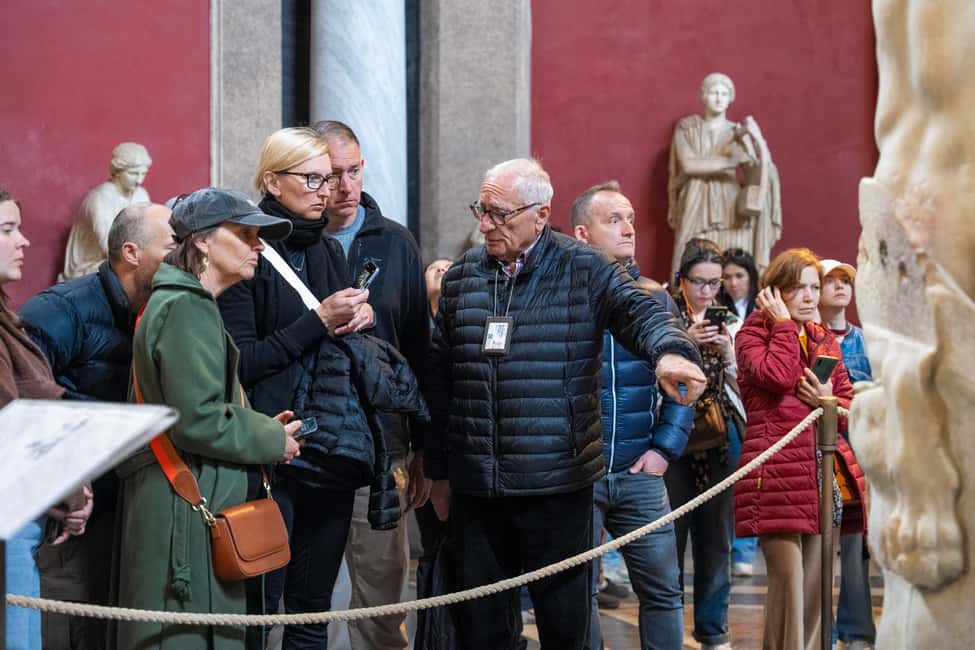
- Headsets make it easy to hear your guide while you walk
- Raphael Rooms bring Renaissance painting into sharper focus
- Sistine Chapel time with guidance helps you look instead of just stare
- Well-chosen stops like the Gallery of Maps, Candelabra, and Cabinet of Masks
Fast-Track Entry Meets a Real-Guide Plan
The Vatican is the kind of place that can swallow a day. With this tour, you’re not stuck in the ticket line first, and you’re not left to guess which rooms are worth the effort. The promise here is simple: get inside quickly, then use a guide to turn the collections into something you can actually follow.
You’ll be walking through a curated sequence of top museum areas: Museo Pio Clementino, the Gallery of Maps, Cortile del Belvedere, the Gallery of the Candelabra, the Cabinet of the Masks, then a broader museum stretch before you reach the Sistine Chapel. It’s a smart way to experience the Vatican at a human speed.
Most of the strongest praise is about the guides. Several names show up in the reviews, especially Maurizio, plus Andrea and Giuseppe. The common thread is how they explain what you’re seeing in plain language, often with humor and practical pointers about what to notice in Michelangelo’s work and the surrounding art.
You can also read our reviews of more tours and experiences in Rome.



Where You Meet and How You Avoid Losing Time
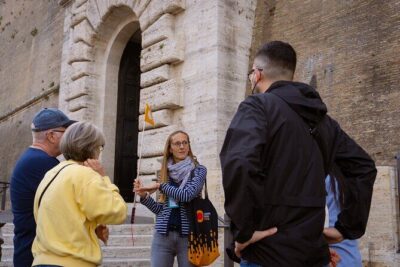
Check-in happens at an office at Via Vespasiano 71. From there, your group heads to the Vatican Museums. This start matters more than it sounds. Vatican security is real, lines happen, and timed entry is enforced.
The tour also includes headsets, which is a big deal in museums. Even when crowds thicken, you can keep your eyes on the artwork instead of hunting for your guide’s voice. You’ll want your passport or ID card ready for the security check.
Quick dress check tip: you must cover your knees and shoulders. That means no shorts, short skirts, or sleeveless tops. If you’re traveling in warmer months and you think you can “just make it work,” don’t gamble. The dress code is mandatory.
Museo Pio Clementino: Starting With Big Names and Big Scale
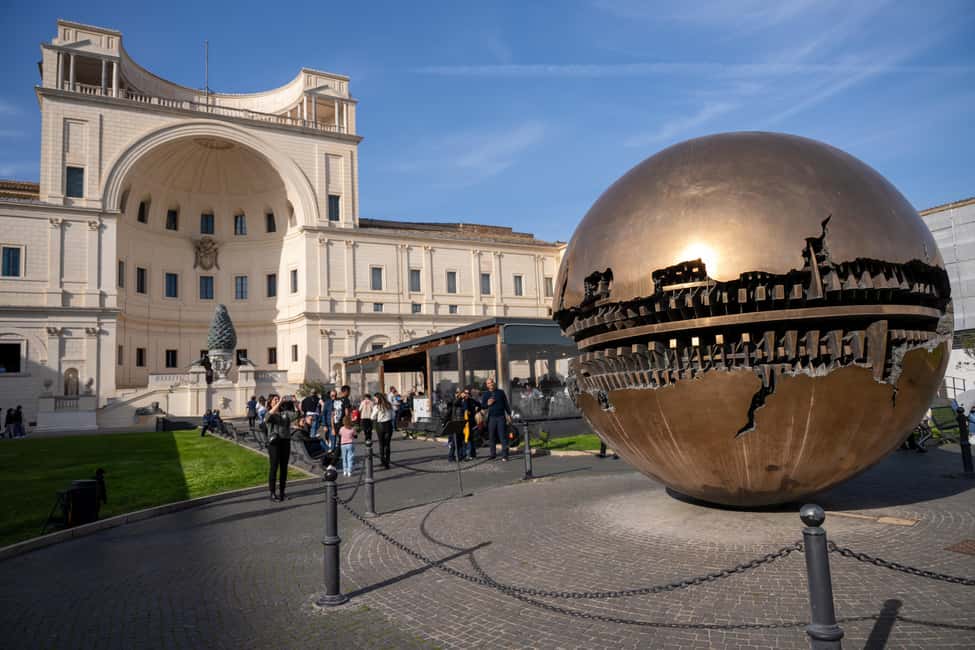
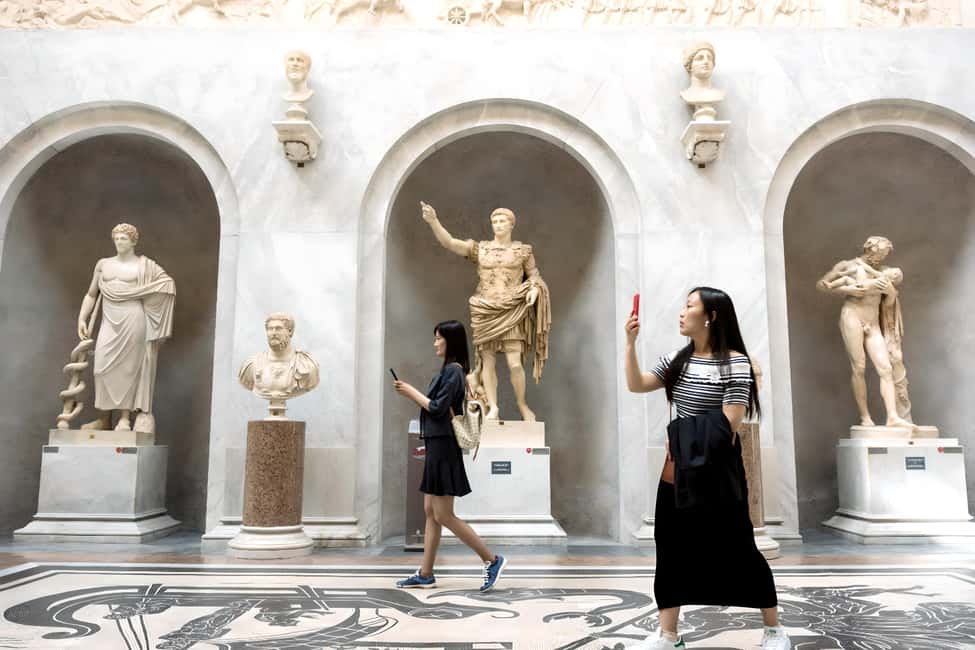
Your first museum stop is Museo Pio Clementino. This is where the Vatican flexes its collection strengths: sculptures, classical art, and layout designed for walking and looking.
You’ll get a brief photo stop and then guided viewing. Even if you don’t know Roman sculpture from your elbow, the guide helps you build context fast—what you’re seeing and why it mattered. In a museum this size, the first minutes set the tone. This stop helps you get oriented so later rooms feel less chaotic.
One practical benefit: early structure can keep you from feeling overwhelmed later. The Vatican Museums are a maze if you’re going solo. Having a path and stop points means you don’t constantly ask yourself, What am I supposed to see next?
Gallery of Maps and the Art of Not Getting Lost
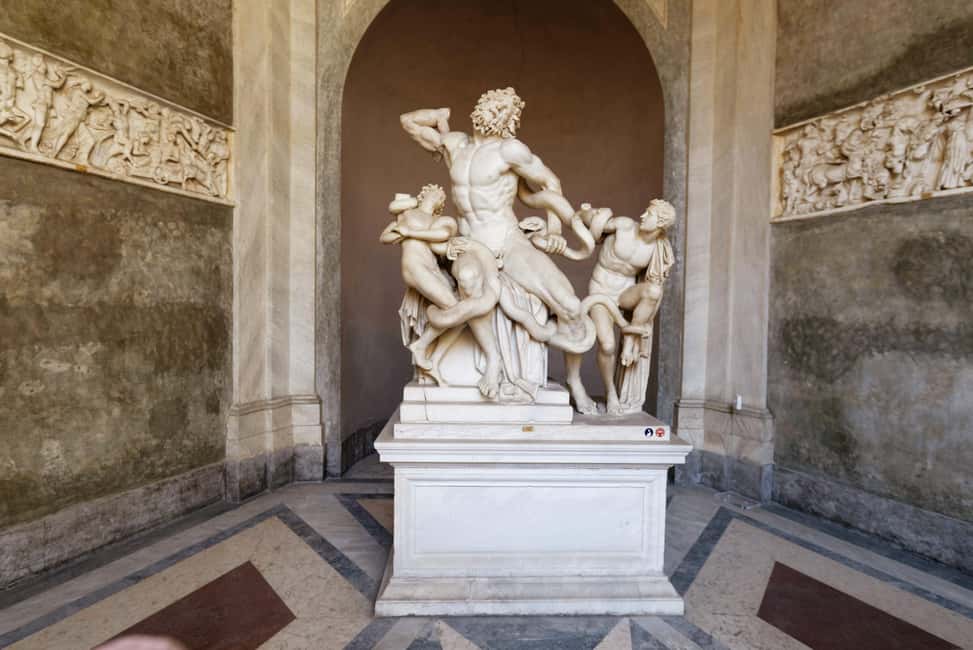
Next up is the Gallery of Maps. It’s a favorite because it feels different from the sculpture-heavy early mood. You’ll see a long, detailed visual display that tells a geographic story through art and design.
Expect a photo stop, then guided time. Your guide’s job here is to make the visuals readable—so you notice the details instead of just thinking, Maps, okay. This is one of those rooms where a good explanation changes everything. You start seeing how art used information, and how the Vatican presented the world it wanted to be understood.
If you’re the type who wants a “tour moment” before your feet get tired, this is a strong one. It’s a clear step forward in what the Vatican is showing you.
Cortile del Belvedere and the Feeling of Vatican Space
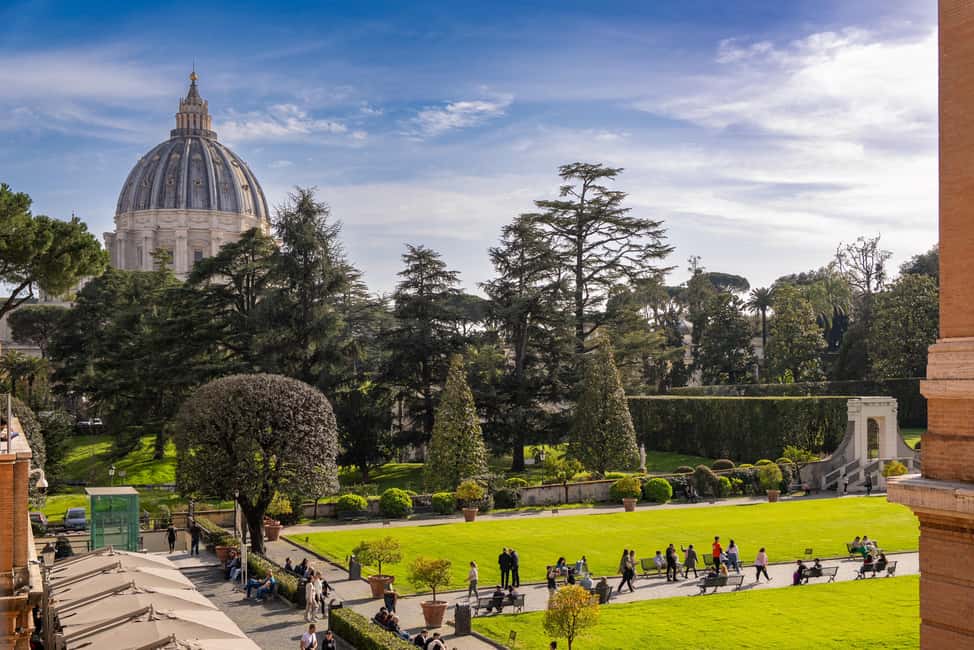
After the Maps, you step into Cortile del Belvedere. This is one of those spots that hits differently than a hall filled with framed art. The open courtyard gives your eyes a break and helps you understand how the Vatican’s spaces guide movement.
You’ll spend a short, guided period here. It’s the kind of stop that helps your brain reset before the next museum rooms and the big sensory shift of the Sistine Chapel.
Why this matters: the Sistine Chapel experience isn’t just about what you see. It’s also about arriving with a steadier pace and less mental overload. Courtyard breaks are one of the quiet reasons this tour feels smoother.



Gallery of the Candelabra: Details Worth Catching
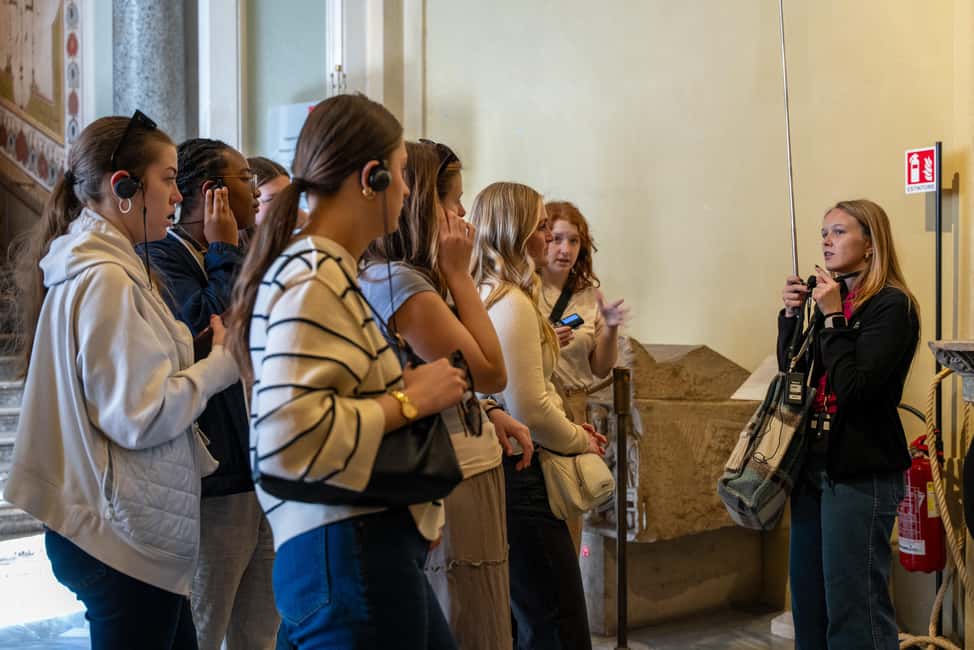
Then it’s the Gallery of the Candelabra. As the name suggests, it’s built around standout sculptural elements and repeated visual motifs. This is the sort of gallery where you might miss a lot if you’re just moving through it at speed.
You’ll have photo time and guided viewing. The guide helps you look in the right places, not everywhere at once. That’s a key difference between a guided tour and a self-guided sprint: you learn what matters in each room.
Also, because you’re on a timed plan, you don’t get stuck in one room so long that your next highlight slips away. This is a balancing act, and the itinerary respects it.
Cabinet of the Masks and the Surprise Side of Vatican Collections
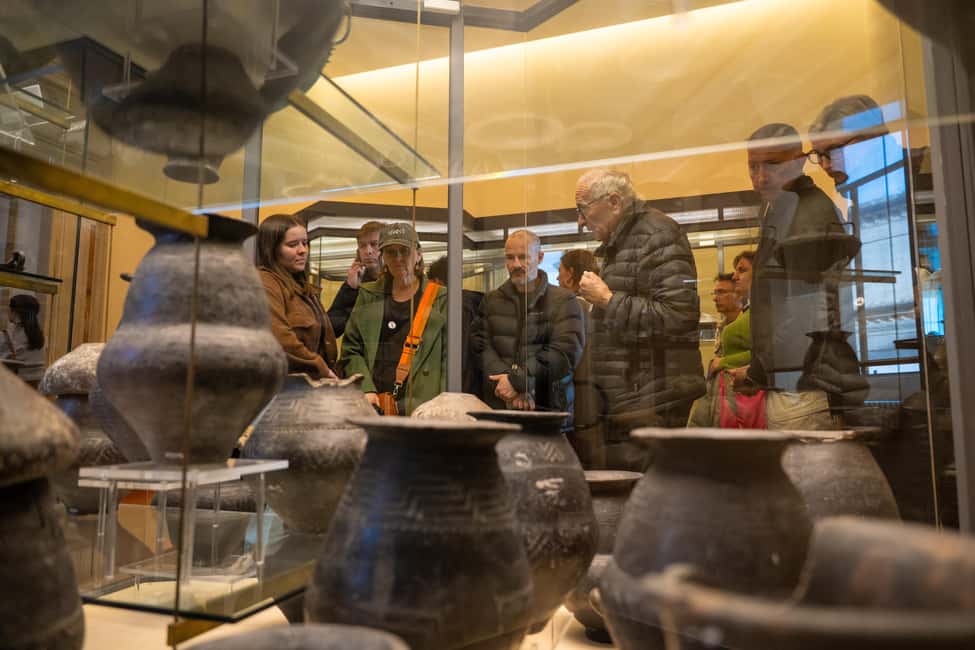
Next is the Cabinet of the Masks. This stop feels slightly unexpected compared to the typical grandeur people expect from the Vatican. That’s good. It breaks the monotony and shows a different angle on what the collection can include.
You’ll have a photo stop and short guided viewing. With the right explanation, a room like this becomes more than odd artifacts. It becomes about how the Vatican collected and displayed objects that connect to performance, symbolism, and cultural ideas behind the art.
I like this kind of stop for one reason: it makes the Vatican feel less like a single monument and more like a real institution with varied interests.
The Main Museum Walk: Art Context in About 50 Minutes
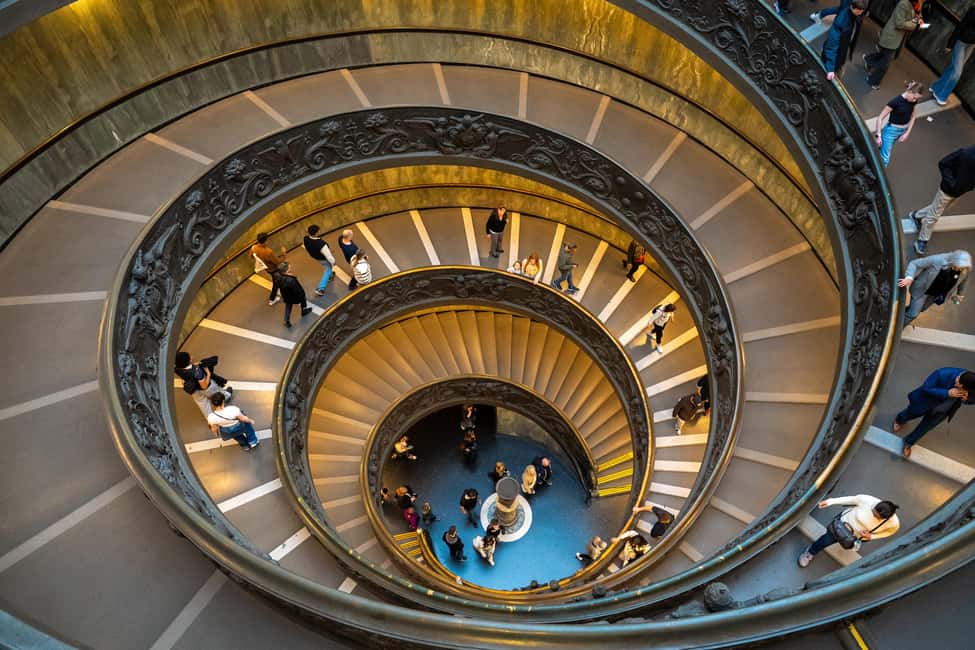
After the smaller, punchy stops, you move into a more general Vatican Museums section for about 50 minutes of guided time. This is where you can absorb the bigger connections across the collection.
One specific masterpiece mentioned in the tour description is The Deposition by Caravaggio. If it’s on your route (the exact sequencing can depend on museum flow and timed entry controls), it’s the kind of painting that benefits massively from a guide’s framing. Caravaggio’s drama isn’t only in the scene. It’s in the emotional direction your eyes follow.
This “main walk” portion is also where you’ll feel the tour’s pacing. Forty-five to fifty minutes can sound short, but for a first-time Vatican visit it’s a realistic chunk. You’ll leave with a sense of what you saw and why it matters, instead of just snapshots.
Sistine Chapel: Where Looking Turns Into Understanding
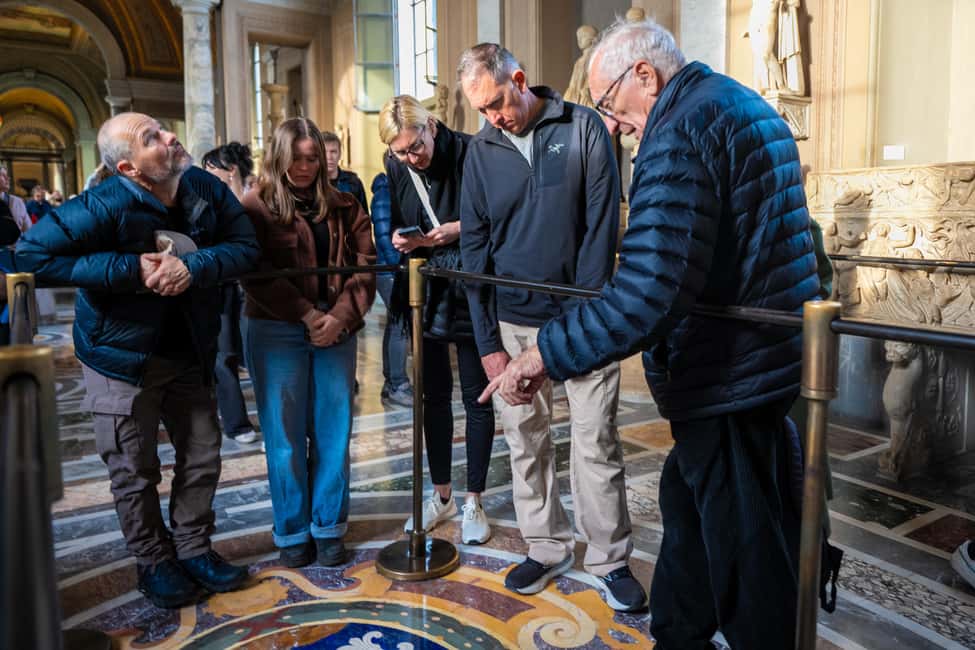
Then you reach the Sistine Chapel, with around 20 minutes for photo time and guided viewing. This is the moment most people come for, and it can be chaotic if you’re unprepared.
The tour focuses you on Michelangelo’s key ceiling works, including The Creation of Adam and The Last Judgment. The real value is how the guide teaches you how to look. You’re not only seeing famous figures. You’re learning about composition, symbolism, and why those scenes land with such force.
There’s a practical thing to know: the Sistine Chapel is not a place where you can treat the tour like background music. You’ll want to slow down here, even if you feel rushed. Your guide will likely point out things to notice, which helps you turn the time into something you remember.
Also, be aware that major religious events can affect access and timing. In at least one experience, the Sistine Chapel visit didn’t happen due to a conclave. That’s rare, but it’s a reminder that Vatican timing can change under real-world religious schedules.
Raphael Rooms: Renaissance Lessons in Paint
The Raphael Rooms are highlighted as part of the visit, and they’re a smart pairing with the Sistine Chapel. Michelangelo’s ceiling can feel like one massive emotional statement. Raphael’s rooms feel like a system: thought, theology, politics, and perspective working together.
Even though your total time in the overall tour is fixed, the guided approach helps you notice the difference. The Raphael Rooms aren’t just “pretty Renaissance paintings.” They’re teaching rooms in disguise, and your guide’s explanations make that easier to grasp.
If you’re traveling with people who get impatient with art museums, this is where you can win them over. The images are clearer, the ideas are more legible, and the visual storytelling lands fast when you have context.
Ending Near St. Peter’s: What You Should Expect
The tour finishes at the area of Basilica di San Pietro. But entry into St. Peter’s Basilica itself may not happen, because it can close without notice due to religious events. This tour description also states that St. Peter’s Basilica is not included.
In other words, treat the end point as location proximity, not guaranteed indoor entry. You might get views and a sense of place, but don’t plan your day like you will always step inside the basilica.
Dress Code, ID, and Other Rules That Affect Your Day
This is one of those tours where following the rules keeps you happy.
- You must cover knees and shoulders (mandatory).
- You’ll need a passport or ID card for security checks.
- Shorts, short skirts, and sleeveless shirts are not allowed.
- A valid photo ID is required at arrival.
The timing rules are also strict. Timed access to the Vatican Museums is regulated, and late arrivals may not be admitted. That means you should build extra buffer time when you’re commuting, even if you think you’ve got it under control.
One more real-world comfort factor: you’re not in a vehicle for most of the experience. Plan on walking. Bring comfortable shoes and expect museum-floor fatigue.
Price and Value: Is $15.86 Worth It?
At $15.86 per person, this is one of the better-value ways to see the Vatican’s top hits—especially because the tour includes skip-the-line entry, a professional guide, and headsets. The cost makes sense when you think about what you’re buying: time saved and interpretation delivered.
Without a guide, the Vatican Museums can feel like a blur. Even with a map, you can spend hours trying to decide what to do next, and you still won’t get the “why” behind the scenes. With a guide and headsets, you start learning immediately and you’re more likely to leave with a coherent sense of what mattered.
Is it expensive if you only care about standing under Michelangelo for a few minutes? Not really, but you’ll likely wonder why you didn’t just buy basic tickets and go. If you care about understanding what you’re seeing and how to move efficiently, the price feels like a bargain.
The only downside is that you can’t slow the tour down. At 2.5 hours, you get the highlights, not the full museum experience. If you’re a museum linger-er, you’ll likely want to add extra time after the tour.
Who This Vatican Tour Fits Best
I think this tour is a strong match if you:
- are visiting the Vatican for the first time and want the top experiences without getting lost
- like art explanations in plain language, with story and context
- want clear audio via headsets and a small-group pace
- prefer a guided approach so you can see more than you would on your own
It’s also a good fit for families, especially if the guide can engage kids through storytelling and what to look for. Multiple reviews praised how guides kept children interested and made the chapel ceiling easier to understand.
If you need wheelchair access, note that this activity is not suitable for wheelchair users.
Should You Book This Vatican Fast-Entry Tour?
Yes, if your goal is to make smart use of limited time and you want the Vatican Museums and Sistine Chapel with guided context. The combination of skip-the-line entry, a professional guide, and headsets is exactly what turns a crowded, intimidating museum day into something you can actually enjoy.
I’d say book it especially if you’re the type who would otherwise hit the Vatican and then spend the rest of the trip wishing you’d known what to look for. With this tour, you start looking the right way from the first rooms onward—and that’s the difference between seeing art and understanding it.
FAQ
Where is the meeting point for this tour?
Check in is at the office at Via Vespasiano 71. From there, you depart with your group toward the Vatican Museums.
How long is the tour?
The duration is about 2.5 hours. Starting times vary, so you’ll need to check availability.
Is entry to the Vatican Museums and Sistine Chapel included?
Yes. The tour includes Vatican Museums and Sistine Chapel skip-the-line entry and guided visits.
What’s included in the tour besides the tickets?
You get a professional live guide, headsets to hear your guide, and free Wi-Fi at the meeting point.
What should I wear to enter?
You must follow a strict dress code: knees and shoulders must be covered. Shorts, short skirts, and sleeveless shirts are not allowed.
Is St. Peter’s Basilica part of the tour?
St. Peter’s Basilica is not included in the tour. The tour ends at the Basilica di San Pietro area, but access may be affected by religious events.
Do I need ID?
Yes. Bring a passport or ID card, and a valid photo ID is required for security checks.
Will I be admitted if I’m late?
Access is strictly regulated by timed tickets. Late arrivals may not be admitted, so arrive early.
Is the tour wheelchair-friendly?
No. This activity is not suitable for wheelchair users.