REVIEW · PRIVATE
Rome: Caracalla Baths & Circus Maximus — Private or Shared
Book on GetYourGuide →Operated by Touriks · Bookable on GetYourGuide
Two Roman icons, one guided flow.
I like how the Caracalla Baths keep feeling big even in ruins, especially the way the guide turns engineering into everyday Roman life. I also like the pacing: you go from steaming-bath culture to the largest games arena in a tight 1.5-hour format. The one drawback to plan for is that Circus Maximus has limited original fabric left, so the second half leans more on storytelling and imagination than on standing in towering remains.
In a small group (up to 10), you’ll meet your guide near the Circo Massimo metro stop, get sterilized headsets to hear clearly, and cover both sites without wasting time. This is a good fit if you want Roman leisure explained in plain language and you’re okay with a shorter, express visit rather than a slow, deep wander.
In This Review
- Key things I’d watch for
- Caracalla and Circus Maximus: why this pair works
- Getting to the tour: meeting point and what to bring
- Caracalla Baths: the spa walk that feels like a 3rd-century schedule
- Underfloor heating and mosaics: the details that make it click
- Circus Maximus: where you’ll picture the crowd, not just the stones
- Price and value for 90 minutes in Rome
- Should you book this Caracalla & Circus Maximus tour?
- FAQ
- How long is the Rome Caracalla Baths and Circus Maximus tour?
- What is included in the $77 per person price?
- Where do I meet the guide?
- Is the tour wheelchair accessible?
- Are pets or large bags allowed inside the monuments?
- Which languages are offered?
Key things I’d watch for
- Caracalla Baths in one hour: best-preserved ruins plus a guided walk through the spa layout
- Engineering explained: underfloor heating and how rooms kept their temperatures
- Mosaics and room details: geometric motifs across the complex
- Circus Maximus storytelling: where chariot races and Ludi celebrations once happened
- Small group focus: max 10 participants, plus you can ask questions
- Good listening setup: sterilized headsets and skip-the-ticket-line entry
Caracalla and Circus Maximus: why this pair works
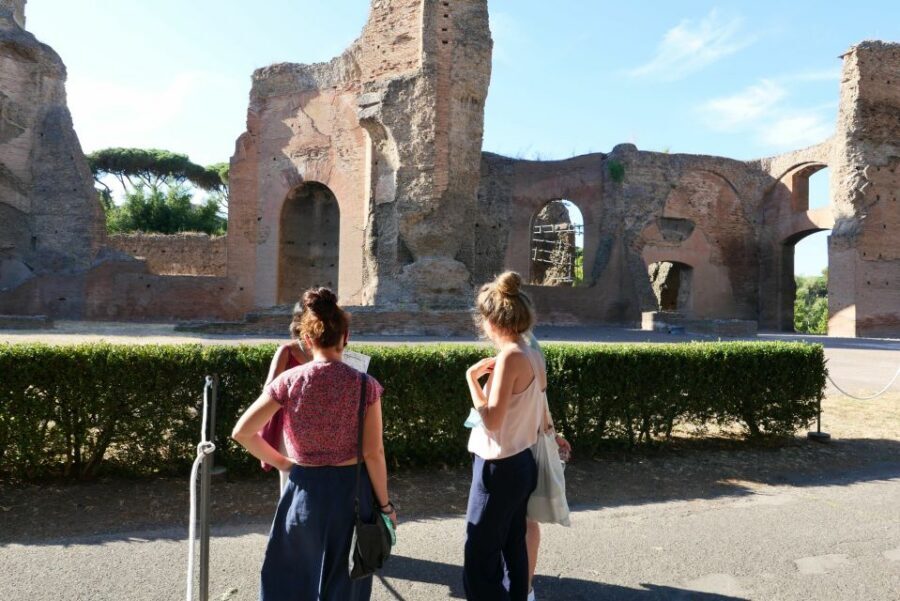
This tour makes smart sense because it links two forms of Roman leisure that people actually did. At Caracalla, the focus is the body and the mind: baths weren’t just for washing. They were social spaces, places to talk, recover, and show off imperial power through architecture.
Then you shift to the Circus Maximus world of public spectacle. Chariots, crowds, noise, and multi-day celebrations (the Ludi) are the point, even if what’s physically visible today is mostly ground level and foundations. When you walk from one idea of leisure to the other, Rome stops feeling like a pile of monuments and starts feeling like a daily routine.
Another quiet win: this route saves energy. You’re in the wider Colosseum area, but you’re not stuck in the same kind of heavy foot traffic. Caracalla can feel calmer, with a more archaeological, park-like setting, while Circus Maximus gives you that open-air, city-breathing feeling where crowds once filled every edge.
You can also read our reviews of more private tours in Rome



Getting to the tour: meeting point and what to bring
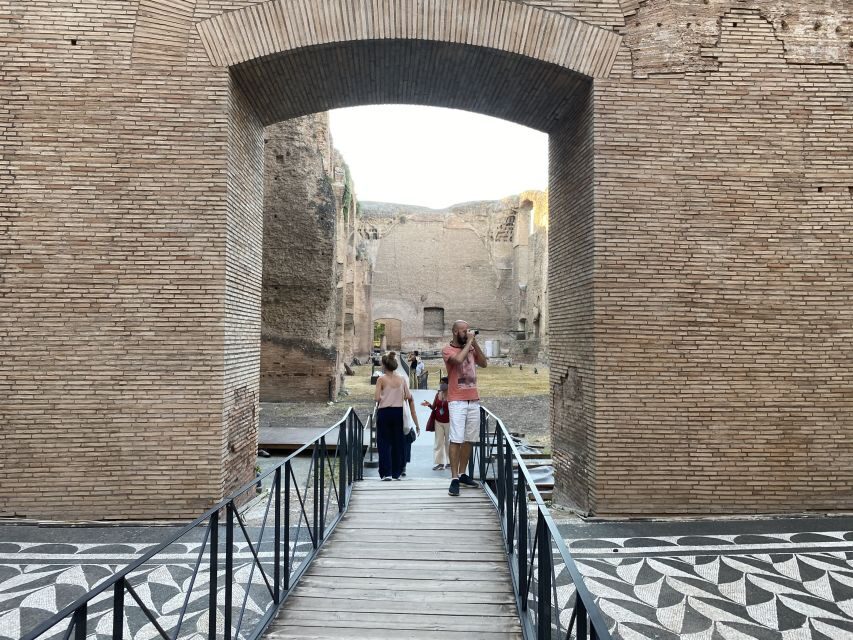
You’ll meet your guide at the exit of the Metro Station Circo Massimo (in the direction of Laurentina), in front of the FAO building. Look for a yellow label with the local partner’s name, and show up about 5 minutes early so you can check in smoothly.
Bring comfortable shoes. You’ll be walking on uneven historic surfaces and across museum-like ruins, and the tour is only 90 minutes total, so you want to be able to keep a steady pace.
A few practical rules matter here. No pets, no weapons or sharp objects, no baby strollers, and no drones. Also, plan to travel light: luggage or large bags aren’t allowed inside the monuments. If you’re used to Rome days with a big backpack, this is one time to carry the essentials only.
If weather turns nasty, the tour might be canceled with an alternative date or a full refund. That’s not unusual around Roman sites, so I’d keep some flexibility in your schedule.
Caracalla Baths: the spa walk that feels like a 3rd-century schedule
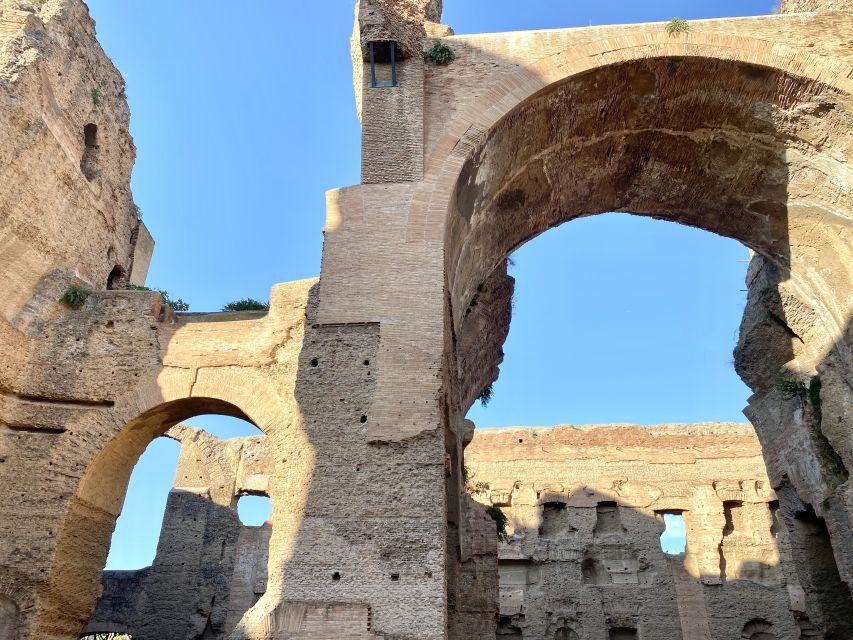
The Caracalla stop is where this tour earns its keep. The visit is guided for about an hour, and the main value is the way the guide helps you read the ruins like a working complex. You don’t just see walls and fragments. You get a sense of what people did there, step by step, like a typical day at the baths in the 3rd century AD.
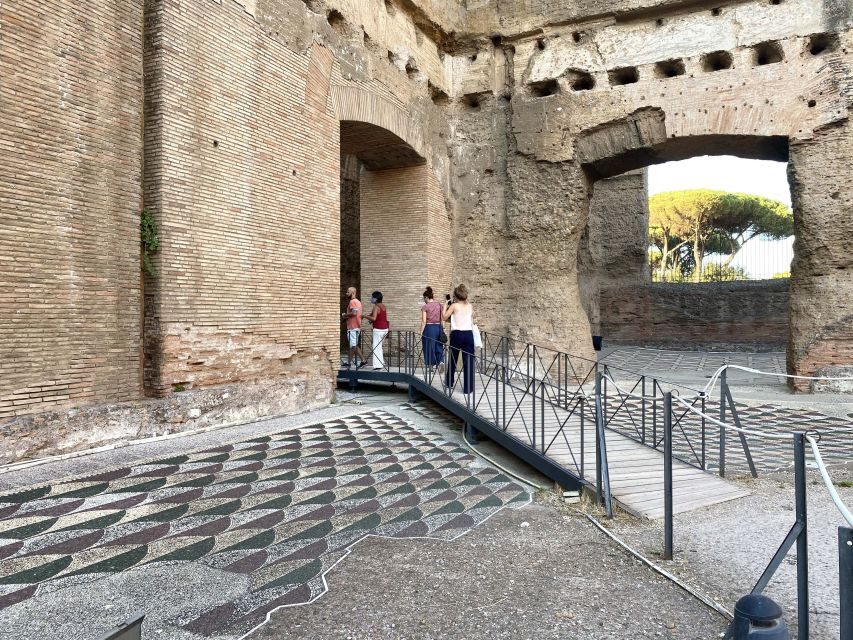
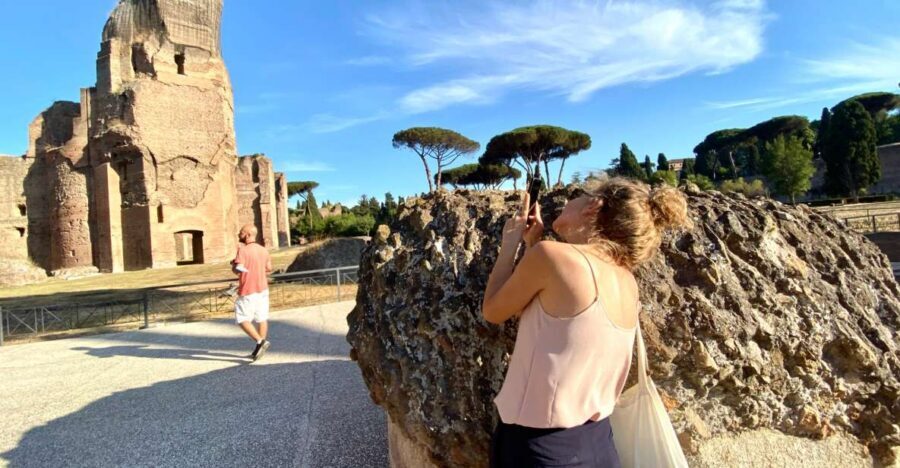
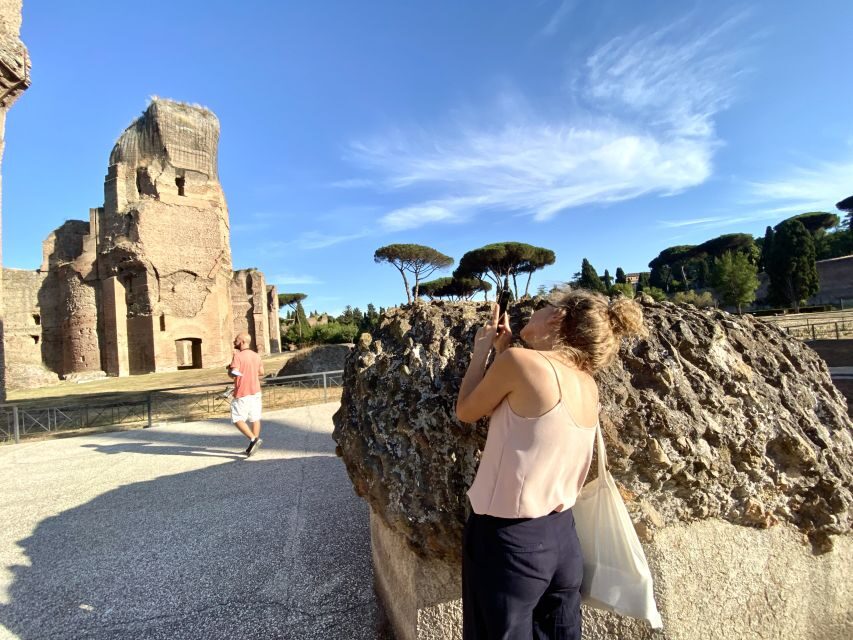
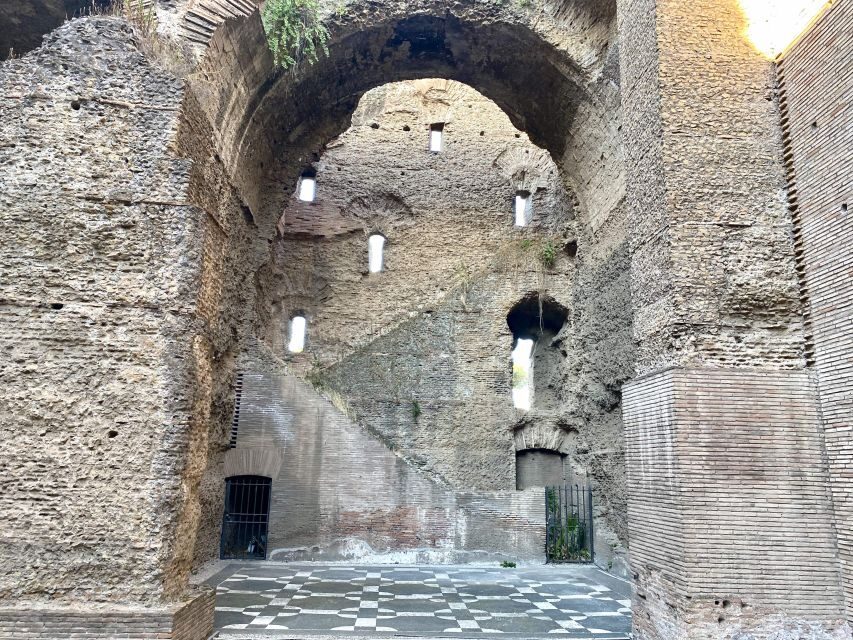
You’ll explore the monumental rooms of the thermal complex, including what remains of gigantic walls and the structure of the site. Caracalla is often described as one of Rome’s best-preserved bath ruins, and in practice that matters: more of the layout is still legible, so the story stays coherent.
The tour also frames Caracalla as a place of services for both body and mind. That helps a lot if you’re worried you’ll spend an hour looking at stone and thinking, so what. Instead, the guide’s explanations connect the architecture to human needs—warming up, circulating through spaces, and settling into social time.
A useful detail: because this is an express guided visit, you’ll spend less time trying to figure out what you’re looking at. For many people, that’s the difference between a quick stop and a memorable visit.
Underfloor heating and mosaics: the details that make it click
Caracalla becomes way more interesting when the guide gets specific about engineering. You’ll learn about the underfloor heating system, including why it was labor-intensive and how ancient builders managed temperatures across different rooms. It’s one of those topics that sounds technical, but the payoff is human: you can picture comfort being designed into the building.
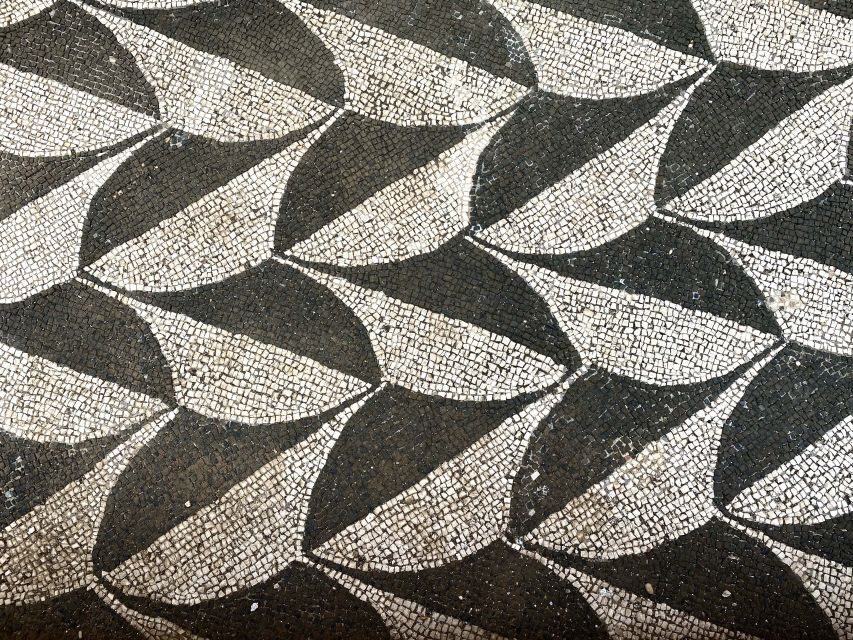
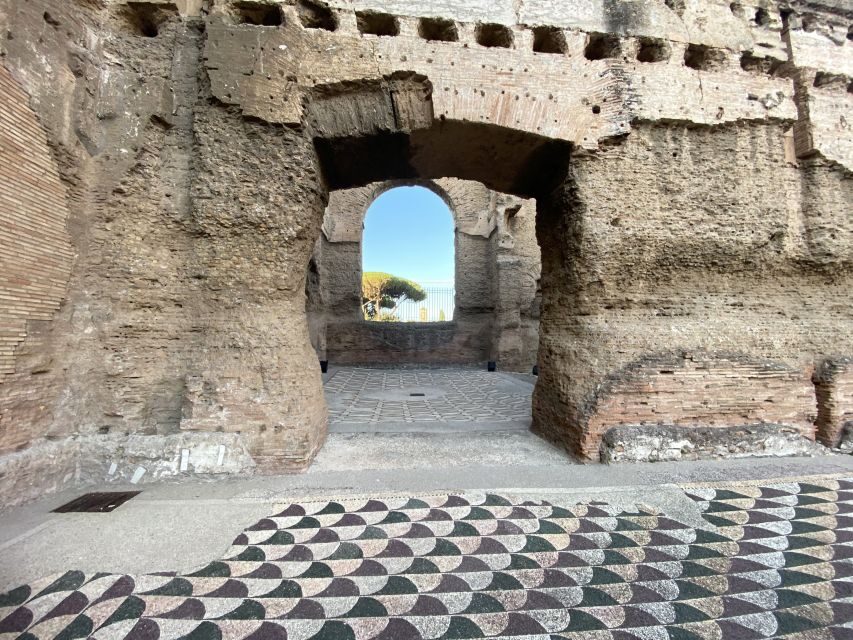
Then there are the mosaics and room decorations. You’ll see geometric motifs and other decorative patterns across the complex, which helps you understand the baths as imperial taste, not just infrastructure. Even in ruins, the design language is still there, and it changes how you look at the site. The baths stop feeling like leftovers and start feeling like a finished experience from the start.
Some past guides have also been praised for making the mosaics and preserved floor details feel real, not dusty. That lines up with the core idea of this tour: you’re meant to stand in the right places long enough to understand what you’re seeing.
One thing to keep in mind: Caracalla is archaeology. You won’t see a restored spa with steam rising. You’ll see impressive remains, plus a guided interpretation that helps you reconstruct the original feel. If you want a hands-on, modern-bath experience, this won’t match that. If you want to understand how Romans built leisure into daily life, it’s a strong match.
Circus Maximus: where you’ll picture the crowd, not just the stones
The Circus Maximus part is shorter (about 30 minutes), and that timing is telling. Most of what you’re doing is positioning yourself where the public games once happened and listening to the story behind them.
The tour focuses on why the Circus mattered: it’s considered the largest structure for public games ever built by mankind. From there, you learn about the Roman Ludi—spectacular celebrations that could last several days. The guide also brings in the types of events people associate with Rome’s entertainment: chariot races and gladiator fights, plus the constant clamor of the crowd.
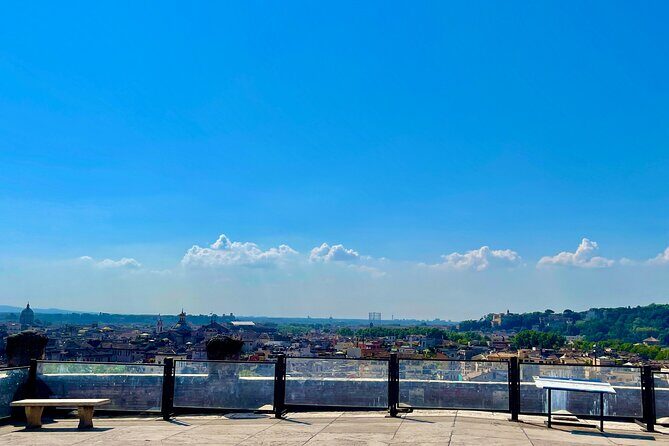
Here’s the honest consideration: Circus Maximus today doesn’t offer the same kind of wall-to-wall ruins you get at Caracalla. You’ll likely find that there’s not much standing to look at, so your experience depends on the guide’s storytelling and your willingness to imagine what the space once held.
That’s not a dealbreaker. In fact, it can be a highlight for the right person. If you like myth, civic ritual, and crowd-energy history, the tour’s final layer helps: you’ll also hear about foundations tied to early myths and gods, a quasi-legendary era before Rome itself. That part is built for wonder, not for archaeology accuracy.






Price and value for 90 minutes in Rome
At $77 per person for roughly 1.5 hours, this isn’t the cheapest way to spend time in Rome. So you should ask yourself what you’re paying for besides the sightseeing.
You’re paying for three practical things:
- Entrance fees to Caracalla are included
- Sterilized headsets help you hear clearly, even when you’re close to other groups
- A live archaeologist guide provides the interpretation that makes the ruins legible
That last item is often the difference with Roman sites. Baths and circuses can feel confusing fast if you’re wandering on your own, especially with short time in the city. With this format, you get an express story: Caracalla’s rooms and engineering, then Circus Maximus’s spectacle and myth.
Value gets better if your group stays small. Past participants praised guides for clear explanations and for letting questions stretch the visit in a few cases. Since the tour caps at 10, you’re more likely to get real back-and-forth instead of only passively listening.
The one caution I’d give is mindset. If you came hoping for lots of visible Circus Maximus structure, this may feel expensive for what you see. The upside is that you’re not really paying for bricks. You’re paying for the Roman leisure context that turns the ground you’re standing on into a scene.
Should you book this Caracalla & Circus Maximus tour?
Book it if you want Rome that feels lived-in. This tour is best for people who like architecture with meaning: underfloor heating, room functions, mosaics, and the social logic of the baths. It’s also a good choice if you enjoy spectacle history and you’re comfortable with the fact that Circus Maximus is more imagination than stone.
Skip it (or pair it with other stops) if you mainly want big, towering ruins you can photograph at every step. Caracalla gives you the best physical remains, while Circus Maximus is more about standing in the right place and hearing the story.
One final tip: bring a question. Something like how Romans moved through heated zones, or why public festivals mattered so much. With the headset setup and the small group size, you’ll get more out of the hour than you would by just walking and watching.
FAQ
How long is the Rome Caracalla Baths and Circus Maximus tour?
The total duration is about 1.5 hours, with around 1 hour at Caracalla Baths and about 30 minutes at Circus Maximus.
What is included in the $77 per person price?
Entrance fees to the Caracalla Baths are included, along with sterilized headsets, a live archaeologist guide, and full on-site assistance.
Where do I meet the guide?
Meet your guide at the exit of the Metro Station Circo Massimo (direction Laurentina), in front of the FAO building. Look for a yellow label with the local partner’s name.
Is the tour wheelchair accessible?
Yes, the tour is wheelchair accessible.
Are pets or large bags allowed inside the monuments?
No. Pets are not allowed, and luggage or large bags, plus baby strollers, are not allowed inside the monuments.
Which languages are offered?
The tour guide is available in French, Portuguese, Spanish, English, German, and Italian.