REVIEW · COLOSSEUM TOURS
Rome: Colosseum Underground, Arena & Forum Tour
Book on GetYourGuide →Operated by Touriks · Bookable on GetYourGuide
Under the Colosseum is where Rome gets real. I love the exclusive Underground access that shows you what was hidden before the crowds ever roared, and I also love how the tour ties the big-stone spectacle to everyday Roman life at the Forum and Palatine Hill. The downside to consider: this is a hands-on, walking-focused tour and it isn’t set up for strollers, wheelchairs, or folks with back trouble.
The tour runs about 3 hours with a live Spanish guide, and you’ll spend part of that time inside the Colosseum complex plus time on the Forum/Palatine Hill after the guided portion. If you hate crowds or standing for periods, plan for moderate discomfort, because there’s no elevator access and the route isn’t built for step-free movement.
In This Review
- Key things to know before you go
- Meeting at Colosseo Metro: Finding the green kiosk on time
- Entering the Colosseum Underground: The hidden stage of the games
- The Arena Experience: Standing where the action happened
- Roman Forum and Palatine Hill: Guided context, then your own pacing
- The guides and the pace: Spanish storytelling with real momentum
- Timing, walking, and comfort: What can make or break your day
- Price and value: Is $157.47 a smart spend?
- Who should book this tour (and who might skip it)
- Should you book the Colosseum Underground, Arena & Forum Tour?
- FAQ
- How long is the Rome Colosseum Underground, Arena & Forum Tour?
- Where do I meet the guide?
- What’s included in the tour?
- Is this tour wheelchair or stroller accessible?
- What language is the live guide speaking?
- What exclusive areas of the Colosseum do you visit?
- Can I bring luggage, large bags, or professional cameras?
- What should I bring?
- Is the tour refundable if I cancel?
- Do I get time on my own at the Forum and Palatine Hill?
Key things to know before you go
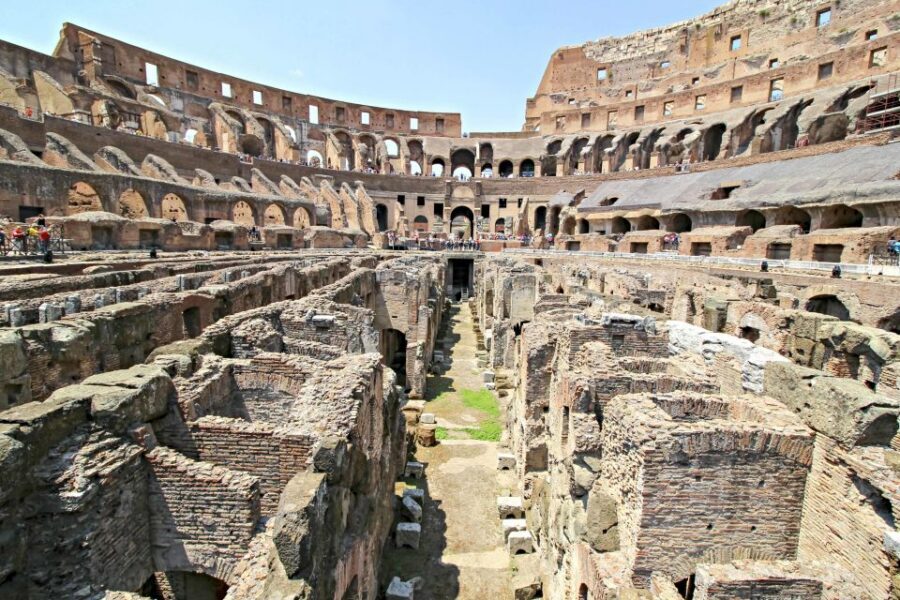
- Underground Colosseum access: see the underground level tied to the animals kept before events.
- Arena access: get into the main fighting space, not just the viewpoints.
- Forum + Palatine Hill time: you get guided context, then freedom to roam.
- Official-style, expert storytelling: you’ll hear the why behind the games, politics, and society.
- Easy-to-follow group flow: headsets are included when groups are 8+.
Meeting at Colosseo Metro: Finding the green kiosk on time
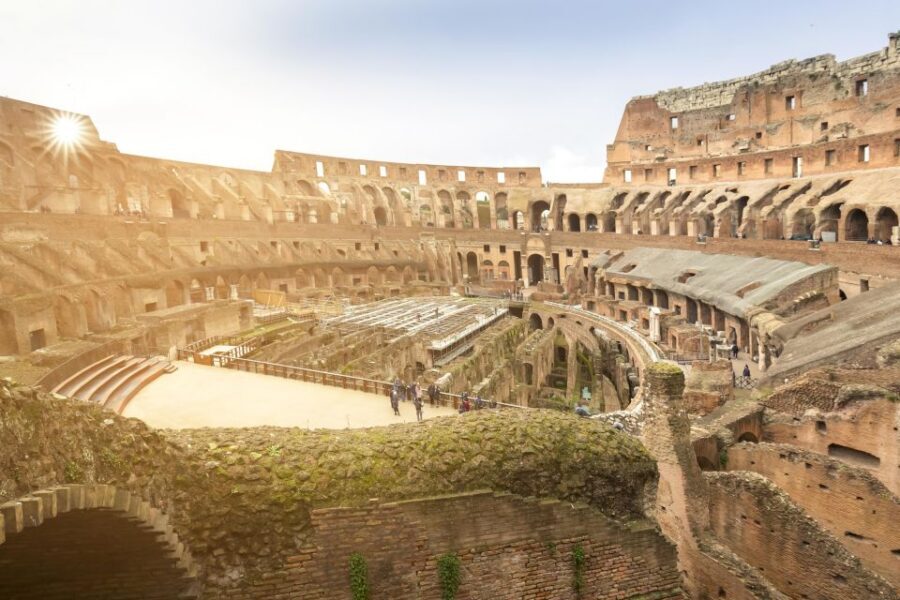
This tour starts right by the Colosseum Metro station, at the green kiosk on the right as you exit. Look for staff holding a yellow label with the local operator name, and do yourself a favor: arrive about 30 minutes early. That buffer matters because you need time to get oriented, confirm your group, and get through the pre-entry checks without feeling rushed.
One small but useful detail: there’s also an upper-floor exit from the metro. Use the downstairs route—your meeting point is tied to the downstairs exit flow. If you’re the type who likes a plan, this is an easy one to follow once you’re at street level.
You can also read our reviews of more tours and experiences in Rome.



Entering the Colosseum Underground: The hidden stage of the games
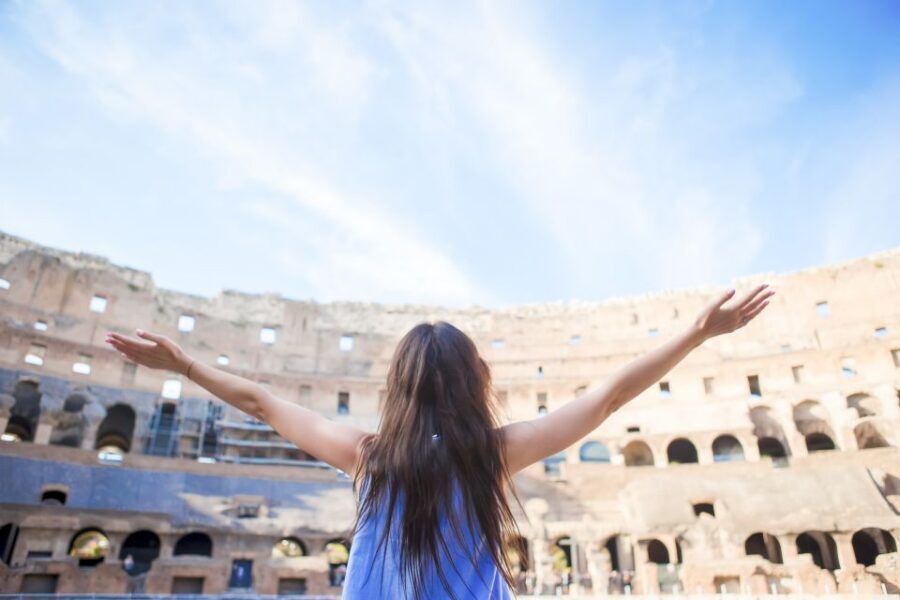
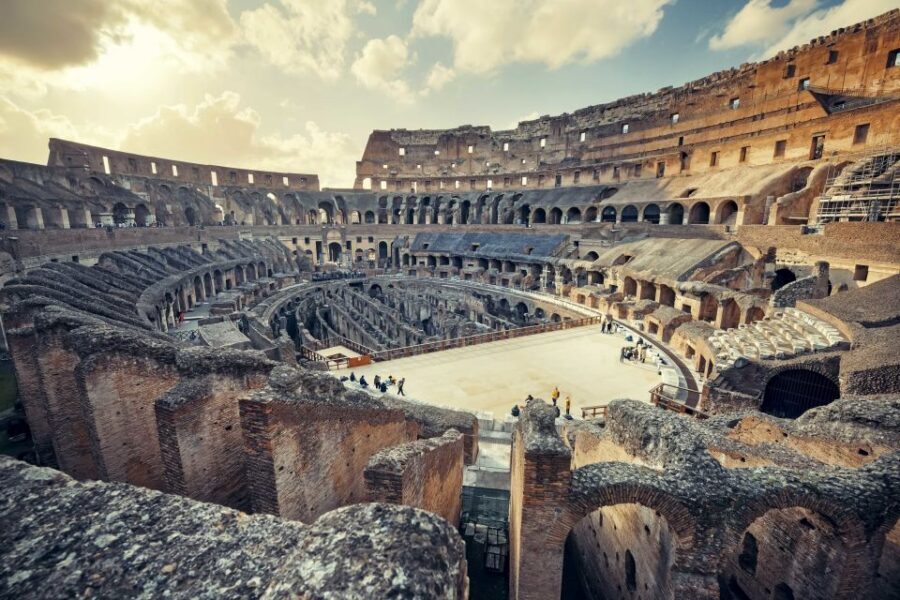
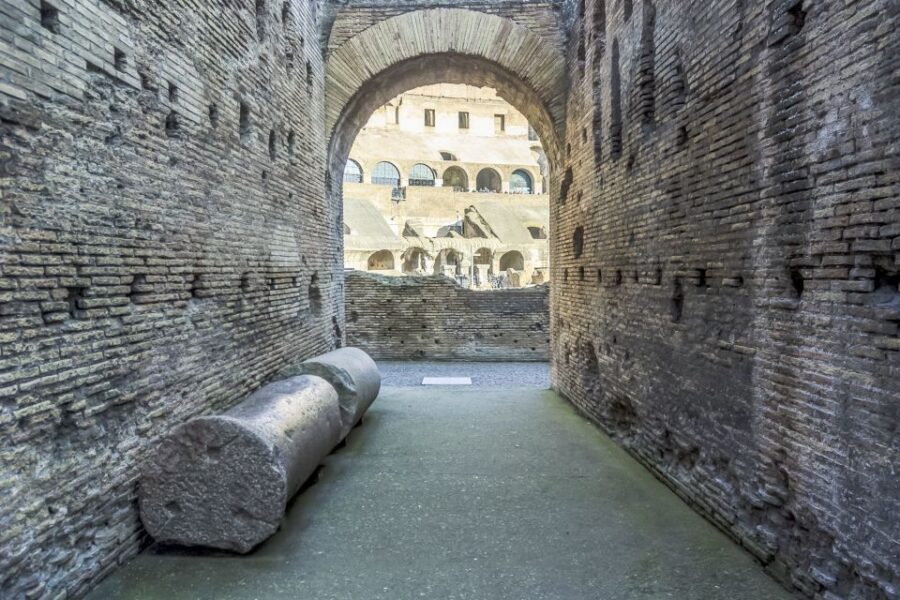
The Colosseum here isn’t just a photo stop. You’re guided into areas regular ticket routes don’t typically show, especially the Underground level. This is the part that changes your whole understanding of what you’re seeing above. You get to connect the arena drama with what happened behind the curtain—the logistics, timing, and the staging that made the public spectacle possible.
What I’d watch for during this segment is how the guide explains the underground as more than an engineering oddity. The story usually ties to the idea that the events were managed carefully. In this case, you’ll specifically hear about the animals kept below before they went into battle with the gladiators. It’s one of those details that makes the Colosseum feel less like a “ruin museum” and more like an operating venue from the Roman Empire.
You’ll also hear how the engineers pulled it off and how the structure survived for hundreds of years. Even if you’re not a tech person, this kind of explanation helps you see why the Colosseum still dominates the skyline—and why it was such a big political tool in its day.
A practical note: headsets are included when your group is 8 people or more, which helps you stay with your guide even in crowded passages. If you’re traveling with hearing issues, that’s worth knowing ahead of time.
The Arena Experience: Standing where the action happened
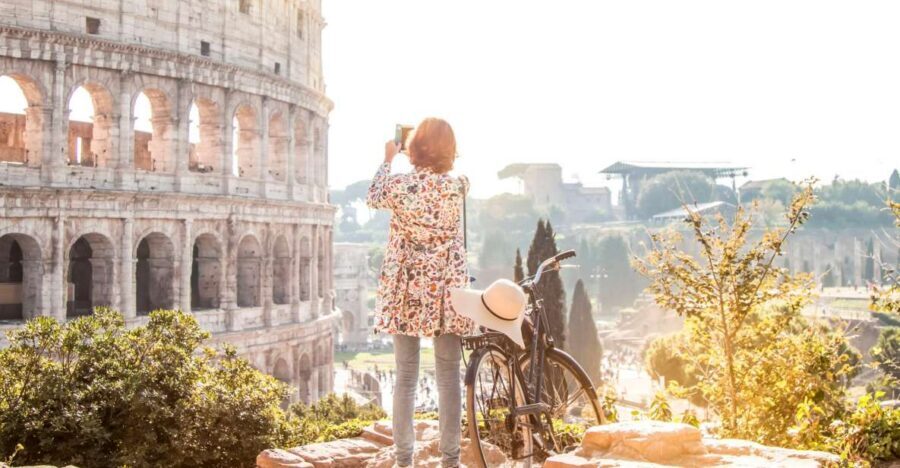
Next comes the Arena. This is the section most people want: the feeling of being inside the space instead of staring up at it. When you stand there with the guide’s context, you start to notice details you’d miss from the outer viewpoints—scale, sightlines, and how the event space was designed for mass attention.
The best part is the guide doesn’t treat it like a generic gladiator stage. You’ll hear about the political and social reasons for the games—why the leadership backed events like this, what the crowd was really buying into, and how the performances supported Roman identity. That’s the kind of framing that makes the 3 hours feel worth paying for, because it turns a famous landmark into a real explanation of how power worked.
And yes, you’ll have plenty of opportunities to look around for views back toward the structure above. Just remember: this is still the Colosseum. Even with special access, you’ll be dealing with real-world crowds and the need to keep moving.
Roman Forum and Palatine Hill: Guided context, then your own pacing
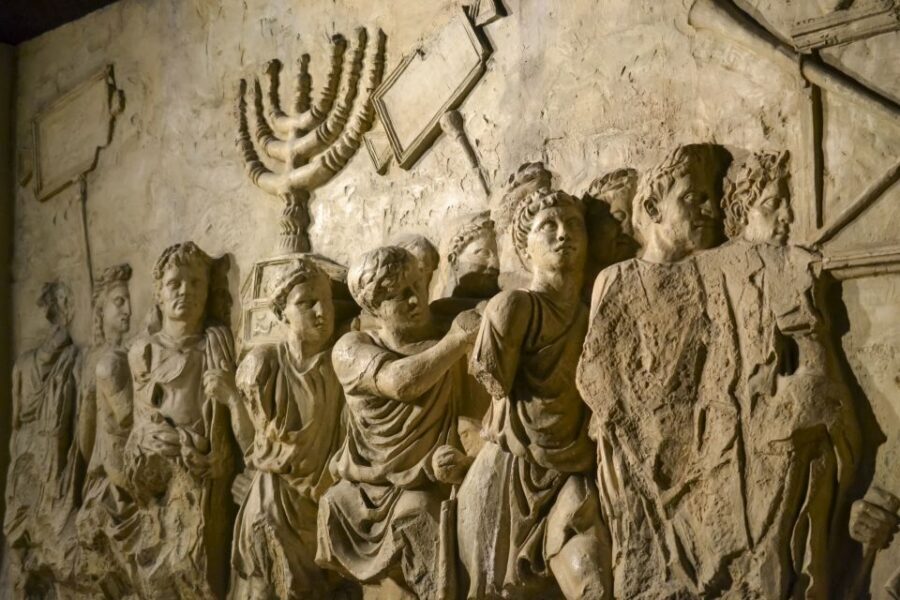
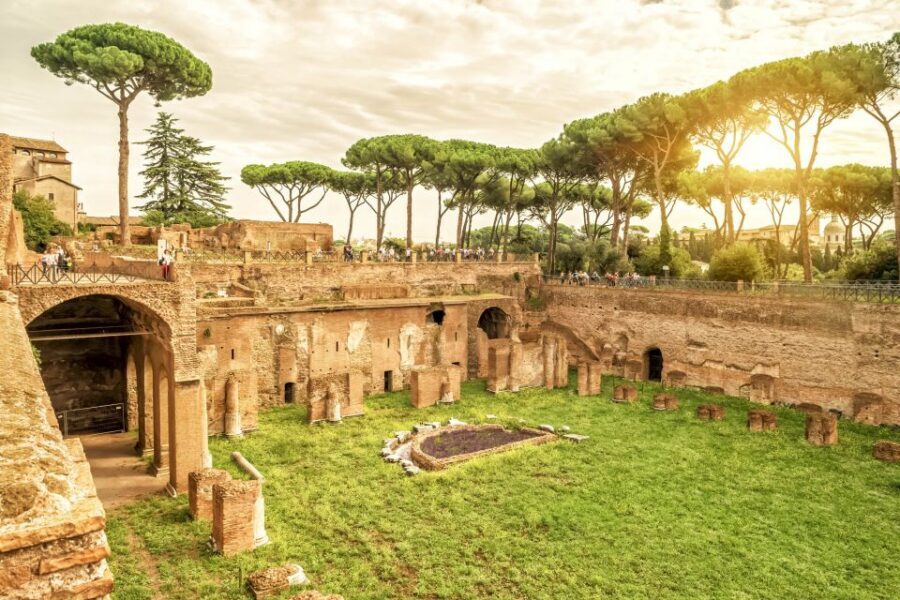
After the Colosseum portion, the tour includes a visit to the Roman Forum and Palatine Hill. The guide gives you the key ideas—politics, daily life, and the role these places played. Then, you don’t have to keep marching with the group. You get to explore the Forum on your own after the guided part, which is where your experience becomes yours.
This is also where the views matter. From Palatine Hill, you can look out over the Colosseum area and across toward Circus Maximus. Those sightlines help the Forum and Palatine Hill snap into place in your mind: you start understanding why Romans built their power center where they did, and how the city spread outward.
How much time you spend once the guided portion ends is up to you. The tour format is designed so you can stay as long as you wish at the end of the official tour. That’s a big deal if you like lingering with photos, reading plaques slowly, or just soaking in the setting.
One detail that can change your flow: the order of stops can vary. You might start with the Colosseum first, or you might start with the Forum and Palatine Hill first. Either way, the important thing is that you end up with the full trio of experiences: Colosseum (including underground and arena), then Forum/Palatine Hill context and time.
The guides and the pace: Spanish storytelling with real momentum
This is a live guided tour in Spanish. If you speak it (or even if you’re just good at picking up key words), you’ll get a lot out of the storytelling.
The pacing is described as steady—enough time to absorb what you’re seeing, but not so slow that you burn half the day in line or drifting. One reason this works is the group management: you’re guided through the complex without endless delays. You’ll also hear the material in a way that connects big events to human behavior—how status, politics, and social expectations shaped the entertainment.
You may also notice that guides have different styles. Names you might encounter in this experience include Pat, Francesca, Donatella, Janina, Gabriel, Gabriele, and Evie. Some guides lean into humor, some lean into vivid storytelling. What you can count on is the tour’s focus: making the Colosseum and Forum feel connected instead of like separate stops on a checklist.
If you’re someone who likes to ask questions, the format tends to support it. And if you’re sensitive to heat or crowds, plan to pace yourself and take short breaks where you can.



Timing, walking, and comfort: What can make or break your day
This tour is about 3 hours, and it’s not designed for wheelchair or stroller use. There’s no elevator, and there’s a moderate amount of walking. It’s also not suitable for people with back problems or mobility impairments.
So here’s the simple way to decide if it fits you:
- If you can comfortably walk on uneven, crowded paths for a few hours and stand for some time, you’ll probably be fine.
- If not, you may want to consider a different format that’s step-free or less movement-heavy.
You also need comfy shoes. This is a Roman-site day, not a flip-flop day. Bring an ID or passport as required, and dress for the weather.
Price and value: Is $157.47 a smart spend?
At $157.47 per person for a roughly 3-hour tour, the price isn’t “cheap,” but it’s not random either. Here’s where the value comes from.
You’re paying for two high-value things that many standard Colosseum visits don’t include:
- Underground access to the level connected to the staging of events (including the animal-holding area)
- Arena access, so you’re inside the arena space rather than only looking up
Then you’re also getting Forum and Palatine Hill coverage. The guided explanation helps you understand what you’re seeing instead of wandering through ruins like you’re reading a foreign-language map.
Add in practical inclusions like all taxes and fees, plus headsets when groups are 8+, and you get a smoother day. You’re also not dealing with hotel pickup and drop-off, which can reduce variables and keep your start time more reliable.
If your top priority is a deeper Colosseum story and not just the main views, this is a strong match.
Who should book this tour (and who might skip it)
Book it if you:
- Want exclusive access beyond the standard ticket areas
- Like historical explanations with a cause-and-effect vibe (politics and society, not just dates)
- Want guided structure at the Colosseum, then freedom to linger at the Forum/Palatine Hill
Consider skipping or adjusting plans if you:
- Need step-free access or rely on a stroller/wheelchair
- Have back or mobility limitations that make uneven, crowded walking difficult
- Want a very relaxed, minimal-walking experience
Should you book the Colosseum Underground, Arena & Forum Tour?
Yes, if you’re excited by the idea of seeing the Colosseum from the inside out—especially the Underground level—and you want your time at the Forum and Palatine Hill guided first, then self-paced. The price makes sense for the access, not for the footprint on your itinerary.
If you’re limited by mobility or you can’t handle a walking-focused day, don’t force it. For everyone else, this tour format is one of the better ways to get beyond the obvious views and understand how the spectacle worked.
FAQ
How long is the Rome Colosseum Underground, Arena & Forum Tour?
The tour lasts about 3 hours. Exact start times depend on availability.
Where do I meet the guide?
Meet at the green kiosk on the right as you exit the Colosseo metro station. Look for a staff member carrying a yellow label with the local operator’s name. Go downstairs, not via the upper floor exit.
What’s included in the tour?
You get a guided visit of the Colosseum, plus access to the Forum and Palatine Hill. Headsets are included when 8 people or more are present, and the price includes all taxes and fees.
Is this tour wheelchair or stroller accessible?
No. The tour is not wheelchair or stroller accessible due to the lack of an elevator, and it’s not suitable for people with mobility impairments.
What language is the live guide speaking?
The live guide language is Spanish.
What exclusive areas of the Colosseum do you visit?
The tour includes areas not available on a regular ticket, including the Underground Colosseum and the Arena.
Can I bring luggage, large bags, or professional cameras?
No. Luggage or large bags aren’t allowed, and professional cameras are not allowed.
What should I bring?
Bring a passport or ID card and wear comfortable shoes.
Is the tour refundable if I cancel?
This activity is non-refundable.
Do I get time on my own at the Forum and Palatine Hill?
Yes. After the guided portion, you can visit the Roman Forum and Palatine Hill on your own and stay as long as you wish at the end of the official tour.