REVIEW · ROME
Rome: Traditional Pasta with Cocktails Cooking Class
Book on GetYourGuide →Operated by Global Experiences · Bookable on GetYourGuide
Fresh pasta and spritzes beat sightseeing fatigue. This class is fun in a very practical way: you cook real Italian dishes hands-on while a mixologist teaches you how to build spritzes you can actually replicate at home. I especially like the small group size (no more than 14), which keeps the cooking moving and the help close. One consideration: it’s not built for every diet, since gluten intolerance/coeliac, vegan diets, and lactose intolerance can’t be accommodated.
What makes it feel like Rome is the pairing. You learn three classic spritzes (Aperol, Hugo, and Limoncello), then you roll fresh pasta and finish it with either carbonara or cacio e pepe, depending on what you choose on the night. And yes, the “drunken cooking” vibe is real, just in a light, social way with water and soft drinks available too.
In This Review
- Quick hits before you book
- Why this spritz-and-pasta class feels so Roman
- Via Cesare Balbo meetup: what to expect at check-in
- Cocktail lesson first: Aperol, Hugo, and Limoncello spritzes
- Fresh pasta from scratch: the hands-on part that makes it worth it
- Carbonara or cacio e pepe: choosing your sauce and mastering the finish
- Dietary limits you should know up front
- What you actually eat and drink during the session
- Price and value: is $100.82 for 3 hours a good deal?
- Who should book this class (and who might not)
- Final advice: should you book?
- FAQ
- How long is the Rome Traditional Pasta with Cocktails class?
- What spritzes are included in the class?
- Do you choose carbonara or cacio e pepe?
- How large are the classes?
- Can the class accommodate gluten-free, vegan, or lactose-free diets?
- Are recipes included to take home?
- Where do I meet for the class?
- Is the class guided in English?
- Is there free cancellation and pay-later booking?
Quick hits before you book
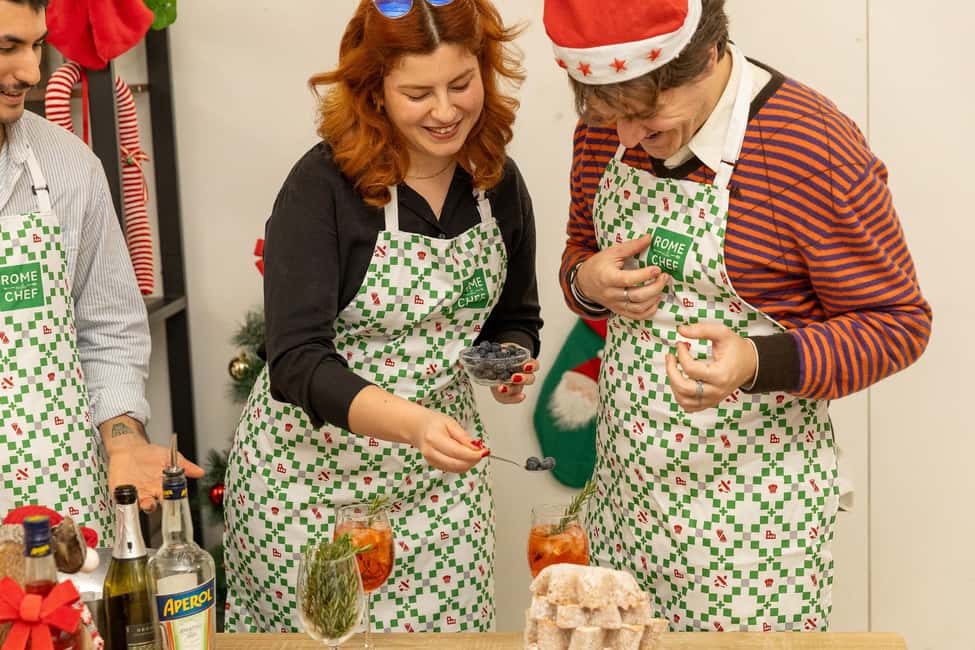
- Three spritzes you make yourself: Aperol, Hugo, and Limoncello
- Up to 14 people for real hands-on time at the table
- Chef and mixologist guides working together for cooking plus cocktails
- Carbonara or cacio e pepe sauce choice with handmade pasta
- Recipes to take home so your effort doesn’t end when you leave
Why this spritz-and-pasta class feels so Roman
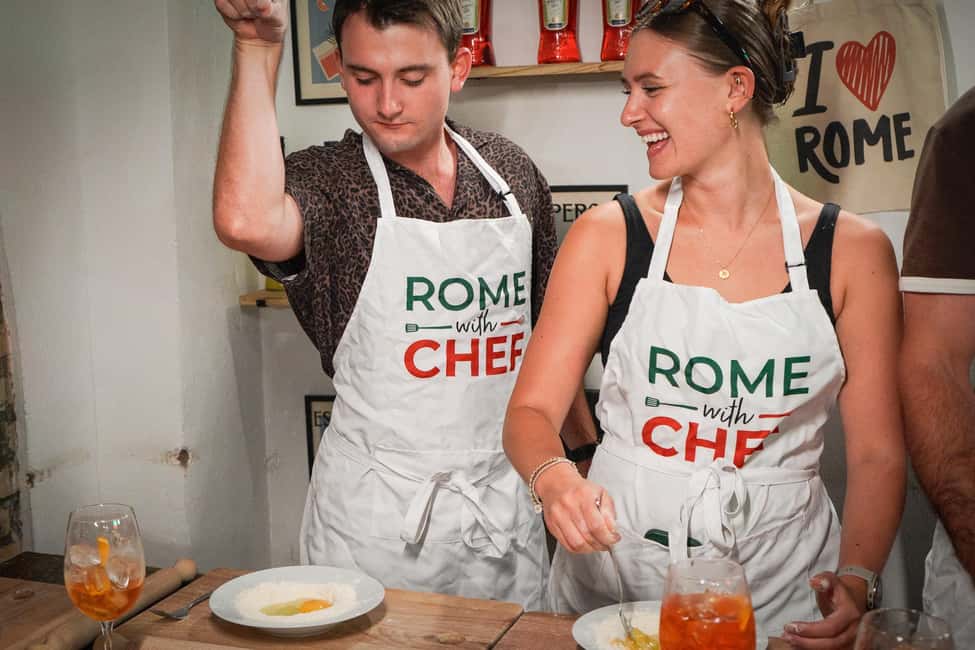
Rome can be overwhelming fast. You see too much marble, too many crowds, too little time to slow down. This experience flips the script: you trade lines for a workbench, and suddenly you’re doing something Roman that isn’t just looking.
The best part is that you’re not only eating. You’re learning how the food is made, then enjoying it right away. The spritz component matters too. Spritz culture is part of Italian social life, and you get the basic building skills for three variations: Aperol, Hugo, and Limoncello.
Also, the format stays upbeat. Based on what I’ve seen people consistently mention, the hosts tend to bring a playful energy (music, joking, and lots of encouragement), which makes it easier to focus on the steps instead of worrying whether you’re doing it right.
You can also read our reviews of more tours and experiences in Rome.



Via Cesare Balbo meetup: what to expect at check-in
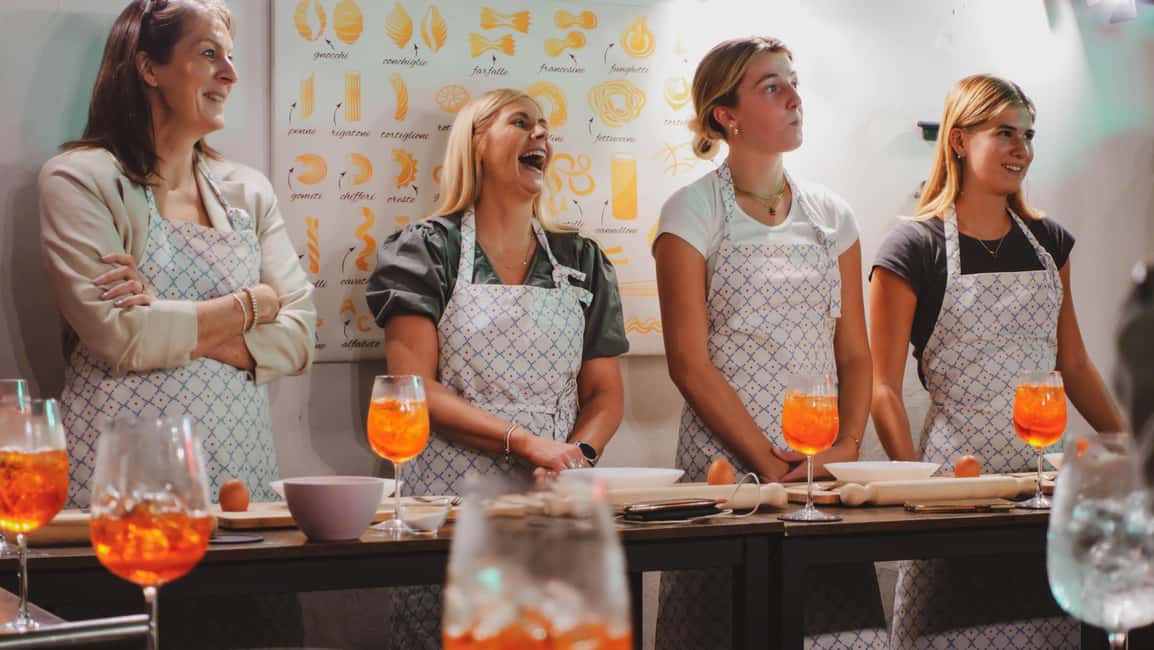
You start at Via Cesare Balbo, 19 (00184). It’s around the corner from the Hotel 77 entrance, and you’re looking for a sign that says Rome With Chef outside the class.
This matters because it’s usually the smoothest part of your evening. When a meetup is this specific, you spend less time wandering and more time settling in. It’s also near central Rome, so the class feels like a real evening activity instead of a far-out detour.
Bring yourself in comfortable shoes. Even if you’re seated at some point, you’ll be up for pasta steps and drink prep, and you’ll want to move without fuss.
Cocktail lesson first: Aperol, Hugo, and Limoncello spritzes
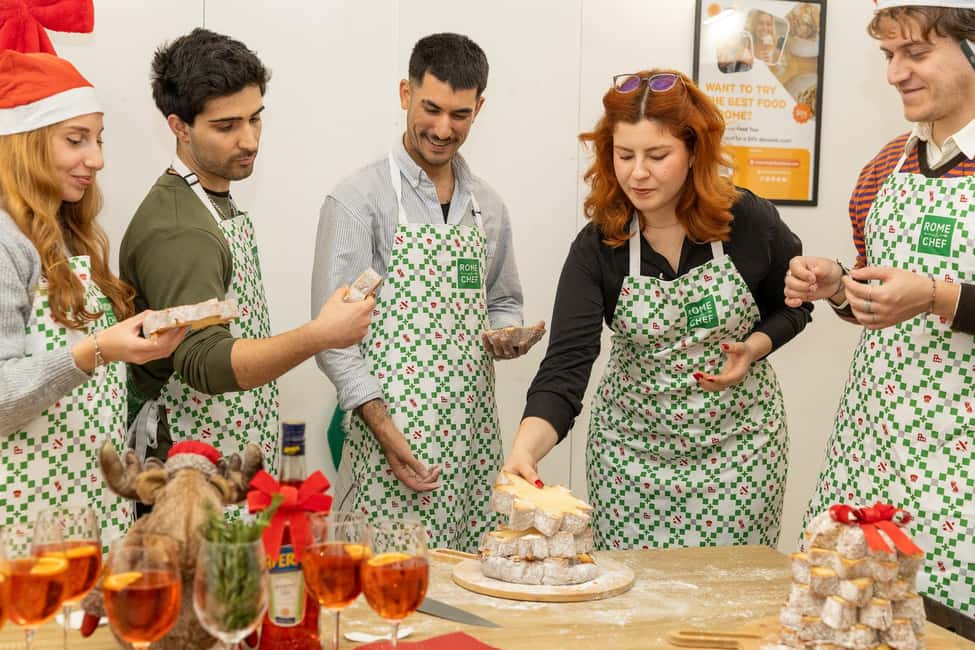
The class begins with drinks, guided by a mixologist. You’ll make three handcrafted spritzes:
- Aperol spritz
- Hugo spritz
- Limoncello spritz
The order is part of the learning. Spritzes all share a base idea, but each one changes the flavor profile. That means you’re not just tasting three drinks—you’re learning how substitutions change sweetness, brightness, and aromatics.
There’s also a helpful historical angle. The spritz tradition is said to date back to the 1800s, and that context makes the drink feel less like a trendy souvenir and more like something with staying power. You’ll likely pick up little tips during mixing that explain why Italians treat spritz time as a proper ritual, not a quick stop at a bar.
Practical note: with three spritzes built into the experience, plan on being lightly (or moderately) buzzed by the end. The class includes unlimited water and soft drinks, which helps you pace yourself if you want to stay sharp.
Fresh pasta from scratch: the hands-on part that makes it worth it
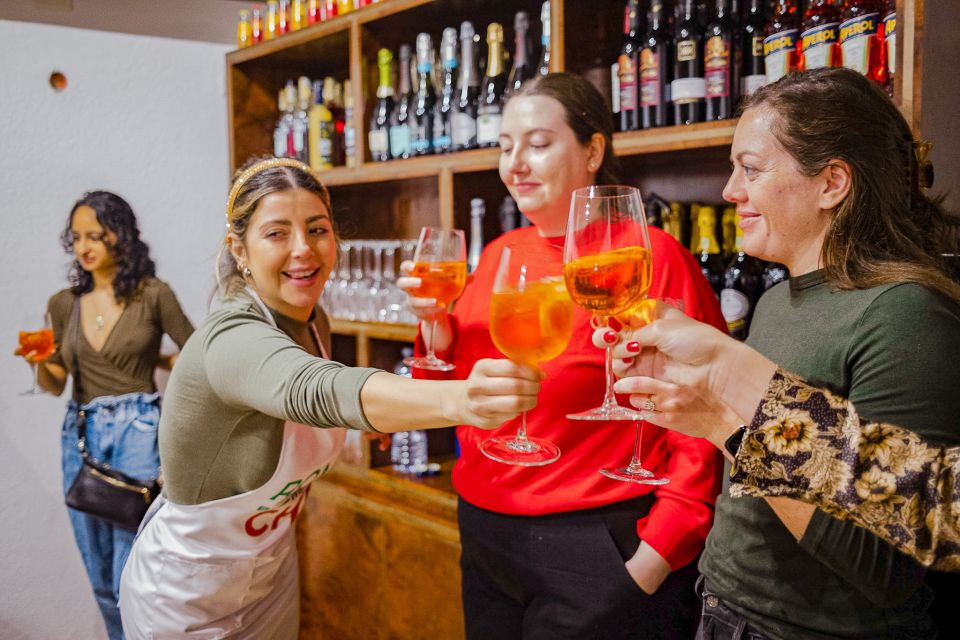
Then you move from drinks to food prep, and this is where the class turns from fun into skill-building. You make fresh pasta from scratch using real ingredients, not pre-made dough.
You’ll be working at your station, following step-by-step guidance from the chef team. The small group size (14 max) is a big deal here. It means you’re more likely to get quick corrections when something is off—like dough texture or shaping.
In Rome, it’s easy to buy pasta. It’s harder to understand it. This class bridges that gap. When you feel the dough change as you knead and roll, the whole process becomes obvious. And when you eat the finished plate, you immediately connect technique to taste.
If you’ve never made pasta before, don’t worry. The class is designed for beginners, and the atmosphere is built to keep things easy to follow, not intimidating. Several hosts named in people’s experiences—like Giovanna, Angela, Benjamin, Laura, and others—are repeatedly described as energetic and encouraging, so you’re not left to figure it out alone.
Carbonara or cacio e pepe: choosing your sauce and mastering the finish
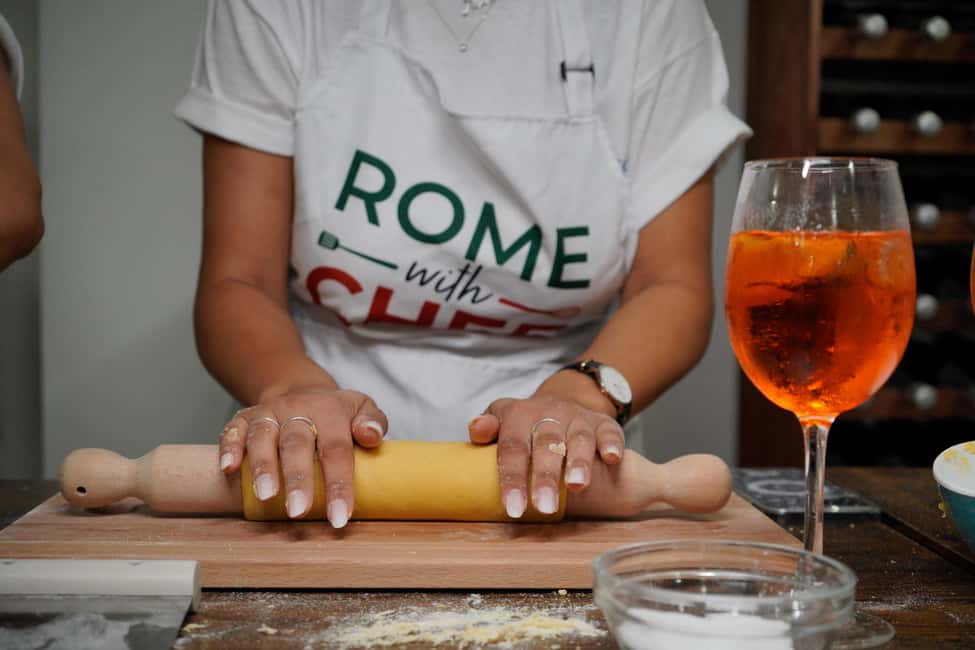
After pasta comes the sauce moment. You’ll learn one of Italy’s most famous options:
- Carbonara
- Cacio e pepe
You get to choose which sauce you’ll make. Either way, the concept is the same: you’re not just cooking a side dish—you’re finishing pasta properly. That’s the part that changes a plate from okay to “I need the recipe.”
Why this choice is smart: carbonara and cacio e pepe are both classic Roman flavors, but they teach different lessons. Carbonara leans into richness and timing. Cacio e pepe focuses on how to build a sauce from fewer ingredients and still get creamy texture without overcomplicating things.
You’ll then smother your pasta in the sauce and eat what you made. This is key to value. Many cooking experiences are mostly demonstration, and you never quite get the satisfaction of tasting your own results. Here, the class is built around producing and eating.



Dietary limits you should know up front
This is the one part you should check carefully before you book.
The class can’t accommodate:
- coeliac disease and gluten intolerance
- vegan diets
- lactose intolerance
Why? The menu uses dairy products and also isn’t designed as gluten-free. Vegetarian options are available, but that’s different from vegan or dairy-free needs.
If you have a restriction, tell the provider in advance so they can figure out the best possible fit. Don’t assume substitutions will be easy here.
What you actually eat and drink during the session
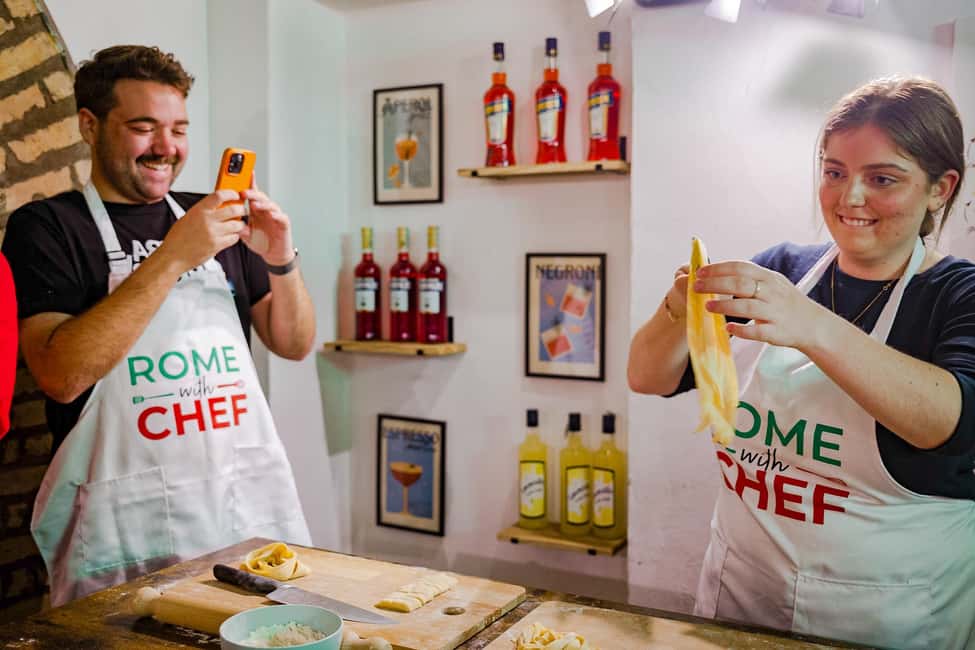
You’re not doing a “tiny bite and sip” situation. You’ll eat and drink the things you help make.
The included items cover:
- spritz and pasta workshop with fresh ingredients
- mixologist guide
- one Aperol spritz, one Hugo spritz, and one limoncello spritz
- unlimited water/soft drinks
- handmade pasta and sauces (vegetarian options available)
- recipes to take home
And then you sit down and enjoy it all. This is one of those experiences where the pacing tends to work because each segment feeds the next: drink prep helps you settle in, pasta prep gives you something to focus on, then sauce and eating gives you the payoff.
If you’re the kind of person who needs to stay engaged, this format does that. If you’re not, it can still work because the social tone keeps energy moving even during hands-on steps.
Price and value: is $100.82 for 3 hours a good deal?
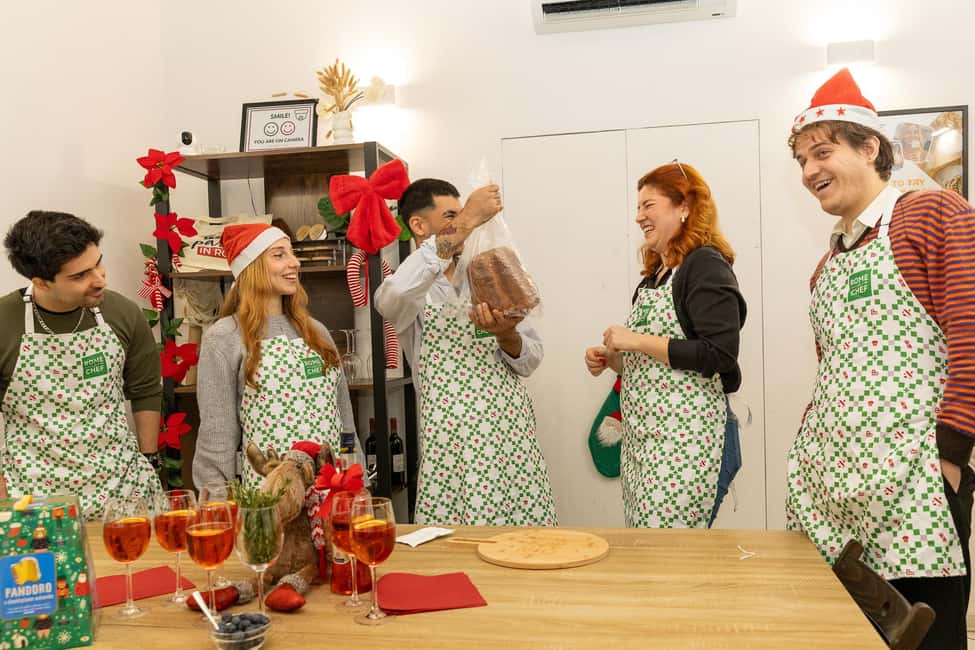
At $100.82 per person for a 3-hour class, you’re paying for more than “a cooking lesson.” You’re paying for:
- three made spritz drinks
- fresh ingredients
- chef-led pasta instruction
- mixologist guidance for cocktails
- the actual meal you produce
- take-home recipes
In practical terms, it competes with a good dinner plus a cocktail night, but you get the learning and the hands-on satisfaction. If you like food experiences that teach you something you can repeat later, it’s strong value.
If you’re only interested in watching someone else cook, the cost might feel steep. This one is for people who want to participate and get their hands into it.
The small group cap (14 max) also supports the value. You’re not paying premium prices for crowded chaos.
Who should book this class (and who might not)
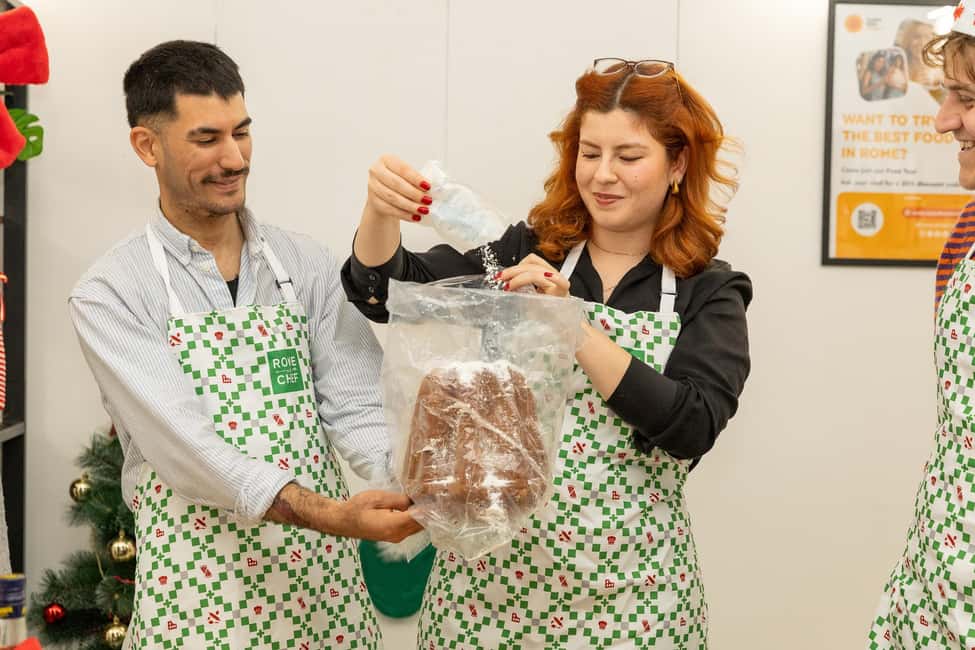
This is a great fit if you want a real taste of Rome that includes learning, not just eating. It’s ideal for:
- first-timers to pasta-making
- people who love spritz culture and want to build the drinks themselves
- small groups who want a lively, shared activity
- couples who want something different on an evening schedule
It may not be your best choice if:
- you need gluten-free, vegan, or dairy-free accommodations (those can’t be handled here)
- you dislike alcohol-based activities, since three spritzes are part of the class
- you want a quiet, museum-style experience (this is more social and playful)
Final advice: should you book?
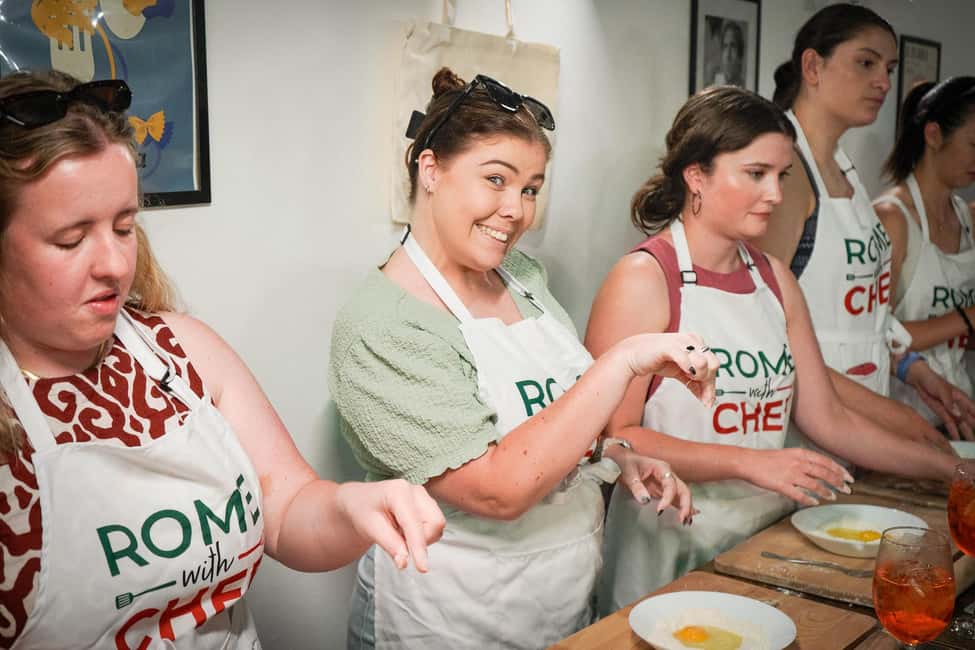
I’d book this if you want a memorable Rome evening that turns into real skills. The combination is what makes it click: spritz building with a mixologist, fresh pasta from scratch with a chef team, then carbonara or cacio e pepe while you eat what you made.
If your diet is restricted, check the limits first and don’t wait until you arrive. And if you’re sensitive to alcohol, plan to slow down with the unlimited water and soft drinks.
For the right person, this is one of those activities that feels both genuinely fun and genuinely useful. You leave with fuller stomachs, a recipe sheet, and the confidence to cook Roman-style pasta at home.
FAQ
How long is the Rome Traditional Pasta with Cocktails class?
It lasts 3 hours. Start times vary, so you’ll want to check availability for the schedule.
What spritzes are included in the class?
You’ll make three spritzes: Aperol spritz, Hugo spritz, and a limoncello spritz.
Do you choose carbonara or cacio e pepe?
Yes. During the class you’ll learn one of these sauces (carbonara or cacio e pepe), then cook and eat your pasta with that sauce.
How large are the classes?
Classes are small and intimate, with no more than 14 people.
Can the class accommodate gluten-free, vegan, or lactose-free diets?
No. The class can’t accommodate coeliac disease, gluten intolerance, vegan diets, or lactose intolerance, because the menu uses gluten and dairy products. Vegetarian options are available, though.
Are recipes included to take home?
Yes. You receive recipes to take home.
Where do I meet for the class?
Meet at Via Cesare Balbo, 19, 00184, around the corner from the Hotel 77 entrance. Look for a sign that says Rome With Chef outside the class.
Is the class guided in English?
Yes. The live tour guide is English-speaking.
Is there free cancellation and pay-later booking?
Yes. You can cancel up to 24 hours in advance for a full refund, and you can reserve now and pay later.