REVIEW · WALKING TOURS
Rome: Temples, Squares & Markets Guided Walking Tour
Book on GetYourGuide →Operated by LocalCoolTour · Bookable on GetYourGuide
Rome rewards people who walk.
This 3-hour guided loop is built for that: you move from Sant’Ignazio di Loyola to the Pantheon, then keep going through squares, ruins, and markets while your guide explains what you’re actually looking at. I like the mix of famous stops and the Rome-in-real-life details (street names, food talk, and local curiosities like the talking statues). I also like that it’s fully private, so you can tweak the route to fit what you care about. One thing to consider: attraction tickets aren’t included, so you may still need to plan entry times on your own for major sights.
The pace is also something to think about. This is a walk with lots of short, focused segments (many stops are around 15 minutes), which is great for seeing more ground without feeling stuck in lines. If you prefer long, slow stays in one neighborhood, you might feel a little “on the move” during the 3-hour window.
In This Review
- Key highlights and what they mean for you
- Kicking off at Chiesa di Sant’Ignazio di Loyola
- The Pantheon and Rome’s obelisk connections
- Piazza Navona: square geometry, talking statues, and Roman drama
- Campo de’ Fiori market and your Supplì tasting
- Largo di Torre Argentina and Portico d’Ottavia: ruins with a story
- Temple of Portunus: the fake Colosseum moment
- The Mouth of Truth: Audrey Hepburn to real-life symbolism
- Circus Maximus, Palatine Hill, and the Tiber Island finish
- Private and customizable: why guides like Juan and Daniele matter
- Tickets aren’t included: how to plan without stress
- Timing and getting the most from a 3-hour walk
- Price and value: what $79.30 buys you
- Who should book this tour?
- Should you book Rome: Temples, Squares & Markets Guided Walking Tour?
- FAQ
- How long is the Rome temples, squares, and markets walking tour?
- How much does the tour cost?
- Where does the tour start?
- Where does the tour end?
- Is this tour private?
- What’s included in the price?
- Are attraction tickets included?
- What street food will I taste?
- What languages are the guides available in?
- Is the tour wheelchair accessible and can I cancel if plans change?
Key highlights and what they mean for you

- Pantheon + obelisk stories: you’ll connect Roman building styles to the older Egyptian artifacts Rome carted in.
- Street-food tasting included (Supplì): one hands-on bite that helps you understand how Romans snack, not just what they see.
- Talking statues at Piazza Navona: a quirky tradition you’ll recognize only after you hear the explanation.
- Largo di Torre Argentina + Caesar context: ruins turned into a lesson about the Ides of March.
- Temple of Portunus and the fake Colosseum effect: a photogenic ruin that scratches the Colosseum itch without the crowds.
- Circus Maximus, Palatine Hill, and Tiber Island views: big-scale Rome, finished with a river-side moment.
Kicking off at Chiesa di Sant’Ignazio di Loyola
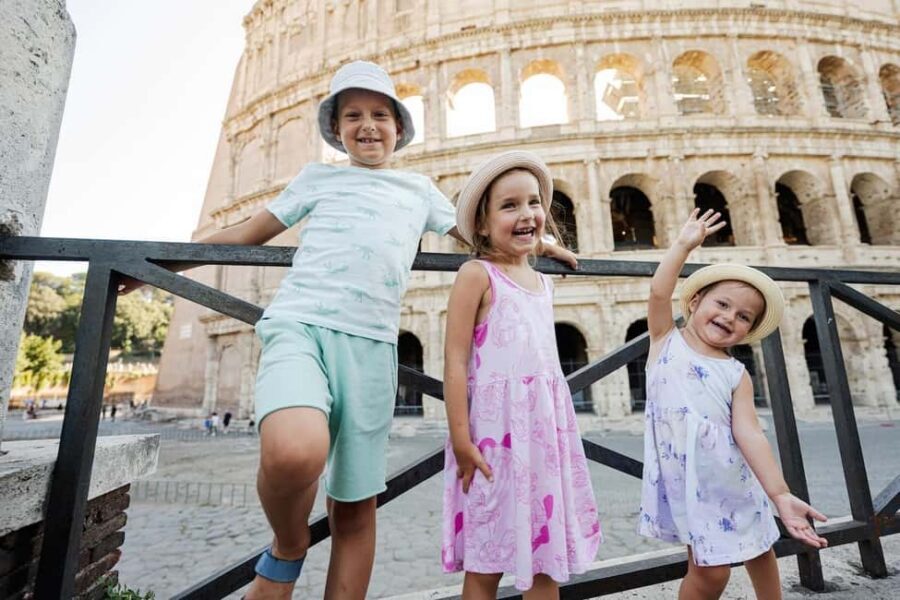
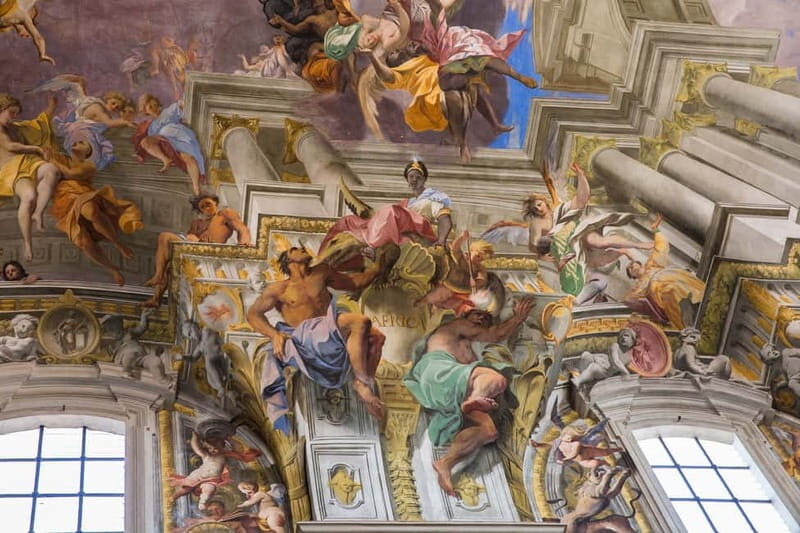
You start at the Church of Sant’Ignazio di Loyola, right where the day’s tone is set: Baroque first, then Rome’s classic monuments. The guide gives you a short orientation inside, with time to appreciate the frescoed ceiling and the intense, dramatic feel that makes this church more than a quick stop.
Why I think this works for you: it helps you understand that Rome isn’t only ancient marble. Even in the first 15 minutes, you’re seeing how later artists used light, illusion, and storytelling. That makes the rest of the walk easier to read.
A practical note: churches can vary in lighting and space. If you’re sensitive to crowds, going early is a plus, and the private format usually keeps the flow calmer.
You can also read our reviews of more walking tours in Rome

The Pantheon and Rome’s obelisk connections
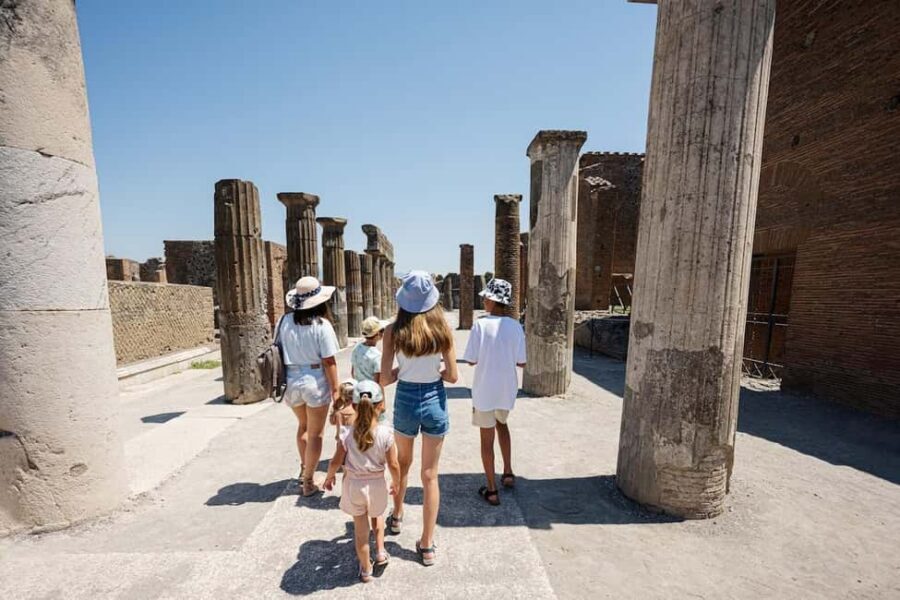
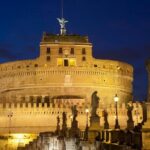
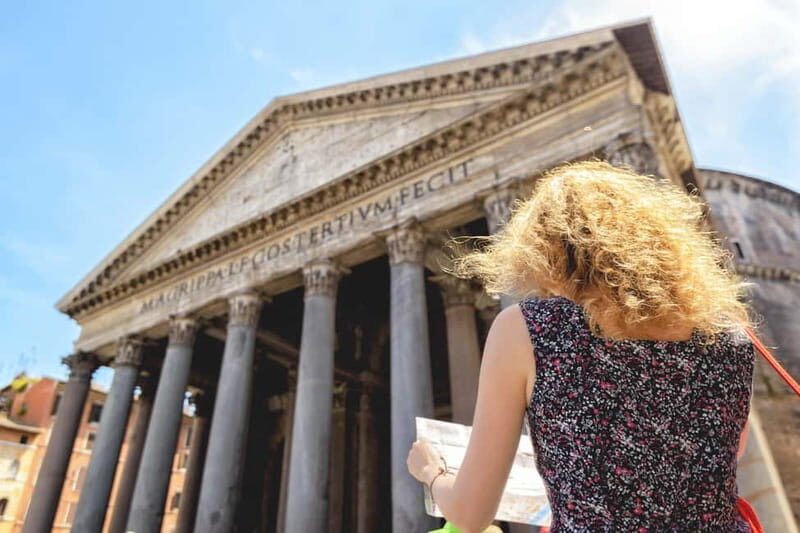
Next comes the Pantheon, one of those places where the building does most of the talking. With your guide, you get a structured look at what makes it so special—then you add context by learning about the obelisks in Rome, including how some were brought from Egypt and ended up shaping the city’s visual language.
This is more than trivia. When you know the obelisks were originally from far-off places, Rome stops feeling like one time period. It becomes a city that reused power, symbols, and materials across centuries.
Potential drawback: because major icons can be busy, your guide’s timing and route choices matter. If you hate crowds at all costs, this is still worth it, but you may want to mentally prepare for busier pockets.
Piazza Navona: square geometry, talking statues, and Roman drama
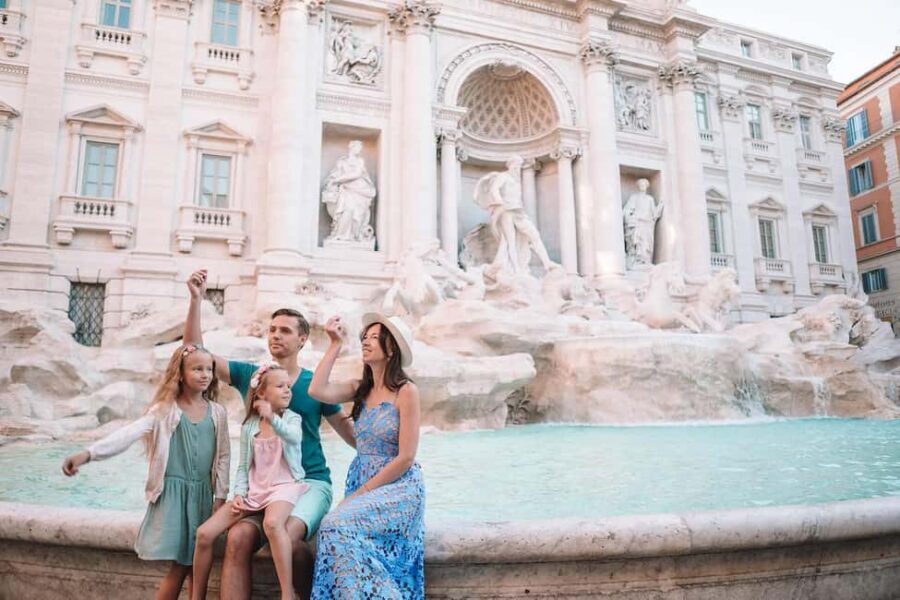
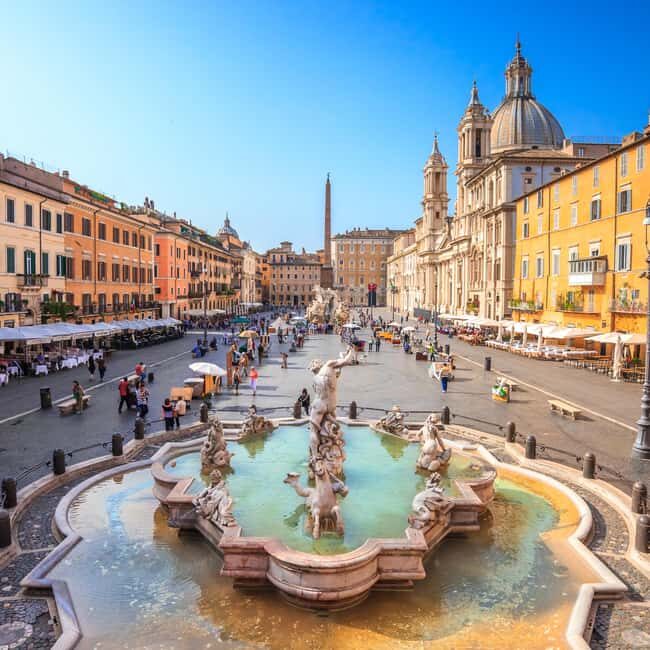
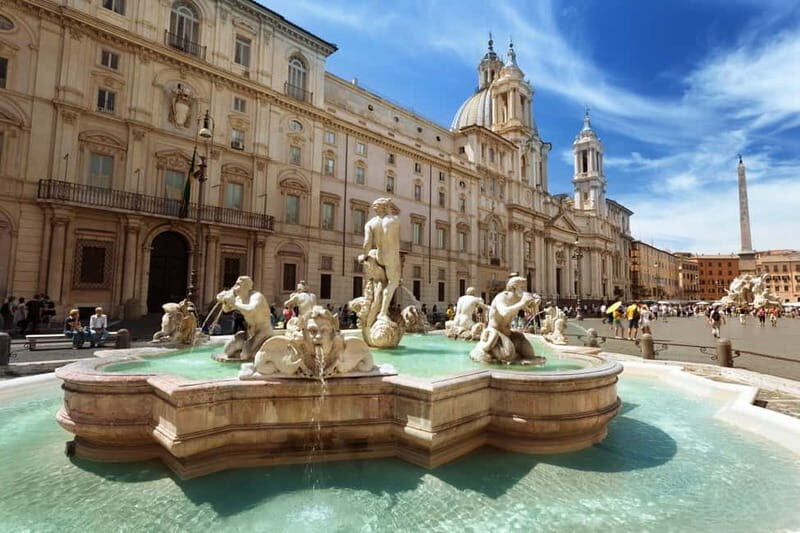
From the Pantheon area, the tour aims you toward Piazza Navona—wide open space after indoor wonders. You’ll get a clear view of the square and hear about the talking statues, a Rome-specific oddity where locals (and visitors) play along with street-level “messages.”
What I like about this stop is how it turns a pretty square into something interactive. Instead of just looking at stone and fountains, you learn how the place functions as a conversation piece in daily life.
Also, the guide points out details like the surrounding street names in the area. That’s the kind of small thing that makes your next walk feel smarter, because you start recognizing patterns in how Romans name and describe neighborhoods.
Campo de’ Fiori market and your Supplì tasting
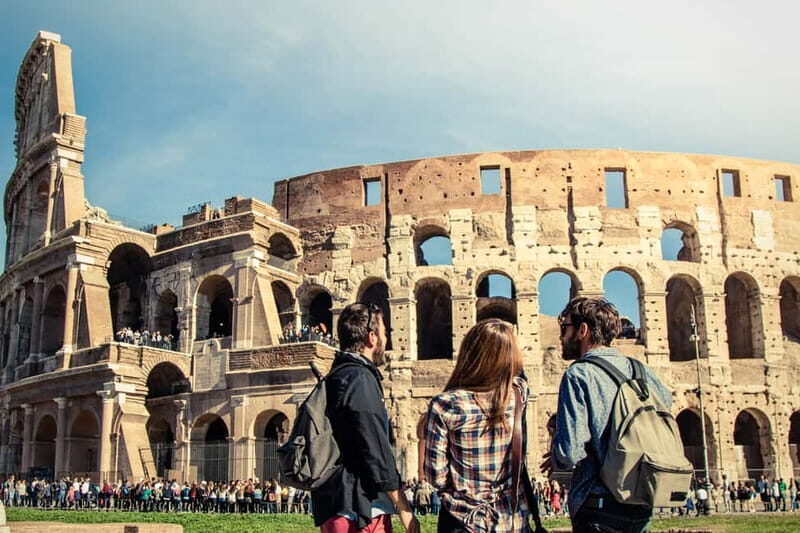
Campo de’ Fiori is where the walk turns food-first. You’ll stroll through the square and visit the nearby local food market area, then get ready for the included tasting of Supplì—the classic Roman street snack (fried rice, usually with a cheesy center).
For many people, the tasting is the best “tangible” part of a history-heavy day. It’s also a shortcut to understanding the culture: Rome is a city where everyday eating is part of sightseeing, not an afterthought.
What you’ll likely enjoy most:
- You’re not just tasting; your guide explains authentic Italian food products, so you know what to look for later when you’re buying for yourself.
- You get the rhythm of the area: quick bites, market energy, and the sense that locals shop in real time.
One consideration: market areas can be lively, and the group keeps moving. If you want to linger and browse without interruption, keep that in mind and plan a separate self-guided revisit if time allows.
Largo di Torre Argentina and Portico d’Ottavia: ruins with a story
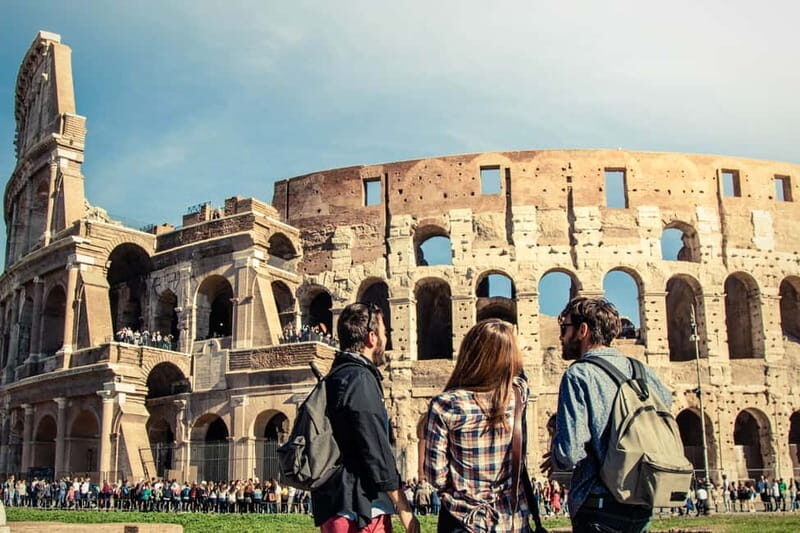
Next up is the ruin zone around Largo di Torre Argentina. The guide shares why this location matters, including the context around the Ides of March and the fate of Julius Caesar. Even if you already know the broad legend, a physical, grounded setting makes it click.
From there, you move toward the Portico d’Ottavia area, and this is where the tour folds in the Jewish Ghetto, described as a neighborhood that feels like time has held its shape. You get the sense of authenticity—streets and spaces that aren’t just museum pieces.
Why this section is valuable: it helps you see Rome as layered, not sorted into ancient-only and modern-only. The ruins and the living neighborhood sit in the same walkable day, and your guide connects the dots.
Tip for your comfort: this part of Rome can involve uneven sidewalks near older structures. The tour is wheelchair accessible, but you’ll still want to dress for walking and be ready for surface variation.
You can also read our reviews of more guided tours in Rome




Temple of Portunus: the fake Colosseum moment
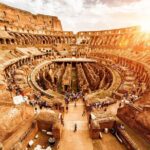
When the tour reaches the Temple of Portunus, you get one of those “wait, that’s why they call it that” experiences. This is the stop tied to the idea of the fake Colosseum—a ruin that resembles the more famous amphitheater vibe.
You’ll also hear what makes the temple notable architecturally, and your guide’s framing helps you understand why this smaller-scale structure can still feel dramatic. It’s a nice contrast: you’re not only hunting the biggest name on every list.
Best for: anyone who likes photography and structure, and anyone who wants a Roman “icon moment” without paying another ticket or waiting in another line.
The Mouth of Truth: Audrey Hepburn to real-life symbolism
Then you’ll reach the Mouth of Truth area. This is the spot people recognize because it was immortalized in film starring Audrey Hepburn in Roman Holiday, and the guide adds the historical and cultural meaning behind the famous stone mask.
Practical advice: this is one of those places where people line up for a quick photo. The real value here is not the photo itself—it’s the context your guide provides so it feels like a living part of Rome’s folklore, not just a movie set.
If you’re traveling with family or friends, this stop tends to be a fun reset before you tackle the bigger, open-air sites.
Circus Maximus, Palatine Hill, and the Tiber Island finish
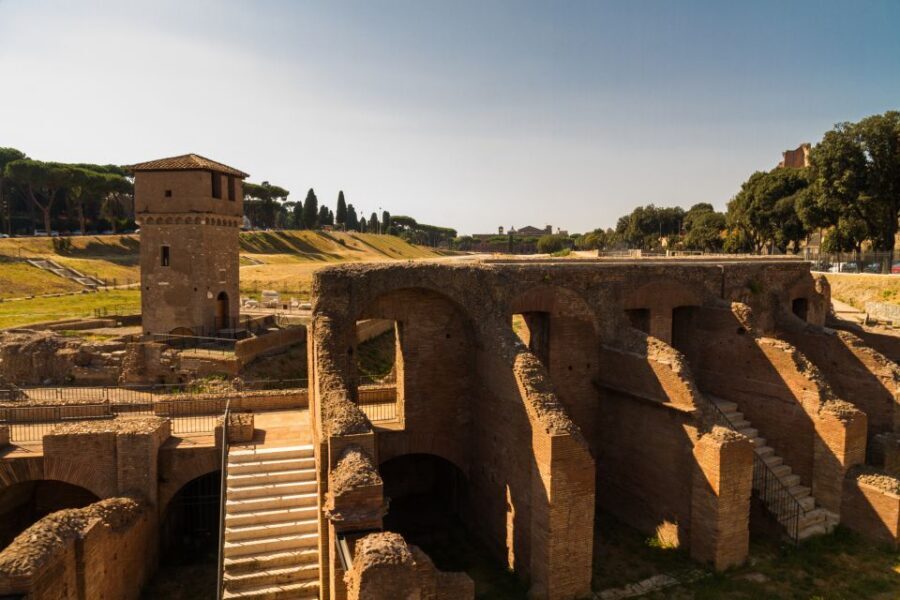
After the more compact landmarks, the route opens up. You’ll get views connected to the Circus Maximus and Palatine Hill, including the big idea that this is where powerful emperors once lived and ruled from the heart of the Roman Empire.
This section is built for scale: you’ll see how Rome’s authority expressed itself through space—big venues, commanding viewpoints, and areas designed to impress.
The walk ends with Tiber Island, including a crossing point where you get a river view. Finishing by the water gives your brain a place to land after stones and stories. If you’re planning dinner afterward, you’ll usually find it easier to navigate from here.
Private and customizable: why guides like Juan and Daniele matter
This is a private group tour, which changes the whole feel. Instead of being dragged through a script, you can ask questions and adjust the walk to match your interests. The tour is also designed to be flexible, so your guide can steer you toward what you care about most.
In practice, the strongest praise tends to focus on hosts who show up ready—on time, with a plan that looks good in real life. Names you may hear connected with excellent service include Juan and Daniele. The common thread in the praise: warmth, serious knowledge, and the ability to personalize the route when your day changes.
If you’re the kind of traveler who likes asking why things are the way they are, the private format makes that easy. If you’re more of a “just show me and talk less” person, you can still enjoy it—your guide can adjust to your pace.
Tickets aren’t included: how to plan without stress
One clear heads-up: tickets to attractions aren’t included. That doesn’t make the tour worthless—most of what you’re seeing is either exterior, church interiors, or sights that don’t require a ticket for a basic viewing experience.
Still, it’s smart to check what you personally want beyond what you’ll see on the walk. If you want guaranteed entry into any specific ticketed sites, plan those separately so you don’t feel rushed during the 3-hour window.
Timing and getting the most from a 3-hour walk
This tour is designed to work as a “Rome orientation + flavor stop” day. Many stops are short (often around 15 minutes), which means you’ll see a lot, but you won’t linger forever at any one place.
That pacing is ideal if:
- You want a structured introduction without spending the whole day in logistics.
- You like a guided narrative that connects locations.
- You want one included taste of Roman street food and then recommendations afterward.
It’s less ideal if you want long, slow museum-style visits or if you get tired walking in Rome’s uneven sidewalks. Bring comfortable shoes and expect you’ll be on your feet.
Price and value: what $79.30 buys you
At $79.30 per person for about 3 hours, the value comes from three things: guide attention, route efficiency, and the included street-food tasting.
Let’s break that down:
- Guide attention: private means you’re not fighting for time with others.
- Route efficiency: the day is planned to chain together major sights and surrounding neighborhoods in a way that makes sense on foot.
- Food included: one Supplì tasting is small in quantity, but big in usefulness because you learn what to look for next.
If you were going to do a DIY walk, you might save money on the guide. But you’d lose the explanation that ties churches, ruins, symbols, and food together. For me, that’s what turns a checklist trip into a coherent day.
Who should book this tour?
Book it if you:
- Want must-sees plus meaningful context in a short time.
- Like street-food culture and want help knowing what’s authentic.
- Prefer a calm, private group style where you can ask questions and customize.
Skip or adjust expectations if you:
- Need long stays at a single monument.
- Are counting on ticketed museum entry as part of the tour (tickets aren’t included).
Should you book Rome: Temples, Squares & Markets Guided Walking Tour?
Yes, if you want a well-shaped introduction to Rome’s center that mixes icons, ruins, food, and neighborhood texture. The included Supplì tasting gives you something you can taste, not just read about. And the private format makes the day feel flexible rather than rushed.
If you’re on the fence, here’s the deciding question: do you want Rome to feel like a connected story during your walk? If yes, this is a strong pick.
FAQ
How long is the Rome temples, squares, and markets walking tour?
The tour lasts 3 hours.
How much does the tour cost?
The price is $79.30 per person.
Where does the tour start?
It starts at the entrance of the Church of Sant’Ignatius of Loyola.
Where does the tour end?
The tour indicates it finishes at Tiber Island, though it also notes it ends back at the meeting point. Confirm the exact end location in your booking details.
Is this tour private?
Yes. It’s a private group tour with your local host.
What’s included in the price?
A local guide and 1 street food tasting are included.
Are attraction tickets included?
No. Tickets to attractions are not included.
What street food will I taste?
The tour includes a tasting of traditional Roman street food, including Supplì.
What languages are the guides available in?
The live guide speaks Spanish, Italian, and English.
Is the tour wheelchair accessible and can I cancel if plans change?
It’s wheelchair accessible. You can cancel up to 24 hours in advance for a full refund.