REVIEW · ROME
Rome: Spritz & Spaghetti Cooking Class
Book on GetYourGuide →Operated by Carpe Diem Tours · Bookable on GetYourGuide
Rome has a way of making food feel personal. This class turns that up fast. You’ll learn to make handmade pasta and three Italian spritzes in a real Roman kitchen, with a small group (max 14) and an English-speaking guide. Chefs such as Sunny, Marzia, Laura, Bart, and Ida have led this experience, and the vibe stays hands-on and friendly from the first drink.
Two things I really like: first, you’re not just watching—you roll dough, cut pasta, and work toward sauces like carbonara and cacio e pepe. Second, you actually eat everything you make, then leave with the recipes so you can repeat the magic at home. One consideration: the class uses dairy and has strict limits—no coeliac/gluten intolerance, no vegan diet, and no lactose intolerance—and the spritzes can be strong if you’re not into alcohol.
In This Review
- Key Reasons This Spritz & Spaghetti Class Works
- Spritz Welcome: Why the First Pour Matters
- A Small Roman Kitchen Experience (Not a Big-Group Show)
- What You Make: Fettuccine Plus Carbonara or Cacio e Pepe
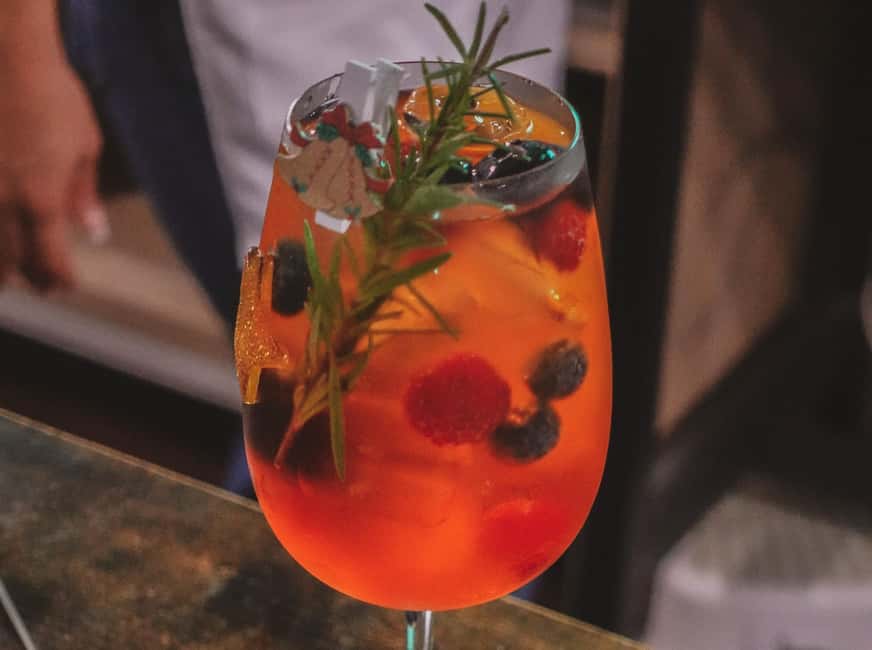
- The Spritz Timeline: Aperol, Hugo, and Limoncello
- How the Class Runs (So You Know When You’ll Cook)
- Hands-On Pasta Skills You’ll Actually Use Later
- The Take-Home Recipes Advantage
- Dietary Fit: Who Should Book, and Who Should Rethink
- Value in Real Terms: Is $112.15 Worth It?
- Who This Class Is Best For
- My Booking Advice: Should You Reserve?
- FAQ
- How long is the Rome Spritz & Spaghetti cooking class?
- How many spritzes are included?
- Is the class private or shared?
- How big is the group?
- Do you eat the food you cook?
- Are vegetarian options available?
- Can the class accommodate coeliac disease or gluten intolerance?
- Can the class accommodate lactose intolerance?
- Is there an English-speaking guide?
Key Reasons This Spritz & Spaghetti Class Works
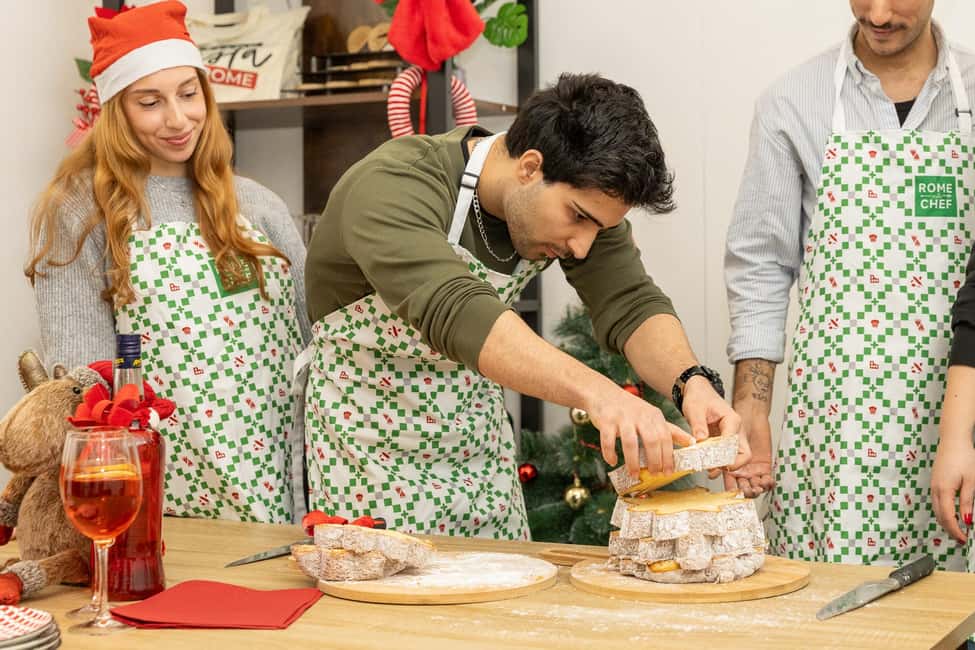
- Small group format (up to 14): you get more attention while you cook, not just stand around.
- Three spritz lessons: Aperol spritz starts the fun, then Hugo appears mid-cooking, and a Limoncello spritz finishes the meal.
- Hands-on pasta making: you roll, cut, and cook fettuccine with fresh ingredients.
- Sauce you can reproduce: you’ll learn what makes carbonara and cacio e pepe work.
- You eat your output: no sad sampling—plan to have a full plate.
- Take-home recipes: you’re not guessing later.
Spritz Welcome: Why the First Pour Matters
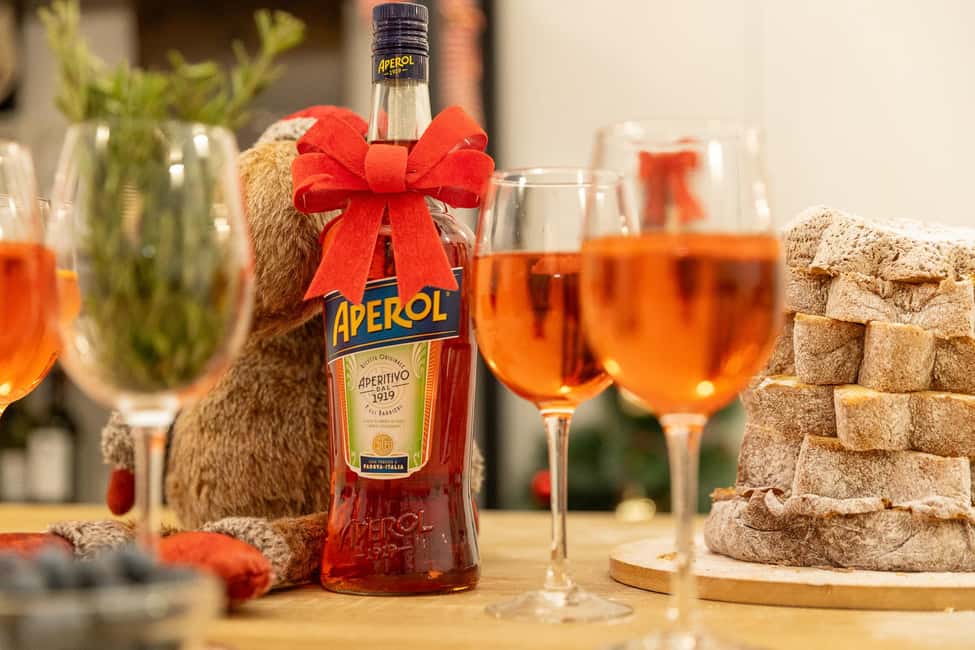
The class opens with an Aperol spritz, and that’s not just a drink. It’s how you meet your chef and loosen up so you’re ready to cook without stress. In practice, it helps you shift from tourist mode into kitchen mode—where you’ll be rolling pasta and timing steps with other people nearby.
You’ll also get a short sense of what the night will feel like, because the chef sets the pace right away. The spritz is basically your warm-up: friendly, approachable, and designed for a mixed group.
You can also read our reviews of more tours and experiences in Rome.



A Small Roman Kitchen Experience (Not a Big-Group Show)
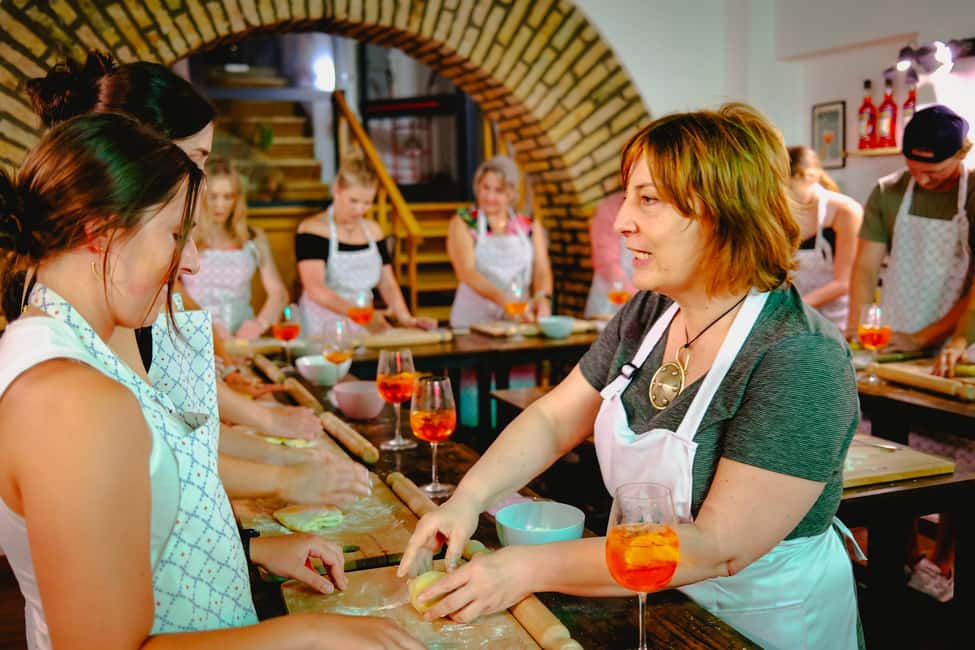
This is set up like a real cooking workshop, with a local expert chef and a group capped at 14. That matters. When everyone has space at the counter and you can ask questions while your dough is in front of you, you learn faster.
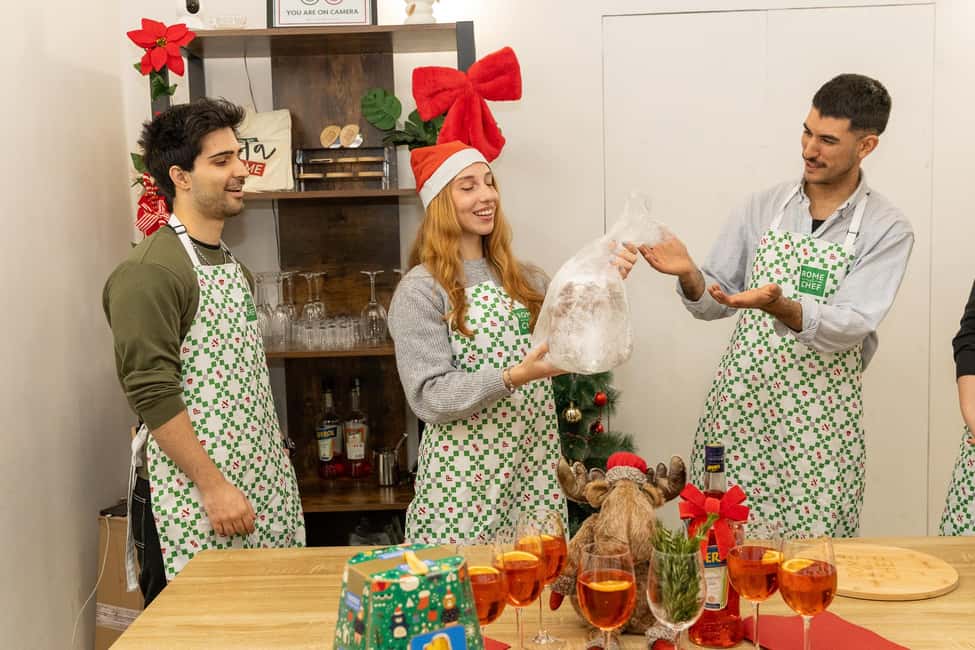
You’ll be working in a Roman kitchen setting where the ingredients and tools feel like they belong to Italy, not a staged demo. It’s also the kind of environment where humor and encouragement aren’t an afterthought—chefs like Marzia and Ida have been praised for making the atmosphere welcoming and fun.
What You Make: Fettuccine Plus Carbonara or Cacio e Pepe
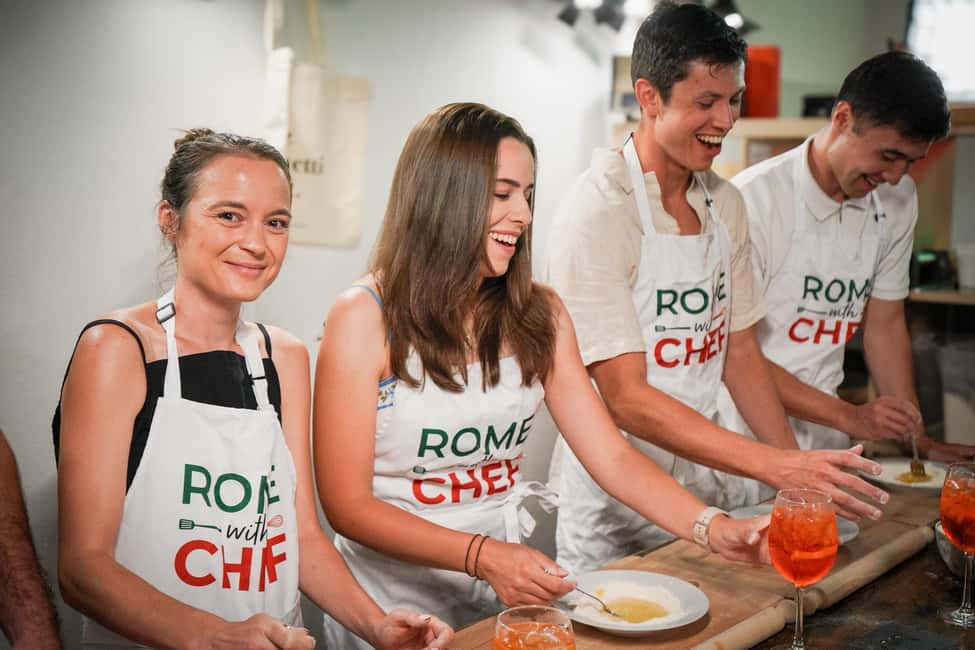
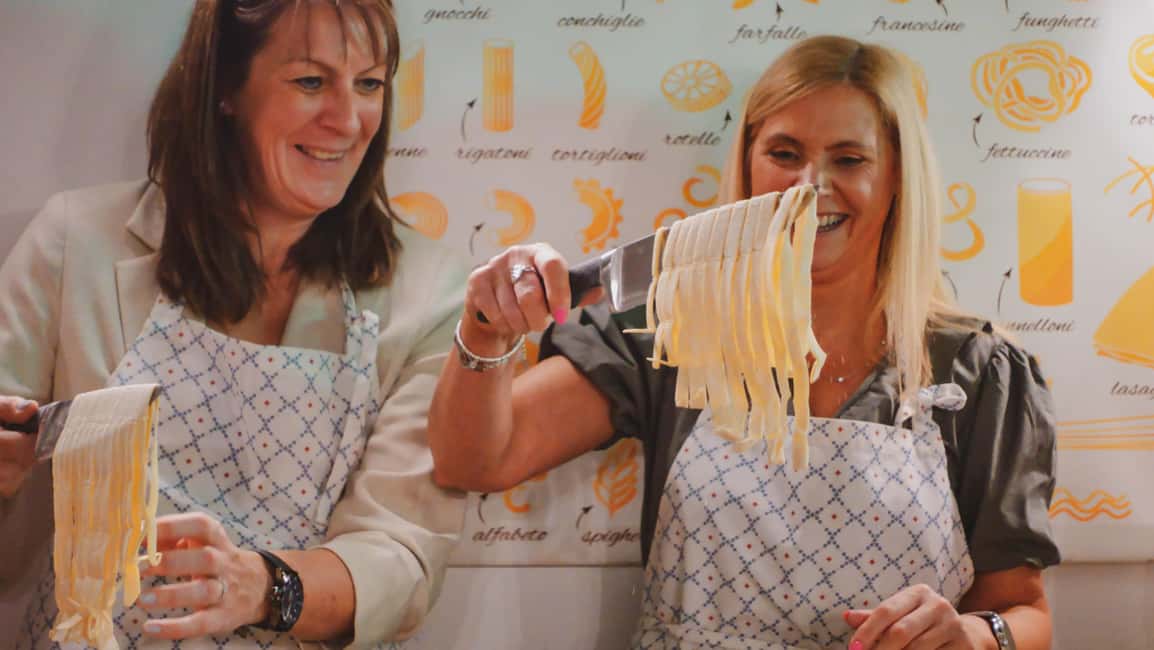
Your main food mission is fresh fettuccine—made by hand. You’ll prep ingredients, then roll and cut pasta, and finally cook it. Expect to do more than assemble; the experience is structured so you build the steps yourself, so you understand how the dough behaves and what changes when it cooks.
For sauce, you’ll learn how to make the classic pairing options: carbonara or cacio e pepe. This is where the class earns its keep. These sauces are simple on paper, but technique matters—timing, texture, and getting the right balance so the sauce clings instead of turning flat or greasy.
If you’ve had carbonara in Rome before, you’ll still likely learn something new here, because the lesson format focuses on the mechanics rather than just the final dish.
The Spritz Timeline: Aperol, Hugo, and Limoncello
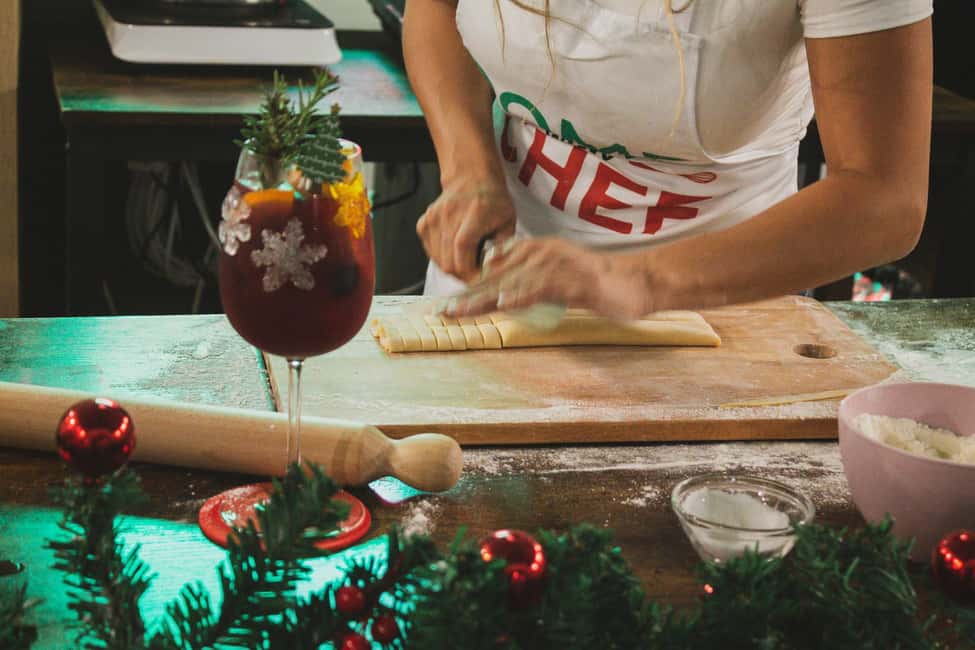
Yes, there’s alcohol. But the way it’s built into the class makes it part of the learning, not a random party add-on.
- Aperol spritz kicks things off. It’s how you get settled, meet the group, and start feeling like you’re at a friend’s table.
- While you’re cooking, you’ll enjoy a Hugo spritz. That timing is smart: you’ll be more focused on pasta hands-on work, and the spritz break keeps energy up without derailing you.
- When the meal is ready, you cap it with a Limoncello spritz.
There are also unlimited water and soft drinks, so you can pace yourself. And if you want the tipsy part, plan for it. Several class comments point out the drinks can be strong, so if you’re driving later, keep that in mind.
How the Class Runs (So You Know When You’ll Cook)
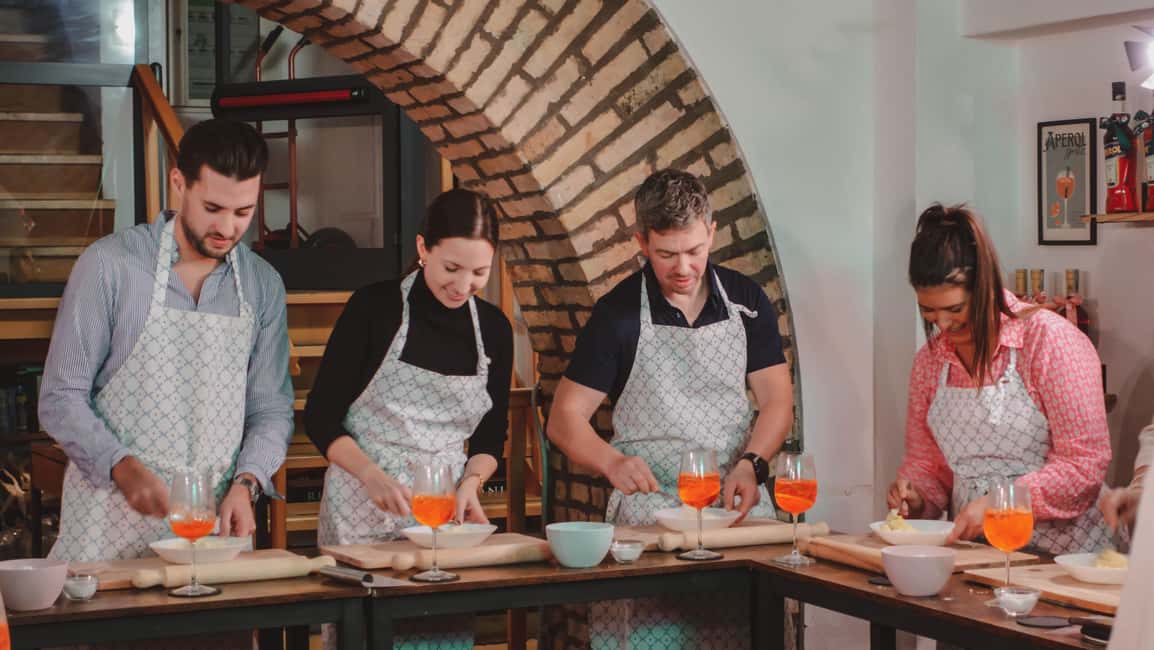
The pacing is built around three things: meeting the chef, building pasta skills, and finishing with dinner.
First, you start with the Aperol spritz and meet your chef. Then, once everyone’s ready, you move into prep for pasta. The chef guides you through the process as you go—rolling, cutting, and cooking the fettuccine with fresh ingredients.
During the cooking portion, you’ll be tasting and enjoying the middle-of-class Hugo spritz, which also acts like a rhythm reset. Once everything’s ready, you eat together, with your chef and your new tablemates, then finish with the Limoncello spritz.
The key practical point: you’re in motion the whole time. You’re not waiting for long demos where you can’t ask questions.



Hands-On Pasta Skills You’ll Actually Use Later
A lot of cooking classes leave you with a souvenir dish and a vague memory of how it worked. This one is different because it’s built around repetition of core steps: dough, shaping, cooking, then sauce mechanics.
When you roll and cut your own pasta, you see what affects thickness and how that changes the bite after cooking. And when you learn carbonara or cacio e pepe, you’re not just told to add ingredients—you’re taught the logic behind texture and timing. That’s what helps you recreate the meal at home.
It also helps that the class uses fresh, locally sourced ingredients (and vegetarian options are available). So your finished pasta isn’t something you assembled from pre-made shortcuts—it tastes like you made it.
The Take-Home Recipes Advantage
This is one of the best value elements: you get the recipes to take home. In a city full of great meals, it’s easy to leave with memories and zero method.
With a recipe set, you can actually repeat the dish, especially the pasta and the sauce logic. You’ll also be able to bring your own style to it once you understand the fundamentals the chef taught you.
Dietary Fit: Who Should Book, and Who Should Rethink
This class is very clear about dietary limits. Here’s what you can and can’t count on based on the policy provided:
- Vegetarian options are available.
- They cannot accommodate coeliac disease, gluten intolerance, and/or a vegan diet.
- They also cannot accommodate lactose intolerance, because dairy is used.
So if you’re gluten-free or lactose-free, you’ll want to look for another option in Rome. If you’re vegetarian and can handle dairy and gluten, this class is a strong fit.
Also note: the menu they prepare affects who can join, so don’t assume you can just swap ingredients on the day.
Value in Real Terms: Is $112.15 Worth It?

At $112.15 per person for about 3 hours, you’re paying for four big things, not just the food:
- a local expert chef and a small-group workshop format
- ingredients for handmade pasta and sauce
- three spritzes (Aperol, Hugo, Limoncello)
- the fact that you eat everything you cook and take home recipes
If you’ve ever tried to recreate a cooking session at home, you know ingredient waste and time add up fast. Here, you get the tools, guidance, and a full meal built into the same package. Plus, the spritz component isn’t random—it’s scheduled and included, which changes the experience from a dry cooking class into a Roman social night.
If your goal is only one thing—like learning pasta—this might still feel worth it because of the hands-on format and take-home recipes. If your goal is partying, it’s not a club, but it is designed to get you feeling relaxed with drinks during the process.
Who This Class Is Best For
I think this is a great pick if you want one evening in Rome that feels different from sightseeing and restaurant hopping.
You’ll likely enjoy it most if:
- you like hands-on cooking, even if you’re a beginner
- you want an easy way to meet people in a small group
- you enjoy classic Italian drinks and don’t mind a bit of alcohol pacing
- you want pasta and sauce skills you can repeat later
If you’re sensitive to alcohol or have dairy/gluten restrictions, you may want to skip this one and choose a more specialized class.
My Booking Advice: Should You Reserve?
Yes, if you fit the dietary rules and you want a fun, skills-focused night. This is the kind of Rome experience that gives you more than a meal. You leave with handmade pasta technique, sauce know-how, and recipes you can use again.
Before you book, do two quick checks:
- confirm you’re okay with gluten and lactose since swaps aren’t available for those needs
- plan your timing for the rest of your evening, because the spritzes are part of the experience and can be strong
If that sounds like your ideal last-night-in-Rome plan, reserve a spot. The small group size and the “eat what you cook” setup are exactly what make this class feel personal.
FAQ
How long is the Rome Spritz & Spaghetti cooking class?
It runs for about 3 hours.
How many spritzes are included?
You’ll receive three spritzes: 1 Aperol spritz, 1 Hugo spritz, and 1 Limoncello spritz.
Is the class private or shared?
Both are available. You can book a private group or a shared class.
How big is the group?
The group is small, with a maximum of 14 people.
Do you eat the food you cook?
Yes. You eat everything you make.
Are vegetarian options available?
Vegetarian options are available. However, the class cannot accommodate a vegan diet.
Can the class accommodate coeliac disease or gluten intolerance?
No. The class cannot accommodate coeliac disease or gluten intolerance.
Can the class accommodate lactose intolerance?
No. The class cannot accommodate lactose intolerance because dairy is used.
Is there an English-speaking guide?
Yes. The class includes a live tour guide in English.