REVIEW · MUSEUMS
Rome: Private Tour of the Capitoline Museums
Book on GetYourGuide →Operated by Touriks · Bookable on GetYourGuide
You’ll feel Rome’s power fast.
This private visit to the Capitoline Museums is built around your pace, starting right in Michelangelo’s famous Piazza del Campidoglio. I love that the route is adjustable to what you care about most, so the time doesn’t get wasted marching past stuff you could see with zero context. The big payoff is how the guide connects sculptures, art, and myths to real Roman life.
Best part is what you see up close.
I especially like the chance to stand before the Capitoline She-Wolf and the Dying Gaul, then hear why they mattered then and why they still hit you now. The one thing to consider: at 2 hours, you’ll want your top priorities set early, because there’s no way to cover everything at a museum this size without choosing.
In This Review
- Key Highlights That Make This Tour Worth Your Time
- Capitoline Museums and Michelangelo’s Piazza del Campidoglio Meeting Point
- How a Private Guide Shapes Your 2-Hour Route to Your Interests
- The Sculpture and Painting Must-Sees: She-Wolf, Dying Gaul, Marcus Aurelius, and More
- Capitoline She-Wolf
- Dying Gaul
- Equestrian Statue of Marcus Aurelius
- Paintings by Rubens and Caravaggio
- Myth, legend, and how artists borrowed the past
- Michelangelo’s Genius Meets Museum Architecture (Including the Underground Gallery)
- Balcony Views Over the Roman Forum Inside the Museum Complex
- Optional Victor Emmanuel II Monument Add-On for Terrace Views and a Coffee
- Start order can vary
- What You’ll Spend and Why the Price Can Make Sense Here
- Logistics, Rules, and Comfort: Small Things That Matter in Rome
- Who This Tour Suits Best (and Who Might Want to Skip It)
- Should You Book This Private Capitoline Tour?
- FAQ
- How long is the private tour of the Capitoline Museums?
- Where do we meet for the tour?
- Is the Monument to Victor Emmanuel II included?
- What’s included in the ticket price?
- What languages are available for the guide?
- Is the tour suitable if I use a wheelchair?
Key Highlights That Make This Tour Worth Your Time
- Meet in Piazza del Campidoglio so the architecture gets explained before the art does
- Custom 2-hour route that adjusts to your interests and walking pace
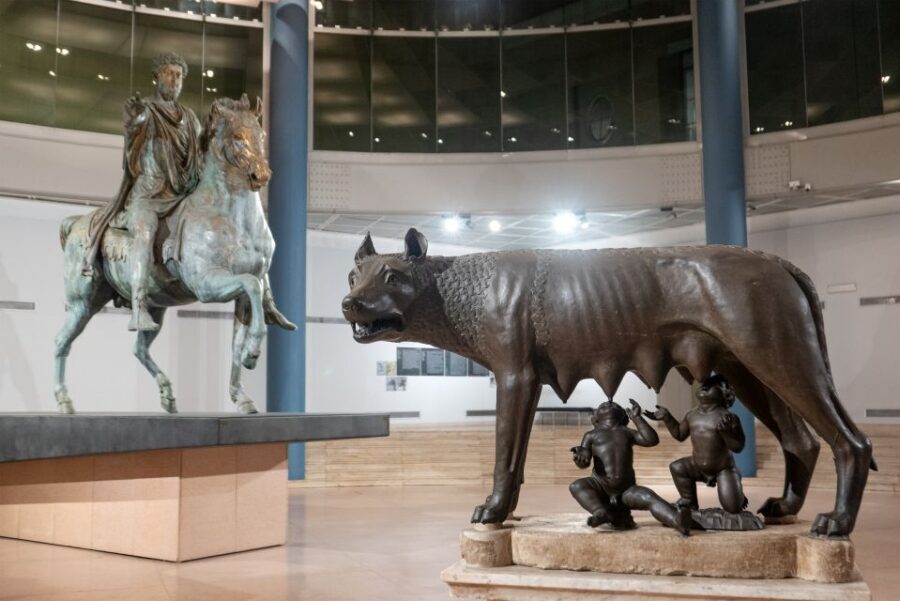
- Hit the headline sculptures like the Capitoline She-Wolf and the Dying Gaul
- Roman Forum balcony views from inside the museum complex
- Optional Victor Emmanuel II add-on for 360-degree panorama and a terrace-bar coffee
- Headsets + skip-the-ticket-line helps you use every minute without getting swallowed by crowds
Capitoline Museums and Michelangelo’s Piazza del Campidoglio Meeting Point
Rome has a talent for making you stop and look up. This tour starts in exactly that mood: at Piazza del Campidoglio, Michelangelo’s design for the civic heart of the city.
Before you even step into the museums, your guide sets the stage. They’ll point out how the piazza works, including the optical trick that makes the space feel like it’s pulled into alignment with the buildings. It’s one of those “wait, that’s clever” moments. And it matters, because the Capitoline story is not just about objects behind glass. It’s about how Romans used art, planning, and public space to project authority.
You’ll also get an easy sense of flow. From this starting point, the museum route feels logical rather than random. That’s a big deal for a place where the collection is strong and the building can be a maze if you’re without guidance.
Practical note: you’re meeting at a central spot that can get busy. Plan to arrive a few minutes early, then let your guide handle the timing and entry rhythm.
You can also read our reviews of more private tours in Rome

How a Private Guide Shapes Your 2-Hour Route to Your Interests
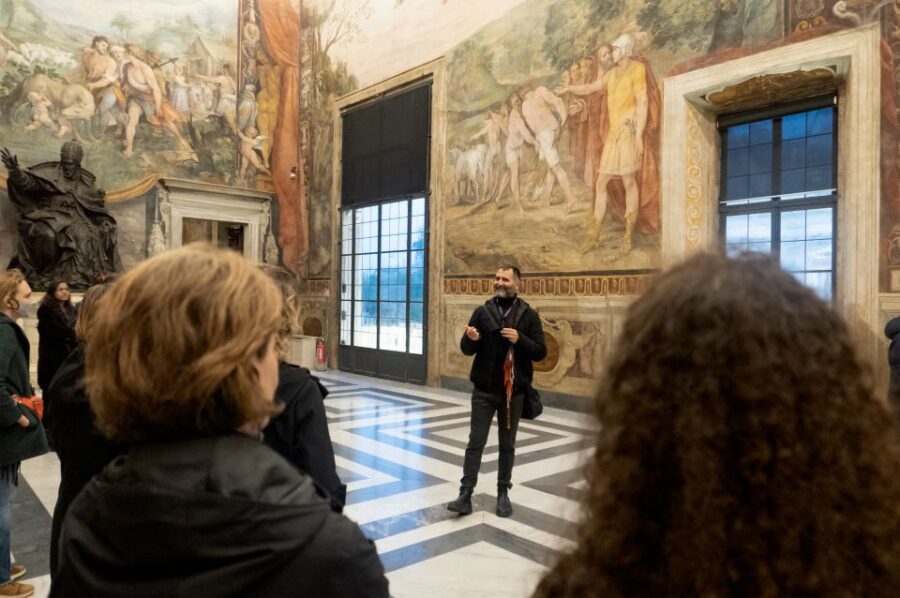
The biggest value here is control. This is a private group tour, and your guide customizes what you see and how quickly you move. You’re not stuck with a rigid script that sprints through the “usual ten photos.”
You can usually steer the focus in a few directions:
- If you’re more into art and technique, your guide can lean into how the artists and myths connect.
- If you’re more into Roman history, the guide can emphasize the political and cultural meaning behind the objects.
- If you’re the slow-and-thoughtful type, you can take breaks and linger longer where your attention goes.
Also, the tour uses headsets, so you hear your guide clearly even in busier galleries. That sounds small, but in Rome it’s the difference between hearing the story and repeating the guesswork later.
About the guide types: the experience is strongest when your guide can translate myth into something concrete. When you get a guide with that gift (one example you might encounter is Mario, noted for high energy and deep knowledge), the museum feels alive instead of like a list.
The Sculpture and Painting Must-Sees: She-Wolf, Dying Gaul, Marcus Aurelius, and More
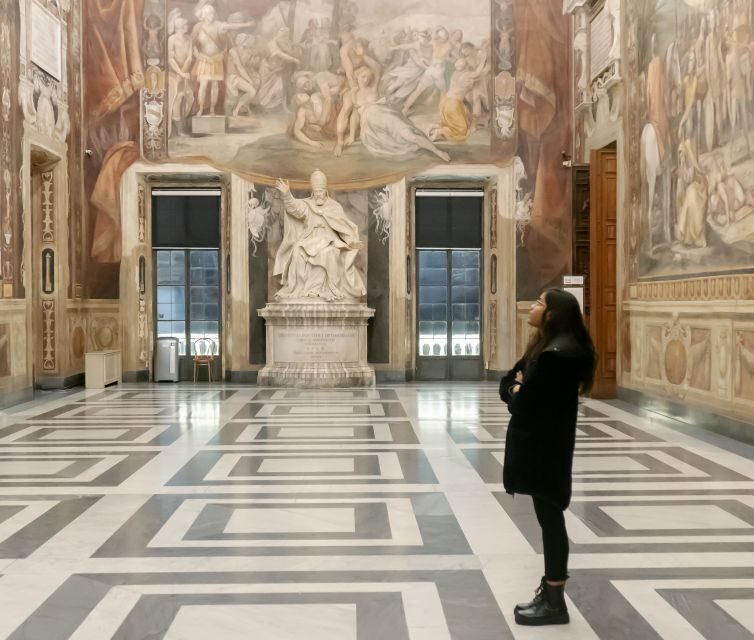
This is where the Capitoline Museums earn their reputation. Even if you think you know the famous pieces already, seeing them in person with context changes how you experience them.
Here are the headline works you should expect to spend real time with:
Capitoline She-Wolf
This is the Roman origin-story icon. Your guide should explain why it became a symbol and what it represents in the long chain of reuse and meaning. It’s not just a cool animal sculpture—it’s a piece of cultural identity that outgrew its original narrative.
Dying Gaul
This one is a masterclass in emotion. The Roman world loved drama, movement, and the human body as storytelling. With your guide’s help, you’ll notice how the expression and posture do the talking—long before you start reading labels.
You can also read our reviews of more museum experiences in Rome


Equestrian Statue of Marcus Aurelius
This statue isn’t just impressive because it’s large. It’s impressive because it shows how Romans used public imagery to project leadership. If you’ve only seen photos, you might be surprised by how it changes the feel of the room.
Paintings by Rubens and Caravaggio
This tour doesn’t limit you to ancient sculpture. You also get access to standout paintings, including works by Rubens and Caravaggio. The contrast is useful: Roman art and later European art can feel like separate worlds, but the stories and themes your guide ties together help you connect them.
Myth, legend, and how artists borrowed the past
A key part of the tour is the way your guide connects mythology and Roman history to the art tradition. You’ll learn how later artists drew ideas from Roman themes (including how figures like Bernini connect back through story and influence). It’s the kind of explanation that makes you look at a sculpture and think, Ah—this isn’t random. It’s a message.
If you’re trying to decide what to prioritize inside your 2-hour window, put “story + emotion” pieces near the top. Those are the works that benefit most from a live guide.
Michelangelo’s Genius Meets Museum Architecture (Including the Underground Gallery)
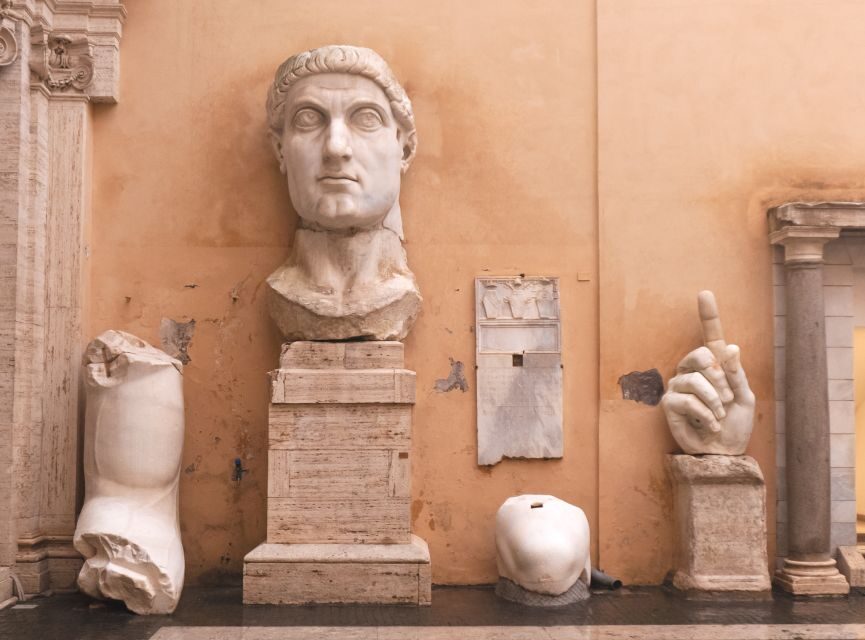
The Capitoline Museums aren’t only about masterpieces. They’re also about how the buildings guide your attention.
After your initial galleries, you’ll go into an underground gallery area and then reach the second museum building. Even if you’re not an architecture nerd, this section helps your brain reset. You stop thinking about the collection as one long hallway and start experiencing it as a sequence of spaces—each one with a purpose.
This is also where the museum’s layout earns extra points. You’re not just walking. You’re being positioned.
That brings us to one of the practical reasons you might pick this tour even if you already plan to visit the museums on your own: the views.
Balcony Views Over the Roman Forum Inside the Museum Complex
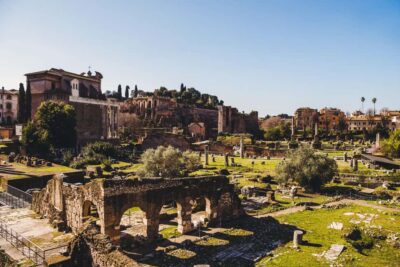
Here’s the payoff that many self-guided visits miss: you get breathtaking views of the Roman Forum from the museum’s balcony area.
This is more than a pretty moment. Seeing the Forum from the museum gives you better context for what you’ll see later when you visit the ruins directly. It’s like getting an aerial-level perspective, except you’re closer to the architecture that frames the view.
When you’re there, notice how the museum balcony changes your understanding of scale. Your guide can point out how the sightlines connect to the Roman city’s layout and why elevated perspectives mattered to Roman public life.
If you love architecture and city design, this stop can become the highlight—even if the sculptures are what you expected to remember most.
Optional Victor Emmanuel II Monument Add-On for Terrace Views and a Coffee
If you want a “Rome payoff” at the end, this is the optional extension: the Monument to Victor Emmanuel II for panoramic vistas. The time add-on is about 40 minutes, and it’s focused, not a long detour.
Here’s what you get:
- A guided visit of the monument (only if you choose this option)
- Entrance to the glass elevator to reach the terrace level (also only if selected)
- 360-degree panoramic views over Rome
- A coffee or cappuccino at the terrace-bar with a view
That coffee part sounds simple, but it changes the tone. Instead of finishing museum walking on an empty stomach, you get a built-in breather with a payoff view. It’s a nice reset before you move on to the rest of your day.
Start order can vary
One thing to know before you pick this add-on: the itinerary order can vary depending on the schedule. You might start at the Capitoline Museums and then go to the monument, or you might do the reverse.
So if you’re the type who likes a strict plan (like arriving, seeing one thing, then leaving), double-check which option you selected. The tour still works either way—you just want your expectations aligned.
What You’ll Spend and Why the Price Can Make Sense Here
At $361.38 per person for a 2-hour private tour, this isn’t a budget add-on. But it can be good value if what you want is context and efficient time, not just access.
Here’s how the price plays out:
- You get an expert live guide for the full 2-hour window.
- You get entry fees included for the Capitoline Museums.
- You get headsets, which really help you stay oriented.
- You get skip-the-ticket-line entry, which saves time when lines form.
Then, if you add the Victor Emmanuel II option, you’re also paying for:
- the monument-guided component (only if selected)
- elevator access to the panoramic terrace (only if selected)
- a coffee or cappuccino at the terrace-bar with the view (only if selected)
So the question isn’t only, Is it expensive? It’s: Do you benefit from a guide who can connect art to meaning, and do you want the extra view payoff without figuring out the logistics?
If your answer is yes, the price starts to look more reasonable. If you only want to see a few famous pieces and you prefer wandering, you might do fine self-guided.
Logistics, Rules, and Comfort: Small Things That Matter in Rome
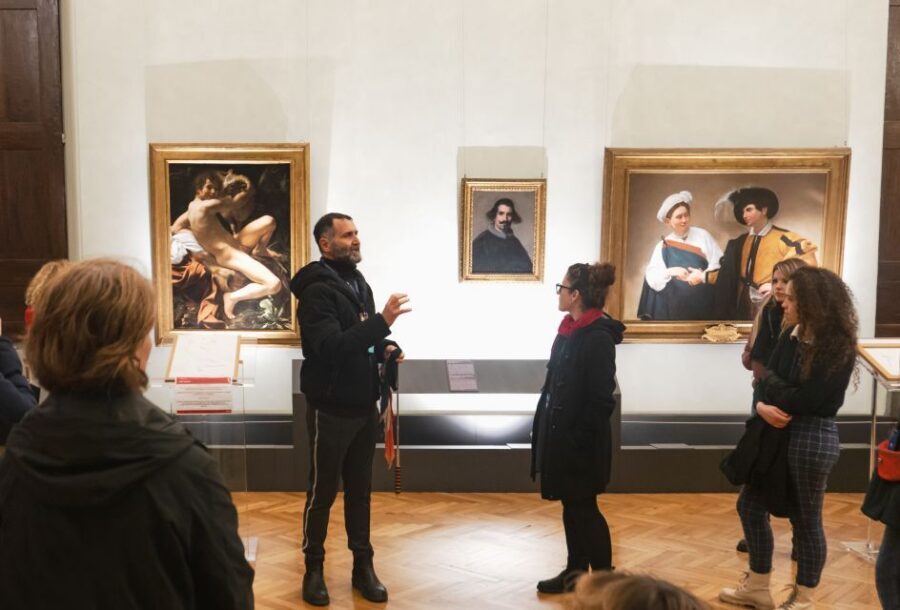
This tour is designed to keep you moving smoothly, but you still want to plan like an adult with limited energy.
A moderate fitness level helps. There’s a moderate amount of walking, plus you’ll be on your feet through galleries and viewpoints.
Also, watch what you bring. The experience doesn’t allow:
- pets
- weapons or sharp objects
- food and drinks
- luggage or large bags
- drones
- selfie sticks and tripods
- alcohol and drugs
So if you’re traveling light, you’ll feel better. If you have larger bags, you’ll want to handle them through normal lockers or your own strategy before meeting.
Wheelchair accessible is listed, which is great news if you need it. You’ll still want to go in with a realistic view of museum movement: elevators, ramps, and crowd flow can vary by area.
Language options include French, Spanish, German, English, Italian, and Portuguese. If you’re choosing between languages, pick the one you feel most comfortable with for art stories and names.
Who This Tour Suits Best (and Who Might Want to Skip It)
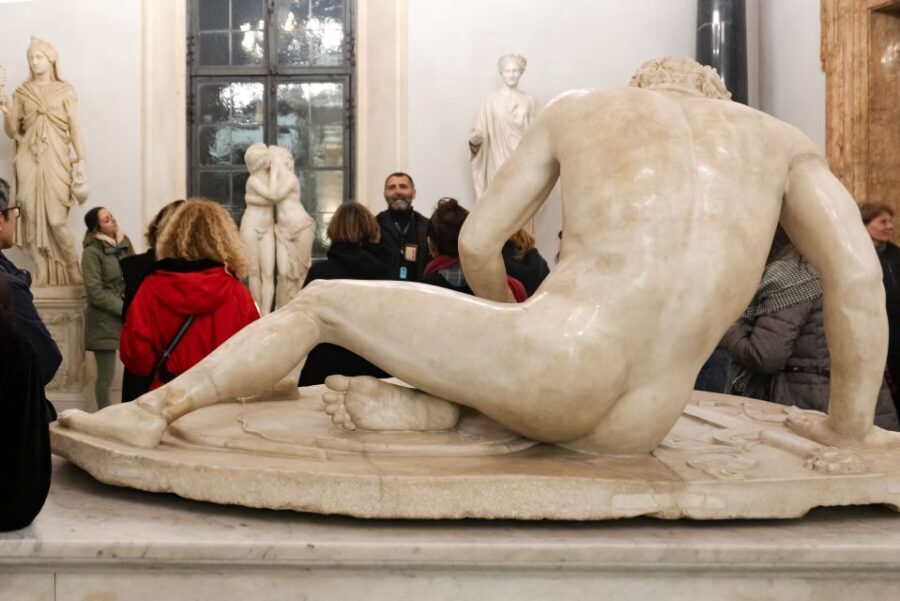
This experience is ideal if you fall into one of these buckets:
- You want a guided art and history pairing, not just a museum stamp.
- You love sculpture, myth, and symbolism and want a guide to connect dots.
- You care about views and pacing, especially the Forum balcony moment.
- You prefer a private setup where you can slow down when something grabs you.
It’s less ideal if:
- You’re allergic to paying for guidance and you’re happy reading labels on your own.
- You want a huge sweeping tour with every room covered. This is structured, and it rewards choosing priorities.
If you’re unsure, think of it this way: this tour is built for people who want the best parts of the museum with a human brain explaining what you’re looking at.
Should You Book This Private Capitoline Tour?
Book it if you want your Capitoline visit to feel focused, understandable, and visually rewarding. The combo of custom route, famous sculpture highlights like the She-Wolf and Dying Gaul, and the Roman Forum views from the balcony makes this more than a ticket—it’s a guided way to see Rome’s messaging in art form.
Skip the guided private version if you’re truly budget-first and you’re comfortable exploring on your own. But if you’re willing to pay for time saved, better context, and fewer guesswork moments, this is a strong choice.
If you add the Victor Emmanuel II option, you end with a classic Rome panoramic payoff and a coffee moment that helps the day feel complete.
FAQ
How long is the private tour of the Capitoline Museums?
The tour is 2 hours (listed as 160 minutes). If you choose the optional Monument to Victor Emmanuel II extension, the experience includes that add-on time as well.
Where do we meet for the tour?
The meeting point can vary depending on the option booked. You’ll either meet at the Capitoline Museums or at the Monument to Victor Emmanuel II.
Is the Monument to Victor Emmanuel II included?
A guided tour of the Monument to Victor Emmanuel II is not included unless you select the option during purchase. If you select it, the tour includes guidance plus elevator access to reach the panoramic terrace.
What’s included in the ticket price?
You get an expert live guide, entry fees to the Capitoline Museums, and headsets. If you select the Monument option, you also get the guided component, elevator access fees, and a coffee or cappuccino with a view.
What languages are available for the guide?
The guide is available in French, Spanish, German, English, Italian, and Portuguese.
Is the tour suitable if I use a wheelchair?
Wheelchair accessibility is listed for the tour, though there is a moderate amount of walking as part of the experience.