REVIEW · WINE TOURS
Rome: Pizza & Tiramisu Making Class with Wine & Limoncello
Book on GetYourGuide →Operated by Eat and Walk Italy · Bookable on GetYourGuide
Two Italian classics, made by your own hands.
This Rome class keeps things practical and close to the sights, with the historic center location near Piazza Navona and a chef who guides you step-by-step. You’ll create tiramisu and pizza from scratch, then sit down to eat what you make with wine and limoncello included.
I especially like two parts: the knead-to-bake pizza routine and the dessert timing. You learn how to stretch and top dough before baking it, then the tiramisu comes together with espresso-soaked biscuits and mascarpone cream.
One possible drawback: you’ll spend most of the 2.5 hours inside the restaurant kitchen and dining area, so it’s not the best choice if you’re hunting for uninterrupted monument views.
In This Review
- Key things to know before you go
- Why This Rome Pizza & Tiramisu Class Works (and for whom)
- Gusto Restaurant: The Smart Start Point in Rome’s Historic Center
- Tiramisu 101: Espresso Soak and Mascarpone That Actually Sets
- Pizza Making in Rome: Dough Stretching, Toppings, and Baking to Crisp
- The Meal Part: Wine, Limoncello, and Eating What You Built
- Price and Value: Is $66.84 Worth It?
- How the Chef Style Impacts Your Experience
- Timing: Best Use of This 2.5-Hour Block
- Tips to Recreate Your Results at Home (Without Owning a Pizza Oven)
- Should You Book This Rome Pizza & Tiramisu Class?
- FAQ
- How long is the Rome pizza and tiramisu class?
- Where does the class start?
- What dishes will I make?
- What’s included with the meal?
- Will the instructor teach in English?
- Is there a small group setup?
- What is the cancellation policy?
Key things to know before you go
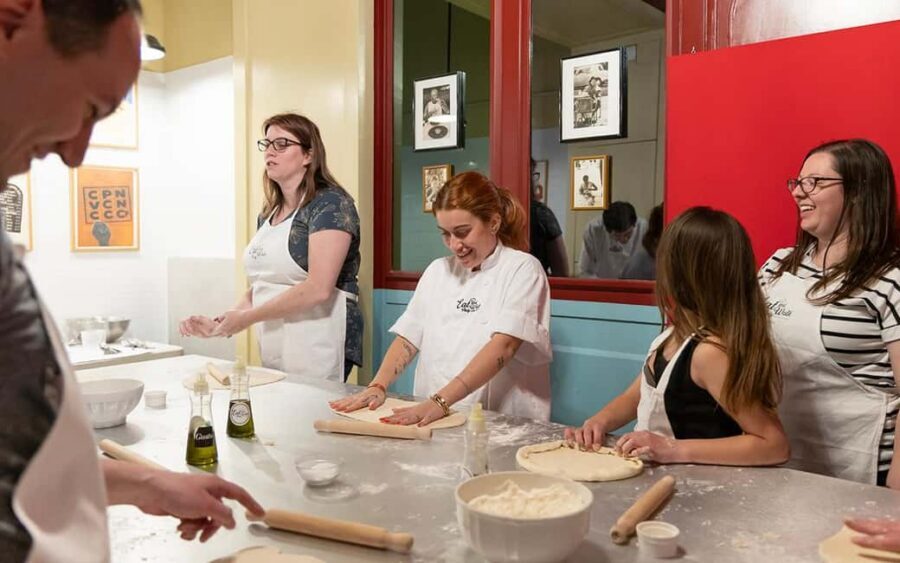
- Make two dishes from scratch: tiramisu layering, plus pizza dough work, toppings, and baking
- Central Rome location: start at Gusto Restaurant near Piazza Navona
- English instruction: the chef teaches in English so you’re not guessing
- Small group setup: you can ask questions while you cook
- Drinks included: a glass of wine (or non-alcoholic option) plus limoncello or coffee
- Chefs bring personality: classes may be led by instructors like Leonardo, Hassan, or Josefina
Why This Rome Pizza & Tiramisu Class Works (and for whom)
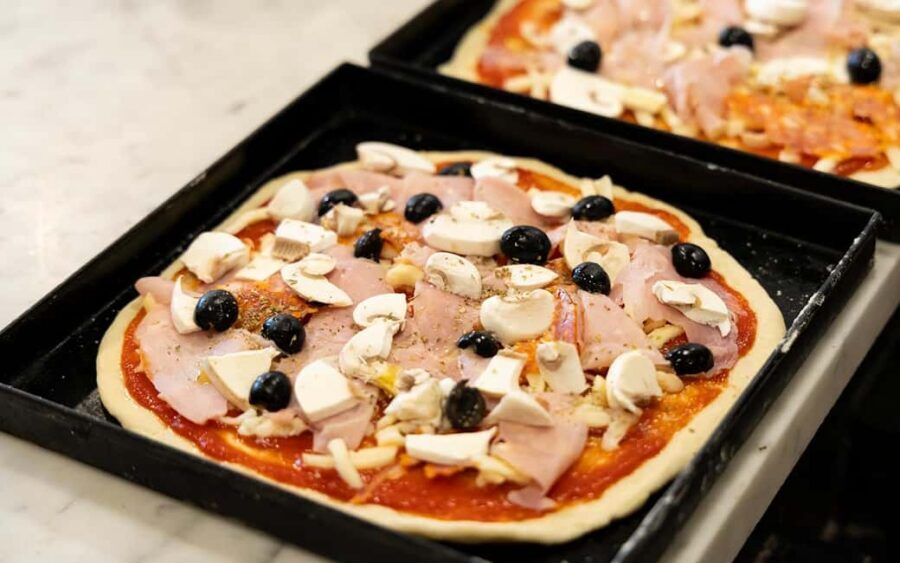
This is the kind of activity that’s built for people who like to do things, not just watch them. In about 2.5 hours, you’ll go from raw ingredients to two finished Italian staples: tiramisu and pizza. It’s also a smart way to spend an evening in Rome without needing reservations for a fancy meal you already know you can find anywhere.
I like the “hands-on first” format. Many food experiences give you one small taste moment; this one has you making the food, including the pizza dough steps and the tiramisu assembly. That means you leave with something more useful than a photo: an actual process you can repeat at home.
You’ll also appreciate that the class includes drinks—wine plus a limoncello toast (or coffee). It’s not a bar night, but it makes the meal feel like a real Roman dinner stop.
This class fits especially well if you’re:
- A couple or solo traveler who wants a social evening without the chaos of a huge tour group
- A food lover who wants a repeatable skill
- A family that prefers a structured activity over wandering when everyone is tired
- A first-timer in Rome who wants value and a central location
If you’re the type who wants to spend every minute outside taking in architecture, know that this experience is mostly indoors. You’ll be near major sights, but the cooking room is the focus.
You can also read our reviews of more wine tours in Rome


Gusto Restaurant: The Smart Start Point in Rome’s Historic Center
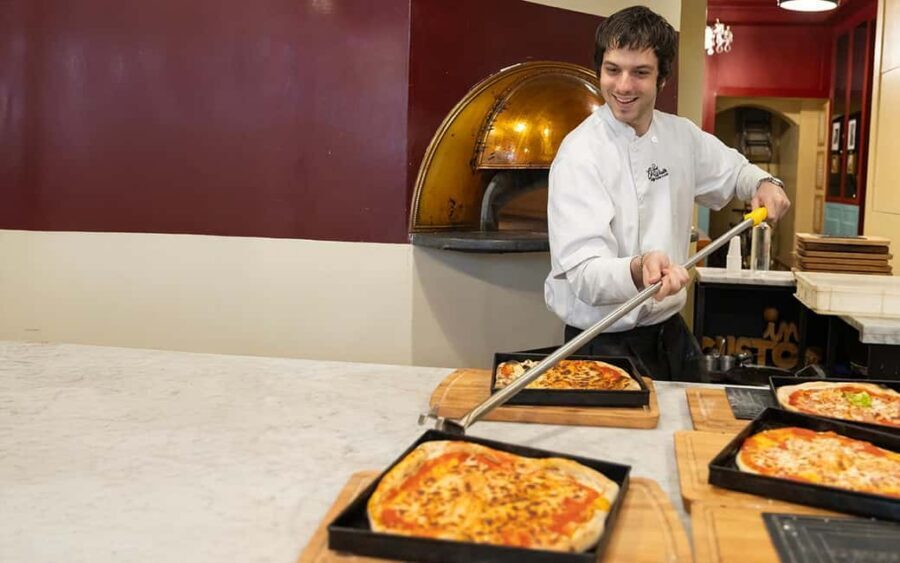
Your class begins at Gusto Restaurant and returns you there afterward. That sounds simple, but it matters in a city where “getting there” can eat time. Starting near Piazza Navona puts you in the thick of central Rome, so you can easily pair this with sightseeing before or after.
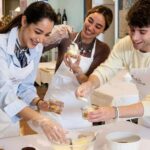
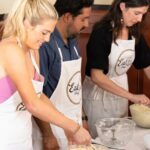
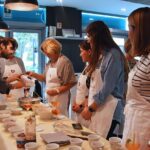
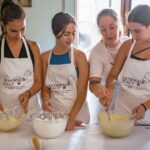
Once you arrive, the setup is designed for participation. The chef isn’t just narrating from the sidelines—this is about doing. You’ll be mixing, kneading, assembling, and baking with guidance in English, which helps if you’re not fluent in Italian kitchen talk.
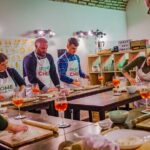
A small-group format is also part of the comfort. When you’re working with dough and timing a dessert, it helps to have space to ask a question and get an immediate answer. Past classes have been described as fun and paced well, with chefs who keep the room engaged—often with jokes and encouragement.
Tiramisu 101: Espresso Soak and Mascarpone That Actually Sets
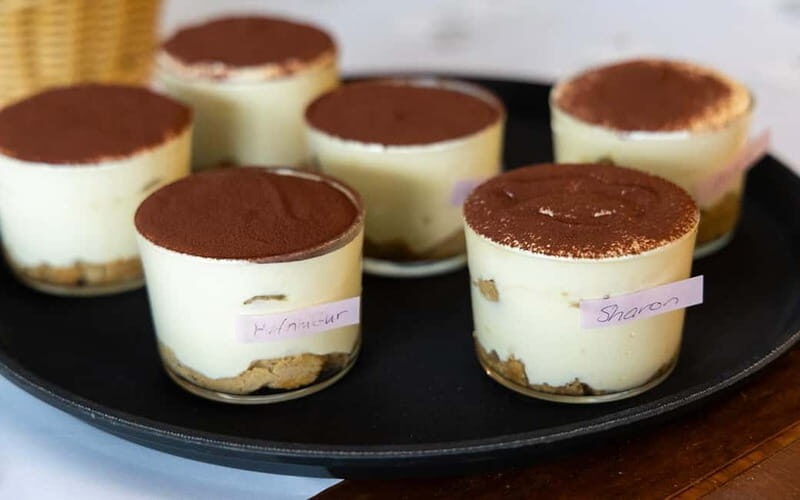
You start with tiramisu, built around espresso-soaked biscuits and mascarpone cream. This part is great because it’s not just assembly—it’s timing and technique. The chef walks you through how to layer without turning the dessert into soggy chaos.
Here’s what you should pay attention to while you build yours:
- Espresso soak time: the biscuits should absorb enough flavor, but you don’t want them collapsing
- Mascarpone texture: you’re aiming for a smooth, creamy consistency that holds up between layers
- Layering order: the rhythm is the recipe—putting it together the right way is what makes it taste right when you slice and serve
Tiramisu is also an ideal “first win.” Even if you’ve never made dessert before, you’ll likely get the hang of the flow quickly. And once your tiramisu is done, you don’t have to wait nervously wondering if pizza dough is going to cooperate later—you already have one finished dish secured.
In classes that have been led by chefs like Leonardo, Andrea, or Josefina (names vary by session), the teaching style often includes practical tips plus context about why Italians do things a certain way. That extra bit helps you understand the method, not just copy it.
Pizza Making in Rome: Dough Stretching, Toppings, and Baking to Crisp
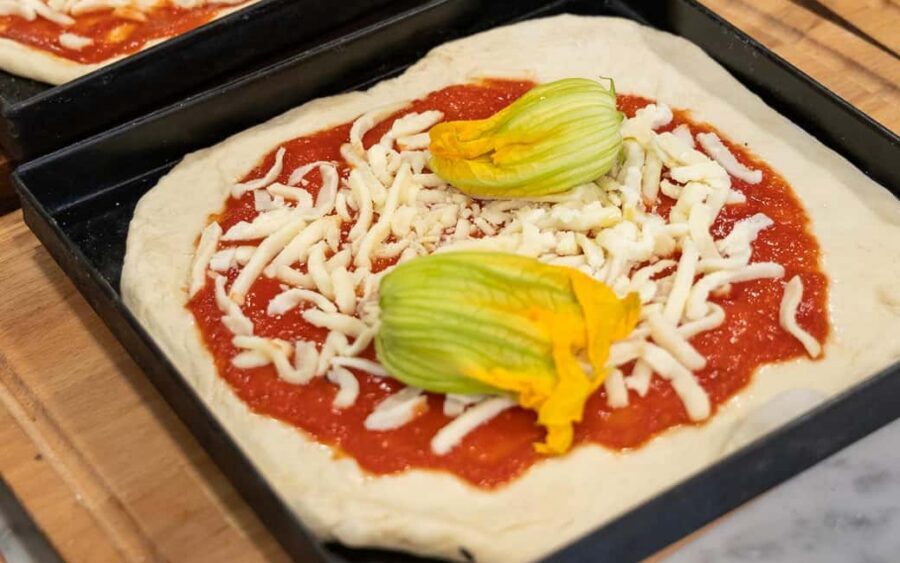
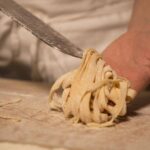
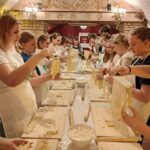
Then you move into the main event: pizza. This is where the class earns its name, because you’re not just assembling toppings on a store-bought base. You’re learning the steps that affect the crust: kneading, stretching, adding toppings, and baking.
The chef typically explains the dough process in a way that’s easy to follow, including the science behind why certain textures work. You’ll likely hear a lot about how dough behaves—how it stretches, how it handles pressure, and what you should aim for before it hits the oven.
What you can do to get the best results:
- Focus on dough handling: stretch gently and work with the dough’s elasticity
- Keep toppings controlled: too much can weigh the dough down and affect bake
- Mind the timing: pizza is a hot, fast craft—good results come from smooth execution
This is also the part of the class where the small-group setup pays off. If your stretch is going sideways or your dough feels too soft or too tight, you can get a quick correction rather than finishing with a crust you don’t love.
Several past sessions have highlighted that chefs are patient with different skill levels. People have described instructors with a good sense of humor and the ability to guide both adults and kids. That matters, because pizza making can feel intimidating until someone helps you get over the first awkward minutes.
The Meal Part: Wine, Limoncello, and Eating What You Built
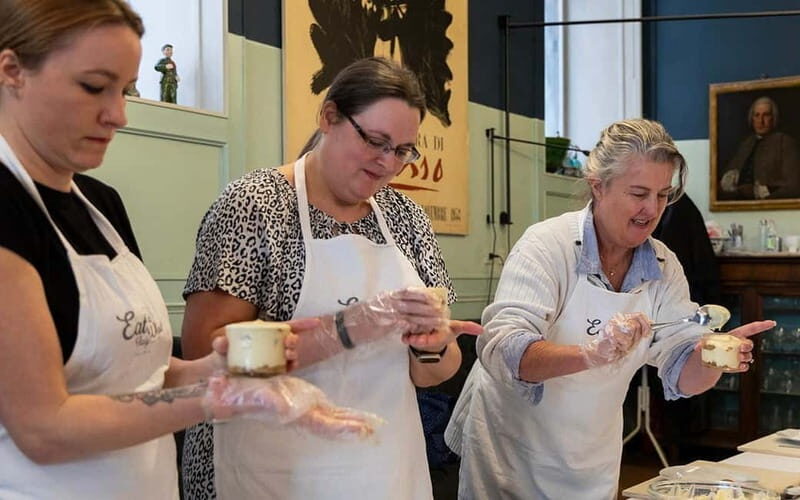
After the cooking, you sit down and eat your creations. This is one of the best parts because the class ends the way good meals do: together, relaxed, and actually delicious.
You’ll have:
- A glass of wine or a non-alcoholic beverage
- Your own tiramisu
- Your pizza (the one you made)
- Water
- Limoncello or coffee to finish
The wine and limoncello aren’t just “extras.” They change the tone. Instead of treating the class like a workshop, it becomes a real dinner moment—tied to how Italians pace meals: cook, eat, toast, and linger a bit.
One nice detail is that some sessions end with coffee as an alternative to limoncello. If you want the dessert finish without the lemon liqueur, you can usually choose that option.
And since everything you eat comes from your own hands, the meal feels more satisfying than a standard restaurant plate. You’re not just tasting Italian food—you’re tasting Italian technique you practiced.
You can also read our reviews of more tours and experiences in Rome
Price and Value: Is $66.84 Worth It?
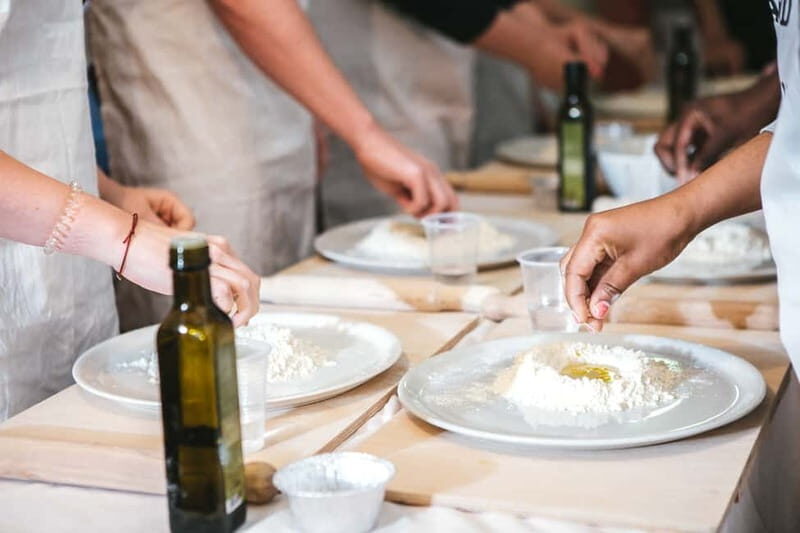
At $66.84 per person, you’re paying for a setup that usually includes more than ingredients and a generic guide. You get:
- A professional chef instructor
- Hands-on instruction for two dishes
- Equipment and kitchen workflow (including baking)
- A full eating portion of what you make
- Included drinks: wine (or non-alcoholic option) plus limoncello or coffee
- Water during the meal
In Rome, it’s easy to spend $66 quickly on dinner without learning anything. This class is different: it’s one of those “pay once, take skill home” experiences. Even if you don’t become the next pizza chef of your neighborhood, you’ll know the steps and what to aim for—especially for dough handling and tiramisu layering.
The duration matters too. At 2.5 hours, it’s long enough to be meaningful and short enough that you can still enjoy Rome afterward. You’re not committing to a half-day or planning your whole travel schedule around it.
So the value check comes down to one question: do you want to cook or do you just want to eat? If you want the cooking, the price is far easier to justify.
How the Chef Style Impacts Your Experience
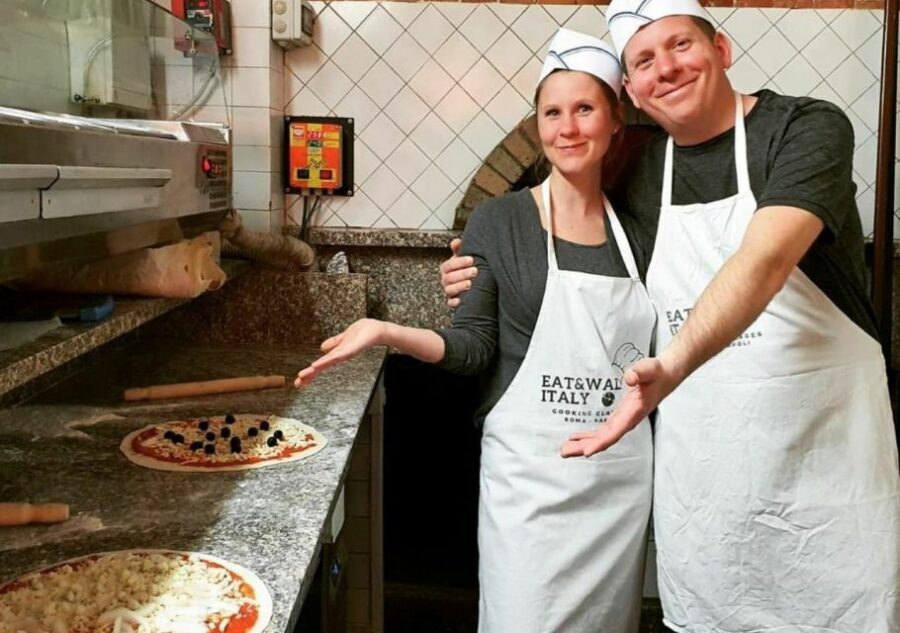
A big reason this class earns strong feedback is the teaching energy. Chefs in these sessions have been described as fun, patient, and quick to involve everyone. Some instructors specifically called out include names like Hassan, Tommy, Leonardo, Andrea, Clare, Laura, and Josefina.
You can’t pick your chef in advance based on the details given here, but you can pick the kind of experience you want:
- If you learn best with hands-on guidance, the chef-led format should suit you.
- If you get nervous in group activities, the small-group format helps you feel less rushed.
- If you want a sense of humor, many chefs use jokes and conversation to keep the room light while teaching technique.
Because instruction is in English, you’ll also avoid the common problem of cooking classes where you can’t fully follow the “why” behind the steps. You might still pick up Italian terms as you go, but you won’t be lost.
Timing: Best Use of This 2.5-Hour Block
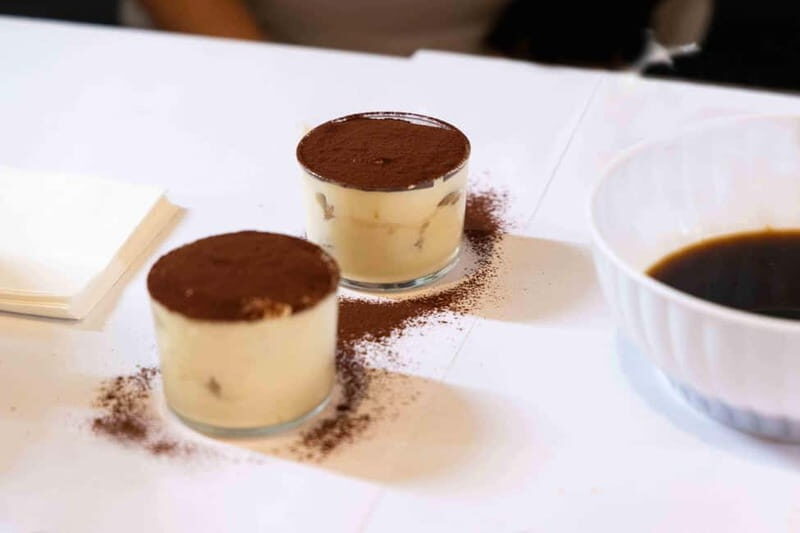
Since the class is about 2.5 hours, I’d think of it as your “Rome reset.” Do it on a day when you want a structured activity that breaks up walking.
A good plan is:
- Early afternoon: sightseeing near the historic center
- Late afternoon or evening: cooking class at Gusto Restaurant
- After: a casual stroll toward landmarks (you’ll be close to the Piazza Navona area)
If you’re traveling with kids, this kind of timed activity often works well because you’re not relying on everyone to keep pace for hours. Some past classes have been described as successful with families, largely because the chef keeps things organized and friendly.
Tips to Recreate Your Results at Home (Without Owning a Pizza Oven)
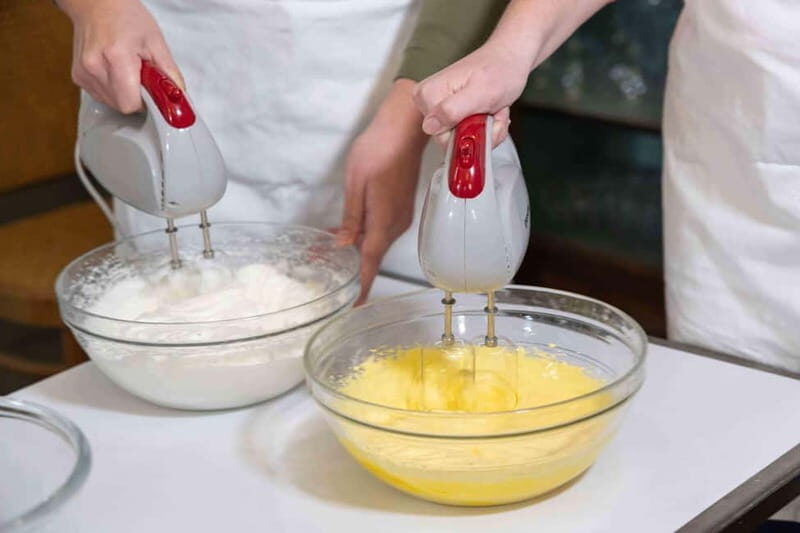
You’re leaving with practice, not just a memory. To make your pizza and tiramisu closer to what you made in Rome, focus on the parts the chef likely emphasized:
For pizza:
- Aim for dough texture that stretches without tearing
- Go lighter on toppings than you think at first
- Bake hot enough that you get color and crispness
For tiramisu:
- Don’t soak longer than needed for flavor
- Layer consistently so the dessert sets as intended
- Keep mascarpone smooth and well-mixed
Even if your home setup isn’t the same as a Roman kitchen, the technique is portable. And that’s the real win of a class like this: you come home with a method you can trust.
Should You Book This Rome Pizza & Tiramisu Class?
Book it if you want a hands-on, central Rome experience that ends with a full meal you helped create. At $66.84, the value is strongest if you’ll actually cook (not just watch) and you want included wine and limoncello to turn it into a proper dinner.
Skip it if:
- You hate kitchen tasks and prefer purely sightseeing days
- You want a longer guided tour of monuments rather than a meal-focused activity
- You’re hoping for a passive tasting experience with minimal involvement
If you fall somewhere in the middle—food curious, a little hungry for fun, and willing to get your hands a bit floury—this class is a solid bet.
FAQ
How long is the Rome pizza and tiramisu class?
The class lasts 2.5 hours.
Where does the class start?
It starts at Gusto Restaurant.
What dishes will I make?
You’ll make tiramisu and pizza.
What’s included with the meal?
You’ll have the pizza and tiramisu you make, plus a glass of wine or a non-alcoholic beverage, water, and limoncello or coffee.
Will the instructor teach in English?
Yes, the instructor provides teaching in English.
Is there a small group setup?
The experience is described as a small group class.
What is the cancellation policy?
You can cancel up to 24 hours in advance for a full refund.