REVIEW · ROME
Rome: Pasta Cooking Class in a Professional Pasta Laboratory
Book on GetYourGuide →Operated by Professional Lab Pasta Experience · Bookable on GetYourGuide
Rome turns pasta into a hands-on lesson.
This 3-hour class happens inside a working professional pasta laboratory at Pastificio Faini, led by Chef Angelo (and the team around Chef Emanuele Faini). You’ll learn in a small group setting, capped at 9 participants, so you’re not just watching from the sidelines.
I love that you don’t do generic, one-size-fits-all dough. You work with three different flours and grains, including ancient Triticum Monococcum, and you shape ravioli plus Roman sauces you can actually reproduce. And yes, you taste what you make, paired with wine, so the cooking turns into a real meal, not a demo you leave hungry.
One consideration: this class is focused on making pasta the traditional, hands-on way (rolling sheets by hand), not on a quick pasta-machine show. If you want a faster, more gadget-heavy experience, or you only have a tight schedule, you’ll need to plan around the fixed 3-hour slot.
In This Review
- Key points worth your attention
- Entering Pastificio Faini: a real Roman pastificio, not a stage
- The 3-hour flow: from dough basics to thin sheets and ravioli
- The flour lesson: Triticum Monococcum, Senatore Cappelli, and buckwheat
- Your meal: ravioli fillings, Roman sauces, and wine pairing
- Gluten-free and vegan without splitting the group
- Thursday note: homemade gnocchi with fresh potatoes
- Price and value: is $66.84 worth a pasta laboratory class?
- Practical tips for showing up ready (and not wrecking the dough)
- Should you book this Rome pasta laboratory class?
- FAQ
- Where does the class meet in Rome?
- How long is the pasta cooking class?
- How many people are in a class?
- What does the class cost?
- What language is the instruction in?
- Is there a gluten-free option?
- Is there a vegan option?
- What pasta and sauces will I learn to make?
- Is wine included?
Key points worth your attention
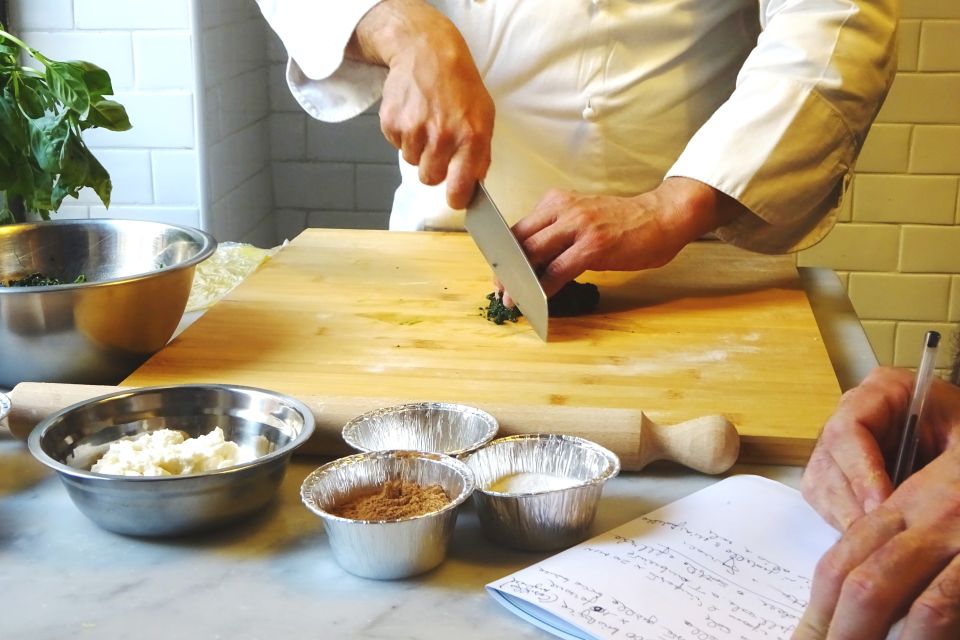
- Professional pastificio setting at Pastificio Faini: You cook inside a real pasta laboratory, not a studio kitchen.
- Three-grain approach (Triticum Monococcum, Senatore Cappelli, Grano Saraceno): You learn how different grains change the dough.
- Three ravioli styles plus Roman sauces: Carbonara, cacio e pepe, or gricia-style sauce work into the session.
- Gluten-free catered in the same format: Gluten-free participants make their own gluten-free pasta.
- A vegan pasta option without egg: You’ll make one pasta type that skips egg entirely.
- You eat your results with Italian wine: The class ends with a sit-down tasting of your own pasta and fillings.
Entering Pastificio Faini: a real Roman pastificio, not a stage
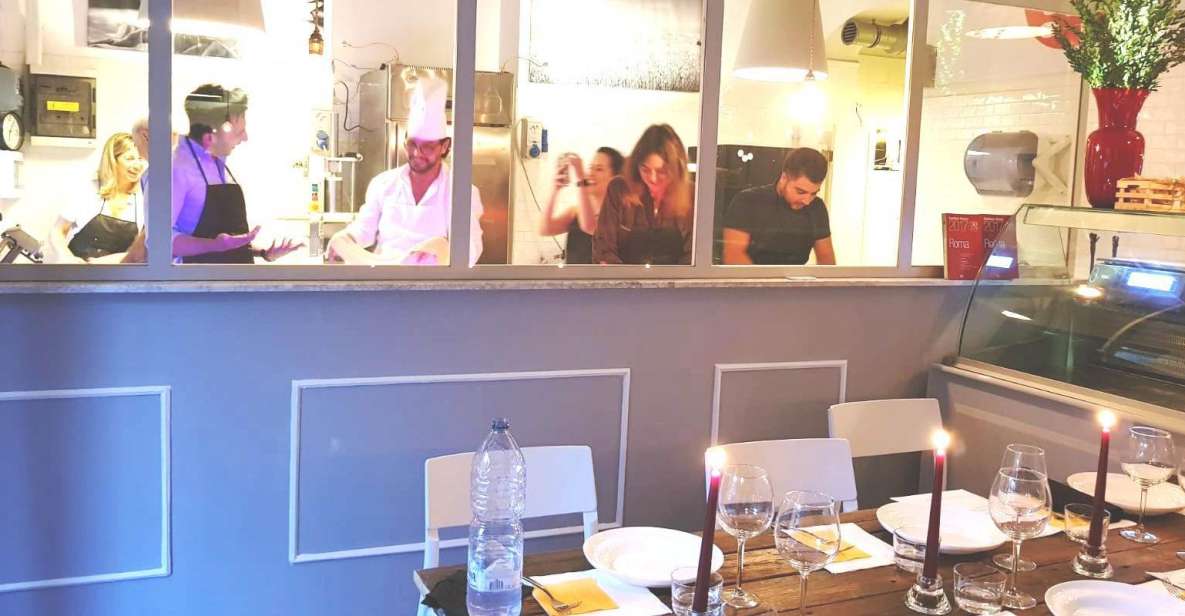
The big reason to book this Rome pasta class is where it happens. Pastificio Faini isn’t a themed set. It’s a working pasta environment, the kind of place where the tools, the routine, and the pace all match what you’d see in a serious Italian kitchen.
You’ll start the session as a group, then get guided step by step. Chef Angelo leads the teaching, and the class energy is very much “do it with us,” with Chef Emanuele Faini also showing up in the teaching team dynamic. In plain terms: you’ll be expected to make pasta, not just watch someone else make it.
One practical perk of this setting is that it naturally limits distractions. You’re in a dedicated workspace, and the class structure moves from dough work to shaping to cooking and then tasting. That matters because pasta making has a timeline, and you don’t want to lose your dough while you’re waiting around.
You can also read our reviews of more tours and experiences in Rome.



The 3-hour flow: from dough basics to thin sheets and ravioli
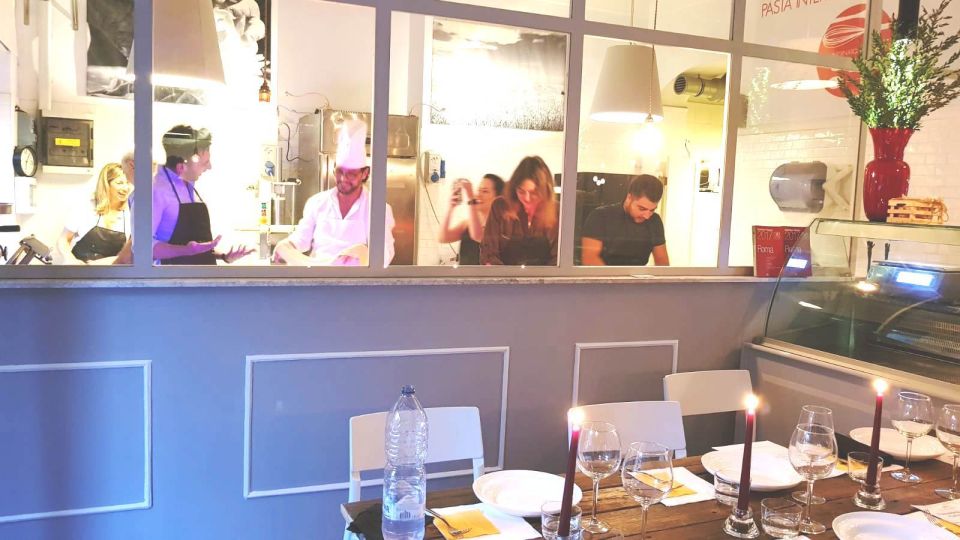
The session is built around skill you can repeat at home. You’re taught a simple, reliable method—so when you’re back in your apartment with flour and a rolling pin, you still know what you’re aiming for.
Here’s how the hands-on process typically unfolds:
- You’ll begin with a welcome drink and an explanation of safe food cutting procedures (this is part of how they set you up to work comfortably in a real kitchen).
- Then you create thin sheets of pasta dough. This is key. Thin sheets are what make ravioli feel delicate instead of bulky.
- After that, you shape and fill three types of ravioli, with guidance on the steps and how to handle the dough so it seals properly.
- Along the way, you’re working with multiple flours and grains, not only the classic wheat-only approach.
The class also includes sauces that are deeply Roman in spirit. Depending on what’s scheduled for your group, you’ll discover one of the typical choices like carbonara, cacio e pepe, or gricia sauce. The value here is not just tasting the sauce. It’s learning how the flavors hang together with the pasta you just made.
If you care about technique over shortcuts, you’ll likely appreciate that the dough work stays grounded in hands-on habits. One review point that lines up with the class style: you roll dough using a rolling pin rather than relying on a pasta machine. That’s a real-world skill—because your home kitchen probably has a rolling pin, not a big attachment.
The flour lesson: Triticum Monococcum, Senatore Cappelli, and buckwheat
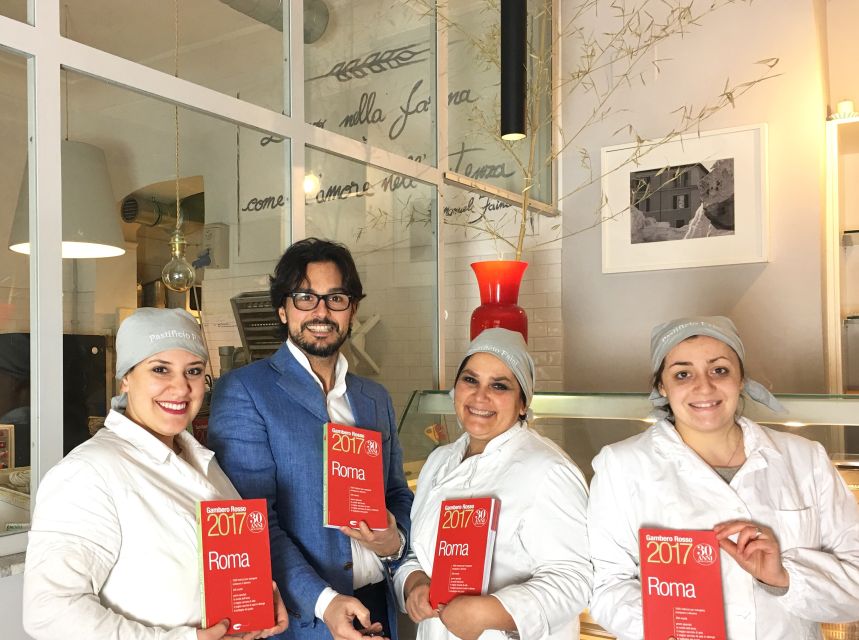
This class sneaks in a surprisingly memorable food story through the ingredients. You make pasta using three different grains, each with its own character.
First is Triticum Monococcum—an ancient cereal often described as one of the earliest cultivated by humans, around 7500 BC. You’re not just hearing a trivia line. You’re actually working with dough made from that flour, which makes the grain history feel physical.
Second is Senatore Cappelli. The class explains that this grain was selected by Nazareno Strampelli in 1915, later disappeared in the 1960s, and then was rediscovered thanks to a small farmer. Again, the lesson sticks because you’re kneading and shaping something tied to that recovery story.
Third is Grano Saraceno, buckwheat flour. It’s specifically highlighted as gluten-free, which matters because this class also supports gluten-free participants with their own pasta making.
Why this ingredient variety is worth your time: it turns pasta making from a single recipe into a flexible framework. You start to understand how flour types affect dough handling—what feels supple, what feels firmer, and how to aim for thin, workable sheets.
Your meal: ravioli fillings, Roman sauces, and wine pairing
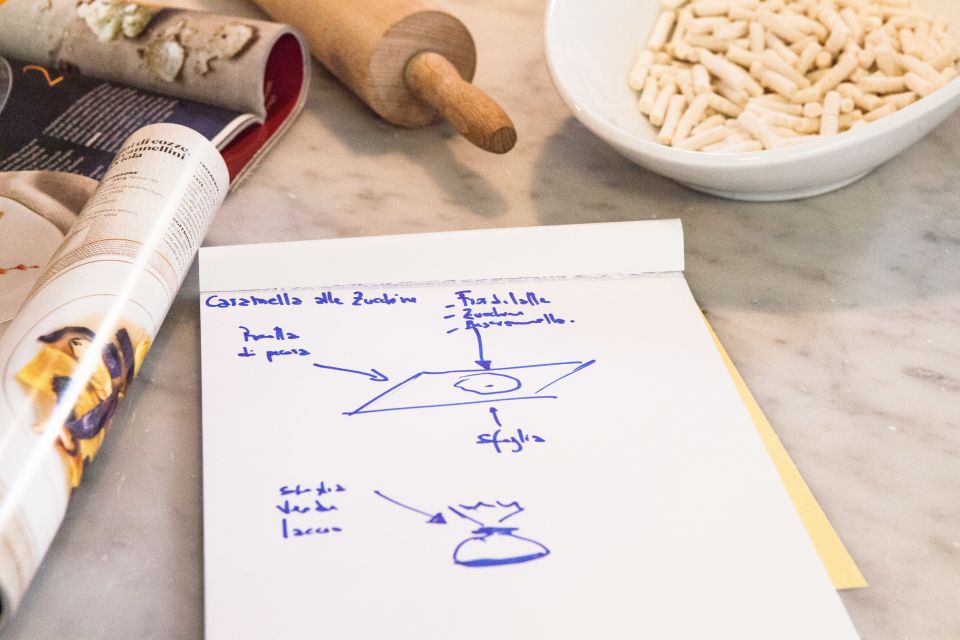
The tasting part is the payoff. You cook, you fill, you sauce, and then you eat what you made—plus you sip Italian wine while you do it.
The class is structured so the meal doesn’t feel random. You’re tasting your own pasta plus the fillings and sauces that were part of the session. That’s a big deal for value. When you can connect flavor to a specific step you did earlier, you’ll remember the method and be more likely to recreate it later.
In terms of the flavor direction, you’re working within the Roman orbit. Carbonara, cacio e pepe, and gricia aren’t just interchangeable labels. Each one interacts with pasta texture and sauce thickness in a way you can actually notice when you’re eating your own handiwork.
And the wine is not just an afterthought. It helps you settle into that end-of-class rhythm—sit down together, eat, and chat—while the instructors keep the tone friendly and encouraging.
Gluten-free and vegan without splitting the group
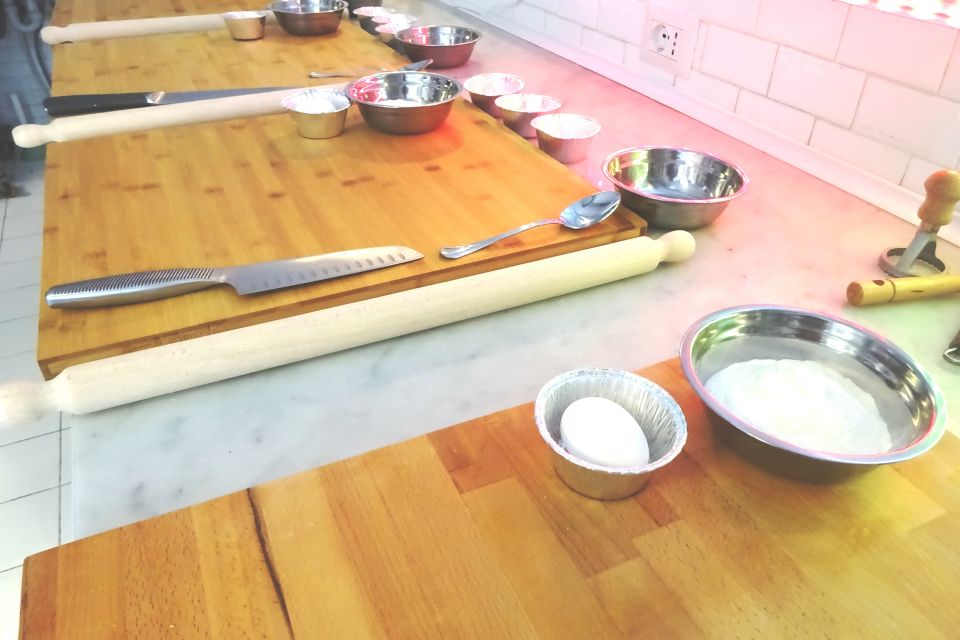
If you’ve ever worried about how food experiences handle dietary needs, this class is set up to reduce that stress.
Gluten-free participants make gluten-free pasta as part of the class format. The buckwheat flour (Grano Saraceno) is part of the flour set used, and the class specifically notes that gluten-free versions are made in a tasty, practical way—not treated like a compromise.
There’s also a vegan pasta component: you make one pasta type without egg. This matters because pasta dough can go one of two ways for beginners—either it feels confusing, or it feels like a rule you can ignore. Here, the class includes an eggless version, so you see a working alternative.
For you, that means the experience stays coherent. You’re not separating into a completely different event. The main pasta-making flow still applies.



Thursday note: homemade gnocchi with fresh potatoes
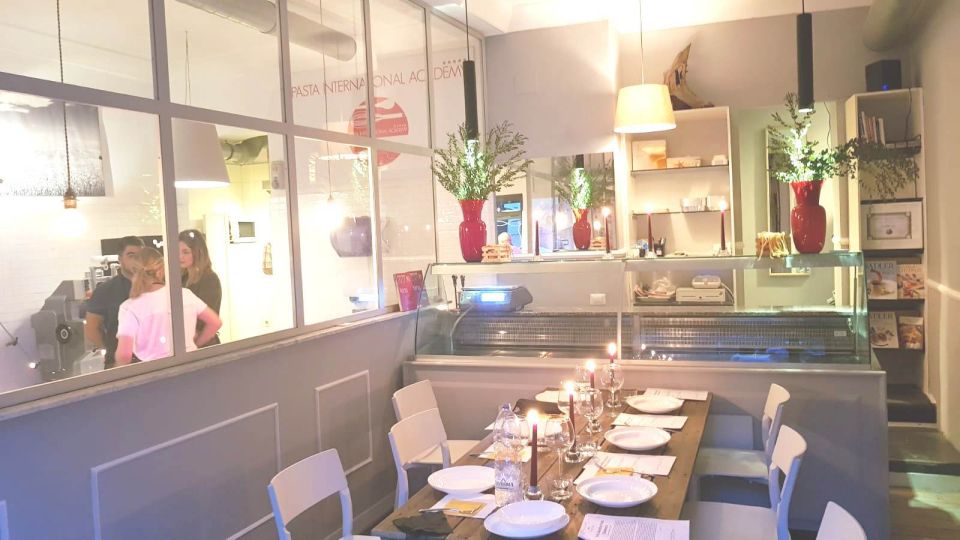
On Thursdays, the class adds homemade Italian gnocchi with fresh potatoes. That’s a nice choice if you’re timing your trip around a Thursday and want a wider Rome pasta menu than just sheets and ravioli.
Even then, expect the session to keep moving on a kitchen timeline—pasta schedules tend to be strict because dough handling and cooking need timing. If you’re the kind of person who loves maximum hands-on feedback for every single step, you might want to check whether your specific session emphasizes gnocchi instruction versus faster demonstration-style segments. The good news is you’re still in a small-group setting, so questions should be possible during the process.
Price and value: is $66.84 worth a pasta laboratory class?
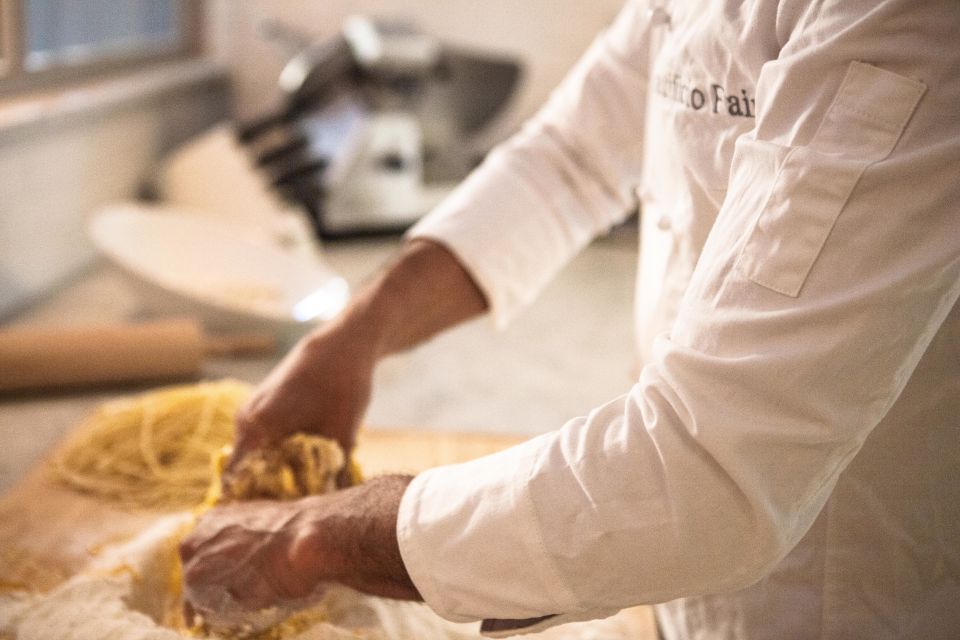
At $66.84 per person for a 3-hour class, this isn’t the cheapest pasta activity in Rome. But it’s also not trying to be.
Here’s what you’re paying for, and why it can feel worth it:
- A working pastificio environment, which usually costs more to host than a rental classroom kitchen.
- Hands-on instruction for a small group (up to 9), where you’re shaping and filling pasta yourself.
- Ingredient coverage and equipment, plus the recipes so you can recreate dishes later.
- Wine and water included, turning the class into a real shared meal.
- Dietary accommodations for gluten-free participants and a vegan, eggless pasta portion built into the program.
Also, the take-home souvenirs aren’t just cute extras. You get a professional chef hat and apron signed by the chef, plus the recipes. That’s the kind of “value” you feel later when you cook at home and remember who taught you what.
If your goal is to taste a lot of great food with minimal effort, you could spend less elsewhere. If your goal is to learn an actual method you can repeat, the price starts to make more sense quickly.
Practical tips for showing up ready (and not wrecking the dough)
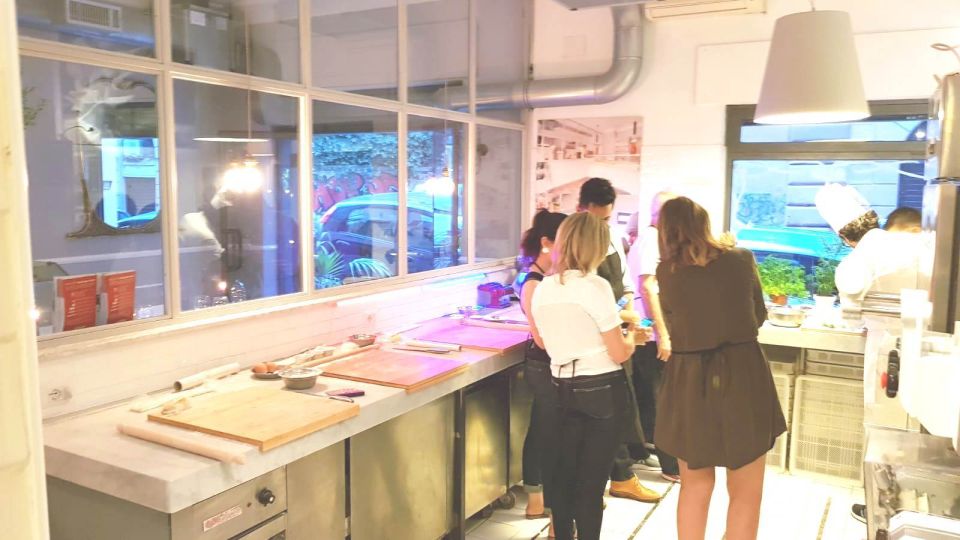
You don’t need professional skills to do this class, but you’ll get more from it if you show up prepared to work with your hands.
- Plan to be there on time. The session runs for 3 hours, and pasta timing doesn’t wait.
- Come with your dietary needs clearly in mind. The class asks you to advise them of dietary requirements ahead of time so they can set up the gluten-free and vegan approach correctly.
- Wear comfortable clothing. You’ll be shaping dough and working at a lab-style station.
- Bring curiosity about flour differences. This class teaches through ingredients (ancient grains, buckwheat) and not just through steps.
One more small detail: pets aren’t allowed. If you’re traveling with a companion animal, you’ll need alternate arrangements.
If you’re staying central, you’re also likely to enjoy the walk or short transit to Via dei Latini. The meeting point is Pastificio Faini, 13 Via dei Latini, Roma 00185.
Should you book this Rome pasta laboratory class?
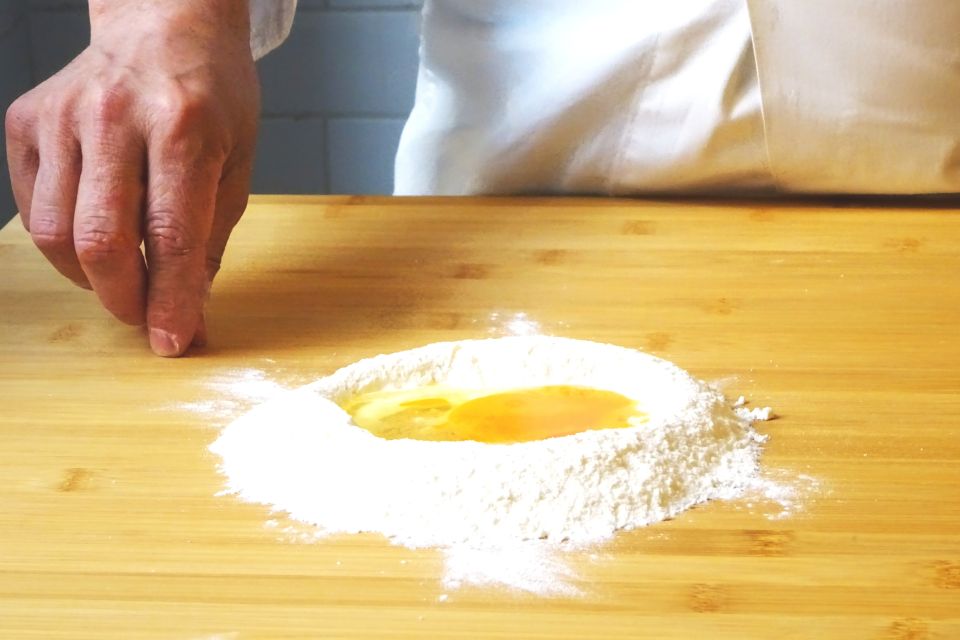
Book it if you want more than a food photo session. You’ll get a structured, hands-on approach to making fresh pasta—including thin sheets, ravioli, and Roman sauces—plus you’ll eat what you make with Italian wine.
Skip it if you mainly want a casual kitchen vibe with minimal technique. This is a real pastificio-style workshop where you’re expected to work.
If you’re gluten-free or vegan, it’s also one of the better bets from the information you have here, because the class explicitly accommodates gluten-free participants and includes an eggless pasta option inside the main session flow.
Overall, for value, technique, and a proper sit-down ending, this is the kind of Rome food experience that leaves you with both skills and a full stomach.
FAQ
Where does the class meet in Rome?
It meets at Pastificio Faini, 13 Via dei Latini, Roma 00185, and the activity ends back at the same meeting point.
How long is the pasta cooking class?
The duration is 3 hours.
How many people are in a class?
The class is limited to 9 participants.
What does the class cost?
The price is $66.84 per person.
What language is the instruction in?
The instructor teaches in English and Italian.
Is there a gluten-free option?
Yes. The class caters for gluten-free participants, who will make gluten-free pasta.
Is there a vegan option?
Yes. You will make one type of pasta without egg, which is vegan.
What pasta and sauces will I learn to make?
You’ll make thin sheets of pasta dough, three types of ravioli, and a typical Roman sauce such as carbonara, cacio e pepe, or gricia sauce.
Is wine included?
Yes. Wine and water are included, and you taste your pasta, fillings, and sauces while sipping Italian wine.