REVIEW · NAPLES
Naples: Premium Pizza-Making Class at a Pizzeria
Book on GetYourGuide →Operated by Timonfaya Travel Lanzarote · Bookable on GetYourGuide
Your hands will shape the pizza.
This hands-on class in Campania, Italy turns four basics, water, flour, salt, and yeast, into true Neapolitan pizza, taught in a real pizzeria that won the World Pizza Championship in 2017. You’ll learn how the dough is prepared, shaped, and baked, then eat what you make with fresh local ingredients and a glass of wine (or water/beer). I especially like that it’s not a passive show-and-tell, and I like the mix of savory pizza plus a sweet finale from the same dough.
I love the guided technique, especially the traditional method called staglio to create the panetti (dough portions). I also love that you get your own personal station, so you can knead, stretch, top, and learn by doing, not waiting your turn.
One consideration: since it’s only 2 hours, you should expect a tight pace and a lesson built around what can be done in that time window. If you’re the type who wants slow, leisurely cooking, this may feel fast—but it’s also why it works well for a vacation evening.
In This Review
- Key Highlights You’ll Actually Notice
- A World-Champion Pizzeria Classroom in Naples
- From Four Ingredients to Neapolitan Dough
- Staglio and Panetti: The Hand Skills You Practice
- Toppings and Wood-Fired Baking: Margherita Done Right
- The Sweet Finale: Chocolate-Filled Fried Dough and Limoncello
- Small Groups, Station Per Person, and the Two-Hour Pace
- Price in Context: What $67.19 Buys You
- Who Should Book This Neapolitan Pizza Class
- How to Get the Most Out of Your Two Hours
- Should You Book This Pizza-Making Class?
Key Highlights You’ll Actually Notice
- World Champion setting: learn in a pizzeria tied to the 2017 World Pizza Championship
- Your own workstation: hands-on dough work from start to oven
- Technique focus: you practice staglio for panetti, not just general mixing
- Real Neapolitan ingredients: San Marzano tomatoes, buffalo mozzarella, basil, DOP extra virgin olive oil
- Wood-fired baking: Margherita baked using a traditional wood-fired oven
- Savory plus sweet: fried dough bites filled with chocolate spread, plus limoncello
A World-Champion Pizzeria Classroom in Naples
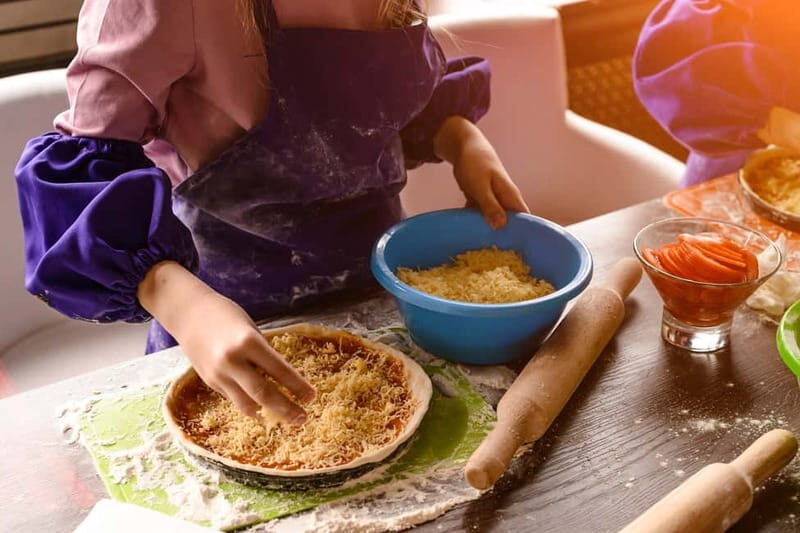
This class is built around the idea that Neapolitan pizza is mostly technique and timing. You’re in a working pizzeria environment, not a kitchen set up for tourists. That matters, because the tools and workflow are the real deal: you’re learning what a pizzaiolo actually does, step by step, with the dough in front of you.
You’ll also get a sense for why Naples treats pizza as more than comfort food. The instructors tie the lesson to the local philosophy of simplicity and quality: a few ingredients, handled correctly. In some sessions, your experience may be shaped by hosts like Francesca or Lucia, and you may hear translation support from guides such as Sabrina. The point isn’t who’s on duty, it’s that someone is always helping you connect the Italian technique to what you’re doing with your hands.
Expect a warm, welcoming setting where the tone stays practical. You’re not just learning recipes. You’re learning decisions: how the dough should feel, how to handle it, and what to watch for before the oven step.
You can also read our reviews of more tours and experiences in Naples
From Four Ingredients to Neapolitan Dough
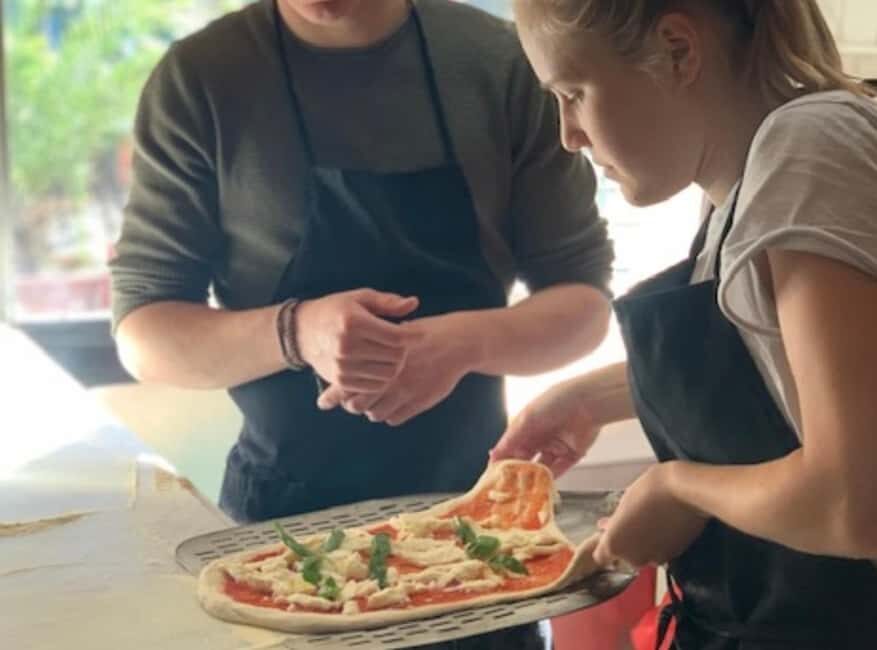
The class starts with the simplest ingredient list you can imagine. Four things: water, flour, salt, and yeast. That sounds basic, but it’s exactly the point. Neapolitan pizza dough isn’t about fancy add-ins. It’s about hydration, development, and gentle handling so the final crust has that tender-chewy texture and airy interior you associate with Naples.
Here’s what you’ll practice as the lesson moves:
- mixing and combining ingredients into a workable dough
- kneading with clear instruction from the master pizzaiolo
- learning what a good dough texture looks and feels like before shaping
- shaping steps that set you up for stretching later
A nice detail from the class setup: you’re not sharing tools across the room while someone else does the important parts. With a small group and individual workstations, you get your own dough to work on. That’s where the learning sticks. You can fix your mistakes in real time instead of hoping a recipe will save you later.
And yes, the dough starts from scratch. So when you eventually eat your Margherita, it tastes like a result, not a menu item you ordered.
Staglio and Panetti: The Hand Skills You Practice
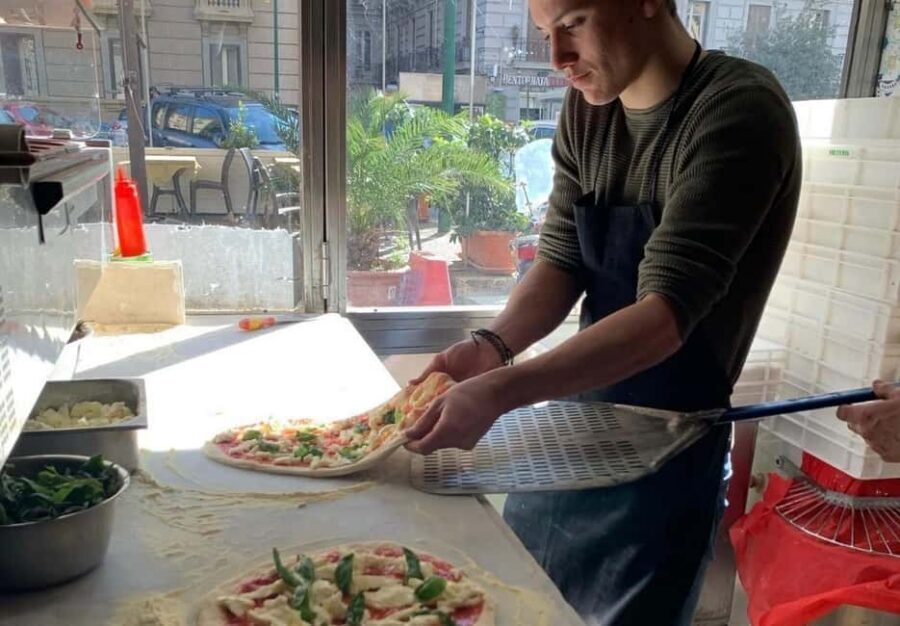
One technique you’ll hear about is staglio, used to create the panetti. In plain terms, it’s how you portion and prepare the dough balls that become the pizzas.
This is one of those steps where “watching” can’t really teach you. You need muscle memory and feedback. So you’ll shape, cut/portion, and handle dough in a way that feels natural only after you’ve done it a few times. The goal is consistency—same method each time—so your pizzas bake evenly and the texture stays on track.
You’ll also learn the flow between stages: when dough needs time to rest, when it needs to be handled gently, and how shaping affects the final crust. Some classes may also end up using dough creatively if timing doesn’t allow everything to prove as originally planned. One example from an experience like this is repurposing extra dough into bread. That’s not a flaw in the class; it’s smart kitchen thinking that keeps the food coming and the teaching moving.
Bottom line: if you want a Neapolitan pizza at home, the staglio/panetti step is one of the most transferable lessons. It’s technique you can repeat even without a wood-fired oven.
Toppings and Wood-Fired Baking: Margherita Done Right
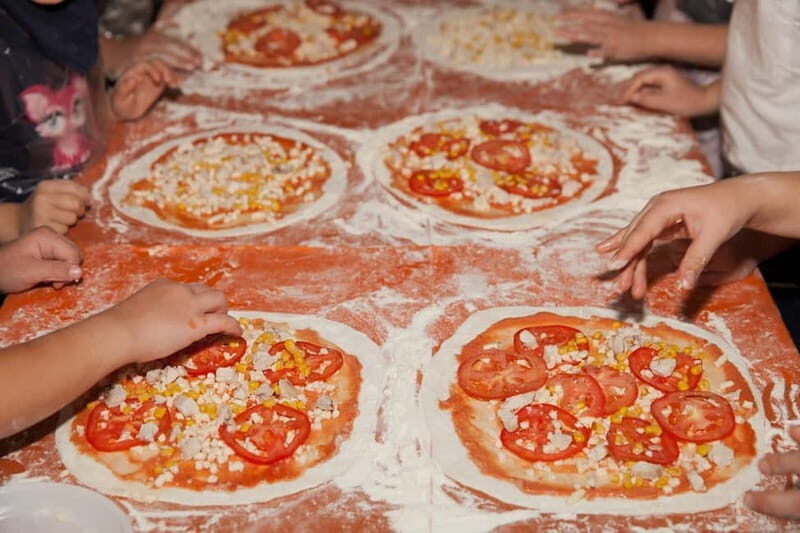
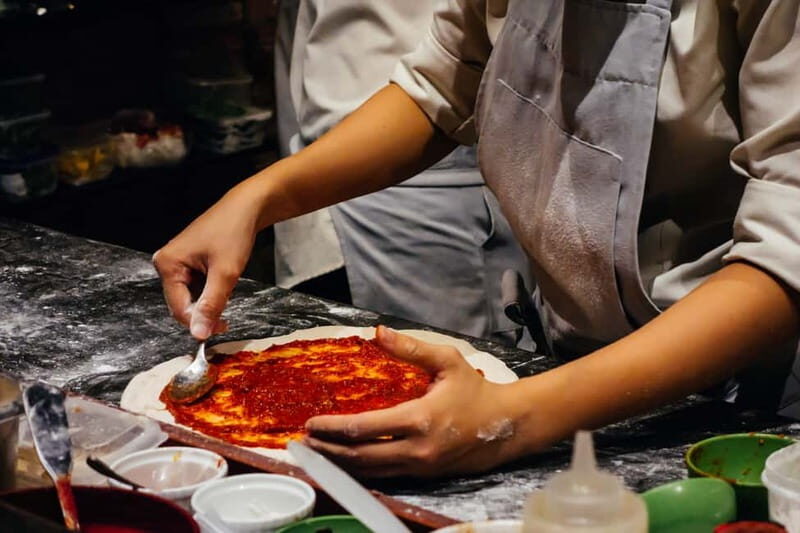
Once your dough is ready, the class shifts into topping and baking. This is where the Neapolitan ingredient choices matter, and where you’ll see why the pizza stays simple.
You’ll top with local favorites such as:
- San Marzano tomatoes
- buffalo mozzarella
- basil
- DOP extra virgin olive oil
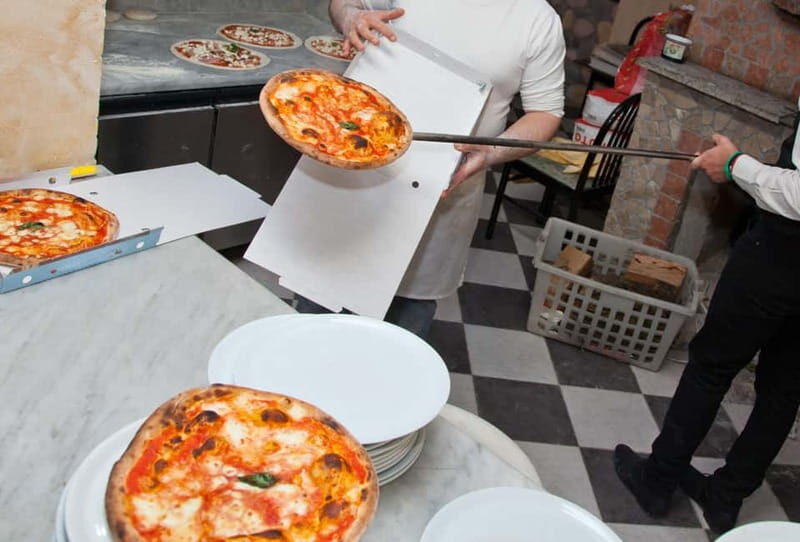
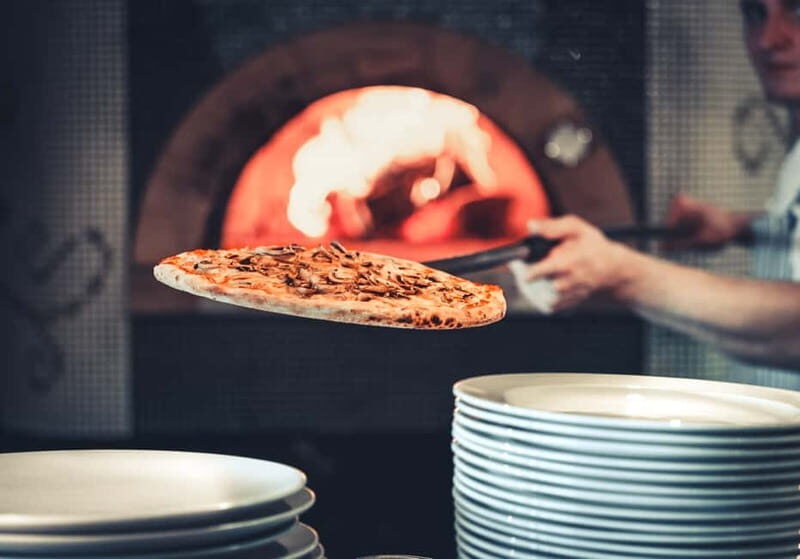
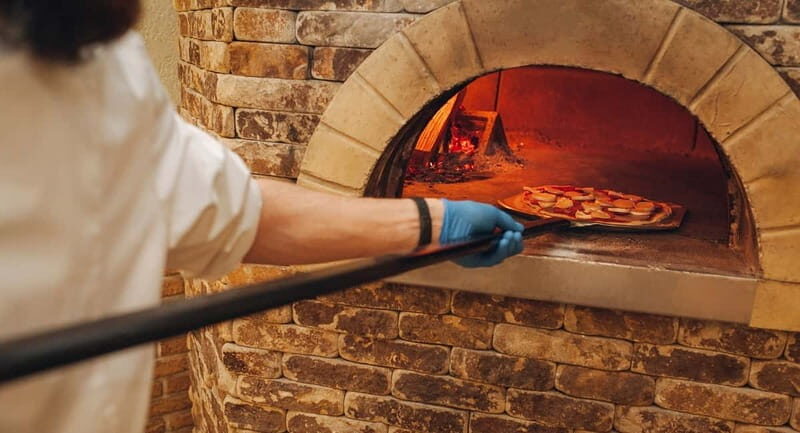
Then comes baking in a traditional wood-fired oven. This step can make or break your result at home, but the class gives you the right expectation: high heat changes everything about how toppings behave and how the crust sets.
You’ll learn how to assemble and handle the pizza before it hits the oven, and then you sit down to eat your handcrafted Margherita. You’ll usually enjoy it with a glass of local wine, and you may also have options like water or beer depending on what’s included for your group.
A practical note: wood-fired ovens are fast. Your pizza doesn’t get “fixed” in the last second like a slower oven might. That’s why the earlier stages—dough texture, stretching, topping balance—matter so much.
The Sweet Finale: Chocolate-Filled Fried Dough and Limoncello
Neapolitan street food isn’t only about what’s baked flat and round. This class ends with a clever twist using the same dough: crispy fried pizza dough bites filled with chocolate spread.
That’s a fun payoff because it shows a second use for the dough—one that’s playful, crunchy, and very Naples in spirit. You’re not just repeating a savory formula. You’re seeing how dough can transform with different cooking methods, especially frying, where you get crisp edges and a different texture contrast.
To cap it off, you’ll also have limoncello as part of the experience. Reviews often call it a memorable finishing touch, and it fits the way Naples treats food and drink as a single evening experience.
If you’re someone who normally skips sweets, this is still worth leaning into. The dessert isn’t an unrelated afterthought. It’s tied to the dough you’ve made, and that connection makes it land better.


Small Groups, Station Per Person, and the Two-Hour Pace
A big reason this class earns strong scores is that it’s built for real interaction. You’ll work in a small group (private or small groups available), and you’ll have an individual workstation. In a kitchen lesson, that’s the difference between learning and watching.
The language setup helps too. The instructor works in English and Italian, and when the chef’s Italian-only instructions need bridging, guides may translate during key moments. People often mention hosts like Francesca or Lucia, and translators like Sabrina helping everything click.
Two hours is the full time frame. That’s enough time to make dough, portion and shape it, top and bake, then eat plus finish with the sweet course. But it’s also not enough time to turn pizza into a full-day hobby. You’ll likely move quickly through steps, and you’ll want to stay focused and present.
For best results, plan to:
- arrive on time so you don’t feel rushed during the first dough stage
- keep questions coming early, when you still have time to correct technique
- expect the class to be structured, not free-form
Price in Context: What $67.19 Buys You
At about $67.19 per person for a 2-hour class, you’re paying for more than ingredients. You’re paying for instruction from a master pizzaiolo, a wood-fired oven environment, and hands-on time with dough at your own station.
Here’s what the price covers in a way that makes sense for value:
- a fully hands-on pizza-making session in a World Champion pizzeria setting
- a full meal: your savory pizza plus the sweet dessert made from the same dough
- a drink with the meal (one glass of wine, water, or beer)
- limoncello
- a digital recipe you can take home
If you’re just buying pizza in Naples, you’ll spend far less—but you won’t get the technique. If you’re spending this much on a food experience, the key question is whether you leave with repeatable skills. This class is built around repeatable steps: dough handling, staglio/panetti, and how to approach topping and baking logically.
So yes, it’s not cheap. But it’s also not just a meal with a logo. It’s time, tools, and know-how.
Who Should Book This Neapolitan Pizza Class
This is a great fit if you:
- want hands-on learning with real technique, not just a casual tasting
- like the idea of learning one core style deeply (Neapolitan) and then applying it later
- enjoy eating what you cook, in a sit-down, social setting
- travel with friends or family and want a shared “we made this” experience
It’s also a solid option for beginners. The class is designed so you don’t need previous cooking experience. You’ll get step-by-step guidance, and the atmosphere stays supportive.
Consider skipping (or at least checking your expectations) if you:
- hate structured time limits and prefer slow cooking
- expect a long, deep fermentation science lecture instead of practical dough handling
- are only interested in dessert and don’t want a savory-first meal
How to Get the Most Out of Your Two Hours

Think of this as a skills lesson with dinner included. That mindset helps you ask better questions and remember details when you get home.
A few practical tips:
- Watch how the dough is supposed to feel before you start forcing it. Neapolitan dough needs patience more than strength.
- Pay attention to portioning (staglio/panetti). That step affects everything that comes after.
- Don’t overload toppings. The class teaches balance, and with a wood-fired oven, too much can overwhelm the crust.
- If a guide suggests an approach to stretching or shaping, try it immediately rather than waiting until later.
Also, take advantage of the digital recipe. The class gives you instructions you can actually use, which helps when you’re back in your own kitchen without the oven conditions Naples provides.
Should You Book This Pizza-Making Class?
If you want one evening in Naples that combines learning, eating, and a genuinely local food culture, I’d book it. The strongest reasons are simple: you get your own dough and station, you learn a standout technique like staglio, and you leave with both savory pizza and a sweet dough-based finale.
The only reason to hesitate is if you hate fast pacing. Otherwise, this is the kind of cooking experience that turns into a real memory and a repeatable skill, not just a full stomach.