REVIEW · NAPLES
Authentic Neapolitan Pizza Lesson
Book on GetYourGuide →Operated by NapoliCityVision · Bookable on GetYourGuide
Watch dough become Neapolitan pizza. This hands-on Neapolitan pizza lesson in Campania puts you right where the action is, learning from a true pizza pro and baking in a wood-fired oven setting that feels like an actual pizzeria, not a demo.
One of the best parts for me is how practical it all is: you’re taught the steps, then you do the work.
I also love the human touch built into the experience. Hosts such as Franco often help bridge the language gap, so you can understand what the pizzaiolo is teaching, even if the chef’s English is limited (you may meet chefs like Antonio or Fabio, depending on the session). And yes, you’re not just watching—you shape, top, and bake.
One possible drawback to plan around: pickup timing can vary, and the transfer service for a centrally located restaurant isn’t included. If you’re staying in a busy area, you may want to plan a taxi or double-check how the meeting point works before you arrive.
In This Review
- Key things I’d plan around
- Why a Neapolitan Pizza Class in Campania Feels More Real
- The 1.5-Hour Flow: From Welcome to Your First Bite
- Meeting the Team: Translators and Real Pizzaioli in the Same Room
- Dough Handling: Kneading and Stretching Without Guesswork
- A small tip you’ll appreciate
- Margherita vs Marinara: Learning by Doing
- Wood-Fired Oven Baking: The Part That Changes Everything
- Your Pizza Dinner: More Than a Cookie-Cutter Meal
- Price and Value: What $77 Buys in Real Terms
- Who Should Book This Pizza-Making Lesson
- A Few Practical Notes Before You Go
- Should You Book NapoliCityVision’s Neapolitan Pizza Workshop?
- FAQ
- How long is the Neapolitan pizza lesson?
- What does the experience cost?
- What’s included in the price?
- Which languages are used during the class?
- Is there a drink included with the meal?
- Is transfer service included?
- Is this experience refundable if plans change?
- Is it wheelchair accessible?
Key things I’d plan around
- Wood-fired baking is the point: you’ll cook your pizza in the same kind of oven used in real Naples pizzerias.
- You get real practice: knead and stretch the dough, then build your own pizza rather than doing a one-off step.
- Language support is part of the experience: hosts/translators help when the pizzaiolo speaks Italian.
- You eat what you make: the session includes a pizza dinner, plus time to taste and share.
- There’s often more than one course: some sessions include extra samples and dessert like apple cake.
Why a Neapolitan Pizza Class in Campania Feels More Real
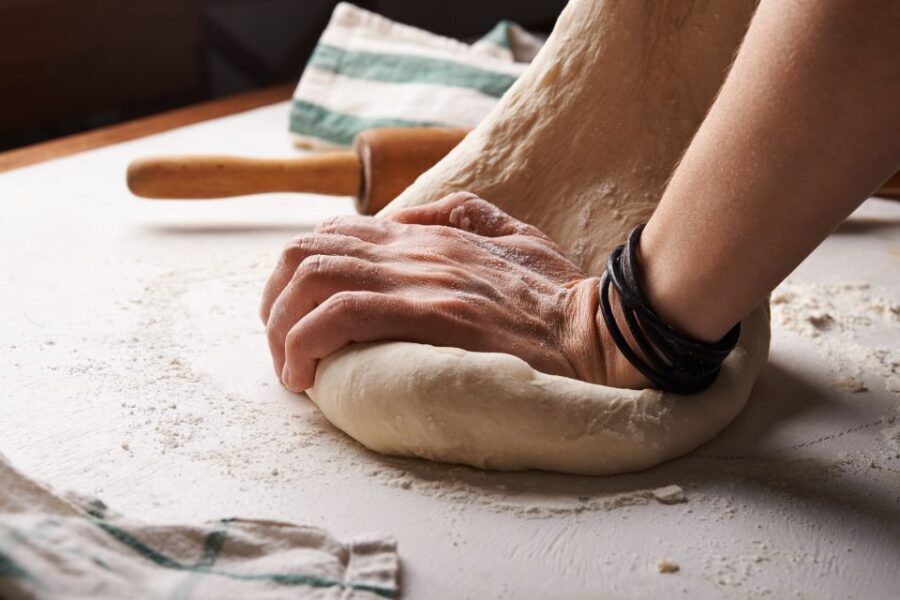
If you’ve only had pizza as a menu item, this kind of Neapolitan pizza lesson changes the way you see it. The focus isn’t on fancy tricks. It’s on the fundamentals—dough handling, proper stretching, and how heat (and timing) affects the final crust.
In Naples, pizza is culture, not just food. This class leans into that by pairing technique with context. You get a short intro to Neapolitan pizza—how it’s made, what makes it different, and why local standards matter—then you get your hands dirty and make a pizza that you’ll actually eat.
You can also read our reviews of more tours and experiences in Naples

The 1.5-Hour Flow: From Welcome to Your First Bite
The whole experience runs about 1.5 hours, so it moves at a good pace. You’re typically greeted at the start, then brought into the learning part quickly because there’s a dough schedule and an oven schedule to respect.
Here’s the rhythm you can expect:
You start with a short introduction to the craft and what you’ll do during the session. Then comes the hands-on part: kneading and stretching, followed by topping. Once your pizza is ready, you bake it in the traditional, high-heat environment, and you wrap up by eating your creation.
Because it’s timed, you’ll want to treat it like cooking with a clock, not a slow meal. If you’re the type who loves to linger, plan to let the class set the pace.
Meeting the Team: Translators and Real Pizzaioli in the Same Room
This is one of those experiences where the teamwork matters. The pizzaiolo may speak Italian (that’s common), and the experience is designed so you’re not left out. English support can come from the host/translator who sticks with you through the lesson.
In past sessions, hosts such as Franco have helped translate, and chefs like Fabio and Antonio have led the pizza work. That matters because pizza technique is mostly physical and visual—how the dough feels, how it stretches, how you know it’s ready. When the translator is good, you catch the small cues instead of just hearing general statements.
Also, the instruction languages listed are English and Italian. So even if your chef is Italian-first, the experience is set up for you to follow along.
Dough Handling: Kneading and Stretching Without Guesswork
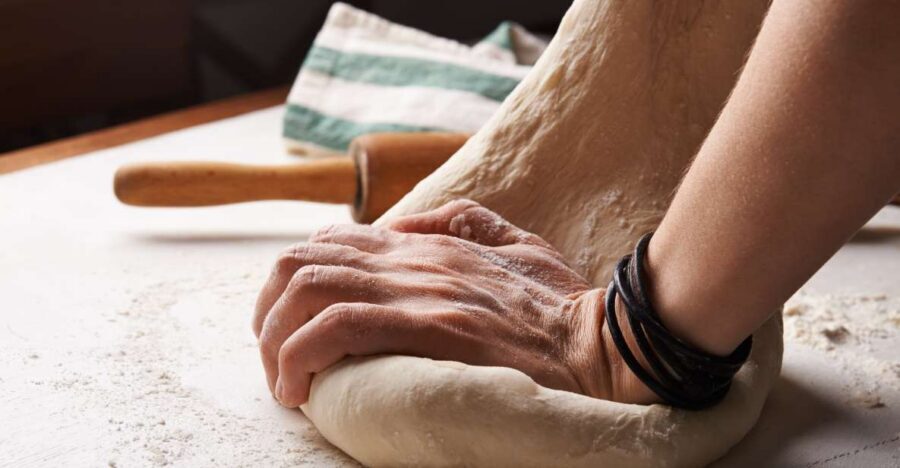
If you’ve ever tried to make pizza dough at home, you already know the hard part isn’t the ingredients. It’s the dough.
In this class, you’re taught the steps that Neapolitan bakers use to shape dough correctly. You’ll knead, then move into stretching. The goal is a dough that behaves: pliable enough to work, elastic enough to hold shape, and ready for a proper bake.
What’s practical here is that you’re getting feedback while you work. A skilled pizzaiolo will show you what correct looks like, and then adjust you when needed. That is the difference between learning words and learning muscle memory.
A small tip you’ll appreciate
If your plan is to repeat this at home, pay attention to the moment the dough changes under your hands—before you’re thinking about toppings. When people fail with homemade Neapolitan-style pizza, it’s usually dough readiness, not the sauce.


Margherita vs Marinara: Learning by Doing
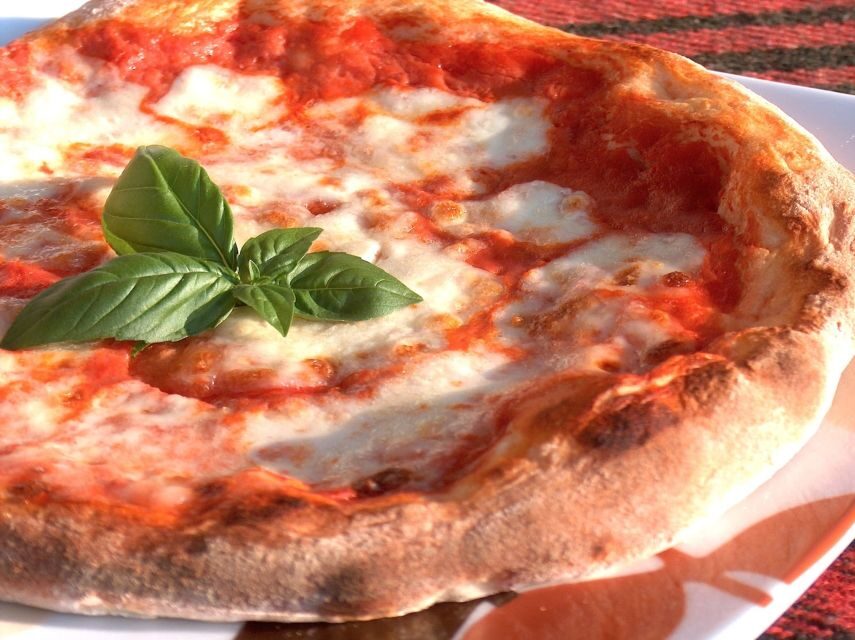
You’ll likely see the chef demonstrate core styles. Many sessions include tasting or sampling of pizzas the chef makes—often including Margherita and Marinara—before you make your own.
That structure is smart. You get a sense of what good looks like, then you build from there. Instead of guessing, you’re working toward an outcome you’ve tasted.
When it’s your turn, the class keeps your pizza-making active rather than ceremonial. You choose toppings with guidance, and you get help if your technique needs a reset.
Wood-Fired Oven Baking: The Part That Changes Everything
The oven is where Neapolitan pizza stops being a recipe and becomes a craft.
After your pizza is assembled, you bake it in a traditional wood-fired setting—the kind of intense heat that creates the fast bake and distinctive texture you want. You don’t just watch. Your pizza goes in, and you see how it transforms quickly.
This part is worth being present for. At home, most ovens can’t replicate the speed and heat profile. Here, you get a realistic result, and you learn what to aim for.
A practical takeaway: if you want to get closer at home, you’ll need to respect timing and heat, not just ingredients.
Your Pizza Dinner: More Than a Cookie-Cutter Meal
You’re not walking out with a small slice and a pat on the back. This experience is built around eating your work, which turns the lesson into a full meal.
The experience includes a pizza dinner and at least one drink (water, a glass of wine, or a soft drink). In some sessions, you may also be served extra samples before your pizza—pieces from the chef’s practice pizzas—and you might finish with dessert such as apple cake.
That extra food is part of the value equation. Yes, you’re paying for instruction, but you’re also getting a real meal that supports the lesson. You’ll also have time to eat, not just inhale pizza and run.
Price and Value: What $77 Buys in Real Terms
At $77 per person for about 1.5 hours, you’re paying for three things that are hard to replicate on your own:
1) expert hands-on guidance
2) access to a wood-fired setup
3) ingredients and meal included in the session
Cooking classes can be hit-or-miss if they focus on theory. Here, the design is practical. You’re doing the work: kneading, stretching, topping, and baking. And you get to eat the result.
Also, the language support element matters in Naples. If you want to understand pizza technique, not just smile through it, having translation help can genuinely increase the value of the time you spend.
So the best way to decide is simple: if you want to learn a repeatable skill (even if you can’t match the oven at home), this price can feel fair. If you just want a quick dinner, you might find the cost harder to justify.
Who Should Book This Pizza-Making Lesson
This class fits best if any of these are true:
- you love Italian food and want the behind-the-scenes method
- you learn by doing, not by reading
- you’re traveling with friends or family and want an active experience
- you want to understand Naples pizza culture in a hands-on way
It also works for beginners. The session teaches you what to do and supports you while you do it.
And if you’re a bit anxious about language, you’re covered better than many cooking experiences. The chef may work in Italian, but the host/translator approach is part of how the workshop functions.
A Few Practical Notes Before You Go
- Go hungry. The lesson plus pizza dinner adds up. Several sessions include extra tasting and dessert, so appetite matters.
- Plan for pace. This is short and structured. You’ll get hands-on time, but it won’t feel like a slow culinary tour.
- Ask about your meeting details in advance. Pickup exists in some forms, but timing info can be vague until closer to the start time. If you’re staying central, plan for a taxi as a backup.
- Expect a lively environment. Some sessions can be a bit noisy while staff are working, so if you want to remember details, focus on key steps and take notes if you can.
Should You Book NapoliCityVision’s Neapolitan Pizza Workshop?
I’d book it if you want a real Neapolitan pizza lesson with a serious pizza maker, not a generic food show. The strongest reason is the hands-on format: you learn dough technique, bake in a wood-fired oven, and then eat your pizza as part of a proper meal.
I’d think twice if you’re only seeking dinner or you hate structured time blocks. Also consider your transport plan, since transfer service for a centrally located restaurant isn’t included and pickup timing can require a little coordination.
If you’re in Naples for a short stay and you want one experience that teaches a skill you’ll remember, this is a solid choice.
FAQ
How long is the Neapolitan pizza lesson?
The duration is about 1.5 hours.
What does the experience cost?
The price is $77 per person.
What’s included in the price?
It includes the pizza lesson and a pizza dinner, plus a glass of wine, water, or a soft drink.
Which languages are used during the class?
The instructor/experience support is listed as English and Italian.
Is there a drink included with the meal?
Yes. You’ll receive one drink, either water, a glass of wine, or a soft drink.
Is transfer service included?
Transfer service for a centrally located restaurant is not included.
Is this experience refundable if plans change?
There is free cancellation up to 24 hours in advance for a full refund.
Is it wheelchair accessible?
Yes, the activity is listed as wheelchair accessible.