REVIEW · FOOD & DRINK
Rome on a Table: Roman Pasta and Wine Tasting
Book on Viator →Operated by Love And Wine By Ally · Bookable on Viator
Rome is better when you smell the sauce.
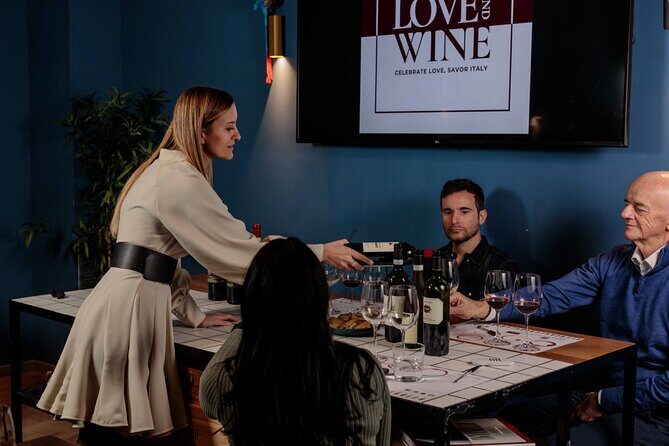
This Roman pasta and wine tasting pairs iconic flavors with stories about how wine shaped daily life, banquets, and rituals in ancient Rome. It runs in a small-group setting in a stylish private room about a 5-minute walk from the Vatican Museums, so the evening feels like you’re in on a local secret.
I especially like the tight focus: three classic Roman pastas—Carbonara, Amatriciana, and Cacio e Pepe—each matched with selected Lazio wines, plus a digestivo to close the meal. One possible drawback: with only about 120 minutes, it’s not a slow, full multi-course Roman dinner night.
In This Review
- Key Things to Know Before You Go
- A 120-Minute Roman Dinner That Actually Teaches You Something
- Getting There: Meeting Point Near the Vatican Museums
- The Pasta Course: Carbonara, Amatriciana, Cacio e Pepe
- Carbonara: The Rich, Famous One
- Amatriciana: Rustic and Grounded
- Cacio e Pepe: Simple, Not Boring
- Four Lazio Wines and the Grapes Behind Them
- Why Wine Fits Roman Food Culture So Well
- Digestivo Finale: Limoncello, Sambuca, or Amaro
- Small Group Energy: Easy Questions, No Pretending
- Price and Value: Is $86.73 Worth It?
- Tips to Make Your 6:30 pm Evening Go Smoothly
- Should You Book Rome on a Table: Roman Pasta and Wine Tasting?
- FAQ
- How long is the Rome on a Table pasta and wine tasting?
- What time does it start?
- Where does the tour meet?
- How many people are in the group?
- What food and wine do you get?
- What digestivo options are available?
- Is the experience in English?
- Do you get a mobile ticket?
- Is confirmation provided after booking?
- Is free cancellation available?
Key Things to Know Before You Go
- Vatican-area convenience: a short walk from the Vatican Museums makes it easy to fit into an evening plan.
- Three Roman classics, not one: you taste Carbonara, Amatriciana, and Cacio e Pepe as part of the experience.
- Four Lazio wines: you’re sampling region-specific wines alongside the food pairings.
- Stories tied to each dish: you hear where recipes came from and why they matter in Roman food culture.
- A host who talks back: the sommelier/host is described as approachable and happy to answer questions in English.
- Digestivo finale: you end with Limoncello, Sambuca, or a local amaro.
A 120-Minute Roman Dinner That Actually Teaches You Something
This is the kind of tasting that makes sense in Rome. You’re not just drinking and eating; you’re learning why these flavors exist and how wine and food connected in Roman life. The pacing is designed so you can keep up without feeling rushed.
You start with sparkling local wine, then move into the pasta lineup. The format keeps it grounded: you get food, you get wine, and you get the story behind both—especially how Roman culinary traditions evolved over time.
You’ll also notice that the experience leans practical. You get enough context to understand the pairings on the spot, instead of leaving with a bunch of wine terms you never use again.
You can also read our reviews of more food & drink experiences in Rome


Getting There: Meeting Point Near the Vatican Museums
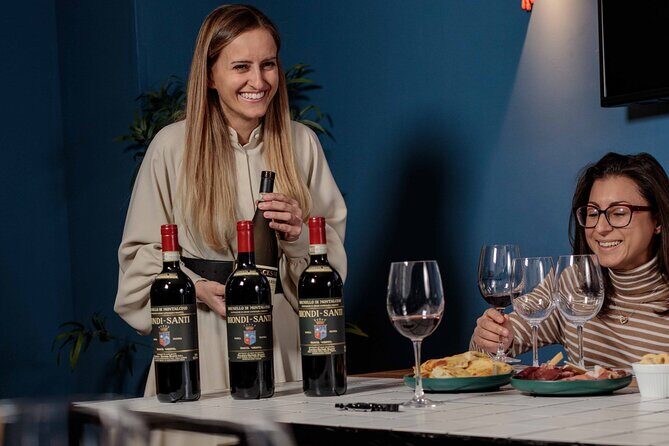
This tasting begins at Beef Bazaar, Via Germanico 136, 00192 Roma RM. It starts at 6:30 pm, and the tour ends back at the same meeting point. That matters because you’re not left hunting for a taxi afterward—you finish where you started.
The location choice is smart. The private room is about a 5-minute walk from the Vatican Museums, which means you can do museum time earlier in the day and still have a tasting that feels like dinner. If you plan your Rome day around the Vatican area, this works as a natural next step.
Also, you’ll get a mobile ticket and confirmation at booking time, which helps on travel days when your phone is already your wallet, map, and calendar.
The Pasta Course: Carbonara, Amatriciana, Cacio e Pepe
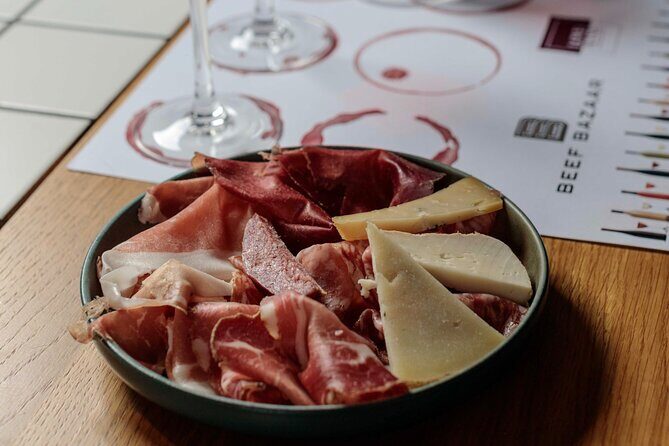
The heart of the evening is three Roman pasta dishes, served as a guided progression rather than a random plate parade.
Carbonara: The Rich, Famous One
Carbonara is the first big anchor. You’ll hear its surprising origins and what makes it feel distinctively Roman. Even if you’ve had carbonara before, the point here is the reasoning—why the flavors work, what to notice, and how the dish fits into Roman cooking culture.
The pairing matters too. Each pasta comes with a carefully selected Lazio wine meant to complement the dish’s salty, creamy, savory profile. That food-wine logic is where the tasting becomes more than just sampling.
Amatriciana: Rustic and Grounded
Next is Amatriciana, described as the rustic evolution of a Roman favorite. The story portion is key because it helps you understand why the sauce tastes the way it does and why people treat it like more than just comfort food.
This is where Lazio identity comes forward. The wine you taste here isn’t meant to overpower. It’s meant to make the sauce feel even more coherent—like the flavors were built to belong together.
You can also read our reviews of more wine tours in Rome


Cacio e Pepe: Simple, Not Boring
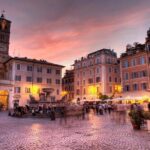
Then comes Cacio e Pepe, praised for its simple brilliance. The beauty of this dish is that you can’t hide behind complicated ingredients. So the tasting guide pushes you to notice small things: texture, balance, and the peppery lift that keeps the whole plate from feeling heavy.
The last pasta pairing often sticks with people because it’s a reminder that “few ingredients” can still be a deep experience when you respect technique.
Four Lazio Wines and the Grapes Behind Them
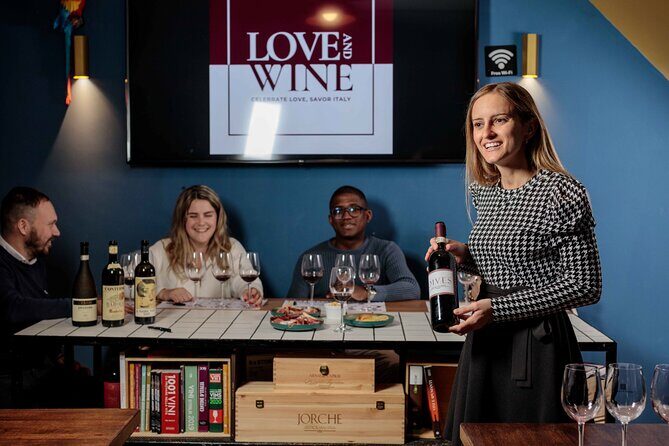
The tasting includes four selected wines from Lazio, and the host ties them directly to what you’re eating. This helps you avoid the common “wine tasting” problem where you taste things but don’t know what you’re tasting for.
You’ll also learn about local grape characters, including Malvasia, Syrah, and Cesanese. Even if you never memorize grape names, knowing that these grapes represent different parts of Lazio helps you understand why the wines don’t all taste the same.
The wining-and-dining structure is clean:
- You start with sparkling local wine.
- Each pasta gets its own pairing wine.
- You finish with a digestivo selection.
It’s a logical flow. Instead of jumping around randomly, you feel how the wines change as the meal changes.
Why Wine Fits Roman Food Culture So Well

This isn’t just “wine facts.” You’re taught how wine influenced Roman rituals, banquets, and daily life, and how Roman culinary history shaped what people ate and drank.
That context is surprisingly useful. Once you understand that wine wasn’t only for celebrations—people used it as part of everyday culture—you start noticing that many classic pairings aren’t random. They’re rooted in traditions that grew over time.
You’ll also hear how wine influenced the way Romans structured meals and social life. That’s what turns a tasting from a snack into a cultural experience you can carry home.
And because the host brings the stories back to the table, it doesn’t feel like a lecture. It’s more like you’re being walked through a timeline that tastes good.
Digestivo Finale: Limoncello, Sambuca, or Amaro
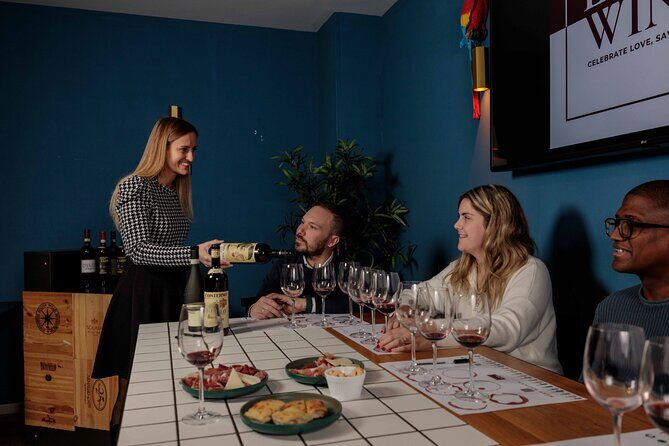
The meal ends with a traditional Italian digestivo, and you get to choose between Limoncello, Sambuca, or a local amaro. This matters because digestivos are their own category in Italian culture—sharp, aromatic, often herbal or citrus-forward—meant to close out a meal.
That last sip is also practical. After three hearty Roman pastas and multiple wines, you need a finishing flavor that resets your palate. The digestivo choice lets you match your preference: brighter and citrusy, sweeter and anise-forward, or herbier and darker.
Then there’s a final toast. It’s a small moment, but it helps the group land the experience as a single night rather than three separate courses.
Small Group Energy: Easy Questions, No Pretending
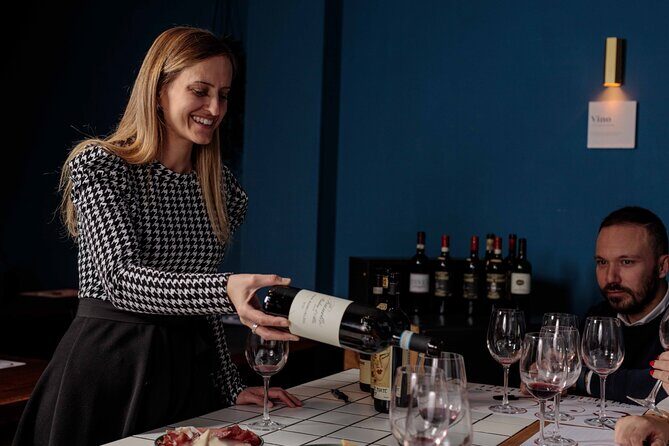
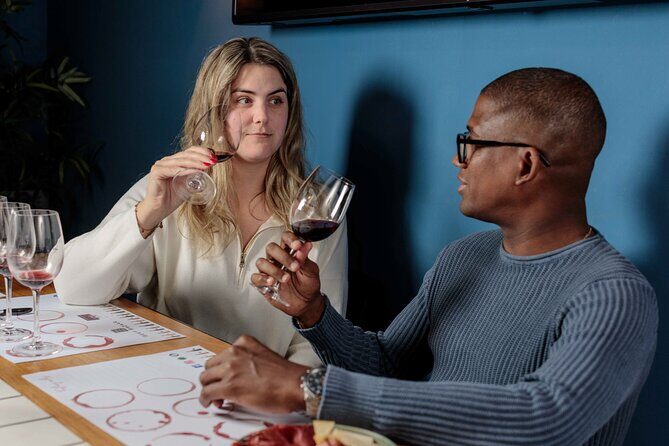
This tasting caps at 12 travelers, which is a big deal. In a larger setting, you spend half your time waiting for the next course and the other half wondering if the guide will ever notice your question. Here, it’s built for interaction.
The host is described as cheerful and approachable, and guests highlight how easy it is to ask questions even if you’re not a wine person. The language setup also helps: English is clearly available, and the sommelier can also speak Italian if you want.
That matters for value. If you’re the type who likes to understand what you’re eating, you’ll get that. If you’re the type who just wants the fun part, you’ll still enjoy it because the explanations stay connected to the table.
Price and Value: Is $86.73 Worth It?
At $86.73 per person, this isn’t the cheapest meal you’ll find in Rome. But it’s also not a bare-bones “just taste two sips” setup.
You’re paying for:
- Three classic Roman pasta dishes
- Four selected Lazio wines
- A digestivo to close
- A guided pairing and cultural explanation focused on Roman food and wine
In other words, you’re buying an evening where food and drinks are structured like a lesson. That kind of organization costs money in Rome, especially when you get a small group and a host who can talk through the choices.
For me, the real value signal is the balance. The price includes both the eating and the explaining, so you don’t feel like you need to do extra research afterward to make sense of it.
Tips to Make Your 6:30 pm Evening Go Smoothly
Plan this for when you’re hungry and ready to slow down. If you snack heavily earlier in the day, you may not enjoy the full pasta progression.
Also:
- Wear comfortable shoes for the Vatican-area walk to the tasting room.
- Expect to be in a room for the full experience, not moving around for multiple stops.
- Come with curiosity. If you ask about the pairing logic, you’ll get more out of the stories tied to Carbonara, Amatriciana, and Cacio e Pepe.
If you’re pairing this with a Vatican Museums day, treat the tasting like your dinner plan. It fits naturally after an afternoon of sightseeing.
Should You Book Rome on a Table: Roman Pasta and Wine Tasting?
Book it if you want a Rome evening that mixes classic flavors, local Lazio wine, and real context in a short window. The Vatican-adjacent location is practical, the group size is comfortable, and the course structure keeps everything focused.
Skip it if you’re chasing a long, sit-down dinner experience with hours of wandering between courses. This is more about concentrated tasting and story than an extended meal.
Overall, if you like the idea of learning while you eat—without turning it into homework—this tasting is a strong fit for Rome.
FAQ
How long is the Rome on a Table pasta and wine tasting?
It lasts about 2 hours.
What time does it start?
The start time is 6:30 pm.
Where does the tour meet?
The meeting point is Beef Bazaar, Via Germanico, 136, 00192 Roma RM, Italy.
How many people are in the group?
The experience has a maximum of 12 travelers.
What food and wine do you get?
You’ll taste three Roman pasta dishes (Carbonara, Amatriciana, and Cacio e Pepe) and sample four wines from Lazio. You also end with a digestivo.
What digestivo options are available?
Your digestivo choice is Limoncello, Sambuca, or a local Amaro.
Is the experience in English?
The information provided indicates the host speaks English, and can also speak Italian if you want.
Do you get a mobile ticket?
Yes, it includes a mobile ticket.
Is confirmation provided after booking?
Yes. Confirmation will be received at time of booking.
Is free cancellation available?
Yes. Free cancellation is available if you cancel up to 24 hours in advance for a full refund.