REVIEW · MUSEUMS
Rome: National Etruscan Museum Private Tour
Book on GetYourGuide →Operated by Rome Guides · Bookable on GetYourGuide
Etruscan Rome is a great surprise.
This private visit to the National Etruscan Museum at Villa Giulia helps you understand the civilization that predates Rome and the Roman Empire. I like that the tour is focused, not a random walk, and I love the way you get pointed to key collections like the museum’s Etruscan epigraphy sections. One thing to plan for: it’s not ideal if you have limited mobility or need wheelchair access.
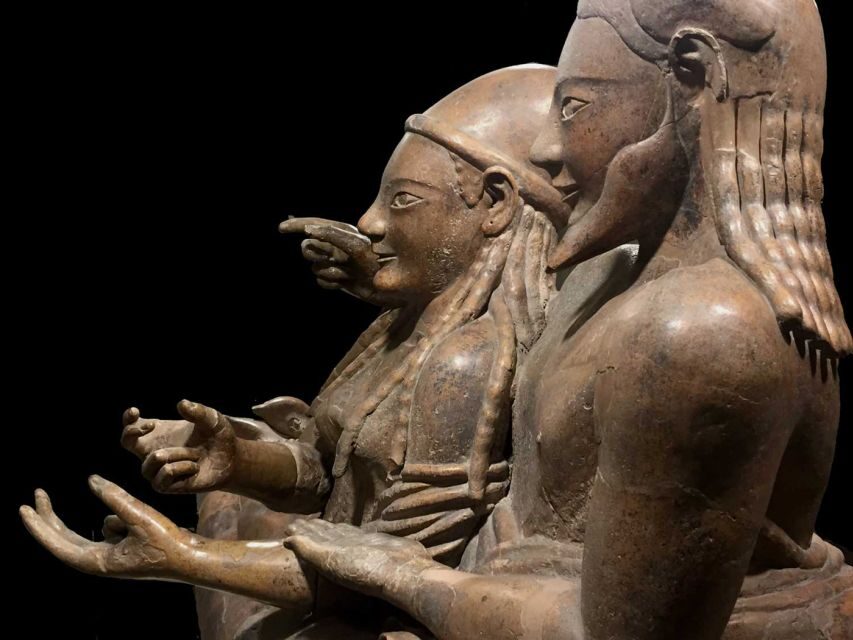
You’ll also get a clear highlight path through some of the most memorable objects on display. The big emotional hit is the Sarcophagus of the Spouses from Cerveteri, dated around 520 BC, plus the surrounding world of statuary, funerary art, weapons, and jewelry. A possible drawback is the “no large bags” rule, so pack light if you’re coming straight from the airport or a day trip.
This is the kind of tour where a good guide changes how fast the museum makes sense. If you’ve ever walked into a museum and felt lost by the walls of text, this is built to prevent that. And with a private group and English or Italian live guidance, you can ask questions and keep things moving at a human pace.
In This Review
- Key Highlights You’ll Actually Care About
- National Etruscan Museum at Villa Giulia: What You’re Really Visiting
- The Etruscan Epigraphy Section: Where Writing Becomes Meaning
- The Sarcophagus of the Spouses: The Centerpiece You Can’t Miss
- Etruscan Art in Context: Statues, Weapons, Sarcophagi, and Jewels
- What the 2-Hour Private Format Feels Like on the Ground
- Pricing and Value: Is $124.61 Worth It?
- Getting Ready: Meeting Point, Bags, and What to Bring
- Who This Tour Suits Best (and Who Should Rethink It)
- Should You Book the Rome Etruscan Museum Private Tour?
- FAQ
- How long is the Rome: National Etruscan Museum private tour?
- Is this a private tour or a group tour?
- What languages is the live guide available in?
- What’s included in the price?
- What’s not included?
- Where do I meet the guide?
- What should I bring?
- Is there anything I’m not allowed to bring?
- Is this tour suitable for people with limited mobility or wheelchair users?
Key Highlights You’ll Actually Care About
- Private, local guide: You get help interpreting objects instead of just reading labels.
- Etruscan epigraphy focus: Dedicated sections show how writing and identity mattered.
- Sarcophagus of the Spouses (Cerveteri, ~520 BC): The emotional centerpiece of the collection.
- Pre-Roman artifacts from Lazio: Statues, weapons, sarcophagi, and jewels from the region.
- Short and efficient (2 hours): Enough time for a meaningful route without museum fatigue.
- Meeting on-site with a sign: Arrive 15 minutes early and your guide will be easy to spot.
National Etruscan Museum at Villa Giulia: What You’re Really Visiting
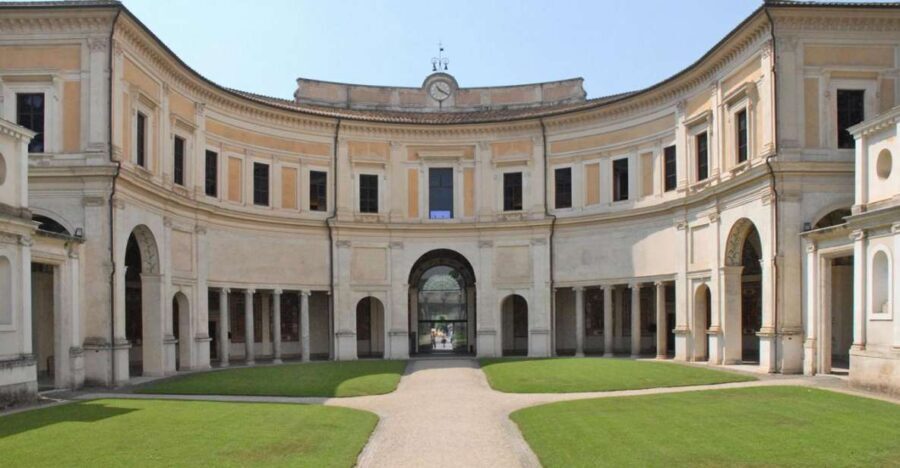
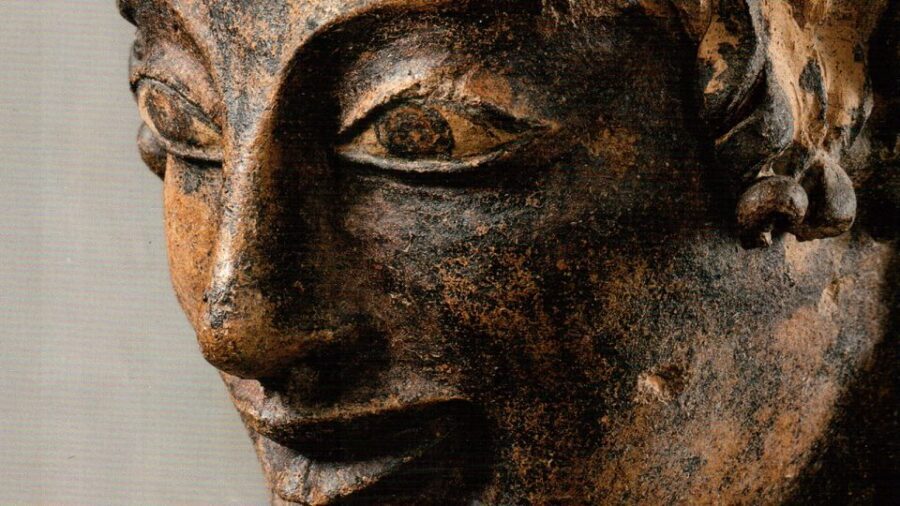
Villa Giulia is where you go when you want the story of the Etruscans told through real objects, not vague textbook summaries. On this tour, you’re at the National Etruscan Museum, and the guiding thread is simple: the Etruscans developed long before Rome became Rome, and their culture shaped what came next.
What makes this special for you is the order. Rather than starting with the Roman Empire and going backward, the tour starts with the earlier civilization that preceded it. That shift matters because the Etruscans weren’t just “Roman leftovers.” You’ll see their own visual language, their funerary customs, and how they communicated through inscriptions.
The tour stays grounded in Lazio material, so you’re not floating through isolated facts. You’re learning a regional story using the museum’s collections—exactly the kind of “why this exists here” context that makes a short visit feel bigger.
You can also read our reviews of more private tours in Rome



The Etruscan Epigraphy Section: Where Writing Becomes Meaning
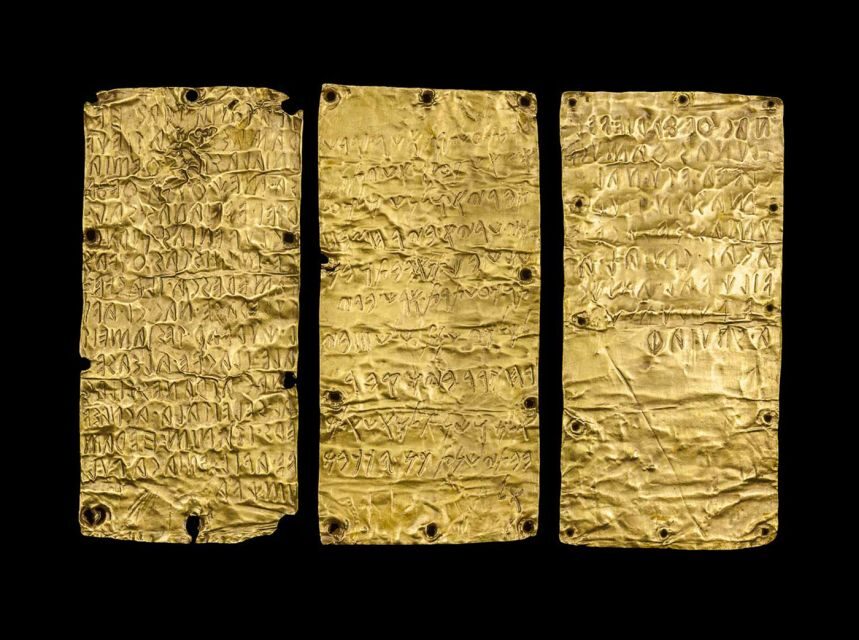
If you’ve ever wondered what epigraphy means in real life, this is one of the best ways to find out. You’ll spend time on the museum’s exhibition areas devoted to Etruscan epigraphy, which is basically the study of inscriptions. In practice, it means you’re looking at writing tied to people, objects, and identity.
Why this is valuable: inscriptions turn art into biography. A statue or sarcophagus can be impressive on its own, but an inscription helps explain who it relates to, and what the culture wanted remembered. Even when you’re not reading the script fluently, a good guide can point out how inscriptions function—what they’re doing, not just what they look like.
This is also where a private guide really earns their keep. In a big public museum, epigraphy displays can feel like information overload. On a private tour, you get the “start here” approach—what to notice first, what details matter, and how to connect writing to the wider collection.
If you like history that has fingerprints—letters, names, and messages—this part will likely be the one you remember later, even after the rest blends together.
The Sarcophagus of the Spouses: The Centerpiece You Can’t Miss

The headline object on the tour is the Sarcophagus of the Spouses from Cerveteri, dated to 520 BC. This is the moment where the tour earns its keep, because it’s not just a famous item; it’s a doorway into Etruscan ideas about life and death.
A sarcophagus is already a clue that you’re dealing with belief and ritual. But this one carries extra weight because it’s associated with a couple—the title alone signals that the figures weren’t meant to be anonymous. Your guide will help you read what you’re seeing: the way the scene is arranged, the mood it suggests, and why funerary art can be deeply personal rather than purely symbolic.
Why I think this matters for you: in many museums, ancient people feel distant because you’re only seeing objects. Here, the focus on a specific type of representation gives you something human to latch onto. Even if you’re not a hardcore archaeology person, this is the kind of object that makes you slow down.
If you want a museum experience that has one clear emotional anchor, this tour gives you one.
Etruscan Art in Context: Statues, Weapons, Sarcophagi, and Jewels
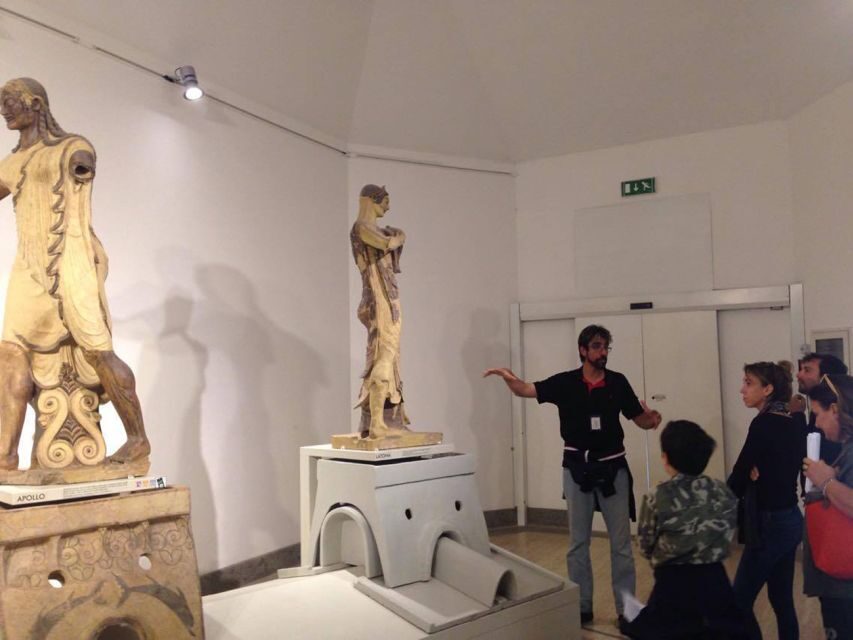
After epigraphy and the sarcophagus, the tour moves through other Etruscan collections tied to the broader life of the culture. You’ll see a range of categories, including statues, weapons, sarcophagi, and jewels. That combination isn’t random. It shows you that the Etruscans weren’t only thinking about the afterlife; they also valued craftsmanship, status, and visual display during their living years.
Here’s the practical takeaway: when you see weapons next to funerary objects, you start to understand how material culture supported identity. When you see jewels alongside tomb contexts, you get the message that appearance and value mattered enough to preserve or display.
A short private route helps because you can connect dots as you go. Without that, people often leave with disconnected highlights. With a guide, you’re more likely to connect what you saw to the larger story the museum is telling.
Also, seeing artifacts from the region of Lazio gives you a stronger sense of place. You’re not touring the Etruscans like a distant curiosity; you’re encountering them as part of the same land and cultural orbit that later influenced Rome.
What the 2-Hour Private Format Feels Like on the Ground
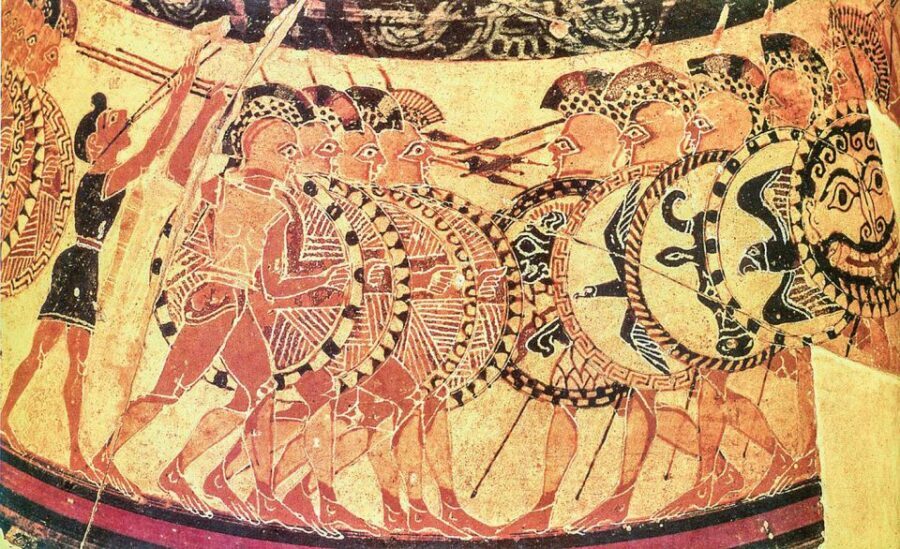
The duration is 2 hours, and that time window is a big deal. You’re getting enough time for a route with real meaning, but not so much time that you start rushing or tuning out. In my experience, this is the sweet spot for museum tours when you want context without burning the day.
Because it’s a private group, you’re not stuck with a rigid pace driven by strangers. If you want to linger near an inscription or spend extra time on the sarcophagus details, the tour setup makes that easier than in a larger group format.
You also get live guidance in English or Italian, so you can choose a language that keeps the experience smooth. If your Italian is basic, English guidance can still be very effective, and vice versa.
Your guide will meet you outside the museum entrance with a sign in the name of the tour. You’ll want to arrive 15 minutes early so you’re not stressing before you even start.
You can also read our reviews of more museum experiences in Rome





Pricing and Value: Is $124.61 Worth It?
At $124.61 per person for a 2-hour private tour, the price isn’t “cheap,” but it can be fair value depending on how you like to travel.
Here’s the value math that matters:
- You get entry tickets included, which removes one layer of planning and cost.
- You get a private local guide, and the tour content isn’t generic. It highlights epigraphy sections and specific masterpieces like the Sarcophagus of the Spouses.
- The visit is only 2 hours, so you’re buying focused attention rather than a half-day museum grind.
If you’re someone who enjoys museum labels and can easily connect things on your own, you might decide to skip a guided route. But if you want faster understanding and more meaningful looking, a private guide in a museum like this is often money well spent.
Think of it this way: you’re not paying just for someone to show you where things are. You’re paying for help interpreting what you’re seeing—especially the writing and the context around key objects.
Getting Ready: Meeting Point, Bags, and What to Bring
The tour starts with a straightforward in-person meet: arrive 15 minutes before the activity begins. Your guide waits in front of the museum entrance and will hold a sign with the tour name, so it’s usually easy to identify them.
A couple of practical notes from the rules:
- Hotel pickup and drop-off aren’t included, so plan your own way to the museum.
- Luggage or large bags are not allowed, so keep your daypack manageable.
- Bring passport or ID for children (if that applies to your group).
None of this is complicated, but it can make the difference between a smooth start and a stressful one. If you’re traveling with a big tote or carry-on size bag, I’d adjust plans so you’re not forced to improvise.
Who This Tour Suits Best (and Who Should Rethink It)
This is a good fit if you:
- Want a museum visit with a clear focus on Etruscan culture rather than Roman basics.
- Like object-based history: sarcophagi, inscriptions, statuary, and craft.
- Prefer a private pace where you can ask questions and stay on-topic.
It’s not a great fit if you:
- Have limited mobility, because the tour is not recommended for that situation.
- Use a wheelchair, since it’s not suitable for wheelchair users.
If accessibility is a concern, it’s worth considering other formats or verifying conditions before you commit.
Should You Book the Rome Etruscan Museum Private Tour?
I’d book it if you want your time in Rome to teach you something concrete in a short span. This tour concentrates on the Etruscans as a civilization that precedes Rome, and it does it through two high-impact tools: epigraphy and standout objects like the Sarcophagus of the Spouses.
The other reason I like recommending it is the guide quality signal. With a perfect rating and comments praising the guide in a very direct way, it’s a sign the experience is built around human interpretation, not just “see the highlights.”
Skip it only if you’re comfortable wandering museums solo and you don’t care much about inscriptions or guided context. If you do care, this tour is one of the more efficient ways to turn a museum visit into real understanding.
If you book, go in with one mindset: slow down for the inscription areas and the sarcophagus. Those are the points where the whole tour clicks.
FAQ
How long is the Rome: National Etruscan Museum private tour?
The tour lasts 2 hours. Starting times vary, so you’ll need to check availability for your preferred slot.
Is this a private tour or a group tour?
It’s a private group experience.
What languages is the live guide available in?
The live guide is available in English and Italian.
What’s included in the price?
The price includes entry tickets and a private local guide.
What’s not included?
Hotel pickup and drop-off are not included.
Where do I meet the guide?
Arrive 15 minutes before the tour starts. Your guide waits in front of the museum entrance with a sign showing the name of the tour.
What should I bring?
Bring passport or an ID card for children.
Is there anything I’m not allowed to bring?
Luggage or large bags are not allowed.
Is this tour suitable for people with limited mobility or wheelchair users?
No. It’s not recommended for people with limited mobility, and it’s not suitable for wheelchair users.