REVIEW · 2-DAY EXPERIENCES
Rome in 2 days tour including Colosseum, Trevi Fountain and Sistine Chapel
Book on Viator →Operated by Raphael Tours & Events · Bookable on Viator
Rome’s top sights, tightly planned.
I like how this tour targets the big-ticket moments without turning your day into a sprint: you get reserved Colosseum entry with arena access plus a structured walk through the Forum’s key monuments. I also like the Vatican Museums focus—it’s not just random rooms; you’re guided through the statue collections, the map galleries, and the rooms that set you up for the Sistine Chapel. One thing to consider: it’s two long days on your feet, and the dress code and ID/name rules are real, not optional.
Here’s the deal: you’ll spend daytime with a private guide for both days, but you keep the freedom to roam at night. That balance is the secret sauce—especially in Rome, where the best moments often happen after the tours end.
In This Review
- Key things to know before you go
- How a 2-Day Rome Package Works (And Why It Feels Less Rushed)
- Day 1: Colosseum Interior, Then the Forum’s “Political Center” Path
- Day 1’s Extra Stops: Trevi Fountain, Piazza Navona, and the Pantheon
- Vatican Museums: Statues, Maps, and the Rooms That Lead to the Sistine Chapel
- Sistine Chapel With a Private Pace (Not a Herd)
- St. Peter’s Basilica: Why It’s Not Fully Included Right Now
- Price and Value: What You’re Really Paying For at $696.97
- Logistics That Affect Your Day: Dress Code, Names, Tickets, and Museums Rules
- Dress code
- Names and ID
- Food rules inside museums
- Mobile ticket + transport access
- Accommodation flexibility
- Which Guides Make a Difference (And Why This Tour Mentions Them)
- Who This Tour Fits Best
- Should You Book This Rome in 2 Days Tour?
- FAQ
- Is this tour private?
- Are tickets to the Colosseum included?
- What is required for the dress code?
- Do my names on booking and my ID need to match?
- Is St. Peter’s Basilica included?
- Can I get a refund if I cancel?
Key things to know before you go
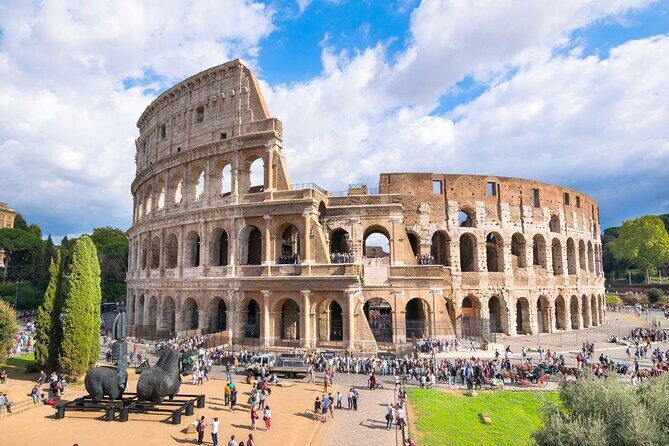
- Colosseum interior access with a guided look at the arena and nearby power-center sights
- Blue Badge + professional art historian guidance for the Vatican day
- A private setup (only your group) plus the option to choose a time window if available
- Vatican “highlight rooms” like the map galleries, Sobiesky Room, and key fresco stops
- Serious entry requirements: covered shoulders and knees, plus names and ID matching your tickets
- St. Peter’s Basilica is handled differently due to Jubilee access rules
How a 2-Day Rome Package Works (And Why It Feels Less Rushed)
Rome is huge. Even with repeat visits, you’d keep finding new corners you didn’t plan for. This tour trims the decision-making down to the essentials: one day for ancient Rome’s most dramatic set pieces, and one day for the Vatican’s art and church-world center.
The practical win is the way the guide helps you move through the busiest attractions. The Colosseum and Vatican Museums are the kind of places where an efficient route changes your entire experience. With a private guide, you’re also not stuck watching the backs of other people’s heads for hours.
You should still expect a moderate amount of walking. The itinerary is packed, and the days run long enough that comfortable shoes matter more than you think. If you’re the type who likes to stop often for photos, you’ll still manage it—just build in short breaks where you can.
You can also read our reviews of more tours and experiences in Rome
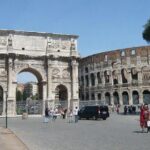
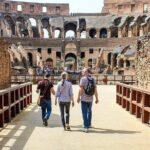
Day 1: Colosseum Interior, Then the Forum’s “Political Center” Path
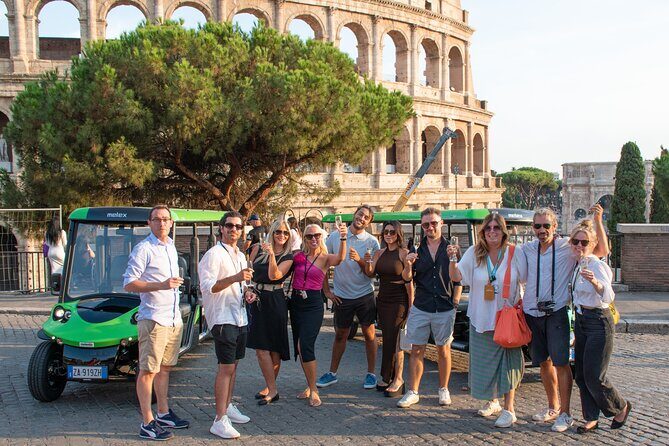
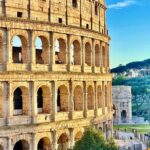
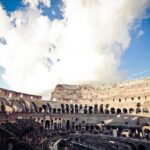
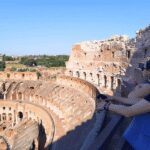
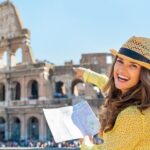
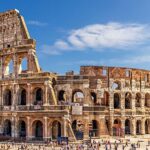
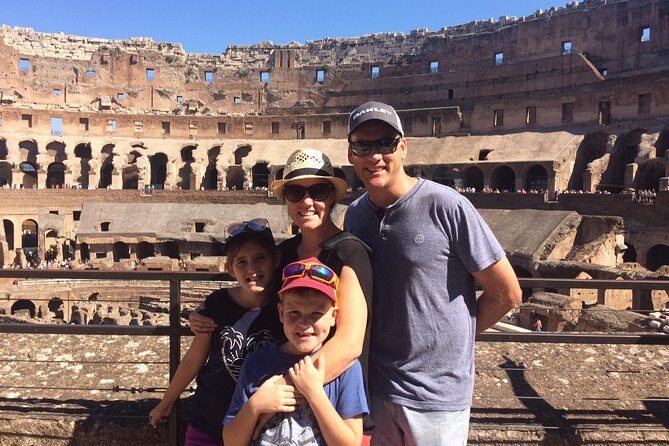
Your Day 1 starts with a reserved ticket for the Colosseum, and the big value is going into the arena interior. That inside look is where the Colosseum stops being a postcard and starts feeling like a functioning machine built for crowds, noise, and spectacle. Your guide sets the scene for what you’re seeing so you don’t just memorize stone.
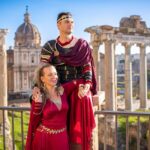
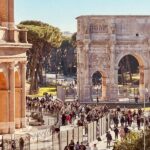
After that, the route continues outside to the Roman Forum area—often the hardest part for first-timers because it can feel like scattered ruins. Here, it’s treated like a connected landscape of power: you move through major landmarks in a logical arc rather than wandering randomly.
What you’ll see includes the Arch of Constantine and a guided walk that features the Arch of Titus plus several Forum highlights such as:
- House of the Vestal Virgins
- Temple of Saturn
- Senate House
- Arch of Septimius Severus
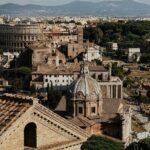
Then you’ll travel along the Sacred Way and end up at Capitoline Hill, with the Vittoriano (modern Italy’s monument) in view. That last section matters because it connects ancient Rome to how Rome later chose to remember itself.
A small consideration: Day 1 is a mix of ancient monuments plus city-walking. If you hate transitions (one stop after another), you might find the day dense. If you like understanding how Rome’s story ties together, this format tends to click.
Day 1’s Extra Stops: Trevi Fountain, Piazza Navona, and the Pantheon
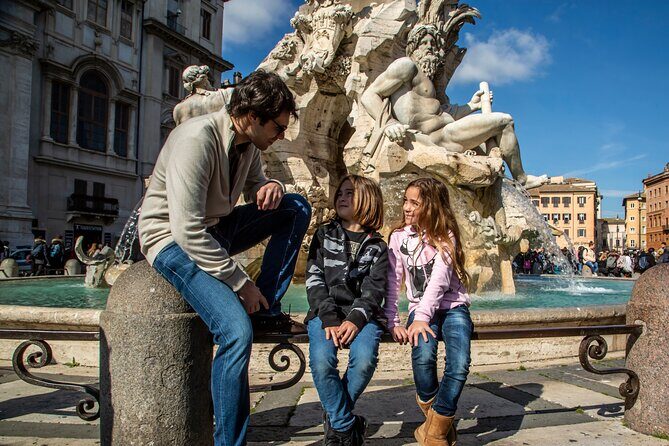
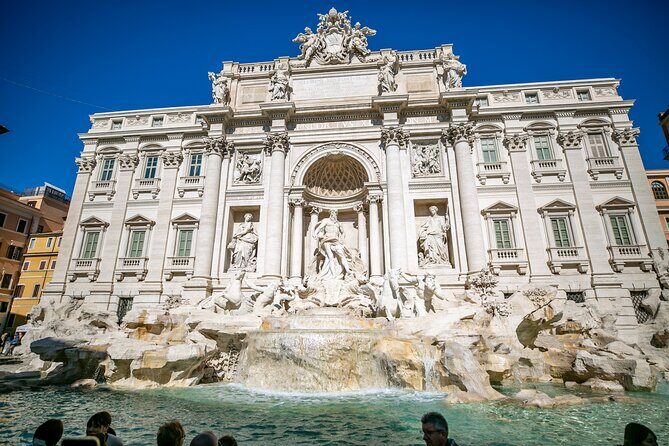
After the ancient core, you’ll shift into Rome’s “look up and smile” zone with a walking tour that adds some of the city’s most famous stops: Trevi Fountain, Piazza Navona, and the Pantheon.
This is a smart pairing because it gives you variety. The Colosseum/Forum day is all about structure, politics, and spectacle in stone. Then you get fountains, street-life energy, and an ancient building that still feels startlingly intact.
A practical tip: these places are photograph-famous, but they also work best when you let the guide’s timing carry you. Your pacing will be steadier than trying to plan it solo in the middle of peak crowds.
Vatican Museums: Statues, Maps, and the Rooms That Lead to the Sistine Chapel
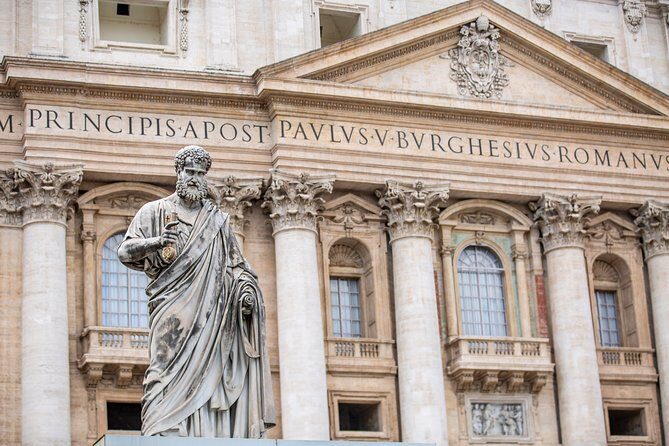
Day 2 begins at the Vatican Museums entrance, where you meet your guide and work at your own pace. That matters because Vatican Museums are huge, and “seeing everything” is a trap. Instead, you’ll focus on major collections and highlight rooms—so you leave feeling like you understood the building, not just survived it.
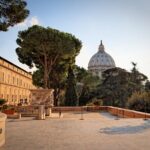
Your visit starts with the Belvedere Courtyard and moves into the Pio-Clementino Museum, with attention to collections of ancient Roman and Greek statues. This is a good place to slow down mentally. If you’re not a museum person, these statue halls often convert you because they help you read the themes—power, myth, idealized bodies—through art you might not recognize at first glance.
Then the day moves into the more eye-catching displays:
- Galleries of Tapestries
- Geographic Maps
The map galleries are one of those stops that surprise people in a good way. They make the Vatican Museums feel less like a temple of paintings only and more like a place that collected knowledge—worldmaking on paper, with centuries-old accuracy and imagination.
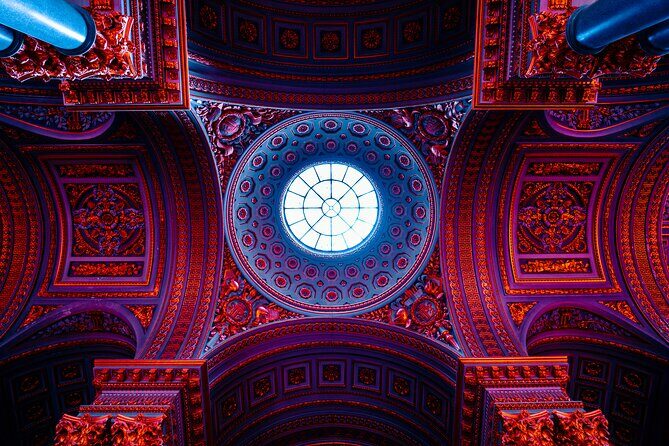
You’ll also stop in the Sobiesky Room, where you’ll hear about the largest canvas painting in the Vatican. After that, the tour includes fresco-focused time in places like the Immaculate Conception Room, helping you build context for what’s coming next in the Sistine Chapel.
Sistine Chapel With a Private Pace (Not a Herd)
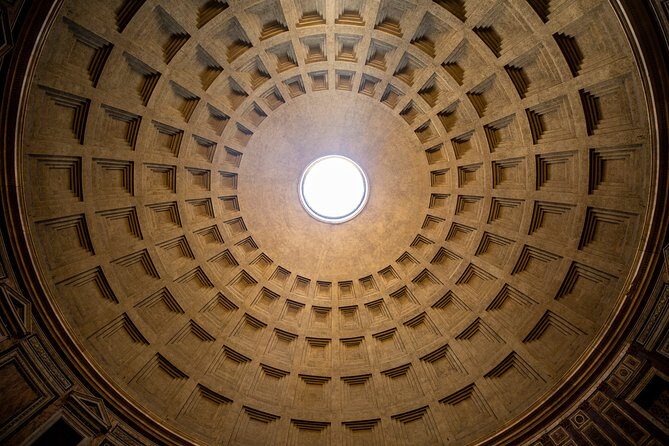
The Sistine Chapel portion is scheduled as its own stop. You meet your guide at the Vatican Museums entrance again for this segment, and the private format is what helps. You can slow down, look longer, and take in details without feeling like you’re being dragged through.
The key value here isn’t just access—it’s interpretation. If you’ve ever felt underwhelmed inside a world-famous room because you didn’t know what to look for, this is designed to prevent that. Your guide’s job is to point you at the stories and visual structure so the chapel becomes more than awe.
The only drawback is that this is still a working site with rules and crowds around it. Your best move: dress comfortably (you’ll stand and look for stretches), and expect that timing can feel tight even when you’re touring privately.
St. Peter’s Basilica: Why It’s Not Fully Included Right Now
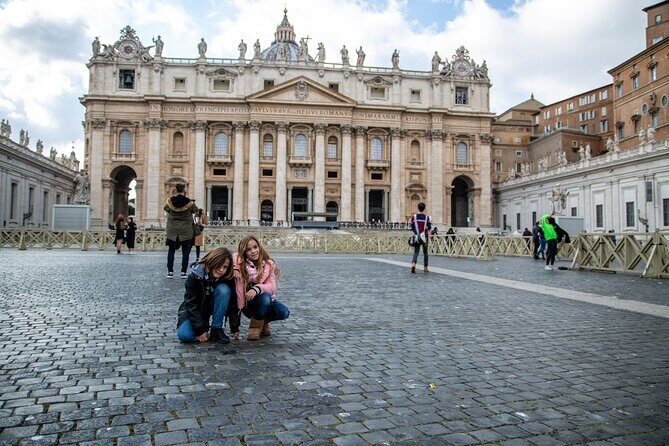
This part needs a clear heads-up. The tour notes that St. Peter’s Basilica is not included due to Jubilee new access rules. That means you may not get the same guide-covered entry experience you’d expect from a standard package.
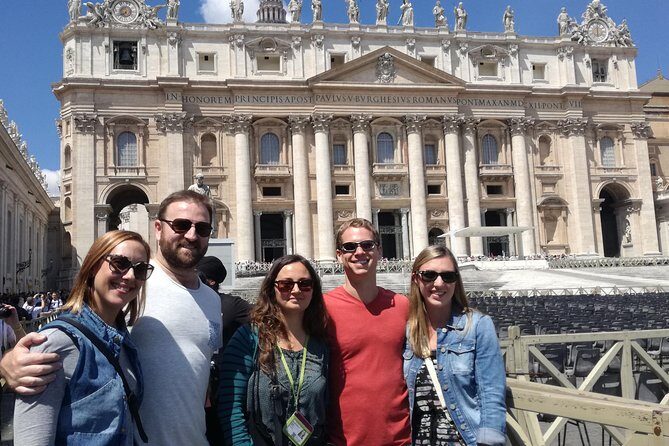
What you can do instead is visit the Basilica by going to Saint Peter’s Square and queueing there.
So how should you plan your mood? Don’t assume the Basilica visit is guaranteed through the tour. If it’s a must-see for you, consider adding time in your schedule outside the guided portion to handle lines and access rules as they stand.
Price and Value: What You’re Really Paying For at $696.97
At $696.97 per person, this isn’t a budget day out. The value comes from bundling the expensive time-savers and expertise into a two-day arc.
Here’s what your money is covering, based on what’s explicitly included:
- Local guide / private tour across two days
- Blue Badge guide and a professional art historian guide component
- Colosseum entrance ticket (valued at €18 per person)
- Colosseum reservation fee (valued at €2 per person)
And it’s not just tickets. The real cost-saver is the guided flow: reserved entry reduces waiting friction, and your guide helps you prioritize what matters so you don’t burn hours figuring out what to do next.
For some people, the big question is whether private guidance is worth it. If you learn well with context—if you want the “why” behind what you’re seeing—this price often feels justified quickly. If you prefer to wander without interpretation, you might find the spending heavy compared to a self-guided approach.
Logistics That Affect Your Day: Dress Code, Names, Tickets, and Museums Rules
Rome is friendly, but entry rules are strict.
Dress code
You need to cover knees and shoulders for both men and women. No shorts and no sleeveless tops. If you show up wrong, you can risk being refused entry.
Names and ID
You’ll need to present valid passport or ID that matches the full names provided when booking. The tour also notes that failure to present a voucher with all travelers’ full names at the ticket office can lead to denied entry for the Colosseum and Roman Forum.
Food rules inside museums
Food and drinks aren’t allowed in the museums except for bottled water. Plan snacks outside the museum spaces if you need them, especially on long Vatican days.
Mobile ticket + transport access
You’ll use a mobile ticket, and the meeting points are described as near public transportation. That helps if you’re staying in a central neighborhood or plan to hop between areas by tram/metro.
Accommodation flexibility
This is a guide service only, so you choose where you stay. That matters because you can pick lodging near what you actually want to do at night, not near what’s convenient for someone else’s schedule.
Which Guides Make a Difference (And Why This Tour Mentions Them)
Good guidance isn’t just facts. It’s pacing, priorities, and making you feel like you’re in the room with the city—not chasing it.
The tour’s reviews highlight standout guides such as Thomaso, Paola, and Claudia. That’s a useful signal because it suggests the experience isn’t only about access. People noticed when the guide explained the city so it made sense afterward—especially in the way Rome’s layers connect from ancient forums to the Vatican’s visual storytelling.
It’s also a clue about the tour’s style: private and attentive, with room to go slow and still see the important parts. One review even called out the ability to walk at your pace—exactly what you want if you’re not a “power-walk” tourist.
Who This Tour Fits Best
This works especially well if:
- You want two days of major sights without building a complex itinerary yourself
- You like context—history and art explained in a way that helps you look smarter
- You prefer a private group experience over long lines and large crowds
- You’re traveling with family, since it’s described as family friendly
If you hate structured schedules or you only care about one attraction (say, just the Colosseum), you may not get your money’s worth.
Should You Book This Rome in 2 Days Tour?
I’d book it if you want a first-rate “greatest hits” trip with real guidance—especially for the Colosseum interior and the Vatican Museums-to-Sistine Chapel flow. The biggest reason is simple: you’ll spend less time figuring out logistics and more time actually understanding what you’re seeing.
I wouldn’t book it if you’re purely a wanderer who hates rules, stands in lines, and wants full spontaneity day and night. Also reconsider if the Basilica is your top must-see and you’d be disappointed by the Jubilee-access setup, since the tour states the Basilica is not included.
If your goal is to see Rome’s heavy-hitters in two days with a guide who helps you read the sights instead of just ticking boxes, this tour is a strong match. Just pack the right clothing, double-check your name/ID details, and plan for long walking days.
FAQ
Is this tour private?
Yes. It’s described as a private tour/activity, and it says only your group will participate.
Are tickets to the Colosseum included?
Yes. The tour includes a Colosseum entrance ticket and also includes a Colosseum reservation fee.
What is required for the dress code?
You must cover your knees and shoulders to enter places of worship and selected museums. The tour specifically notes no shorts or sleeveless tops, and that you may be refused entry if you don’t comply.
Do my names on booking and my ID need to match?
Yes. You must provide full names for all travelers when booking, and you must present a valid passport or ID document that matches those names. Failure to match can lead to denied entry for the Colosseum and Roman Forum.
Is St. Peter’s Basilica included?
No. The tour notes that St. Peter’s Basilica is not included due to Jubilee new access rules. You can visit by going to Saint Peter’s Square and queueing there.
Can I get a refund if I cancel?
No. The experience is non-refundable and cannot be changed for any reason. If you cancel, the amount you paid will not be refunded.