REVIEW · 2-DAY EXPERIENCES
2-Day Best of Rome and Vatican – Luxury Private Tour
Book on Viator →Operated by Rome in Limo Tours Excursions · Bookable on Viator
Rome hits different when someone else drives.
This private Best of Rome and Vatican plan is interesting because it pairs a guided, city-center highlights loop with a long Vatican block—so you’re not bouncing between tickets, directions, and crowd bottlenecks. I like the skip-the-long-lines promise, and I also like the private setup (max 8 people) that keeps the day from feeling like a factory tour. One possible drawback: it’s a tight schedule with short museum-adjacent stops (often 10–15 minutes), so you’ll want to be okay with seeing a lot without lingering as much as you might on your own.
The Vatican portion is the real heavyweight here.
You get a guide for the Vatican Museums (3 hours) and time inside the Sistine Chapel (20 minutes). I also like that the day is built for people who don’t want to guess their way through Rome, since hotel pickup/drop-off is offered and you’re using a mobile ticket. Main consideration: the dress code is strict—no shorts or sleeveless tops, and knees and shoulders must be covered—so plan your outfit early.
In This Review
- Key points worth knowing
- A private Rome-to-Vatican plan that saves you from decision fatigue
- Getting around: van support, pickup, and skipping long lines
- Piazza Venezia and the ancient-city opener in the center of it all
- Trevi Fountain: a quick look at water, art, and spectacle
- The Pantheon in 15 minutes: why the dome changes your perspective
- Piazza Navona and the Spanish Steps: Baroque drama, measured time
- Vatican Museums (3 hours) and the Sistine Chapel (20 minutes): how to make it count
- Roman Forum and Capitoline Hill: ancient power after the papal world
- Price and value: what you’re really paying for at $963 per person
- Who this tour suits best (and who should adjust expectations)
- Practical tips so you don’t lose time (or get turned away)
- Should you book this 2-Day Best of Rome and Vatican private tour?
- FAQ
- What time does the tour start?
- Is pickup from my hotel included?
- Is admission included for the Vatican Museums and Sistine Chapel?
- What dress code is required?
- Are food and drinks included?
- Is free cancellation available?
Key points worth knowing
- Skip-the-line built in so you spend more time looking and less time waiting.
- Private-group size (up to 8) means more room for questions and easier pacing.
- Vatican Museums are guide-led (3 hours), not just a walk-through.
- Sistine Chapel is timed (20 minutes), which helps you avoid wasting time hunting.
- A van-driven Rome day reduces the back-and-forth of public transit.
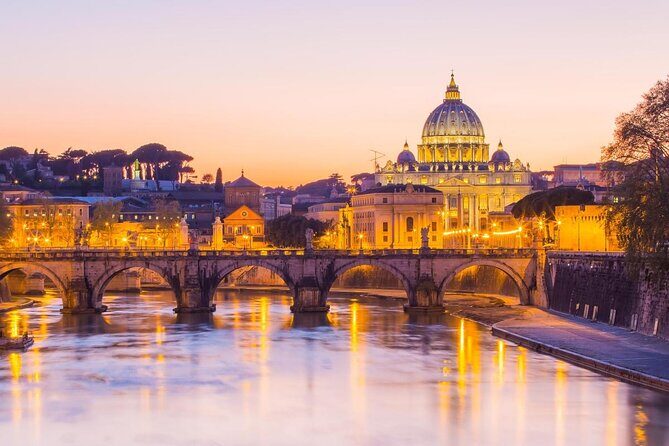
- Jubilee restoration may affect sights if some monuments are under work.
A private Rome-to-Vatican plan that saves you from decision fatigue
If you’ve ever tried to plan Rome solo, you know the problem: there’s never just one problem. There’s timing, ticket lines, walking routes, and the constant question of whether you’re about to head in the wrong direction again. This tour is designed to cut that noise. You get a driver/guide, plus hotel pickup and drop-off, and a route that hits the postcard locations first—then shifts into the Vatican with real guide support.
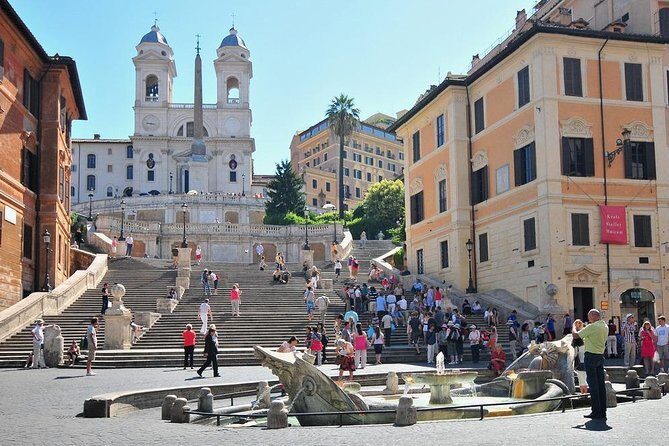
I also like the way the day is structured around attention spans and crowd flow. The city side is broken into quick, high-impact stops: places like Piazza Venezia, Trevi Fountain, the Pantheon, Piazza Navona, and the Spanish Steps are each set as short visits rather than long chores. Then the plan shifts gears and gives you the time you actually need where it matters most: Vatican Museums for 3 hours, followed by the Sistine Chapel.
One thing to keep in mind for your own expectations: the name says 2-day best of Rome and Vatican, but your guided experience here is listed at about 9 hours total. That usually means a streamlined itinerary where you’ll see the biggest hits without getting to do deep repeats of any one site.
You can also read our reviews of more private tours in Rome


Getting around: van support, pickup, and skipping long lines
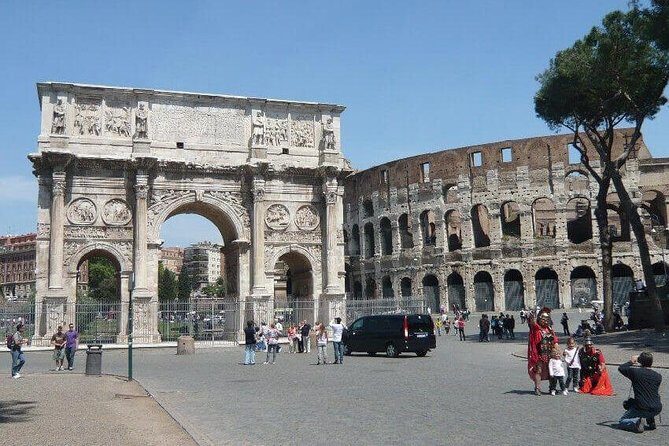
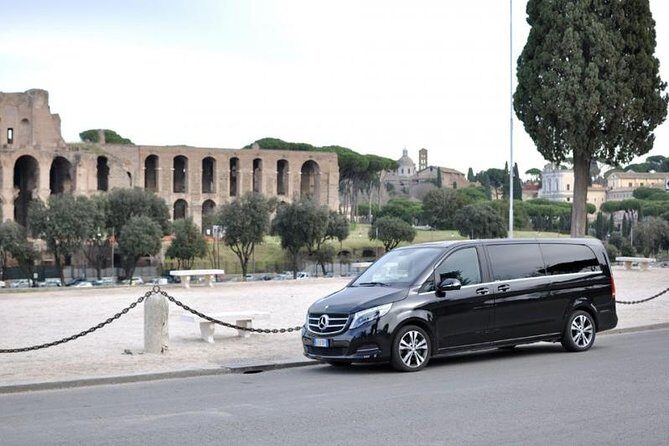
Rome can punish your feet fast, especially if you start at one end of the city and end up with a last-minute ticket for the far side. This is where the logistics matter. The tour includes transport by private vehicle on the first day only, plus hotel pickup and drop-off. That’s a big deal if you want less time in taxis or less time wrestling with trains and buses.
The other key piece is the guaranteed skip the long lines promise. Lines in Rome aren’t just annoying; they eat your energy and make the day feel rushed. When the tour plan is built around avoiding the queue grind, you can spend your time looking, not waiting.
Also pay attention to the mobile ticket detail. A mobile ticket is included, which typically helps you avoid last-minute ticket-printing issues when you’re already juggling museum entries and dress code checks.
Piazza Venezia and the ancient-city opener in the center of it all
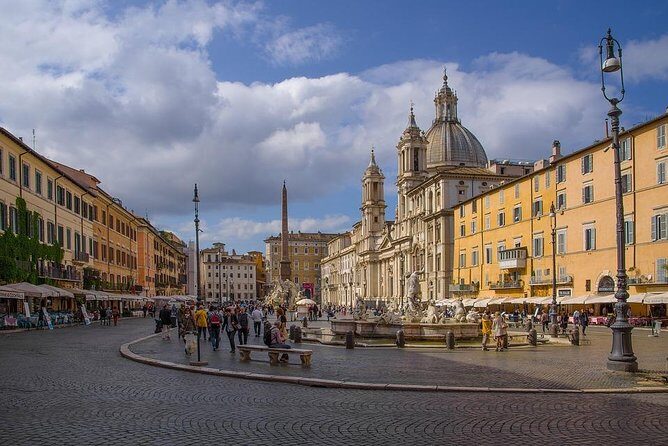
Your day begins in the historical center, with the first stop at Piazza Venezia and the National Monument of Vittorio Emanuele II. This is a smart opener because it gives you an instant sense of where Rome’s big stories happen—politics, power, and monuments that still dominate the skyline. It’s also a clean start logistically: a central anchor point is easier for pickup and for regrouping after a drive.
You only get about 10 minutes here, and that tells you the tour’s style: quick orientation first, then movement. You’re not meant to study every engraving at this stop. Instead, you use it as a stepping stone into the rest of the classic Rome loop.
What I like about this approach is that it helps you get your bearings fast. When you later move through the Pantheon and around the Baroque squares, it’s easier to connect the dots in your head instead of asking the map app every five minutes.
Trevi Fountain: a quick look at water, art, and spectacle
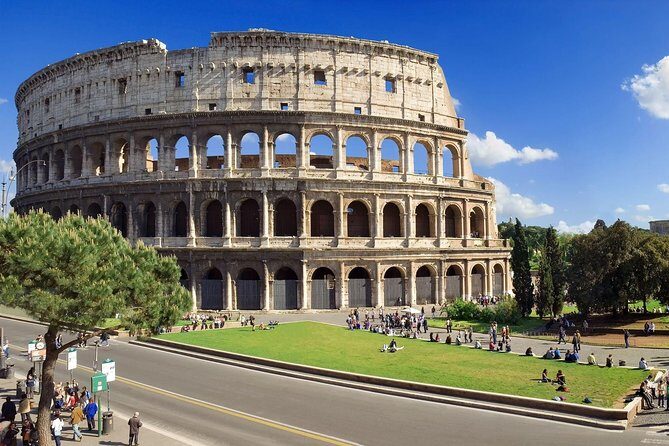
Next up is Trevi Fountain, another short stop at about 10 minutes. The emphasis here isn’t on a long sit-down. It’s on seeing the fountain as a work of art that’s more than sculpture—something that performs through its water and its sheer visual presence.
Trevi is one of those places where your experience depends on timing and crowd pressure. That’s exactly why a guided, scheduled visit helps. You’re not wandering in blind, and you’re not spending your morning trying to determine whether the best time is now or an hour later.
Practical note: in a short stop like this, you’ll get more out of deciding your goal before you arrive. For example: decide whether you want a front-facing view, a perspective view, or just a fast look to confirm what you expected. The tour won’t slow down for indecision.
The Pantheon in 15 minutes: why the dome changes your perspective
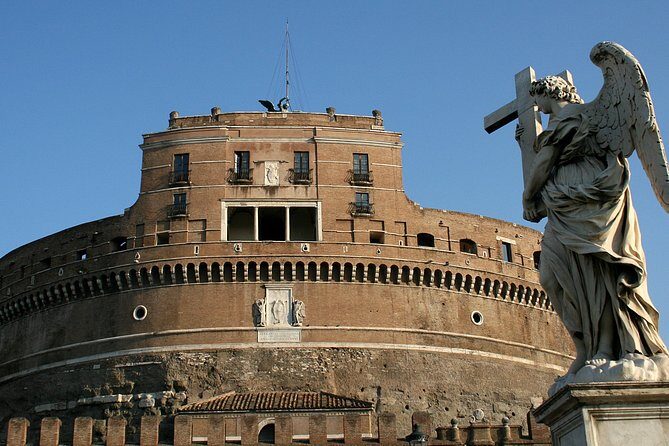
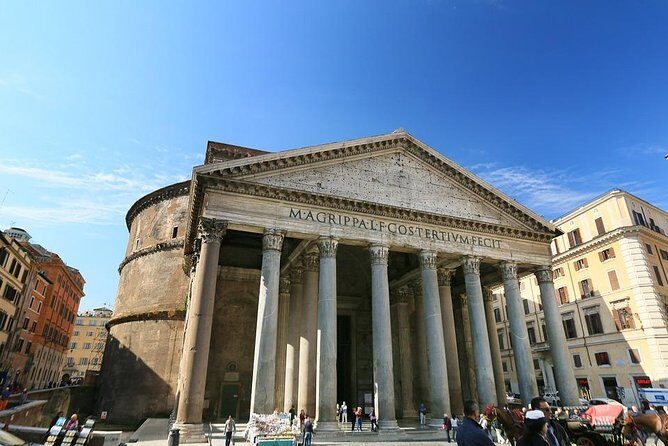
At about 15 minutes, the Pantheon is your longer Roman landmark stop—still not long, but long enough to catch what makes it special in the first place. The tour description highlights it as the best preserved and known for its big brick dome, plus its place as an early forerunner of modern places of worship. It’s also described as the most copied and imitated ancient work, which matters because it explains why you’ve probably seen Pantheon references before, even if you didn’t realize it.
Here’s why that matters for you: when you understand the Pantheon as a model that spread, the building doesn’t feel like a random old temple. It feels like an architectural influence that changed the rules of design.
The downside is obvious: 15 minutes flies. If you’re the type who needs time to stand, look up, and then stand again, you might wish the stop were longer. Still, for most people who want the big Roman hits efficiently, it’s a workable time slice.
You can also read our reviews of more tours and experiences in Rome



Piazza Navona and the Spanish Steps: Baroque drama, measured time
Two more short stops follow: Piazza Navona (about 15 minutes) and the Spanish Steps (about 10 minutes).
At Piazza Navona, the tour frames it as the standout Baroque square in Rome, with Bernini’s Fountain of Rivers at its center and a view toward Sant’ Agnese in Agone, the church associated with Borromini. In other words, you’re not just looking at a square—you’re looking at a Baroque face-off, with art and architecture arranged for maximum impact.
The Spanish Steps are another good contrast. You learn that the name comes from the Palazzo di Spagna, seat of the Spanish Embassy for the Vatican since the seventeenth century. That’s a detail that gives the location a context you might miss if you only treat it as a photo stop.
Because both stops are short, you’ll get the most enjoyment by letting them be what they are: quick, high-visual payoff. If you try to turn them into long research sessions, the rest of the day—especially the Vatican—will feel more rushed.
Vatican Museums (3 hours) and the Sistine Chapel (20 minutes): how to make it count
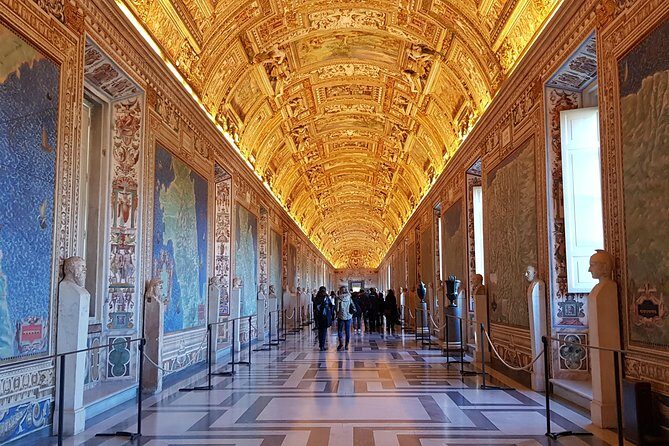
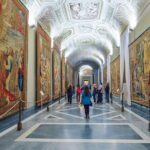
This is the part where the tour justifies its time. You’re scheduled for the Vatican Museums for 3 hours, with admission included, and then you continue into the Sistine Chapel for 20 minutes with admission included as well.
A guided museum block is the difference between seeing paintings and understanding why those paintings sit where they do. The tour description emphasizes that the Vatican Museums contain collections accumulated by the popes over time, plus major masterpieces from different eras. That matters because without a guide, you can feel like you’re wandering through famous names without a map for how they connect.
Then comes the Sistine Chapel. The tour calls it one of the greatest treasures in the Vatican City, known for decoration and for being the place where popes are chosen and crowned. It also lists key artists linked to the chapel: Botticelli, Perugino, Luca, and Michelangelo.
In practical terms, 20 minutes in the Sistine Chapel is designed to keep you from losing time. You’ll likely appreciate it most if you go in with two simple goals:
- Take in the general layout and overall decoration first.
- Then let the guide’s explanation help you connect what you’re seeing to what it represents.
Also note the dress code again here. These places are strict, and the tour explicitly warns you could be refused entry if you don’t meet the requirements. Plan your outfit with this stop in mind, not your dinner plans.
Roman Forum and Capitoline Hill: ancient power after the papal world
After the Vatican focus, the itinerary includes ancient Rome highlights that round out the day’s theme: power, politics, and Rome’s public life.
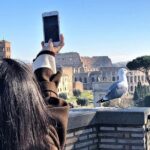
The Roman Forum is described as where religious and public life happened in ancient Rome. It’s also framed as one of the greatest signs of Roman imperial splendour you can still see today, along with the Colosseum. The tour description also includes a neat behind-the-scenes detail: the Forum’s original site was marshy, and in the 6th century B.C. it was drained by the Cloaca Maxima, one of the first sewer systems in the world. Later excavations didn’t happen until the 20th century, even though the location was known earlier.
Then there’s Capitoline Hill, described as the smallest but most important of the seven hills of ancient Rome. It’s labeled the political and religious heart, and today it still symbolizes Rome’s center of power—caput mundi, capital of the world.
This combo works well because it gives you a clean contrast. The Vatican is institution and ceremony; the Forum and Capitoline are institution and public life. You end up with a fuller picture of what Rome built, and how those ideas changed over time.
Price and value: what you’re really paying for at $963 per person
The price here is listed at $963 per person, and that’s not cheap. So the question isn’t whether it’s expensive. The real question is what you’re buying with it.
You’re paying for several cost-like comforts:
- Private service with a small cap of up to 8 people.
- Hotel pickup and drop-off (less wasted time and less navigation stress).
- Skip-the-long-lines access.
- Private vehicle on the first day only, which reduces transit friction.
- Guided time where it’s hardest to DIY well, especially 3 hours in the Vatican Museums.
If you’re traveling with family, or you just want Rome to feel manageable instead of chaotic, this can be money well spent. If you’re the type who loves wandering and doesn’t mind spending extra time in lines, you might prefer a do-it-yourself route or a cheaper public-transit plan.
For best value, this tour is strongest when you want an efficient hit list with interpretation. When you’re not just collecting stamps, but trying to understand what you’re seeing, the guide time is where the cost starts to make sense.
Who this tour suits best (and who should adjust expectations)
This tour is a strong fit if you:
- Want iconic Rome highlights without sorting out the day yourself.
- Prefer a small private group over big bus crowds.
- Care about guided context in the Vatican, where self-guided can feel like information overload.
It’s also a workable match if you have moderate physical fitness, since the plan is built around short stops and reduced wandering thanks to a private vehicle on the first day.
It may be less ideal if you:
- Want lots of free time at each stop to linger.
- Need very flexible pacing because the structure is tight by design.
- Are sensitive to strict dress code rules (because the tour explicitly warns about refused entry without covered knees and shoulders).
One more reality check: some monuments may be under restoration due to the Jubilee, so you should be ready for messages about changes. That’s common for Rome right now, and it can affect what you physically see.
Practical tips so you don’t lose time (or get turned away)
Here’s what will save you the most frustration.
1) Dress code first. No shorts. No sleeveless tops. You need knees and shoulders covered for both men and women. If you’re unsure, dress on the conservative side. Vatican entry is not the place for last-minute outfit improvisation.
2) Wear shoes for quick-stop walking. The stops are time-limited, which means you’ll do more short walks back-to-back. Comfort matters more than fashion.
3) Have a simple plan for photos. With places like Trevi Fountain and the Spanish Steps limited to about 10 minutes, decide your photo priorities in advance. Otherwise you’ll spend your stop time deciding.
4) Watch the logistics note on Vatican transport. The info says transportation to/from Vatican Museums is not included. Even with hotel pickup/drop-off offered, that detail can affect how you actually get to the museum entrances. If this is important to you, confirm how your pickup connects to the Vatican entry area.
5) Bring patience for crowds. The tour is designed to reduce lines, but Rome still has people. Your best strategy is to follow your guide’s pacing and not fight the flow.
Should you book this 2-Day Best of Rome and Vatican private tour?
I think this is a smart booking if you want Rome’s greatest hits in a controlled, guided format—especially if you don’t want to spend your limited time in the city solving navigation and ticket stress. The Vatican Museums + Sistine Chapel time, guided and scheduled, is where the tour earns its value.
Skip it if you’re chasing slow travel, long museum wandering at your own pace, or if the strict dress code will be a headache. At $963 per person, it only feels “worth it” when you’ll use what you’re paying for: private small-group service, line skipping, and guided interpretation in the places where doing it alone is hardest.
If you want Rome to feel VIP without losing the plot, this is the kind of plan that can make your trip smoother from the first pickup to the last ancient viewpoint.
FAQ
What time does the tour start?
The start time is 10:30 am.
Is pickup from my hotel included?
Yes. Hotel pickup and drop-off are included.
Is admission included for the Vatican Museums and Sistine Chapel?
Yes. Vatican Museums admission is included, and Sistine Chapel admission is included as well.
What dress code is required?
You must wear clothing that covers knees and shoulders. The tour specifically says no shorts or sleeveless tops, and failing to meet the dress requirements may lead to refused entry.
Are food and drinks included?
No. Food and drinks are not included.
Is free cancellation available?
Yes. Free cancellation is available if you cancel up to 24 hours in advance of the experience’s start time.