REVIEW · CYCLING TOURS
Rome Highlights Private Bike Tour
Book on Viator →Operated by Roma STARBIKE · Bookable on Viator
Rome gets way easier on two wheels. This private Rome highlights bike tour takes the classic sights most people crowd into one exhausting day, and turns them into an organized ride you can actually enjoy. You’ll glide by major squares and ancient landmarks, with a guide keeping the timing smooth and bringing VR goggles so you can visualize key places like the Colosseum as they once looked.
I especially like two parts of this tour. First, the private guide makes it practical: you’re not guessing where to turn or how to connect the stops. Second, the 3D viewer/VR angle adds a helpful layer, letting you “see” big ancient structures in context instead of only imagining them from ruins.
One thing to think about: this isn’t a slow stroll. You must know how to ride a bike well, and the experience is built for active street riding for a few hours in Rome.
In This Review
- Key things to know before you ride
- Why this private Rome e-bike tour feels different
- Meeting point and how the tour is set up
- Your guide on e-bikes: what you’ll get besides facts
- VR goggles and the “now vs. then” trick
- Riding Rome’s “ancient axis”: from the Colosseum area to the forums
- Piazza Venezia and the Vittoriano: the modern monument in the same frame
- Forum of Trajan’s column: details you can actually visualize
- Pantheon: a quick stop that still makes sense
- Piazza Navona and the Stadium of Domitian
- Campo de’ Fiori: a market square you can feel
- Trastevere: crossing the Tiber for medieval lanes
- Circo Massimo: a huge Roman stage turned into a park
- Piazza del Campidoglio and Michelangelo’s big viewpoint
- E-bike practicalities: who should (and shouldn’t) choose it
- Price and value: what $130.97 buys you in real terms
- Should you book this Rome highlights private bike tour?
- FAQ
- How long is the Rome Highlights Private Bike Tour?
- Is this a private tour?
- What language is the tour offered in?
- Where does the tour start and end?
- What’s included with the tour?
- Is VR/3D included, and what does it cover?
- Do I need to pay admission tickets for the stops?
- Are there height, weight, or riding-skill requirements?
- What is the cancellation policy?
Key things to know before you ride
- Private group pace so you can ask questions and stop when you actually want to look.
- High quality e-bikes that make a 3–4 hour highlights loop feel manageable.
- VR/3D viewer with visual reconstructions at major sites like the Colosseum.
- Helmet + phone/handlebar holders included, so you can keep your bearings.
- Classic sights are mostly admission-free in the tour plan, which helps value.
- Trastevere and Circo Massimo bring you beyond the tightest “must-see” core.
Why this private Rome e-bike tour feels different
A lot of Rome “highlights” tours are either too fast in a van or too slow on foot. This one splits the difference in a smart way: you’re moving under your own power (with electric help), and your guide handles the flow.
In a private format, you also get something you rarely get on group tours: real flexibility. You’re not stuck with a crowd that wants selfies every 40 seconds. You can linger at Piazza Navona, ask what you’re looking at on the way to the next stop, or slow down when a view grabs you.
And yes, the e-bike matters. Rome’s sights are scattered enough that walking can turn into “rapidly tired legs,” even when you’re in shape. The boost helps you keep your energy for the moments that actually earn your attention: domes, forums, and the big squares where the city really performs.
You can also read our reviews of more cycling tours in Rome
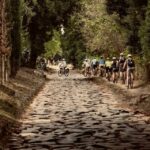
Meeting point and how the tour is set up
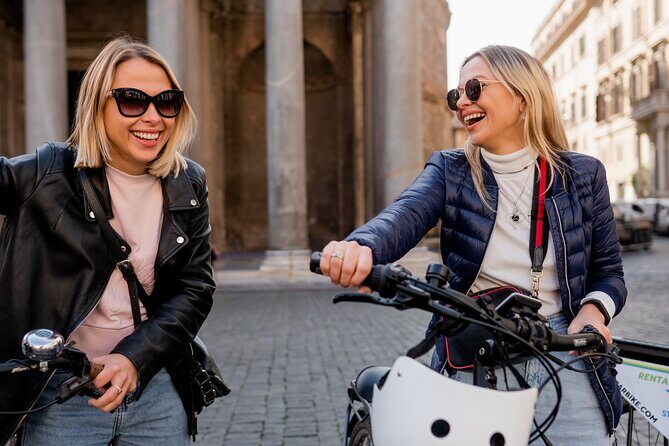
The ride starts at Via dei SS. Quattro, 58, 00184 Roma RM and ends back where you began. That round-trip setup is nice because it reduces the stress of trying to coordinate multiple ticket lines or navigating across the city on your own afterward.
It’s also designed to be straightforward to find, since the meeting point is near public transportation. You’ll receive a mobile ticket at booking, and the tour is offered in English.
Expect a total time of about 3 to 4 hours, with shorter photo-and-look moments built in. The itinerary pacing is mostly around 15 minutes per stop, with a longer breather at the Pantheon area.
Your guide on e-bikes: what you’ll get besides facts
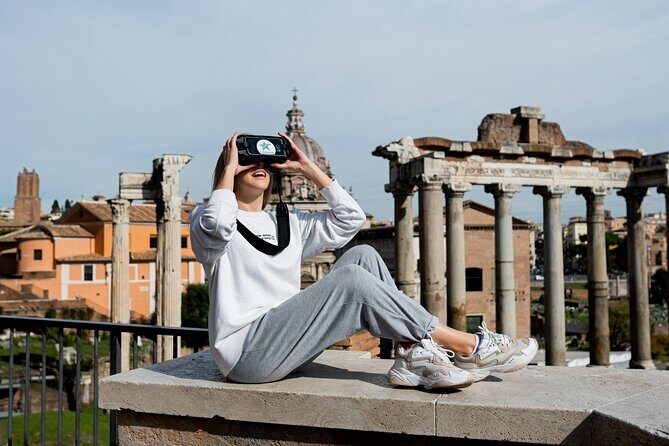
The best part of this tour is the “human glue” that keeps everything coherent. You’re riding through a chain of iconic sites, and a good guide turns that chain into a story you can follow.
One guide name you may see mentioned is Alex—and the vibe from the feedback is consistent: friendly, kind, and genuinely helpful. That shows up in the way stops are explained, and in how the guide keeps you on track without rushing your curiosity.
Practically, this matters because Rome can feel like you’re swimming in stone. When you’re on a bike with a guide, the information stays tied to what you’re seeing right then: why a triumphal arch is where it is, what a forum column is showing, or why a square became what it is today.
VR goggles and the “now vs. then” trick
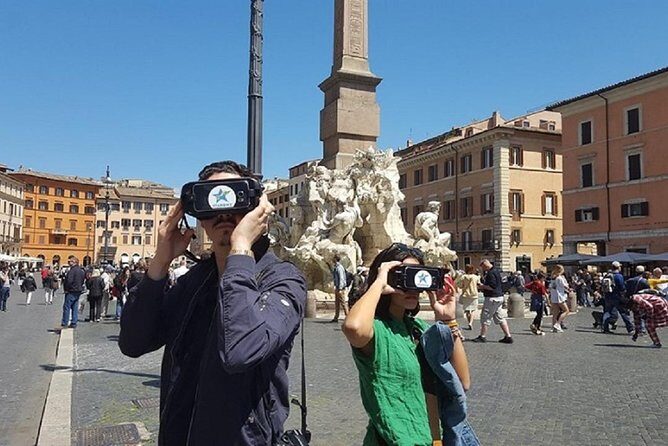
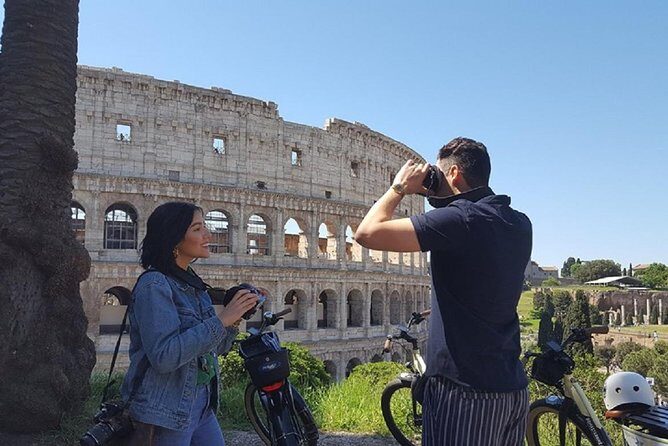
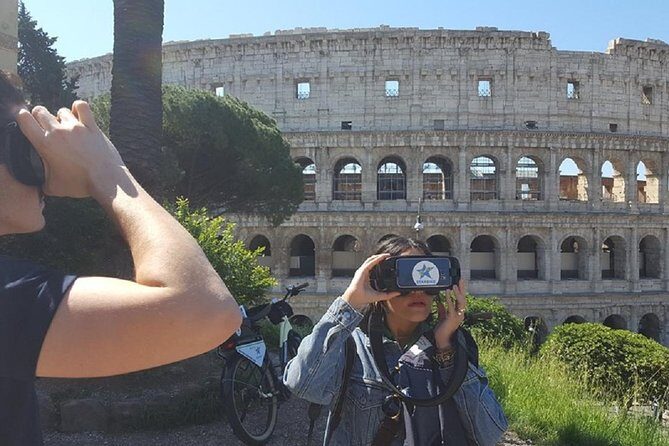
One of the most distinctive inclusions here is the VR goggles/3D viewer. The tour description specifically calls out seeing places such as the Colosseum as they once were.
This can be surprisingly useful at big Roman sites, because ruins don’t always communicate scale the way you expect. You might know a place is important, but the VR view helps you connect that importance to real architecture and street-level positioning.
It’s also a smart timing tool. Instead of spending your entire visit staring at fragments and guessing, you get a guided reconstruction moment, then you return to the physical site with a clearer picture.
Riding Rome’s “ancient axis”: from the Colosseum area to the forums
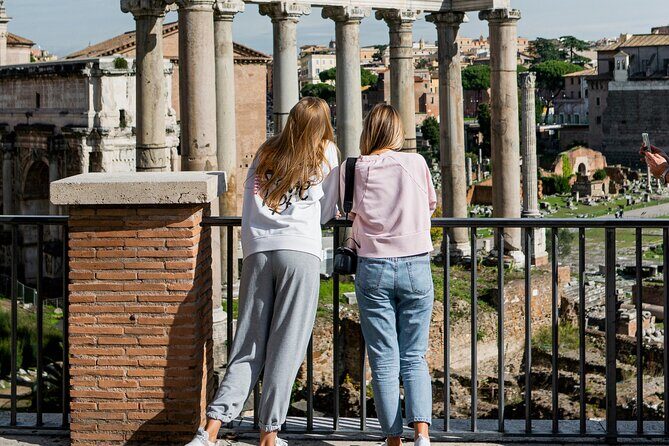
The tour opens with the Arco di Costantino (Arch of Constantine), located between the Colosseum and the Palatine Hill. This arch is one of the remaining intact arches from Ancient Rome, built in the 4th century AD and commissioned by the Roman Senate to commemorate Constantine’s victory over Maxentius at the Battle of the Milvian Bridge.
What I like about starting here is that it instantly frames Roman Rome—not just the buildings, but the political messaging. An arch isn’t only a landmark; it’s a statement carved into the city’s movement routes.
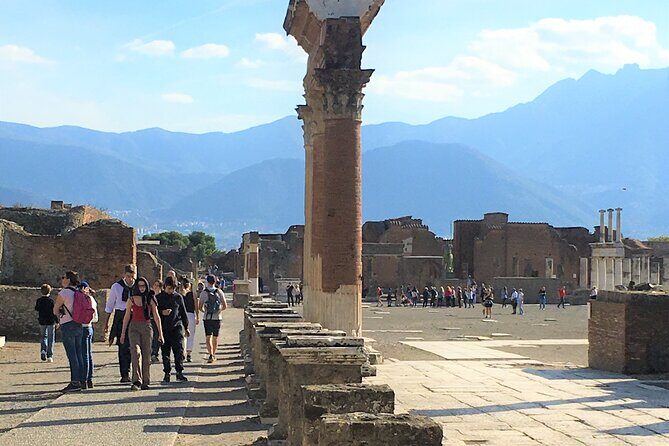
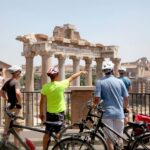
From there, you ride along Via dei Fori Imperiali. This is described as one of the most beautiful roads in the world, and it earns that praise by being packed with history on both sides. You’ll see the ruins and legacies of major imperial-era forums—Trajan, Augustus, Nerva, and Julius Caesar’s forums. The value of riding instead of walking here is that you can cover a meaningful stretch and take in the scale of the monumental road.
One practical upside: many of these major stops list admission as free in the tour plan. That helps keep the experience from turning into a constant ticket-add on.
You can also read our reviews of more private tours in Rome



Piazza Venezia and the Vittoriano: the modern monument in the same frame
Next up is Piazza Venezia, at the foot of the Capitoline Hill. This square is dominated by the Vittoriano, a monument dedicated to Vittorio Emanuele II and the Unification of Italy.
This stop is a good reminder that Rome isn’t frozen in one era. You’re literally viewing modern national identity in the same camera frame as ancient power routes. If you’ve ever wondered how Rome’s layers overlap—here’s where you feel it.
The guide-style approach helps too. You’ll get more than a photo moment. You’ll understand why this square became so central and how it fits into the broader city geography.
Forum of Trajan’s column: details you can actually visualize
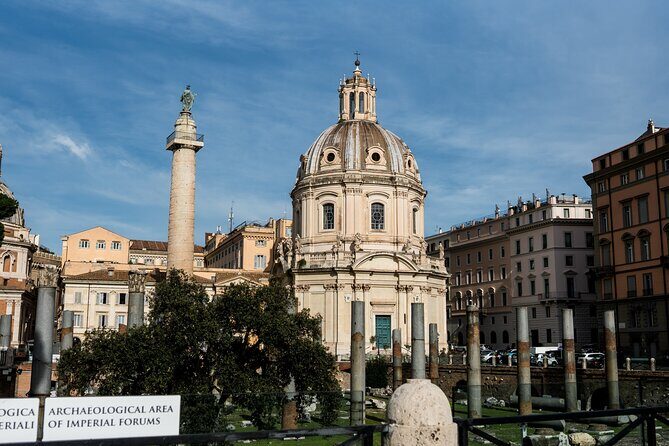
You’ll then move to the Foro di Traiano (Forum of Trajan) area, described as the last and largest forum built in Ancient Rome by architect Apollodorus of Damascus.
The star here is the Column and the story carved into it: the Dacian war, shown through about 2500 carved figures. What makes this stop work on a bike tour is the “bring it together” explanation. A column full of tiny scenes can feel like abstract decoration if you don’t know what you’re looking for. A guide can point you to the sequence and give you a way to read the relief.
Also, because the stop length is framed as a short look, you’re not stuck forever. You’ll come away with key points and then you can decide if you want extra time beyond the tour.
Pantheon: a quick stop that still makes sense
You’ll roll into the Pantheon, a building associated with Agrippa in the 1st century BC. Even if you’ve seen pictures, this is one of those places where the architecture lands fast. The big headline: the dome is the world’s largest unreinforced concrete dome.
The other important context is what it was dedicated to—all gods and the living sovereign. That detail changes your perspective. You’re not just looking at a cool ceiling; you’re looking at a building designed for a whole political-religious role.
The tour gives you about 20 minutes here, and that’s a reasonable window. It’s enough time to appreciate the dome, orient yourself, and understand what makes it technically and symbolically important—without turning the day into a marathon.
Piazza Navona and the Stadium of Domitian
Next is Piazza Navona, known for its Baroque feel and for being built on the remains of the Stadium of Domitian. This stop is a great example of how Roman construction outlived its original purpose.
The square is linked with major artists of the Baroque era, including Bernini, Borromini, and Giacomo Della Porta. You’ll ride through the area long enough to register the geometry and the grand presence, and your guide will help you connect the current layout to the older stadium structure beneath it.
This is also a good “pace reset.” Even when Rome’s ancient sites are your priority, Navona’s open space gives you a mental rest while still keeping you in the classics.
Campo de’ Fiori: a market square you can feel
The ride also includes Campo de’ Fiori, a lively square that historically took its name from the middle ages, when it was described as a meadow full of flowers. Today, it’s known for a daily fresh market with fruits and flowers.
Even if you’re not shopping, this is a useful stop because it shows Rome’s daily rhythm, not only its monuments. You also get the sense that the square’s energy continues into the evening, when bars and terraces show up.
If you’re the kind of traveler who wants more than stone, this market stop adds a human layer without demanding extra time.
Trastevere: crossing the Tiber for medieval lanes
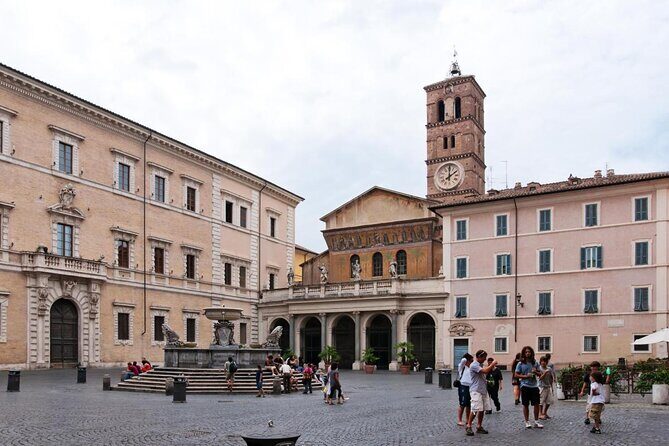
The tour heads into Trastevere—a neighborhood whose Latin reference is given as Trans Tiberium, meaning beyond the Tiber. This is where the trip becomes more about streets than monuments.
You’ll cross the river and ride through little alleys and medieval houses. The description is clear that the feeling is closer to a different chapter of history than the main “grand monuments” area.
The tour frames Trastevere as especially worth it at night because it becomes lively with lots of bars and restaurants. Even if your ride timing is earlier, you’ll still get the sense that this is Rome with softer edges and more wandering-friendly atmosphere.
Circo Massimo: a huge Roman stage turned into a park
Then comes Circo Massimo, between the Aventine and Palatine Hill. The Romans built it as one of the largest stadiums ever, with a capacity noted at over 250,000 spectators. The chariot racetrack dates to the 6th century BCE.
It also had a life of damage and repair—there were multiple fires over the centuries, and it was reinforced during the Roman Empire. Today, you’re seeing a transformed version: a large public park.
This stop works well on an e-bike because you can take in the “big bowl” feeling of the space. It’s not a tight ruin you stare at for half an hour. It’s a scale you absorb as you ride past and look across.
Piazza del Campidoglio and Michelangelo’s big viewpoint
The final highlighted stop is Piazza del Campidoglio on one of Rome’s seven hills. This is framed as a place of legends and, more practically, a place where the views help everything click.
You’ll be able to admire the view over the Roman Forum, and you’ll also be crossing into the political heart of the city, with the tour noting that the detailed design links to Michelangelo’s genius.
Even if you only get about 15 minutes, this kind of viewpoint is the perfect closer. You’ve spent hours moving through structures and squares. Now you’re looking back at the layout and realizing how Rome’s power zones connect.
E-bike practicalities: who should (and shouldn’t) choose it
This tour is ideal if you’re comfortable riding and steering in a busy city. The rules are clear: you must know how to ride a bike well.
There are also limits that matter for choosing the right option. The tour lists:
- Max weight: 120 KG / 265 pounds
- Child seat is included and valid until 25 kg
- A child aged 6–10 can ride only if they’re under 4/7 feet (143 cm) because they’ll use a trailer bike, not a bike alone
If you’re a confident cyclist, this will feel like a smart way to cover serious ground. If you’re even slightly unsure about handling in traffic or balancing while stopping often, you may find it stressful.
Price and value: what $130.97 buys you in real terms
At $130.97 per person for about 3–4 hours, you’re paying for more than transportation. You’re buying:
- a private guide (only your group participates)
- high quality e-bikes
- included gear like a helmet and phone/handlebar holders
- a 3D viewer/VR component
- multiple major sights that are listed with free admission in the tour plan (including stops like the Arch of Constantine, Pantheon, and Piazza Navona)
That mix is where the value comes from. You’re not paying to “just show up and see stuff.” You’re paying for guided pacing, reduced navigation stress, and a visual reconstruction tool that helps you interpret what you’re looking at.
For families, the included child-seat option can also help value, as long as your child meets the height/fit rules.
Should you book this Rome highlights private bike tour?
Book it if you want Rome’s top sights with less hassle, and you like the idea of a guide-led route that keeps you moving without rushing your thinking. It’s a great match for couples, small groups, and visitors who want to see big icons like the Pantheon, Piazza Navona, and Trastevere in one connected ride.
Think twice if:
- you’re not confident riding a bike well
- you need a very slow, minimal-street experience
- you’re traveling with someone outside the stated weight/child height rules
If you’re aiming for a “see the classics but make it feel manageable” day, this one has a strong logic. The private format plus VR means you get both motion and meaning, not just a checklist.
FAQ
How long is the Rome Highlights Private Bike Tour?
It’s about 3 to 4 hours.
Is this a private tour?
Yes. It’s limited to your group only.
What language is the tour offered in?
The tour is offered in English.
Where does the tour start and end?
It starts at Via dei SS. Quattro, 58, 00184 Roma RM, Italy, and it ends back at the same meeting point.
What’s included with the tour?
High quality e-bike, 3D viewer, child seat until 25 kg, and helmet, plus a mobile phone holder and handlebar holder.
Is VR/3D included, and what does it cover?
Yes. The guide brings VR gear and includes a 3D viewer, with spots such as the Colosseum shown as they once were.
Do I need to pay admission tickets for the stops?
The itinerary lists admission as free for several stops, including the Arch of Constantine, Via dei Fori Imperiali, Piazza Venezia, the Pantheon, and Piazza Navona.
Are there height, weight, or riding-skill requirements?
Yes. You must know how to ride a bike well. The maximum weight is 120 KG / 265 pounds. Child seating is until 25 kg, and a child age 6–10 can ride only if they are under 4/7 feet (143 cm) because they will use a trailer bike.
What is the cancellation policy?
You can cancel for free up to 24 hours in advance for a full refund. If you cancel less than 24 hours before the start time, the amount paid is not refunded.