REVIEW · CYCLING TOURS
Rome: Highlights Bike Tour
Book on GetYourGuide →Operated by Fat Tire Tours - Italy · Bookable on GetYourGuide
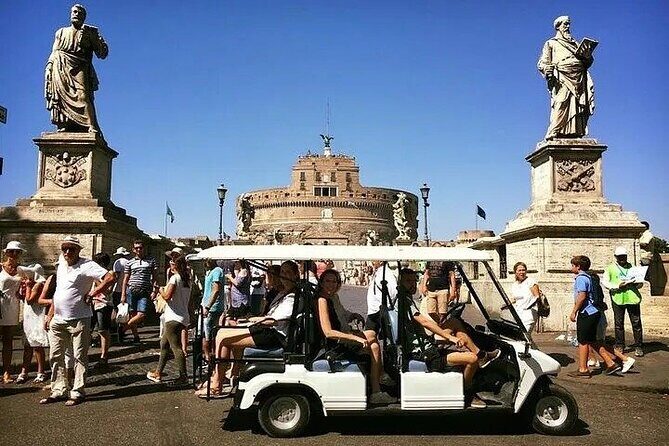
Rome on two wheels feels different. You glide past Rome’s biggest hitters on a comfortable cruiser bike, with a local guide calling out what matters and why it matters. I love the headset setup, too. It keeps you from craning your neck for explanations while you’re riding through real traffic and real streets.
Two other things I like a lot are the tight hit-list of sights and the pacing. In one afternoon you get the Pantheon area, Trevi Fountain, the Colosseum zone, and the Circus Maximus stretch—without spending half your day walking. The only real drawback to plan around is the road surface. Rome’s cobblestones and crowded crossings mean this is not a great choice if you’re not comfortable riding, or if you’re dealing with pregnancy or small kids who get uneasy on bikes.
In This Review
- Key highlights you’ll feel on this Rome bike loop
- Why this 3-hour Rome bike tour is such a good value
- Where you meet, what to bring, and how early to arrive
- Getting rolling: the headset experience in real Rome streets
- Jewish Ghetto to Campo de’ Fiori: seeing Rome beyond the postcard core
- The Pantheon stop: when classic design hits you fast
- Piazza Navona and Sant’Ignazio: a Baroque-leaning lesson in city layout
- Trevi Fountain time: making the most of the busiest stop
- Trajan’s Column to Piazza Venezia: reading the empire in street form
- Colosseum zone finish: the most famous silhouette, from the right angle
- Circus Maximus: a long, calm ride through the memory of chariots
- How the guides keep the group safe (and why it matters)
- Who should book this bike tour, and who should skip
- Price and value: what $51.24 buys you in real terms
- Should you book Rome: Highlights Bike Tour?
- FAQ
- How long is the Rome bike tour?
- What does the tour include?
- Is the tour in English?
- Do you visit inside museums or monuments?
- What’s the meeting point?
- What kind of shoes are allowed?
- Is the tour suitable for pregnant women?
- Is there free cancellation?
Key highlights you’ll feel on this Rome bike loop
- Cruiser bikes + simple handling that make the ride approachable
- Headsets and live guiding in English so you can hear stories while moving
- Pantheon stop to clock the scale of the dome and the classic columns
- Trevi Fountain time on the route for photos without sprinting
- Colosseum and Circus Maximus views as a fast, memorable finale
- Traffic-smart guidance that helps the group stay together on busy streets
Why this 3-hour Rome bike tour is such a good value
At about $51.24 per person for a 3-hour guided ride, this tour is really about buying back your time. Rome’s top sights sit in clusters, but walking between them can eat hours—especially when you’re constantly stopping for crossings, crowds, and photos. Here, you’re moving on bikes between highlights, so you cover more ground without feeling like you’re speed-running Rome.
You’re also not just paying for transport. The package includes a cruiser bike, a local guide, and a headset for the narration. That combination matters. It turns the ride into an orientation tool, the kind that helps you understand what you’re seeing later—when you return on your own time.
And you do get a tour shape that fits a short visit. The route moves from classic central Rome sights into the Roman heartland zone, then finishes near the Colosseum area and continues on toward Circus Maximus. You’ll come away with a cleaner map in your head, not just a pile of landmarks.
You can also read our reviews of more cycling tours in Rome
Where you meet, what to bring, and how early to arrive
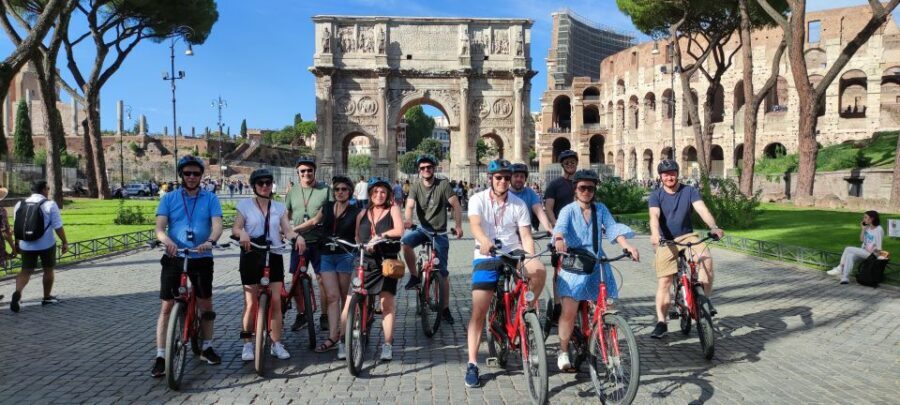
You’ll start at Fat Tire Tours Rome, Via dei Delfini 35/36. The office is about a five-minute walk from Piazza Venezia, and roughly a 15-minute walk from the Colosseum. Plan to arrive 15 minutes early. That buffer helps you get fitted, pick up your headset, and get comfortable on the bike before you roll out with the group.
Bring closed-toe shoes. Open-toed shoes aren’t allowed. If weather is a question, know the tour runs rain or shine and there are rain ponchos available. One practical move: if you bring a light layer or small pack, you’ll feel less stressed when the weather shifts.
If you’re biking at home only once in a while, you’ll still likely manage. This is not described as a heavy workout. Reviews also mention easy gearing and “flat riding” vibes on the route, but you should still be ready for cobblestones and frequent stopping.
Getting rolling: the headset experience in real Rome streets
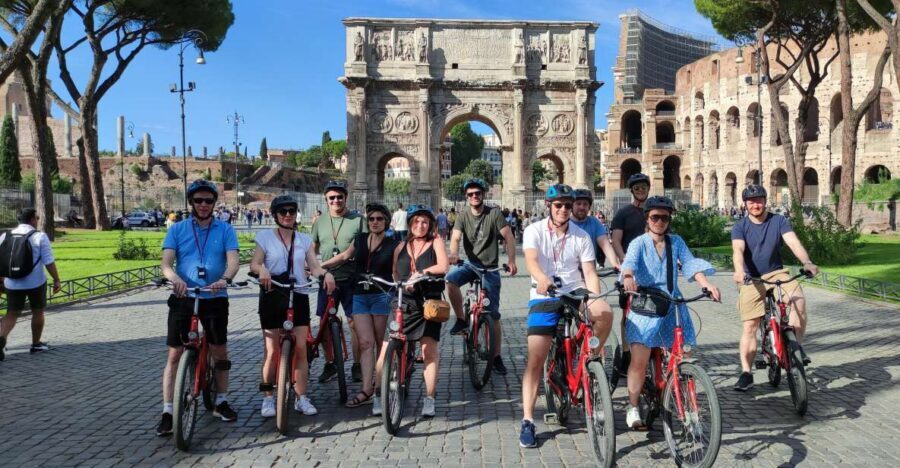
Rome bike tours can go two ways: either the group rides in silence while the guide shouts behind you, or the narration works with the motion. This one is built for listening. You’re given a headset, so you can catch the guide’s explanations while you ride.
That’s not a small detail. It’s the difference between seeing a sight and understanding it. You’ll hear why the route makes sense, what to notice at each stop, and how pieces of the city connect—ancient Rome to later landmarks like Trevi and St. Peter’s area (the Vatican is part of the storyline even when you’re not going inside).
The guide also plays traffic manager. In a city where everyone seems to have a plan and no one shares the road, the group needs consistent direction. Multiple guides have been praised for safety and for keeping riders together even when street conditions get chaotic.
Jewish Ghetto to Campo de’ Fiori: seeing Rome beyond the postcard core
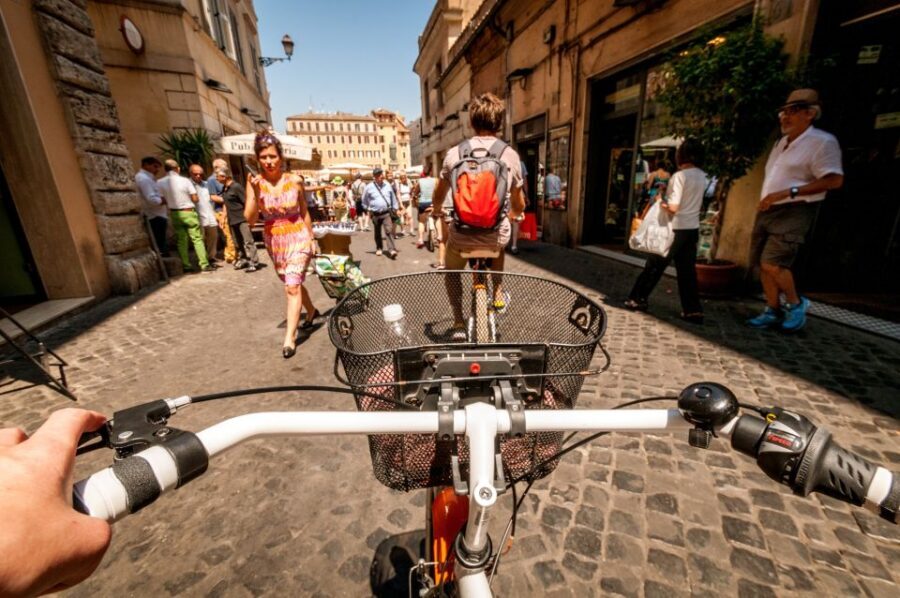
The ride begins with a short glide to the Jewish Ghetto, then moves toward Campo de’ Fiori. These stops give you a different Rome flavor than the monumental stops. You’re not just chasing famous stone. You’re getting a sense of how neighborhoods sit, how streets connect, and how the city feels when you’re not standing in a single crush-point square.
Campo de’ Fiori is a good early moment because it’s a lively public space. You’ll get time to orient yourself and catch photo angles without needing to fight for space the whole time. It’s also a nice mental warm-up before the heavy hitters arrive.
A small consideration: these are short stops. If you want deep wandering and shopping, this isn’t that tour. Think “quick looks + context,” then later you can come back with more time if a place pulls you in.
The Pantheon stop: when classic design hits you fast
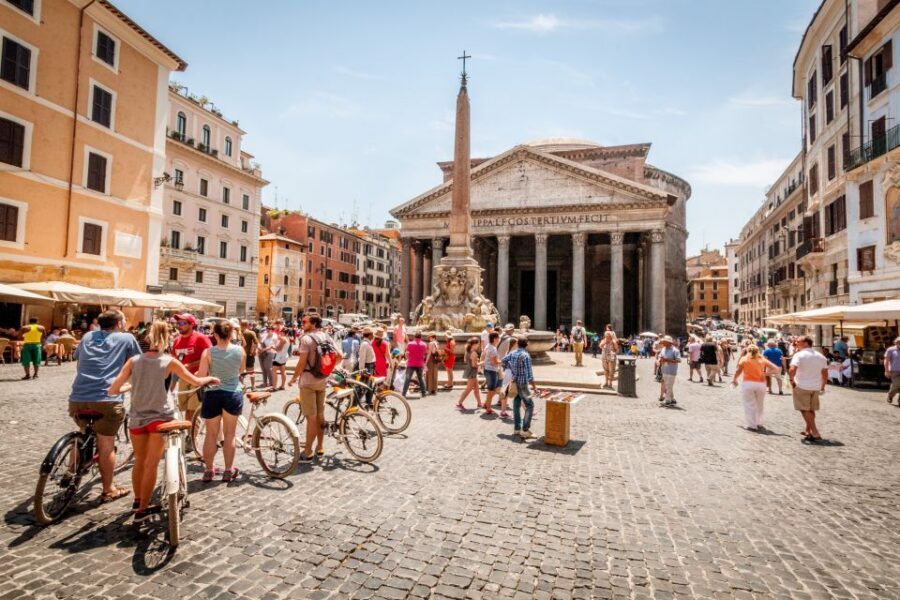
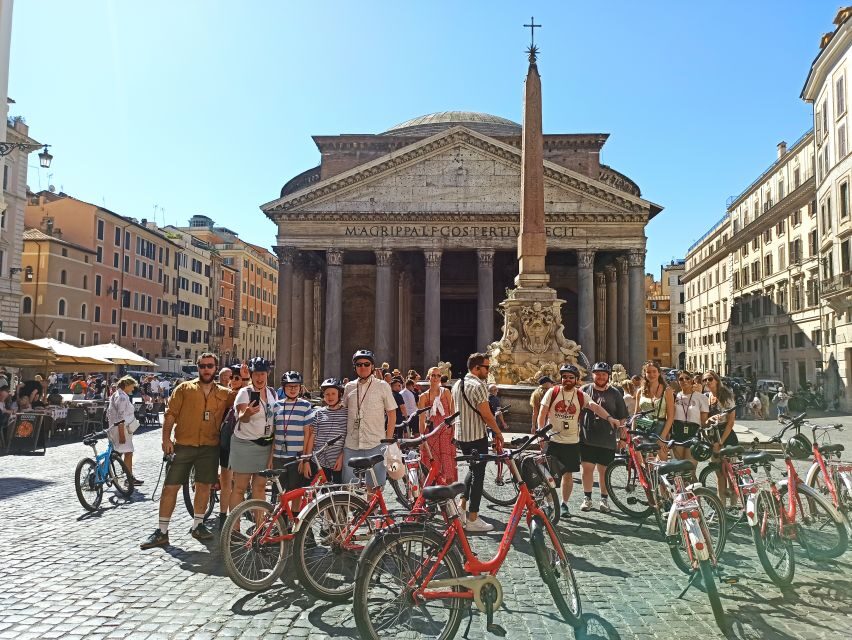
Then you roll into one of the best “wow” stops on the route: the Pantheon area. This is your architecture anchor. The Pantheon is famed for its Corinthian columns and its massive concrete dome—an engineering and design combo that’s influenced buildings far beyond Rome.
On a bike tour, you’re not stuck at a long viewpoint line. You get a focused window to clock key features, read the shape of the building, and take photos from angles that show off scale. This is also a great stop for your future self. Once you understand the dome and the classical order here, other domed buildings you see later will make more sense.
One caution: plan for crowds. Even when your stop time is short, you may still be riding at walking pace near the Pantheon zone. That’s where following the guide’s cues and staying alert matters.






Piazza Navona and Sant’Ignazio: a Baroque-leaning lesson in city layout
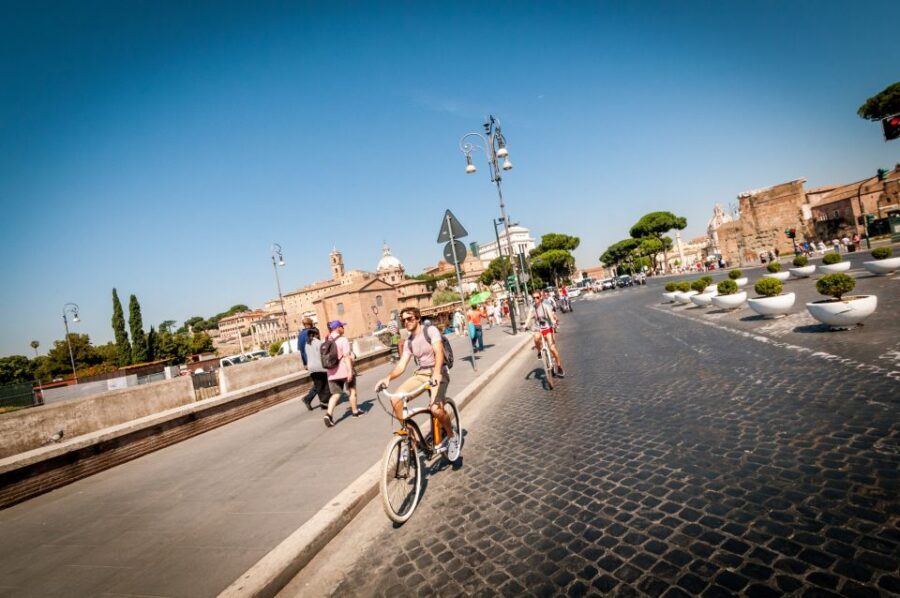
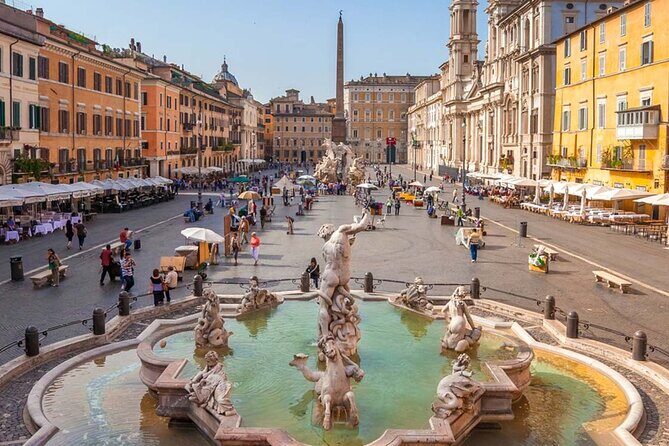
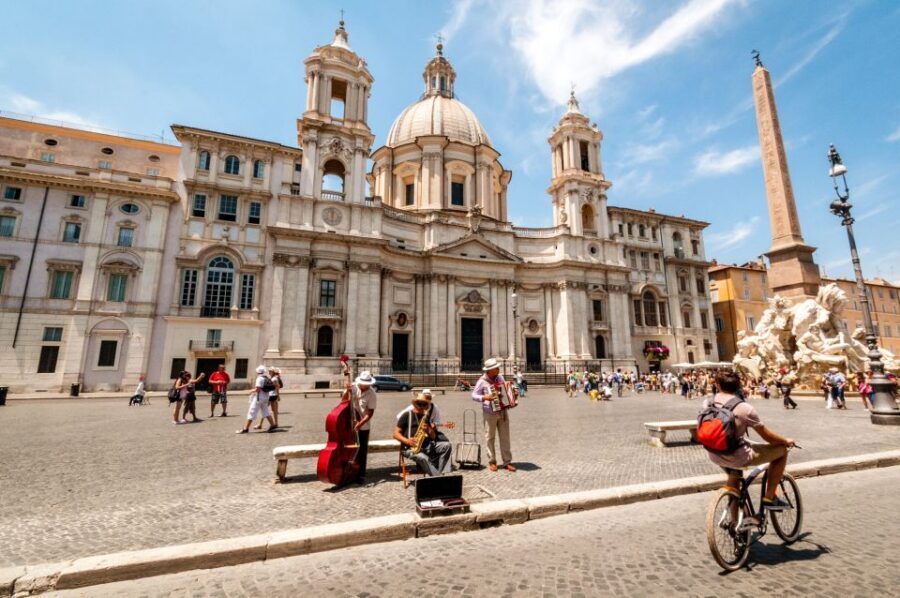
Next you’re in the orbit of Piazza Navona, followed by the Church of Sant’Ignazio di Loyola area. Piazza Navona is one of those spaces where the city’s public life and grand architecture mix at the same time. You’ll get time to notice how the square opens, how the buildings frame the space, and why this area works as a stage for daily life.
Sant’Ignazio di Loyola is a great pairing right after that because you shift from open plaza energy to the church’s more specific architectural presence. Even if you don’t go inside, you’ll still pick up enough visual cues to make later church visits feel less random.
If you’re the kind of traveler who likes to “get it” quickly, these stops deliver. If you prefer quiet museums or slow pacing, you may find these sections brisk—but that’s the trade for squeezing in Rome’s biggest highlights in a half-day.
Trevi Fountain time: making the most of the busiest stop
Now comes the stop everyone wants: Trevi Fountain. The guide steers you toward the best way to experience it without turning it into a full-day mission. Trevi is described as the city’s largest Baroque fountain, and when you’re there you’ll see the craftsmanship immediately—ornament, symmetry, and a scale that’s hard to appreciate when you only see it from one angle.
You’ll have about 20 minutes here on the ride. That’s a solid window in a place where people sometimes linger forever. Use it like this: get one steady photo, then step slightly to shift your angle, then take one last wide shot that shows the fountain and the flow of the street.
Also, because it’s Trevi, it will feel packed. The right move is patience. Don’t treat it like a race against other tourists. Let the guide handle route flow and you focus on seeing the details.
Trajan’s Column to Piazza Venezia: reading the empire in street form
After Trevi, the tour moves through Trajan’s Column, then heads toward Piazza Venezia and the Arch of Constantine area. This section is more than sightseeing stops—it’s about connecting Rome’s layers.
Trajan’s Column is a powerful visual marker of imperial storytelling. You don’t need to know every name to understand the concept: Rome loved monuments that explained power in stone. From there, Piazza Venezia is an important reference point because of how it ties major streets and major monuments together. The Arch of Constantine adds a reminder that these structures weren’t built only for decoration. They’re messages.
Practical note: this part of the route can feel like “more stone, less breathing room.” It’s also a section where keeping your spacing and staying with the group makes the ride smooth.
Colosseum zone finish: the most famous silhouette, from the right angle
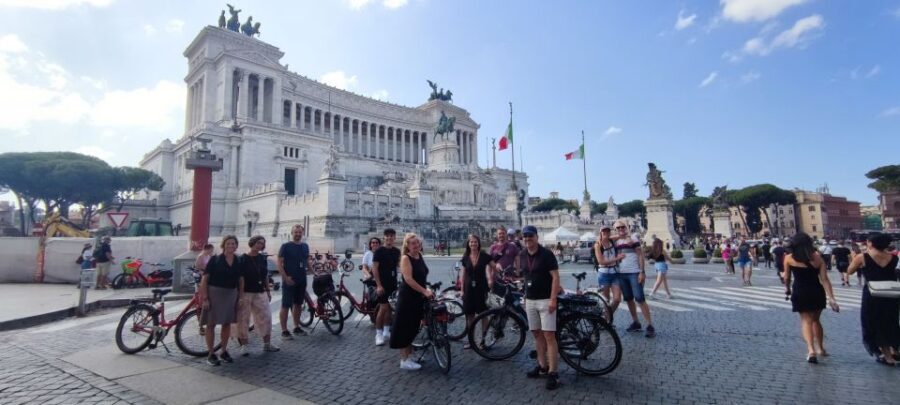
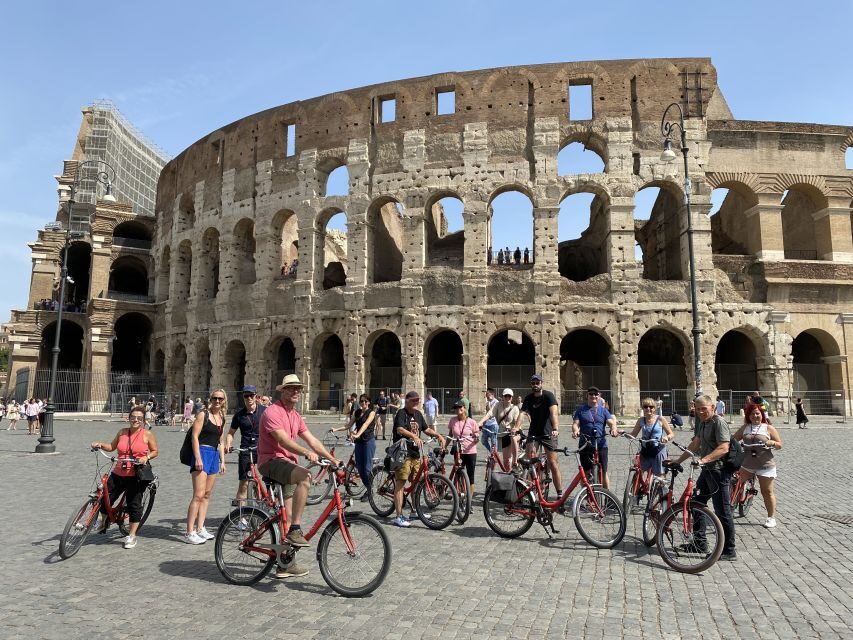
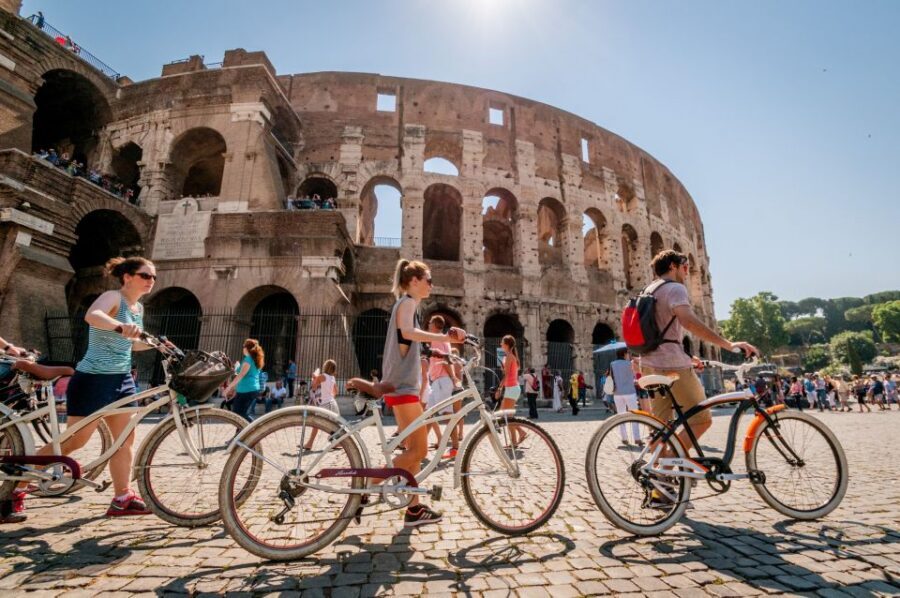
You’ll then reach the Colosseum area for about 25 minutes. Even if you’ve already seen photos, the Colosseum works differently when you approach it by bike. You get a sense of how the structure dominates the surrounding space, and you can take in the massing and shape without getting stuck in the same viewpoint line for too long.
The tour is designed as a ride-by experience, and importantly, it does not visit inside monuments and museums. So treat this as a powerful exterior moment: look for the scale, the entrances, and the way the building sits in the modern city.
If you’re planning your own follow-up day, this is the stop that often sparks questions: Which side has the best views? Where would you want to spend more time? Doing the bike tour first is smart because it tells you what you’ll care about once you’re on foot later.
Circus Maximus: a long, calm ride through the memory of chariots
After the Colosseum, you continue to Circus Maximus. You’ll get about 20 minutes in this area. It’s a different vibe than the Colosseum: less postcard pressure, more “place in the landscape” feeling.
Circus Maximus was the former site of exciting chariot races, and the concept clicks quickly when you see the space. Even without an inside visit, you can picture the energy of the event and understand why this area mattered.
One reason this stop is a great tour finale: it gives your brain a landing. After the big monuments, Circus Maximus helps you connect the dots between spectacle, crowds, and Roman public life.
How the guides keep the group safe (and why it matters)
This tour’s biggest recurring praise is about safety and group control. Rome’s street conditions are not gentle, and the ride requires attention. A good guide keeps the pace steady, guides decisions at crossings, and makes it clear when to slow, stop, or reposition.
You may ride with different guides (names you’ll see connected to this tour include Marco, Sara, Mattia, Stefano, and Daniele). The common thread in the feedback is consistent: clear instructions, humor mixed into history, and calm handling when conditions turn—like sudden downpours.
That headset helps, but it doesn’t replace bike awareness. If you’re thinking about booking, be honest with yourself about your riding confidence. This is not a beginner skating class on a park path. Cobblestones and traffic mean you need steady control.
Who should book this bike tour, and who should skip
This is a strong fit if you want a fast, guided overview and you like to move. It’s also a good choice if you’re short on time and want to hit major landmarks without losing hours to transfers and long walking detours.
It’s also a great “first Rome day” type of tour. Many people use it to learn what they want to see again later. If you already know you’ll return to the Colosseum or hunt down more Baroque details, this gives you a helpful map.
Skip it if:
- You’re not comfortable riding on city streets.
- You’re pregnant (the cobblestones make it not recommended).
- You’re traveling with a child who isn’t confident on a bike. Kids under 18 must be with an adult. For kids younger than 10, the operator requires an excellent level of biking and the child must ride their own bike, and staff can decline participation without a refund.
Price and value: what $51.24 buys you in real terms
$51.24 for a 3-hour guided bike tour sounds straightforward, but here’s what you’re getting in practical value:
- Bike + guide + headset are included, so you’re not paying extra for the equipment that makes the experience work.
- You cover multiple top sights in one outing, which can be cheaper than piecing together taxis or committing to all-day walking.
- The guide narration helps you get more from each stop than a do-it-alone walk-through.
If your Rome plan includes time pressure, this is one of the more cost-effective ways to turn “I saw it” into “I understood it.”
If you hate crowds, it’s still worth knowing that some stops—especially Trevi and the big central zones—will be busy. The ride helps you manage that, but it won’t make the city empty.
Should you book Rome: Highlights Bike Tour?
I’d book it if you want your first contact with Rome to be active, guided, and efficient. This tour does a great job of pairing movement with context: you see the Pantheon, Trevi Fountain, Colosseum area views, and Circus Maximus, then you roll home with a clearer sense of how the city is organized.
I’d think twice if you’re sensitive to uneven surfaces or you’re not a confident bike rider. Cobblestones and crowded intersections are real here, and the tour isn’t set up for unsteady riding.
If you’re ready to trade slow wandering for smart coverage, this one is a solid choice.
FAQ
How long is the Rome bike tour?
The tour lasts about 3 hours.
What does the tour include?
It includes a cruiser bike, a local guide, and a headset. A helmet is optional.
Is the tour in English?
Yes. The tour guide and narration are in English only.
Do you visit inside museums or monuments?
No. This tour does not visit inside monuments and museums.
What’s the meeting point?
You meet at Fat Tire Tours Rome, Via dei Delfini 35/36, 00186 Rome. Arrive about 15 minutes early.
What kind of shoes are allowed?
Open-toed shoes aren’t allowed. You’re encouraged to wear comfortable, closed-toe shoes.
Is the tour suitable for pregnant women?
It is not recommended for pregnant women due to cobblestones.
Is there free cancellation?
Yes. You can cancel up to 24 hours in advance for a full refund.