REVIEW · ST PETER'S BASILICA TOURS
Rome: St. Peter’s Basilica, Dome, and Vatican Grottoes Tour
Book on GetYourGuide →Operated by Best In Rome Tour · Bookable on GetYourGuide
St. Peter’s Basilica is bigger than your photos. This guided tour helps you read the building like a story, from St. Peter’s Square and its visual tricks to the glittering inside of the basilica. I particularly love the dome climb payoff and the Vatican grottoes under your feet, plus the fact the guide brings an art-historian lens to what you’re seeing.
One practical watch-out: the site uses airport-style security checks, so timing can wobble, especially at busy hours and before you climb the dome. Even if you select a skip-the-line option, you still pass through security like everyone else.
In This Review
- Key Highlights at a Glance
- St. Peter’s Square: Getting Oriented Before You Enter
- Entering St. Peter’s Basilica: Marble, Gold, and First-Moment Scale
- The Papal Altar Under Bernini’s Baldachin
- Michelangelo’s La Pietà: Why People Line Up for This
- Vatican Grottoes: The Underground Side of the Basilica
- Dome Time: The View Over Rome and the Mosaics Up Close
- Guides Make It Matter: Real Art-History Storytelling
- Timing and Lines: How to Avoid a Frustrating Start
- Price and Value: Is $35 Worth It?
- Who Should Book This Dome-and-Grottoes Tour?
- Should You Book This Tour?
- FAQ
- How long is the St. Peter’s Basilica, Dome, and Vatican Grottoes tour?
- Is the dome climb included?
- What if the weather is bad?
- Is skip-the-line entry guaranteed?
- What’s included and what’s not included?
- What should I wear?
- Is the tour suitable for wheelchair users or people with vertigo?
- What languages do the guides speak?
Key Highlights at a Glance
- St. Peter’s Square orientation: you learn how Bernini’s design guides your eye and where to stand for visual effects
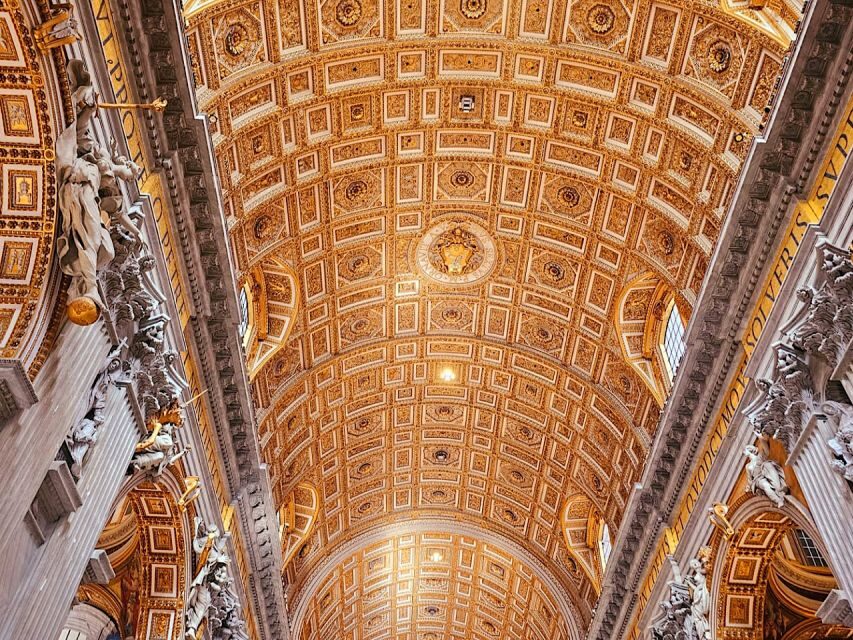
- Basilica “wow” details: marble floor patterns, gold-covered ceilings, mosaics, and major works like La Pietà
- Papal Altar focus: a guided path to the Papal Altar under Bernini’s Baldachin
- Vatican Grottoes: an underground walk built about 3 meters below the basilica level, with centuries of burials
- Dome views: 360-degree perspectives over the Vatican gardens and beyond, plus a close look at the dome mosaics
St. Peter’s Square: Getting Oriented Before You Enter
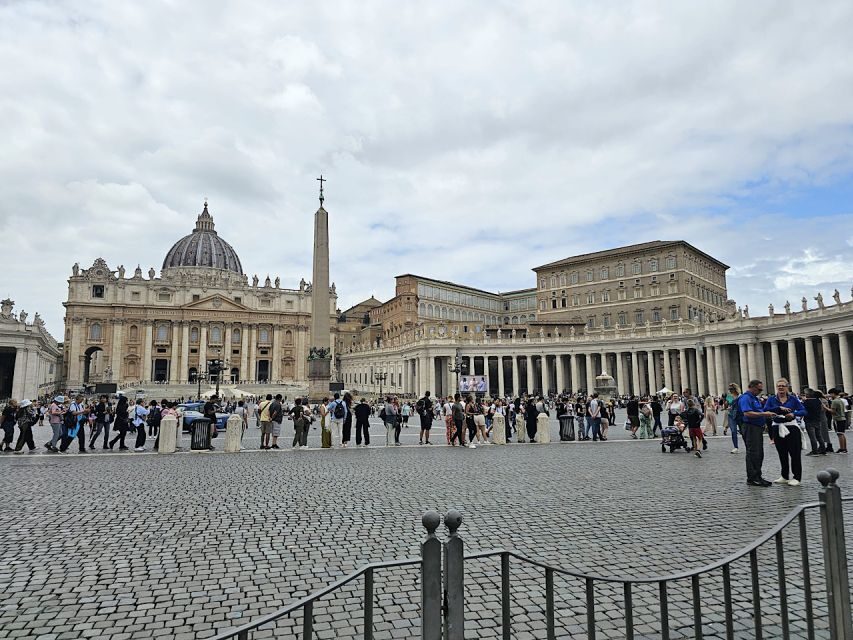
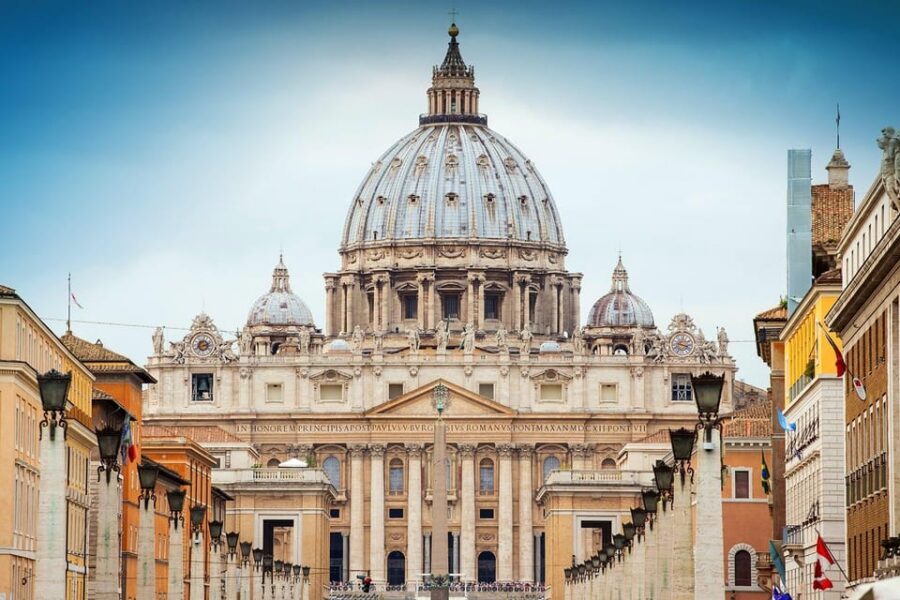
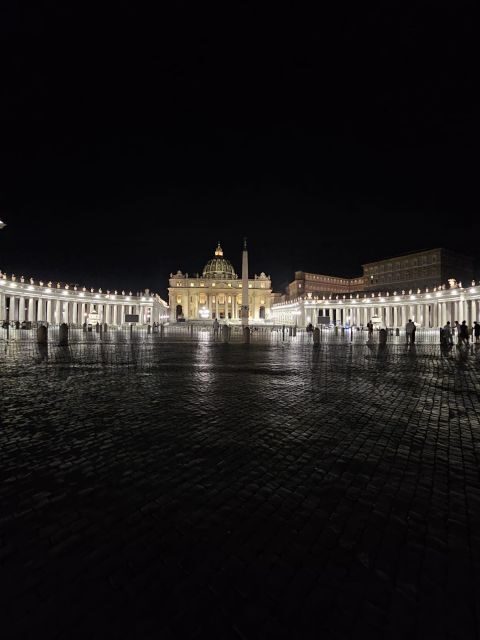
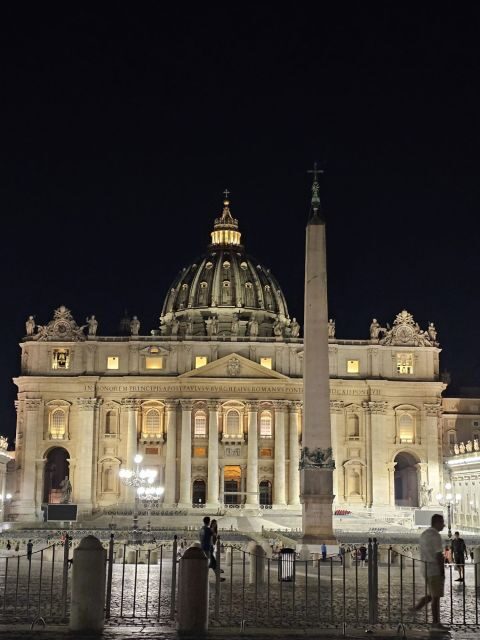
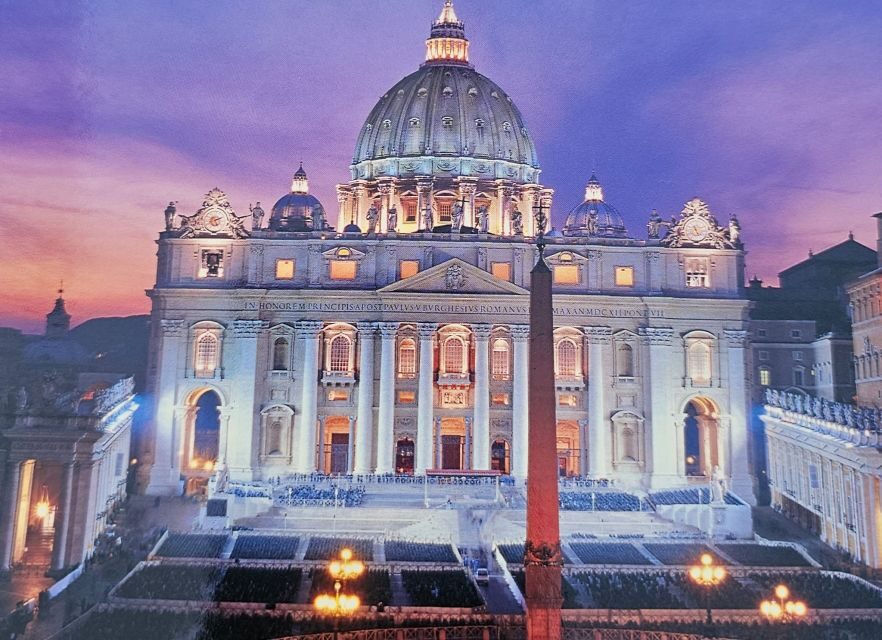
St. Peter’s Square is where the magic starts, and a good guide makes you notice things you’d otherwise miss. You begin in the square, taking in the Obelisk from Egypt, which is over 2550 years old. It’s the kind of detail that instantly makes the whole Vatican complex feel older than the buildings around it.
From there, you’re not just staring up at architecture. You’re learning the “game of visual effects” designed by Bernini—how the space works from different angles and how you can find two special spots in the square where the design plays tricks with sight lines. If you’re the sort of person who likes to understand what you’re looking at (not just photograph it), this is a big win early on.
A lot of people think they’ll feel “holy awe” only once they enter the basilica. For me, the best part is that orientation moment in the square: you start to see the Vatican as a planned stage set, not random landmarks.
You can also read our reviews of more tours and experiences in Rome.



Entering St. Peter’s Basilica: Marble, Gold, and First-Moment Scale
Once inside, the basilica hits you in a very physical way. The marble floors pull your eye forward, and the ceilings are covered in gold—so much gold that it can be hard to process until your guide points out what to look for. The tour is built around those guided stops, which matters because St. Peter’s is so huge you can wander for hours and still feel like you missed the point.
Your guide walks you through the main highlights instead of sending you off to figure it out alone. That route is especially useful for first-timers. You’ll cover the main artworks and the signature visual features: the main floor, the central spaces, and the “main event” areas you came for.
One practical tip: wear comfortable shoes. You’ll be walking in an environment that’s not designed for long, casual wandering breaks. Also, plan on covering your knees and shoulders. St. Peter’s has dress rules and you don’t want your outfit to become today’s problem.
The Papal Altar Under Bernini’s Baldachin
If you only remember one stop inside, make it the Papal Altar. The tour route takes you to the altar under Bernini’s Baldachin, one of the defining focal points of the basilica interior. This is where the building stops being “beautiful” and starts being theatrical—a central idea that the Catholic Church has used in its art and ritual for centuries.
Guides who teach from an art-history angle tend to make this part click. You’ll learn why the location matters, how the visual focus is structured, and how the altar’s presentation fits into the basilica’s overall design.
This stop also helps you connect the visual experience to the living history of the place. St. Peter’s is not frozen in time; it keeps functioning as an active religious site. The guide’s explanation keeps that reality in view rather than treating everything as a museum-only experience.
Michelangelo’s La Pietà: Why People Line Up for This
La Pietà is one of those artworks that draws crowds for a reason. The tour includes time to see it as you explore the most important church in the Christian world. If you’ve ever been disappointed by “big-name” art in other places, this one is different because it’s surrounded by a setting that helps you understand the work as more than a postcard image.
You’ll also get context that makes the statue easier to read. Instead of just standing back and hoping you catch details, you’re guided to the key features and the story behind why this piece matters.
And yes, you still need to experience the scale around it. St. Peter’s can swallow your sense of proportion, so having a plan for where to look makes the artwork feel real instead of tiny.
Vatican Grottoes: The Underground Side of the Basilica
This is one of the most memorable parts of the tour for a reason: you go from the bright, monumental basilica to something older, quieter, and more grounded. The Papal Grottoes are a vast crypt underneath St. Peter’s Basilica, built about 3 meters below the level of the basilica. They sit under the great altar area in the central nave.
Here, you’ll see where hundreds of popes and members of royalty were buried starting from the 11th century. That time depth changes the tone of your visit. Above ground, you’re surrounded by marble grandeur. Below ground, the basilica becomes a record of human lives, leadership, and continuity.
You’ll also marvel at ancient frescoes. That’s a detail worth holding onto because frescoes are usually the first thing people miss when they rush. In the grottoes, you’re guided in a way that helps you spot what’s important without needing to be a specialist.
In some cases, if the underground is closed due to Vatican affairs, you may spend extra time in the basilica and St. Peter’s Square instead. So it’s worth being ready for the day’s flow to shift.



Dome Time: The View Over Rome and the Mosaics Up Close
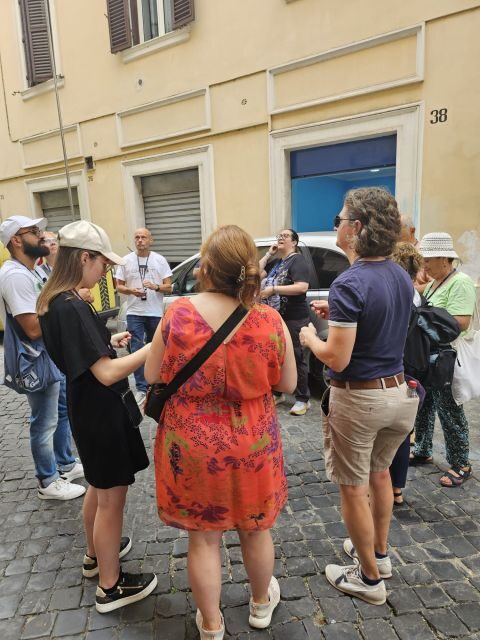
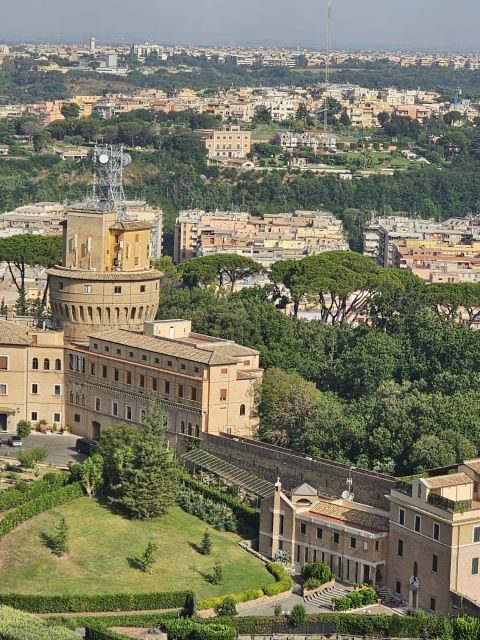
The dome climb is the headline “I’m really glad I did this” moment. The tour includes a chance to enjoy a close-up look at the dome mosaics and take a 360-degree view over the marble floors. You’ll also look out from the highest point within the Vatican and get panoramic views that include the Vatican gardens below.
If the basilica is the building’s body, the dome is its brain and crown. Seeing the floor and interior from above changes how the basilica “reads.” You start to understand the geometry and how different spaces connect.
Two timing notes matter for planning:
- You may wait to climb the dome. The wait can range from about 5 to 70 minutes.
- During bad weather, climbing might not be possible. If that happens, the tour operator indicates you can ask for a partial refund.
There’s also an elevator option for entry to the dome if that specific option is selected. That can be a lifesaver if stairs sound like a bad idea today.
Guides Make It Matter: Real Art-History Storytelling
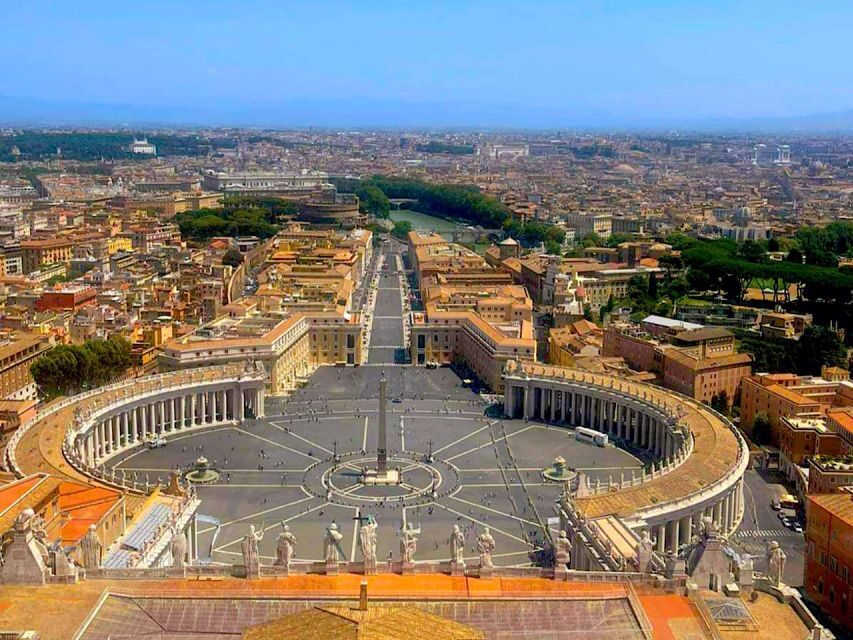
What many people love most about this tour is the guide. The reviews emphasize guides who tell stories with real energy and a clear art-and-history focus. Names that show up in the feedback include Karen and Kelly, plus Valery, Nabil, Ana, Tara Washington, and Valentino.
That matters because St. Peter’s is not one building. It’s an art archive, a political history space, and a living religious center all in one. Without a guide, you can easily get stuck in the “pretty, huge, wow” loop and miss the meaning.
The headsets are also a smart inclusion. They let you hear the guide clearly without having to keep moving closer every time you want the next detail. And you’ll learn things that help you point at a ceiling, a marble pattern, or an artwork and know why it’s there.
Timing and Lines: How to Avoid a Frustrating Start
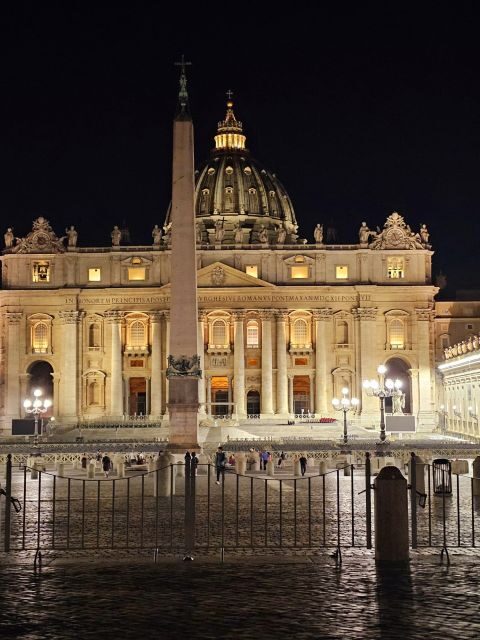
This is where you need the most realistic expectations. Yes, tickets and guidance help. But St. Peter’s still runs on strict security procedures.
- Skip-the-line may not fully apply in the way you expect, because all visitors must pass through security checks like at the airport. During high season, that security line can take 10 to 120 minutes.
- Even after you’re in the right flow, the dome climb may add waiting time (5 to 70 minutes).
This means you should plan your day with buffer time. If you scheduled other Vatican highlights with tight connections, you could get squeezed by the unpredictability of security and dome logistics.
Also note the tour length is listed broadly (80 minutes to 2.5 hours). That range usually reflects the reality of crowds, security, and dome access timing.
Price and Value: Is $35 Worth It?
At $35 per person, this is one of those Rome buys that can be very good value—especially if you’re the type who benefits from structure. You’re paying for:
- a live guide
- a guided tour through St. Peter’s Basilica highlights
- access elements like dome tickets by elevator if selected
- headsets so you don’t lose the story
- and the included underground grottoes experience
What you’re not paying for (and should plan separately) is the Vatican Museums and Sistine Chapel. This tour focuses on St. Peter’s Basilica, the dome area, and the grottoes.
If you tried to DIY St. Peter’s on your own, you could still see a lot. But the difference is that you’d spend more time figuring out the best route and less time learning what each stop is actually telling you. In other words, the guide is the product as much as the entry.
Who Should Book This Dome-and-Grottoes Tour?
This tour is a great match if you want the big names and the hidden-underfoot parts without guesswork. It’s especially good for:
- first-timers who want a route that hits the core highlights
- art and architecture lovers who like context, not just photos
- anyone who wants that “view from above” moment in the dome
It’s not a match for everyone. Based on the tour details, it’s not suitable for:
- wheelchair users
- people with vertigo
- children under 2
- people over 70
If any of those apply, you’ll want a different plan that fits your needs.
And dress rules are real: no shorts, no short skirts, no sleeveless shirts. Knees and shoulders must be covered. In Rome heat or shoulder-season breezes, it’s worth packing the right layer so you don’t end up rushing to fix your outfit.
Should You Book This Tour?
Yes, I’d usually recommend booking this one if your priority is St. Peter’s Basilica plus a dome view and the grottoes, all in a guided format. The best argument for the tour is simple: St. Peter’s is too big to “wing” well, and the guide role is what turns the visit from pretty to meaningful.
I’d book it if:
- you want the Papal Altar and La Pietà explained
- you want the Vatican Grottoes without guessing your way through
- you care about the dome views and the mosaics close up
- you like guides who tell stories clearly (names like Karen, Kelly, and Valery show up often in positive feedback)
I’d think twice if:
- your schedule is extremely tight for the day, because security and dome waiting times can stretch
- you know weather could ruin your dome climb plans and you’d be unhappy with partial alternatives
If you’re flexible with timing and you want a guided hit list that still feels human, this is a smart way to spend your time in the Vatican area.
FAQ
How long is the St. Peter’s Basilica, Dome, and Vatican Grottoes tour?
The duration is listed as 80 minutes to 2.5 hours. Exact timing depends on the start time and on on-site flow like security and dome access.
Is the dome climb included?
The tour includes entry to the dome by elevator if that option is selected. The dome experience is part of the tour highlights, and there may be a wait time before climbing.
What if the weather is bad?
During bad weather, climbing up the dome might not be possible. In that case you can ask for a partial refund.
Is skip-the-line entry guaranteed?
Skip-the-line is only possible if you select the option, but security checks are still required for all visitors and can take 10 to 120 minutes during high season.
What’s included and what’s not included?
Included: a tour guide, headsets, and St. Peter’s Basilica tour. Depending on the option, dome entry by elevator and skip-the-line entry may be included. Not included: entry to the Vatican Museums, the Sistine Chapel, and the Necropolis.
What should I wear?
Knees and shoulders must be covered. Shorts, short skirts, and sleeveless shirts are not allowed.
Is the tour suitable for wheelchair users or people with vertigo?
No. The tour is not suitable for wheelchair users or people with vertigo, based on the provided information.
What languages do the guides speak?
Live guides are available in English, Italian, German, Portuguese, Spanish, French, Romanian, and Arabic.