REVIEW · ROME
Rome: Gladiator Show and Museum Tickets
Book on GetYourGuide →Operated by Gruppo Storico Romano · Bookable on GetYourGuide
Gladiators here are not just costumes. This one is built around a real gladiator fight performance plus a short museum visit, all staged close to the Colosseum area. You get music, lights, and staged rituals, with enough variety that it feels like an evening program, not a single trick.
I especially like the historical reenactors using real weapons and armour, which makes the action look and feel serious. I also like the structure: you start with a museum-style look at legion life, then the show turns into fights, dances, Vestals rites, and pantomime with audience interaction.
One thing to plan around: the venue is a bit isolated, and after the show ends around 22:00, you’ll likely rely on taxi rather than hoping for easy late public transport.
In This Review
- Key highlights to look for
- A Gladiator Headquarters about 3.5 km from the Colosseum
- 20:45 entrance: museum first, then the legion armory
- The show itself: fights, ancient dances, Vestals rites, and pantomime
- What you actually get to eat and drink
- Location reality check: reaching it and getting back safely
- Is it worth the $29 ticket? The value equation
- Who this fits best (and who should temper expectations)
- When to go in 2026 and what to know about the schedule
- Wheelchair access and language basics
- Should you book the Rome Gladiator Show and Museum Tickets?
- FAQ
- What is the duration of the Rome Gladiator Show and Museum Tickets?
- What time does the event start?
- Where is the meeting point?
- What’s included in the ticket price?
- How much does it cost?
- Is the venue wheelchair accessible?
- When does the show run?
- What is the cancellation policy?
Key highlights to look for
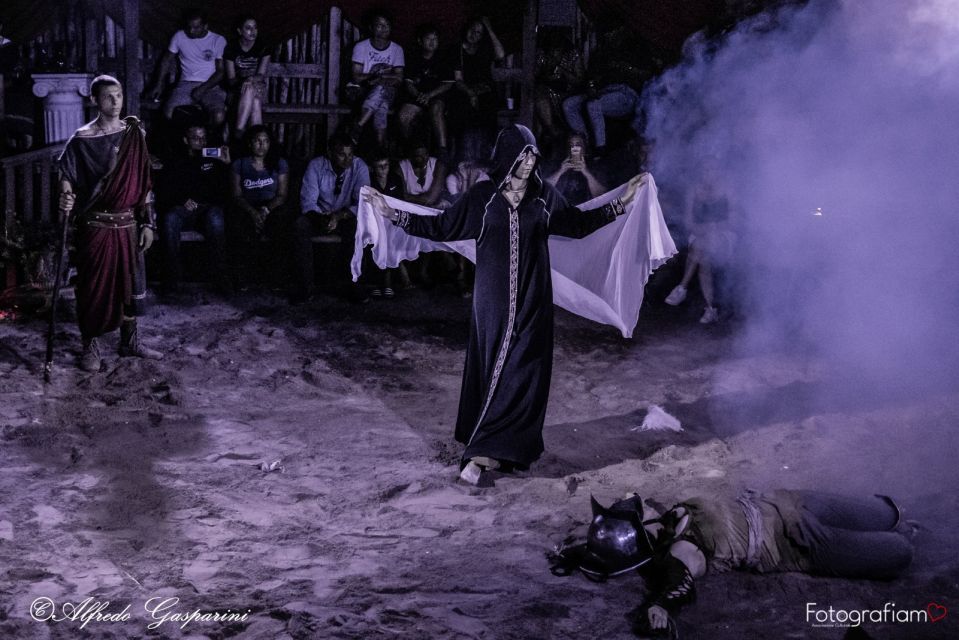
- Real weapons and armour used by historical reenactors
- Museum visit at the Museo storico – didattico del legionario romano
- Ancient rituals and variety beyond fights: dances, Vestals rites, pantomime
- Audience participation that keeps the energy up
- Drinks and Roman nibbles/cocktail included, but not a full dinner
- Easy to photograph moments during the evening
A Gladiator Headquarters about 3.5 km from the Colosseum
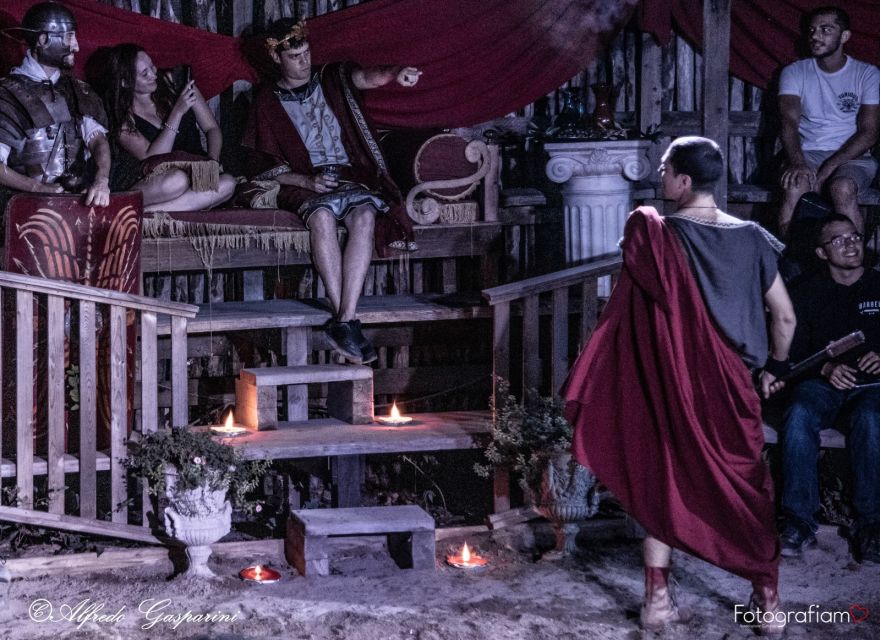
This show takes place at the headquarters of the Rome Gladiator School, run by Gruppo Storico Romano, in an arena setting only about 3.5 km from the Colosseum. That distance matters. You get the Colosseum-era vibe without having to fight the crowds at the landmark itself.
The atmosphere is the point from the start. There’s music, lights, and effects that push you into a Roman-world mood before any fighting begins. It also helps that you’re watching performers who treat the event like a living role, not a one-off skit.
If you want your Rome evening to feel different from another museum or another restaurant reservation, this is a good pivot. It’s also a nice option for families, since the event is built as a full program rather than just “watch two people fight.”
You can also read our reviews of more tours and experiences in Rome.



20:45 entrance: museum first, then the legion armory
The timing is clear and easy to work with: you enter at 20:45, and the full experience runs about 1.5 hours, ending around 22:00. The early part includes a visit to the Museo storico – didattico del legionario romano. Think of it as a mini museum focused on legions and what life and training meant, rather than a giant museum crawl.
In the lead-up, you’ll often get a calm start with Roman music and incense, then a host-style explanation. One of the most praised moments is the welcoming storytelling before the action kicks in, where an instructor or cast member cues you into what you’re about to see.
Then comes the cocktail in the Armory of the Legion. Even if you’re not a big drink person, the armory setting helps the evening feel themed and “event-like,” not rushed. You also get time to settle in, ask questions, and get your bearings before the show portion gets loud and kinetic.
A practical tip: wear comfortable shoes and be ready to do a bit of walking around the venue area. The experience is short, but the evening is active.
The show itself: fights, ancient dances, Vestals rites, and pantomime
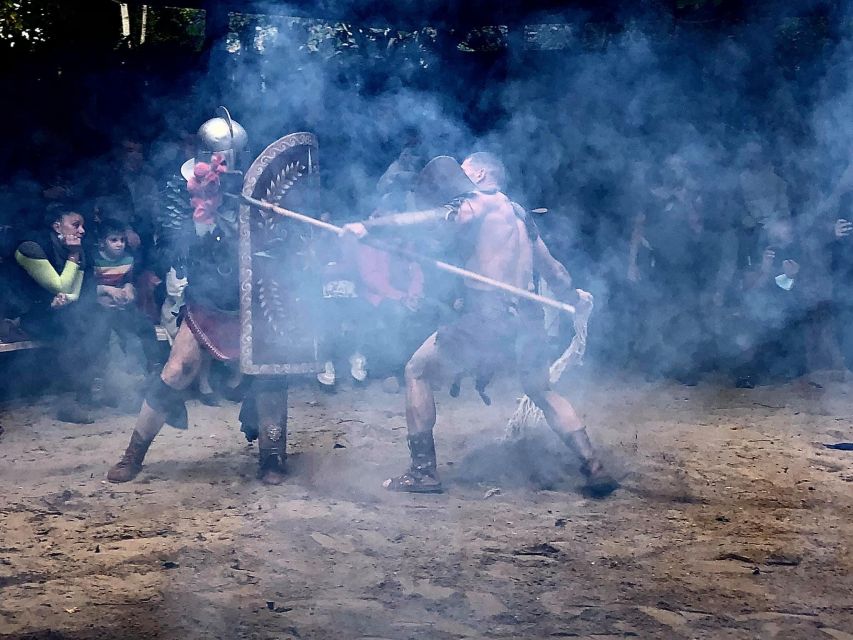
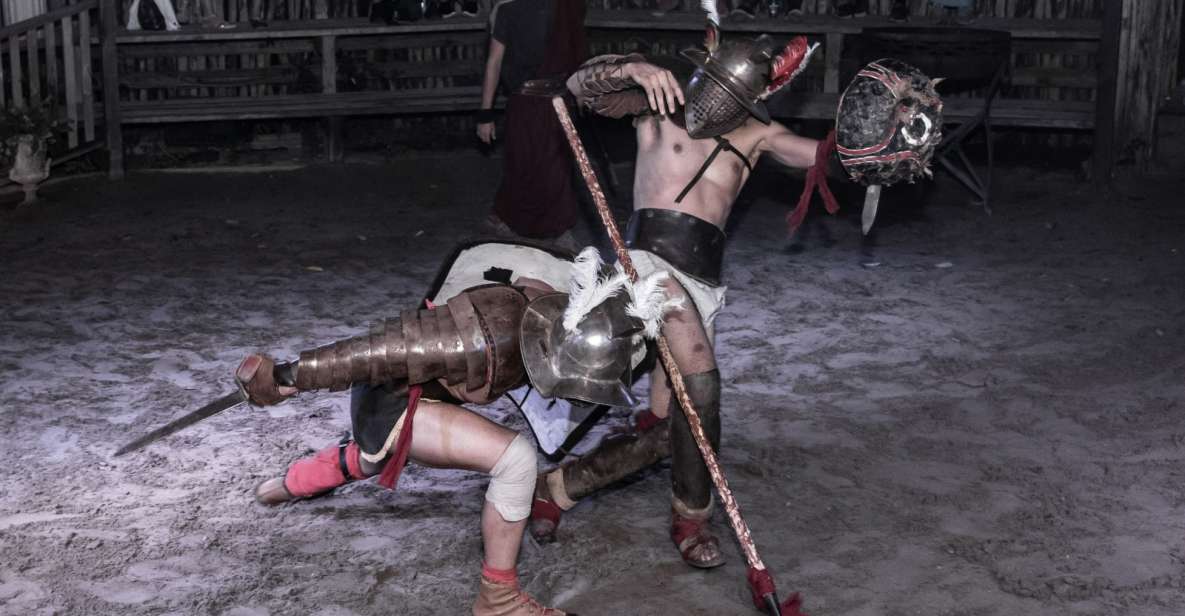
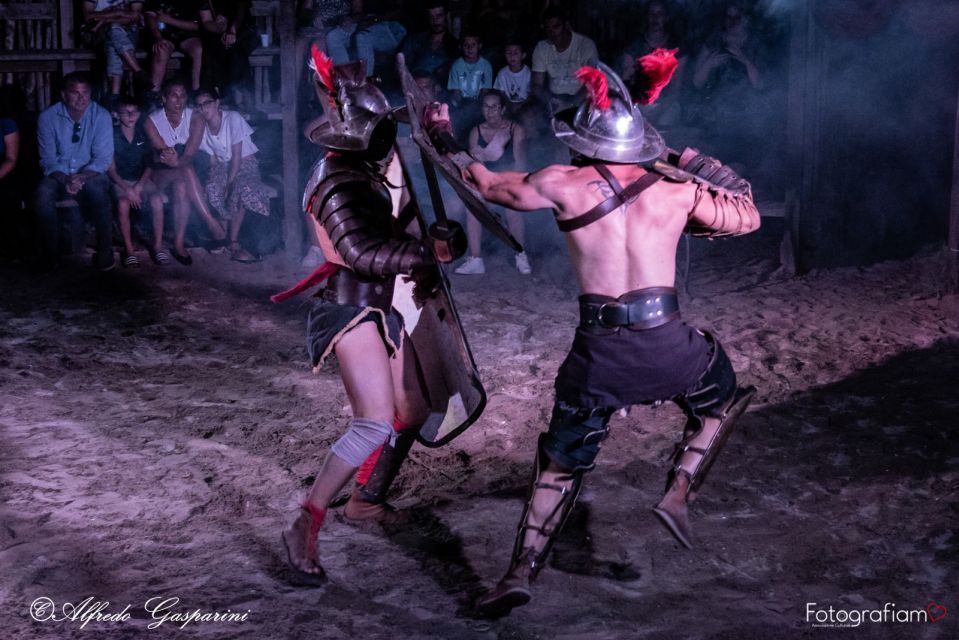
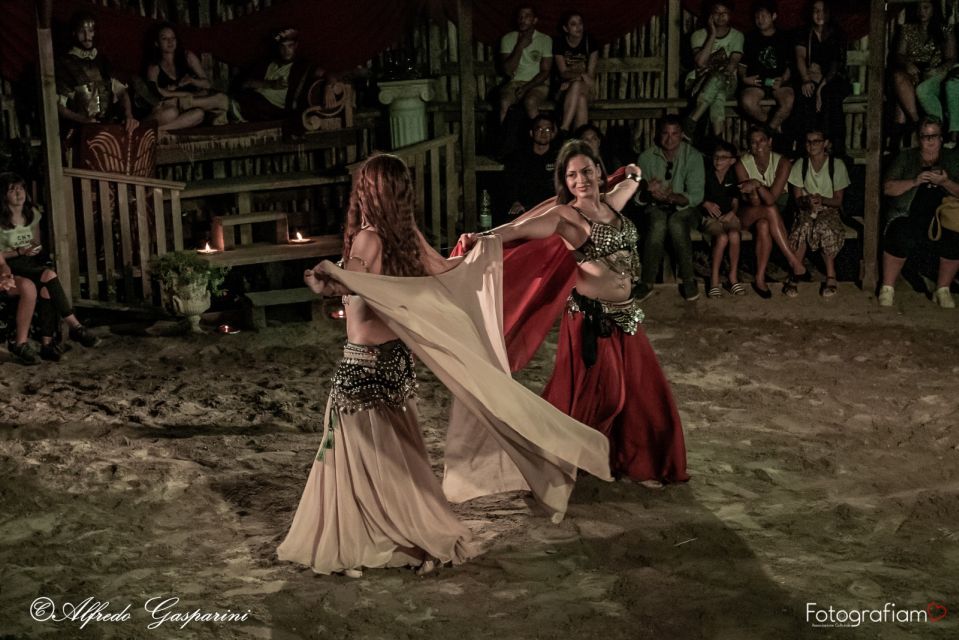
The main event is a staged program of Roman performances, including a gladiator fight, Ancient Dances, Vestals Rites, and pantomime. The show uses music, lights, and effects, so it feels like theatre even when it’s doing fight choreography.
Here’s what makes it distinctive. The performance is done by historical reenactors with real weapons and armour. That’s why multiple people describe moments that felt surprisingly intense, even to the point of thinking the action looked too real. The speed of swordplay and the way the action is staged can make it feel graphic without turning it into a horror show.
Audience interaction is a major part of why it works. The cast encourages participation in different ways, which means you’re not stuck in a passive seat for the whole hour. There are also warm-up moments, including a comedy-style segment in some evenings, plus young Roman girls dancing as part of the program’s rhythm and variety.
Photo-friendly rules are another plus. The event emphasizes that you can take all the pictures you want, which helps a lot if you’re the type who likes to capture costume details and stage moments. If you’re traveling with kids, this is a real advantage: it turns the evening into a “show and photos” mission, not just sitting still for fighting.
And if you’re hoping for a memorable presenter, keep an eye out for cast members who lean into the role. One presenter named Dafydd is specifically mentioned for making the time special, and that kind of energetic hosting seems to be part of what people love most.
What you actually get to eat and drink
Included in the ticket are the museum visit and the show, plus a drink moment in the armory. In practice, the food-and-drink portion shows up as Roman nibbles or appetizers plus a cocktail, with wine also mentioned in feedback.
A detail worth knowing: this is not positioned as a full dinner. People who go tend to treat it like an early-evening food stop plus entertainment. One review notes that you should not expect dinner here and that restaurants outside are for the later meal.
If you’re the type who likes a Roman-themed sip, you may appreciate the wine element. One feedback mention includes wine with honey, framed as something that connects to how wine might have been served historically. Even if you’re not focused on Roman gastronomy, the included drinks help make the event feel complete.
My advice: plan dinner after the show unless you’re sure the included food will be enough for you. This keeps you from ending the night hungry in a place where services may be limited.
Location reality check: reaching it and getting back safely
The venue is not in the center of Rome like the major sights you can reach with one short metro hop. It’s reachable, but you need to plan the logistics side of the evening.
Public transport options exist. In feedback, people mention buses 118 and 218, with roughly a short walk (about five minutes) from the bus stop to the venue. That can work well if you’re traveling with light baggage and you like using transit.
Still, there’s a caution sign. After the show ends around 22:00, some people note that public transport isn’t reliable for the return. Another downside mentioned is that the location can feel isolated, with few nearby services for dinner or basic errands.
So the best move is simple: have a return plan before you’re done watching. Taxi support is a common part of the experience. People report that staff helped arrange taxis at the end, which is a huge relief when you’re tired and it’s late.
If you want less stress, build in time for transit buffers. An Uber or taxi request can take longer than you expect at night, especially when an entire crowd is leaving at the same time.



Is it worth the $29 ticket? The value equation
For $29 per person, you’re paying for a package: museum-style learning plus a full stage show with audience participation. At this price point, the value comes from the mix of formats.
A regular museum ticket alone won’t give you fighting choreography, dances, rituals, and interactive hosting. A typical street performance might give you action, but it won’t include the structured museum visit and the legion armory moment.
The pricing also makes it doable for families. Reviews repeatedly describe it as good for adults and kids, and the event’s hour-and-a-half pace keeps attention without dragging.
The strongest “value” argument here is that it is not one note. You get:
- a museum-style start
- a drink and themed armory space
- a multi-part show (fights plus dance and ritual)
If you’re someone who likes history but dislikes dry lectures, this hybrid format is a win. It’s not trying to replace the Colosseum. It’s trying to give you a different way to feel Roman life and public spectacle.
Who this fits best (and who should temper expectations)
This works best for you if you want an evening activity with energy, interaction, and costumes you can photograph. It also fits well if you enjoy action theatre and want something more playful than a formal lecture.
It also seems ideal for families. People mention kids enjoying it, including a child who was delighted by the overall show. The event has enough variety to keep different ages interested, especially with audience participation.
Where you might hesitate is if you only want a traditional museum experience. This isn’t a major museum collection. The museum component is part of the program, and some people even frame it as more of an add-on learning space than a deep, standalone museum.
Also, if you strongly dislike stage combat or prefer quiet cultural events, this might feel too intense. The show uses real weapons and armour, and it is staged to look dramatic and fast.
For most visitors, though, it’s a fun and memorable change of pace in Rome—especially when you want a night that feels like Roman spectacle rather than another slow afternoon.
When to go in 2026 and what to know about the schedule
The show runs from May to September in 2026. It’s offered on selected dates during that period, with entrance times based on availability, and the specific event timing you’re planning around is 20:45 entry with the show ending around 22:00.
Because it’s a seasonal run, plan early if you’re visiting late in the season. Also keep your expectations aligned with the time window: it’s short, it’s concentrated, and it’s designed to be an evening highlight.
Wheelchair access and language basics
The venue is wheelchair accessible, which is a big practical plus. If mobility is a concern for you, you’ll likely find it easier than some older, uneven Rome settings.
Language is listed as available in multiple languages, and the key point is that you should feel supported enough to follow the program. The hosts do a lot through voice and performance cues, which helps even when English is not perfect.
Should you book the Rome Gladiator Show and Museum Tickets?
Book it if you want a night that blends short learning + real-looking stage combat + interaction in about 90 minutes. The $29 price makes sense because you’re not just buying a seat for a single fight; you’re buying a whole program: museum entry, armory drink time, and a multi-part show.
Skip it if you want a deep museum experience by itself, if you hate loud performance, or if you don’t want to plan for a late return. The venue’s isolation is the main logistical downside, but taxi help is commonly available.
If you’re aiming for a memorable Rome evening that feels like Roman public spectacle rather than just another attraction, this is a strong choice.
FAQ
What is the duration of the Rome Gladiator Show and Museum Tickets?
The full experience lasts about 1.5 hours.
What time does the event start?
Entrance is at 20:45, with the event ending around 22:00.
Where is the meeting point?
Look for Rome Gladiator School, Gruppo Storico Romano.
What’s included in the ticket price?
The ticket includes the museum visit and the show, plus a drink moment in the Armory of the Legion.
How much does it cost?
It’s listed at $29 per person.
Is the venue wheelchair accessible?
Yes, it is wheelchair accessible.
When does the show run?
The shows run from May to September (for 2026 dates).
What is the cancellation policy?
Free cancellation is available up to 24 hours in advance for a full refund.