REVIEW · COOKING CLASSES
Rome: Fettuccine, Ravioli, and Tiramisu Cooking Class
Book on GetYourGuide →Operated by Bella Vita Food Tours · Bookable on GetYourGuide
Making pasta in Rome feels like magic. You spend 3 hours learning the steps behind fettuccine, hand-stuffed ravioli, and Italy’s signature dessert, tiramisu—from dough work to shaping, then eating the results. English instruction and a chef-led setup make it approachable even if you cook at home only on busy weekdays.
Two things I really like: the hands-on coaching on technique (not just watching), and the chance to finish with a sit-down meal you created yourself. One instructor named Giuseppe is noted for being patient and step-by-step with the group, including tips that help the pasta come out right.
One drawback to consider: this class is not suitable if you have food allergies, since the menu and ingredients are used in the standard format. If allergies affect you, you’ll want to look for a class that explicitly covers your needs.
In This Review
- Key Things to Know Before You Go
- What You’ll Learn in 3 Hours: Fresh Pasta and Tiramisu
- Why this mix is such good value
- Show Up Ready to Get Messy in Lazio (Meeting Point Included)
- Start With Fettuccine: Knead, Roll, and Shape With Confidence
- What you’ll actually take home
- Move to Ravioli: The Craft of Hand-Stuffed Pasta
- The real benefit: learning the small fixes
- Finish With Tiramisu: Layers, Texture, and a Classic Finish
- The Meal Comes After: Eat Your Pasta in a Relaxed Setting
- Bonus takeaway: the secret cookie recipe PDF
- Price and Value: Why $69 Can Be a Smart Rome Stop
- Location can matter more than you think
- Who This Cooking Class Is Best For (And Who Should Skip It)
- Practical Tips So You Enjoy the Class More
- Should You Book This Cooking Class?
- FAQ
- Where is the meeting point?
- How long is the cooking class?
- Is prior cooking experience required?
- What will I make during the class?
- What’s included in the price?
- Is the class vegetarian-friendly?
- Does the class include alcohol?
- What should I bring and wear?
Key Things to Know Before You Go
- Chef-led hands-on work for fettuccine, ravioli, and tiramisu, not a demo-only format
- Small-group feel is possible, with at least one booking reported as 4 people total
- Flour and texture tips shared so you can recreate the dough at home
- Meal is included and you’ll eat what you make
- English instruction and a friendly, relaxed classroom setup
What You’ll Learn in 3 Hours: Fresh Pasta and Tiramisu
This experience is built around three classic Italian wins, each with a different skill set. You’re not just making one dish. You’re building a mini menu: pasta for the main event, ravioli for the craftwork, and tiramisu for the sweet finish.
Think of it like learning a language with three phrases. Fettuccine teaches dough handling and rolling. Ravioli adds shaping and sealing—where tiny mistakes are common, but the chef guidance helps you recover fast. Tiramisu then shifts you to dessert technique: assembling layers cleanly, tasting for balance, and understanding what makes the texture work.
You can also read our reviews of more cooking classes in Rome

Why this mix is such good value
For $69 per person, you’re paying for more than a recipe. You’re getting ingredients, chef instruction, and a full meal. That matters because pasta and dessert ingredients aren’t cheap, and the “secret” is rarely the ingredient list—it’s the process. This class gives you that process in a short, practical time window.
Show Up Ready to Get Messy in Lazio (Meeting Point Included)
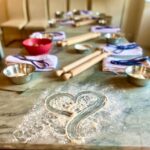
The meeting point can vary depending on the option booked, so plan your arrival with a bit of buffer. Once you’re there, the main expectation is simple: wear comfortable clothes you don’t mind getting flour-dusted.
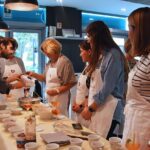
You do not need prior cooking experience. That’s not just marketing talk; the class is structured for beginners who want to learn by doing. The chef guidance is the centerpiece, and the hands-on format means you’ll be kneading, rolling, shaping, and assembling yourself rather than sitting at the sidelines.
A nice detail: the class is noted as wheelchair accessible, and the instruction language is English. If you’re traveling with a group, this kind of format also works well for mixed cooking abilities—one person can focus on dough, another on shaping, and everyone ends up with the same final plate.
Start With Fettuccine: Knead, Roll, and Shape With Confidence
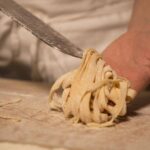
Fettuccine is the pasta that makes you understand dough. When you knead, you feel the dough change. When you roll, you learn how thickness affects texture. And when you shape it, you learn how to turn something delicate into something sturdy enough to cook and eat.
You’ll work the dough with guidance, then roll and shape fresh fettuccine. The chef’s coaching is the difference between pasta that turns out tender and pasta that feels off. One standout tip mentioned by an instructor is how to choose the suitable flour for better results. That kind of advice is gold because flour can behave differently depending on brand and texture.
What you’ll actually take home
You’ll leave with a mental checklist you can reuse:
- how dough should feel before rolling
- what to watch for as you handle it
- how to get consistent thickness so the pasta cooks evenly
Even if you never become a pasta cutter at home, you’ll pick up the confidence to try again without guessing.
You can also read our reviews of more tours and experiences in Rome

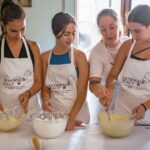
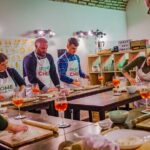
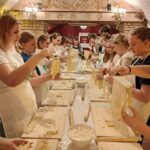
Move to Ravioli: The Craft of Hand-Stuffed Pasta
Ravioli is where many first-timers worry most. That’s normal. The good news is that this class focuses on hand-stuffed ravioli, and the guidance is step-by-step. You’re not expected to be perfect on the first batch.
You prepare the filling and then shape the ravioli by hand. The key skills are portioning and sealing—making sure each piece holds together while staying delicate. If the edges need extra attention, the chef shows you how to adjust, and you learn quickly by seeing what good closure looks like.
The real benefit: learning the small fixes
The biggest value here isn’t just the end result. It’s learning how to correct common issues:
- dough tearing or sticking
- filling that’s too much for the pocket size
- seals that need a gentle reset
By the time you reach the end of the ravioli session, you typically understand that ravioli is a practice skill. The chefs make that process feel doable instead of stressful.
Finish With Tiramisu: Layers, Texture, and a Classic Finish
Then comes the dessert that people always order in Italy. Tiramisu is the signature closer, and in this class you make it under chef guidance.
Even if you’ve eaten tiramisu a hundred times, making it can surprise you. It’s not just assembling ingredients. You’re working toward the right layer thickness, the right rhythm of dipping or layering (depending on the class method), and the balance that keeps it creamy instead of watery.
The class makes tiramisu feel practical: you’re guided through the process and then you get to taste what you made with the meal. That matters because tiramisu is one of those dishes where the final texture tells you whether you did it right.
The Meal Comes After: Eat Your Pasta in a Relaxed Setting
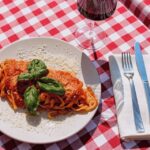
This class isn’t complete until you eat. Once the work is done, you sit down to enjoy the fruits of your labor.
One important note: drinks are part of the experience. Some bookings mention a glass of bubbly, wine, and limoncello included. Other class experiences include champagne with your choice of wine. Either way, you’re not just getting a snack after class—you’re getting a proper meal moment that matches the dishes you cooked.
Bonus takeaway: the secret cookie recipe PDF
You also receive a secret cookie recipe PDF. It’s a small extra, but it adds to the “I can repeat this at home” feeling. Pasta classes often stop at teaching pasta, so an additional recipe makes the experience feel more complete.
Price and Value: Why $69 Can Be a Smart Rome Stop
Let’s talk value without pretending Rome prices are low. $69 per person is not a bargain, but it’s also not just a ticket to watch someone cook.
What you’re paying for includes:
- ingredients for multiple dishes
- chef-led hands-on instruction
- the meal you prepare
- a secret cookie recipe PDF
- and, based on the class experiences, included alcohol
When you combine instruction + ingredients + meal, the class starts to look more like a culinary meal experience with teaching built in. If you’ve been spending evenings eating out anyway, this can be a worthwhile swap: you still get a great dinner vibe, but you also gain skills.
Location can matter more than you think
One booking noted the class location felt convenient compared with other options that seemed farther away. Meeting point can vary, but if you’re staying central, the practical commute is worth considering because you’re only out for 3 hours.
Who This Cooking Class Is Best For (And Who Should Skip It)
This is a great fit if:
- you want a hands-on food experience in Rome
- you’re traveling as a couple, friends, or even a family group
- you like the idea of learning classic techniques you can reuse later
- you want an English-speaking chef for easier Q&A
It’s also listed as vegetarian-friendly. If you have dietary restrictions, you should notify the organizer in advance so the class can accommodate you.
Skip it if:
- you have food allergies (this class is not suitable for people with allergies)
- you rely on a strict allergy plan that requires special handling beyond the standard menu
Simple travel rules are part of the deal too: pets are not allowed, and smoking isn’t permitted.
Practical Tips So You Enjoy the Class More
A few things that make a difference on the day:
- Wear clothes that can handle flour dust.
- Keep your hands dry and avoid rushing while kneading and rolling.
- Expect to feel a little awkward at first; dough teaches you fast.
- Take notes mentally. The chef tips about flour and texture are the kind of details you’ll remember later when you try again.
Also, don’t overthink the menu. The dishes are clear, and the chef instruction is geared for beginners. You just need curiosity and a willingness to get a little flour on your sleeves.
Should You Book This Cooking Class?
If you like the idea of a Rome activity that turns into a real meal, this is a strong choice. The format makes it practical: you learn fettuccine, ravioli, and tiramisu in one session, then you sit down and eat it. Add in English instruction and the chance for a small-group feel, and it becomes a fun way to experience Italian cooking beyond eating out.
You should rethink it if you have food allergies or if you’re looking for something strictly hands-off. But for most people who want a memorable, skills-based dinner experience in Rome, it’s an easy yes.
FAQ
Where is the meeting point?
The meeting point may vary depending on the option booked.
How long is the cooking class?
The duration is 3 hours.
Is prior cooking experience required?
No prior cooking experience is required.
What will I make during the class?
You’ll make fettuccine, hand-stuffed ravioli, and tiramisu.
What’s included in the price?
All necessary ingredients are included, along with expert chef guidance, hands-on making, and the meal you prepare. A secret cookie recipe PDF is also included.
Is the class vegetarian-friendly?
Yes, the class is suitable for vegetarians. If you have dietary restrictions, notify in advance.
Does the class include alcohol?
Some class experiences include drinks such as bubbly, wine, and limoncello, or champagne with a choice of wine.
What should I bring and wear?
Bring comfortable clothes. You may get a bit messy, so wear something you’re okay with.