REVIEW · DINING EXPERIENCES
Rome: Dining Experience at a Local’s Home
Book on GetYourGuide →Operated by Cesarine · Bookable on GetYourGuide
A home kitchen is the best kind of upgrade. This 2.5-hour experience is run through Cesarine, Italy’s home-cook network, and it pairs a show-style cooking demo with a sit-down 3-course lunch or dinner—starter, pasta, dessert—plus drinks. I like that you get real family recipes from the kitchen, not just a plated performance, and I also like the small group size (max 8) that makes conversation with your host feel natural. One thing to consider: this is in a private home, so you’ll need to be flexible with the vibe, the schedule, and the exact address that’s only shared after you book.
If you’re chasing real Roman food culture, this is a strong bet. You ring the doorbell, meet your host, and spend the evening learning how the meal comes together—then you eat it at the family table, usually with plenty of time to chat.
In This Review
- Key Highlights at a Glance
- Cesarine: Why This Roman Dinner Feels Different Than a Tour Meal
- Finding Your Host: The Simple Logistics That Matter
- The 2.5-Hour Flow: From Doorbell to Dessert
- Starter Course: Antipasto and the Family Cookbook Feeling
- Pasta From Scratch: The Cooking Demo That Actually Teaches
- Dessert Lessons: Tiramisu and the Sweet Finish
- Wine, Coffee, and the Extras That Sometimes Appear
- Price and Value: Is $100 Per Person Worth It?
- Who This Roman Home Dinner Fits Best
- Should You Book This Cesarine Dinner in Rome?
- FAQ
- What is the duration of the Cesarine home dining experience?
- How many people are in the group?
- Where does the experience take place?
- What time does the dining usually begin?
- What’s included in the meal?
- What languages are used during the experience?
- Are dietary requirements possible?
- Is there free cancellation?
- Can I reserve now and pay later?
Key Highlights at a Glance
- Cesarine home-cook network with hosts sharing regional family recipes
- 3 courses + drinks: water, red/white wine, and coffee
- Cooking demonstration with chances to help in the kitchen
- Small group capped at 8 participants
- Real hospitality vibe, the kind that turns strangers into tablemates
Cesarine: Why This Roman Dinner Feels Different Than a Tour Meal
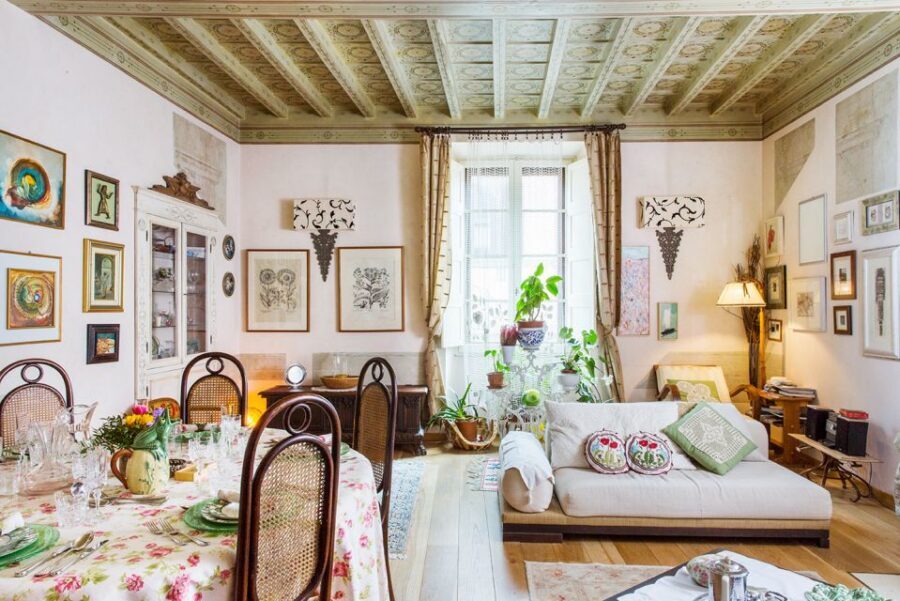
This isn’t a “sit, eat, and move on” situation. It’s a kitchen-to-table evening built around one idea: food is family knowledge, passed down and actually used. The Cesarine network is one of the oldest home-cook systems in Italy, and it operates in 500 cities—so the format stays consistent even though every home is different.
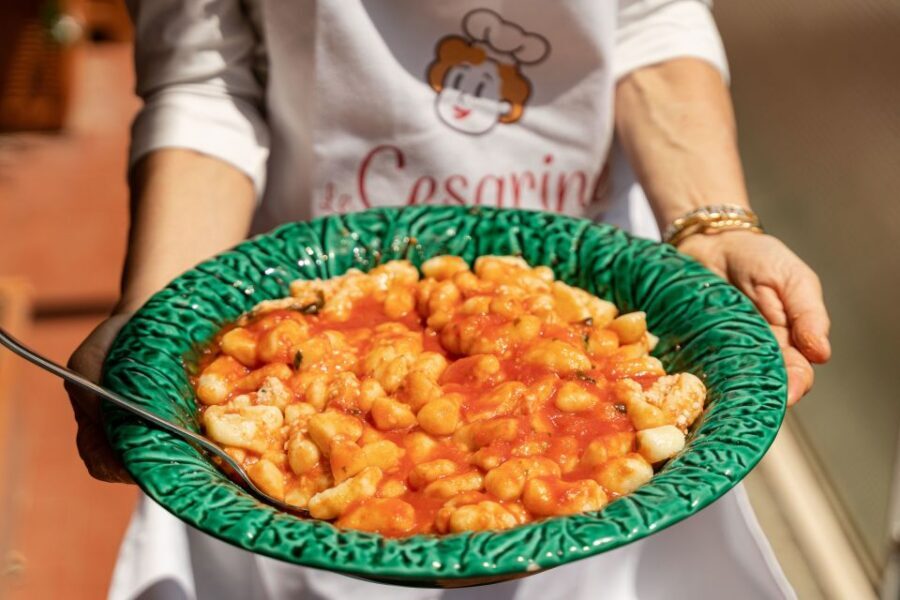
In practice, that means you’re not just tasting dishes. You’re watching how they’re made, hearing why certain ingredients matter, and getting a sense of the rhythm of a real Roman home dinner. Some hosts are very hands-on. You might chop, slice, shape, or help with parts of the meal—people have described learning gnocchi technique and working on desserts like tiramisu.
And yes, this costs more than a standard restaurant meal. But you’re paying for access: a family kitchen, a cooking demo that’s tailored to that household’s recipes, and a group that’s small enough to feel like you were invited rather than processed.
You can also read our reviews of more tours and experiences in Rome


Finding Your Host: The Simple Logistics That Matter
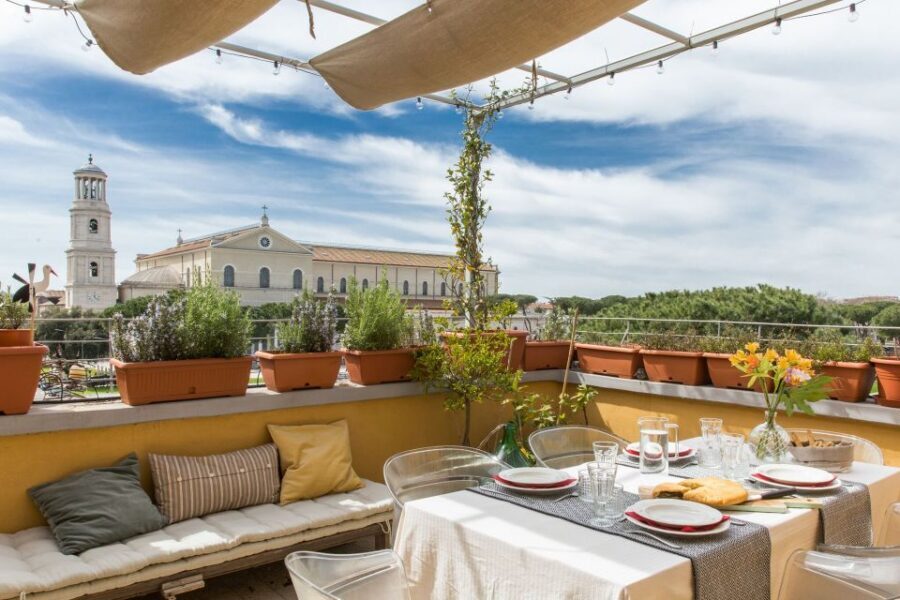
The meeting point is your host’s home address. After booking, you’ll receive an email with the specific address and a mobile number for the host or host team. When you arrive, you ring the doorbell, and your Cesarine host welcomes you in person.
Timing-wise, dining typically starts around 12:00 PM or 7:00 PM, but the service notes that times can be flexible with advance request. The total experience lasts 2.5 hours.
This home-based setup creates a tiny challenge you should plan for: residential neighborhoods can be quieter and more confusing than central landmarks. Keep buffer time so you don’t show up stressed. If you’re the type who likes certainty, this approach might feel different at first because you only get the exact address after you book—but that also keeps the experience private and personal.
The 2.5-Hour Flow: From Doorbell to Dessert
Here’s how the evening usually “moves,” based on the structure you’ll be following.
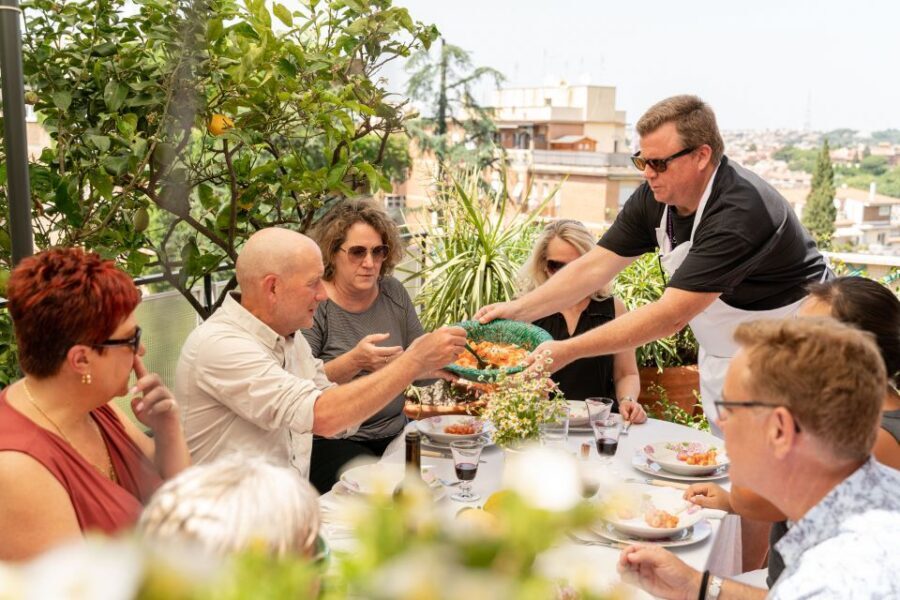
First, you’re welcomed and introduced to the plan. You’ll meet your host (and sometimes family members who help run the kitchen and dining area). Many hosts explain what’s on the menu and what you’ll see prepared during the cooking demo.
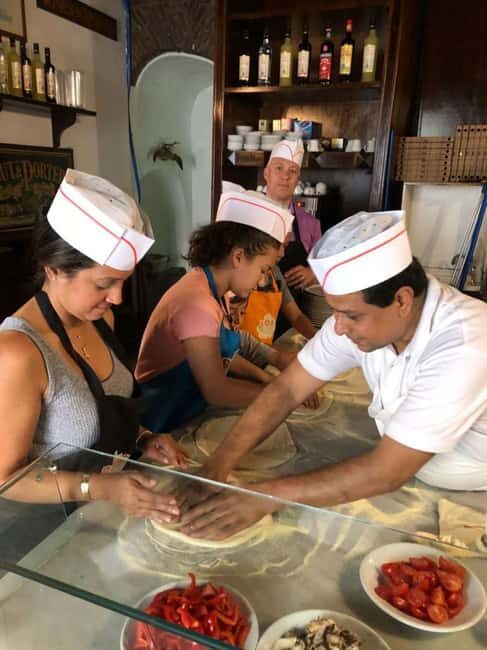
Next comes the show-cooking phase. Even when the host is leading most steps, you’re often encouraged to participate. People have described helping slice ingredients and getting hands-on with pasta-related steps like gnocchi shaping. If you want to learn by doing, this is where that happens.
Then you eat. The pacing is built around three courses: a starter, a pasta course, and a dessert. Drinks are included throughout the meal, and coffee is part of the experience.
At the end, you leave with something most restaurant dinners won’t give you: a clearer mental model of how these dishes are assembled, plus a recipe story that sounds like it came from someone’s family table.
Starter Course: Antipasto and the Family Cookbook Feeling
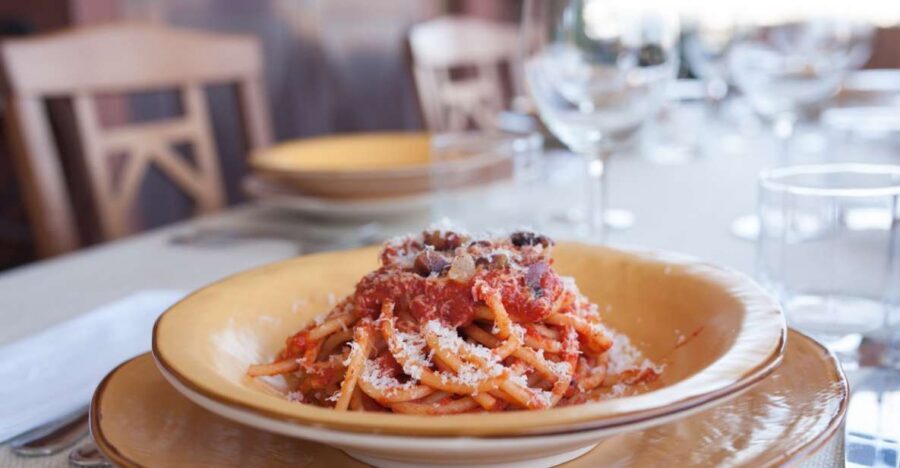
The starter course is usually where the meal gets grounded in place. You’re looking for a dish that signals regional style—often something that could plausibly come from a family cookbook rather than a glossy restaurant menu.
What I like about this course in particular is how it sets expectations. Hosts tend to use the starter to explain their approach: how they balance flavors, what ingredients they treat as essential, and what they serve when they want people to feel at ease.
From what’s been served in similar home settings, starters can range from bruschetta-style bites to other antipasti. The key point isn’t the exact dish. It’s that the starter becomes your introduction to the household’s taste, and you typically get time to talk before the pasta work begins.
If you’re sensitive to pacing, plan for the fact that this meal is social. People have described lots of conversation during the cooking and eating. That’s the point. If you want a silent, fast meal, you may find this style slower than a restaurant.
Pasta From Scratch: The Cooking Demo That Actually Teaches
This is the heart of the experience. The format is built around a cooking demonstration, and in many homes you’ll be invited to help with parts of the pasta-making process.
You may watch the host do the more technical steps, then join for simpler tasks like slicing, rolling, shaping, or assembling. In some cases, people have specifically mentioned making gnocchi from scratch—learning how the dough is treated, how the texture changes, and how the final shape matters.
Then there’s the cooking technique behind the pasta course itself. Hosts often talk through sauces and assembly—how you bring flavors together and how the dish is finished so it tastes like a real Roman (or Lazio-area) table dish.
Two practical tips if you want to get the most from the pasta time:
- Stay close in the kitchen area. If you drift to the edge, you’ll miss the explanations that make the process click.
- Ask questions during the moments when you’re actively doing something. That’s when hosts can answer fastest and tailor the advice to what you just did.
And if you’re worried about your cooking ability: you don’t need to be a chef. The goal is participation, not perfection.
You can also read our reviews of more tours and experiences in Rome



Dessert Lessons: Tiramisu and the Sweet Finish
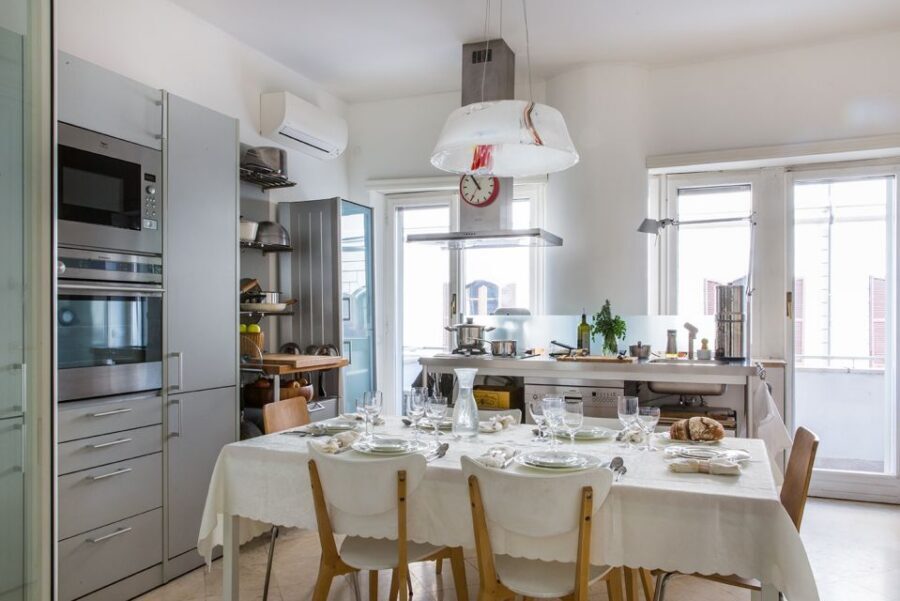
Dessert is not just an afterthought here. It’s often the part where you get one of the clearest “how it’s done traditionally” lessons.
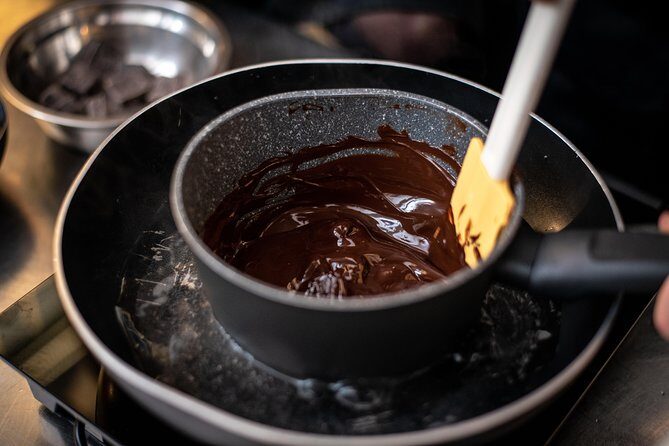
Tiramisu comes up again and again in this kind of home dinner, and people have described learning a traditional method and making it with the host. Even if you don’t do every step, you’ll usually see how the dessert gets built and how texture is judged—coffee strength, sweetness balance, and layering technique.
The best part is that dessert ties the whole meal together emotionally. After you’ve tasted savory courses and watched pasta being prepared, dessert becomes a final moment of family-style generosity. Many hosts keep the mood relaxed here, so conversation often becomes easier.
One more thing: dessert is served after the pasta course, so if you’re watching portion size, remember that this is a full meal. You’ll have three courses, plus included wine and coffee. Pace yourself so you can enjoy the whole lineup.
Wine, Coffee, and the Extras That Sometimes Appear
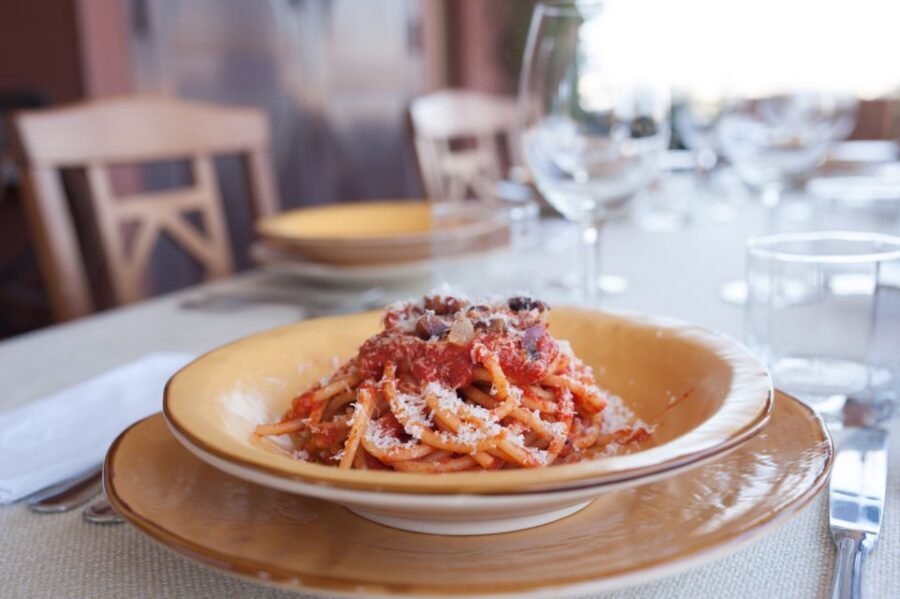
Drinks are included: water, a selection of red and white wines from regional cellars, and coffee. That alone makes a difference in value, because you’re getting more than just food—your meal comes with a proper drinks pairing chosen for the experience.
In real home settings, some hosts have added small extras after dinner, like aperitifs or even limoncello. Don’t count on a specific extra every time, but it’s not unusual for a family-host dinner to include a little “we do this at the end” tradition.
If you’re the type who orders wine by the glass at restaurants, this is where you’ll feel the benefit. You’re not negotiating menus. The drink plan is part of the experience.
Price and Value: Is $100 Per Person Worth It?
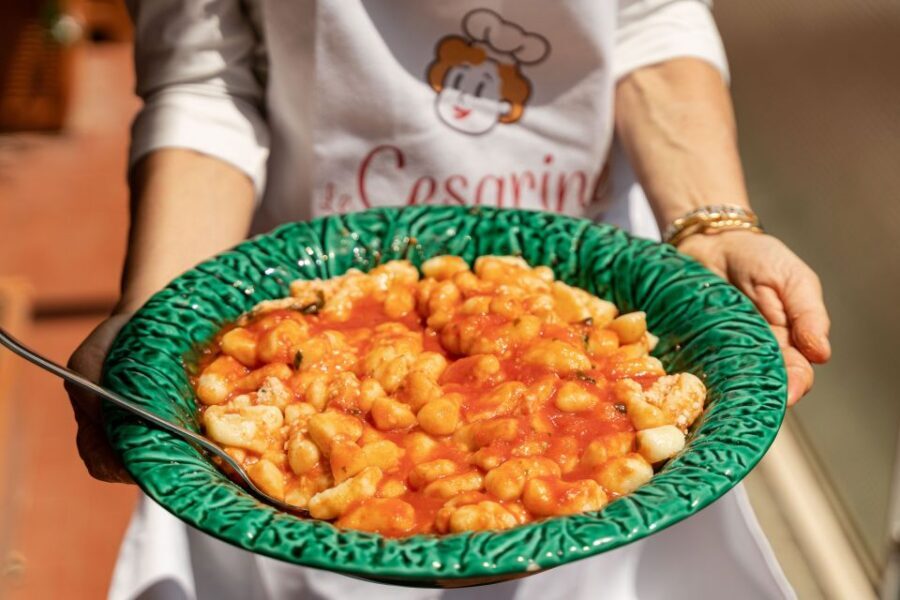
At $100 per person for a 2.5-hour, small-group home-cooked dinner with drinks and a cooking demo, the price lands in the “pay for access” category.
Here’s how I’d evaluate the value:
- You get three courses served at a family table, not just snacks.
- You get drinks included (wine plus coffee).
- You get a cooking demo and often time to participate in the kitchen.
- You get a limit of up to 8 people, which keeps the conversation personal.
A regular Rome restaurant meal can be cheaper, but it usually won’t include the cooking lesson, the family-table setting, or the small-group access. One review mentioned the experience costs more than a standard 3-course restaurant dinner, but the reasoning made sense: the extra money goes toward access, the teaching moment, and the hospitality.
My practical take: this is worth it if food and cooking are part of why you travel. If you’re mainly chasing sights and want the cheapest meal possible, you’ll probably feel this is too pricey for what it is.
Who This Roman Home Dinner Fits Best
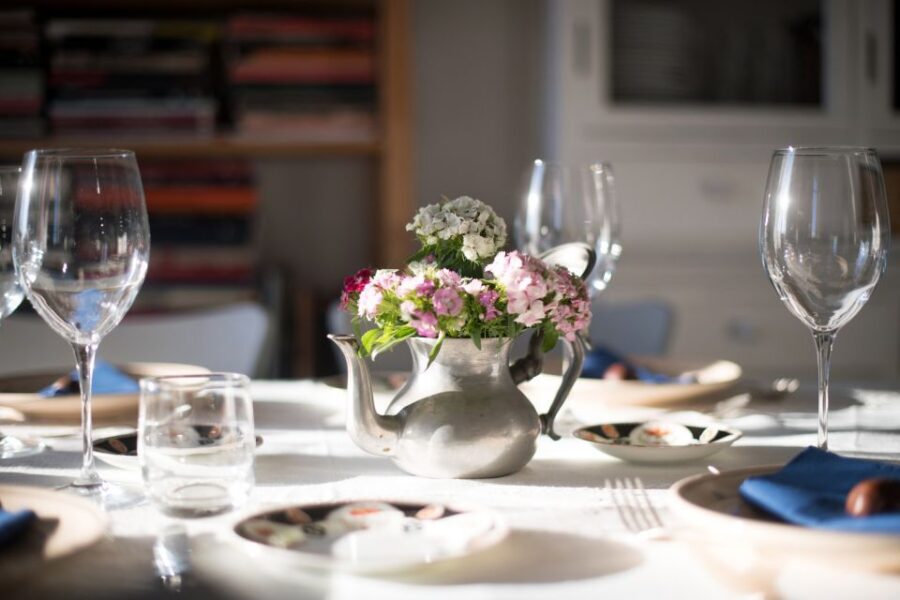
This works best for you if:
- you want a local food experience that feels like an invitation, not a show
- you enjoy cooking demonstrations and want to learn technique, not just taste dishes
- you like smaller group settings where you can actually talk to the host
- you’re open to a home environment (not a standardized restaurant)
It might be less ideal if:
- you want strict predictability in timing and directions
- you dislike being in a residential home setting
- you need a very fast, no-social interaction meal
Also, if you have dietary requirements, the experience can cater, but you need to confirm directly with the organizer after booking. That’s the right approach—your host can’t plan around needs they don’t know yet.
Should You Book This Cesarine Dinner in Rome?
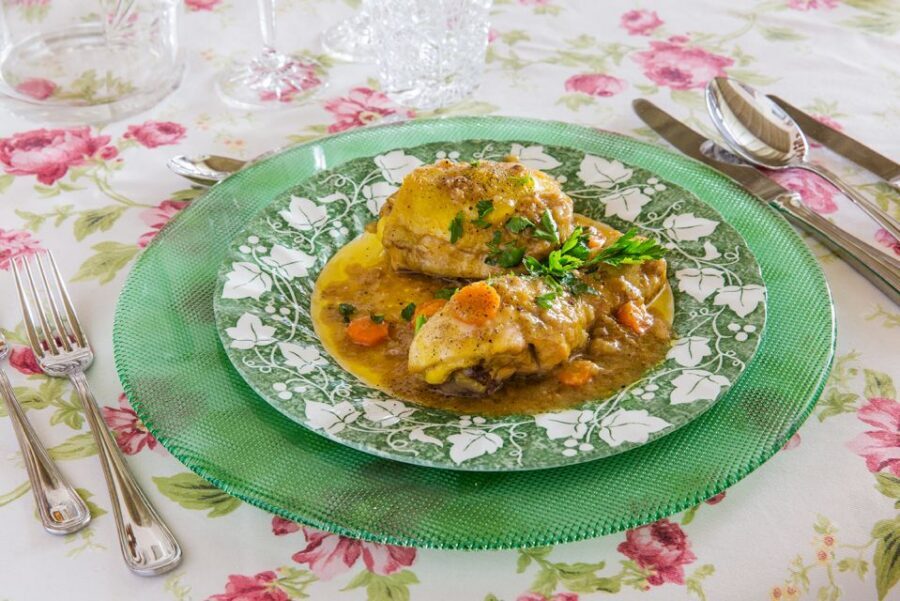
Yes—if you want a Roman food evening with genuine human warmth and a cooking lesson you can take home in your head. This is one of those experiences where the payoff is not only what you eat, but how you understand it.
Book it if your idea of a great travel memory is a family table, a kitchen explanation you can repeat later, and small-group conversation that makes you feel welcome. If that doesn’t sound like your style, skip it and go for a restaurant dinner—but if you love learning and eating the real way, this one is a smart use of time.
FAQ
What is the duration of the Cesarine home dining experience?
The experience lasts about 2.5 hours.
How many people are in the group?
It’s a small group limited to 8 participants.
Where does the experience take place?
It takes place at your host home. The exact address is shared after you reserve.
What time does the dining usually begin?
Dining typically begins around 12:00 PM or 7:00 PM, but times are flexible with advance requests.
What’s included in the meal?
You’ll get a 3-course menu (starter, pasta, dessert) plus drinks (water, red and white wine, and coffee) and a cooking demonstration.
What languages are used during the experience?
The instructor/host communicates in English and Italian.
Are dietary requirements possible?
Dietary requirements can be accommodated, but you’ll need to confirm them directly with the service organizer after booking.
Is there free cancellation?
Yes, free cancellation is available up to 24 hours in advance for a full refund.
Can I reserve now and pay later?
Yes, you can reserve and pay later.