REVIEW · DINING EXPERIENCES
Rome Pantheon: Fine Food & Wine Pairing Dinner with Sommelier
Book on Viator →Operated by GOURMETALY FOOD TOURS OF ROME · Bookable on Viator
Wine and pasta, with the Pantheon glow. This 2.5-hour small-group dinner pairs Roman favorites with four regional wines and starts with a prosecco aperitivo in a private cellar near the Pantheon. I love the close, personal pacing with a sommelier guiding every step, and I love that you’re treated like part of a family-run evening, not a rushed stampede. One thing to consider: cellar access can be limited if archaeological work is underway.
You meet your English-speaking host near Piazza della Minerva (right by the Elephant and Obelisk), then you take a short walk to the restaurant. On past nights, the sommelier-host might be folks like Alex, Alessandro, Clelia, or Anastasia, and the goal stays the same: explain what you’re tasting and why it works with the food.
In This Review
- Key Highlights Worth Clearing Time For
- Starting Near the Pantheon: Meet Point and the Quick Walk
- Prosecco and Cold Cuts in a Private Wine Cellar
- Meeting the Restaurant Owners: Local Food With Real Faces
- How the Wine Pairing Works Across 3 Courses
- The Roman Menu: Aperitivo, Cacio e Pepe, Beef (or Vegetarian), Then Sweets
- Starter: Aperitivo
- Main: Cacio e Pepe and Meat Options
- Dessert: Italian-Style Little Patisserie
- Timing, Duration, and What You’ll Actually Do With Your Night
- Restaurant Atmosphere: Elegant, Intimate, and Built for Conversation
- Price and Value: What $145.18 Buys You in Rome
- Who This Dinner Fits Best (and Who Should Skip It)
- Should You Book This Pantheon Wine Pairing Dinner?
- FAQ
- Where does the experience start?
- How long is the dinner experience?
- How many people are in the group?
- What’s included in the meal?
- How does the wine tasting work?
- Is a vegetarian menu available?
- Is this suitable for vegan or gluten-free travelers?
- Is there an age limit for drinking?
- Is cellar access always included?
Key Highlights Worth Clearing Time For
- Private cellar aperitivo: start with prosecco plus regional cheese and cured meats, set in a cellar tied to Roman finds during renovation.
- 4-course pairing logic: each course comes with a selected regional wine meant to match the flavors on your plate.
- Small group energy (10 max): it stays conversational and not like a classroom of strangers.
- Family owners meet you: you get a warm welcome and a little insight into local wine-and-food culture.
- Pantheon-at-night finish: the experience ends near the Pantheon, romantically lit after dark.
Starting Near the Pantheon: Meet Point and the Quick Walk
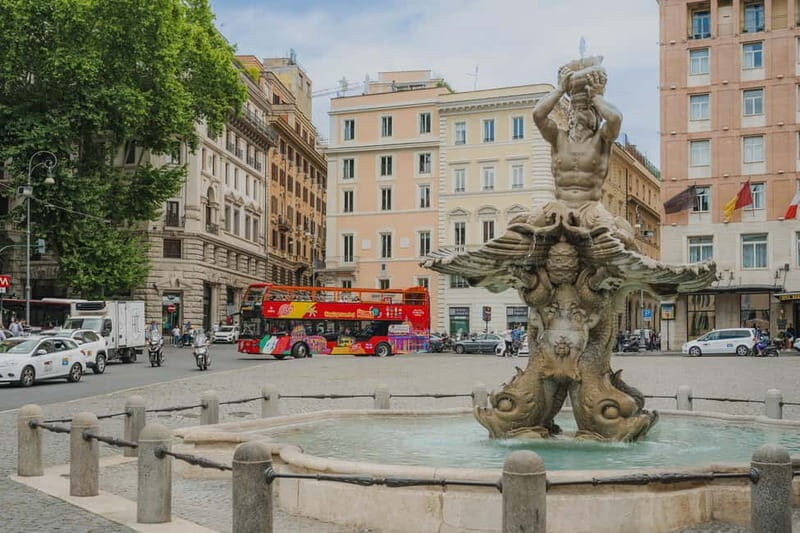
Your evening begins in the Pantheon area, at Piazza della Minerva by the Elephant and Obelisk. It’s a handy pick because the location is close to public transportation, so you’re not stuck trying to navigate Roman streets in the dark with a dozen other plans.
From there, you’ll take a brief walk to a family-run restaurant. That short stroll matters more than you might think. You’ll get your bearings fast, feel the neighborhood shift from main-street crowds toward local dining, and arrive ready to slow down.
Also, this is a smart-casual kind of evening. You’re not dressing for a gala, but you’ll want to look a bit put together for dinner in an elegant space.
You can also read our reviews of more food & drink experiences in Rome


Prosecco and Cold Cuts in a Private Wine Cellar
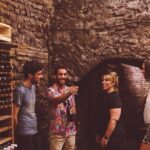
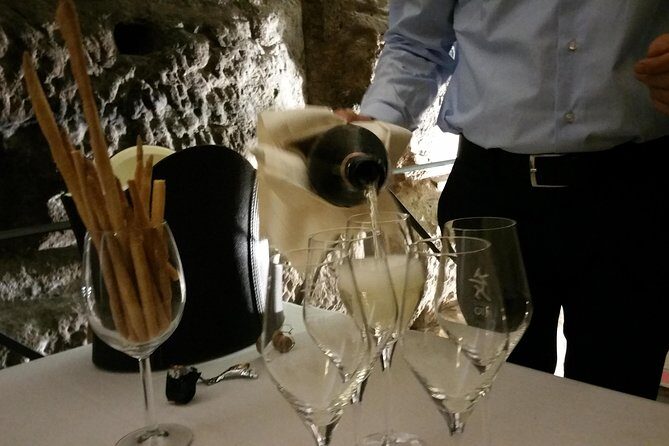
The first real wow moment is down a level: a private cellar used for pre-dinner tastings. You’ll start with an aperitivo setup that includes prosecco and a selection of regional cheese and cured meats. It’s classic Italy in the best way: taste a few things, sip, and let your appetite wake up before the dinner rhythm begins.
The cellar setting adds extra atmosphere. During renovation work in the area, an old Roman structure was discovered at floor level. That means you’re not just eating in a nice basement. You’re eating in a space with a story—one that adds meaning to what you’re tasting.
One practical note: cellar access is not guaranteed if there are archaeological works. If the cellar can’t be used, don’t expect that same down-in-the-dirt start. Still, the dinner and wine pairing experience should carry the core value, but the “cellar moment” might be different.
Meeting the Restaurant Owners: Local Food With Real Faces
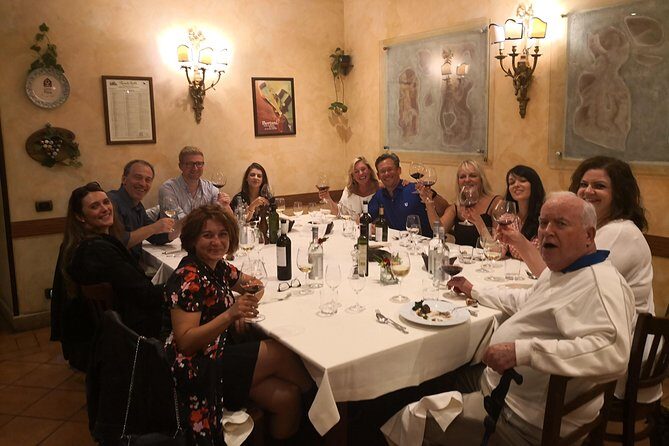
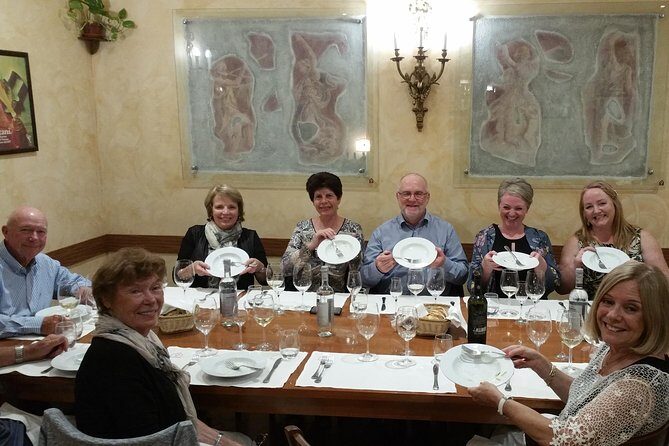
After the cellar aperitivo, you head up to the dining room where you meet the restaurant owners. This is one of the underrated parts of the evening. When owners step in and greet you, the meal stops feeling like a package and starts feeling like an ongoing family tradition.
You also get a more grounded explanation of Italian wine and cuisine from your sommelier. Instead of generic lectures, you’re given context tied directly to what you’ll eat next. In a small group of up to 10, it’s easier for the host to read the room and keep the conversation at the right pace.
If you’re the type who likes asking questions, this setup is a gift. You can get answers in real time, not buried under a busy restaurant floor.
How the Wine Pairing Works Across 3 Courses
This dinner is designed around pairing—four wines, matched to your courses. The pacing feels intentional: aperitivo first, then your reserved table, then a 3-course Roman-style meal where the sommelier guides you through the “why” behind each match.
Here’s what that means for you at the table:
- Your host explains what to look for in the wine and how it should interact with the food.
- The wines are selected to enhance flavors rather than overpower them.
- You’re not stuck guessing whether the pairing is working. The guide keeps the connection clear.
From the host styles I’ve seen associated with this type of dinner, the best part is that it’s usually explained in plain language. You’re not decoding a wine textbook. You’re learning how to taste with intention—what acidity, tannins, and aromas are doing once they hit your mouth.
The VIP element here is about your table, not a museum entrance. You’ll have VIP access with no line to the reserved table, which matters in Rome when you’re trying to maximize your evening hours.
The Roman Menu: Aperitivo, Cacio e Pepe, Beef (or Vegetarian), Then Sweets
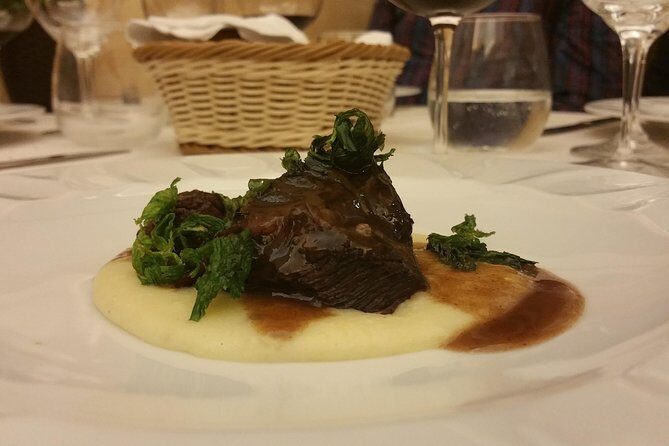
Your dinner follows a clear flow, and each stage nudges you toward the next pairing.
You can also read our reviews of more tours and experiences in Rome






Starter: Aperitivo
You begin with regional cold meats and cheeses plus bread baskets. Alongside this, you get prosecco. It’s a smart start because it sets a baseline: crisp bubbles and salty, fatty bites. That combination is a great warm-up for the wines that come later.
Main: Cacio e Pepe and Meat Options
For the main course, you’ll get pasta cacio e pepe—an iconic Roman comfort dish built on simplicity (cheese, pepper, pasta). It’s an excellent pasta for pairing because it has bold flavor but stays straightforward.
Alongside or as an option, the menu includes either beef or a vegetarian option. Your guide will present the wine pairings for the main, and the pairing is meant to work with both the pasta richness and the peppery punch.
If you’re traveling with specific dietary needs, read this carefully:
- Vegetarian menu is available if you specify it at least 24 hours before departure.
- It’s not recommended for vegan or gluten-free travelers.
Dessert: Italian-Style Little Patisserie
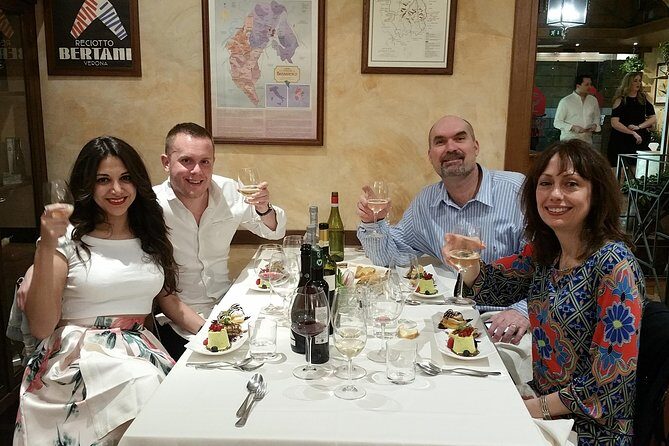
Dessert is a selection of little patisserie Italian style. The “little” part is practical: you get a sweet finish without turning the entire last course into a sugar overload. It also helps the sommelier choose a final wine that doesn’t fight the dessert flavors.
Timing, Duration, and What You’ll Actually Do With Your Night
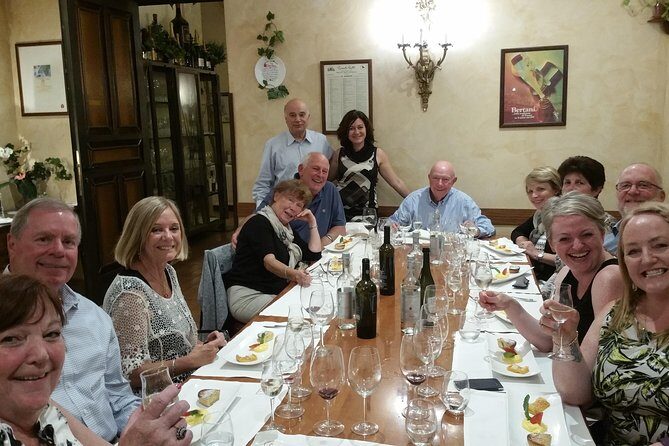
This experience runs about 2 hours 30 minutes. That’s long enough to settle in, taste, and learn, but short enough that you won’t feel trapped by dinner when Rome is calling.
You’ll also end back outside the Pantheon, romantically illuminated in moonlight. That finish is useful if you want photos and a final slow wander without needing to plan a separate stop. In other words, your dinner becomes part of your Pantheon evening instead of just a meal before or after it.
Restaurant Atmosphere: Elegant, Intimate, and Built for Conversation
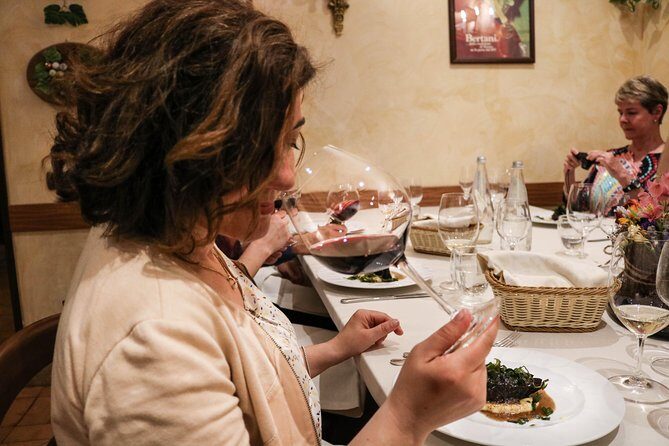
The format is small-group by design, with a maximum of 10 travelers. That’s the difference between tasting like a tourist and tasting like someone who got invited.
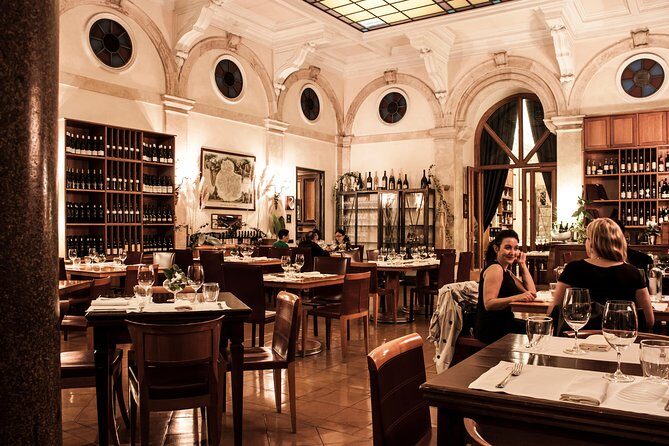
The setting is described as elegant. You’ll sit at reserved tables, and the vibe stays relaxed rather than rushed. Plus, you’re not only tasting wine. You’re getting a guided explanation of the food and wine of the region, which helps you remember what you liked and what you’d order again.
A practical tip from experience with food-and-wine evenings in general: bring some cash for tipping your host. Tipping norms vary, but having cash ready makes it easier when it feels appropriate.
Price and Value: What $145.18 Buys You in Rome
Let’s talk money without drama. At $145.18 per person, this isn’t a cheap pasta dinner. You’re paying for four things at once:
- A guided sommelier pairing across multiple courses (not just “wine included”).
- The private aperitivo setup with prosecco plus cheese and cured meats.
- A small-group experience with reserved seating.
- A family-run restaurant night near one of Rome’s biggest landmarks.
If you were eating on your own, sure, you could find pasta and wine for less. But you wouldn’t automatically get structured pairing guidance, or the same pacing, or the cellar-style start. For many people, the value comes from learning how to taste, not only from eating.
That said, your personal value equation depends on your appetite and comfort with tasting portions. Some diners mention portions and wine pours can feel modest because it’s a tasting format. If you expect a full, heavy restaurant meal, you may want to plan a light snack afterward (gelato always counts).
Who This Dinner Fits Best (and Who Should Skip It)
This tour fits best if you want:
- A wine pairing lesson with a real guide, in English
- A small-group evening that feels friendly rather than formal
- Roman food you can name and repeat later, especially cacio e pepe
- A convenient start point near Piazza della Minerva and an easy end near the Pantheon
It’s not the best match if you need vegan or gluten-free meals. Vegetarian is available with advance notice, which helps a lot.
Also, you should be prepared to drink wine (minimum drinking age is 18). If you’re not drinking, the pairing format may feel less satisfying, since the structure relies on the wines for the full experience.
Should You Book This Pantheon Wine Pairing Dinner?
I’d book it if you want a high-quality Rome night that combines food, wine, and context in a small group. The cellar-to-table flow is especially appealing if you like ambiance, and the pairing focus is a great way to leave with tastable knowledge you can use later in Italy.
I’d think twice if you’re price-sensitive and only want “a good meal.” This is paying for guidance, pacing, and the specific pairing format. And if cellar access is important to you, remember it can be affected by archaeological work, so expect that part to be variable.
If you book, show up smart casual, come with curiosity, and bring a question or two for your sommelier. That’s when the evening clicks.
FAQ
Where does the experience start?
It starts at Elephant and Obelisk, Piazza della Minerva, 00186 Rome, Italy.
How long is the dinner experience?
It lasts about 2 hours 30 minutes.
How many people are in the group?
The experience is limited to a maximum of 10 travelers.
What’s included in the meal?
You get an appetizer (aperitivo), pasta, meat (or a vegetarian option), and dessert.
How does the wine tasting work?
You receive 4 selected superior wines paired with your courses, plus prosecco as part of the aperitivo.
Is a vegetarian menu available?
Yes. Vegetarian menus are available if you specify it at least 24 hours before departure.
Is this suitable for vegan or gluten-free travelers?
It is not recommended for vegan and gluten-free travelers.
Is there an age limit for drinking?
Yes. The minimum drinking age is 18.
Is cellar access always included?
Cellar access can be impacted by archaeological works, so it’s not guaranteed in every situation.