REVIEW · PRIVATE
Rome : Custom Walking Tour With A Guide (Private Tour)
Book on Viator →Operated by Guydeez · Bookable on Viator
You can walk Rome with a plan. This private custom tour is built around you: you start from your hotel, your guide designs the route, and you get practical local know-how along the way. I especially like how guides such as Pedro and Alessandro are described as engaging and easy to follow in excellent English, and how Maria Elena and Maria focus on Rome’s standout sights plus the smaller, more personal stops that make the city feel navigable instead of overwhelming.
The one caution: it’s a walking tour, and attraction access isn’t guaranteed. Tickets aren’t included, and indoor sites can be affected by crowds, lines, or special conditions—so if you have strict must-sees (like St. Peter’s interior), you’ll want to confirm expectations with your guide.
In This Review
- Quick hits before you book
- Hotel Pickup Means You Actually Start Traveling
- 2 to 8 Hours: How the Custom Part Fits Your Real Schedule
- Your First Walk: Getting Oriented Fast
- Classic Rome Sights You Can Request (Trevi, Spanish Steps, Pantheon)
- Night Tour Energy: A Different Rome Without the Same Crowds
- Vatican-Area Planning: Lines, Access, and Asking the Right Question
- Neighborhood Rome and Food Stops in Trastevere-Style Walking
- Museum Time and Ticket Help Without the Chaos
- Price and Value: What $54.31 Gets You (And Why It Can Save Days)
- Who This Tour Fits Best (And Who Might Prefer to Go Alone)
- Should You Book This Custom Walking Tour?
- FAQ
- Is this tour private?
- Where does the guide pick you up?
- How long is the tour?
- Is this a walking tour only?
- What languages is the tour offered in?
- Are attraction tickets included?
- Is food or drink included?
- Will I get a mobile ticket?
- Can the tour end somewhere other than where it starts?
- Is free cancellation available?
Quick hits before you book
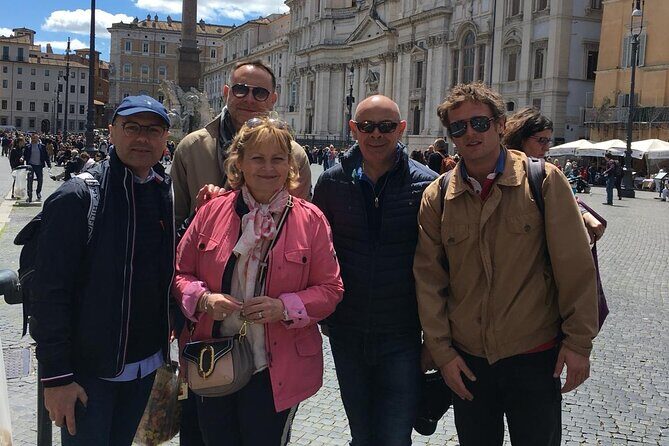
- Hotel start, no maze of meeting points: pickup where you’re staying in Rome’s area, or a convenient city-center point if you’re outside it
- 2 to 8 hours, fully adjustable: pick a time window and then steer the route toward your interests
- Local neighborhood orientation: you’ll learn where to eat, how to get around, and what’s worth skipping
- Classic sights plus side streets: you can hit big landmarks and also see the Rome that’s harder to find on your own
- Food-and-drink add-ons are on you: breaks are possible, but you’ll pay for drinks and meals separately
Hotel Pickup Means You Actually Start Traveling
One of the biggest wins here is the start. Instead of dragging yourself to a distant corner with a crowd and a watchful eye, you can begin right from your accommodation if it’s in Rome. If your hotel sits outside the city center, the tour will line you up with a convenient meeting spot in the center—still far easier than trying to coordinate your own way there after jet lag.
This structure matters because day-one stress is real in Rome. You’re already dealing with unfamiliar streets, changing transit options, and the fact that many sights aren’t close together. Starting with a guide lets you focus on the fun stuff sooner: learning the easiest walking routes, what neighborhoods are best at different times, and which streets feel safe and simple to navigate on your own later.
You also get a private format, meaning it’s just your group. That’s a big deal if you want questions answered as you go, or if you have a specific pace (slow and chatty, or brisk and efficient).
You can also read our reviews of more walking tours in Rome


2 to 8 Hours: How the Custom Part Fits Your Real Schedule
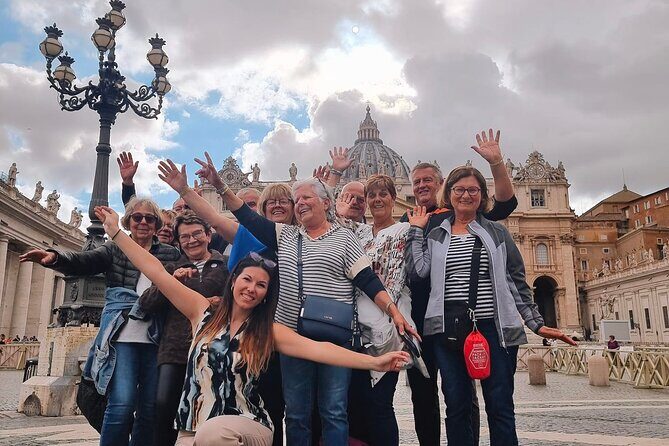
You choose a tour length—commonly 2, 3, 4, 6, or 8 hours—and then your guide builds an itinerary around your preferences. That flexibility is valuable because Rome is not a one-size-fits-all city. If you want a quick highlight tour, go shorter. If you want a fuller day with architecture, neighborhoods, and time to breathe, go longer.
A smart way to plan it: think of the tour as your framework. You decide the priorities (for example, Trevi Fountain and the Spanish Steps), then let the guide connect the dots in a way that makes walking logical. The tour also includes time to learn practical tips—how to get around, where to eat, and what local shopping looks like—so you’re not stuck scrambling after your guide leaves.
One more small point: some guides may try to manage crowd levels by timing. There’s at least one strong example of a guide starting early to reduce crowds, which can make a huge difference for photos and movement. It’s not something you should count on blindly, but it’s a good sign you’ll be thinking about timing, not just checking boxes.
Your First Walk: Getting Oriented Fast
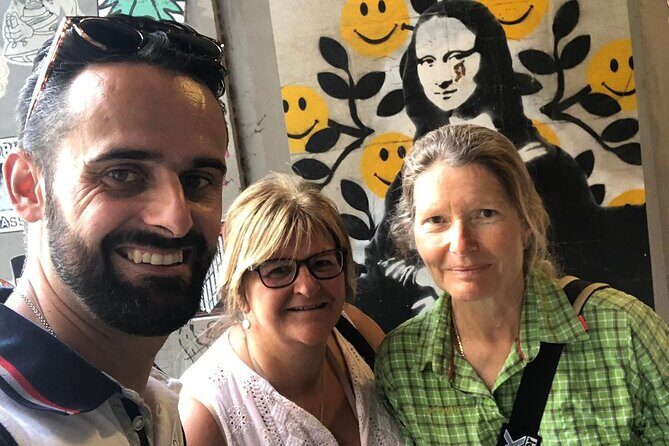
A well-run Rome walking tour is less about ticking off monuments and more about building confidence. Right from the start, your guide meets you near your hotel area and helps you get comfortable in the neighborhood you’re in. You should expect an orientation that covers the basics: what streets to use, how to move efficiently, and where you might want to return later.
This is also where the guide’s local lens really shines. Some of the most praised moments in these tours aren’t the loud, famous landmarks—it’s the guide steering you into the areas that would be difficult to do alone. That might mean quieter side streets, a perspective on how the city is laid out, or simply knowing which turns make the next stop easier.
You’ll also likely get food and coffee suggestions that are meant for real life, not tourist brochures. One review described adding a market and coffee spot as part of the experience, which is exactly the kind of detail that makes the city feel lived-in.
Tip for you: if you’re feeling overwhelmed, tell the guide you want an easy navigation plan for the rest of the trip. A good guide will build routes you can repeat without them.
Classic Rome Sights You Can Request (Trevi, Spanish Steps, Pantheon)
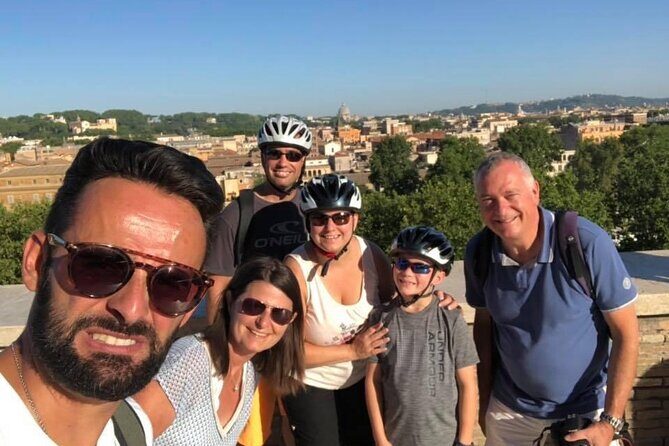
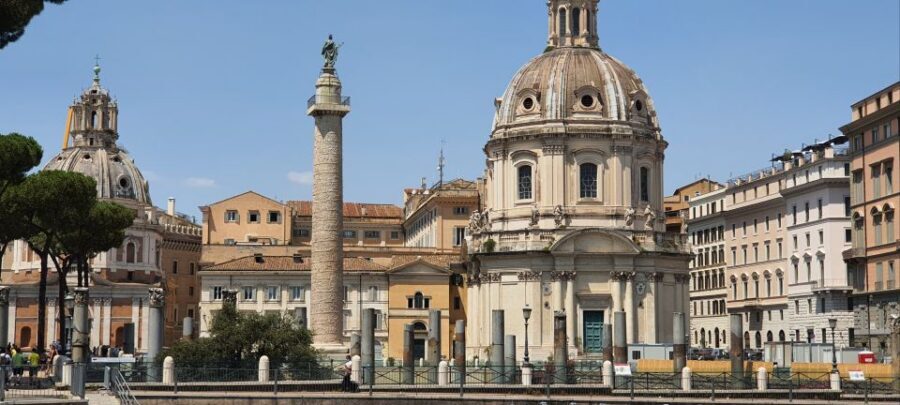
Even though the itinerary is customizable, the most common Rome “musts” tend to show up in the requests people make—especially when the goal is a first trip. Based on the strongest examples from the experience, your guide can structure time for major landmarks like Trevi Fountain, the Spanish Steps, and the Pantheon.
Here’s how this can feel in practice. The guide doesn’t just point and explain; they help you understand the sight in context—why it matters, what to notice as you pass, and how the area works. That context is useful because Rome can look like a series of unrelated photos. Good guidance ties the visual to the story and to the streets around it.
Practical note: tickets to attractions are not included. That means if a sight involves entry, you’ll likely need to plan tickets separately, and the tour includes help from the team to book them for desired visits. Your guide can help you navigate the plan, but the actual admission cost and timed-entry reality will be yours to manage.
If you have multiple indoor or timed priorities (museums, churches, specific galleries), treat your time window like a puzzle. A longer tour option (6 or 8 hours) can make it far more realistic than trying to cram everything into 2 or 3.
Night Tour Energy: A Different Rome Without the Same Crowds
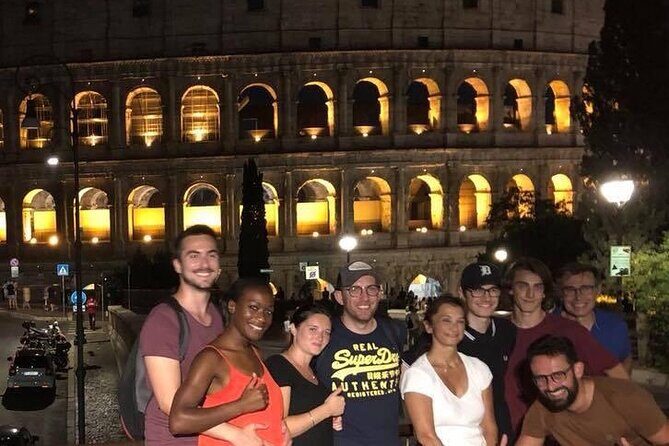
If you can do it, a night tour is often the most memorable way to see Rome. One highlight from the reviews was a night experience where the sites felt unique compared with daytime sightseeing. The mood changes fast after dusk: streets feel less like a queue and more like a stroll, and landmark lighting adds drama even when you’re just walking past.
A night format can also be a practical advantage if your daytime is packed with transit and museums. You might use the day for indoor priorities, then let your guide handle the “outside highlights” at night.
Just keep expectations balanced. Rome at night can still be busy in central areas. The benefit is that the experience can feel less frantic, and the photos can look different enough that your classic sights don’t feel repetitive.
If you’re deciding between day and night: choose night if you want atmosphere and a calmer pace for major streets. Choose day if you want more museum or interior focus.
You can also read our reviews of more guided tours in Rome




Vatican-Area Planning: Lines, Access, and Asking the Right Question
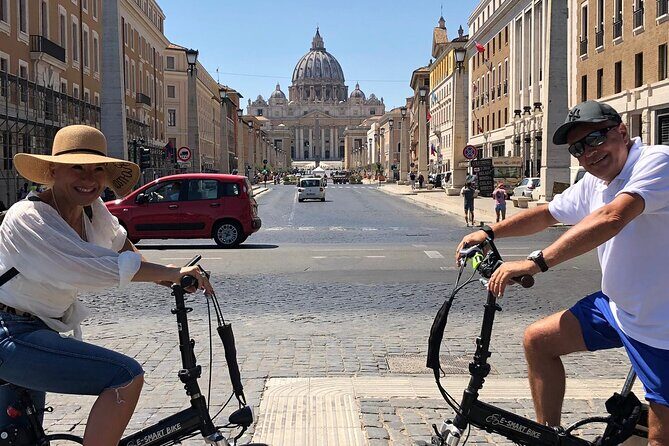
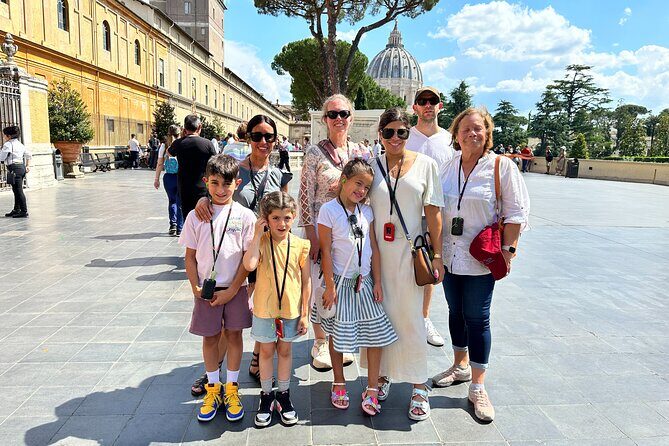
This is the part where you should be a little sharp. Indoor access and special conditions can change quickly in Rome. One negative experience described a guide who expected the group could enter St. Peter’s area, but access was impacted by a special service condition. The tour still proceeded, but the plan didn’t match the guest’s expectations.
So here’s your practical move: if St. Peter’s or another heavily regulated interior is on your list, don’t rely on a general assumption. Ask your guide (and the team) what access is realistic for your dates and your time window. If interior entry is a must, it’s worth arranging tickets and building a plan that accounts for possible delays.
You can also ask how the guide handles lines. The walking format and the customization are strengths, but no guide can control crowd levels. A flexible guide can help you pivot, but you’ll get the best outcome when you share your priorities clearly.
Also watch for communication details. In one complaint, the guide’s voice wasn’t projecting well enough for everyone to hear. That’s not the pattern of the highest-rated experiences, but it’s a good reminder to choose a tour time when you can stay close and hear your guide, especially if your group is spread out.
Neighborhood Rome and Food Stops in Trastevere-Style Walking
Rome isn’t only about monuments. Some of the strongest enjoyment comes from neighborhood wandering—areas that show you how locals actually move through the city.
A great example: a food-focused walkthrough in Trastevere. The guide Orso was praised for explaining the neighborhood and cuisine while walking, and for recommending places to eat and drink beyond the tour. The experience included sampling multiple local foods, and there was even time for photos.
What you should take from that, as a decision-maker: if you like food, consider choosing a tour length that gives room for stops. Even though drinks and food aren’t included, the structure of the walk makes it easy to turn suggestions into real plans. And if you want markets or coffee breaks, the customizable format makes that possible—one review specifically noted a market and coffee spot.
You don’t need to be a food “expert.” You just need curiosity. A good guide will guide you toward tastes that make sense for your day, your walking comfort, and your interests (savory vs sweet, quick bites vs sit-down).
Museum Time and Ticket Help Without the Chaos
Rome’s best museums and key interiors tend to come with timed-entry rules and long lines. This is where the tour’s included support becomes useful: while tickets to attractions are not included, the experience does include help from the team to book tickets for visits you want to make.
That combination is smart. You get a plan with a guide on the ground, but you aren’t stuck doing all the ticket work alone. It also helps prevent the classic vacation problem where you waste an hour at a ticket desk—or miss the one time slot that fits your schedule.
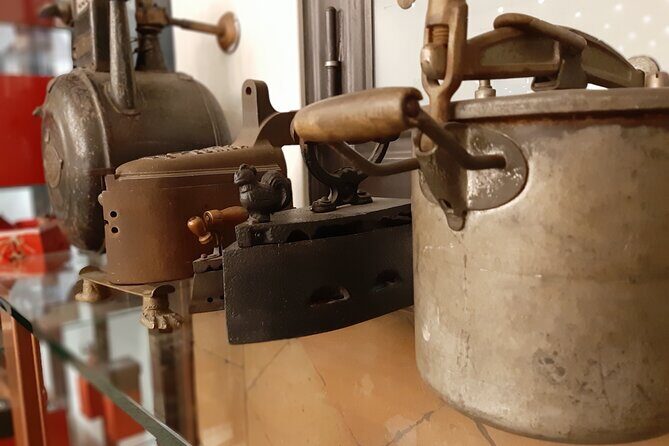
One review described booking a full day with specific priorities, including major outdoor sights plus a museum component. That’s a good match for this tour type: you can build an efficient walking route, then plug in museum or ticketed visits so the day doesn’t collapse under logistics.
For you, the practical best move is to list your “musts” first, then rank your “nice-to-haves.” If your list is large, choose the longer time options so the guide has flexibility to connect stops without sprinting through everything.
Price and Value: What $54.31 Gets You (And Why It Can Save Days)
At $54.31 per person, this tour sits in the “worth it if you’re strategic” category. It’s not an all-inclusive museum pass. You’ll pay for food, and tickets for attractions aren’t included. So what are you actually buying?
You’re buying three things that are hard to replicate alone:
- Private, guided route planning: your guide designs the itinerary around your preferences instead of you guessing how to connect sights.
- On-the-ground local explanations: this turns scattered photos into a clearer mental map of Rome.
- Logistics support: help booking tickets for desired visits, plus pickup that saves time and confusion.
For a first-time visitor, that can be a big value multiplier. For a returning visitor, it can still be worth it if you want neighborhoods and side streets rather than only famous monuments.
My advice: if you’re the type who likes to get things done without stress, consider booking this early in your trip. You’ll learn how the city “works” and what parts to revisit on your own with better timing.
Who This Tour Fits Best (And Who Might Prefer to Go Alone)
This experience works best if you’re:
- In Rome for a short time and want a strong first overview
- Excited by history and architecture but also want real-world tips on where to eat and how to navigate
- Interested in a mix of landmarks and neighborhoods, not just a single checklist
- Traveling with someone who appreciates guidance and Q&A while walking
It might not be ideal if you:
- Want a fully self-paced day with zero walking focus
- Have a very fixed schedule built around guaranteed interior entry at a specific minute (Rome can be unpredictable)
- Don’t want to pay for attraction tickets and on-the-go food separately
Should You Book This Custom Walking Tour?
If you want a calm, guided way to get your bearings fast, this is a strong choice. The biggest “yes” factor is the combination of hotel pickup, a truly private format, and customization that can match your priorities—Trevi, Spanish Steps, Pantheon, museums, night routes, or food-and-neighborhood time like Trastevere.
Book it if you’re okay with two realities: you’ll still need to handle tickets for attractions, and you’ll want to communicate your must-sees clearly (especially for interior access). If you do that, you’re setting yourself up for a day that feels like a personal Rome plan instead of a generic sightseeing circuit.
FAQ
Is this tour private?
Yes. It’s a private tour/activity, and only your group participates.
Where does the guide pick you up?
The guide will pick you up at your hotel if it’s located in Rome. If your hotel is outside the city center, a convenient meeting point in the city center is selected.
How long is the tour?
The duration is about 2 to 8 hours, with options such as 2, 3, 4, 6, and 8 hours.
Is this a walking tour only?
Yes. It’s a walking tour, and local transportation around the city isn’t included.
What languages is the tour offered in?
The tour is offered in English.
Are attraction tickets included?
No. Tickets to attractions are not included, but the tour includes help from the team to book tickets for desired visits.
Is food or drink included?
No. Drinks or food are not included if you want a break during the tour. You’d pay personal expenses separately.
Will I get a mobile ticket?
Yes, a mobile ticket is offered.
Can the tour end somewhere other than where it starts?
Yes. The tour may end at a different location from the departure point unless you request otherwise in advance.
Is free cancellation available?
Yes. You can cancel up to 24 hours in advance for a full refund.