REVIEW · COOKING CLASSES
Rome: Cooking Class with a Master Neapolitan Pizzaiolo
Book on GetYourGuide →Operated by ELISA'S TOUR · Bookable on GetYourGuide
Pizza making in Rome beats guessing.
This Rome cooking class is short, hands-on, and focused on the real stuff: dough technique, toppings, and the wood-fired bake. You learn from a Neapolitan pizzaiolo in a cozy pizzeria setting, then you actually sit down and enjoy what you made while sipping a glass of local wine or a craft beer. It’s one of those experiences where you leave with both a meal and a skill you can use at home.
I especially like that you get expert instruction plus professional equipment, not just a demo. You also walk out having made your own handmade pizza, which makes it feel more personal than a typical sightseeing stop. One thing to consider: the class is 1 hour, so you should expect a fast, practical session, and you’ll want clothes that can handle flour and dough mishaps.
In This Review
- Key Highlights You’ll Care About
- Why This Neapolitan Pizza Lesson Feels Like Rome
- Where the Class Starts: Meeting In a Real Pizzeria
- The 60-Minute Flow: What You’ll Do Step by Step
- From Kneading to Stretching: The Skill You’ll Remember
- Toppings and Ingredients: Why Fresh Matters Here
- Wood-Fired Oven Time: Watching It Bake Is Part of the Meal
- History and Tradition: What You Learn Beyond the Dough
- Wine or Craft Beer Included: Eating Like a Local After Cooking
- Price and Value: Is $52 Worth It
- Who Should Book This Pizza Class in Rome
- Practical Tips Before You Go
- Should You Book This Rome Pizza-Making Experience?
- FAQ
- How long is the cooking class?
- Where do we meet for the activity?
- What drinks are included?
- Is food included?
- Are vegetarian options available?
- Is transportation included?
- Is the class wheelchair accessible?
Key Highlights You’ll Care About
- Real Neapolitan technique from an English-Italian speaking instructor
- Hands-on kneading and stretching, not just watching
- Wood-fired oven baking of your own pizza
- Fresh ingredients and professional equipment used during the lesson
- One drink included: local wine or craft beer with your meal
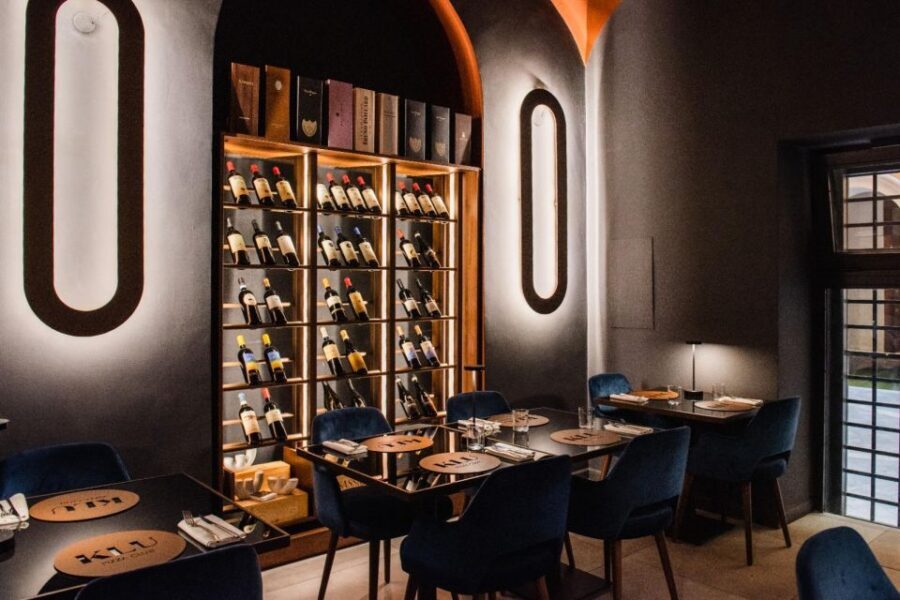
- Cozy central pizzeria atmosphere where you can chat with other participants
Why This Neapolitan Pizza Lesson Feels Like Rome
Rome can be loud, crowded, and full of plans that compete for your time. This class cuts through that. In about an hour, you’re inside a pizzeria world where the smell of yeast and hot oven heat does the talking. You’re not trying to decode a menu. You’re making something iconic with the people who treat pizza like a craft.
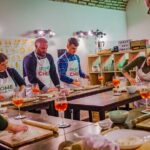
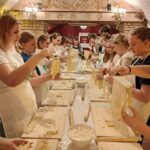
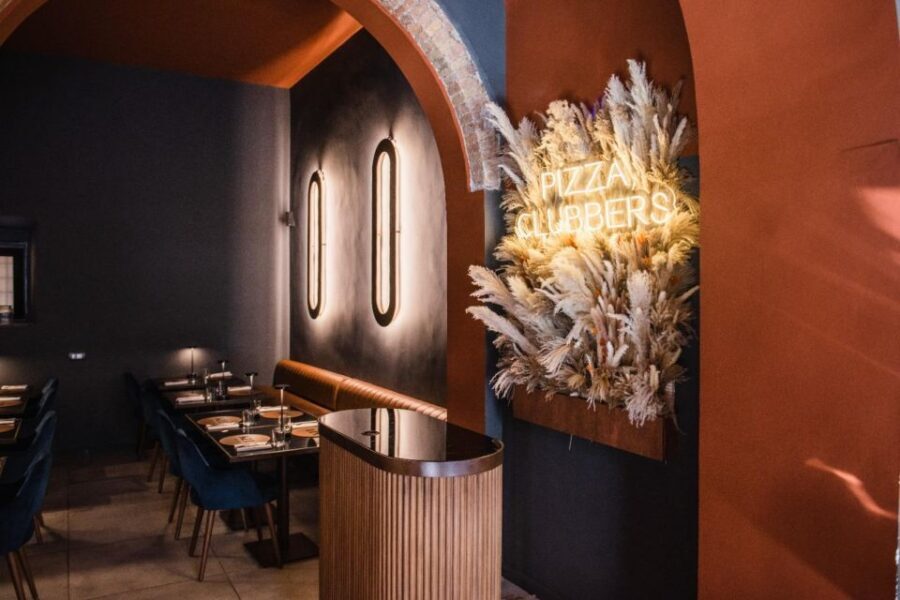
What makes it especially Roman is the setting. You meet right in front of the pizzeria and step into a cozy, lively space built around food and conversation. You’ll likely find yourself sharing small moments with fellow participants as you work. That social part matters more than it sounds. When you’re kneading dough and laughing about sticky fingers, you stop thinking of it as a booked activity and start thinking of it as part of your day.
Also, it’s Neapolitan pizza. That’s not just a label. The whole format is built around the basics that separate good pizza from great pizza: correct dough handling, smart use of ingredients, and the right baking method in a wood-fired oven.
You can also read our reviews of more cooking classes in Rome

Where the Class Starts: Meeting In a Real Pizzeria
You’ll meet the group in front of the pizzeria. The welcome is handled by the Neapolitan chef, and the whole thing runs from there without a bunch of wandering around. The activity ends back at the meeting point, so you don’t need to reorganize the rest of your day afterward.
A couple practical details help you enjoy it more:
- Arrive 15 minutes early so you’re not rushed before you even start.
- Wear comfortable clothes you don’t mind getting a bit dirty. Dough gets everywhere.
- Plan on using the separate entrance to skip the line.
Those sound minor, but they change the experience. If you arrive stressed, you’ll feel it during the kneading stage. If you arrive ready to get flour on your sleeves, you’ll focus on learning.
And if you’re bringing mobility needs, this experience is wheelchair accessible, so it’s set up with that in mind.
The 60-Minute Flow: What You’ll Do Step by Step
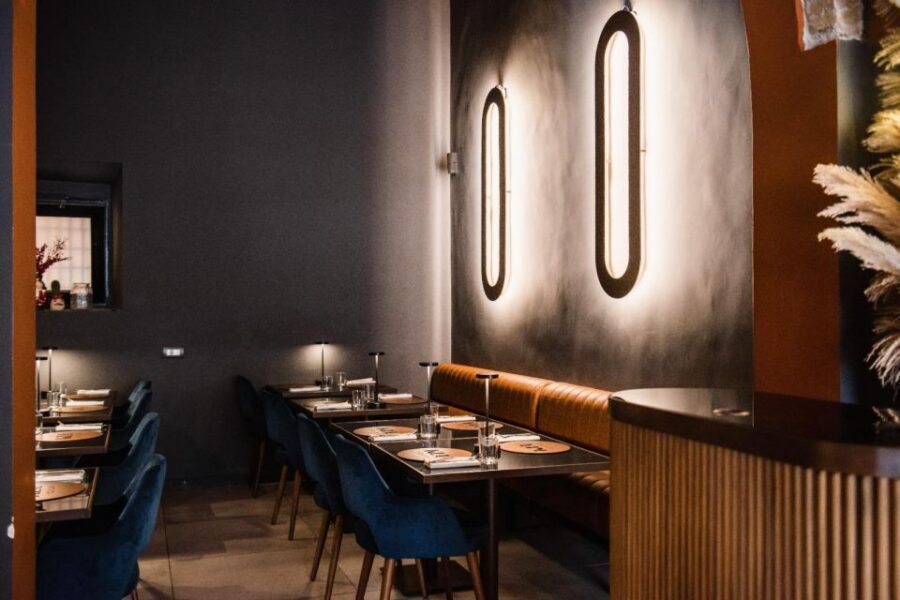
This is not a long, slow cooking course. It’s a focused, one-hour workshop with a clear flow: instruction, hands-on dough work, your pizza going into a wood-fired oven, then tasting what you made.
Here’s the shape of the session:
- Welcome and practical lesson with your instructor (English and Italian support).
- Kneading and stretching the pizza dough, using professional equipment and guidance.
- Selection and handling of fresh ingredients for your pizza.
- Baking in a traditional wood-fired oven.
- Tasting your freshly prepared pizza with a drink.
That short format is actually a value play. For $52 per person, you’re paying for ingredient use, professional setup, guided technique, and a meal. You’re not paying for a half-day event where you mostly watch.
From Kneading to Stretching: The Skill You’ll Remember
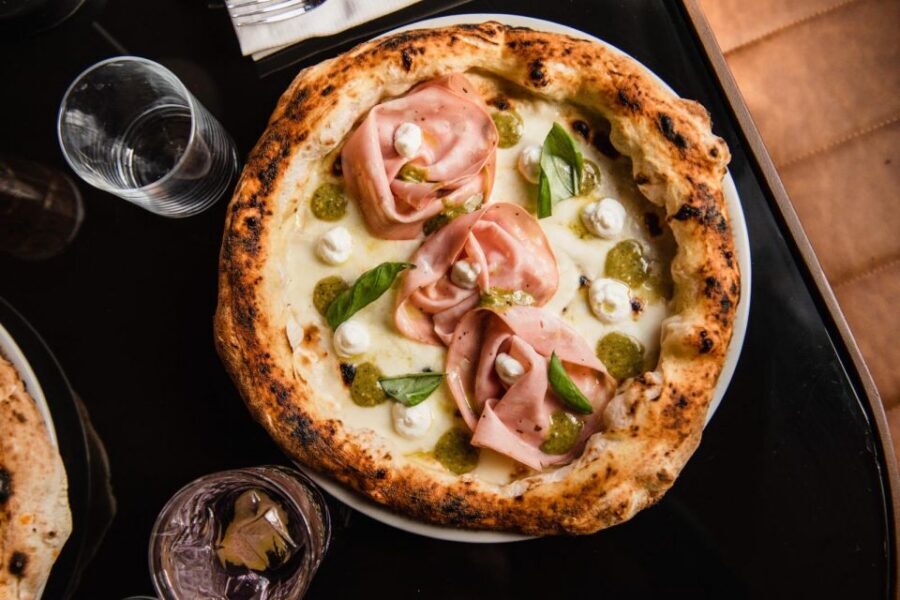
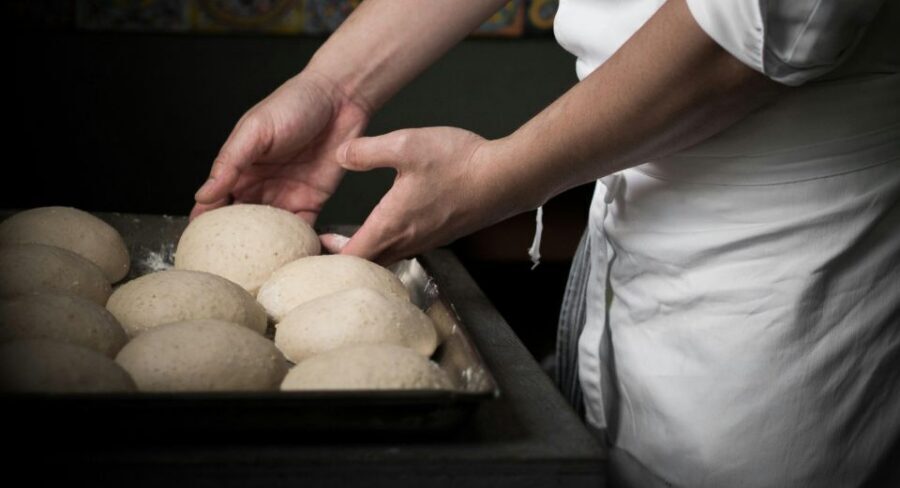
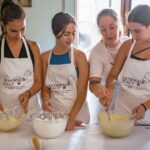
The heart of the class is the dough work. You get the chance to knead the soft, fragrant dough and then stretch it with skill and precision. This is where pizza becomes more than food and turns into technique.
Why this matters: lots of pizza experiences stop at topping choice. But dough is the foundation. When you learn how dough should feel and how stretching works, you understand why one pizza tastes chewy and flavorful while another tastes flat or doughy.
During your lesson, you’ll be guided on the basic method and how to handle the dough without overworking it. You’re also surrounded by the smell and pace of a working pizzeria, not a classroom kitchen. That background atmosphere helps you stay focused and pick up “how it should feel” information, which you can’t get from a recipe card.
Pro tip for you: keep your mindset simple. Don’t fight the dough like it’s being difficult. Treat it like it’s alive and responsive. If it shrinks or resists, that’s usually a sign you need to adjust your handling. In a guided class, you can fix that fast.
Toppings and Ingredients: Why Fresh Matters Here
The class includes a selection of fresh, high-quality ingredients, plus all necessary ingredients for your pizza. The instructor also gives context about why ingredient quality matters, which helps you make better choices later—even if you never return to this oven.
In real Neapolitan pizza, the ingredient story is simple: fewer toppings, better ingredients, and a balanced approach. This course follows that thinking by focusing on proper dough plus carefully chosen toppings rather than turning your pizza into a random buffet.
You’ll also notice that the equipment is professional and that the setup is designed for actual pizza-making. That’s important because it changes your results. If you’re using the right tools and baking in the right kind of oven, the “why” becomes clear quickly.
And if you want a vegetarian pizza, vegetarian options are available. Just notify the provider in advance so they can prepare accordingly.
You can also read our reviews of more tours and experiences in Rome

Wood-Fired Oven Time: Watching It Bake Is Part of the Meal
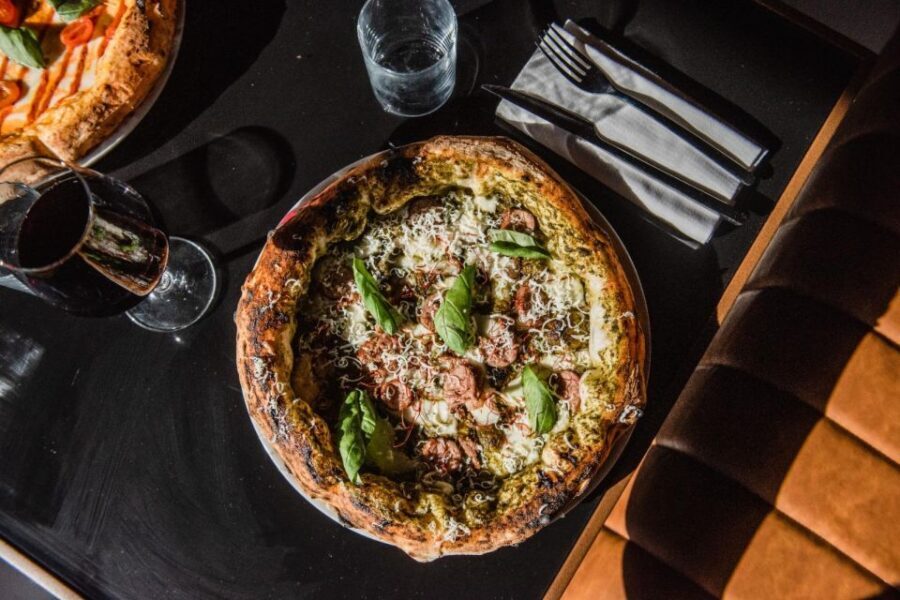
Baking is the payoff moment. You’ll bake your pizza in a traditional wood-fired oven. That’s not just romantic branding. Wood-fired ovens create a specific kind of heat environment that helps dough develop structure and flavor quickly.
In your class, you go from hands-on dough work to the oven without a long wait. Then you get to taste the fruits of your labor—pizza that’s freshly prepared and hot enough to understand why people obsess over this dish.
The moment you take the first bite is also the moment you learn. Suddenly, all the technique steps have a sensory reason: why stretching matters, why the bake matters, and how the balance of ingredients shows up on the palate.
If you’re worried you won’t “do it right,” don’t. A guided class is built for learning, and you’re using fresh ingredients and professional equipment. Your goal is progress, not perfection.
History and Tradition: What You Learn Beyond the Dough
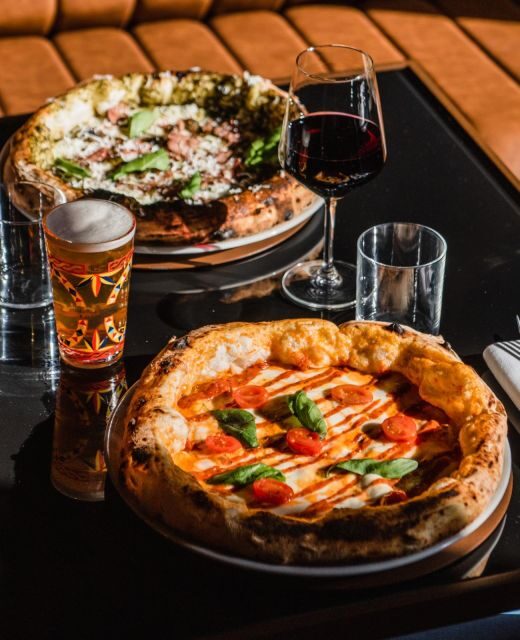
You don’t just get technique. The lesson includes expert guidance on the history and traditions surrounding this iconic Italian dish. You’ll learn about what makes Neapolitan pizza special and why certain methods and ingredient choices are treated as standards.
This is valuable because it turns your pizza into context, not just a finished product. When you know the tradition behind the process, you can explain what you’re tasting and what you’re trying to recreate later.
For example, you’ll likely pick up that pizza isn’t only about toppings. It’s about craft. It’s about dough handled a certain way, baked with a certain kind of heat, and served with an understanding of what “good” should taste like.
That kind of knowledge makes the experience more than a one-off meal. It turns into a small travel souvenir you can use.
Wine or Craft Beer Included: Eating Like a Local After Cooking
After baking, you’ll enjoy your pizza tasting it straight from the wood-fired oven. And you’ll get a drink: one glass of local wine or a craft beer included.
This matters for two reasons. First, it makes the experience feel complete. You don’t cook, then wander off hungry. Second, it creates a natural pace. When you’re done with dough and baking, you can slow down and enjoy the meal while conversation starts with ease.
Also, alcohol isn’t the whole event. The drink is part of the social setting. The real focus remains pizza and the technique you learned.
Price and Value: Is $52 Worth It
Let’s talk money plainly. At $52 per person for a 1-hour class, you might wonder how much instruction and how many “extras” you’re really getting.
Here’s what your price is actually covering, based on what’s included:
- A practical lesson with authentic Neapolitan pizza makers
- Professional equipment and fresh ingredients
- Kneading and stretching instruction
- Pizza baked in a traditional wood-fired oven
- Your own handmade pizza plus a tasting of freshly prepared pizza
- One drink: local wine or craft beer
Then there’s what you’re not paying for: additional food and drinks, plus transportation to and from the pizzeria.
So is it good value? In my view, yes, if you want a hands-on food experience rather than a generic tasting. The included pizza alone is more than a snack. Add the instructor time, ingredients, and oven baking, and it starts to look like a very fair setup for Rome.
The biggest “value test” for you: if you’d be happy paying for a real meal and a short cooking lesson in a small pizzeria, this fits. If you only want sightseeing and prefer to avoid getting your hands messy, you might want a different plan.
Who Should Book This Pizza Class in Rome
This class works best for people who want a tangible experience in a limited time window. It’s ideal for:
- Food lovers who want more than eating
- Couples and solo travelers who enjoy interactive lessons
- Families who want an easy-to-follow activity (the atmosphere is set up to be friendly and welcoming)
- Anyone who wants Neapolitan pizza technique in a single hour
It may not be the best choice if:
- You hate messy hands and flour risk
- You’re only interested in long guided tours or big landmark time
- You want a very heavy history lecture (history is included, but it’s tied to pizza-making rather than a full talk)
If you fall into the “I want to do something hands-on in Rome” group, you’ll probably feel like you got your money’s worth.
Practical Tips Before You Go
A few small prep moves can make a big difference:
- Bring clothes you don’t mind getting dough and flour on.
- Arrive 15 minutes early so you can get settled without stress.
- If you need a vegetarian option, tell them in advance.
- Expect the class language to include English and Italian, with instruction delivered in those languages.
- The activity ends back at the meeting point, so plan your next stop nearby.
One more practical note: transportation isn’t included. If you’re using public transit or a taxi, give yourself enough time to arrive early and avoid late-meeting stress.
Should You Book This Rome Pizza-Making Experience?
If you want a high-satisfaction, low-stress Rome food experience, I’d book it. You get expert instruction, real Neapolitan technique, wood-fired baking, and the best part: you eat the pizza right after making it. For $52 in a 1-hour slot, it’s hard to beat the mix of hands-on learning and an included meal.
Book it if you’re curious about how dough should be handled and you’d enjoy a cozy pizzeria atmosphere where people actually talk. Skip it if you’re looking for only sightseeing or you dislike getting a little messy.
If you’re even slightly on the fence, think about this: in Rome, a good pizza is easy to find, but an actual pizza-making lesson with the wood-fired bake and instructor guidance is much rarer.
FAQ
How long is the cooking class?
The class lasts 1 hour.
Where do we meet for the activity?
You meet in front of the pizzeria, where you’re welcomed by the Neapolitan chef.
What drinks are included?
One glass of local wine or a craft beer is included.
Is food included?
Yes. Your freshly prepared pizza is included, and you can taste what you make.
Are vegetarian options available?
Vegetarian options are available. You should notify the provider in advance if you want one.
Is transportation included?
No. Transportation to and from the pizzeria is not included.
Is the class wheelchair accessible?
Yes, the experience is wheelchair accessible.