REVIEW · ROME
Rome: Catacombs and Capuchin Crypt Guided Tour with Transfer
Book on GetYourGuide →Operated by the tour guy · Bookable on GetYourGuide
Rome has a bone church and a dark secret. On this tight, guided circuit, you’ll get the Capuchin Crypt (bones of thousands of friars) plus underground catacombs tied to early Christianity. I love that the tour is short enough to fit into a packed Rome schedule, and I love the air-conditioned round-trip transfer that keeps the logistics painless. One heads-up: the pace is brisk, and once you’re underground, space and audio can feel tight.
The guide quality makes a big difference, and this tour often delivers that. I’ve seen guides like Maria, Monica, David, and Fiona cited for making the history clear, then sprinkling in the little things you’d miss on your own—like what to look for before you descend.
In This Review
- Key things to know before you go
- Rome’s Capuchin Crypt: the bone chapels experience
- Getting to the catacombs smoothly from central Rome
- Descending into the catacombs: St. Callixtus and the underground world
- Appian Way and the Aurelian Walls: why the “route” matters
- VIP after-hours: when the catacombs feel quieter
- Timing, duration, and where the day can feel rushed
- Price and value: is $41 a fair deal?
- What to wear (and what not to) before you get turned away
- Who should book this tour, and who should skip it
- Should you book it?
- FAQ
- Where does the tour start?
- How long is the tour?
- Which sites are included?
- Is photography allowed?
- What should I wear to avoid problems at entry?
- Is the VIP after-hours option different?
Key things to know before you go
- Capuchin Crypts with ossuary bone chapels: you’ll move through the bone-chapel rooms and learn how it became a visual lesson about life and death.
- Catacombs that can vary by opening days: you’re set for major sites such as St. Callixtus, and sometimes it’s another major catacomb complex like St. Sebastian’s.
- Appian Way and the Aurelian Wall, even if it’s brief: you’ll pass key landmarks so the “underground story” lands in its proper setting.
- Skip-the-line entry to the Capuchin Crypts: fewer stalls at the start helps the rest of the tour feel less rushed.
- Radio system is part of the experience: it usually helps a lot, but tight underground conditions can still make it tricky if you’re far from the guide.
- Dress rules are real: shoulders and knees must be covered, and photography is not allowed inside religious sites.
Rome’s Capuchin Crypt: the bone chapels experience
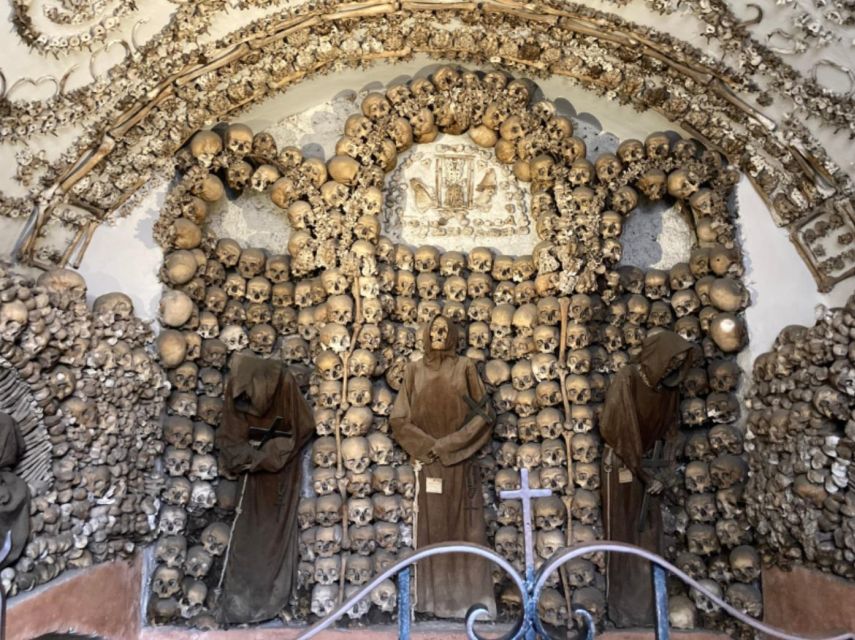
Let’s start with the star of the show: the Capuchin Crypts, sometimes called the bone church. You’re stepping into an ossuary built from the remains of Capuchin friars, arranged into decorative scenes and organized rooms. Yes, it’s eerie. But it’s also oddly disciplined—less random spooky than a curated statement about mortality.
Your guide will frame it in a way that makes the bones make sense. You’ll hear how and why the crypt was developed into a bone-decorated space, then you’ll move through the so-called five bone chapels. The effect is visual and immediate. You’ll see how human remains were turned into a kind of chapel art—an unsettling idea, but an unforgettable one.
What I like about this stop: it’s not just a photo-op trap. A good guide helps you slow down and notice patterns in the way the remains are displayed, so you’re not only thinking, Wow bones!, you’re thinking, How did this become a place of meaning?
Possible drawback: because it’s popular and time is finite, you may feel a bit “managed” through the rooms. In other words, it’s not the kind of site where you can wander for hours. Plan to take in what the guide points out, then let it land.
You can also read our reviews of more tours and experiences in Rome.



Getting to the catacombs smoothly from central Rome
A big part of the value here is that you’re not wrangling public transit out to the Appian Way and into the suburbs. You meet near Piazza Barberini (with a listed alternate at Fontana del Tritone), then you ride in an air-conditioned vehicle to the next stops.
This matters in Rome, where traffic and spacing can turn a simple outing into a stressful one. Here, the transfer is built into the tour, including back to your drop-off near central Rome (with possible stops at Piazza Barberini, Fontana del Tritone, or Santa Maria in Cosmedin). You also won’t be stuck guessing where you end up—at the end, you’re dropped back where it’s practical to grab a bite or continue exploring by transit.
What to watch: hotel pickup and drop-off are not included, so you’ll start and finish at the tour’s meeting and drop-off points. Also, if you’re sensitive to audio, keep in mind that radio equipment is used. Most days it works well, but in real-world traffic and enclosed vehicle routes, reception can occasionally get weird.
Descending into the catacombs: St. Callixtus and the underground world
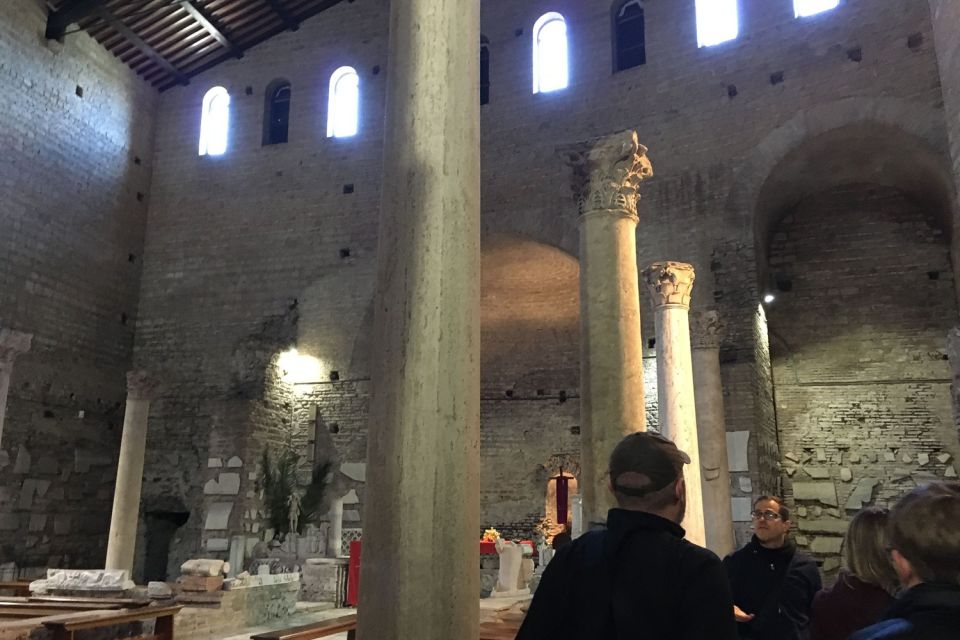
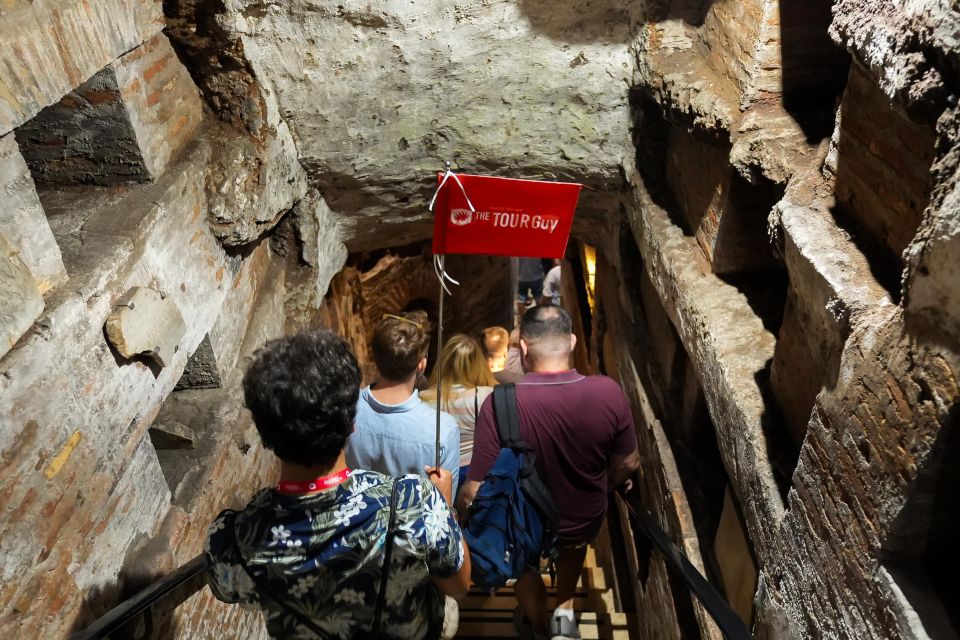
After the Capuchin Crypt, the tour shifts from bone chapels to a larger, older underground cemetery system. You’ll have a chance to look at parts from ground level before descending, which helps you orient fast. Then you’ll go below into the catacombs themselves—an extensive network tied to early Christians and burial traditions.
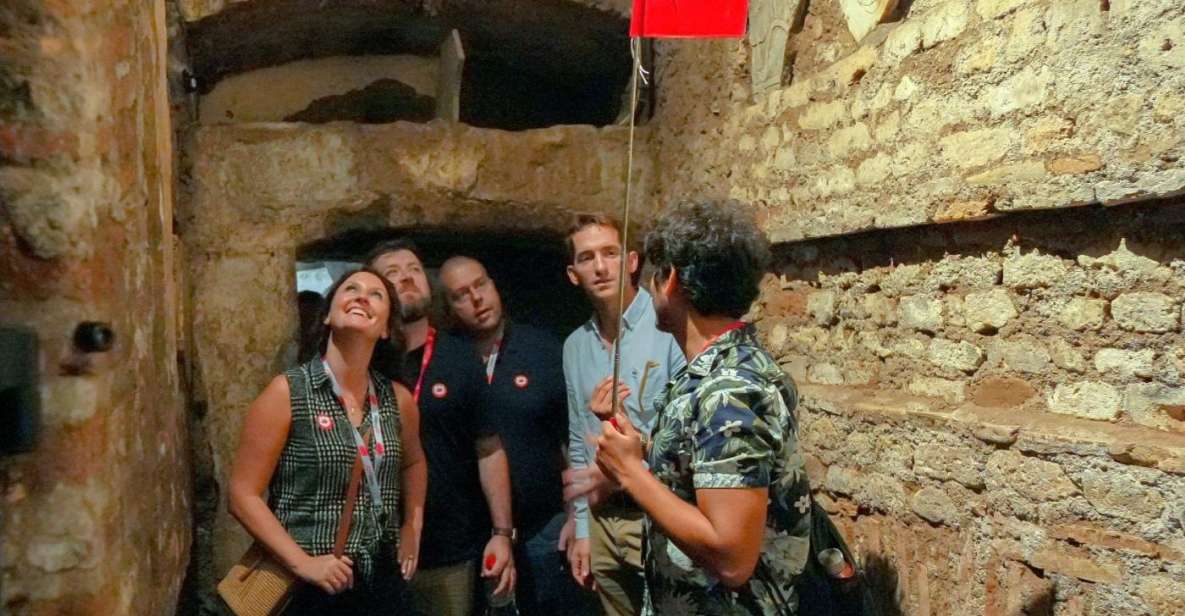
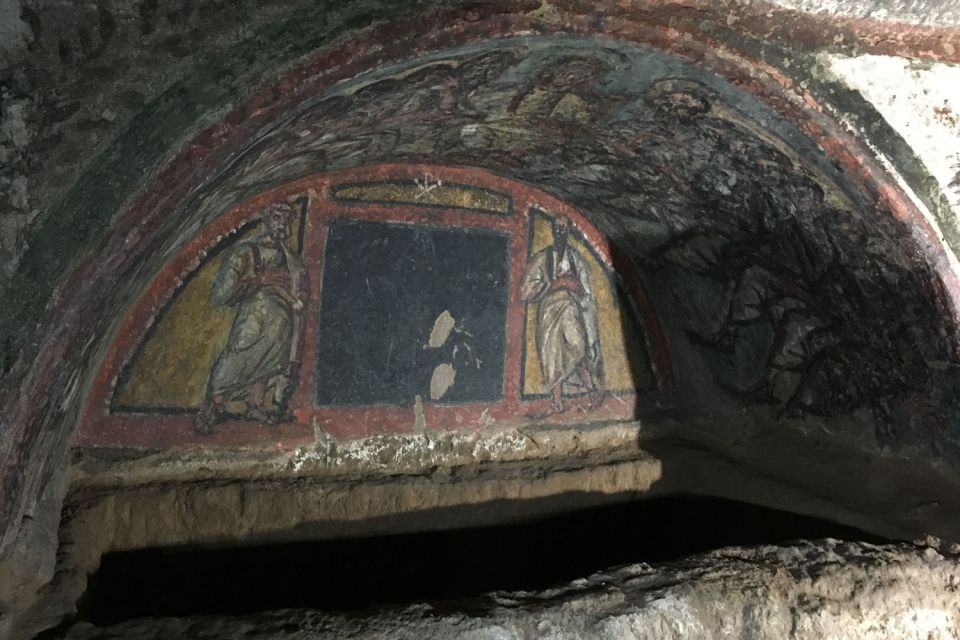
The catacombs portion is usually guided, and you’ll hear about the martyrs and pontiffs laid to rest there. You’ll also get a look at preserved paintings and the crypts connected with popes from the 3rd century. It’s one of those experiences where your brain keeps asking, How are these so intact?
What makes the catacombs special: unlike many museums, you’re not just viewing objects behind glass. You’re walking through burial spaces shaped by centuries of use. Rows of carved niches and corridors can feel repetitive at first—until your guide points out what matters: specific carvings, painted sections, and how different areas relate to different figures and time periods.
A practical drawback to consider: these tunnels are enclosed, and the experience is physically paced. The tour is also not suitable for people with claustrophobia, and the walking is real enough that it’s not designed for mobility impairments or wheelchair use. Even if you’re generally fine with walking, it’s smart to bring expectations that the underground portion is cramped and dim.
Appian Way and the Aurelian Walls: why the “route” matters
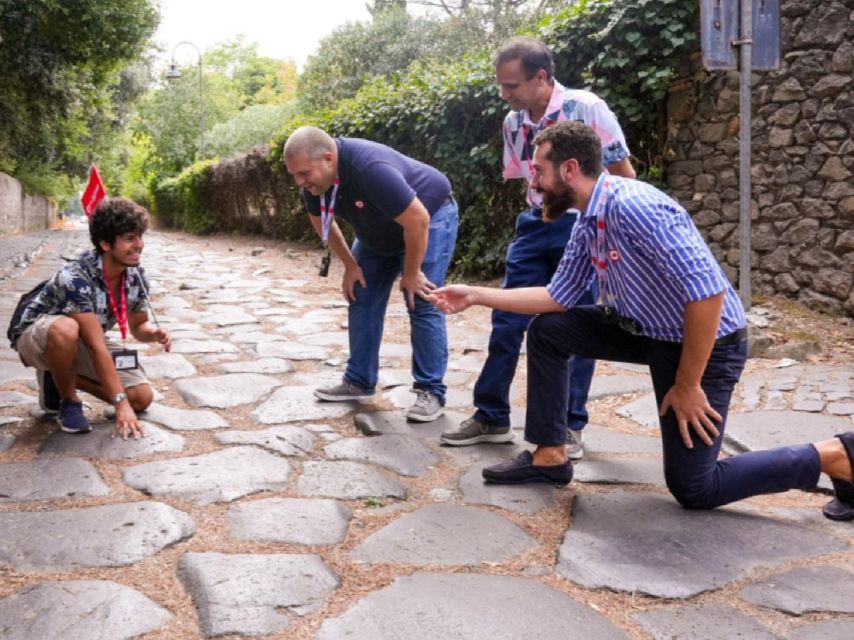
One underrated part of this tour is what you do on the way back. Even though the Appian Way and the Aurelian Wall are mostly “pass-by” moments, they help you connect the underground world to the Rome above it.
The Appian Way is presented as a crucial Roman artery—an important route in the Roman Empire. You’ll also pass the Aurelian Wall, which brings another layer to the story: Rome didn’t just have neighborhoods and monuments. It had defenses and boundaries, and those shaped how people lived, traveled, and buried their dead.
Why this is valuable for you: when you only see the crypts and catacombs, it can feel like a sealed-off museum. The brief surface stops reattach the experience to real geography, so your mental map of Rome becomes more coherent.
VIP after-hours: when the catacombs feel quieter
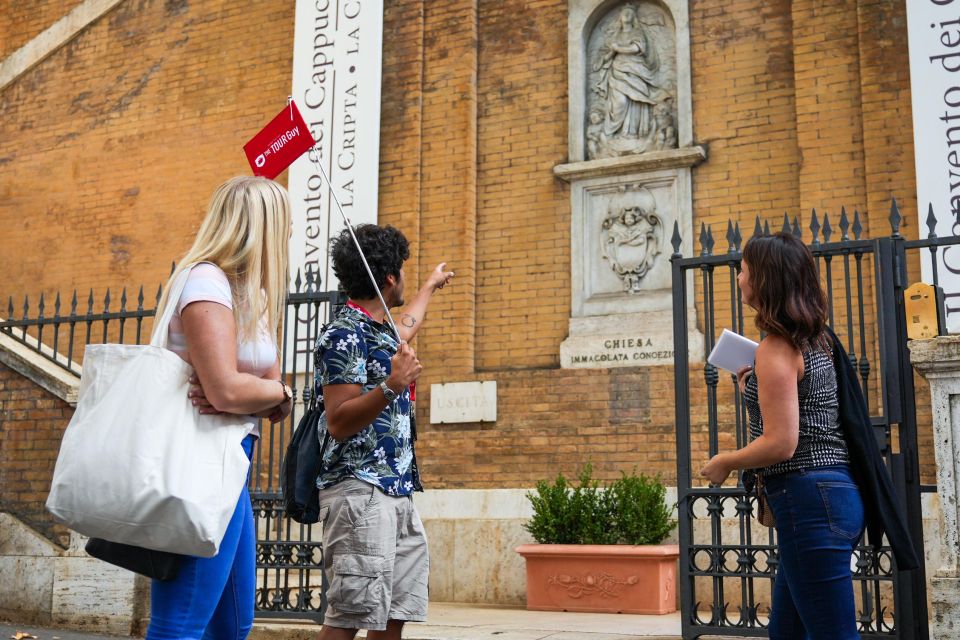
If you pick the VIP After-Hours option, you’ll trade some total time for a very different vibe. The VIP version is shorter (about 2.5 hours versus 3.5 for daytime) and is designed as last-entry access to the Capuchin Crypts and after-hours exploration of the catacombs.
That means fewer crowds and a slower emotional build. When the light changes and the site shifts into an after-hours rhythm, the whole experience can feel more personal and less like you’re moving with a crowd flow.
Who should consider VIP: if you hate squeeze-and-shuffle tourism, or you want the catacombs to feel less busy, this is the better fit. If you’re okay with a faster pace and just want the must-sees, the standard daytime tour is still a strong choice.



Timing, duration, and where the day can feel rushed
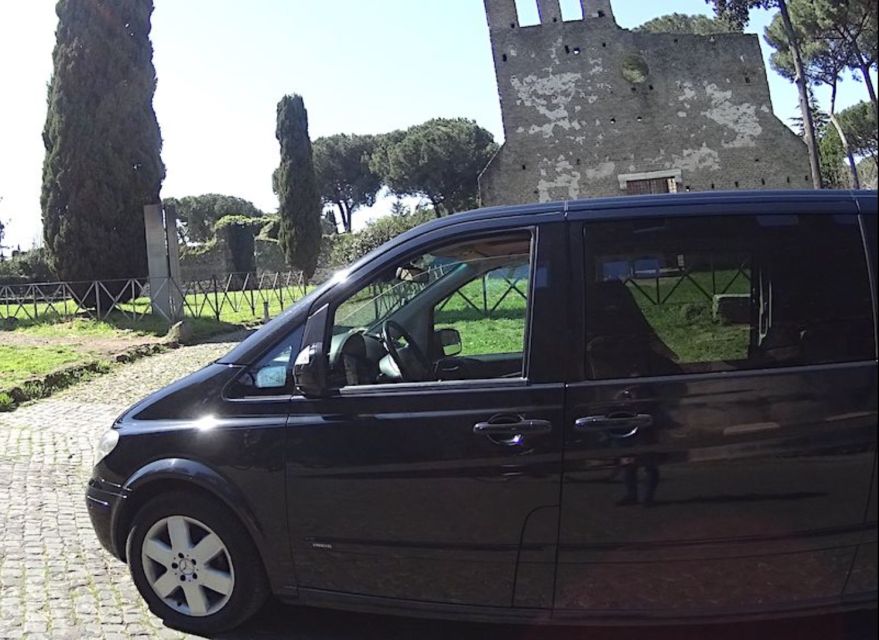
The day’s built around a sequence that keeps you moving: Capuchin Crypts (about 50 minutes), then transportation, then a guided catacombs visit (about 1 hour), plus more transfers and quick pass-by stops.
So yes, it can feel “on schedule.” That’s not a flaw if you like efficient sightseeing. But it can be a drawback if you want long, reflective time in one place.
Here’s how to make it work for you:
- At the Capuchin Crypt, pay attention to what your guide points out, even if you feel like you’ve already seen the headline bones.
- In the catacombs, plan to listen first, then look. It’s easier to notice what matters once someone gives you the map of meaning.
Price and value: is $41 a fair deal?
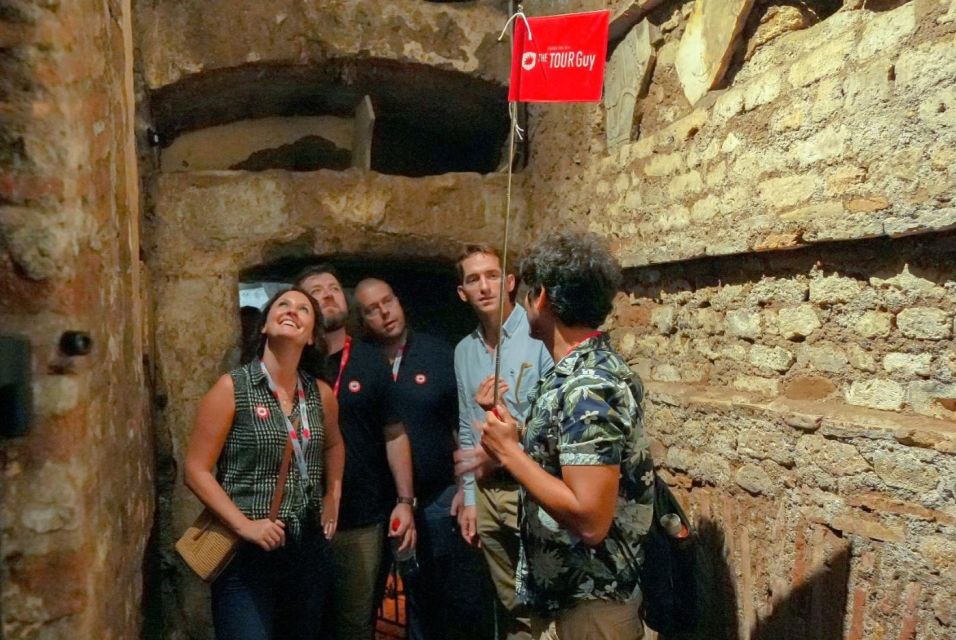
At about $41 per person, this tour is priced for short, guided access rather than a full-day itinerary. The value is strongest when you consider what’s included: guided visits to the Capuchin Crypts and Roman catacombs, skip-the-line entry for the crypts, and round-trip transportation by air-conditioned vehicle from central Rome (when you choose the transfer option).
If you tried to assemble this on your own, you’d likely spend time coordinating tickets, transit, and entry timing—then you’d still be stuck figuring out what you’re looking at underground. Paying for a guide here isn’t about paying extra to be entertained. It’s about buying context fast, especially in sites where the details matter.
My take: for the combination of two major “must-see” underground experiences plus transportation, the price feels reasonable for most budgets, especially if it’s your first or only shot at catacombs while you’re in Rome.
What to wear (and what not to) before you get turned away
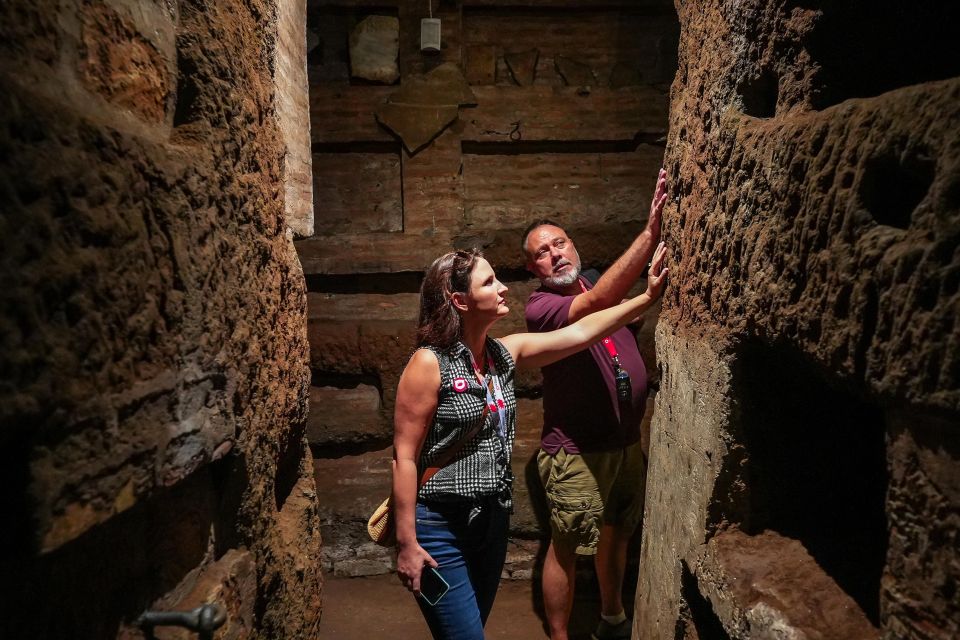
This tour is in religious spaces, so rules are not suggestions. Cover shoulders and knees, or you can be refused entry. That also means no shorts and no sleeveless shirts.
Photography is not allowed inside the sites, so don’t plan on capturing everything on your phone. Bring comfortable shoes—this is walking, and you’ll be doing it on uneven or underground surfaces. If you’re going in warm months, sunscreen helps. In spring or autumn, a light jacket is smart.
Quick reality check: if you’re the type who dresses for comfort but hates dress codes, this is one of those tours where comfort and rules can conflict. Plan your outfit accordingly, and you’ll avoid the stress at the door.
Who should book this tour, and who should skip it
This is a great match if you:
- Want a guided introduction to early Christian Rome in a way that’s faster than planning multiple independent tickets.
- Like history with atmosphere—yes, the tone is spooky, but it’s also instructional.
- Appreciate the convenience of air-conditioned transfers between distant sites.
It’s not the best choice if you:
- Have claustrophobia or strong anxiety about enclosed spaces.
- Need wheelchair access or special walking support (this tour doesn’t accommodate wheelchairs or walking impairments requiring assistance).
- Are bringing strollers or baby carriages (strollers are not allowed).
If you’re traveling with kids, note that children must be seated and car seats are available on request with advance notice. That’s the kind of detail you should handle early rather than assuming.
Should you book it?
If you want one smart, efficient way to experience Rome’s most memorable underground sights—the Capuchin Crypts and major catacombs—this tour is easy to recommend. The skip-the-line entry, the guided context, and the air-conditioned transfers make it low-friction. And if you get a guide with a strong delivery (people commonly mention Maria, Monica, David, Fiona, and others), the experience clicks fast.
I’d skip it if you hate dress-code rules, can’t handle tight underground spaces, or you’re hoping for a leisurely, wander-at-will pace. For everyone else, it’s an intense few hours that will stick with you long after you’re back on the street.
FAQ
Where does the tour start?
You’ll meet your guide near Piazza Barberini, with an alternate listed meeting option at Fontana del Tritone.
How long is the tour?
The tour lasts about 2.5 to 3.5 hours, depending on the option and availability.
Which sites are included?
You’ll visit the Capuchin Crypts and then tour Roman catacombs. The catacombs site can vary depending on opening days, and you’ll also pass by the Appian Way and the Aurelian Walls.
Is photography allowed?
No. Photography is not allowed inside the religious sites visited.
What should I wear to avoid problems at entry?
Cover your shoulders and knees. Shorts and sleeveless shirts are not allowed.
Is the VIP after-hours option different?
Yes. The VIP After-Hours Tour is shorter (about 2.5 hours) and includes last-entry access to the Capuchin Crypts, plus after-hours exploration of the catacombs with an expert guide.