REVIEW · POMPEII
Private Tour of Pompeii
Book on Viator →Operated by Enjoy Pompeii · Bookable on Viator
Pompeii is more powerful with context.
This private Pompeii tour is built for one clear goal: understanding how people lived in this Roman city before Vesuvius changed everything in AD 79. You’ll have a guide who keeps the story moving as you walk the western part of the archaeological site, and you can book your preferred date online for a smooth start.
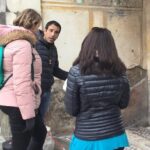
What I like most is the Q&A time. A private guide means you can stop and ask real questions—what you’re seeing, why it matters, and how daily life worked in the buildings you pass. I also love the focused route: you’re not just wandering, you’re learning what to look for.
One catch: entry tickets aren’t included, so you’ll want to sort that ahead of time. And since the experience depends on good weather, plan for flexibility if conditions are rough on the day.
In This Review
- Key highlights to know before you go
- Private Pompeii in 2h15: the format that makes sense
- Meet at Ristorante Bar Sgambati and plan your timing
- What “western Pompeii” means on the ground
- A guide who explains life before AD 79
- Basilica and Forum: where civic life happened
- Thermal baths and the texture of daily life
- Bakery stop: food, labor, and the city’s rhythm
- Residential houses: reading domestic life without guessing
- How the tour avoids the worst parts of Pompeii time-wasting
- Admission ticket not included: don’t let it steal your day
- Pace after the guide: stay on site if you want more
- Price and value: $298.37 per group up to 10
- Who this Pompeii tour fits best
- Should you book this Pompeii private tour?
- FAQ
- Is this tour private?
- How long is the Private Tour of Pompeii?
- Is the Pompeii admission ticket included?
- What language is the tour offered in?
- Where does the tour start and where does it end?
- Do I get a mobile ticket?
- What happens if the weather is poor?
Key highlights to know before you go
- Private group up to 10: less waiting, more attention, and better conversation at Pompeii’s busy paths
- 2h15 route through the western city: you’ll hit major anchors like the Basilica and Forum without racing
- AD 79 storytelling before you walk: the eruption becomes easier to understand once you see daily life first
- Ask questions as you go: your guide can answer on the spot instead of saving questions for later
- Stay after the tour if you want: you can extend your visit at the site on your own time
Private Pompeii in 2h15: the format that makes sense
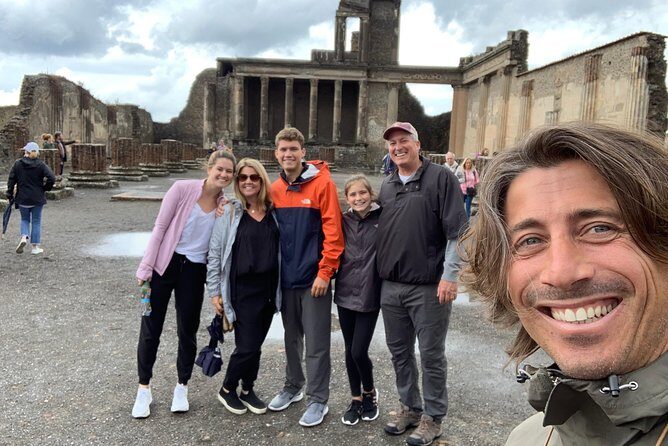
Pompeii can overwhelm you fast. One minute you’re staring at stones; the next you’re wondering what anything was for. This is why I like this style of tour: you get a guided route that turns the ruins into a place people actually lived.
You’re looking at a 2 hours 15 minutes experience, so it’s long enough to make sense of the big layouts, but short enough that you’re not totally cooked before midday. It’s also private, which matters here because Pompeii doesn’t run on “casual strolling” energy.
You can also read our reviews of more private tours in Pompeii


Meet at Ristorante Bar Sgambati and plan your timing
Your meeting point is Ristorante Bar Sgambati, Via Villa dei Misteri 1, 80045 Pompei NA, Italy. It also says the start is near public transportation, which is a relief if you’re not driving.
Because your visit starts at an exact time (and it’s a private booking), I’d give yourself a little buffer to find the spot and settle in. Once the tour begins, you’ll be moving through the archaeological park rather than hanging around a desk.
Also note: you receive a mobile ticket, and confirmation comes at booking. That’s helpful if you want less back-and-forth before the big day.
What “western Pompeii” means on the ground
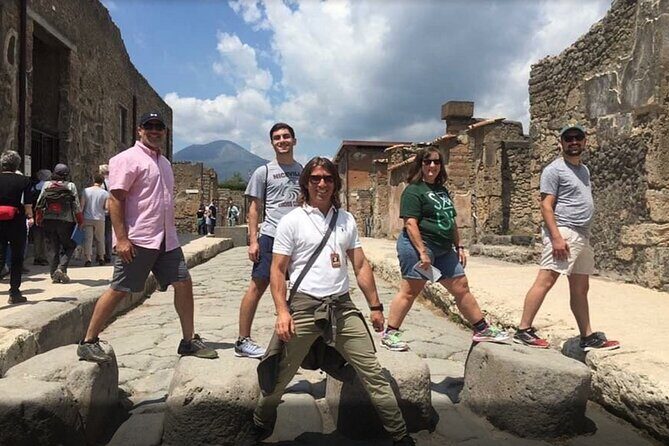
The walk focuses on the western part of the city, following your archaeological guide through key structures. That’s a real advantage because Pompeii is huge, and if you try to cover everything alone, you spend more time choosing paths than understanding what you’re seeing.
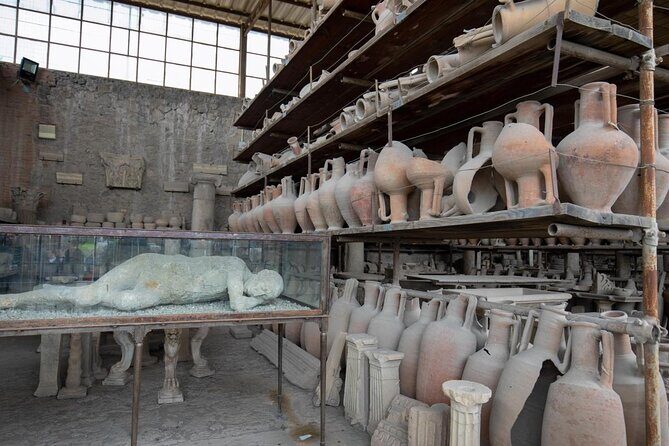
Expect to observe buildings and structures such as the Basilica, the Forum, thermal baths, a bakery, and some residential houses. The wording here matters: you’re not promised every single monument, but you are promised a guided selection that gives you a coherent picture of how the city functioned.
In practice, a focused route means you can slow down at the stops that matter. You’ll also be less likely to get lost in the “this looks impressive, but what is it?” fog.
A guide who explains life before AD 79
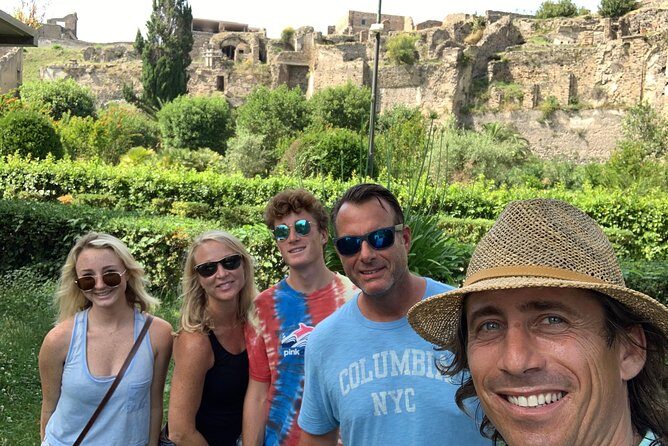
The big story at Pompeii is the eruption of Vesuvius in AD 79—but the smart way to experience it is in reverse. This tour’s rhythm is about hearing tales of Pompeii before the catastrophic moment, so when you stand in the ruins, you can picture them full of noise, routine, and ordinary decisions.
Your guide is an archaeologist guide, and you’ll be able to ask questions as you explore. I find that to be the difference between seeing ruins and actually understanding them. You’ll likely hear explanations tied to architecture and everyday function, not just dates and names.
One pattern that shows up in excellent guide experiences is humor and storytelling that keeps attention. In past Pompeii bookings, guides like Frenky/Frankie, Sasa/Sasha, Anna, Melana, and Francesco have been praised for making the site feel alive and answering questions with depth. You might not control the guide you get, but you can choose this format because it attracts exactly that kind of teaching style.
Basilica and Forum: where civic life happened
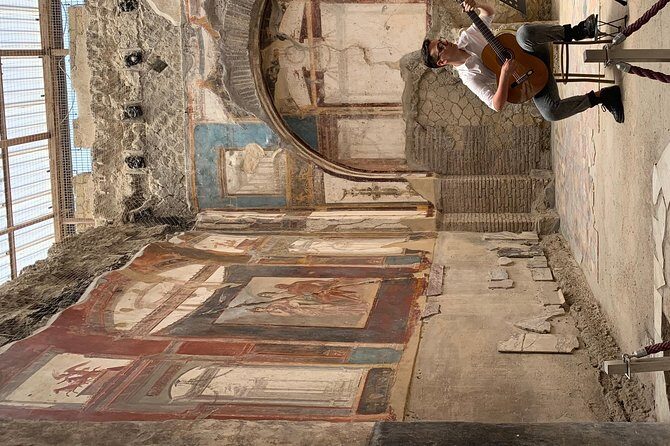
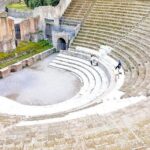
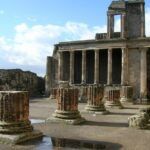
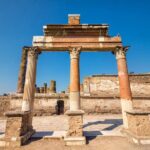
When you reach the Forum and Basilica, you’re stepping into the center of public business. Even if you don’t know Roman terms yet, these spaces are designed to communicate power, order, and community. With a good guide, you stop seeing them as “big empty rooms” and start seeing how people used them.
Here’s what I think is worth paying attention to during the stops:
- How the space connects to movement through the city
- How buildings like the Basilica support gatherings and administration
- What materials and layouts suggest about public access and activity
The tour is designed to keep you oriented, so you don’t have to constantly ask, “Which direction am I supposed to be going?” That’s a small thing until Pompeii gets crowded, and then it becomes everything.


Thermal baths and the texture of daily life
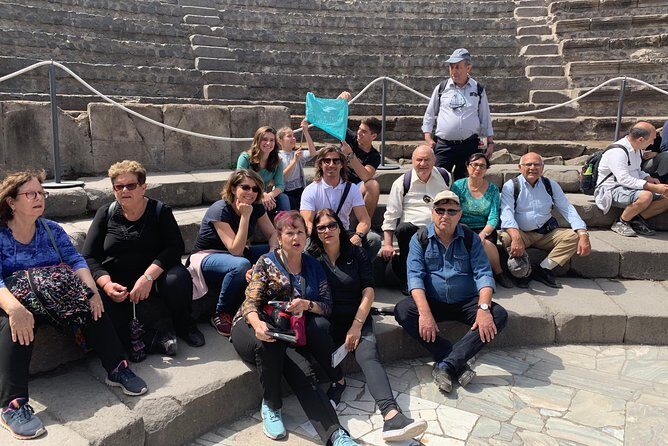
The inclusion of thermal baths is a strong choice. Baths weren’t just for hygiene; they were social spaces, and they reveal a lot about routine—who went, what people did, and what “leisure” meant in that world.
On a guided route, the baths can also serve as an easy anchor for understanding the rest of the city. Once you grasp the logic of bathing spaces, other buildings start to feel more practical and less mysterious.
If you like details, keep an eye out for how different areas inside the baths were used. Your guide should be able to translate the physical layout into day-to-day meaning.
Bakery stop: food, labor, and the city’s rhythm

A bakery stop can be surprisingly emotional. Food is basic, and Pompeii makes it feel close to home because you can imagine the work behind every loaf.
This is also one of those moments where a guide’s explanation turns stones into a working system. You’ll be able to connect the bakery to the city’s supply and labor needs, which helps the whole route feel less like a list of sights and more like a functioning place.
I like this kind of stop because it breaks up the “big ceremonial buildings” pattern. It adds balance.
Residential houses: reading domestic life without guessing

The tour includes some residential houses, and that’s where your guide’s interpretation really matters. Without context, domestic spaces can look like vague room ruins. With context, you can understand how rooms related to each other and what kinds of everyday activities likely took place there.
For you, this means you’ll get more out of the houses than a quick peek. You’ll likely be thinking about:
- How family life fit into the layout
- What domestic spaces tell you about status and daily routine
- How the city’s public spaces contrasted with private life
Your guide’s job here is to prevent you from filling in the blanks with imagination. That’s not about being boring—it’s about helping you see patterns with confidence.
How the tour avoids the worst parts of Pompeii time-wasting
Pompeii has crowds and bottlenecks. A private guide can’t erase that reality, but the route planning and pacing help. In past experiences with guides like Frankie/Frentky and Sasa, people have described the tour as moving in ways that avoid heavy crowd crush and keep the group fun and focused.
There’s also the small-group advantage. For a private group of up to 10, you generally won’t need complicated audio setups. That’s the kind of detail that makes a tour feel less like a lecture and more like a shared walk.
Admission ticket not included: don’t let it steal your day
Important practical note: admission ticket is not included. So you’ll want to make sure you have your entry sorted before your tour start time. This is the one area where you can accidentally turn an otherwise smooth day into a stressful one.
If you’re traveling with a group, do this early. It’s not just about getting in—it’s about not losing the momentum of the guided route you paid for.
Pace after the guide: stay on site if you want more
The overview notes you can stay in the archaeological site to explore more afterward if you wish. I like that option because it lets you adjust your energy level. If you’re hungry for more, you can keep wandering on your own after the guided context gives you a framework.
A smart move is to include time for the on-site museum if it’s open. One guide-led experience specifically called out not skipping it to see beautiful relics. Even if you’re not a “museum person,” the artifacts can make the ruins feel less abstract.
One more tip: after the tour, don’t force yourself to sprint for extra stops. Pompeii rewards calm. Your guided understanding makes it easier to enjoy extra time instead of collecting more monuments.
Price and value: $298.37 per group up to 10
At $298.37 per group (up to 10 people), this can be a surprisingly good value—especially if you’re traveling with family or friends. If you fill the group, the rough per-person cost lands around $30 each for a private guide over 2h15.
Even if you’re not at 10, you’re paying for the private guiding experience and the time investment of a professional archaeologist guide. For Pompeii, that’s where the money goes: not into “being in the same place,” but into learning how to interpret what you’re seeing.
Two value points stand out to me:
- Private access to questions: you can clarify what you don’t understand right away
- Focused route: you get an organized view instead of aimless walking
This kind of tour is especially worth it if Pompeii is your one major stop and you don’t want to gamble on how much you’ll understand without help.
Who this Pompeii tour fits best
This tour says most travelers can participate, and that’s believable for a 2h15 walk with guided stops. It’s also clearly private, so it’s ideal when you want control over your experience rather than joining a large group.
You’ll probably love it if:
- You want a guided route that hits major structures without racing
- You like asking questions and getting real explanations
- You’re visiting Pompeii once and want strong context quickly
You might want to consider a different option if you’re determined to see every corner of Pompeii in one go. This route is designed to be focused, not total coverage.
Should you book this Pompeii private tour?
Book it if you want Pompeii to make sense fast. The combination of a private group, an English-speaking archaeologist guide, and a planned route through the Forum, Basilica, baths, bakery, and houses is exactly how you turn ruins into a lived-in story.
I’d also book it if you travel with 2 to 10 people and want good value without sharing your attention with strangers. The small-group vibe is part of the appeal.
Just be sure you’re ready for the two practical realities: admission tickets are not included, and the experience depends on good weather. If you can handle those, you’re set up for a memorable Pompeii visit that feels more like learning than sightseeing.
FAQ
Is this tour private?
Yes. It’s a private tour/activity, and only your group will participate.
How long is the Private Tour of Pompeii?
The duration is about 2 hours 15 minutes.
Is the Pompeii admission ticket included?
No. The admission ticket to Pompeii is not included.
What language is the tour offered in?
The tour is offered in English.
Where does the tour start and where does it end?
The start is at Ristorante Bar Sgambati, Via Villa dei Misteri, 1, 80045 Pompei NA, Italy. The activity ends back at the meeting point.
Do I get a mobile ticket?
Yes. The tour includes a mobile ticket.
What happens if the weather is poor?
This experience requires good weather. If it’s canceled due to poor weather, you’ll be offered a different date or a full refund.