REVIEW · ORVIETO
Private tour of Orvieto including the famous cathedral
Book on Viator →Operated by Umbria con Me · Bookable on Viator
Orvieto is small, but the art hits hard. This private tour is a smart way to see the city’s biggest works without juggling a loud crowd, with an official guide leading you right to the cathedral’s key masterpieces. You’ll get Signorelli’s frescoes and the Duomo’s famous gold-and-mosaic Gothic façade in a tight, efficient visit, plus time for Orvieto’s viewpoints and streets.
What I like most is the private format, so the pace can match your group and you can ask questions without looking over shoulders. I also like that the cathedral entry tickets are included, so you’re not scrambling with stops that feel like paperwork. One thing to plan for: a few optional entries come with extra fees, and there’s a strict dress code for church interiors.
In This Review
- Key points to know before you go
- Duomo time: why this tour feels worth it
- The 1530s war well: an unusual start to set the scene
- Duomo di Orvieto: mosaics outside, frescoes inside
- What you’ll see at the cathedral
- How the visit usually feels
- Cappella di San Brizio: Signorelli’s frescoes up close
- Torre del Moro: pick up the view, but know about the fee
- Sant’Andrea e Bartolomeo and the Centro Storico streets
- Chiesa di Sant’Andrea e Bartolomeo
- Centro Storico Orvieto: where the city becomes real
- Tickets, time, and what the price really buys you
- Logistics that actually affect your day
- Dress code: don’t guess
- Which guide style you might get
- Who should book this tour (and who should skip it)
- Should you book this private Orvieto cathedral tour?
- FAQ
- How long is the private Orvieto tour?
- Is this tour private?
- What language is the tour offered in?
- Are tickets for the Duomo included?
- Is Cappella di San Brizio ticket included too?
- Which stops require extra payment?
- Where do we meet for the tour?
- What dress code do I need for churches?
- Can I choose a morning or afternoon start time?
- Is there free cancellation?
Key points to know before you go
- Private group keeps the experience calm and flexible, even during busy Duomo hours
- Cathedral tickets included saves time and cost for the two main indoor stops
- Signorelli frescoes at Cappella di San Brizio are the main art story here
- Torre del Moro has an extra fee, so you’ll want to decide if the view is worth it
- War-time well visit is possible by request but may require an additional entrance fee
Duomo time: why this tour feels worth it
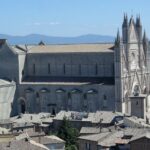
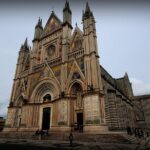
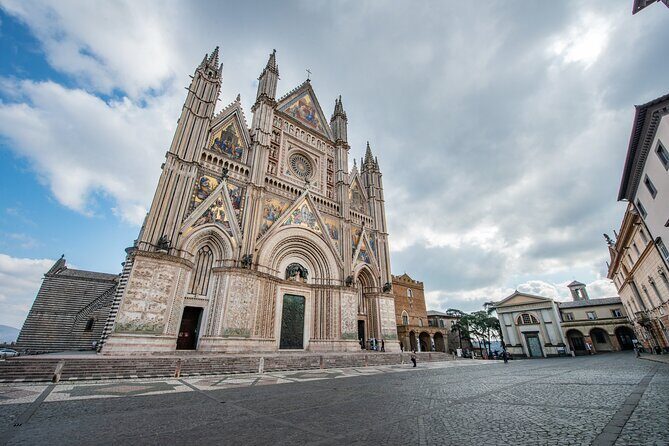
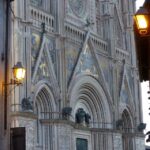
If you only have a short window in Orvieto, the Duomo is where your effort should go. The façade alone is hard to describe until you’re standing in front of it—Gothic styling, gold tones, and mosaics that look like they were made for close-up looking. Then you step inside and the building shifts from impressive exterior to moving artwork and architecture.
This is also the kind of church that benefits from a guide. You’ll hear what to focus on, what the symbolism is doing, and why certain artists mattered beyond Orvieto. With a private group, you can take your time in the spots that catch your eye instead of doing a fast walk-through.
One practical plus: you can choose a morning or afternoon start, so you can line Orvieto up with your travel rhythm rather than stealing time from your other plans.
You can also read our reviews of more private tours in Orvieto
The 1530s war well: an unusual start to set the scene
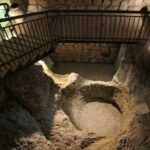
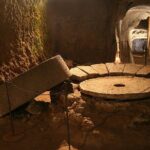
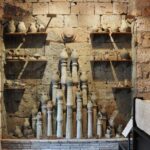
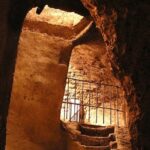
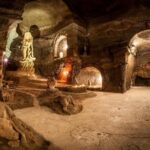
The tour begins with a stop at a well designed in the 1530s, built to keep the city supplied during wartime. It’s one of those Orvieto details that feels like it belongs to a story—engineering meant for survival, not for photos. The well is usually visited from the outside, but it’s possible to enter on request.
Here’s the catch: that entrance, if available, comes with an additional fee not included. Still, even an outside look helps you understand Orvieto as more than a pretty hill town. It’s a place that had to plan for hard times, and you’ll start noticing that mindset in the way the rest of the city is arranged.
Duomo di Orvieto: mosaics outside, frescoes inside
At the Duomo di Orvieto, you’re aiming for three things: the exterior drama, the building’s interior impact, and the art that connects Orvieto to the wider Italian Renaissance story.
What you’ll see at the cathedral
The tour focuses on the Duomo as a “must-see” church in Italy, especially for its gold-and-mosaic Gothic façade. When you’re there, the façade doesn’t read as decoration alone—it feels like the church is broadcasting messages. The guide helps you decode what you’re looking at, instead of just walking past it.
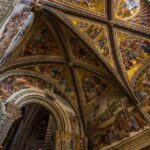
You’ll also see frescoes by Luca Signorelli, including works tied to what influenced other major artists later on. If you’ve seen Renaissance art before, you’ll recognize the names and feel the timeline. If you haven’t, it’s still easy to follow because the guide ties the art to the city that commissioned it.
How the visit usually feels
You get about 30 minutes at this stop with admission included. That’s enough time to see the main points, read a few key details, and take a breath. It’s not so long that you feel stuck, and it’s not so short that the Duomo becomes a checklist.
A small bonus that can happen: at times there can be organ playing in the Duomo while you’re touring. When that occurs, it adds atmosphere and makes the interior feel even more alive—though it’s not something you should count on.



Cappella di San Brizio: Signorelli’s frescoes up close
Right after the main Duomo visit, you’ll spend time in Cappella di San Brizio, one of the most beautiful chapels in Italy. This is where the tour’s art focus lands hardest.
Plan for about 20 minutes inside the chapel, with admission included. In a place this detailed, time passes fast. The benefit of having a guide is that you won’t just see figures and scenes—you’ll know what to look for and why the choices matter. That makes your time inside feel “earned,” not rushed.
Also, this is the chapel where you get to experience Signorelli’s work as a highlight rather than a background detail. If you care about how Renaissance art built on older traditions, this stop is the one you’ll probably remember most clearly later.
Torre del Moro: pick up the view, but know about the fee
Orvieto’s best angles often show up from above. The tour includes a stop at Torre del Moro, a medieval tower that gives you a bird’s-eye view of the city. From up there, the view isn’t just pretty—it helps you understand why Orvieto developed the way it did, with hamlets and castles pointing to the medieval power structure.
You’ll get about 10 minutes here. Admission is not included, so this is a “decide with your head” stop. If you love viewpoints, go for it. If you’re not big on heights or you’ve already got a strong photo plan elsewhere, you might treat the tower as optional.
Either way, even without going up, the city’s shape becomes clearer as you move through the historic center.
Sant’Andrea e Bartolomeo and the Centro Storico streets
After the Duomo-focused art stops and the tower view, you shift into Orvieto’s day-to-day feel: smaller churches and the walkable historic core.
Chiesa di Sant’Andrea e Bartolomeo
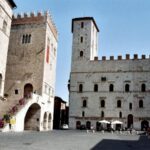
You’ll visit Chiesa di Sant’Andrea e Bartolomeo, a collegiate church in the historical center on Piazza della Repubblica. Entry is free, and you’ll have around 20 minutes here. This stop is a nice contrast to the Duomo. Think of it as a chance to see another layer of local worship and architecture without the same level of art-ticket intensity.
Centro Storico Orvieto: where the city becomes real
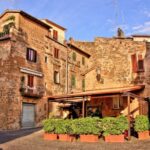
Then you’ll spend roughly 30 minutes walking through the narrow streets and alleys. This part matters more than it sounds. Orvieto’s charm isn’t only in its headline sites. It’s in how the lanes fold, how you glimpse courtyards, and how the city feels lived-in rather than staged.
Because this is part of a private experience, the guide can point out what to notice as you go—especially if it’s your first time in town.
Tickets, time, and what the price really buys you
The price is $156.20 per person for about 2 hours (approx.), in English. That sounds steep at first glance until you look at what’s included and what a private guide does for your time.
Here’s the value math that usually matters:
- You get an official guide for the whole experience.
- Duomo admission is included, which is the biggest cost and the most time-sensitive part.
- Cappella di San Brizio admission is also included.
- You get multiple key stops—cathedral, chapel, viewpoints, and additional historic sites—without spending your time figuring it out on your own.
What’s not included:
- Torre del Moro entry.
- The war well interior if you request entry (an entrance fee applies and is not included).
If you’re comparing this to a group tour, the reason it often wins is simple: you don’t waste energy trying to keep pace. You can stay longer where the art or views actually grab you. And in a place like Orvieto, where the best details often reward slow looking, that matters.
Logistics that actually affect your day
This tour meets at Piazza Cahen, 05018 Orvieto TR, Italy and ends back at the same meeting point. It’s close to public transportation, which helps if you’re arriving by train and want an easy start.
You’ll want to be ready for walking between stops in a historic center. Nothing in the duration suggests a marathon, but you are moving. If your group has anyone who needs extra breaks, tell the guide early so they can pace you.
Dress code: don’t guess
Churches here have rules, and they’re not “nice if you can.” You’ll need to cover knees and shoulders for both men and women. No shorts or sleeveless tops allowed. If you arrive dressed in a way that fails the requirement, you risk being refused entry.
This is the kind of rule that can ruin a morning. I’d plan your outfit specifically for religious interiors and carry a light layer if you’re coming from a warmer day.
Which guide style you might get
One of the best parts of private tours is the human factor: the guide can shape the story and the pace. In this experience, you may be guided by people who genuinely love Orvieto.
You might meet Max, who lays out Orvieto from Etruscan civilization through the Renaissance, even bringing in the role of mythology in how people made sense of life. You might meet Emanuela, who can make the city feel personal and calm, especially when the day gets hot. You might even get Emma, an Orvieto native who lives nearby in a very small village reached only by a footbridge—her local connection tends to show in the way she answers questions.
Other guides you could encounter include Elena, Marica, or Rino. What’s consistent is that the storytelling stays focused on the city’s key monuments—so you leave with real context, not just dates.
Who should book this tour (and who should skip it)
This tour is a strong fit if:
- You want Duomo and Signorelli as your priority and don’t want to race through.
- You prefer a smaller, controlled experience with a guide answering questions.
- You like walking in historic centers and want a curated route, not map-chasing.
You might consider something else if:
- You need a fully “museum-style” deep dive with lots of time in each room.
- You strongly dislike paying for optional entries, since Torre del Moro and the well interior can cost extra.
- Your group has trouble meeting the church dress code requirements.
Should you book this private Orvieto cathedral tour?
If you’re short on time in Umbria and you want Orvieto’s star attraction done right, I’d book it. The price feels easier to justify when you see what’s included: guide time plus admission for the Duomo and the chapel that holds the main fresco focus.
The private setup is the real quality upgrade. You spend less energy on logistics and more energy on seeing what matters. Just go prepared with the dress code, decide in advance whether you want the Torre del Moro up-fee view, and you’ll walk away with Orvieto’s big art story plus the city’s quieter street-level charm.
FAQ
How long is the private Orvieto tour?
It’s about 2 hours (approx.). The schedule is designed to cover several key sites without feeling rushed.
Is this tour private?
Yes. It’s a private tour/activity, and only your group participates.
What language is the tour offered in?
The tour is offered in English.
Are tickets for the Duomo included?
Yes. The Duomo di Orvieto stop includes an admission ticket.
Is Cappella di San Brizio ticket included too?
Yes. Admission for Cappella di San Brizio is included.
Which stops require extra payment?
Torre del Moro does not include admission. The well stop is usually viewed from the outside, and entering it (if requested) has an entrance fee that is not included.
Where do we meet for the tour?
The start point is Piazza Cahen, 05018 Orvieto TR, Italy.
What dress code do I need for churches?
You must cover knees and shoulders. That means no shorts or sleeveless tops. If you don’t meet the requirement, you may be refused entry.
Can I choose a morning or afternoon start time?
Yes. You can choose a morning or afternoon start time to fit your schedule.
Is there free cancellation?
Yes. You can cancel for a full refund up to 24 hours in advance of the experience start time.