REVIEW · NAPLES
Private Italian Pasta Masterpieces Class: Ravioli, Tortellini and Fettuccine
Book on Viator →Operated by Savio's Kitchen · Bookable on Viator
There’s nothing like making pasta from scratch. In Savio’s kitchen in Naples, I like the warm, Southern Italian home atmosphere and the fact that you don’t just watch—you actually make fettuccine, ravioli, and tortellini with an instructor who shares both food and culture. The other big win is the menu itself: cacio e pepe ravioli, provolone & speck tortellini, and seasonal pesto fettuccine, finished with sauces and wine you eat at the table. One consideration: the class runs about 3 hours starting at 10:30am, so if your day is packed with other must-dos, you’ll want to plan around it.
You’ll learn from the basics—mixing eggs and flour, then shaping the pasta by hand. The lesson takes place in a traditional Neapolitan house on the ground floor, called a basso, which keeps things relaxed and real instead of “touristy kitchen.” Expect an easy pace with the chef explaining what you’re doing and why, plus tips that help you understand how people eat and live in Naples.
After you’ve made the pasta and sauces, you sit down and taste what you produced, with local wine in the mix. If you’re the type who gets excited about the details—how fillings are built, how sauce changes by season—this format is made for you. And since it’s private (only your group), you’re not squeezed into a crowded schedule where questions get lost.
In This Review
- Key highlights worth planning around
- Savio’s kitchen and the Naples “basso” feeling
- The pasta menu: fettuccine, ravioli, tortellini, and the fillings you’ll make
- Fettuccine with a seasonal pesto
- Ravioli with cacio e pepe
- Tortellini/tortelli with provolone and speck
- The real lesson: dough basics that make everything else click
- Two sauces, changing with the seasons (and why that matters)
- Wine, conversation, and the sit-down meal finale
- The class flow: what a 3-hour session feels like
- Value check: is $69 fair for what you get?
- Who should book this pasta class (and who should skip it)
- Should you book Savio’s Private Italian Pasta Masterpieces?
- FAQ
- Where does the class meet?
- What time does the class start, and how long is it?
- Is this class private or shared with others?
- What pasta dishes are included?
- Is wine included?
- Can I cancel and get a full refund?
Key highlights worth planning around
- Private group class in a Neapolitan basso: homey setting, not a big factory-style lesson.
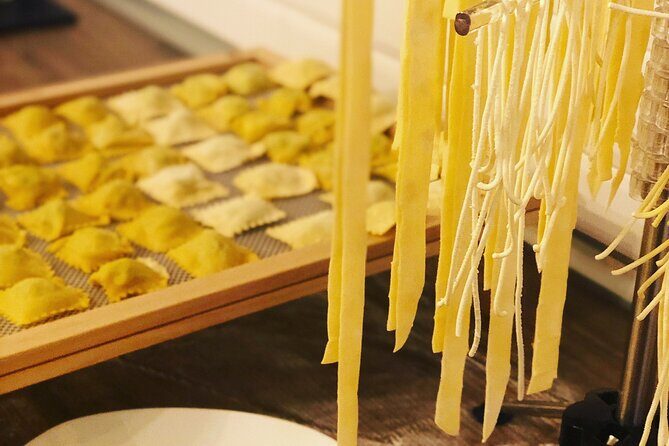
- Three iconic pasta shapes: fettuccine, ravioli, and tortellini, all taught from scratch.
- Specific fillings you can name: cacio e pepe, provolone cheese with speck, and a seasonal pesto for fettuccine.
- Two sauce builds plus local wine: you’ll cook the sauce and then eat it with your pasta.
- Real instruction plus Naples talk: you get practical food guidance and lots of conversation, not just recipes.
Savio’s kitchen and the Naples “basso” feeling
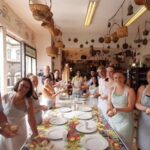
This pasta class has a setting that matters more than you might think. Instead of a sterile studio, you’re in a traditional Neapolitan house on the ground floor (a basso). That changes the mood. You feel like you’re stepping into someone’s everyday world—comfortable, chatty, and focused on food.
The location is Savio’s Kitchen Cooking School at Via Filippo Rega, 32 (Napoli), and the start time is 10:30am. Being near public transportation is a plus, because Naples can be a bit chaotic once you start traveling around by foot and bus. A mobile ticket keeps things simple once you’re on the move.
This class is also private, meaning only your group participates. That’s a real quality-of-life upgrade. You’ll have more room to ask questions, and you won’t be racing along while other people catch up—or waiting while someone else needs extra help.
You can also read our reviews of more private tours in Naples



The pasta menu: fettuccine, ravioli, tortellini, and the fillings you’ll make
Here’s what makes the class feel “authentic” rather than generic: you’re making pasta that people actually associate with regional Italian traditions. You’ll work through fettuccine, ravioli, and tortellini/tortelli, and each one comes with a filling or flavor direction.
Fettuccine with a seasonal pesto
You’ll make the dough and then shape fettuccine. The class includes a seasonal pesto to pair with it, so the flavor won’t be one-note. In practice, “seasonal pesto” matters because herbs and greens taste different at different times of year, and the chef adjusts the sauce approach accordingly.
Ravioli with cacio e pepe
For ravioli, you’ll learn the stuffed-pasta workflow—filling, portioning, and closing—then pair it with cacio e pepe. If you like the idea of classic Italian simplicity (cheese + pepper) without extra fuss, this is a smart choice. It also helps you understand how a bold filling can be supported by a sauce that doesn’t fight the pasta.
Tortellini/tortelli with provolone and speck
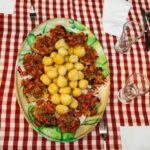
For tortellini (tortelli, bigger tortellini), the filling theme is smoky and savory: provolone cheese plus speck (smoked ham). This is a flavor combo that contrasts nicely with the lighter herbiness you get from pesto. It also gives you a “different gear” moment in the class, where you can taste how stuffing profiles change the whole finished dish.
You can also read our reviews of more tours and experiences in Naples

The real lesson: dough basics that make everything else click
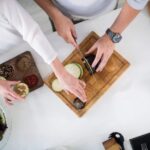
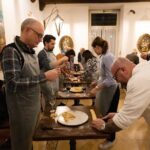
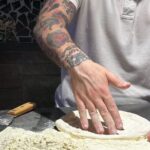
The most valuable part of a pasta class is usually the technique, not the final plate. This one starts you from scratch, using a straightforward dough approach: mixing eggs and flour, then working the dough until it behaves. You’ll shape pasta by hand, so you learn what the dough should feel like as you go.
That handwork is what makes the experience memorable—and useful later. If you’re hoping to cook pasta at home after Naples, this is the foundation. You’ll get the muscle memory for rolling or flattening (as taught by the chef), then shaping pieces like fettuccine and stuffed pasta like ravioli and tortellini.
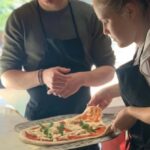
And because the format is private, it’s easier to get correction in real time. The class is designed so the chef can guide your hands—rather than giving a one-size-fits-all demo that everyone watches from across the room.
Two sauces, changing with the seasons (and why that matters)
You won’t just learn fillings. You’ll also make two different sauces that accompany your pasta. The class information is clear that sauces shift based on the season and products available at that time.
That’s a good thing, even if you’re the “I want the exact menu” type. In Italian cooking, seasonal ingredients aren’t a marketing idea—they’re flavor. When sauces change, your finished pasta experience changes too, and you see how Italian home cooks stay flexible rather than stubbornly repeating a single recipe year-round.
You may also find your sauce pairings leaning toward classic Italian comfort. In one example, a fresh tomato sauce was used to go with fettuccine and ravioli, and a butter-sage style sauce paired with tortellini. Since the class says sauces vary by season, think of those as the kind of Italian directions you might encounter, not a guaranteed exact match every time.
Wine, conversation, and the sit-down meal finale
Once the pasta and sauces are done, the class ends the way it should: you sit down and taste your work at the table. Local wine is included, and the vibe shifts from hands-on cooking to relaxed eating.
This part is more than a reward. It’s where the whole lesson makes sense. You’ll taste how your dough handles the sauce, how the filling flavors show up in the bite, and how the sauce balances pasta richness. If you’re someone who likes to learn by doing, this meal is where the “aha” moments land.
The chef also brings conversation into the experience. The tone is friendly and welcoming, and you’ll get practical Naples guidance tied to what you’re cooking—where to eat, what to try, and how to think about Italian food like locals do. It’s the kind of added value that doesn’t show up on the ingredient list, but it’s often what people remember most.
The class flow: what a 3-hour session feels like
The class runs for about 3 hours, starting at 10:30am. While the exact pacing can vary, the structure is predictable: hands-on prep first, sauce building next, then the meal.
Here’s the typical rhythm you can expect:
- Start with dough basics: eggs and flour, then shaping pasta.
- Move into fillings and stuffed pasta assembly for ravioli and tortellini.
- Cook at least two sauces that pair with the pastas you made.
- Finish by sitting down to taste everything with local wine.
Because it’s private, you’re not rushing through the steps while other people lag behind. That said, stuffed pasta takes patience. If you’re coming with zero interest in technique and just want the fastest possible “food hit,” you might find some parts slow. But if you like learning the process, the time goes quickly.
Value check: is $69 fair for what you get?
At $69 for about 3 hours, this class can feel like a “treat,” and it is. The value depends on what you’re comparing it to.
Here’s what you’re getting that makes the price easier to justify:
- You make three pasta types (not just one) from scratch.
- You make stuffed pasta plus sauces, then eat what you produce.
- Local wine is part of the experience.
- It’s private, so instruction is more direct than in a big group.
If you’d otherwise spend money on a casual meal in Naples and eat pasta that’s fine but forgettable, this class gives you something that sticks: technique plus a meal built on your own work. And if you already know how to cook, you’ll still likely appreciate the guided approach to dough feel and classic pairings like cacio e pepe and pesto.
If you’re budget-tight and your time is limited, you can’t treat this like a low-cost activity. But for the content—hands-on pasta, sauces, wine, and a sit-down tasting—the price is in a reasonable zone for a private, chef-led experience.
Who should book this pasta class (and who should skip it)
I’d recommend this class if you:
- Want a hands-on cooking experience rather than a demo.
- Like Italian classics and want to understand how they’re built.
- Enjoy food conversations and want practical Naples food tips.
- Prefer a small/private group where you can ask questions.
I’d skip it if you:
- Only want to eat, not cook (this is work with payoff).
- Need a flexible schedule because a fixed 10:30am start can be tough with other plans.
- Are expecting a “museum-style” cultural tour. This is centered on cooking and eating, with Naples context flowing through conversation.
If you’re a couple, it’s also a strong fit. The class is designed for shared teamwork at the table—rolling dough together, shaping ravioli, then celebrating at the end with what you made.
Should you book Savio’s Private Italian Pasta Masterpieces?
Yes, if your trip needs one memorable, practical food experience in Naples. This class hits the sweet spot: classic pasta types, real technique, and a home-style setting in a basso where the chef teaches with warmth. The menu is specific and high-satisfaction—cacio e pepe ravioli, provolone and speck tortellini, and fettuccine with seasonal pesto—plus sauces and wine at the end.
Book it if you want more than photos. You’ll leave with a better understanding of pasta dough basics and how Italian flavor pairings work. Skip it only if you’d rather spend those hours on sightseeing instead of learning to make the meal you’ll later crave.
FAQ
Where does the class meet?
The class meets at Savio’s Kitchen Cooking School, Via Filippo Rega, 32, 80132 Napoli NA, Italy.
What time does the class start, and how long is it?
It starts at 10:30am and lasts about 3 hours.
Is this class private or shared with others?
It’s private. Only your group participates.
What pasta dishes are included?
You’ll make fettuccine, ravioli, and tortellini (tortelli). The class includes specific fillings and pairings like cacio e pepe for ravioli, provolone cheese with speck for tortellini, and seasonal pesto for fettuccine.
Is wine included?
Yes. You’ll have local wine with your meal at the end of the class.
Can I cancel and get a full refund?
Yes. You can cancel for a full refund if you cancel at least 24 hours before the experience start time.