Pompeii and Herculaneum in one day works. This private guided tour packs two major Roman sites into a 5 to 6 hour visit, with an English-speaking guide helping you connect the dots between the ruins. I love that you’re not just walking blocks alone: the guide can answer questions and keep things moving at a pace that feels realistic. I also like the included Pompeii-to-Herculaneum train ticket, since that removes one headache from planning.
The main catch: admission tickets are not included, and each site gets about two hours, so you’ll need to be OK with a fast but meaningful highlight route rather than a slow, deep wander.
In This Review
- Key highlights to know before you go
- Private Pompeii and Herculaneum: what you’re really paying for
- Price and logistics: how this tour fits into your day
- Where you meet and where you end: Porta Marina to Ercolano Scavi
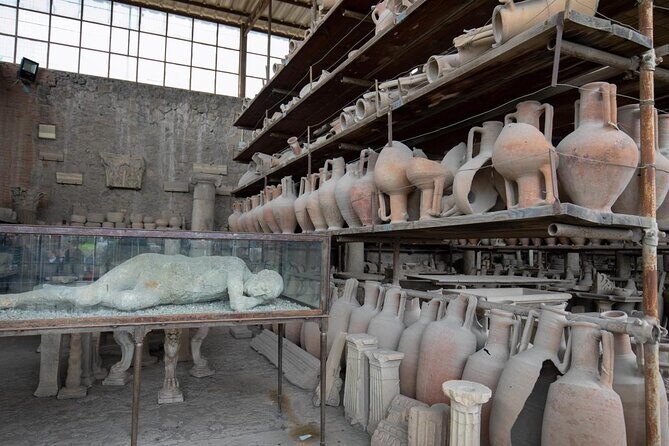
- Pompeii Archaeological Park: what you get from a focused two hours
- What to expect during your Pompeii time
- The main drawback at Pompeii
- Train to Herculaneum: built-in travel, not extra chores
- Parco Acheologico di Ercolano: seeing the second city with fresh context
- The benefit of the guide here
- The main limitation
- Guide style: why communication and flexibility show up in the details
- Flexibility you can actually use
- Timing and pacing: fitting two major sites into 5 to 6 hours
- Admission fees and value: what to budget beyond the tour price
- Who this Pompeii and Herculaneum tour suits best
- Should you book this private tour
- FAQ
- How long is the Pompeii and Herculaneum private guided tour?
- Is this tour private?
- What language is the guide in?
- Where is the meeting point in Pompeii?
- Where does the tour end in Herculaneum?
- Are admission tickets included?
- What is included in the tour price?
- How do I get the ticket?
- Do I need transportation to Pompeii?
- Can I cancel and get a full refund?
Key highlights to know before you go
- Private group only means your schedule and questions stay yours
- English guide plus strong communication skills like clear meeting directions
- Train ticket included from Pompeii to Herculaneum so you don’t fight transit
- About two hours per site with flexibility for a break between Pompeii and Herculaneum
- Station-to-station meeting and ending at Ercolano Scavi keeps the day efficient
Private Pompeii and Herculaneum: what you’re really paying for
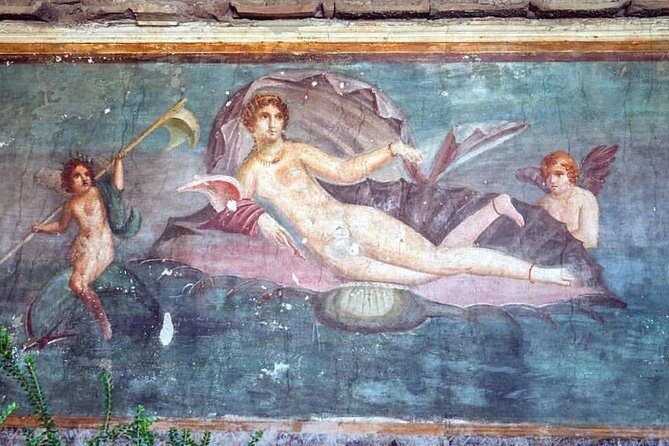
This tour is built for people who want two headline sites without turning the day into a transportation puzzle. You’re paying for a guide who can turn ruins into something you can actually picture, and you’re paying for time management: two 2-hour blocks at Pompeii and Herculaneum plus transit between them.
The value is strongest when you care about context. In guides’ comments from past guests, you can see a pattern: people come in with questions about how the city worked, how buildings were used, and how art and everyday life connect. When that’s your goal, a live guide matters more than extra time on your own.
You can also read our reviews of more guided tours in Pompeii

Price and logistics: how this tour fits into your day
At $216.86 per person, this isn’t the cheapest way to do Pompeii and Herculaneum. But it’s not just a ticket bundle either. You’re getting guide service, plus the train ticket from Pompeii to Herculaneum included, which can save both money and stress compared to planning every step yourself.
Two details to watch:
- Admission fees are not included, so budget extra for entry to both archaeological areas.
- Transportation to Pompeii isn’t included, so you’ll need your own plan for getting to the start point at Pompeii.
If you want a smooth day with less guesswork, the price starts to make sense.
Where you meet and where you end: Porta Marina to Ercolano Scavi
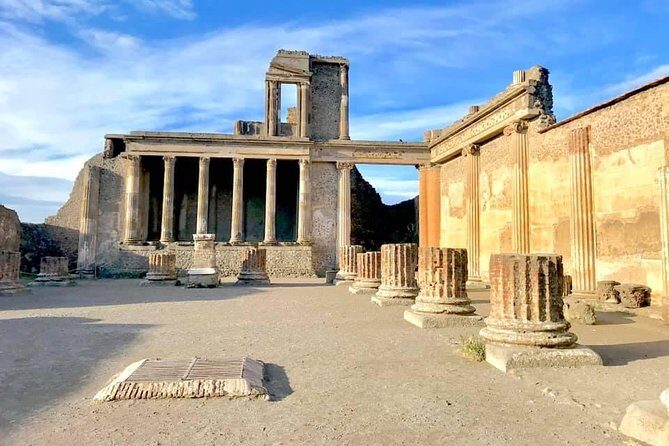
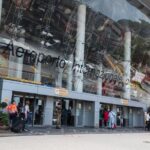
The tour starts at Pompei Porta Marina – scavi. The end point is Ercolano Scavi, so your day flows forward rather than ending back where you started.
That station-based setup is practical. You’re not stuck figuring out how to get yourself between sites at the last minute, and it helps your guide keep the schedule realistic. In real-world terms, this is one of the easiest “you only have to show up once” formats for combining Pompeii and Herculaneum.
Pompeii Archaeological Park: what you get from a focused two hours
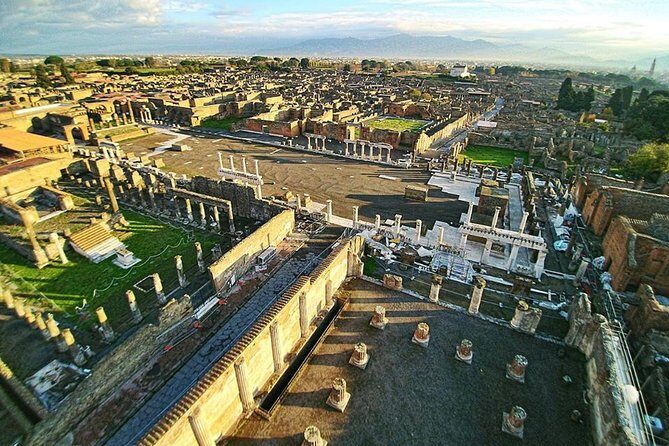
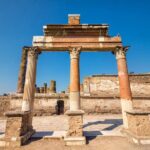
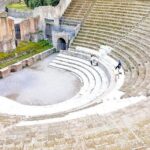
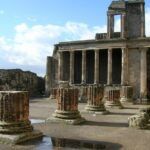
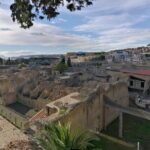
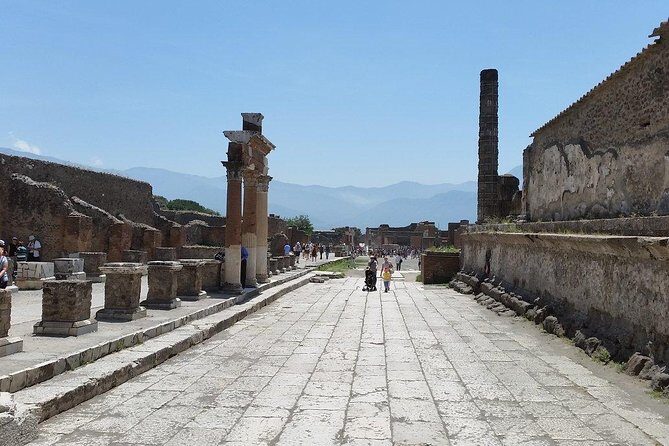
Your first stop is Pompeii Archaeological Park for about two hours. With only a short window, the smart move is to treat this as a guided highlights plan with meaning, not a full self-guided marathon.
A good private guide helps you look past the obvious and understand what you’re seeing. In feedback tied to this tour, guests repeatedly praise guides for explaining daily life, the city’s layout, and the purpose behind structures and objects. That kind of interpretation changes how the ruins land in your brain.
What to expect during your Pompeii time
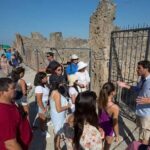
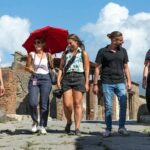
You’ll move through the site with the guide directing your attention. The guide is described as flexible and happy to answer questions, and you’ll likely get a pace that keeps you from feeling lost in a very large area.
You can also read our reviews of more private tours in Pompeii



The main drawback at Pompeii
Two hours can feel short if you love stopping for photos every few minutes. If Pompeii is your #1 priority and you want lots of quiet time, this format may feel like a fast tasting. Still, it’s a strong way to get the big ideas first, then decide later if you want to return.
Train to Herculaneum: built-in travel, not extra chores
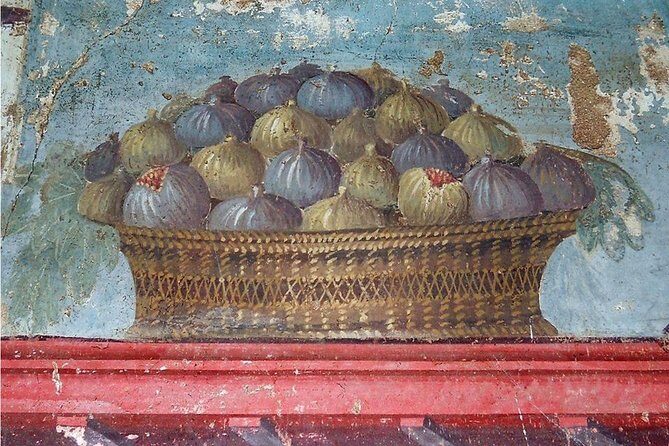
Between stops, you take the train from Pompeii to Herculaneum. Since the ticket is included, you don’t need to price out or coordinate that segment on your own.
This matters because the day’s quality is tied to not burning time on logistics. When transit is handled, the tour can stay inside the 5 to 6 hour window and you get more ruin-time instead of waiting-time.
Parco Acheologico di Ercolano: seeing the second city with fresh context
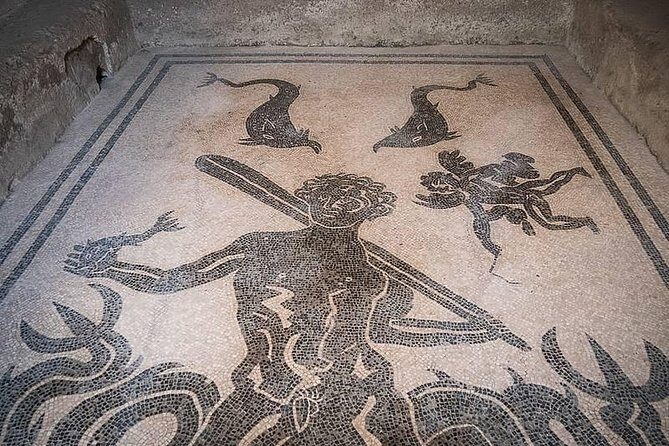
Your second stop is Parco Acheologico di Ercolano for about two hours. Doing Pompeii first sets a baseline, and Herculaneum reads differently when you have a guide pointing out what’s similar and what’s different in how the place functioned.
This comparison is a big part of why guests rate the experience so highly. People like having a guide help them connect the dots, especially when they want to see both sites in the same day. It’s one thing to admire two ruins from afar. It’s another to understand what each one is showing you about Roman life.
The benefit of the guide here
The best guides don’t treat Herculaneum as a repeat. They help you notice patterns, explain why certain spaces matter, and make the site feel logical instead of random. In past feedback, guides were also praised for timing and route choices to reduce congestion pressure, which helps when you’re working with limited hours.
The main limitation
Again, it’s about time. Two hours is enough to feel the atmosphere and pick up key ideas, but it’s not enough for a slow, chapter-by-chapter read of every area.
Guide style: why communication and flexibility show up in the details
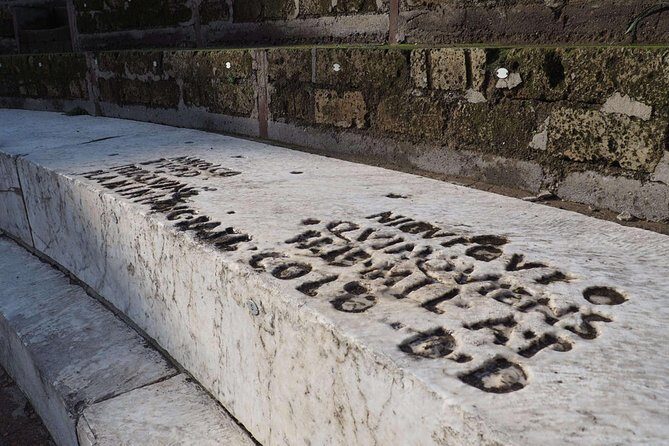
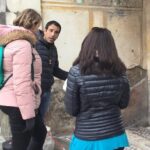
This tour is private, and that tends to show in the “small stuff” that makes a day easier. Multiple guides connected with guests clearly ahead of time, including messaging with practical directions. One guide named Giusy was singled out for meeting guests at the station and providing clear steps for finding the meeting point from a hotel.
English clarity is another recurring theme. Several guests praised guides like Giusy and Paolo for strong English and for turning the day into something you can follow, not just survive.
Flexibility you can actually use
The tour description notes that your guide will be happy to answer questions and adjust if you want a break between Pompeii and Herculaneum. That’s more than a nice promise. In a place like this, it’s what keeps a day from turning into a rushed stampede.
Timing and pacing: fitting two major sites into 5 to 6 hours
You should plan for a structured day, not a wandering day. With about two hours per site, the guide has to make choices about where to focus. That can feel great if you like momentum, and it can feel limiting if you’re the type who likes to linger.
In hot weather, pacing becomes even more important. One guide named Romolo was praised for making sure guests had water early, which is exactly the kind of practical thinking that helps you stay comfortable instead of feeling drained by mid-day heat.
If you want the best experience, come ready with a couple of questions. Ask about everyday life, city planning, or how people used spaces. The guide’s explanations are more satisfying when you’re steering the conversation a bit.
Admission fees and value: what to budget beyond the tour price
The tour price covers the guide and the included train ticket, but Pompeii and Herculaneum admission fees are extra. That’s not unusual for this region, but it’s worth planning for so you don’t get surprised.
Here’s how I’d evaluate value:
- If you’d otherwise struggle with transit between sites, the included train ticket is a real win.
- If you want interpretation (not just sightseeing), the private guide justifies the cost.
- If you’re comfortable navigating on your own and you’re not big on historical context, you may decide a cheaper format fits you better.
You’re also looking at a format that has been booked far in advance on average, around 120 days. If you travel during peak season, you’ll want to lock it in early rather than trying to wing it.
Who this Pompeii and Herculaneum tour suits best
This is a strong match if you:
- Want one day to cover both sites
- Prefer a guide to explain what you’re seeing
- Like the idea of a private group with flexible Q&A
- Are staying somewhere nearby and can reach the Pompeii meeting point on your own
It may be less ideal if you:
- Want a long, slow walk with lots of personal wandering time
- Expect admission fees to be included in the listed price
- Don’t want to follow a structured route
Should you book this private tour
Yes, if you want Pompeii plus Herculaneum without turning your day into a transit project. The included train ticket, the station-to-station setup (Pompei Porta Marina to Ercolano Scavi), and the consistently praised guide communication make it feel like a day designed for real people with limited time.
I’d book it especially if Pompeii and Herculaneum are top priorities and you’d rather pay for clarity than guesswork. Just budget for admission tickets, accept that each site gets about two hours, and show up ready to ask questions.
FAQ
How long is the Pompeii and Herculaneum private guided tour?
It runs about 5 to 6 hours total, with roughly two hours at Pompeii and two hours at Herculaneum.
Is this tour private?
Yes. It’s a private tour/activity, so only your group participates.
What language is the guide in?
The tour is offered in English.
Where is the meeting point in Pompeii?
The meeting point is Pompei Porta Marina – scavi (80045 Pompei).
Where does the tour end in Herculaneum?
The tour ends at Ercolano Scavi (80056 Ercolano).
Are admission tickets included?
No. Admission fees for Pompeii and Herculaneum are not included.
What is included in the tour price?
Included are the guide service and the train ticket from Pompeii to Herculaneum.
How do I get the ticket?
You receive a mobile ticket.
Do I need transportation to Pompeii?
Transportation to Pompeii is not included. You’ll need to arrange how you get to the meeting point.
Can I cancel and get a full refund?
Yes. You can cancel up to 24 hours in advance for a full refund.