REVIEW · OSTIA ANTICA TOURS
Ostia Antica – We give emotions
Book on Viator →Operated by About Rome - Miglior visita guidata con Micaela · Bookable on Viator
Ostia Antica feels alive. In about 30 minutes by train from Rome, you step into a quieter Roman port city where the ground is still made of ancient pavement and late-antique layers. You’ll follow the big street grid (Cardo and Decumano) and turn into the more evocative corners where everyday Roman life becomes easy to picture.
I love that you’re not stuck only on the main thoroughfares. You get led toward the parts that make this place feel real—mosaics, bath areas, and the spaces tied to daily routines like mills and shops. The one catch: this is real walking on uneven ancient surfaces, so it is not a fit if you have walking problems.
In This Review
- Key Things You’ll Notice on This Ostia Antica Walk
- Why Ostia Antica Hits Different Than the Big Ruins
- Getting There: The Easy Train Route and the Walk to the Ticket Office
- Meeting Micaela: The Guide Style That Makes Ostia Make Sense
- The Core Walk: Cardo, Decumano, and the Feeling of a Real City
- Parco Archeologico di Ostia Antica: Mosaics, Baths, Mills, and Shops
- After the Tour: Museum, Synagogue, or Heading Toward Ostia Lido
- Price and Value: What You’re Really Paying For
- Who Should Book This Tour (and Who Might Skip It)
- Should You Book Ostia Antica – We Give Emotions?
- FAQ
- How long is the Ostia Antica guided experience?
- What does the price include?
- Are train tickets from Rome included?
- Do I need an entrance ticket for Ostia Antica?
- Where do I meet and where does the tour end?
- Is the tour suitable for people with walking problems?
- What happens after the guided part?
Key Things You’ll Notice on This Ostia Antica Walk
- Late-antique Ostia, not just a “dead city”: the town kept going well beyond the time period people usually picture.
- Micaela’s humor makes the stones talk: you hear details that go beyond quick captions.
- Cardo and Decumano plus the side stops: you see how the street plan connects to practical places (baths, shops, mills).
- Mosaics, spas, and bathing areas: fun to spot, easy to remember once you know what to look for.
- You choose what happens after the guide: museum time, the ancient synagogue, or head toward Ostia Lido and the beach.
- Guide is included, but tickets are not: plan for the archaeological park entrance and your own train ride.
Why Ostia Antica Hits Different Than the Big Ruins
If you only have time for one “Romans after dark” site near Rome, I get why you’d think of the famous options. But Ostia Antica has a different feel. It’s close enough to do as a day activity from Rome, yet it stays calmer and more human-scale than the headline sites.
What I like most is the vibe: this was a working port city, and the bones of daily life are still there. You walk along the main Roman street lines—Cardo and Decumano—and you can feel the grid doing its job. Then the guide nudges you toward the places that make that grid matter: bathing spaces, mosaic-adorned rooms, and other areas tied to routine work and commerce. The best part is that it doesn’t feel like you’re “touring ruins.” It feels like you’re trying to understand how people moved, ate, shopped, and refreshed themselves.
There’s also a time depth angle that makes the visit stick. Pompeii is famous because it froze in time after Mount Vesuvius erupted in 79 AD. Ostia, by contrast, continued to prosper long after that, reaching into the fourth century. That means you’re not just seeing one moment—you’re seeing a place that kept changing as the centuries rolled on.
You can also read our reviews of more tours and experiences in Rome.


Getting There: The Easy Train Route and the Walk to the Ticket Office
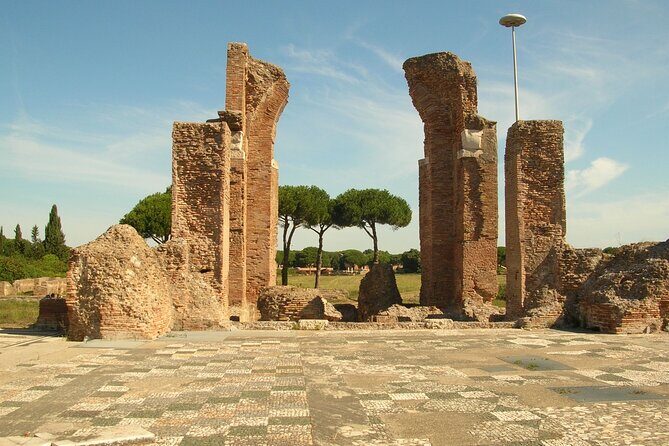
The tour starts right at Ostia Antica (Viale dei Romagnoli, 717). From Rome, you’ll take a train ride of about 25 minutes, then walk roughly 10 minutes to reach the archaeological site ticket office.
Why this matters: if you’ve ever done a day trip where you lose time hunting for entrances, this is the opposite. You’re given a simple rhythm—train, short walk, then you’re in. Starting on-site also helps you get your bearings fast, because the guide can immediately link what you’re seeing to how the city functioned.
One practical note: the meeting and ending point are the same. If you want to stay later at the site, the guide will finish at the exit. That’s useful because you don’t have to schedule your own meetup after the walking part is done.
Also, this is best with comfortable shoes. The ancient paving is part of the experience, but it’s still uneven underfoot. If you know your feet get cranky on cobbles or long museum floors, plan for it. The tour requires moderate physical fitness and it’s not suitable for walking problems.
Meeting Micaela: The Guide Style That Makes Ostia Make Sense

This tour is built around one big advantage: your guide, Micaela, is described as humorous and genuinely engaged. That’s not a throwaway detail. Humor helps when you’re walking through ruins that can look similar unless someone points out what’s important.
I also like the promise of what you’ll hear. The guide focuses on specifics—details that don’t usually show up in basic guidebook captions. That can be as simple as explaining how you should read the street layout, or why certain rooms and floor patterns are worth noticing. Once someone explains the logic, your brain starts “translating” the remains into daily behavior.
Group size is capped at 30. That matters because Ostia Antica is a walking experience. With fewer people, it’s easier to keep pace, get answers, and not feel like you’re always stuck behind someone who stops for every photo.
If your group becomes larger, note that headphones are not listed as included when groups exceed 6 people. So if you rely on spoken commentary to catch the story, come prepared to stand near the guide and keep your ears open.
The Core Walk: Cardo, Decumano, and the Feeling of a Real City
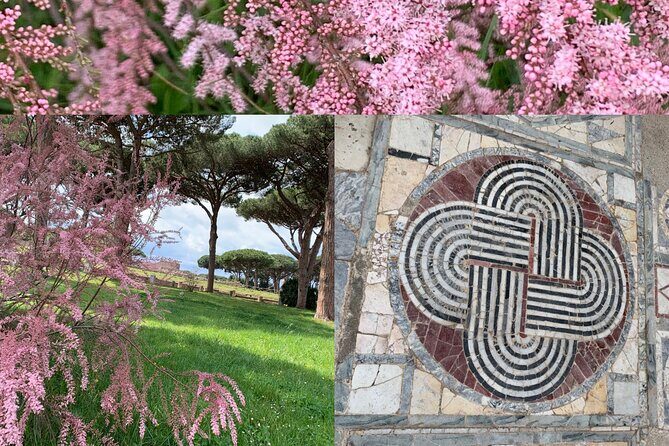
The guided portion is designed to connect the street grid to lived experience. You begin exploring Ostia Antica as a late-antique city, then you follow the main routes—Cardo and Decumano—where Roman pavement still covers the ground under your feet.
Here’s what makes this approach valuable: streets aren’t just “pretty ruins to photograph.” In a working city, streets determine movement, trade, and how public life spills into private spaces. When you walk the main lines with a guide, you start to understand where you are relative to everything else. The city stops being a random cluster of walls and becomes a system.
The guide also takes you beyond the obvious highlights. You’ll be led to the most evocative corners of the ancient city, not just the postcard-friendly stretches. That’s where the emotional part of the tour title makes sense. You’re not chasing drama; you’re collecting little moments where a place suddenly reads like a memory.
One more reason this works: the timing. Expect roughly 2 hours 30 minutes to 3 hours 20 minutes total for the experience. That’s enough time to walk, see the major areas, and still have energy left for choices afterward.
Parco Archeologico di Ostia Antica: Mosaics, Baths, Mills, and Shops

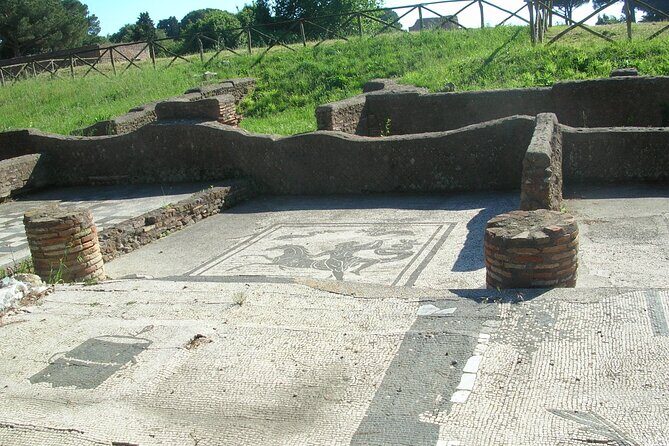
The heart of the day is the time spent in the Parco Archeologico di Ostia Antica. During this stretch, you’re not only walking down the central thoroughfares—you’re discovering functional zones and the decorative details that tell you how people lived.
You can expect stops and viewpoints connected to:
- mosaics
- spas
- shops and mills
- public baths
- temples
I love this mix because it covers both work and well-being. Mosaics can feel like pure beauty until you understand they weren’t just for show. Spas and bathing areas instantly connect to daily habits—where hygiene, heat, and social life overlapped. Meanwhile, shops and mills ground you in the city’s practical side. Once you’ve seen those pieces together, Ostia feels less like “a ruin” and more like “a place people depended on.”
Drawback to know upfront: the tour can include a lot of walking on historic surfaces, and you’ll be moving between different pockets of the site. If you go slowly through museums at home, you may want to pace yourself from the start. Bring water and take quick breathers when the guide pauses.
Also, the tour price includes the guide, but the entrance ticket to the archaeological park is not included. So before you go, make sure you know how you’ll handle that extra cost. If you forget it, you can lose time right when you want to be walking with the group.



After the Tour: Museum, Synagogue, or Heading Toward Ostia Lido
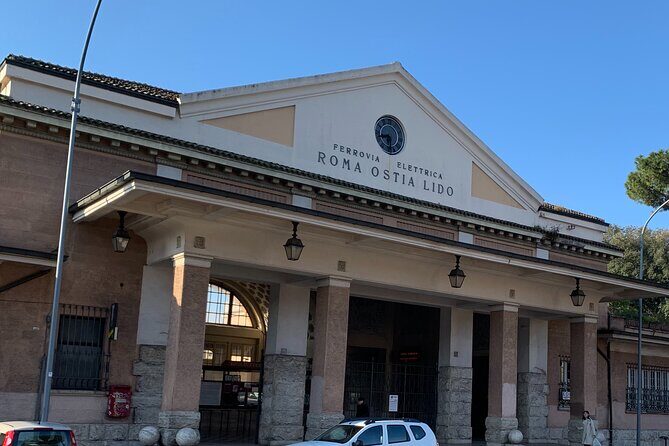
When the guided portion ends, you get a useful kind of freedom. You can stay and explore on your own, and the guide will wrap up at the exit of the archaeological site.
Your options include:
- visit the museum
- see the ancient synagogue
- continue toward Ostia Lido for the beach
- return by train and travel back to Rome
This is a great setup if you like your day flexible. Maybe you want more context in the museum. Or maybe you’d rather connect the Roman port city to the modern coastline and end with a change of pace.
A practical way to think about it: use the guided walk to learn the city’s layout and daily rhythm. Then let your extra time follow your mood—history indoors, a specific religious site, or a relaxed finish at the water.
Price and Value: What You’re Really Paying For
The tour costs $144.61 per person. The listing notes that it’s typically booked about 14 days in advance, which usually means people plan ahead for a guided experience.
Here’s how I judge the value. You’re paying mainly for the guide. The tour includes the escort and storytelling, and that’s the part that makes Ostia Antica feel like more than ruins on a map. Your guide’s humor and the focus on details you won’t find in standard reading material are where the money turns into something you can remember.
But you should also budget for what’s not included:
- train tickets
- entrance ticket to the archaeological park
- and possibly headphones if the group is larger than 6 people
So the real comparison isn’t just this price versus another tour. It’s this tour plus your own transport and ticket costs versus the value of having the city explained while you walk it.
One other value note: smaller groups (up to 30) are easier to manage on-site. In places like Ostia Antica, that can matter as much as which sites you see.
If you have a flexible schedule, weather can also affect the plan. This experience requires good weather. If it’s canceled due to poor weather, you’ll be offered a different date or a full refund.
Who Should Book This Tour (and Who Might Skip It)
This is a strong choice if you want:
- a guided understanding of a less-crowded Roman site
- the story of daily life, not just the big highlights
- a walking route that connects street lines to baths, shops, mills, and temples
- time after the tour to customize your ending
It’s likely not the best match if:
- you have walking problems or low tolerance for uneven surfaces
- you dislike guided pacing and prefer to wander with zero structure
If you’re the type of traveler who enjoys learning how a city worked—how people moved, ate, refreshed, and traded—Ostia Antica will reward you.
Should You Book Ostia Antica – We Give Emotions?
Yes, if you want a Roman ruins day that feels more human and less checklist-driven. The combination of staying close to the main street grid while still getting led into the more meaningful corners is the winning formula. The guide style—humor plus specific details—turns stone remains into a walkable story.
I’d also book it if you like the idea of a quieter side of Rome. You’re in and out in a focused amount of time, and you can extend the day afterward with museum time, the ancient synagogue, or a beach finish at Ostia Lido.
If you hate walking or you need fully accessible routes, skip this one and look for a different format. Ostia is worth it, but this particular experience is made for feet.
FAQ
How long is the Ostia Antica guided experience?
The tour runs about 2 hours 30 minutes to 3 hours 20 minutes.
What does the price include?
It includes the guide who accompanies you. Train tickets and the archaeological park entrance are not included.
Are train tickets from Rome included?
No. Train tickets are not included, though the train ride is about 25 minutes.
Do I need an entrance ticket for Ostia Antica?
Yes. The entrance ticket to the Archaeological Park is not included.
Where do I meet and where does the tour end?
You meet and end at Ostia Antica, Viale dei Romagnoli, 717, 00119 Roma RM, Italy.
Is the tour suitable for people with walking problems?
No. It’s not suitable for travelers with walking problems and requires moderate physical fitness.
What happens after the guided part?
You can stay longer to visit the museum or the ancient synagogue, or continue toward Ostia Lido. The guide ends at the site exit, and you can also return by train.